



If you look at your bathroom counter right now, it’s probably a skincare graveyard. You buy a dozen different serums because TikTok told you to, slap them all on, and then wonder why your face is red, peeling, and unhappy.
If you want actual, visible results without needing a chemistry degree to figure out what goes where, you need a smart skincare strategy. And the most effective, dermatologically proven strategy out there is incredibly straightforward: Vitamin C in the morning, Retinol at night. It is the gold standard. Dermatologist Joshua Zeichner and top-tier experts like Los Angeles facialist Kate Somerville have been preaching this exact routine for years.
But here is the catch. These are highly active skincare ingredients. Throwing two aggressive acids and cell-communicating ingredients on your face isn't a game. If you do it wrong, you are buying a one-way ticket to Inflammation City. Let’s break down exactly how to pull off this routine, step by step, so you get the glow without the grief.

The Morning Shift: Your Antioxidant Armor
Why do we use Vitamin C during the day? Because the moment you walk out your front door—or even just sit by a window—UV light and pollution are attacking your skin, generating unstable molecules called free radicals. These little scavengers break down your collagen, cause sun damage, and trigger unwanted skin discoloration.
Think of Vitamin C as a bulletproof vest for your face. It neutralizes free radicals before they can cause cellular damage.
When you shop for a serum, you will usually see it listed as pure L-ascorbic acid (or just ascorbic acid). This is the most potent form, acting as a massive collagen booster. However, percutaneous absorption studies show that pure ascorbic acid is notoriously unstable. It oxidizes quickly when exposed to light and air. That is exactly why you often see it paired with Ferulic acid, which helps stabilize the formula and maintain the low pH level required for it to actually penetrate your skin.
If you have highly sensitive skin, pure ascorbic acid might sting. In that case, you want to look for a gentler derivative on the ingredient list, like magnesium ascorbyl phosphate. Whichever form you choose, the goal is the same: bright, even skin tone and a solid defense mechanism against the outside world.
The Night Shift: The Repair Crew
If morning is for protection, nighttime is for repair. Retinol (Vitamin A) is arguably the single most studied anti-aging ingredient in existence.
Here is how it works without the boring textbook jargon: Retinol sinks into your skin and forces your lazy cells to speed up their life cycle. It triggers something called keratinocyte differentiation, which is a fancy way of saying it tells your skin to shed old, dead cells and push fresh, new ones to the surface. Simultaneously, it kickstarts deep collagen synthesis and collagen formation.
This means better skin elasticity, noticeable skin firming, and a smoother texture. It is a powerhouse for fading dark spots and treating various dermatologic conditions.
But Retinol has a notorious dark side: skin irritation. Because it forces cell turnover, severe skin peeling, redness, and dryness are incredibly common when you first start. This is why you must apply it at night. Not only does UV light degrade retinol, rendering it useless, but retinol also leaves your fresh skin cells vulnerable to the sun.
The Problem with Mixing and Matching
Here is where most people mess up their skin care routine. They try layering skincare ingredients that hate each other. Vitamin C needs a highly acidic environment to work. Retinol prefers a more neutral pH. If you apply them at the exact same time, you alter the pH of both, effectively canceling out their benefits while maximizing the irritation.
You could spend hundreds of dollars piecing together a massive routine to navigate this. You might grab an Alpha Beta AHA/BHA Daily Cleansing Gel for prep, buy Skin Pharm's Glow Factor for your morning antioxidant, and then pick up Skin Pharm's Night Watch serum or the heavy-duty Dr. Dennis Gross Advanced Retinol + Ferulic Overnight Texture Renewal Peel for the evening. Or maybe you are eyeing a dedicated brightening boost vitamin C system for AM and a completely separate time rewind retinol system for PM.
That is a lot of bottles, a lot of money, and a lot of guesswork.
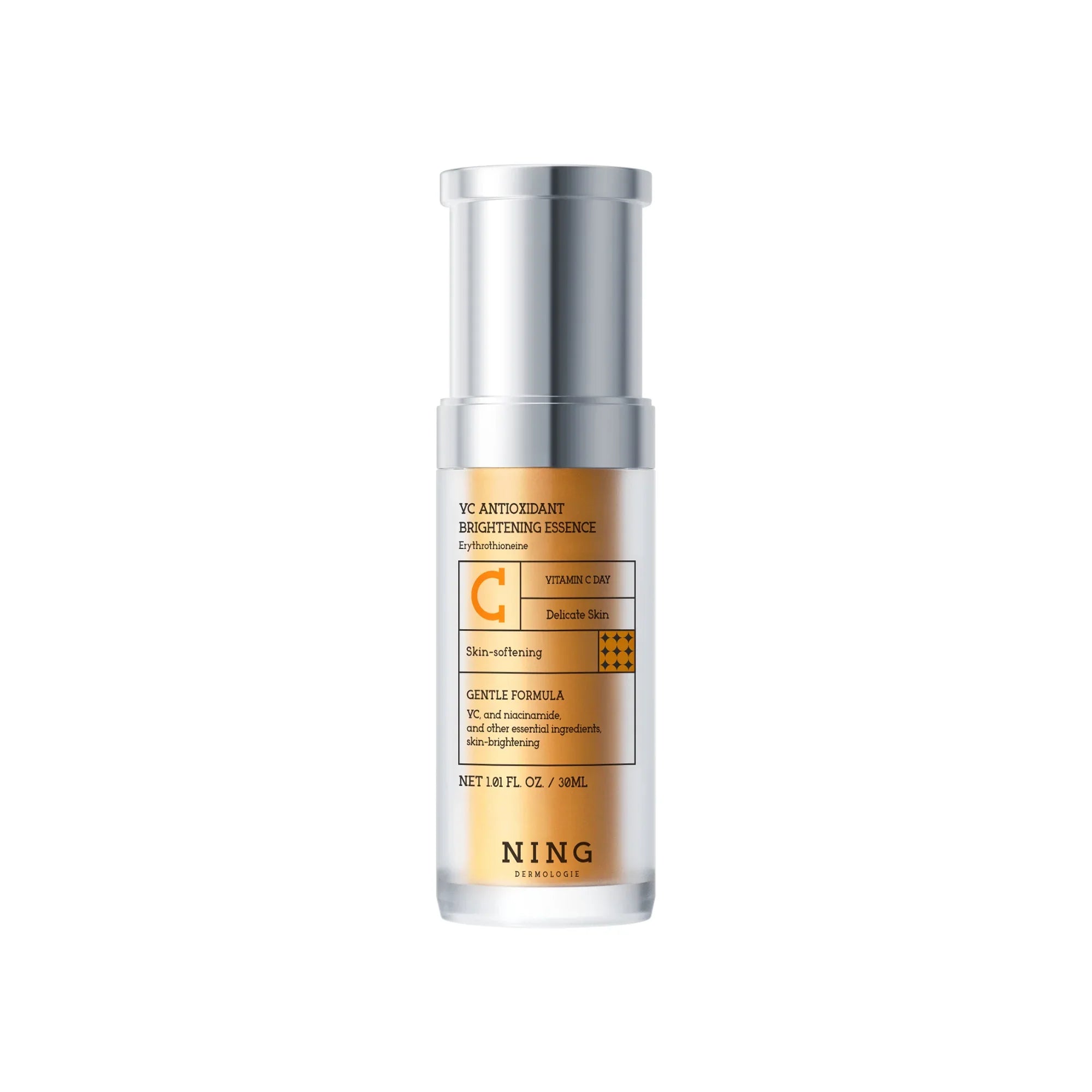
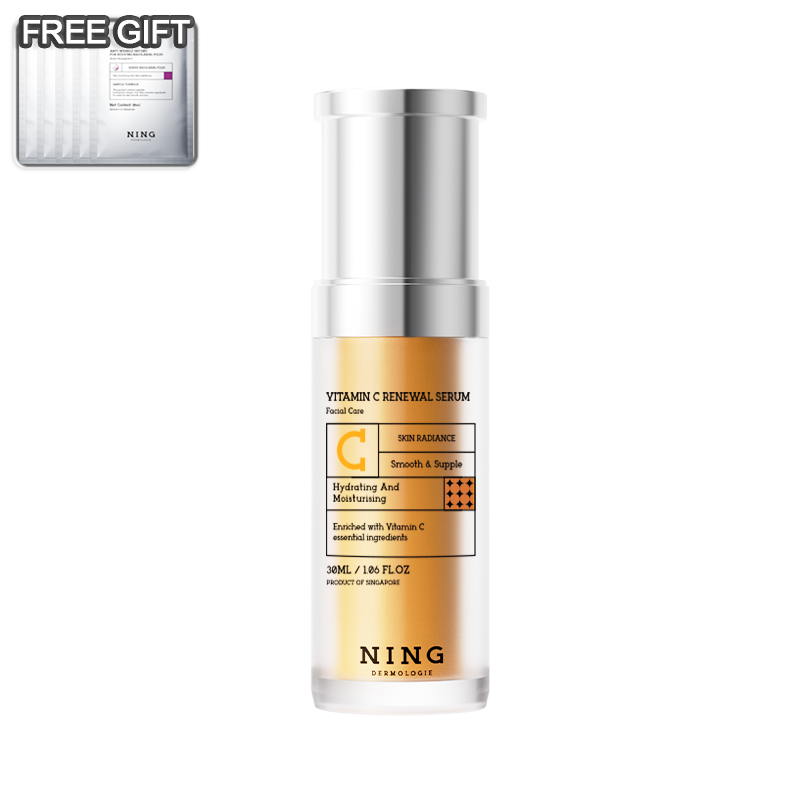
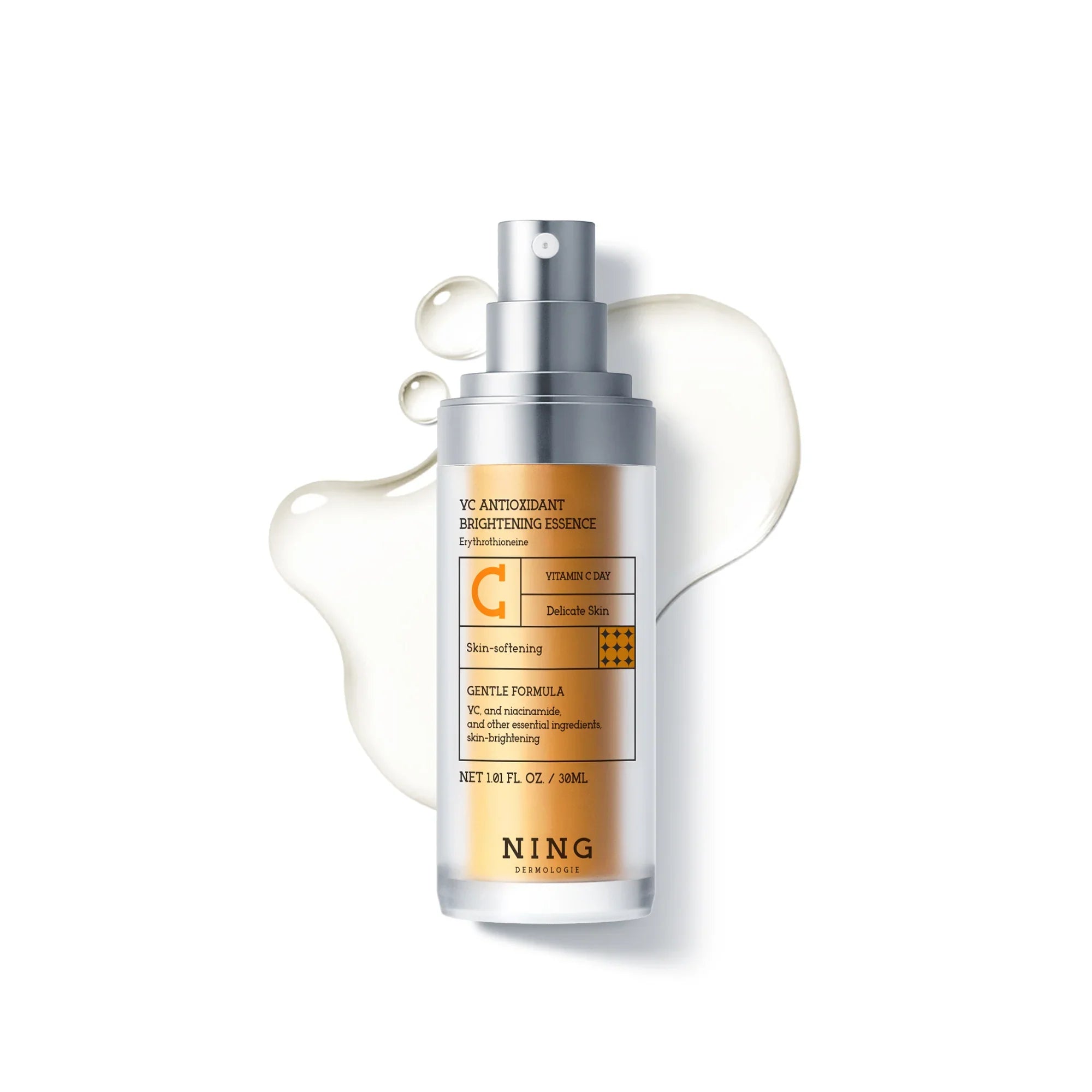
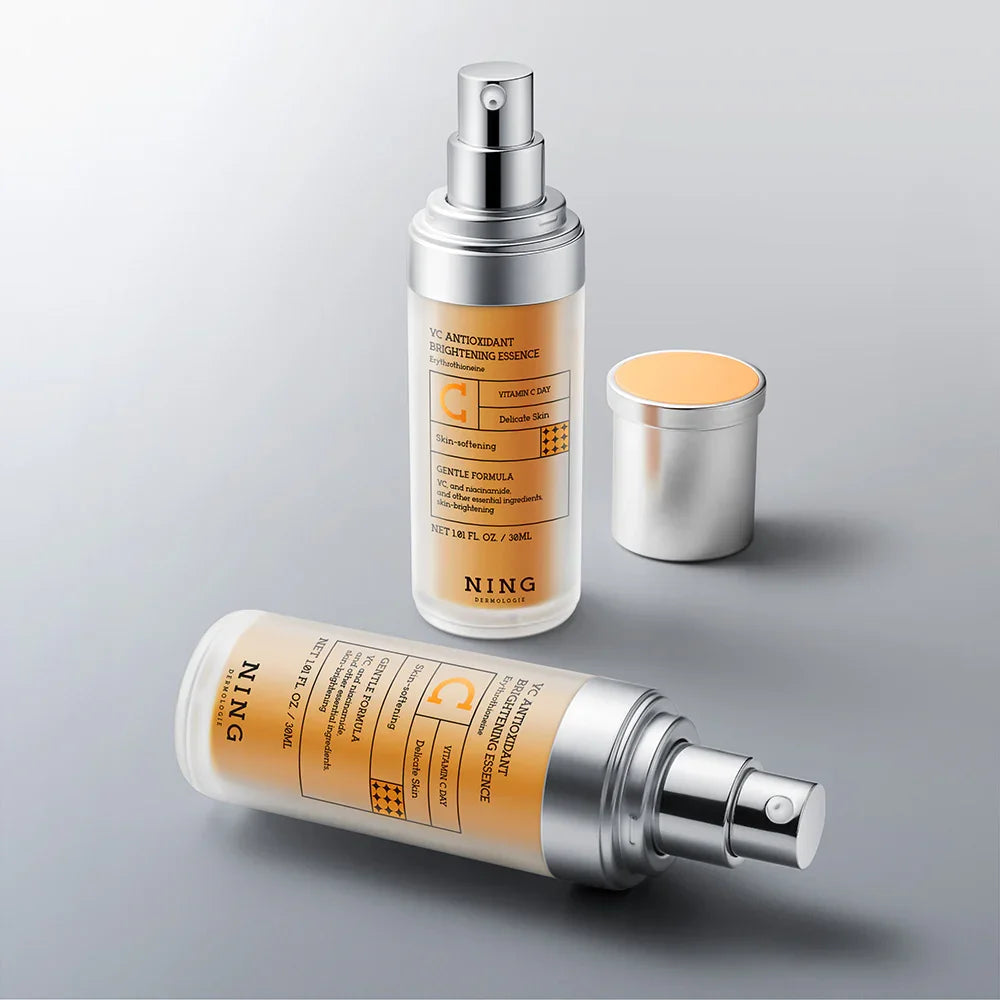
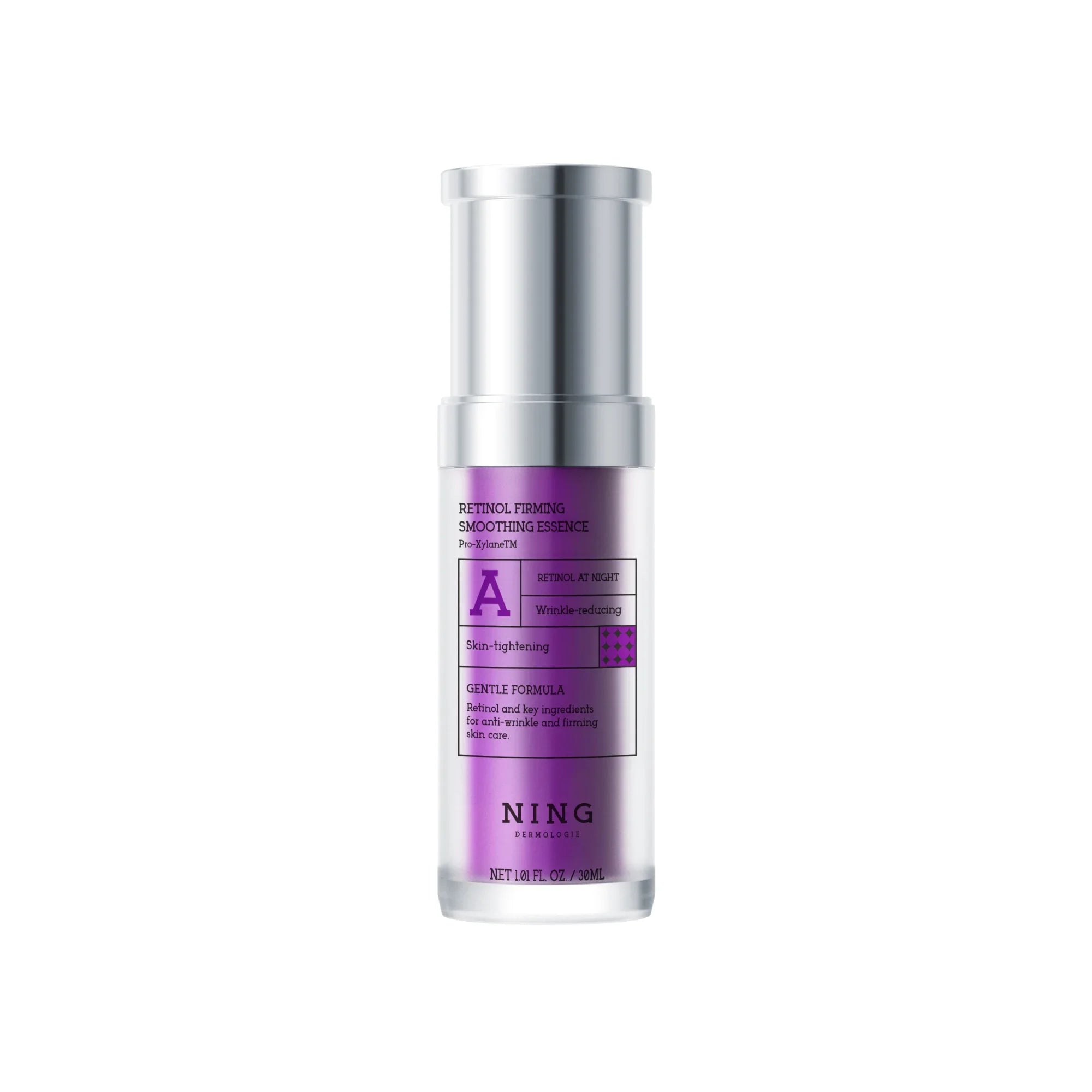
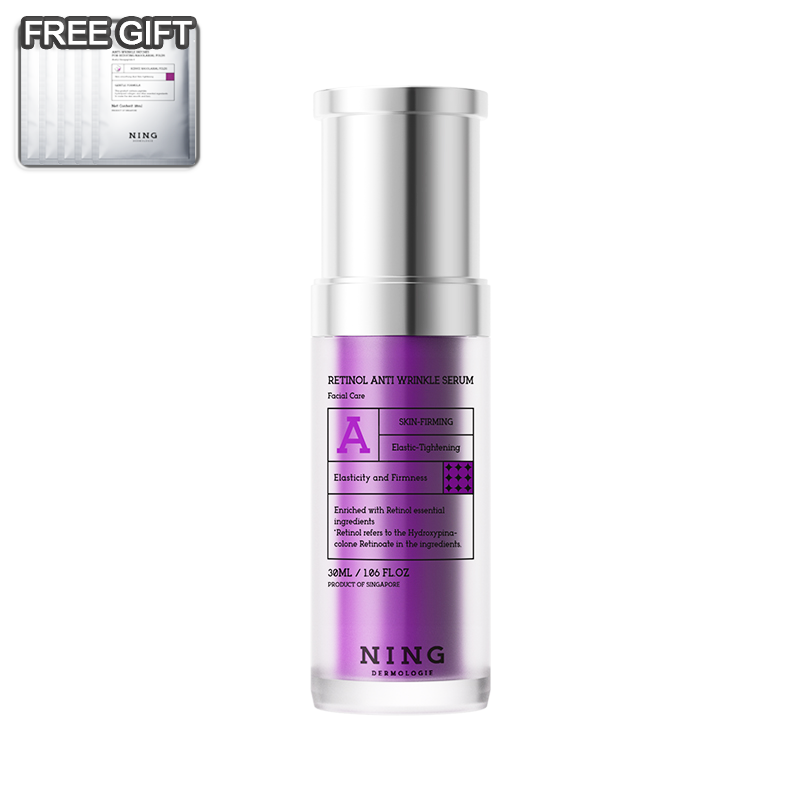
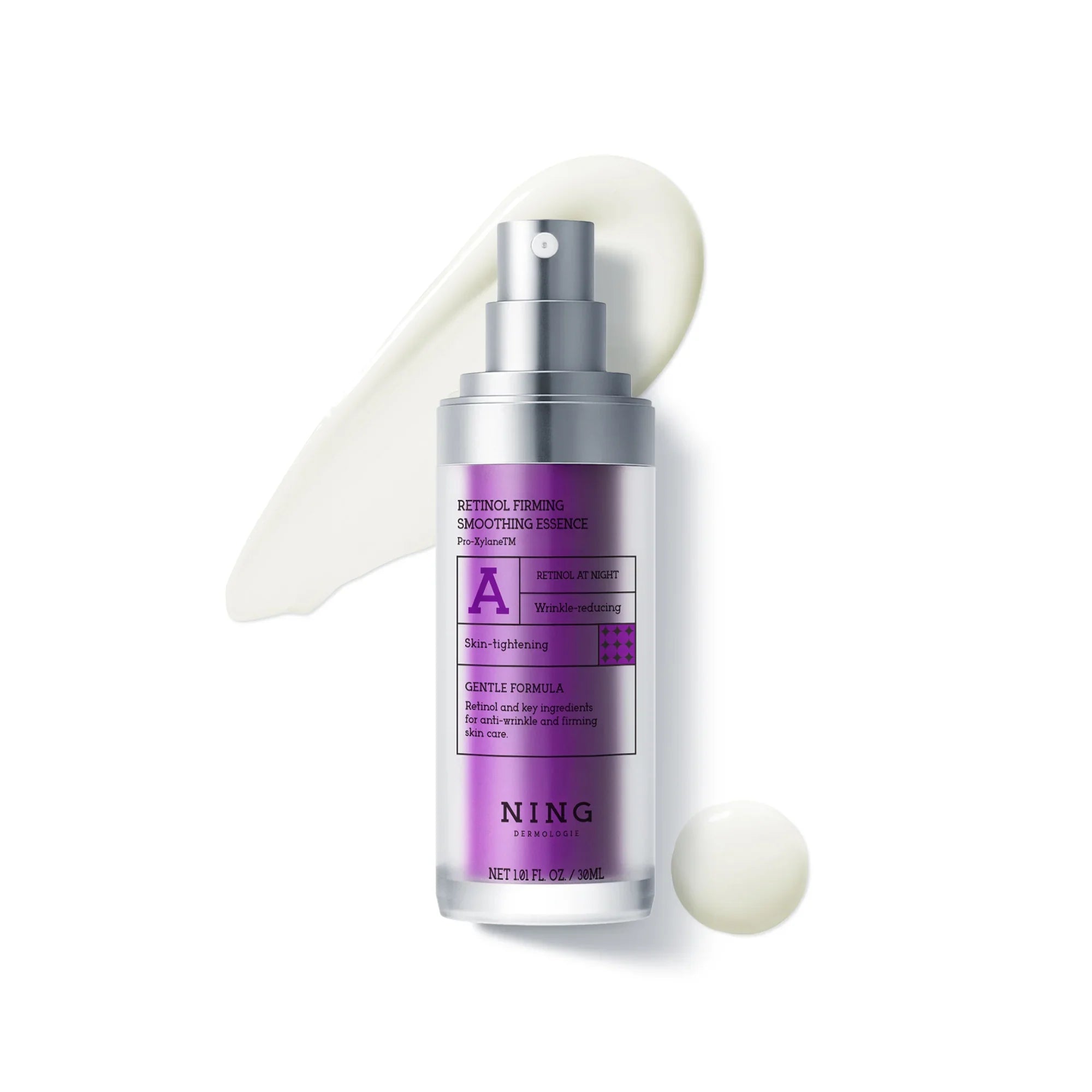
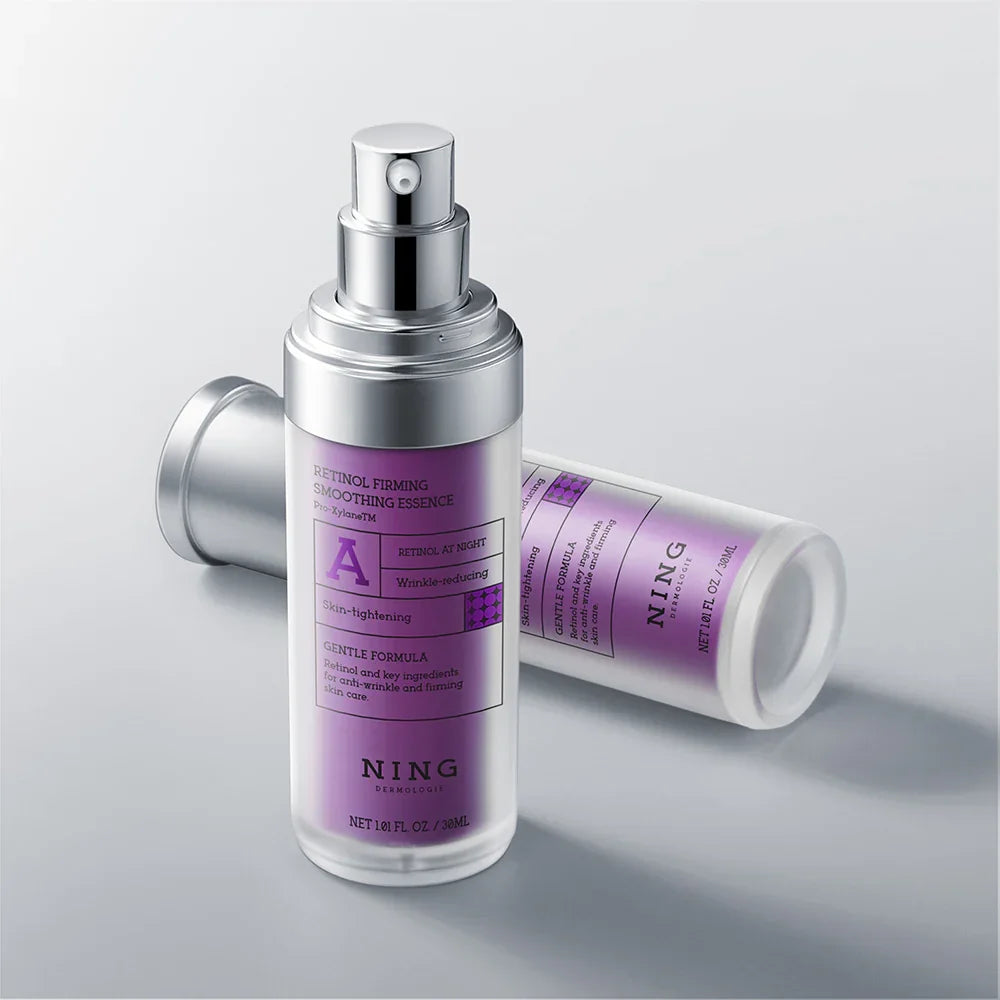
If you want a system that just works without forcing you to play cosmetic chemist, you need a pre-calibrated pair. This is exactly where the NING Dermologie Age-Defying Day & Night Duo shines. Instead of hoping your random morning serum plays nice with your random night cream, this set is formulated to work as a continuous 24-hour cycle. You get the high-performance antioxidant defense in the morning and the deep cellular repair at night, perfectly balanced to protect your skin barrier. If you are tired of the guesswork, you can check out their specific formulation right here: https://ningcos.com/products/ning-dermologie-age-defying-day-night-duo.
Your Step-by-Step Practical Routine
Forget the 10-step routines. If you are using powerful actives, less is more. Here is exactly how to structure your day.
The AM Routine:
- Cleanse (Gently): Splash with water, or use a very mild cleanser. Do not use harsh physical scrubs.
- Apply Vitamin C: On completely dry skin, apply your Vitamin C Firm & Bright Serum (or your NING Dermologie AM treatment). Four to five drops is plenty. Crucial step: Wait about two minutes. Let it sink in and allow your skin's pH to reset.
- Hydrate: Apply a moisturizer tailored to your Skin Types. If you run dry, a moisturizer packed with hyaluronic acid will lock in water.
- Protect: This is non-negotiable. Apply a generous layer of broad spectrum sunscreen. Skipping SPF while using retinol and Vitamin C is practically begging for severe sun damage and greatly increases your risk for skin cancer.
The PM Routine:
- Remove the Day: You need to get that sunscreen off. A hyaluronic marine meltaway cleanser or a solid cleansing balm is perfect for breaking down stubborn SPF and makeup without stripping your skin.
- Dry Completely: I cannot stress this enough. Towel dry your face and wait five minutes. Applying retinol to damp skin acts like a sponge, pulling the active ingredient in too quickly and destroying your skin barrier.
- Apply Retinol: Take a pea-sized amount. Dot it on your forehead, cheeks, and chin, then rub it in. Avoid the corners of your nose and mouth where skin is thinnest.
- Moisturize: Follow up with a plain, thick moisturizer. Keep it boring. Do not mix your retinol with a hydroquinone gel, harsh toners, or other exfoliants. Nurse practitioner Chelsie Rogers often advises her clients to keep the rest of their nighttime routine incredibly basic when using a retinoid to avoid chemical burns.
Mistakes to Avoid (Read This Before You Start)
- Going too fast: Do not use retinol every single night right out of the gate. Start twice a week. If your skin feels fine after two weeks, move to three nights. Building tolerance takes time.
- More is not better: Slathering on a thick layer of retinol will not give you faster results; it will just burn your face off. A pea-sized amount is enough for your entire face.
- Ignoring your neck: Your neck ages just like your face. Bring your Vitamin C and your sunscreen down to your neck and chest. However, neck skin is thin, so mix a tiny bit of retinol with your moisturizer before applying it there to dilute it.
Consistency is everything. Stick to this simplified, targeted routine, and your skin will look entirely different in a few months.

Frequently Asked Questions (FAQ)
Can I use Vitamin C and Retinol at the same time?
No. Don't do it. Vitamin C needs a low pH to work, and retinol needs a higher one. Mixing them cancels out the benefits and will likely just leave your face red and angry. Stick to C in the morning, A at night.
What if my skin gets super dry and flaky?
That’s normal at first. It's called the "retinol uglies." Cut back your retinol use to once or twice a week. Sandwich it between two layers of a thick, plain moisturizer. If it really burns, stop for a few days.
Do I really need sunscreen if I work inside all day?
100% yes. UVA rays go right through glass. Plus, retinol makes your skin more sensitive to the sun. If you aren't wearing SPF every single morning, don't bother using these ingredients at all. You're just wasting your money.
Can I put Vitamin C right under my eyes?
It depends on the formula. Most pure ascorbic acid serums are way too strong for the thin skin around your eyes and will sting. Look for an eye cream specifically made with a gentle derivative instead of dragging your face serum up there.
How long until I actually see a difference in my skin?
Give it time. You might notice a brighter glow from the Vitamin C in a couple of weeks. But for the retinol to build collagen and smooth out fine lines, you are looking at three to six months of consistent use. Be patient.






Share:
Best Brightening Routine for Melasma, Dark Spots, and Uneven Skin Tone
Best Day and Night Anti-Aging Duo for Fine Lines and Dull Skin