



If your face feels tight, looks dull, or stings when you apply basic lotions, your skin barrier is likely damaged. Hyaluronic acid acts like a sponge, pulling water into your skin to plump it up. Ceramides are the heavy-duty seal that locks that water inside. You almost always need both, but the exact balance depends on whether your skin is thirsty (dehydrated) or cracked (dry and compromised).

The "Brick and Mortar" Analogy: Understanding Your Skin Barrier
Before we look at ingredients, we need to talk about how your skin actually works. Dermatologists love the "brick and mortar" analogy for the stratum corneum (the outermost layer of your skin).
Imagine a brick wall. Your skin cells are the bricks. The mortar holding those bricks together is a lipid matrix made up of cholesterol, fatty acids, and—you guessed it—ceramides.
When your mortar is strong, your skin barrier keeps the good stuff in (water) and the bad stuff out (Environmental Aggressors, bacteria, pollution). But when you overdo it with harsh exfoliating acids or face extreme weather, that mortar crumbles. This leads to transepidermal water loss (TEWL), where moisture literally evaporates off your face, tanking your hydration levels.
Hyaluronic Acid: The Ultimate Thirst Quencher
Hyaluronic acid (HA) is a sugar naturally found in our skin that holds up to 1,000 times its weight in water. Think of it as the ultimate sponge.
What It Does Best
HA sits in the extracellular matrix and acts as a humectant. It grabs moisture from the environment and pulls it into your skin. A good hyaluronic acid serum provides immediate plumpness, smoothing out fine lines and improving overall skin texture. It is pure skin hydration.
Who Should Use It
Everyone. Whether you have oily skin, dry skin, or are prepping for professional aesthetic treatments, HA is universally tolerated. It plays well with almost all other skincare ingredients, including Vitamin C and Vitamin B5.
Ceramides: The Ultimate Bodyguards
If HA is the water, ceramides are the lid on the cup. They make up about 50% of your skin's natural barrier lipids.
What They Do Best
Ceramides focus entirely on moisture retention and barrier repair. They fill in the cracks of your damaged barrier, preventing Moisture Loss and defending against external stressors. Without a solid ceramide foundation, your skin pH gets thrown off, and conditions like eczema or severe Skin Sensitivity flare up. They are essential for long-term skin resilience and skin longevity.
Who Should Use Them
If you have dry skin, a compromised barrier, or use strong actives like retinol, a ceramide-rich moisturizer is non-negotiable. Even in baby skincare, ceramides are heavily relied upon to prevent early skin disorders.
How to Layer Them (Your Skincare Routine)
You don't have to choose between them. In fact, a Skincare Routine that uses both is the gold standard.
Forget outdated dadi-nani ke nuskhe (grandma's home remedies) that might irritate your face, and avoid mindlessly adding items to your cart just because you saw them on a trendy site like Mirae Beauty Hub. Building a routine is about smart pairing.
- Cleanse: Start with a gentle cica face wash to clean without stripping.
- Hydrate (HA): Apply your HA serum onto damp skin. This gives the sponge water to absorb.
- Seal (Ceramides): Follow up immediately with a ceramide moisturizer to lock it all in and support your moisture balance.
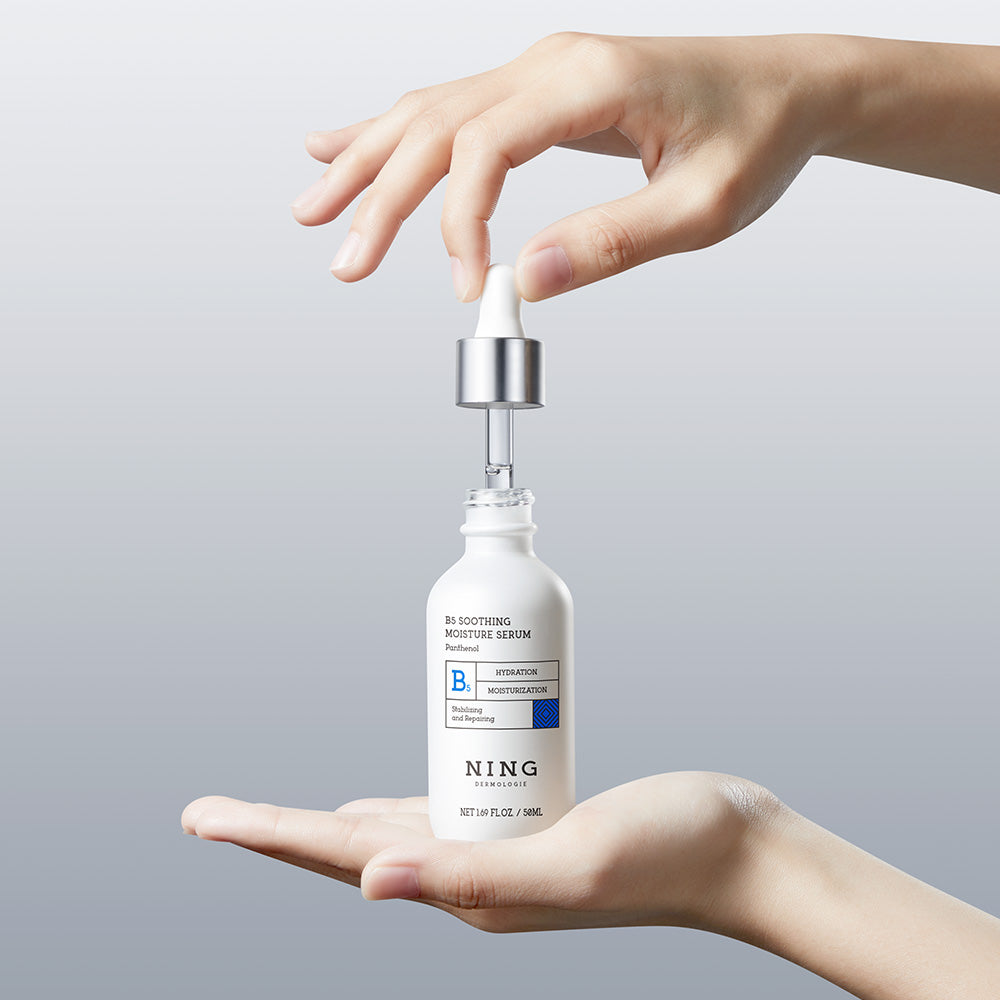
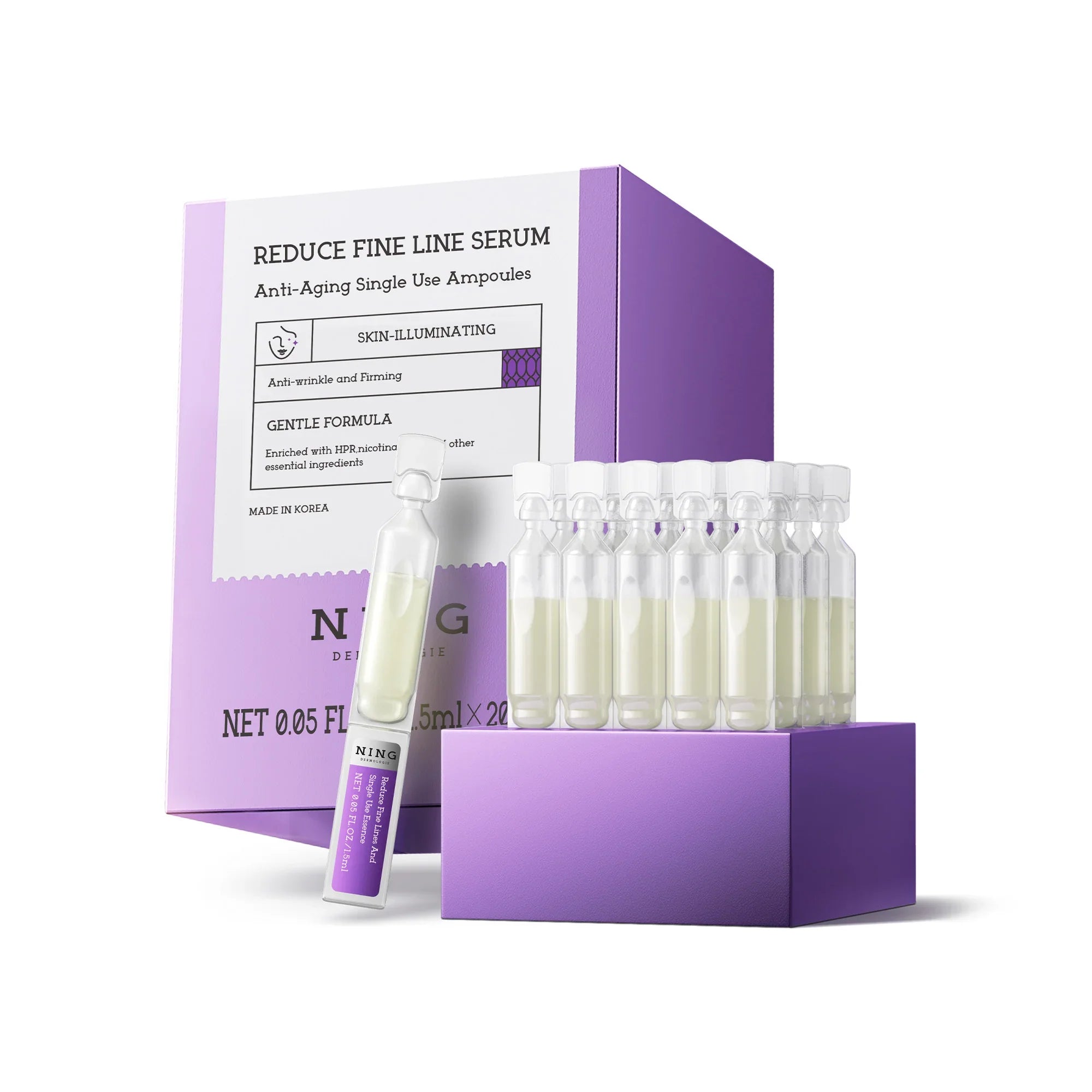
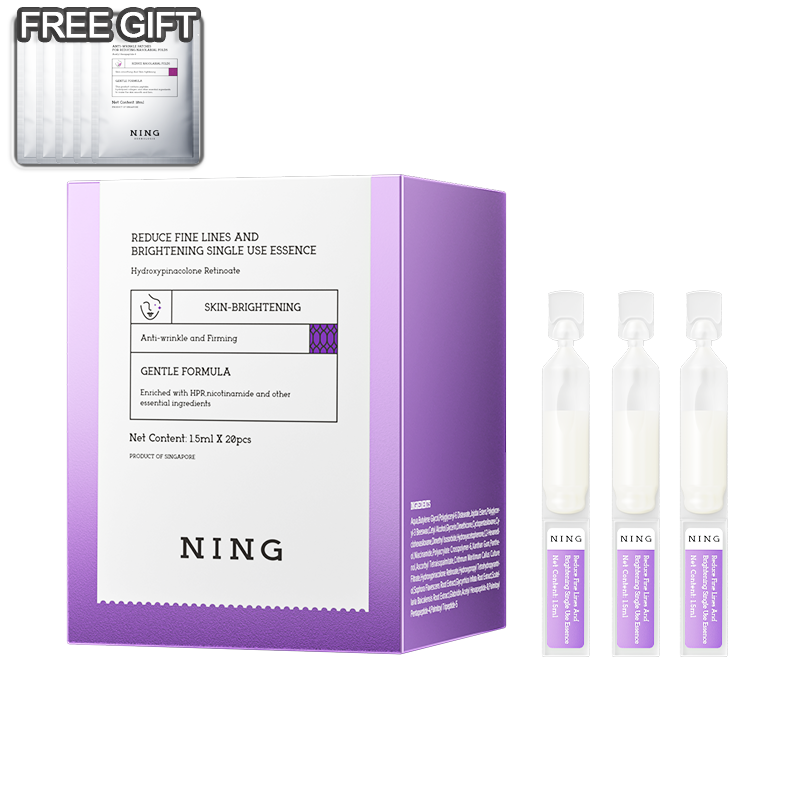
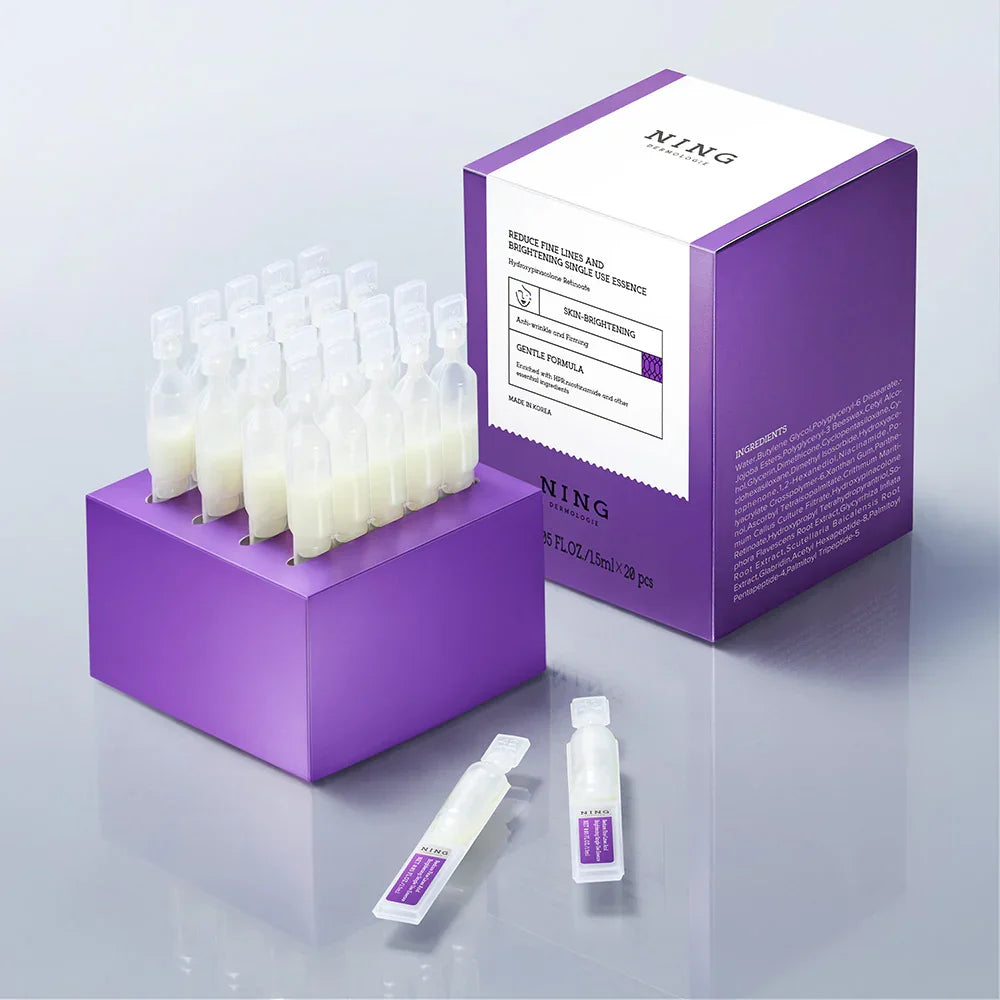
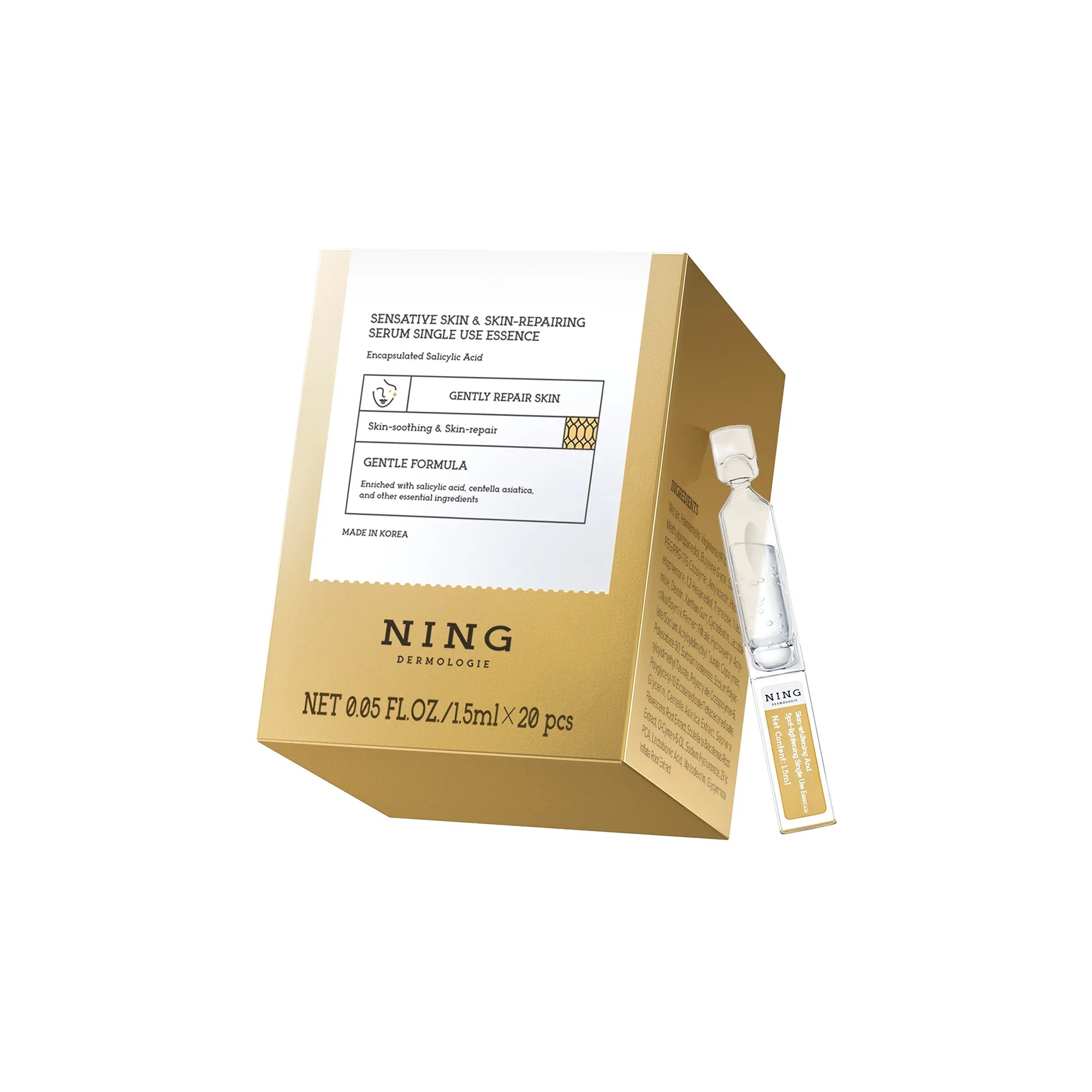
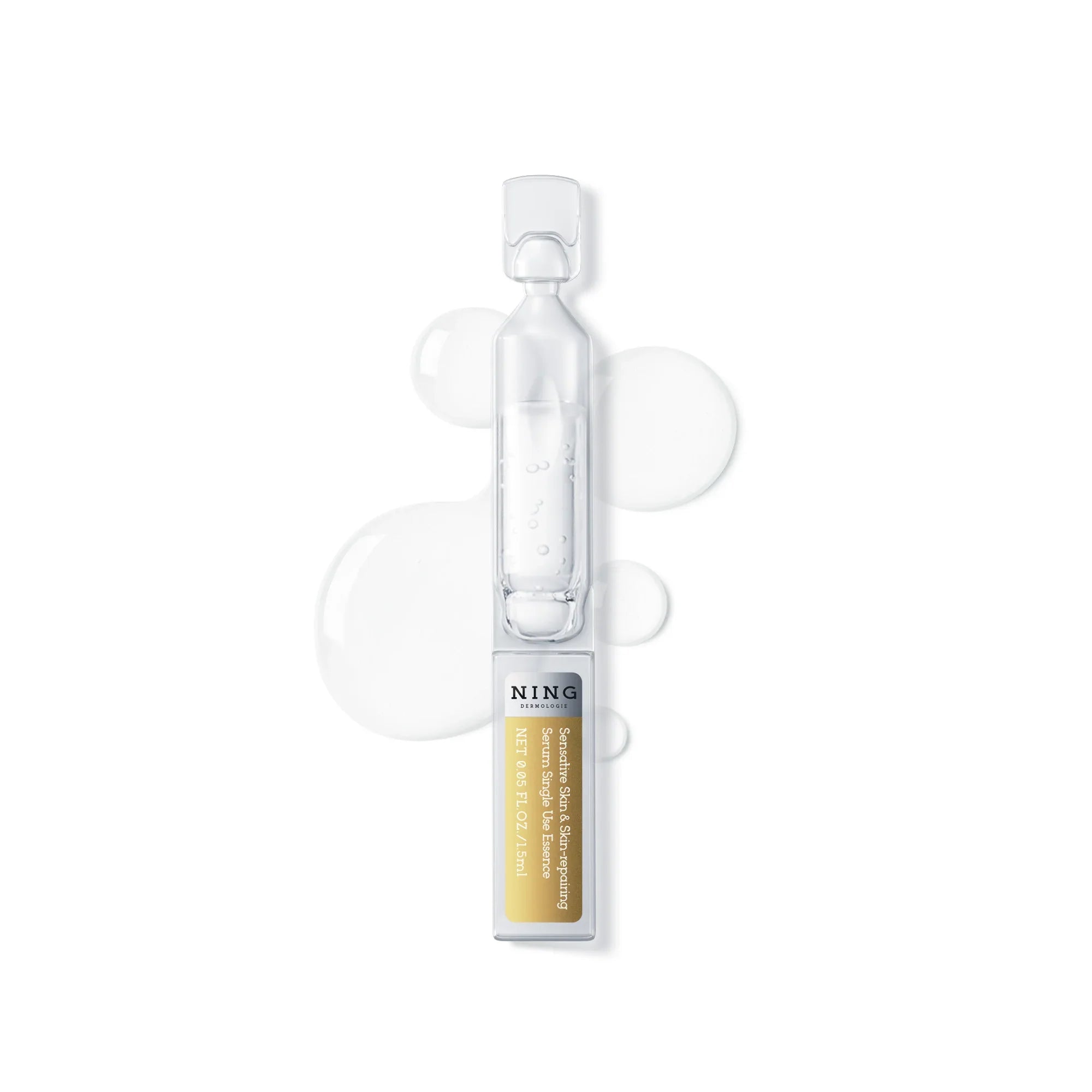
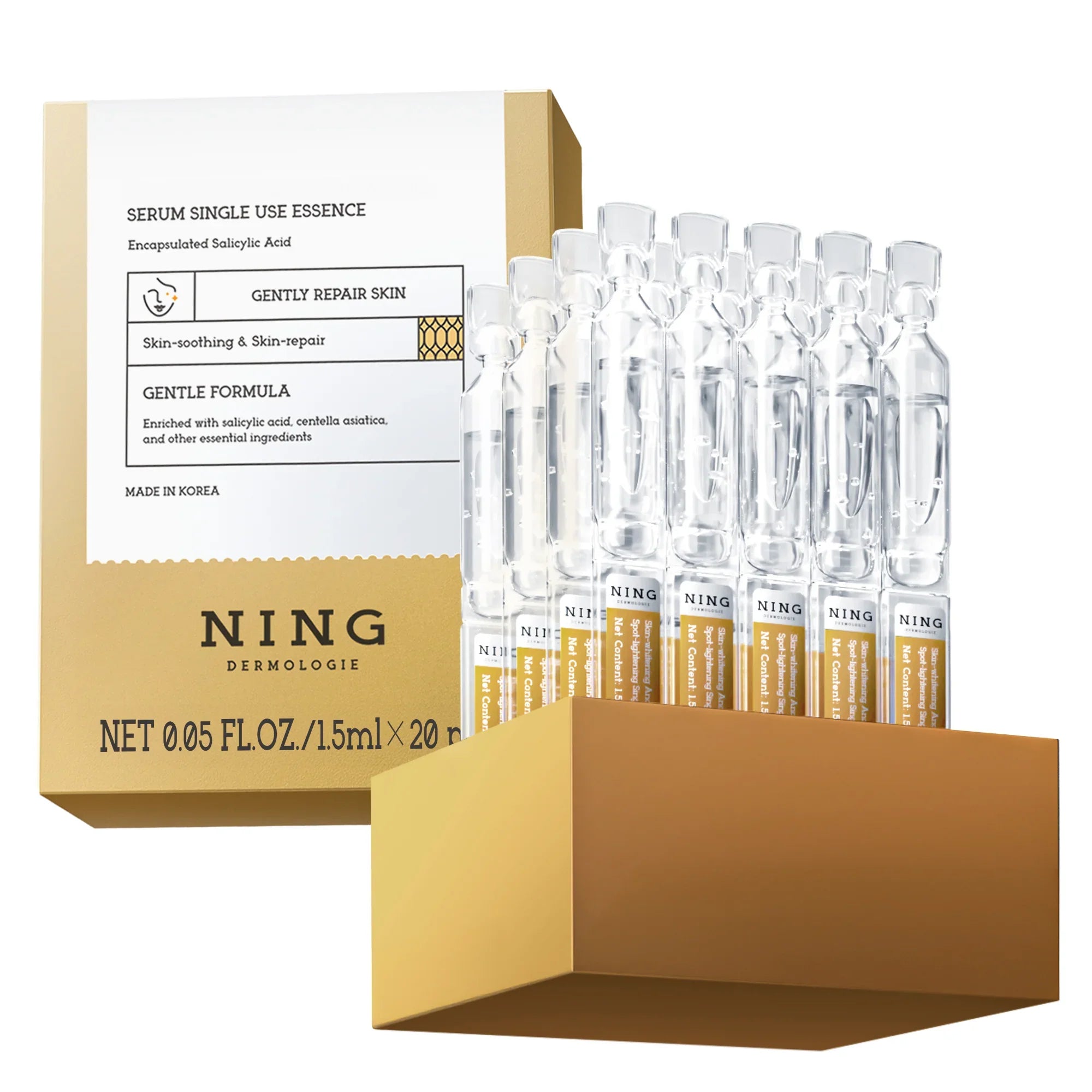
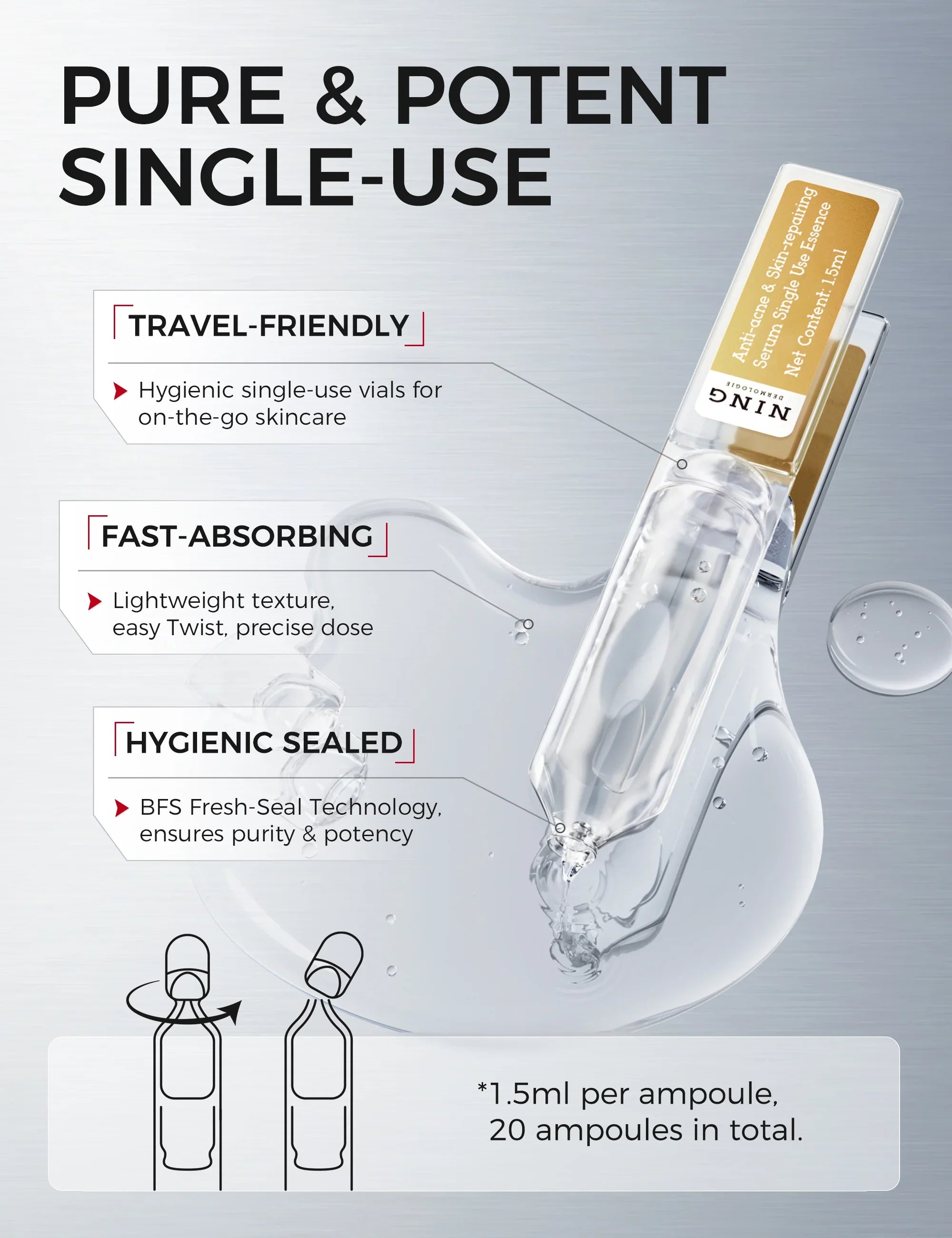
Spotlight: NING Dermologie Biological Barrier Restoration System
If you are tired of playing chemist and trying to figure out which separate serums to buy, look for an all-in-one targeted solution.
We highly recommend the Biological Barrier Restoration System by NING Dermologie.
Instead of forcing you to layer a chaotic triple combination of products, this system is engineered for profound skin barrier support. It respects your skin's natural biology, combining superior moisturizing agents with barrier-repairing elements. It’s formulated to boost natural ceramide synthesis while ensuring deep hydration, making it an absolute game-changer for stressed, reactive skin.
Navigating the Crowded Market
If you clicked back from the previous page looking for clarity, you know the market is flooded. You've probably seen a dizzying array of products and targeted treatments:
- For pure hydration and calming: You might see Madagascar Centella Hyalu-Cica Blue Serum, B2B Quench HA serum, or grab a stack of sheet masks like the Hydro Cera-nol Real Deep Mask.
- For rich barrier defense: Formulas like EltaMD Barrier Renewal Complex, Cera-Heart My Type Duo Cream, or heavy barrier balms are popular.
- For targeted firming and anti-aging: Options like Revision Nectifirm, B2B Restore Therapy, or an advanced B2B Pro-Niacinamide HA moisturizer often come into play, sometimes utilizing collagen peptides to boost collagen production.
- For lightweight moisture: An Aqua Boost Gel Face Moisturizer or a Nourish Gel Moisturiser works well for oily types battling Cutibacterium acnes.
While injectable Moisturisers and intense clinic treatments exist, daily maintenance with the right topicals is what actually sustains your skin. You might even spice up your routine with a Gua Sha Facial Sculptor, light a Winter Candle, and treat yourself to a Ceramide Ritual Gift Set or a Ceramide Duo for a spa-like experience at home.
Ingredients That Play Well Together
When building your barrier-repair arsenal, look for formulas that include complementary ingredients alongside HA and ceramides:
- Omega fatty acids and Chia seed oil for extra lipid support.
- Algae extract and desert botanicals for environmental protection.
- Targeted eye creams to handle dark circles without irritating thin skin.
A quick note for melanin-rich skin: Indian skin and other darker skin tones are particularly prone to post-inflammatory hyperpigmentation when the barrier is damaged. A strong ceramide routine isn't just about comfort; it prevents the irritation that leads to dark spots.
Whatever you choose from your favorite Duos & Trios, always remember to do a Patch test first. And absolutely never finish your morning routine without a robust sunscreen SPF 50 PA++, like the V10 Hyal Air Fit Sunscreen SPF 50, to protect all that repair work.

Frequently Asked Questions (FAQ)
1. Can I use hyaluronic acid and ceramides together?
Absolutely. They are a dream team. Hyaluronic acid pulls water into your skin, and ceramides lock it in so it doesn't escape. Using them together gives you maximum hydration and a much stronger barrier.
2. Which one goes first in a skincare routine?
Always apply your hyaluronic acid serum first on damp skin. Think of it as the water layer. Follow it up immediately with a ceramide-rich moisturizer to seal that moisture inside.
3. Will ceramides clog my pores if I have acne?
Not usually. While ceramides are lipids (fats), most modern formulas won't cause breakouts. Actually, repairing your barrier can reduce irritation, calm redness, and help clear up acne faster.
4. Why does hyaluronic acid make my skin feel drier sometimes?
If you apply it to a dry face in a dry climate, it can pull water from the deeper layers of your skin instead of the air. Always apply it to damp skin.
5. Are these ingredients safe for sensitive skin?
Yes, both are naturally found in your body, making them extremely safe. They are the go-to recommendations for repairing compromised barriers, treating eczema, or soothing extreme redness and irritation.





Share:
Maskne 101: How to Prevent and Treat Breakouts Under Your Mask
The Tembusu Secret: Why This Rare Botanical is a Skincare Game-Changer