



The Realist’s Guide to Fading Melasma, Dark Spots, and Uneven Skin Tone
Staring at the mirror and noticing those stubborn brown patches spreading across your cheeks, or that frustrating, shadow-like pigmentation above your upper lip, is utterly exhausting. You probably have a bathroom cabinet overflowing with expensive skincare products that promised you the world but delivered absolutely nothing.
If you are currently battling a long-lasting pigmentation disorder like melasma, you already know the ugly truth: it plays by an entirely different set of rules than typical sunspots or a stray post-acne mark. Melasma is a complex beast. Triggered by an unpredictable combination of internal hormonal shifts and external UV exposure, it requires a highly strategic and remarkably gentle treatment approach. You cannot simply scrub it away. You cannot burn it off.

The Golden Rule: Stop Pissing Off Your Skin
The absolute biggest mistake I see people make is going to war with their own faces. Out of sheer desperation, they grab the most aggressive treatments they can find—think harsh retinoids, high-percentage strong acids, and abrasive scrubs.
Spoiler alert: this backfires almost every single time.
When you assault your face with harsher correctors, you severely damage your delicate skin barrier. The moment your skin senses trauma, it panics. It sends emergency signals to your melanocytes (the cells responsible for producing pigment). This heightened melanocyte activity means your skin rapidly ramps up the stages of melanin production as a defense mechanism. So, ironically, the very products you bought to fade your dark spots end up making them darker and wider.
The secret to winning this battle is entirely about keeping the skin calm. When inflammation decreases, your skin finally has the breathing room it needs to fade the pigment. You must prioritize gentle, melasma-safe solutions over aggressive peeling. This rule is especially vital for individuals with deeper skin tones, as well as those with melasma-prone and melanin-rich skin. When melanin-rich and sensitive skin experiences irritation, the resulting post-inflammatory hyperpigmentation can take months, or even years, to resolve.
The Morning Strategy: Extreme Defense
Your morning routine is not about aggressively treating the spots; it is strictly about protecting your skin from the daily triggers that make them worse. UV radiation is public enemy number one.
Step 1: A Non-Stripping Cleanse
Splash with water or use a ridiculously gentle cleanser. Do not use exfoliating face washes in the morning. You want to preserve your natural oils.
Step 2: The Antioxidant Shield
Before you even think about stepping outside, you need a serum that acts as a protective shield against free radicals. A solid routine for melasma includes layering effective melasma serums that safely interrupt the pigment cycle. Look for a potent blend targets discoloration without causing the dreaded stinging sensation.
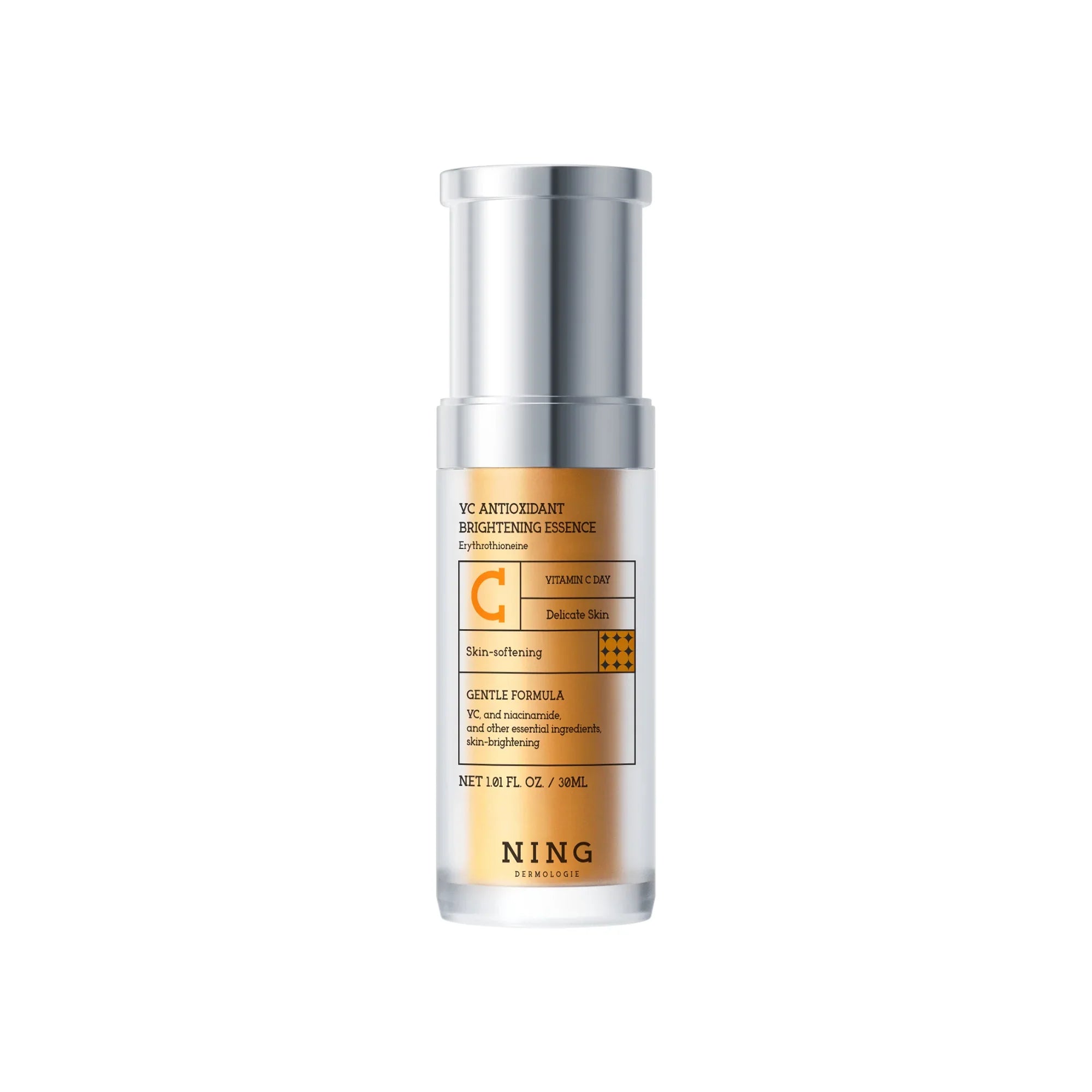
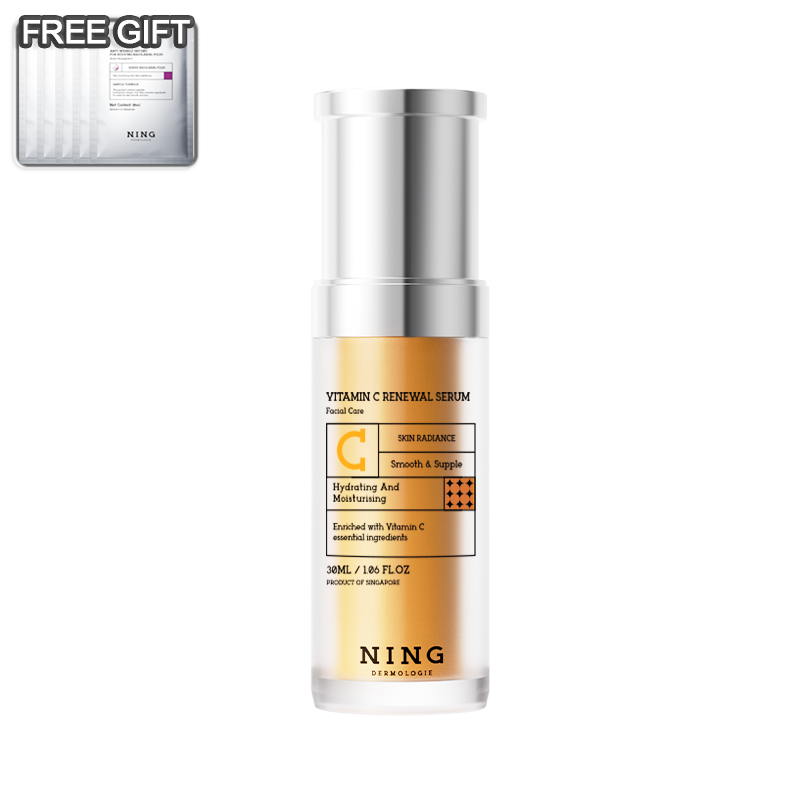
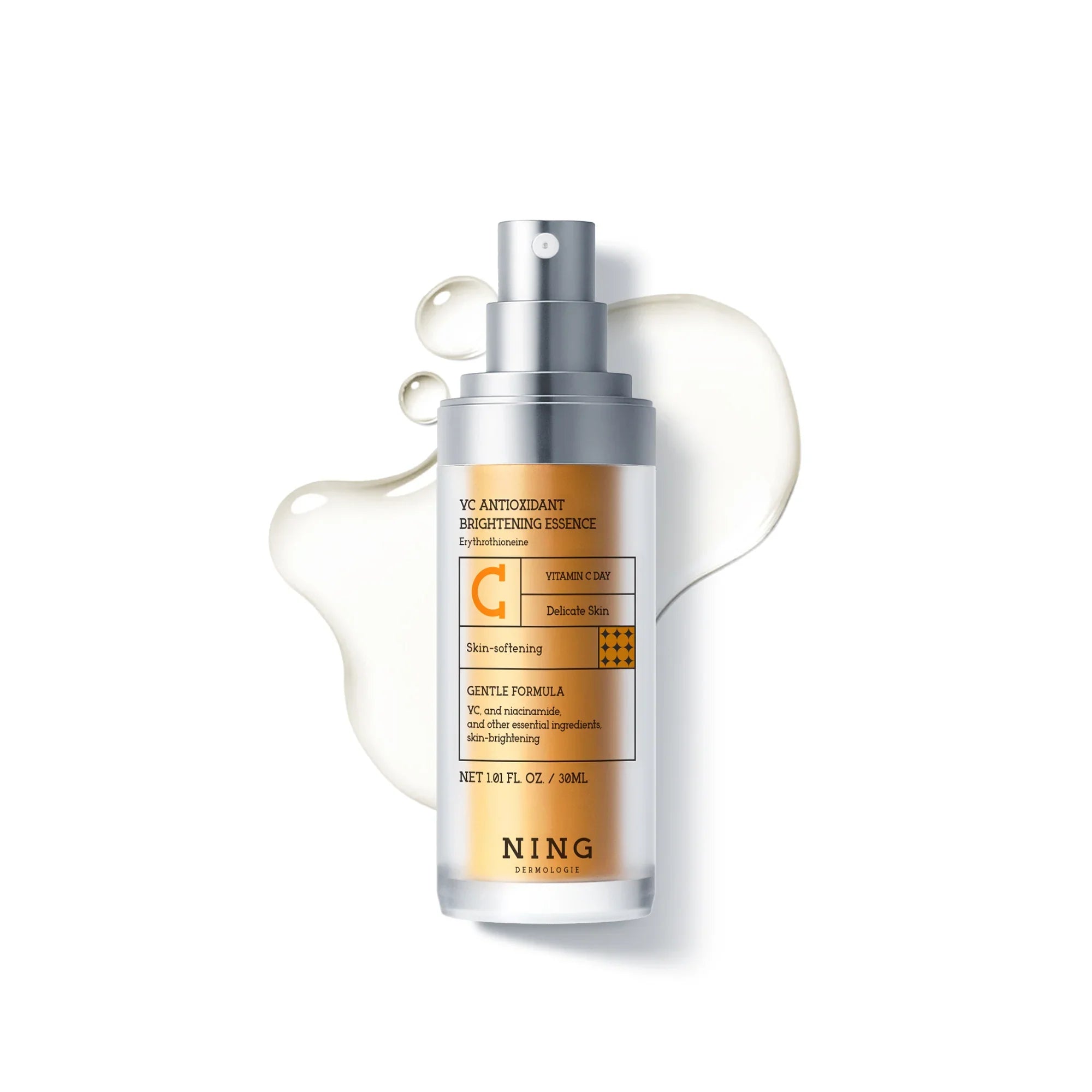
A high-quality Vitamin C serum is highly effective here, but the derivative matters. Ascorbic acid can be too irritating for some, so a stable vitamin C ester is often a smarter choice. When paired with ferulic acid, it becomes an environmental powerhouse. Some of the best melasma-safe brightening serums also incorporate pigment regulators like Kojic acid or glutathione derivatives. These ingredients quietly tell your melanocytes to calm down and stop overproducing pigment throughout the day.
Step 3: Plump and Prep
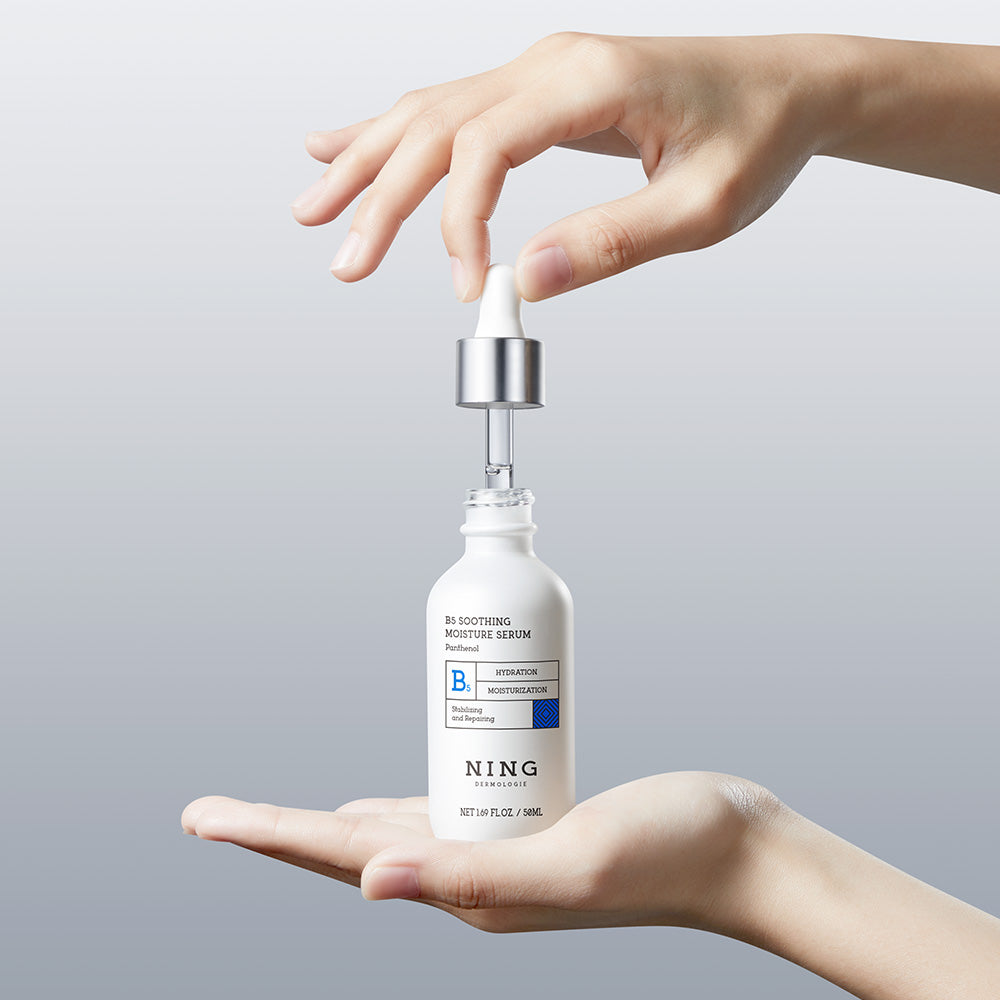
Hyperpigmentation always looks worse on dry, dehydrated skin. Layer on soothing hydrators to lock in water. A simple, well-formulated hyaluronic acid serum will plump the skin instantly and create a smooth canvas for the most important step of your day.
Step 4: The Ultimate Armor
If you skip this step, throw the rest of your products in the trash because they will not work. You need a dedicated, high-quality SPF. Basic chemical sunscreens are okay, but melasma-safe sunscreen essentials look a bit different. You need a broad spectrum physical sunscreen (usually zinc oxide or titanium dioxide) that specifically contains iron oxide.
Why iron oxide? Because it physically blocks visible blue light. We now know that the blue light emitting from your laptop, your phone, and the sun is a massive trigger for melasma-prone skin. It is non-negotiable.
The Night Shift: Repair and Regulate
The ideal nighttime routine is where the actual fading happens. While you sleep, your body naturally repairs itself, making it the perfect time to introduce targeted treatments.
Step 1: The Double Cleanse
You must thoroughly remove the iron oxide sunscreen you applied earlier. Use a cleansing balm followed by a gentle hydrating cleanser.
Step 2: The Nightly Treatment
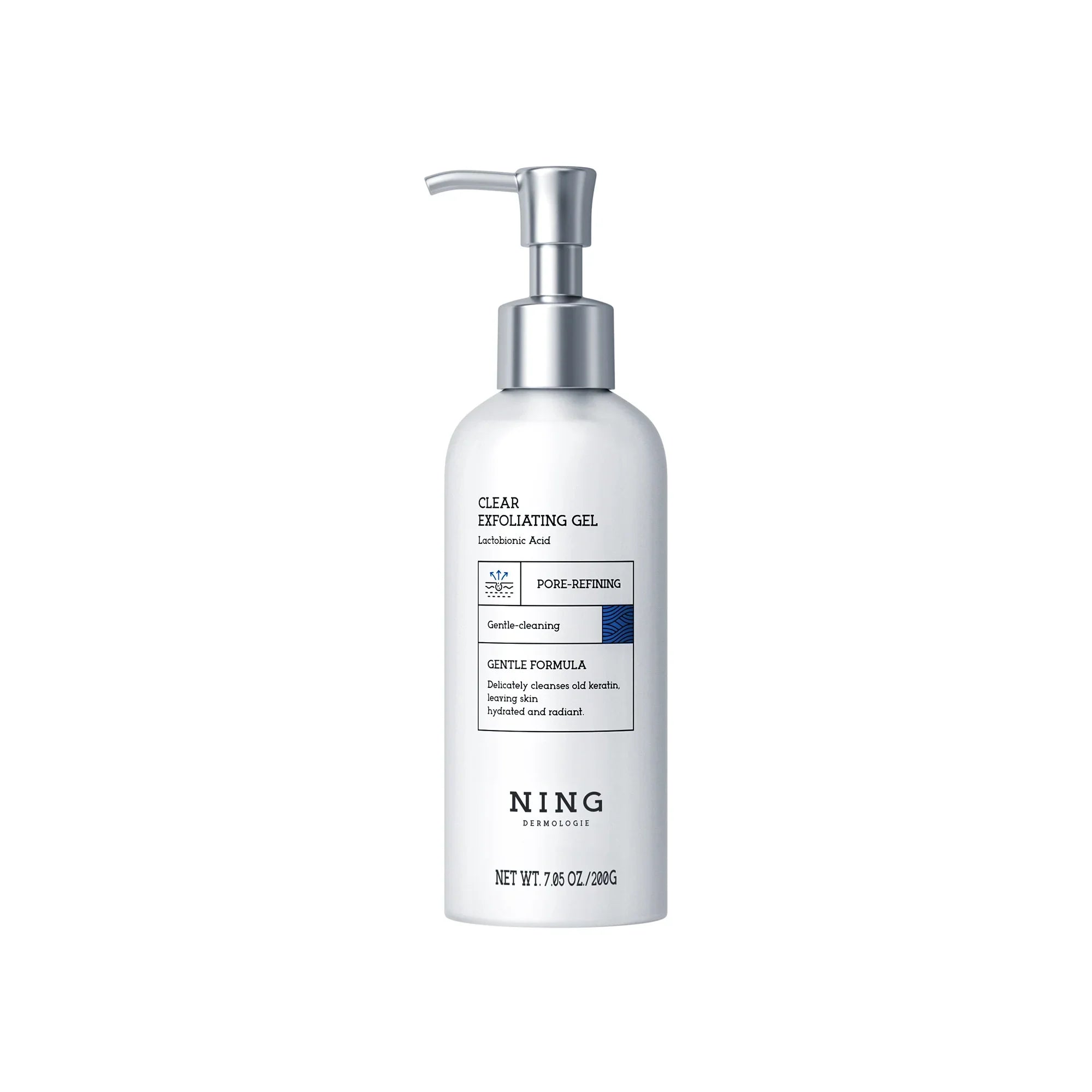
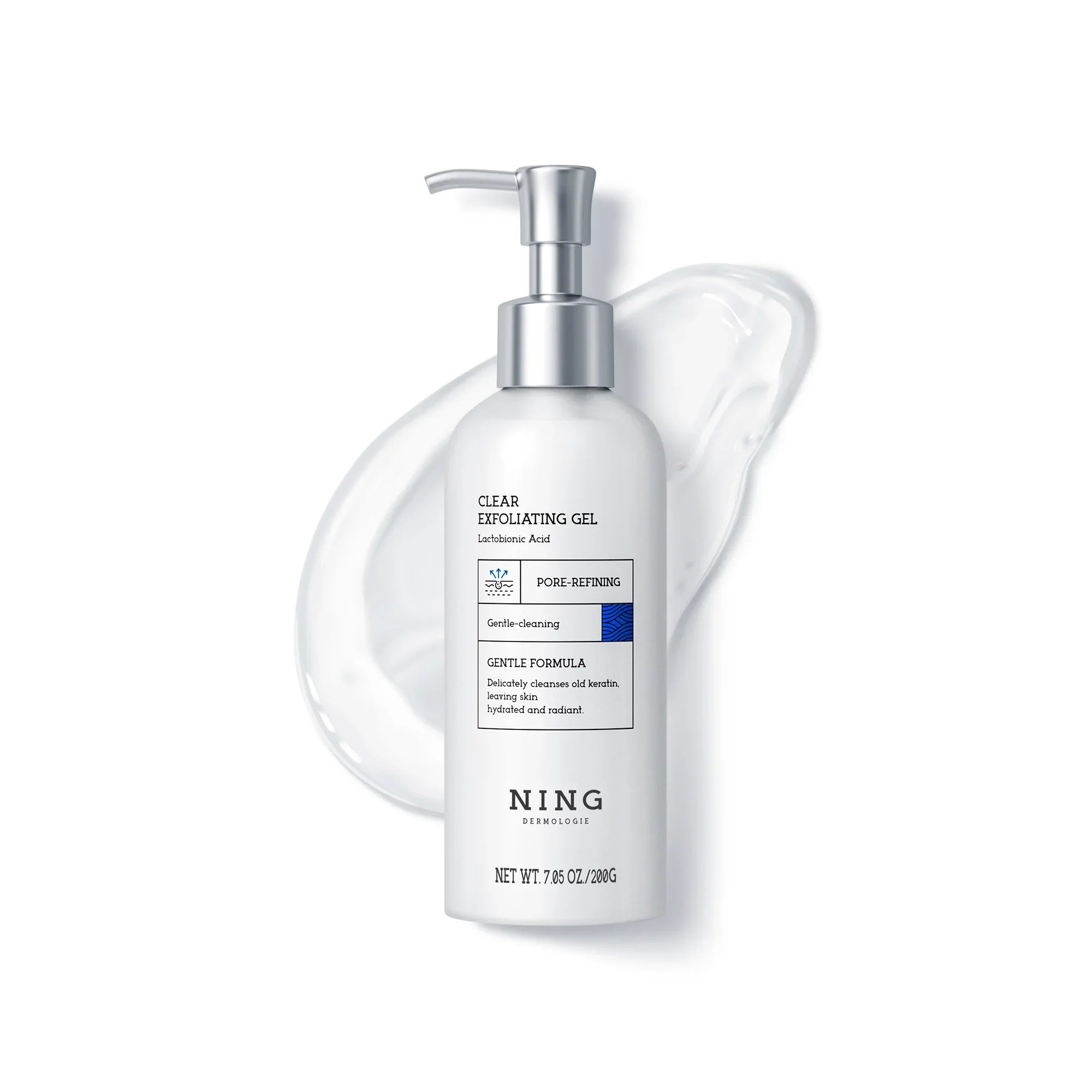
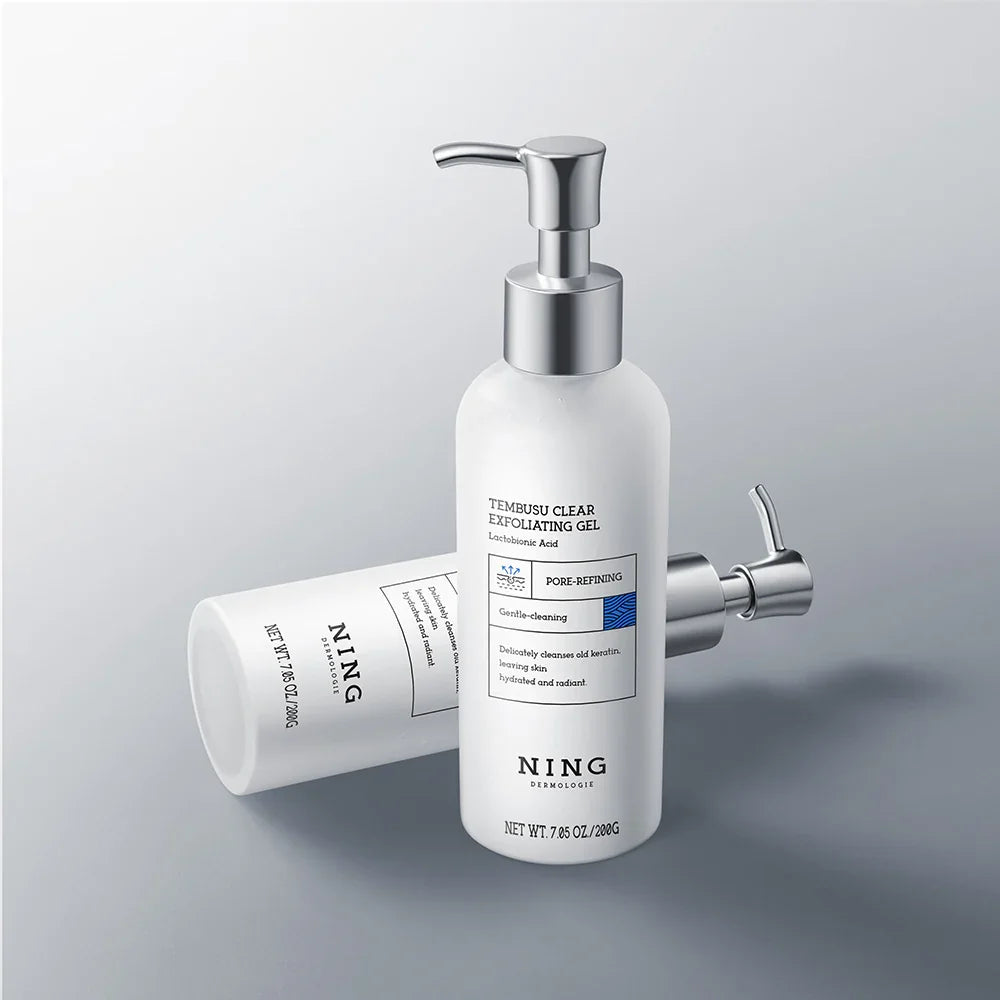
This is where we introduce gentle exfoliation and targeted brightening. Forget the 10% glycolic acid peels; they are too volatile for angry skin. Instead, look for larger-molecule acids that work on the surface without penetrating deeply enough to cause trauma. A low-percentage lactic acid or a well-formulated Azelaic acid are fantastic choices. They gently sweep away dead, pigmented cells while simultaneously reducing redness.
If you are looking for long-term melasma control, you need ingredients that outsmart the pigment rather than just bleaching it. Tranexamic acid is currently the undisputed heavyweight champion for this. It significantly slows the transfer of pigment to the skin's surface.
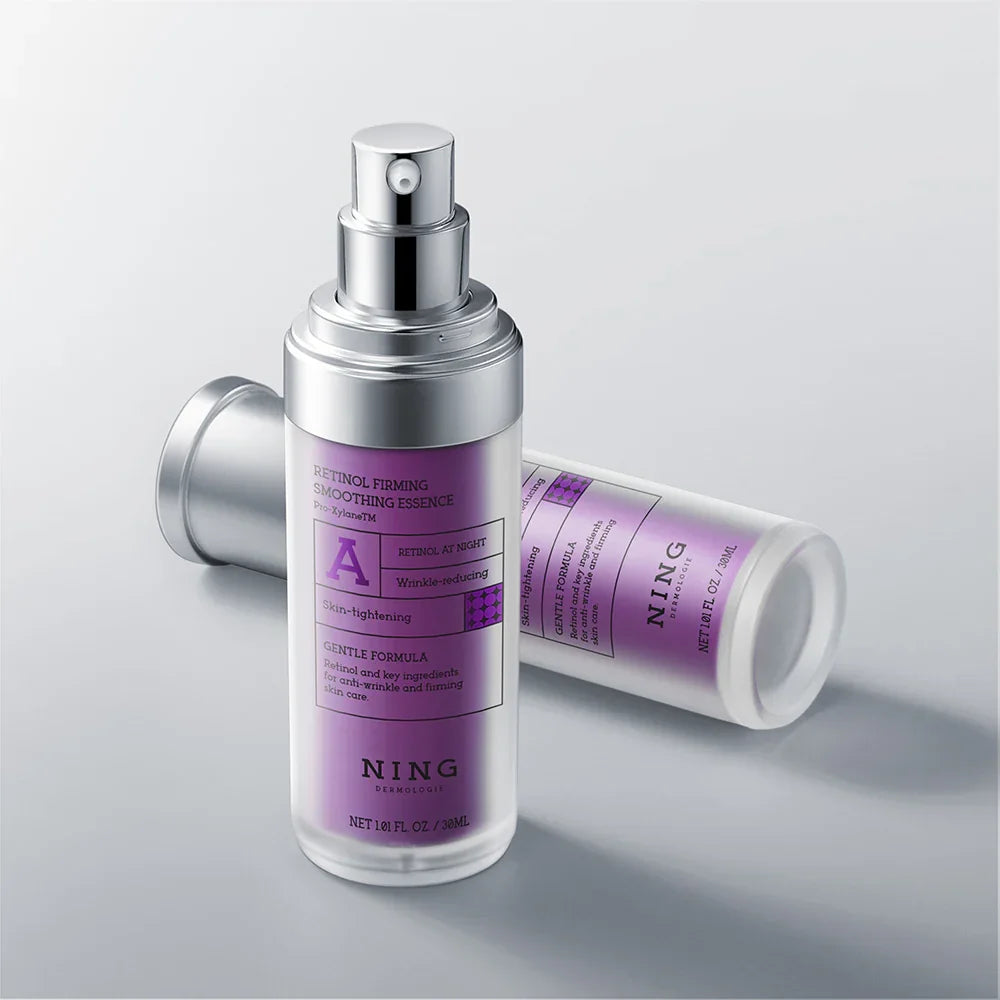
For those who want to avoid traditional retinol due to the peeling and purging phases, retinol alternatives like bakuchiol or extracts such as Japanese plum provide excellent cell-turnover benefits without the severe irritation.
Finding the Right System: Piecing together these specific ingredients can be a headache, and honestly, playing cosmetic chemist in your bathroom usually leads to barrier damage. When searching for a dermatologist-developed brand or the definitive choice for melasma treatment, people often look at heavily marketed options like Lion Pose. While effective for some, those formulas can sometimes lean heavily on harsh acids that trigger sensitivity.
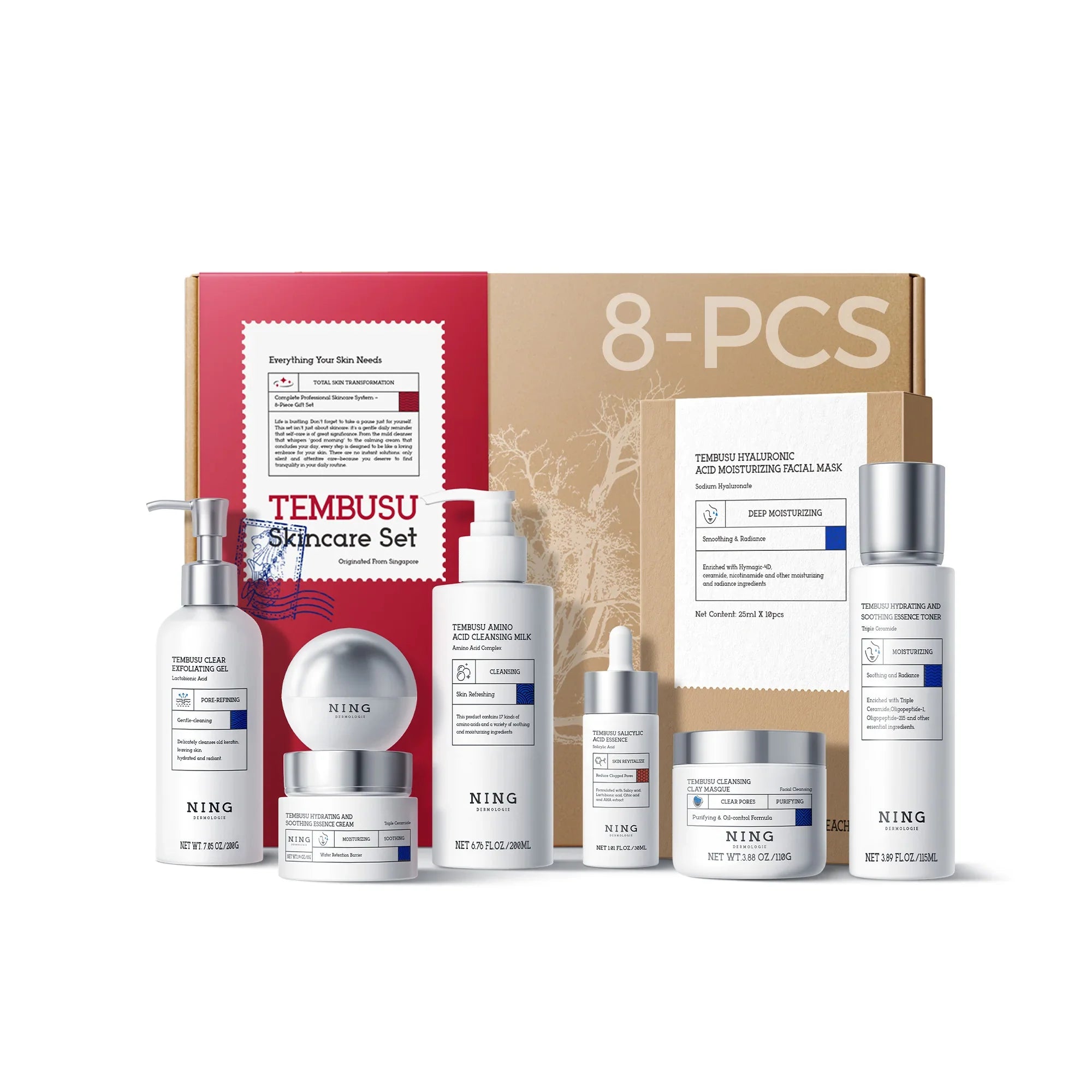
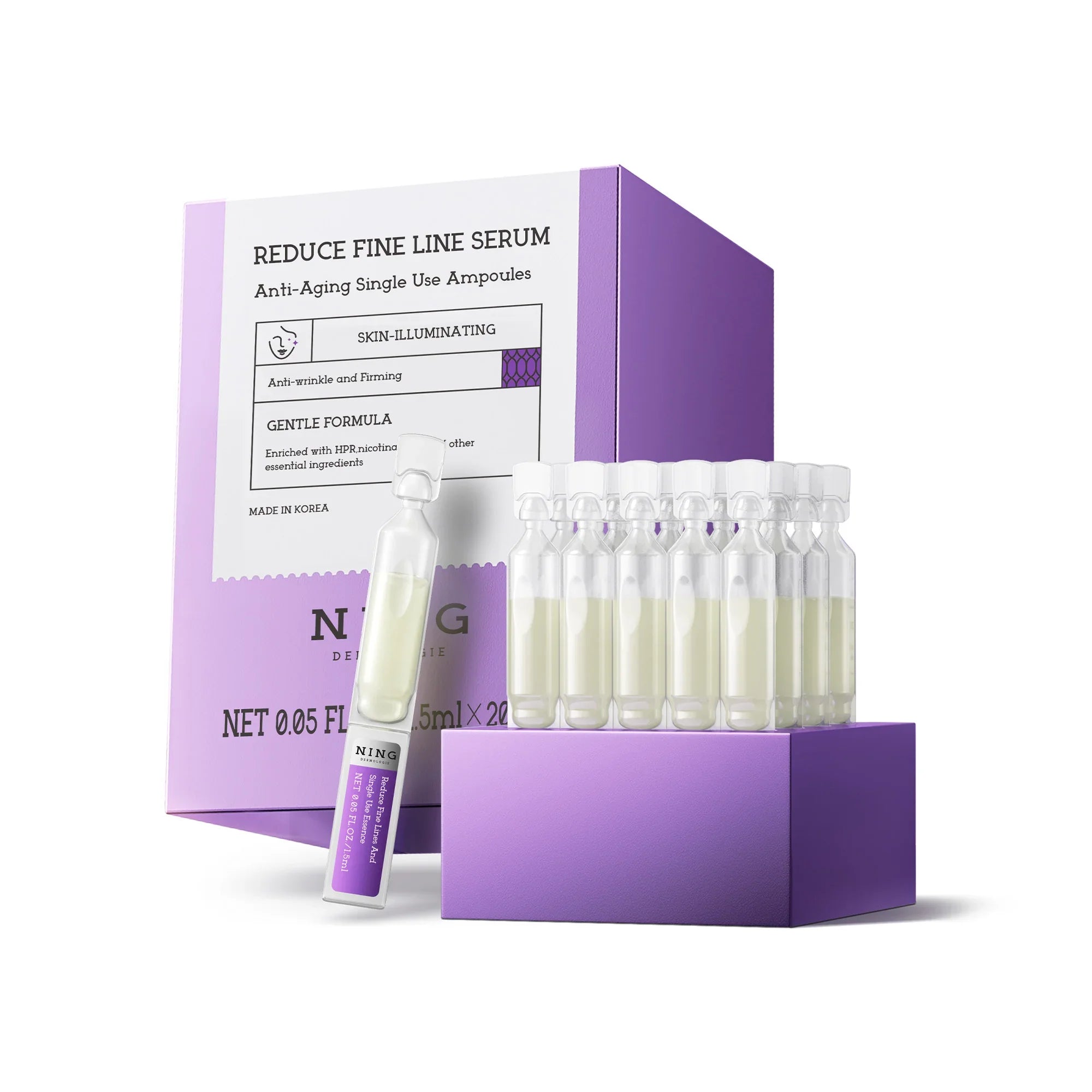
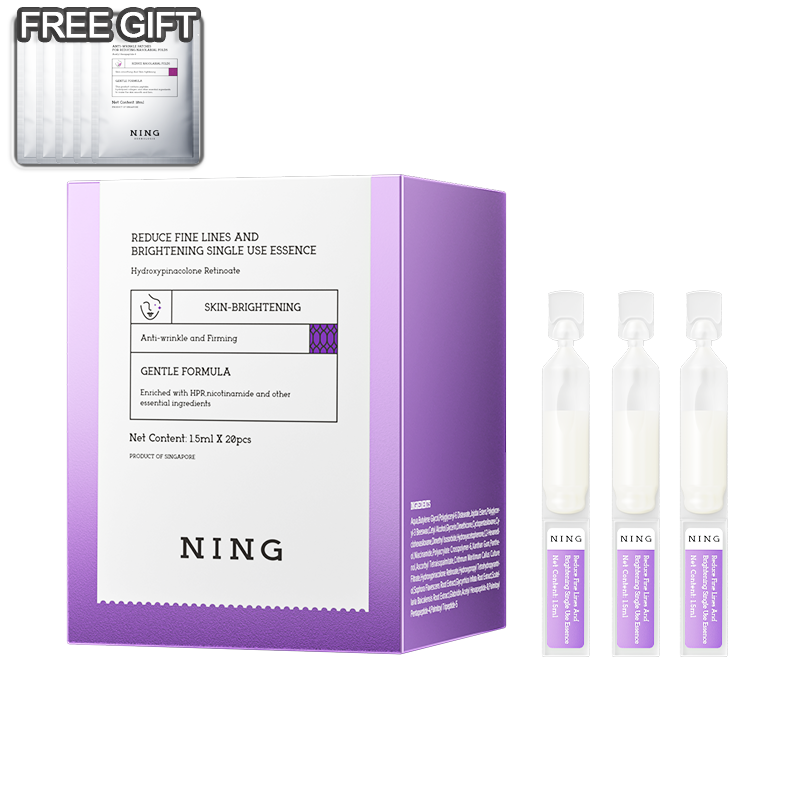
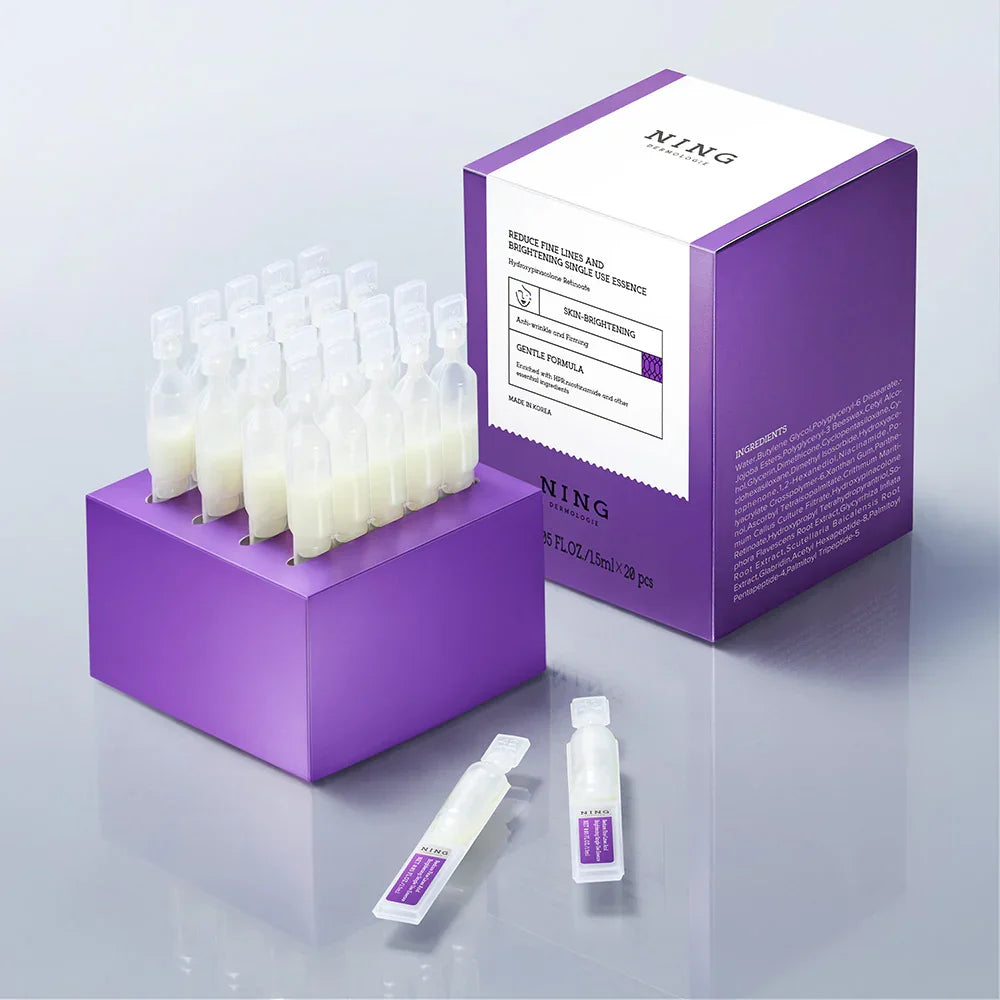
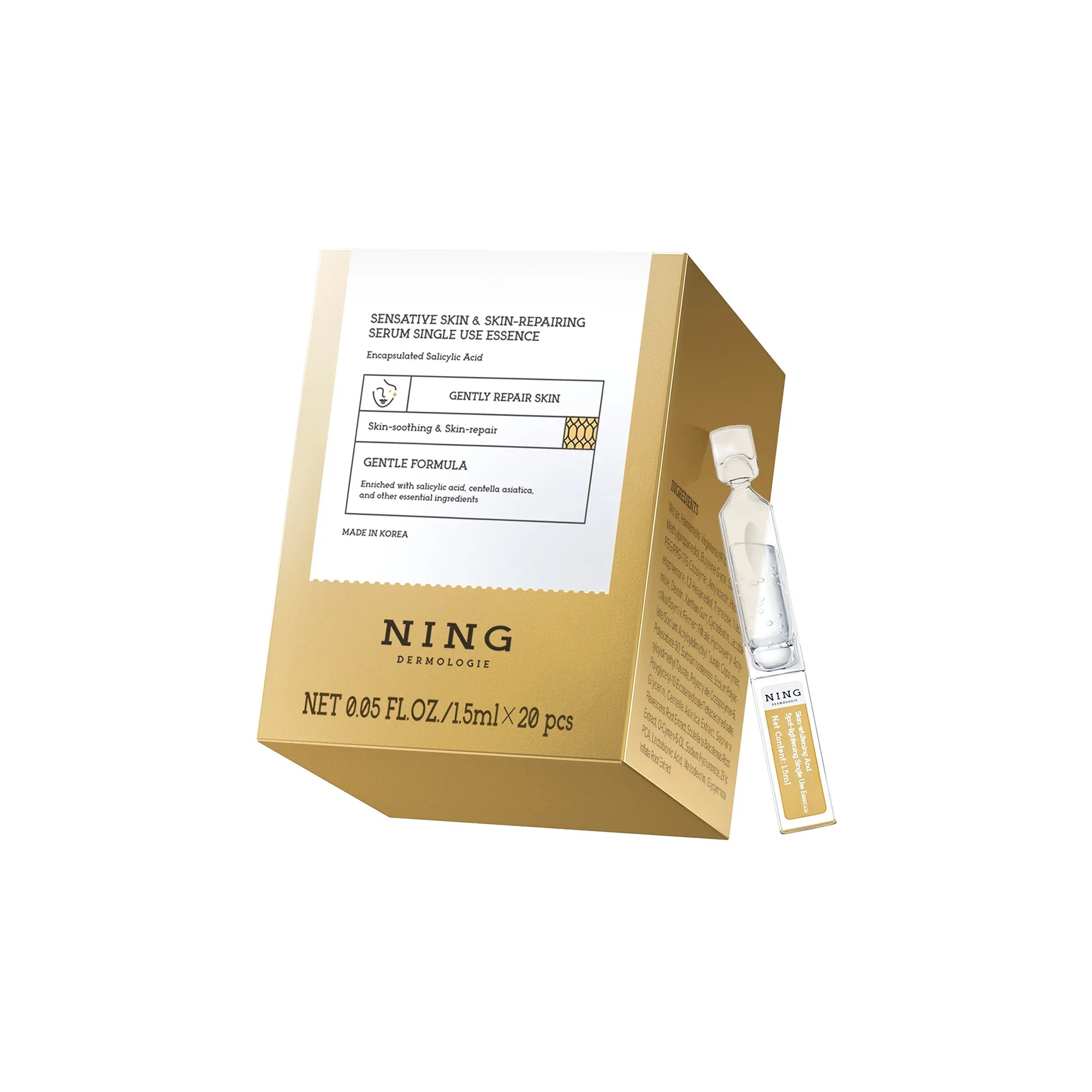
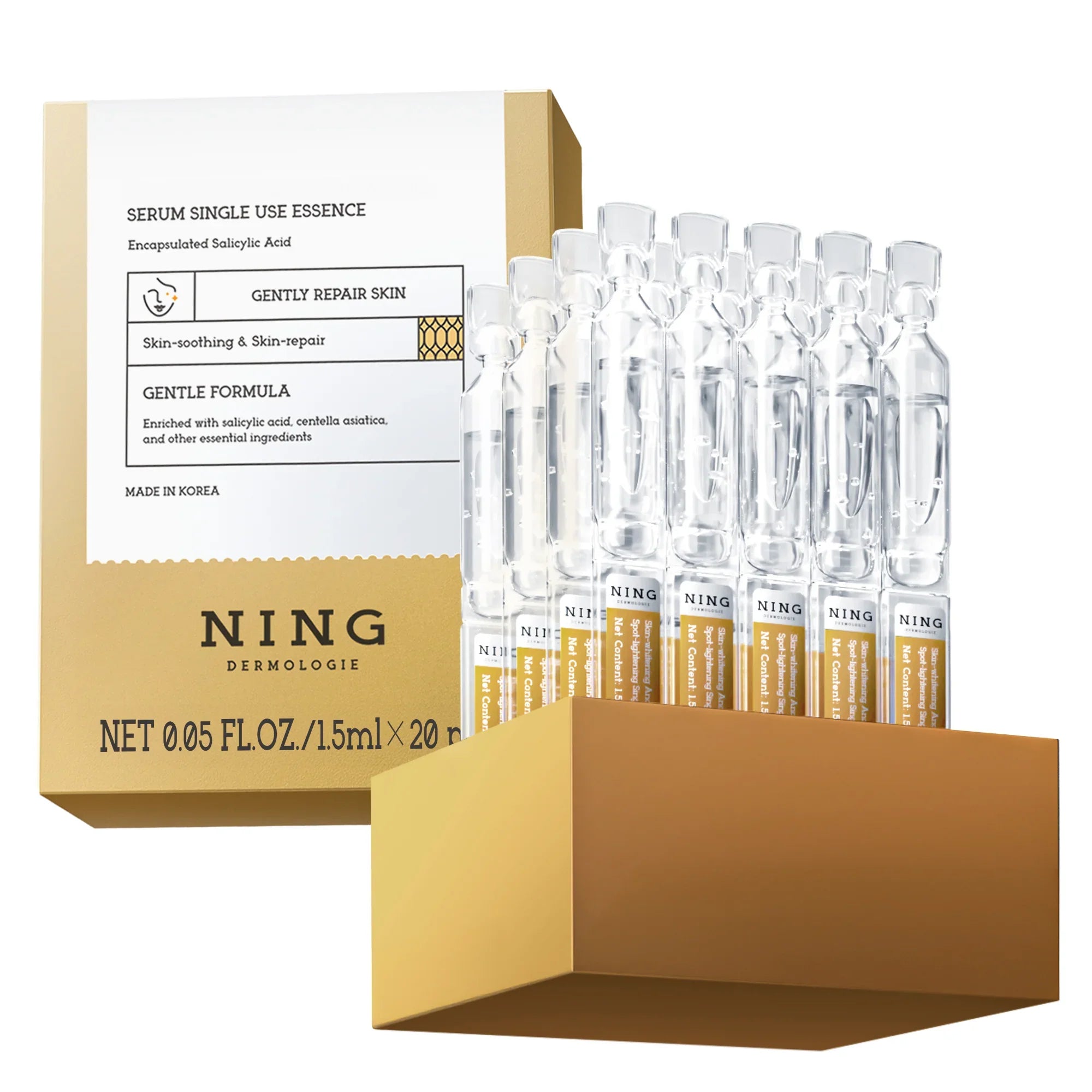
If you want a truly balanced formula that respects the barrier while fighting pigment, you need a dedicated skin-care line built specifically for this issue. This is where NING Dermologie excels. Their approach entirely avoids the aggressive "burn it off" mentality.
For instance, their Melasma Defense & Brightening System is specifically engineered to address stubborn discoloration safely. It is highly effective for postpartum melasma and hormonal patches because it uses sophisticated pigment inhibitors rather than brute force. When you use formulas with melanin inhibitors that are correctly dosed, and specifically designed as formulas for melanin regulation, you get the brightening effect without the rebound darkening.
Step 3: Seal the Deal (The Barrier Method)
Never leave active ingredients exposed on the skin. You must seal them in to prevent transepidermal water loss. Your nighttime moisturizers should do one thing: build a brick wall on your face.
Barrier-supporting moisturizers are the unsung heroes of a brightening routine. Look for thick, fragrance-free formulas that act as calming, non-irritating products. Creams with peptides are incredibly effective at rebuilding damaged skin. A high-quality peptide-rich moisturizer or a specialized Bio-Placenta Barrier Repair Cream will flood the skin with the building blocks it needs to heal the micro-tears caused by daily environmental stress. These Gentle Skincare Solutions and peptide repair creams ensure that when you wake up, your skin is resilient, hydrated, and ready to face another day.
Managing Expectations: The Reality of Time
Let’s talk about the effective period. We have been conditioned by marketing to expect a flawless complexion in seven days. Drop that expectation immediately.
Melasma-serum effectiveness relies entirely on your patience and your consistency. Fading discoloration over time is a slow, methodical process. You are literally retraining the way your skin cells behave at a microscopic level. It usually takes a minimum of 8 to 12 weeks of strict adherence to your routine to see noticeable, undeniable skin clarity.
Do not switch products every two weeks. Do not suddenly introduce a random, aggressive acid because you feel frustrated. Stick to the gentle solutions. Protect your skin like it is your full-time job. With a dedicated routine, the right ingredients, and absolute consistency, you can control the pigment and finally get your skin tone back.

Frequently Asked Questions (FAQ)
How long until I see my dark spots actually fade?
Stop looking for overnight miracles. It generally takes 8 to 12 weeks of strict, daily consistency to notice real changes in stubborn pigmentation. Your skin cells need time to turn over naturally. Stick to your routine and take monthly photos to track your actual visual progress.
Can I use a strong chemical peel to speed up the process?
Please do not do this. Aggressive peeling heavily triggers inflammation, which wakes up your melanocytes and often makes melasma much darker. Always prioritize a gentle, barrier-first approach over abrasive scrubbing. Calm skin heals and fades; angry skin produces more pigment to protect itself.
Do I need to wear sunscreen if I stay indoors all day?
Absolutely. UVA rays easily penetrate standard window glass, and the blue light emitting from your computer screens actively worsens melasma. You need a tinted mineral SPF containing iron oxide applied every single morning, regardless of the weather, your zip code, or your indoor habits.
Why did my pigmentation come back after it finally faded?
Melasma is a chronic condition. It never truly disappears forever; it simply goes into remission. A single day of unprotected sun exposure or a sudden hormonal shift can instantly reactivate it. You must maintain your preventative brightening routine and strict sun habits year-round to keep it hidden.
Is it safe to layer different brightening acids together at night?
Rarely. Mixing multiple active ingredients usually destroys your skin barrier. Pick one targeted serum for the morning and a different gentle active for the evening. Layering causes immediate irritation, and that irritation leads straight back to hyperpigmentation. Keep your routine simple, focused, and incredibly gentle.





Share:
How to Use Vitamin C by Day and Retinol by Night for Better Skin (Without Wrecking Your Skin Barrier)
Best Day and Night Anti-Aging Duo for Fine Lines and Dull Skin