

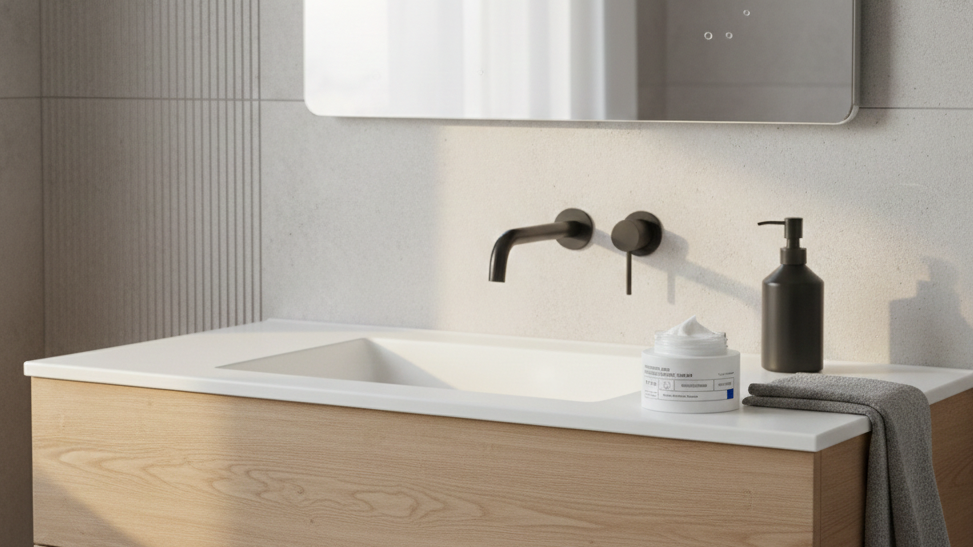

We all love the plump, dewy glow that comes from a good Hyaluronic acid serum. It’s the hydration hero of the beauty industry. But there is a massive, elephant-sized problem sitting on our bathroom counters: plastic pollution.
For years, I bought into the "clean beauty" hype, only to realize my "natural" serum came in a double-walled acrylic bottle that will outlive my great-grandchildren. The cosmetics industry generates over 120 billion units of packaging annually, and most of it ends up in landfills. It’s a crisis of fossil fuels disguised as self-care.
If you are looking to lower your carbon footprint without sacrificing your skin barrier, you need to know which brands are actually walking the walk with eco-friendly packaging. It’s not just about a "recyclable" sticker; it’s about supply chain transparency, refillable systems, and materials that actually biodegrade.
Here is my deep dive into the brands getting it right, the materials you should look for, and why NING Dermologie is carving out a unique space in this chaotic market.

The "Glass vs. Plastic" Debate: It’s Not That Simple
Before we look at specific brands, we have to talk about materials. You might think glass packaging is the automatic winner. While glass is infinitely recyclable, it’s heavy, which increases shipping emissions.
However, compared to plastic bottles that leach harmful chemicals and never truly decompose, glass is still the gold standard for preserving active ingredients.
If you want to be a conscious consumer, look for these three things:
- Refillable packaging: Keeping the heavy outer vessel and only replacing the inner pod.
- Post-consumer recycled packaging (PCR): Giving a second life to existing waste.
- Alternative Materials: Bamboo packaging, mushroom-based packaging, or metal packaging.
The Heavy Hitters: Brands Changing the Game
I’ve tested dozens of sustainable beauty brands. Here are the ones that aren’t just greenwashing.
1. The Zero-Waste Radical: Izzy Zero Waste Beauty
If you are serious about zero-waste living, Izzy is fascinating. They don’t just do "recyclable"; they do circular. Their tubes are made of medical-grade stainless steel (metal packaging). You use the product, put the empty vessel in a reusable item mailer, and send it back. They sterilize it and refill it.
- The Vibe: Futuristic and strict.
- The Catch: It requires commitment. You have to participate in the mail-back system. Also, steel doesn't have the luxury feel of heavy glass, but it eliminates plastic waste entirely.
2. The K-Beauty Innovators: Purito SEOUL & Dear, Klairs
Korean Brands are often miles ahead in terms of formulation, but they are catching up fast on sustainability. Purito SEOUL has shifted aggressively towards recycled paper and sugar cane-based labels. They focus heavily on Centella Asiatica and safer formulations (scoring well on EWG's Skindeep). Dear, Klairs is another standout. They use FSC-certified mailer boxes and soy-based ink. Their approach to sustainable serums involves stripping away unnecessary heavy plastic caps and focusing on shelf life stability through better bottle engineering rather than excess layers.
- The Vibe: Gentle, effective, and affordable.
- The Catch: Shipping individual products from Korea can hurt the carbon score, so buy in bulk if you can.
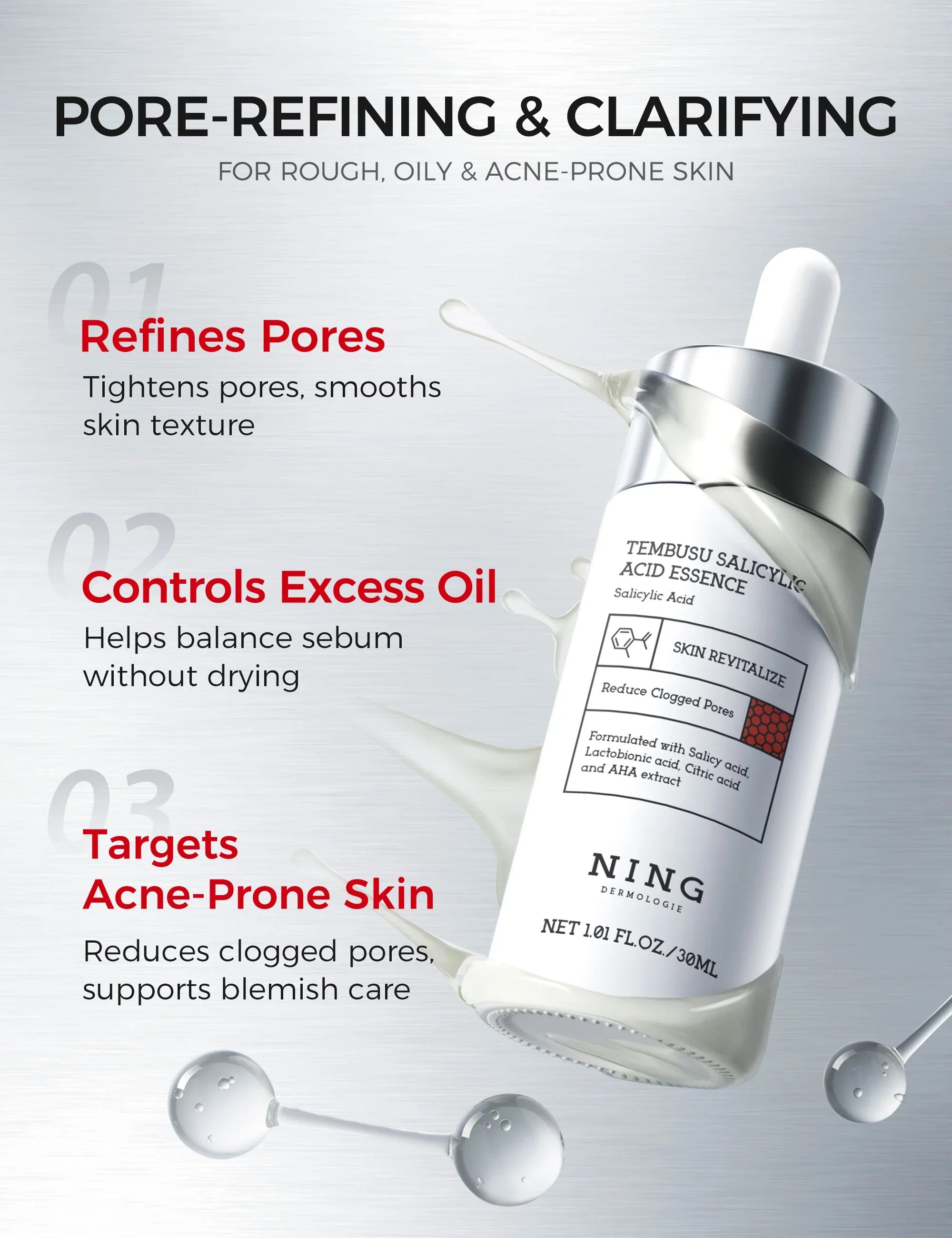
3. The Clinical Realist: NING Dermologie
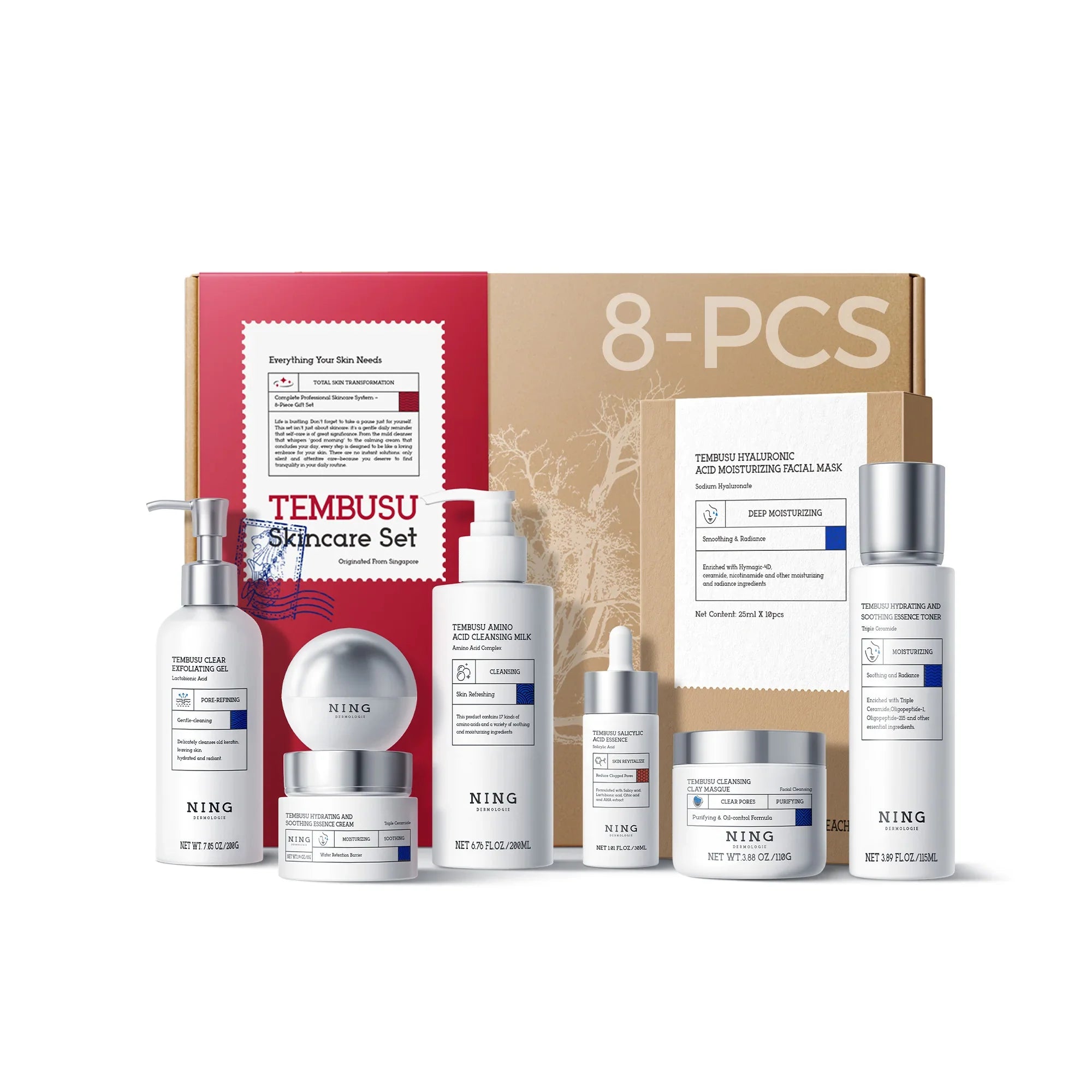
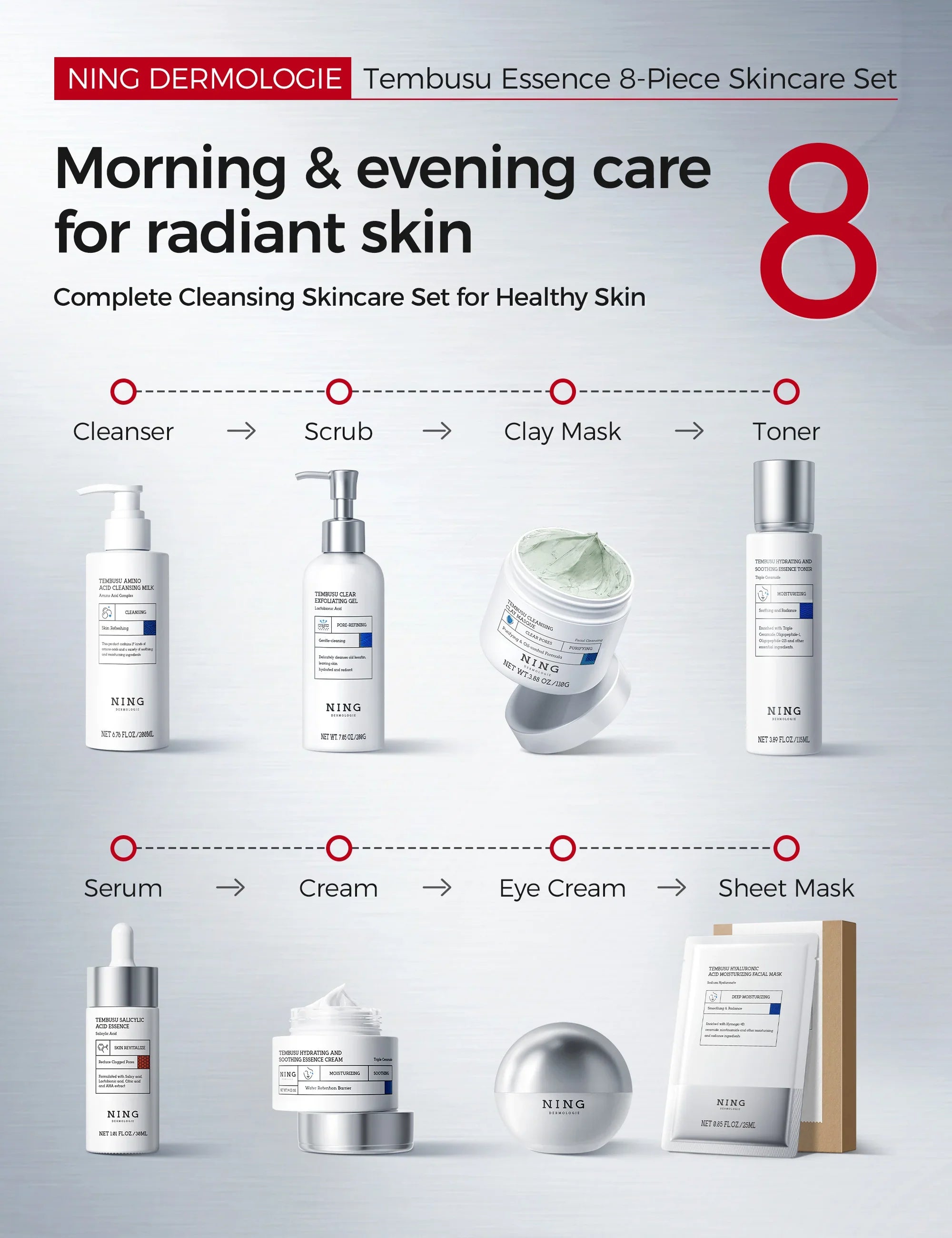
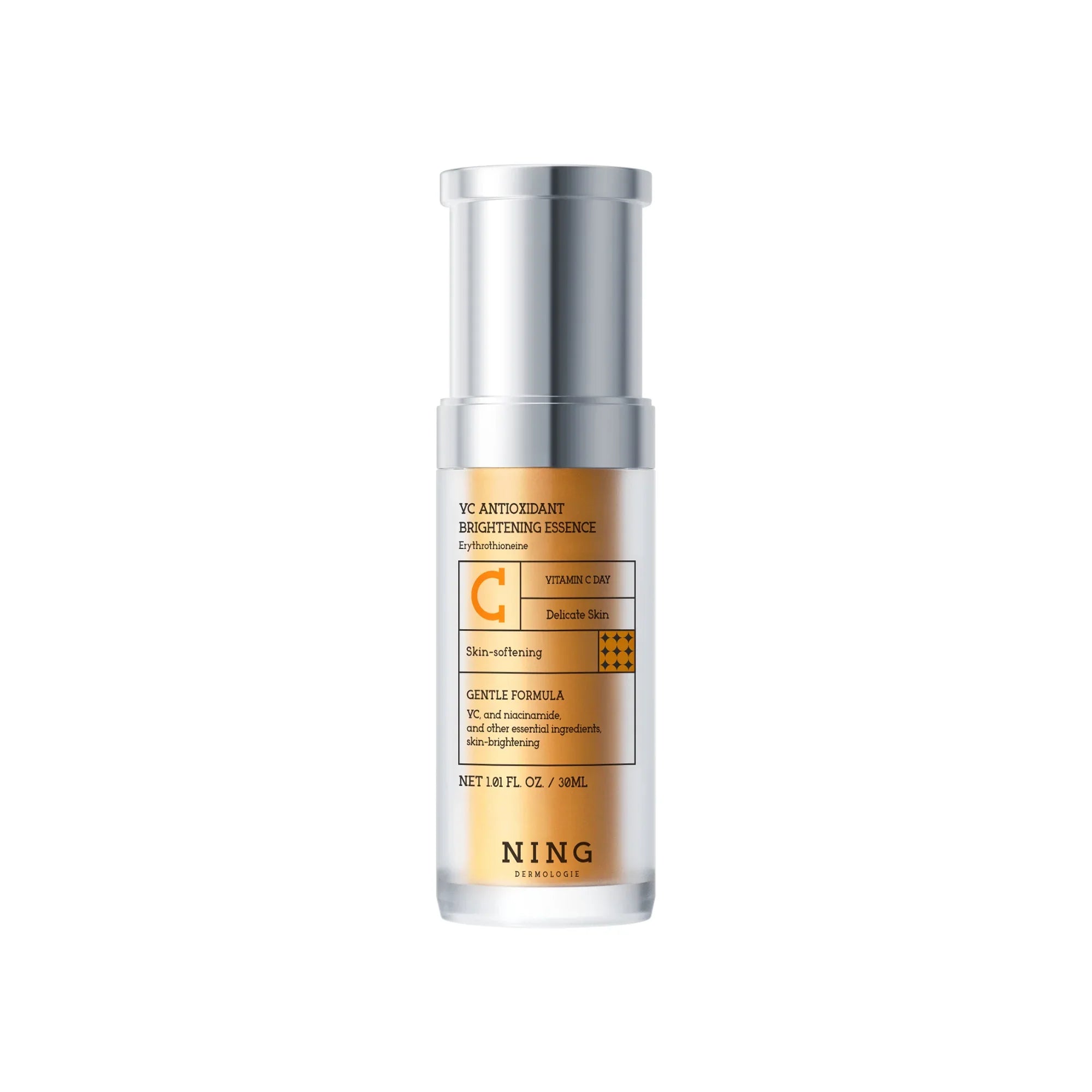
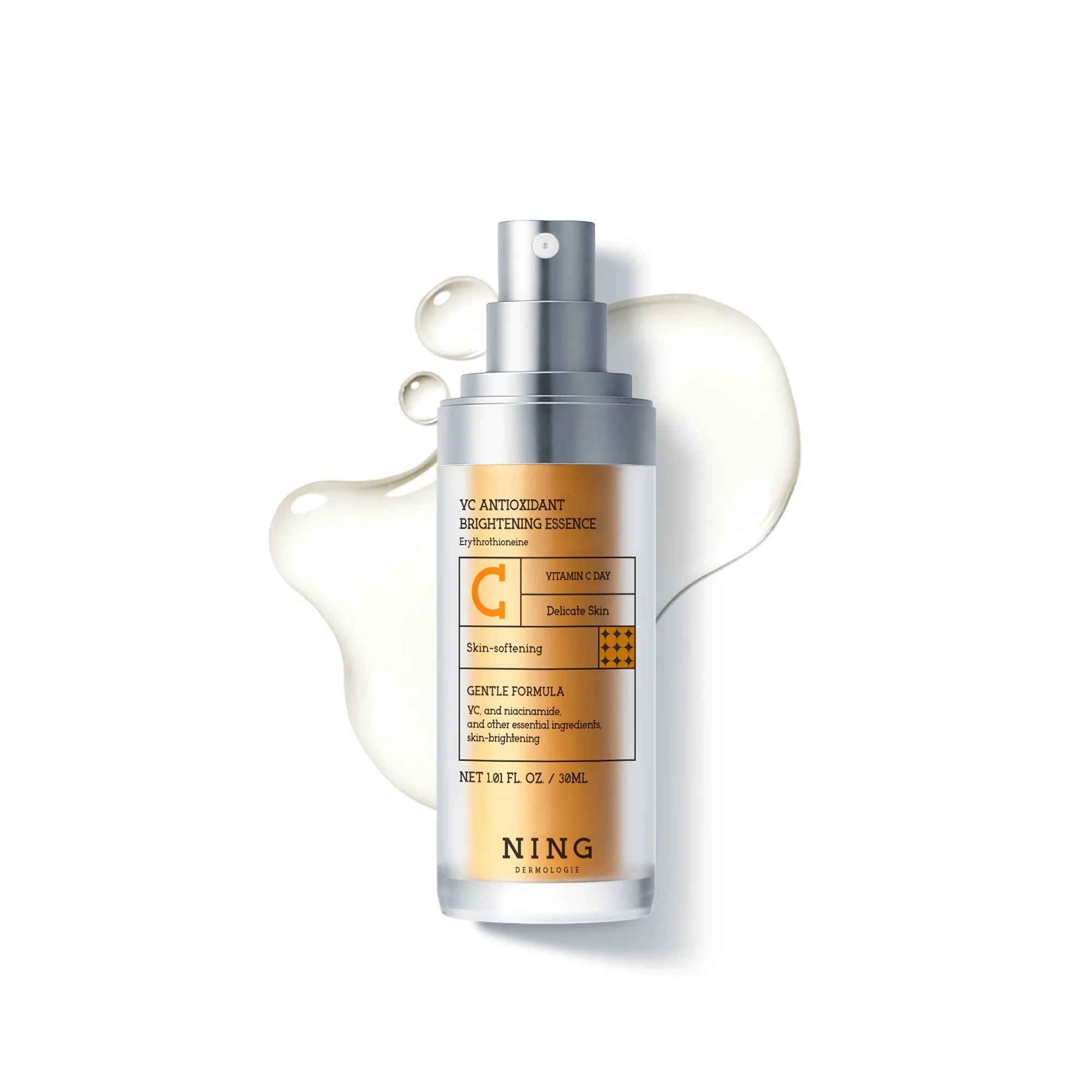
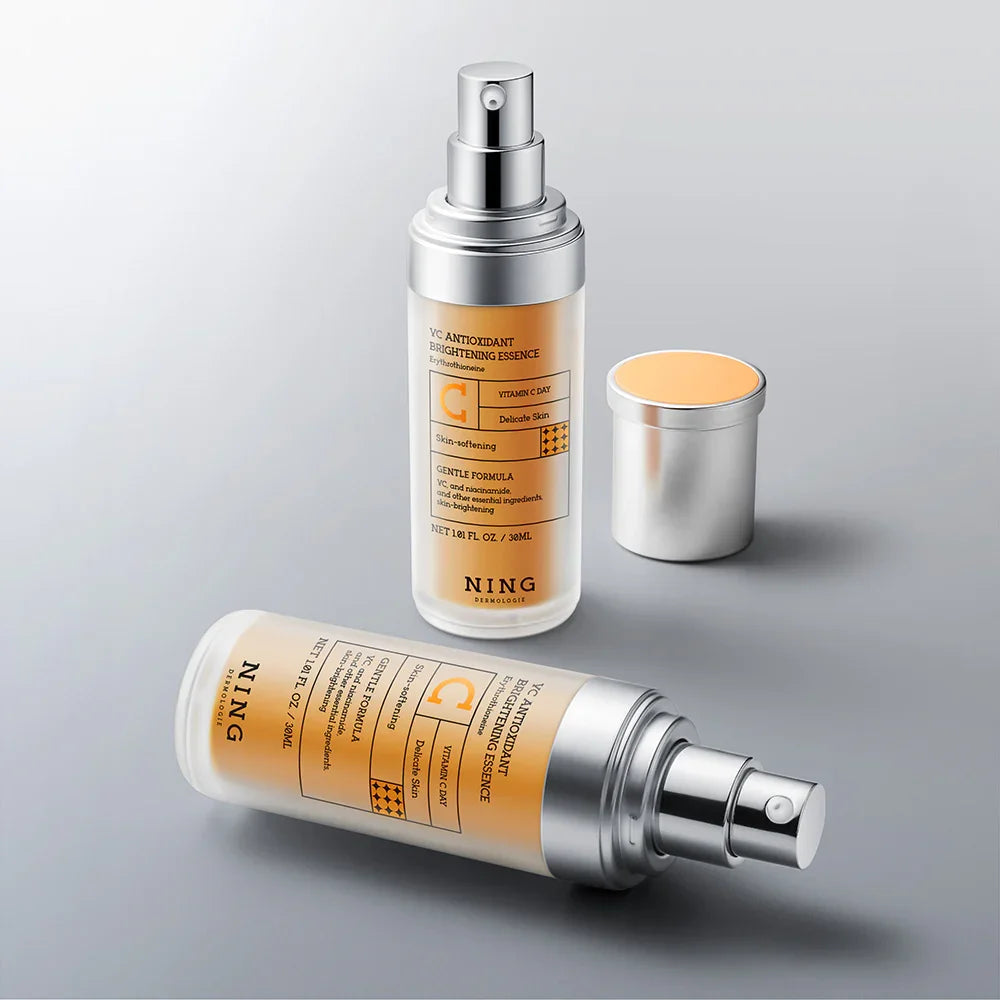
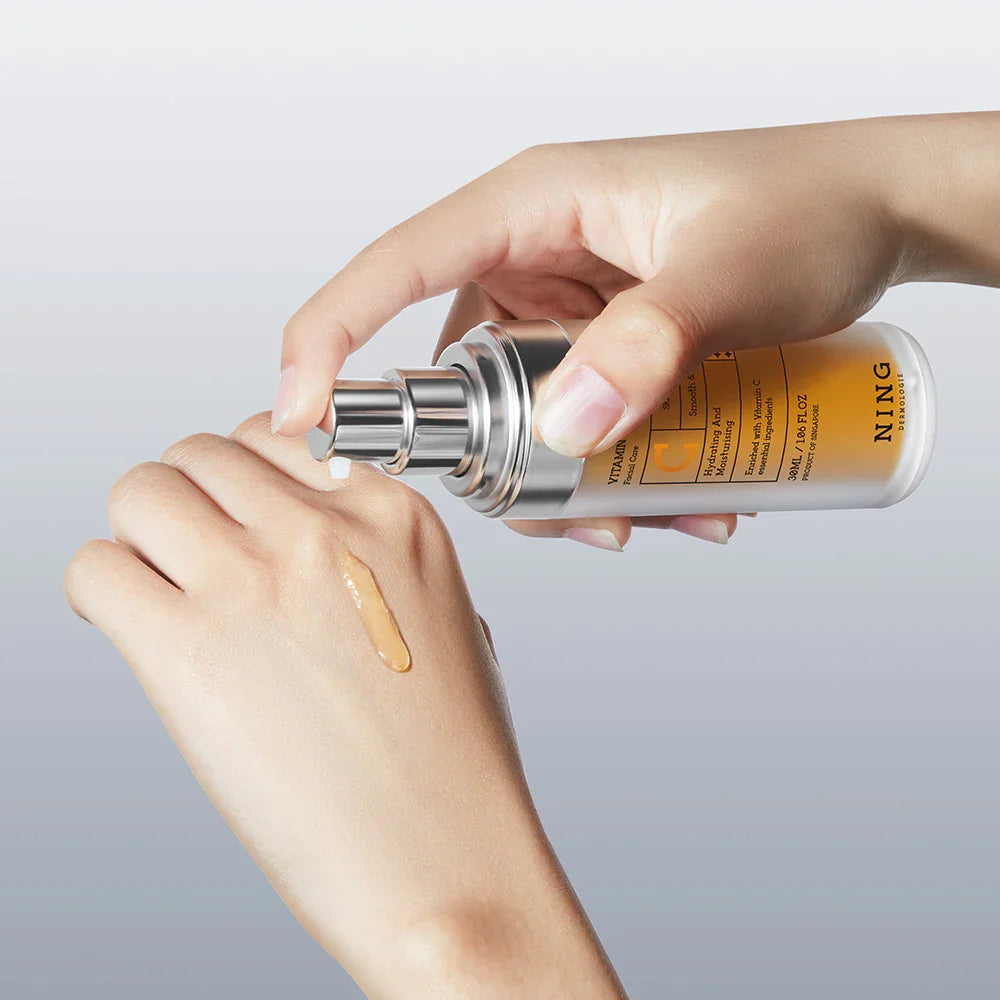
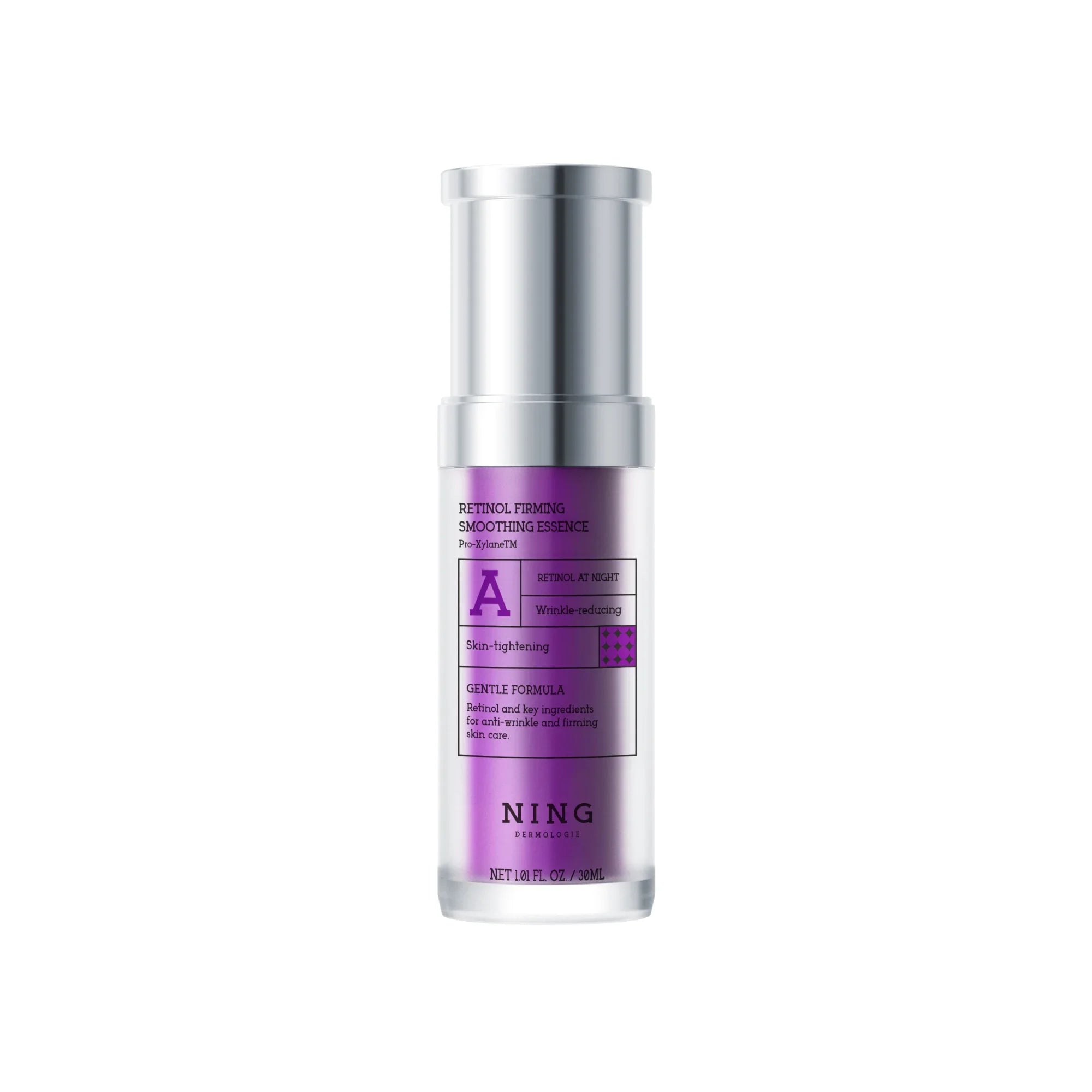
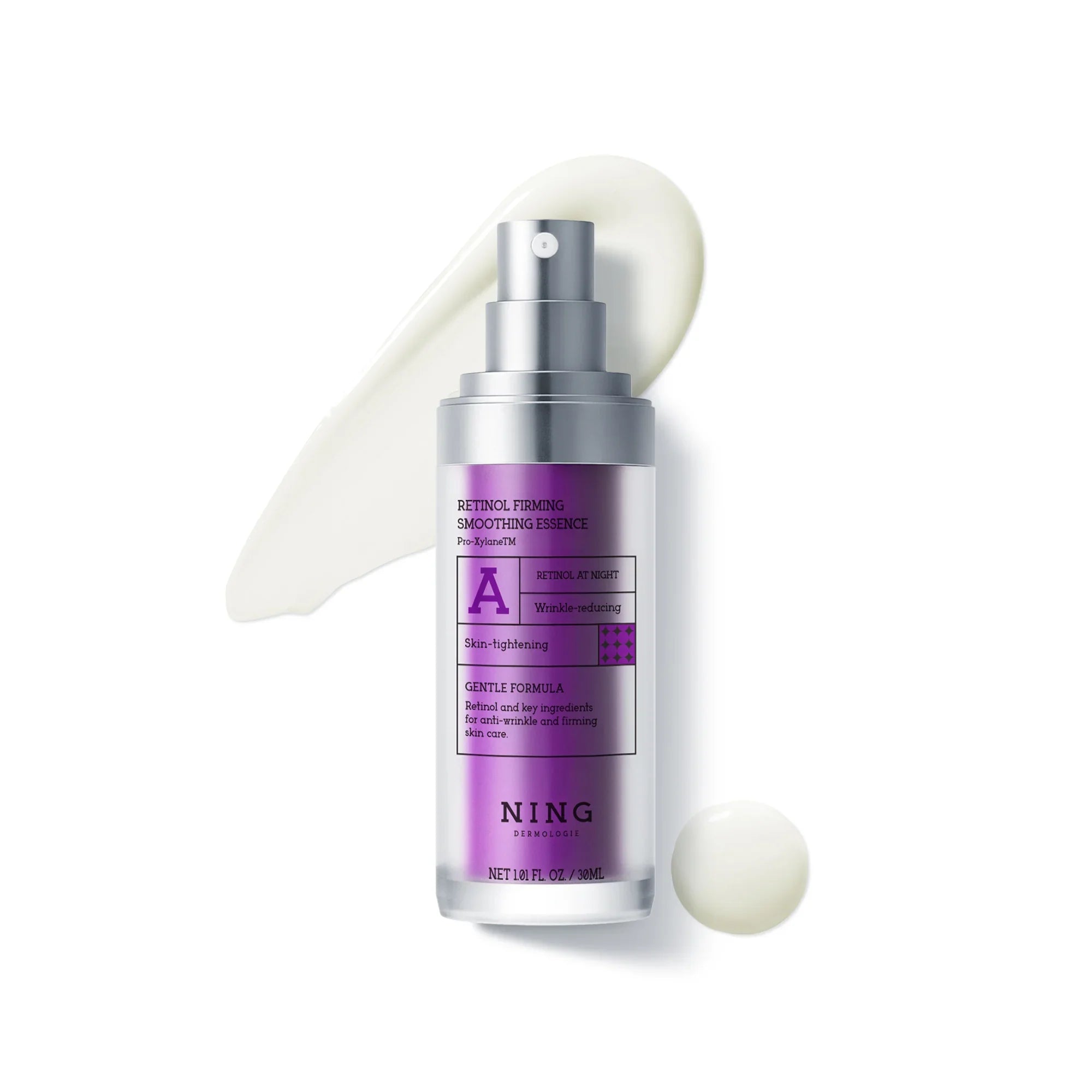
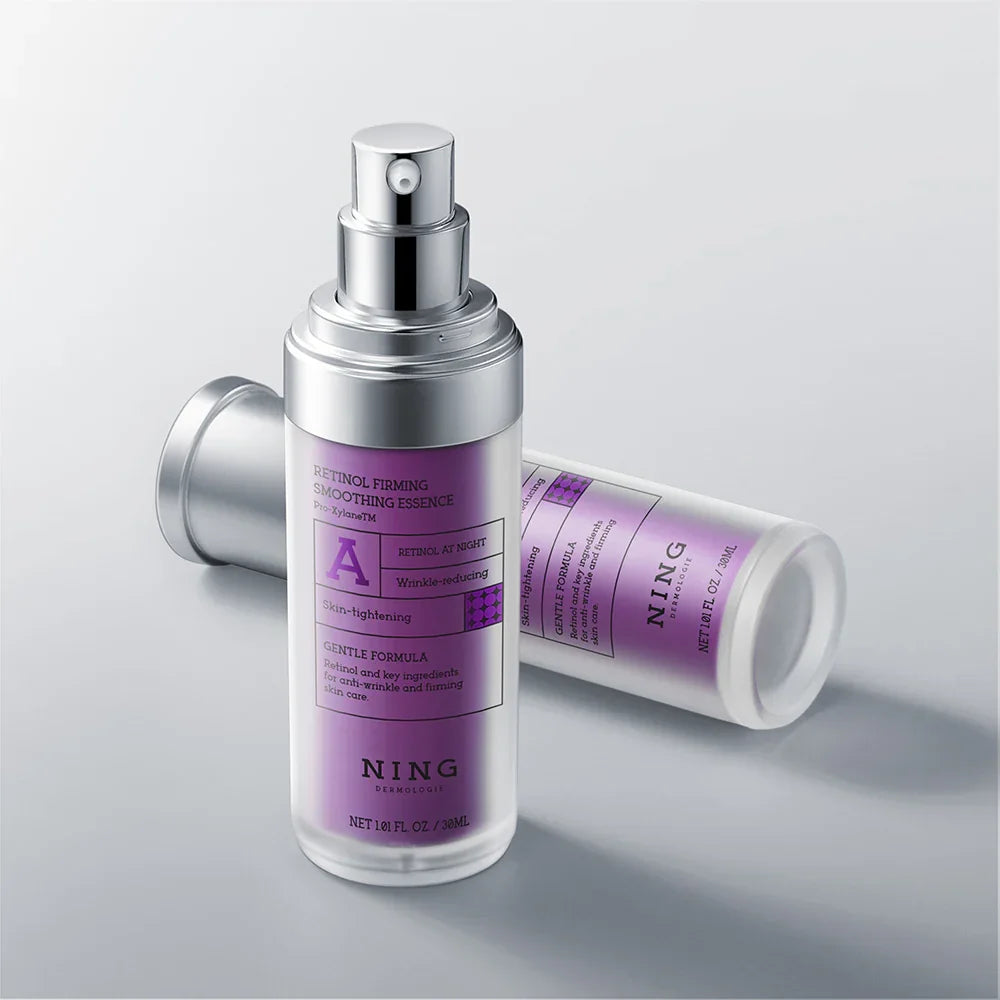
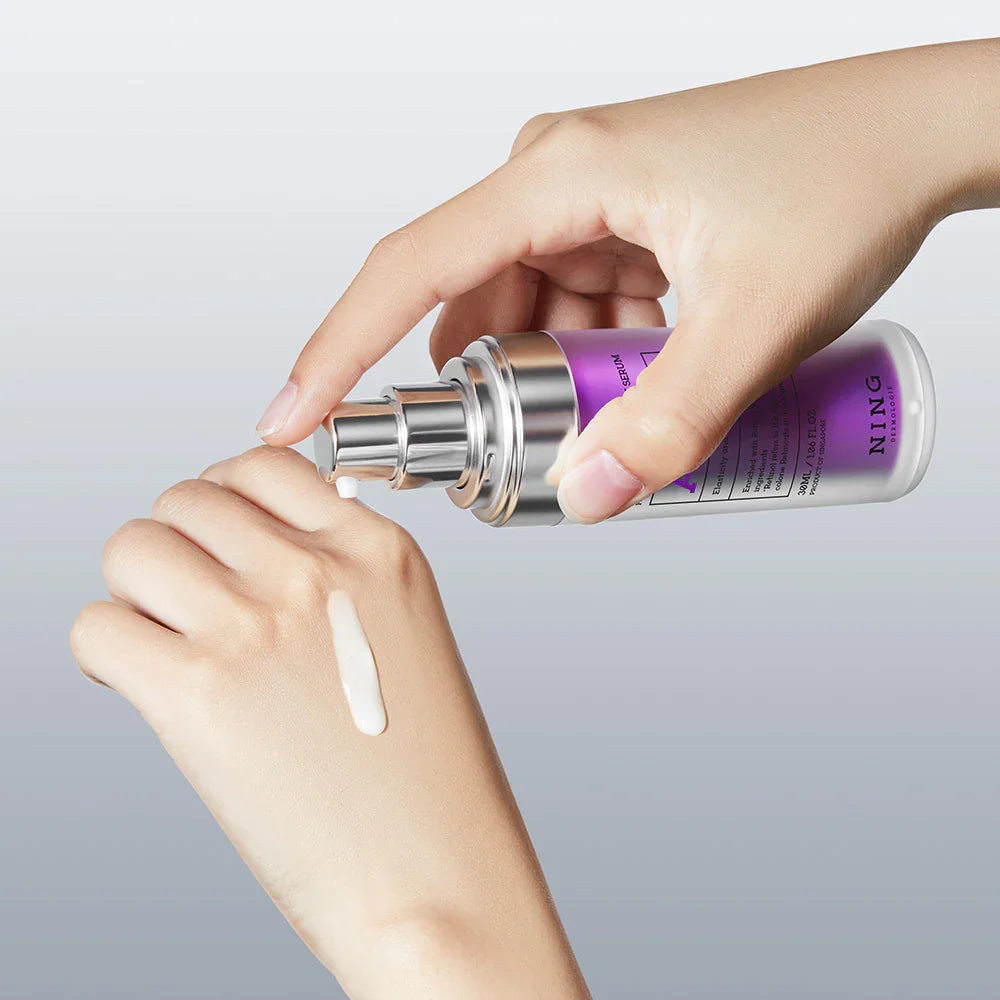
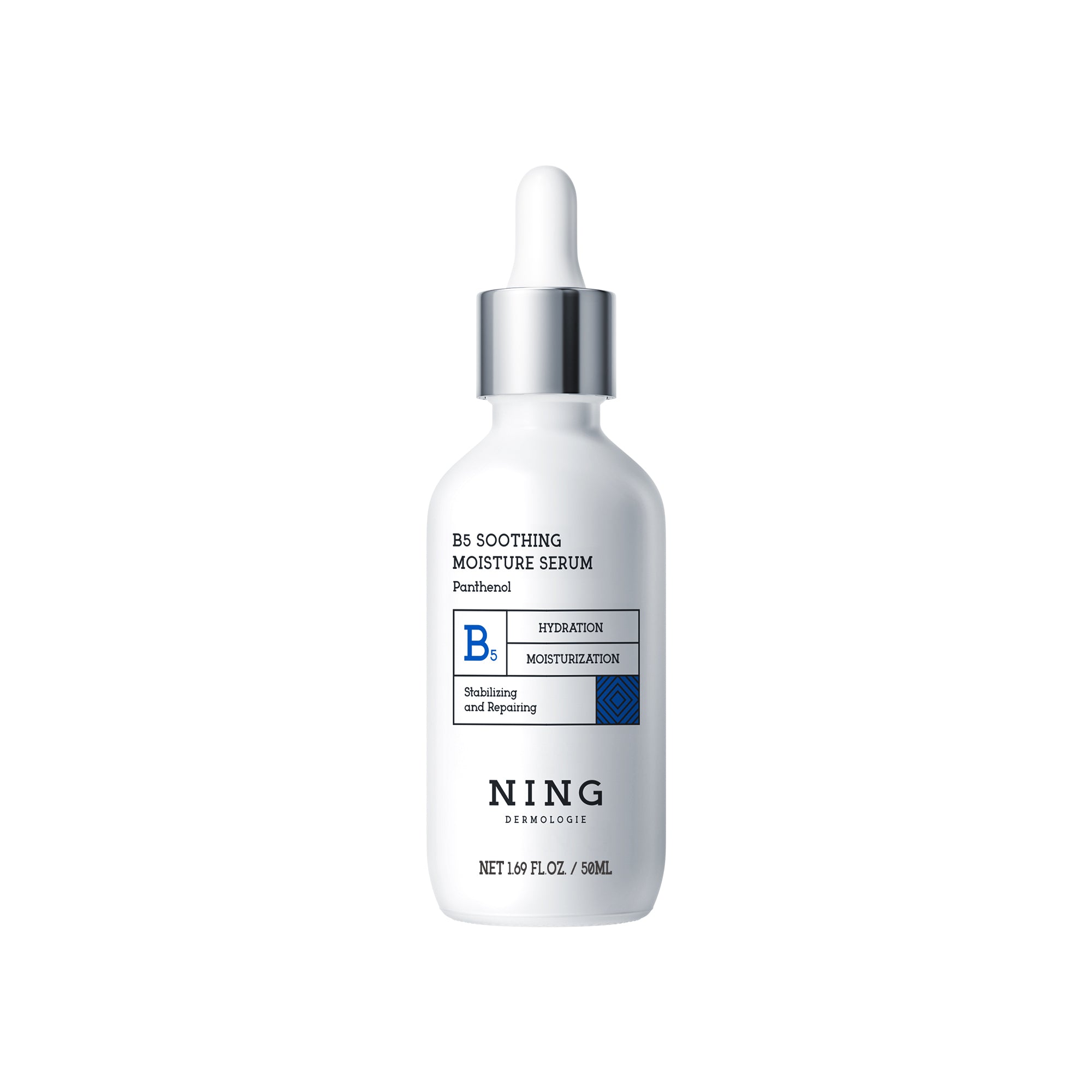
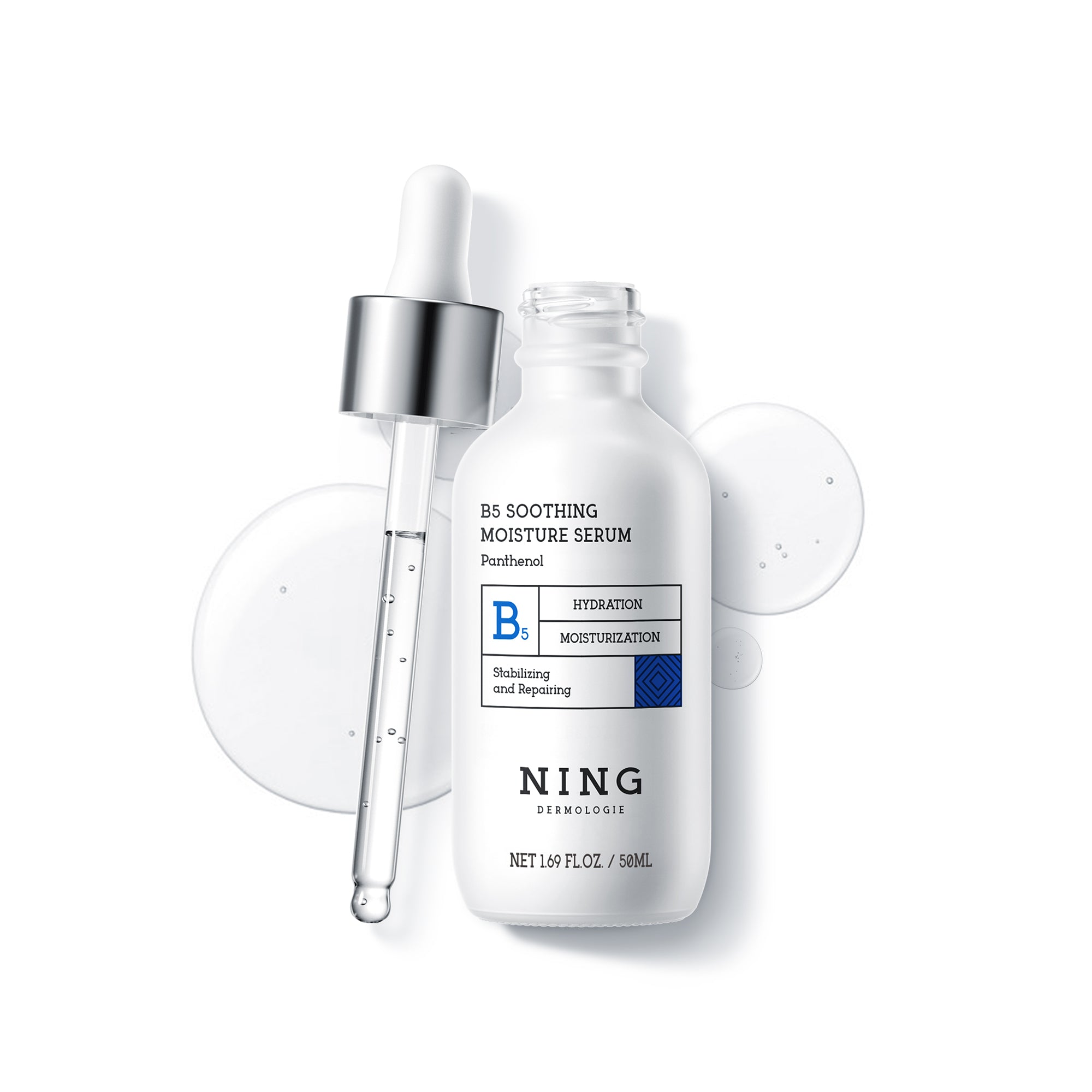
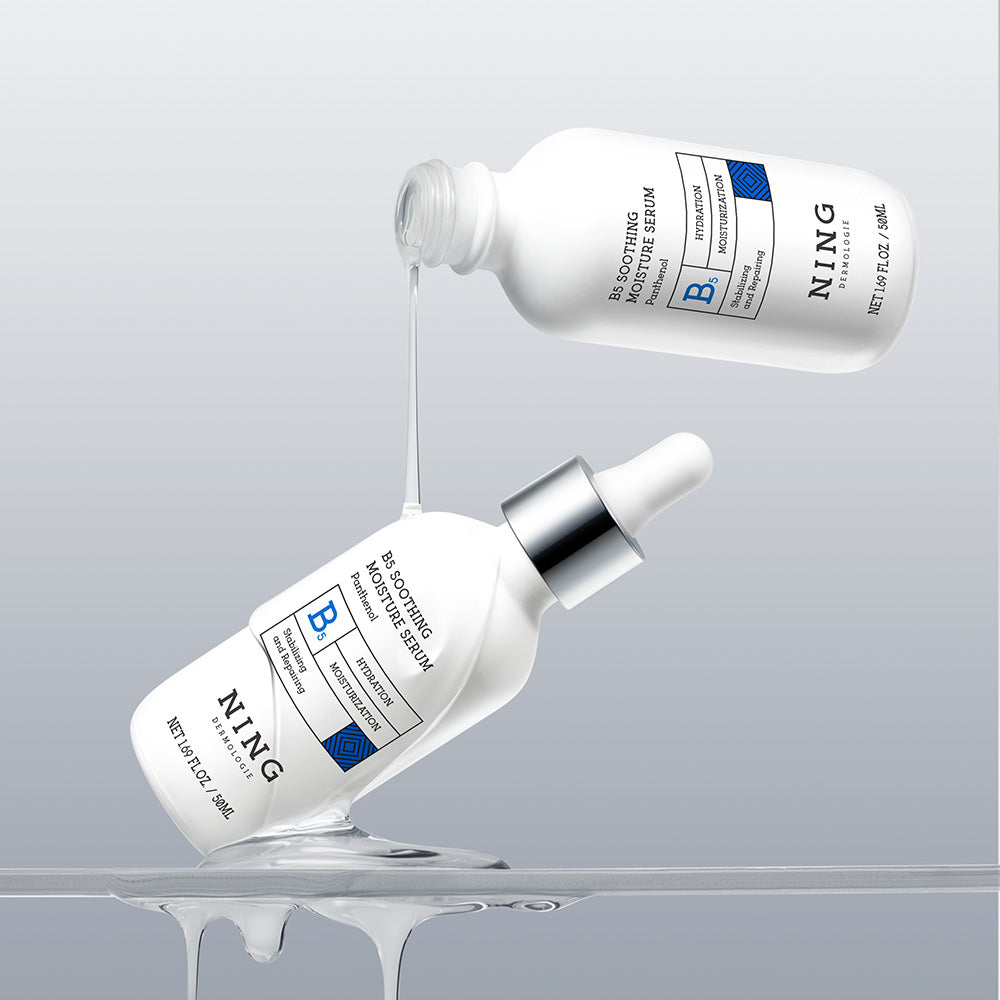
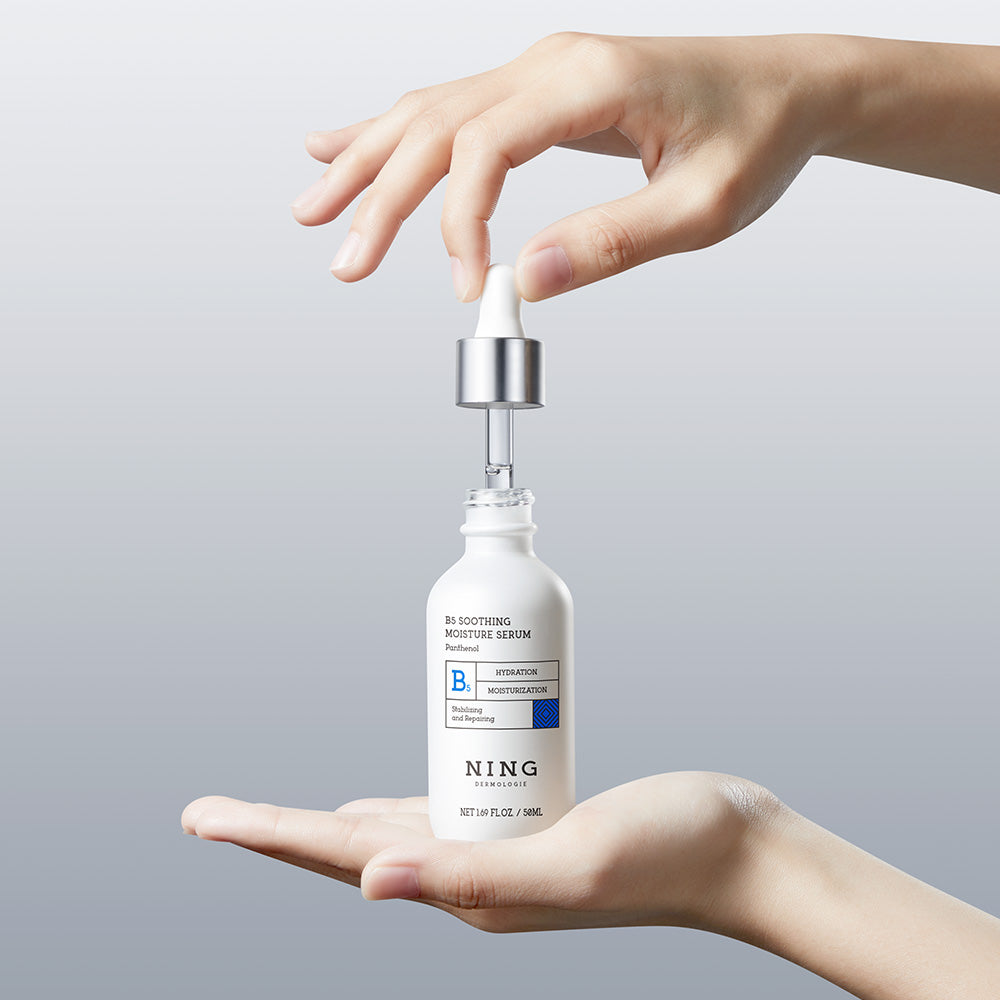
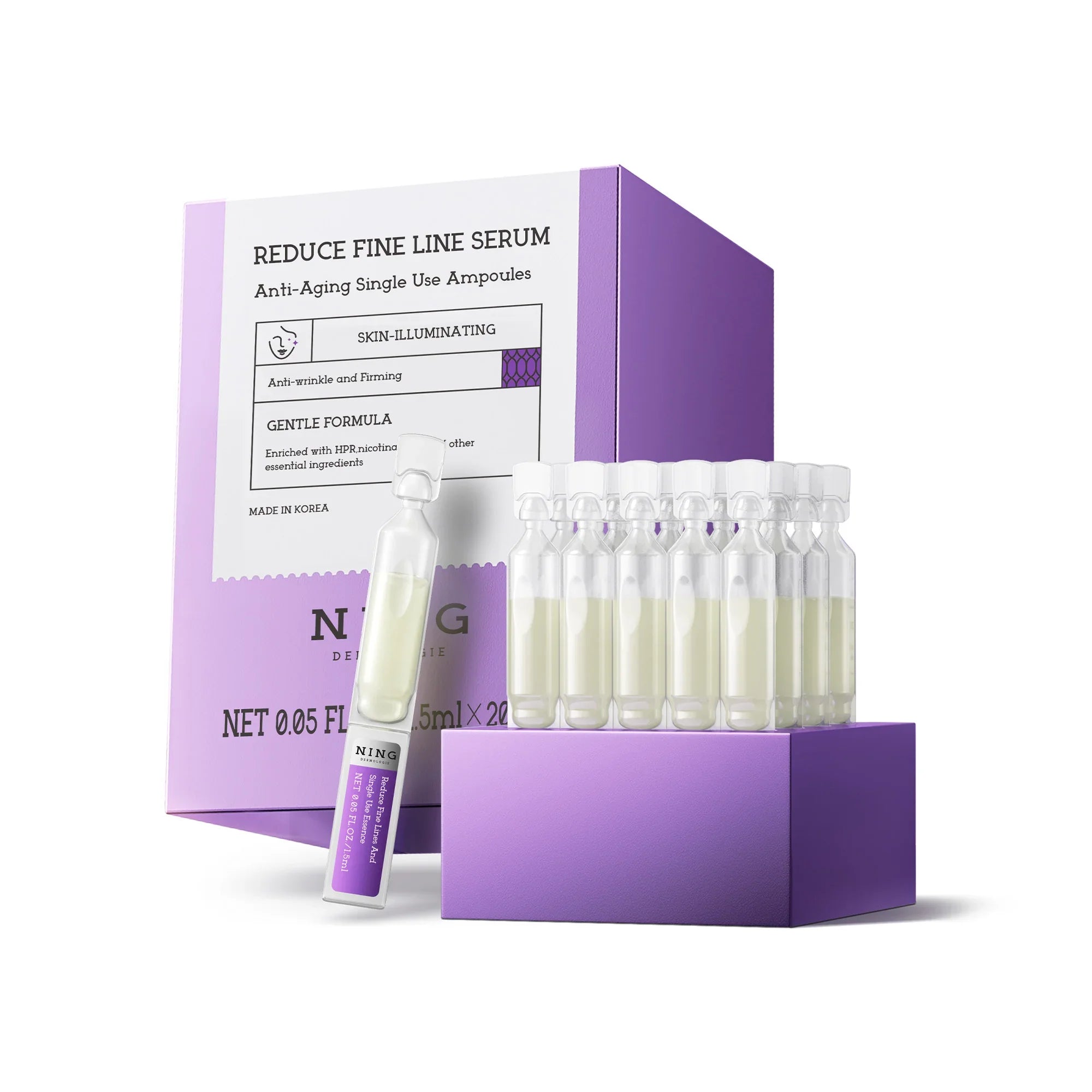
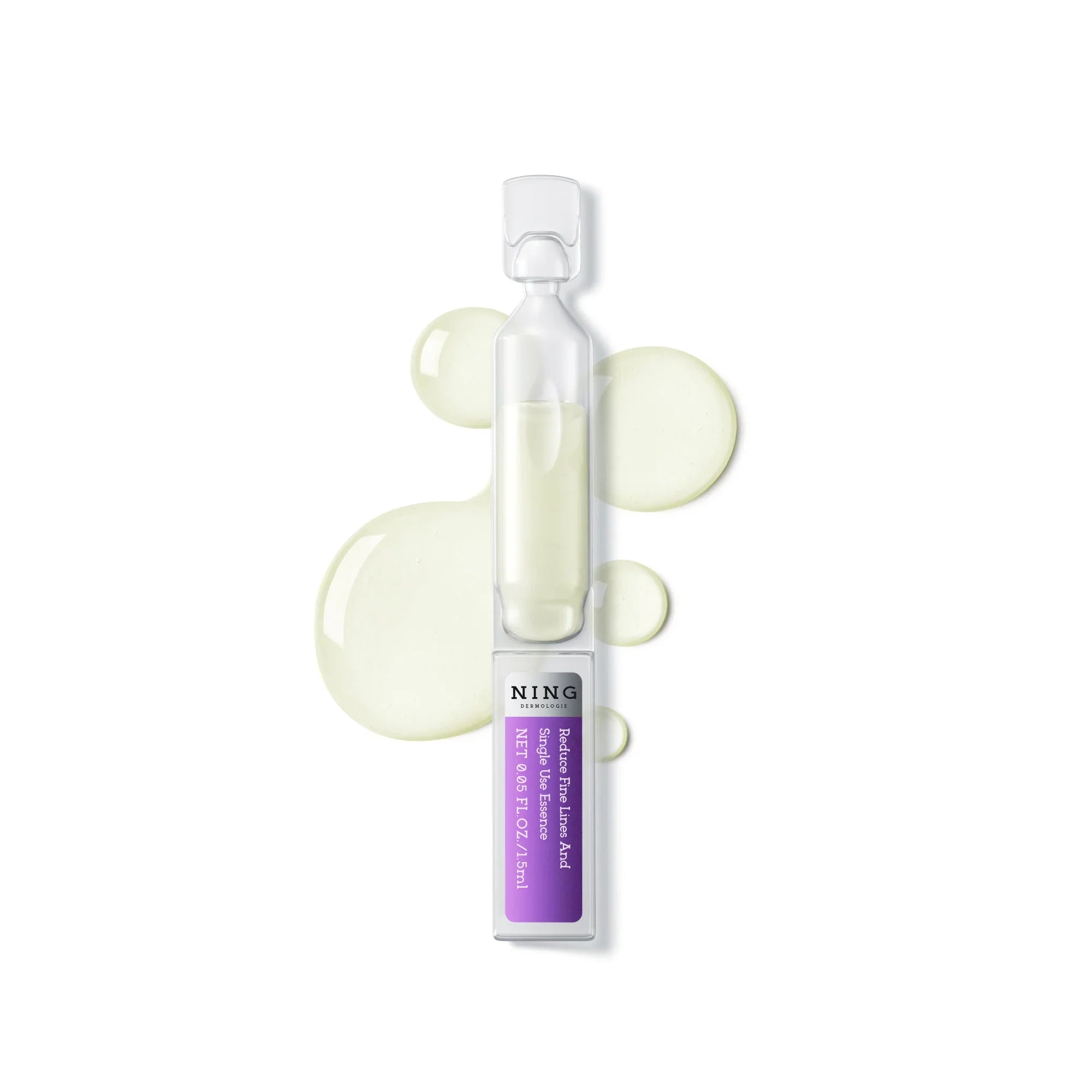
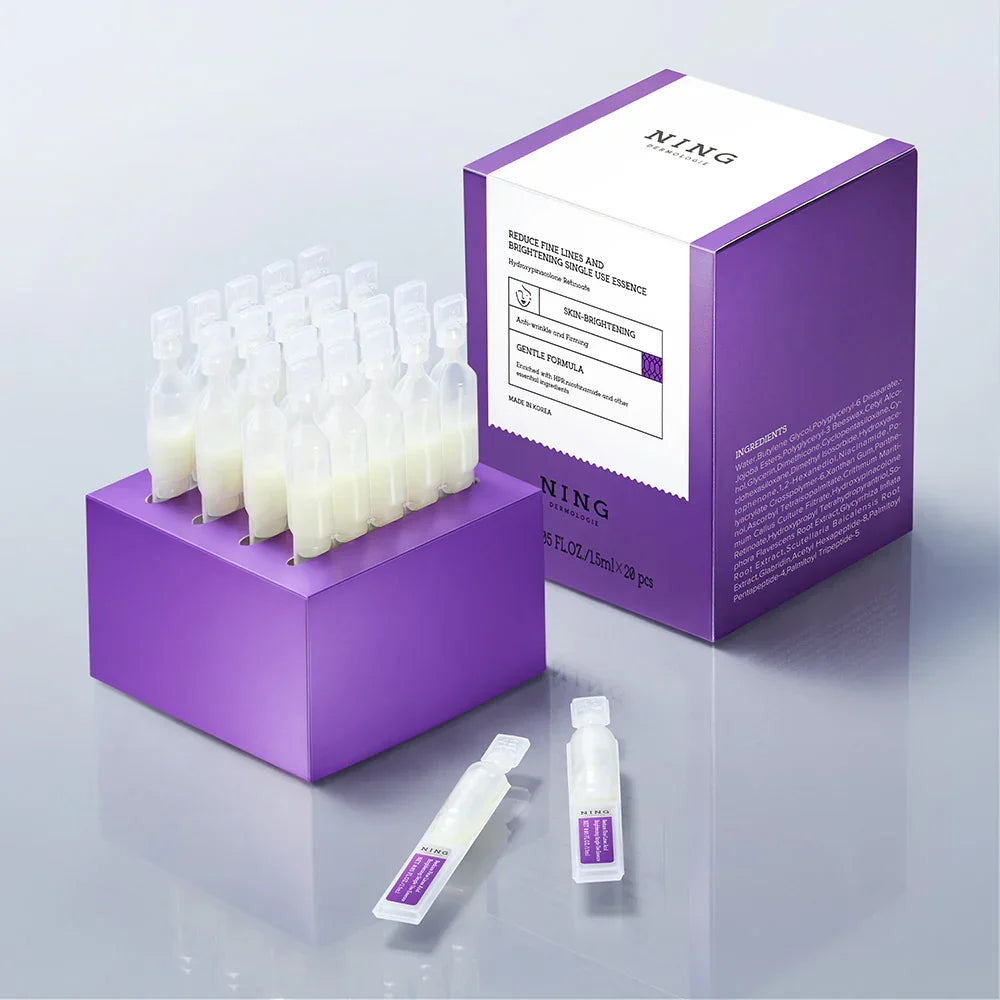
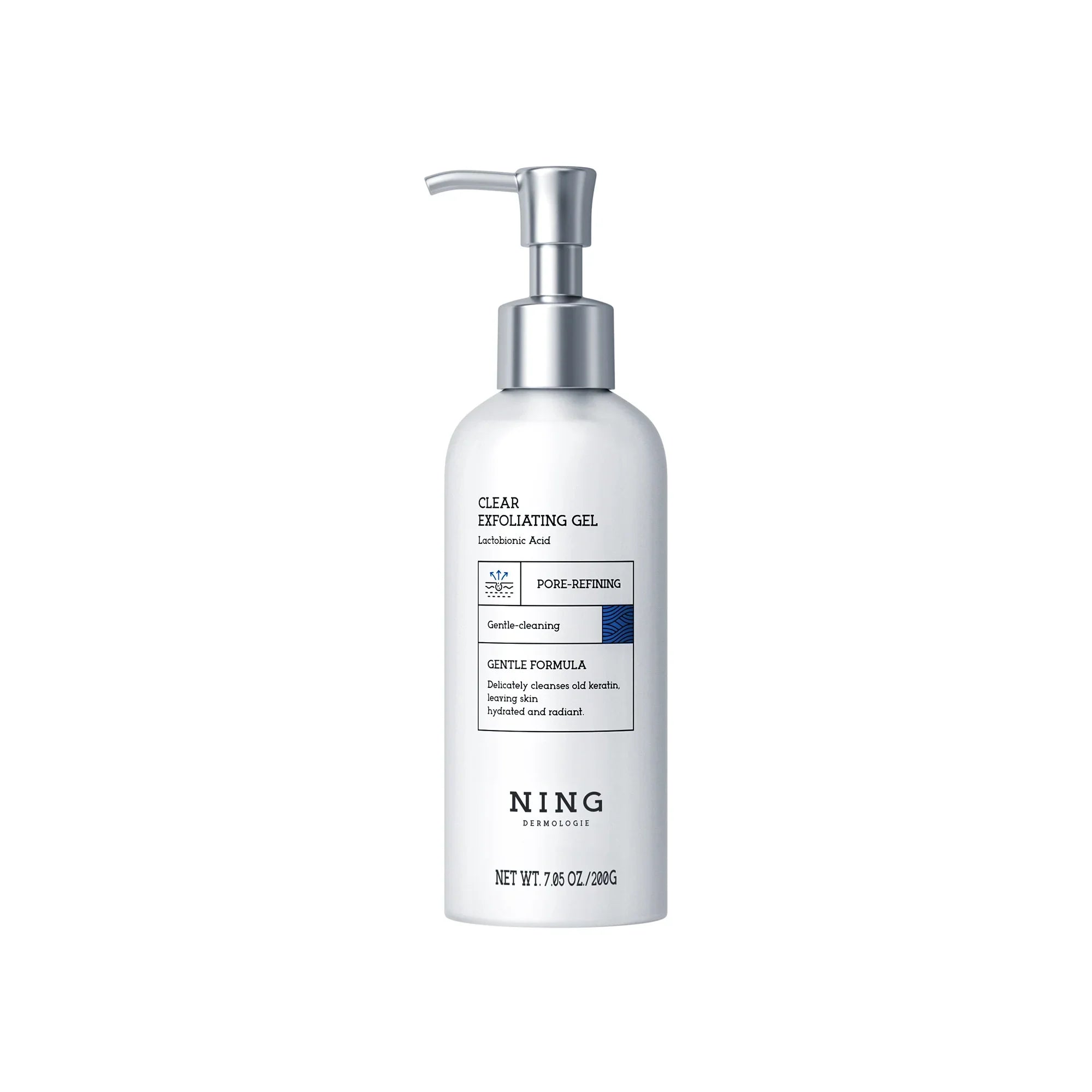
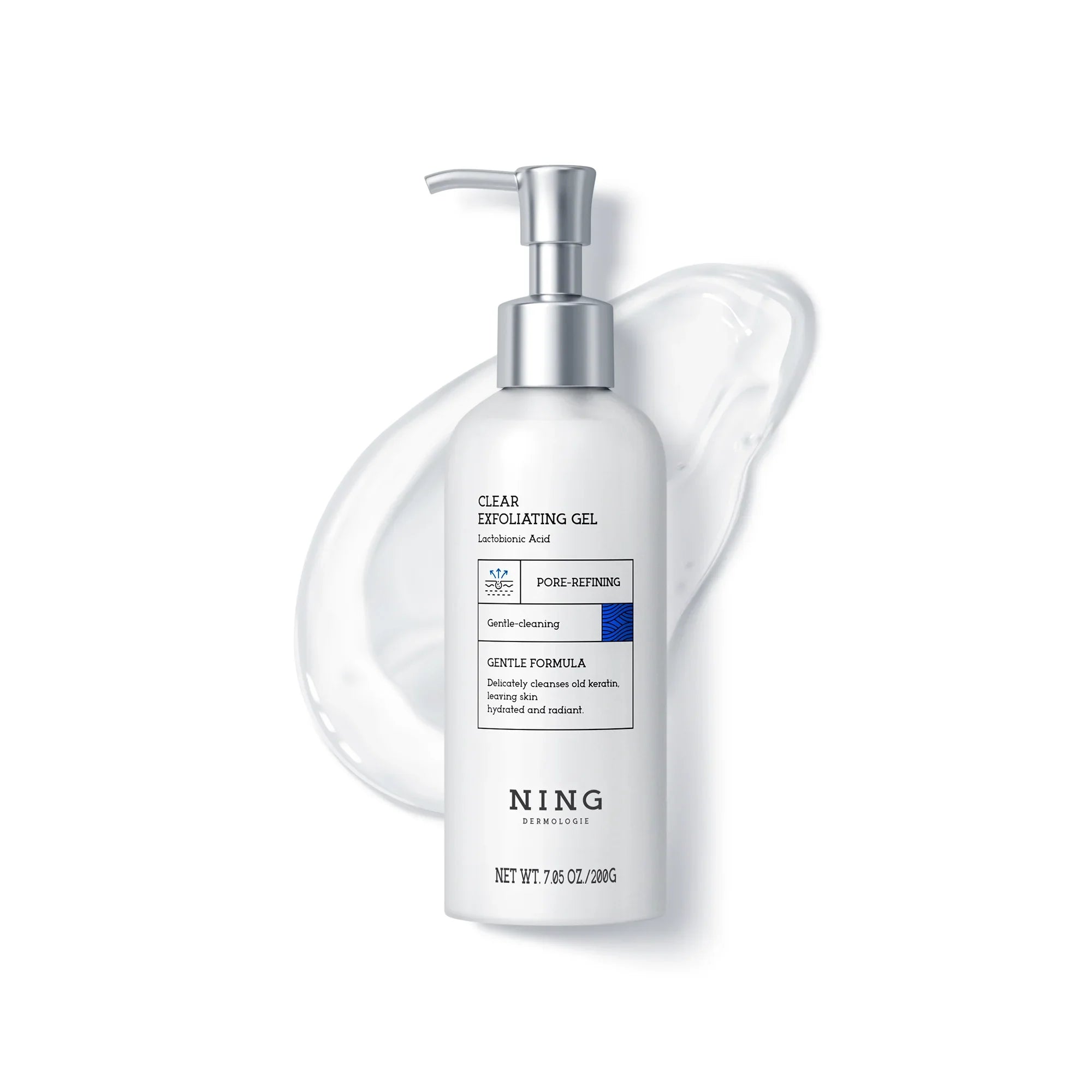
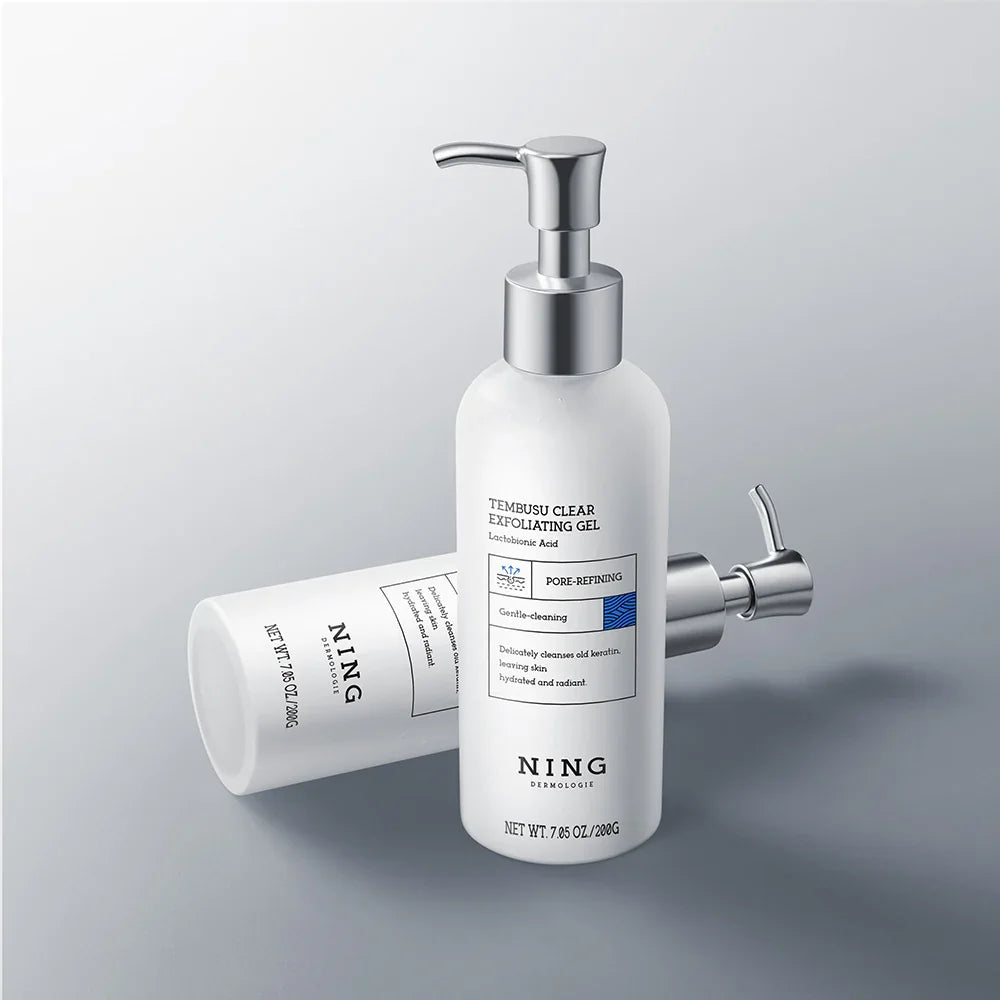
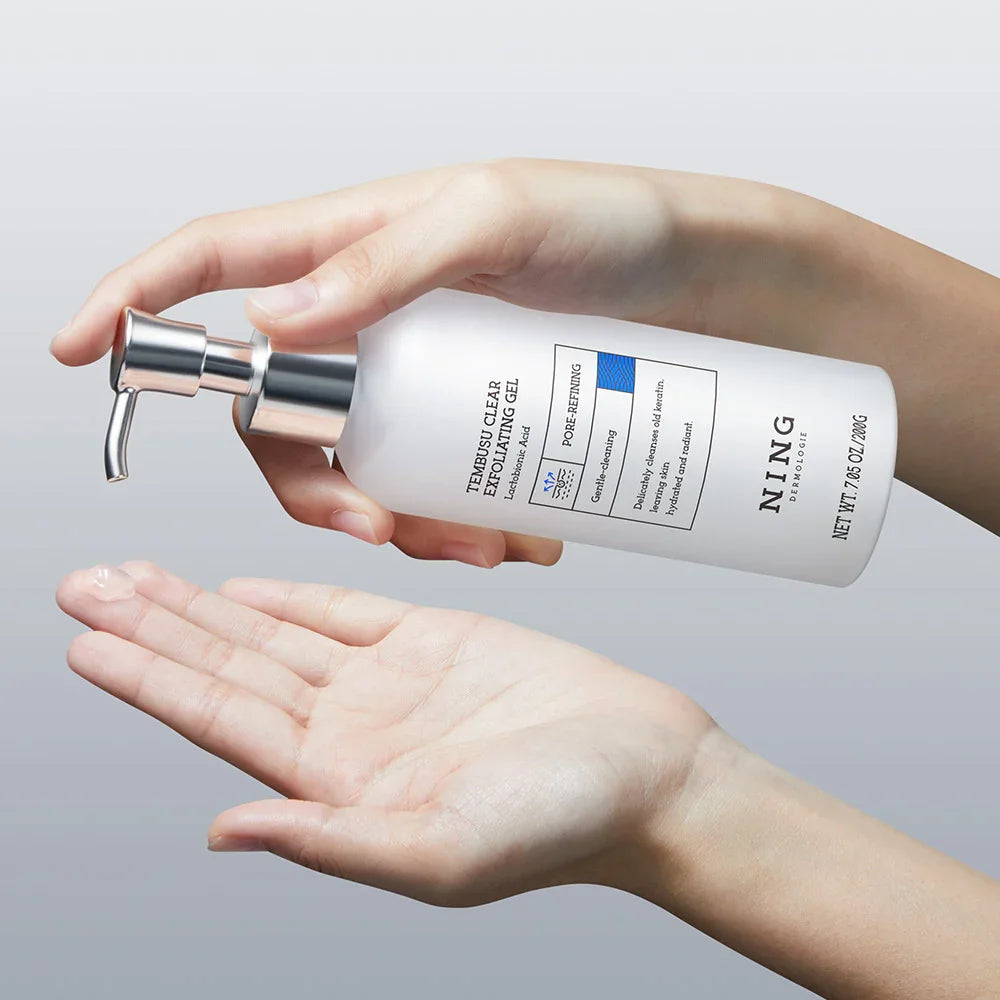
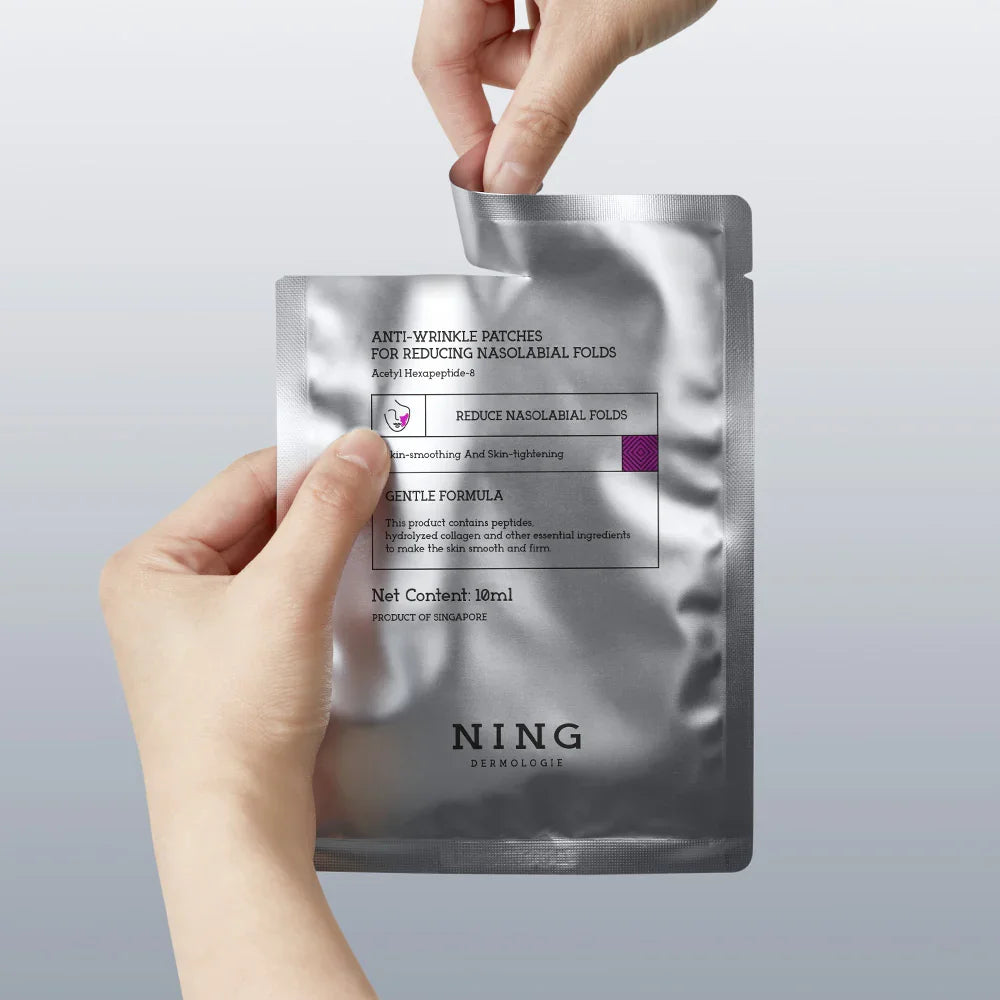
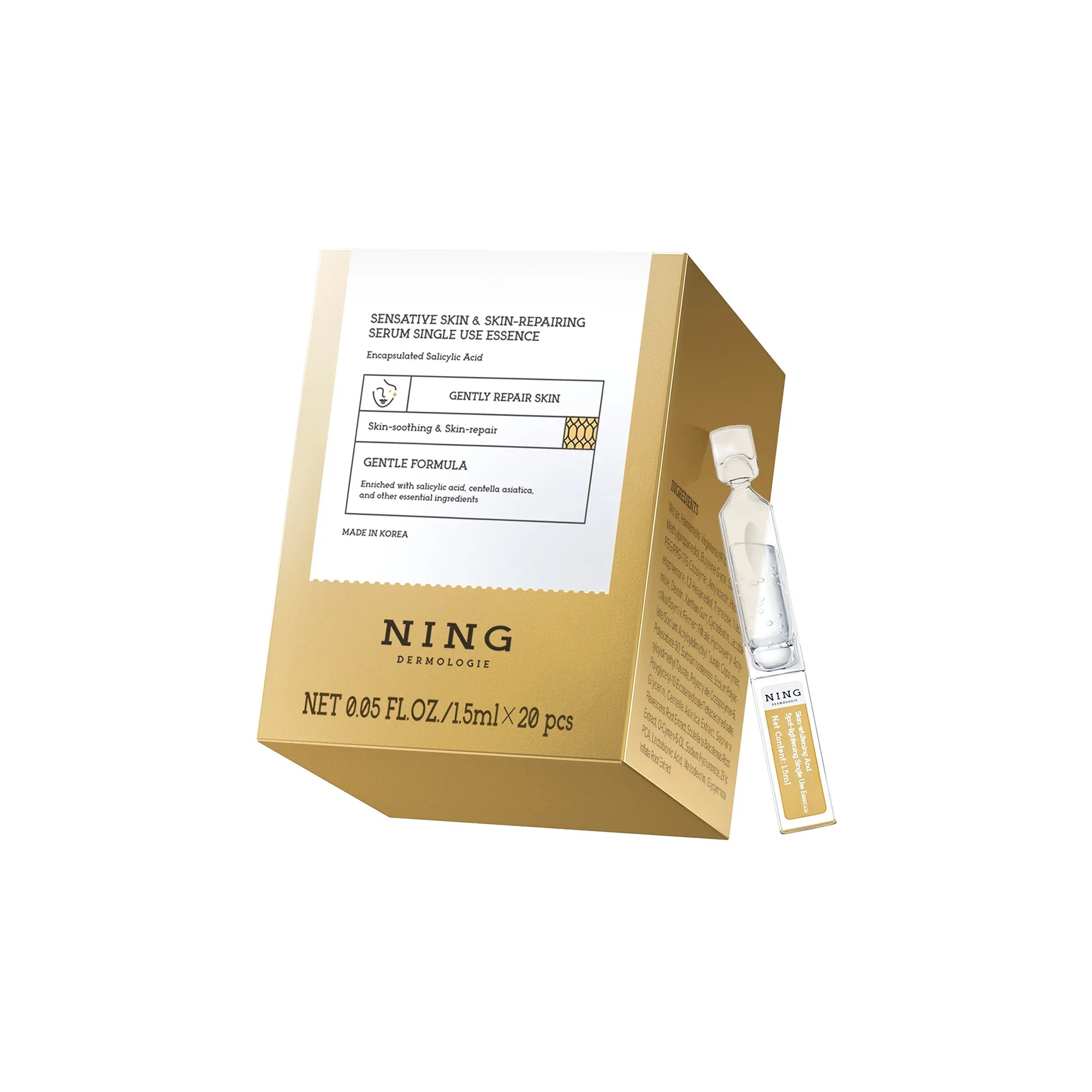
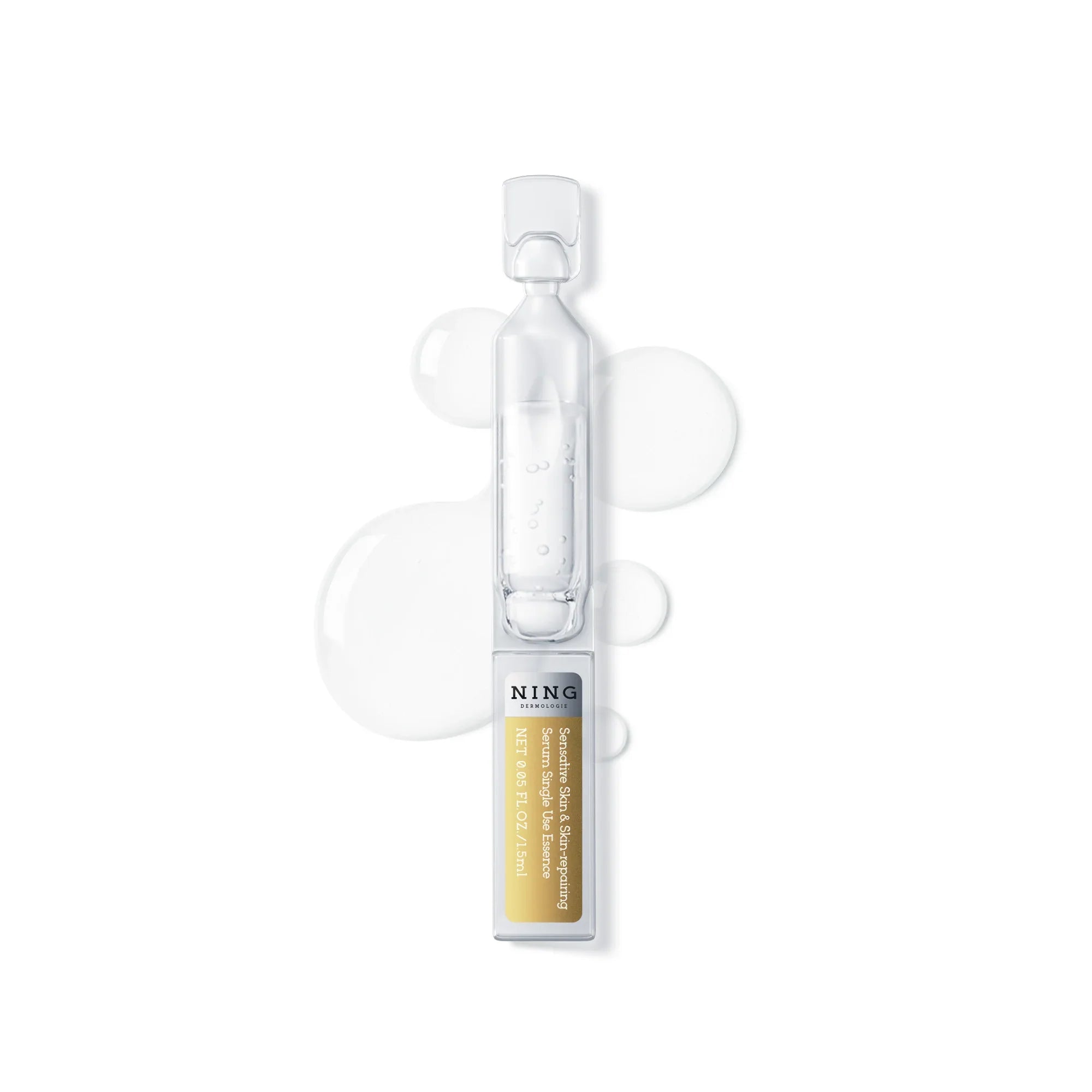
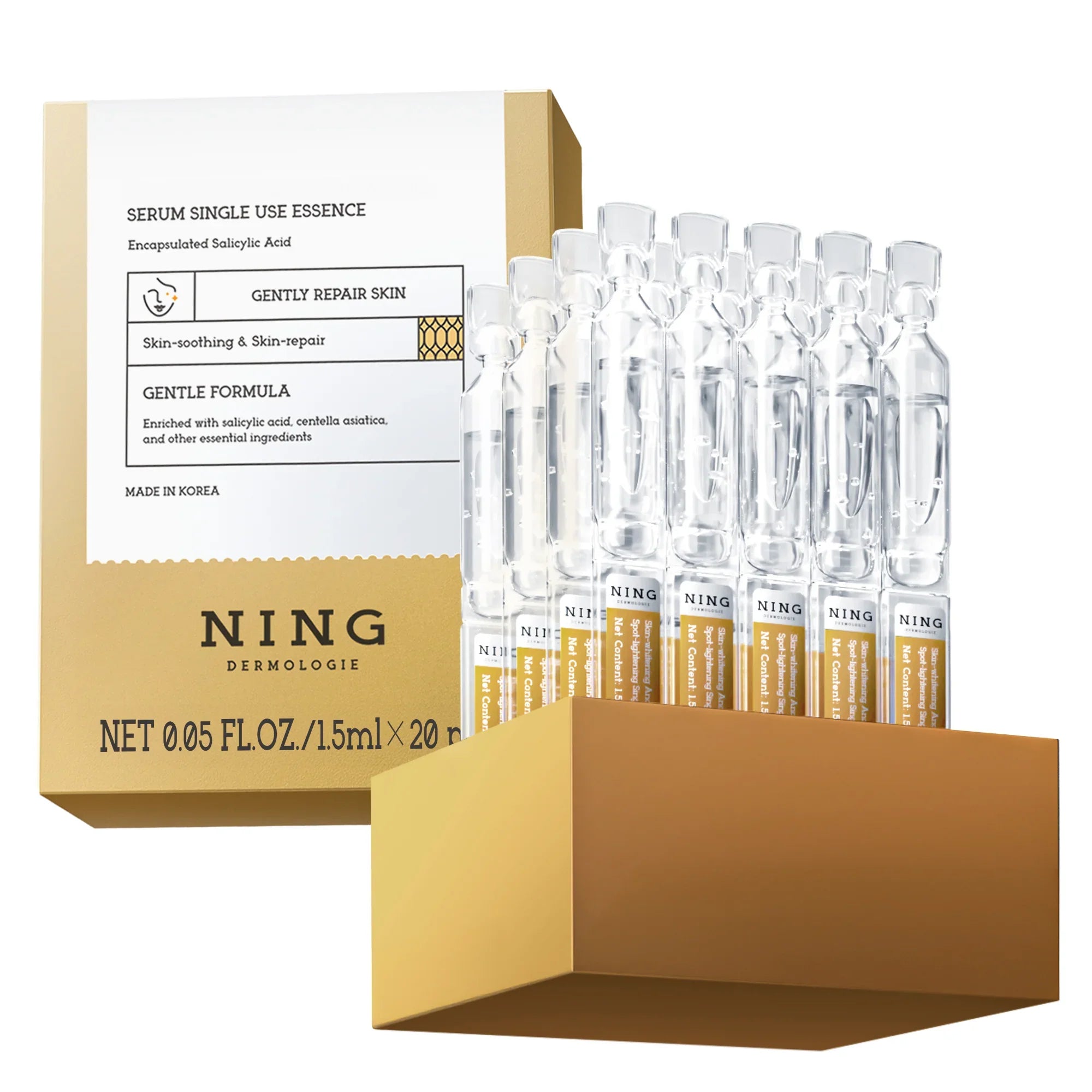
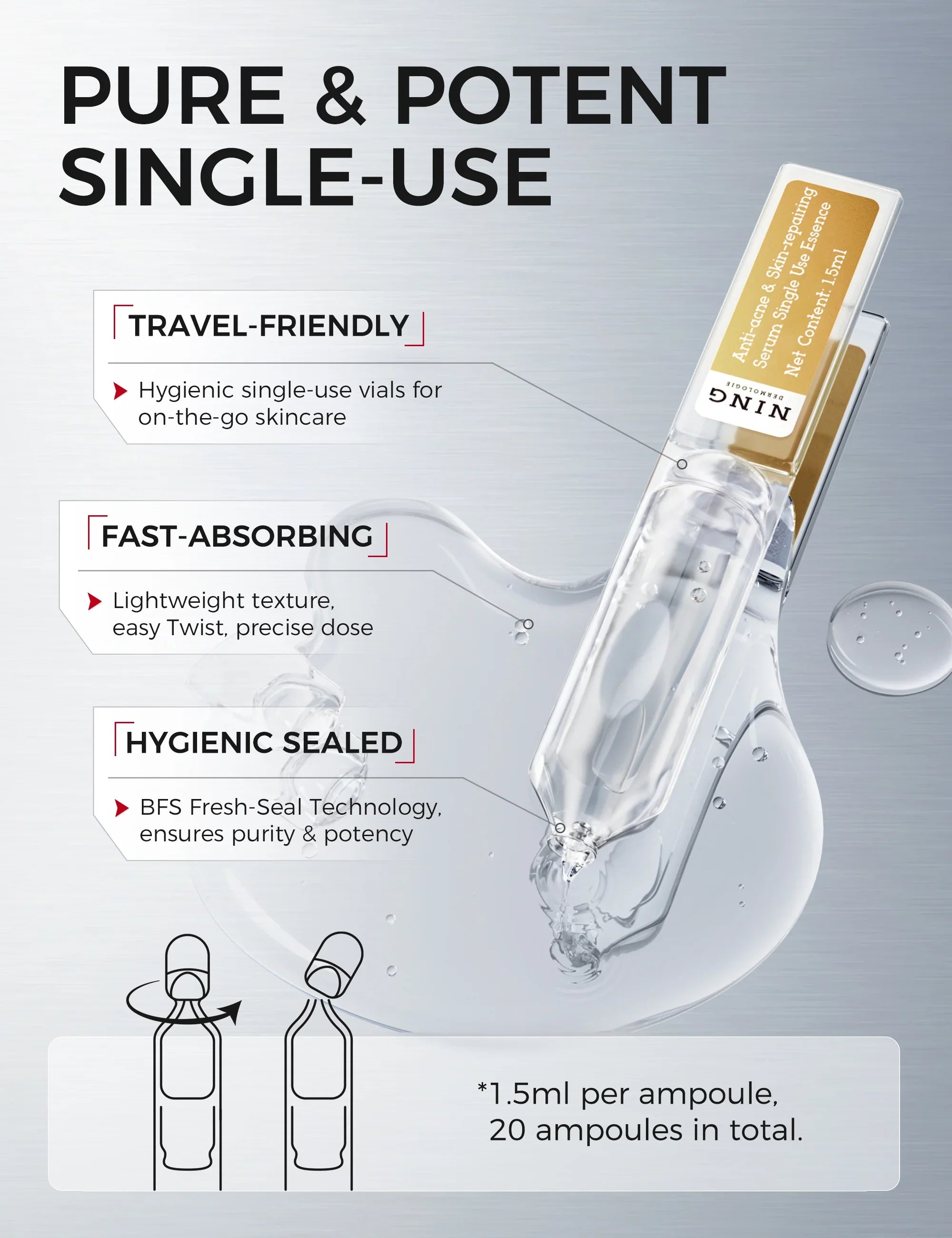
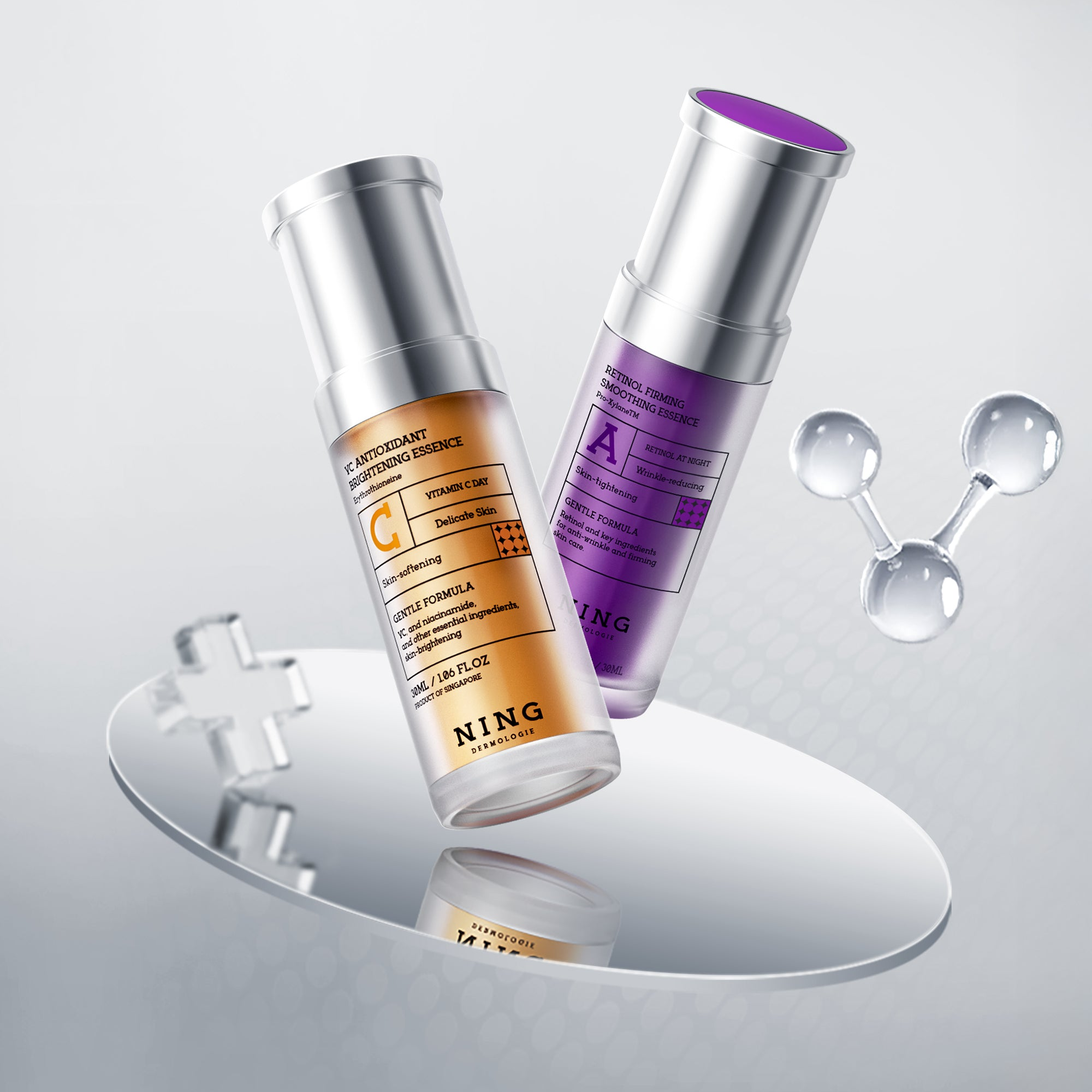
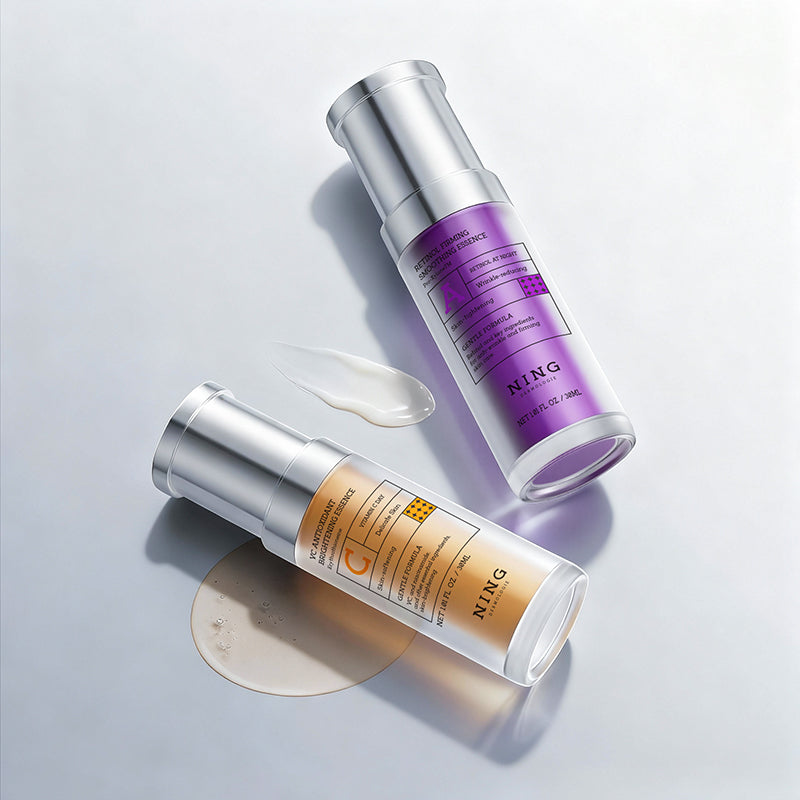
This is where NING Dermologie enters the chat. When we talk about clinical skincare, the challenge is protecting the Active ingredients. Highly potent Hyaluronic acid and Vitamin C formulations are sensitive to light and air. NING Dermologie strikes a balance. They prioritize glass packaging to ensure no interaction between the formula and the container (avoiding the risk of BPA lining leaching). But where they really shine is the holistic approach. It’s not just the bottle; it’s the corrugated shipping boxes and the exclusion of unnecessary plastic trays inside the unit carton. They understand that sustainable beauty isn't just about the jar, but the entire life cycle assessment.
- The Routine Pair: After applying their HA serum, you need to lock it in. Their Hydrating & Soothing Essence Cream is the perfect occlusive layer. It uses high-quality natural ingredients that complement the serum without clogging pores.
- Check it out here: Hydrating & Soothing Essence Cream
4. The Hippie-Chic: Fat and The Moon
If you are into solid skincare or balms, Fat and The Moon is iconic. While they are famous for plastic-free deodorant pastes and compostable lip balm tubes, their hydration products often come in tins or glass. They utilize organic jojoba oil and clay-based spot treatment concepts to reduce water weight.
- The Vibe: Earthy, raw, and very effective.
- The Catch: Their textures are unique. If you are used to silicone-heavy luxury serums, this might feel too "raw" for you.
The Hidden Villains: Pumps, Caps, and Labels
Here is the thing most brands won't tell you: The bottle might be glass, but the pump is a nightmare. A standard serum pump contains a metal spring, a plastic dip tube, and a rubber gasket. This mixed-material mess is almost impossible to recycle.
Sustainable beauty brands are now innovating with:
- Mono-material pumps: Made entirely of one type of plastic (like recycled nylon) so they can be melted down together.
- Silicone packaging: For travel caps or droppers that can be incinerated safely (unlike PVC).
- Smart Packaging: Using NFC chips or QR codes to give digital instructions instead of printing massive paper booklets.
If you buy a product with a standard pump, environmental volunteering groups and recycling centers recommend you remove the pump, trash it, and only recycle the glass body. It’s a pain, but it’s the reality of waste management.
Ingredients Matter: It’s Inside and Outside
You can't have a sustainable package filled with unsustainable sludge. The best brands marry the two. For example, organic aloe vera or Green tea extract sourced from fair trade ingredients ensures that the farming practices aren't destroying the soil (regenerative farms).
NING Dermologie focuses on this synergy. By using natural ingredients that are stable, they reduce the need for aggressive preservatives. When you pair their serum with the Hydrating & Soothing Essence Cream, you are using a routine that respects Water Conservation. The cream is concentrated, meaning you use less product per application, which extends the purchase cycle and reduces shipping frequency.
Ingredient Watch:
- Retinoic ester: A more stable form of Vitamin A that requires less stabilization (meaning simpler packaging).
- Seaweed extract: A rapidly renewable resource that mimics the hydration of HA.
- Tea tree oil: Often used in acne-prone formulations, but needs dark glass to prevent oxidation.
The Future of Packaging: Mushrooms and Corn?
We are on the brink of a revolution. Packaging innovation is moving toward biodegradable materials that you can literally throw in your garden.
- Mushroom-based packaging: Used by some luxury brands to replace Styrofoam. It’s grown, not manufactured.
- Cornstarch-based bioplastic: Used for travel-sized tubes or samples. It breaks down industrially.
- Plant-based plastics: Derived from sugarcane rather than fossil fuels.
However, be careful. Some "bioplastics" only degrade in high-heat industrial facilities, not your backyard compost. Always check the regulatory guidelines on the label.
A Note on "Refillable" Realities
Refillable face washes and serums are trending. Brands like Izzy Zero Waste Beauty or luxury houses offering refillable containers are great, but only if you actually buy the refill. If you buy the "starter kit" and then switch brands next month, you have actually created more waste because those starter containers are heavier and more resource-intensive to produce.
The Rule: Only buy a refillable system for a product you have tested and loved (maybe via travel-sized tubes first). If you love the NING Dermologie texture or the Dear, Klairs hydration, stick with it. Loyalty is the most sustainable habit.
Shipping: The Silent Polluter
You picked the recycled glass bottle. Great. But how did it get to you? Did it arrive in a massive box filled with Styrofoam peanuts? Look for brands that use:
- Eco-friendly mailing envelopes (padded with upcycled newspaper).
- Carbon-neutral deliveries (offsetting emissions).
- Paper-based packaging tape (no plastic tape).
I recently ordered a "green" serum that came wrapped in three layers of bubble wrap. I was furious. Contrast that with brands utilizing honeycomb paper—it works just as well and doesn't strangle sea turtles.

The "Clean" Lifestyle Checklist
Adopting an eco-friendly skincare routine goes beyond the serum.
- Swaps: Replace plastic loofahs with natural sponges or sustainable cotton rounds.
- Solids: Try solid soap-based cleansers or bath bombs (lush style) to eliminate bottles entirely.
- Certifications: Look for Forest Stewardship Council (FSC) logos on the box. It means the paper didn't come from an endangered rainforest.
- Cruelty-Free: Always ensure cruelty-free products. Testing on animals is an outdated, cruel, and environmentally inefficient practice.
Conclusion: Your Wallet is Your Vote
Every time you buy a cheap, plastic-wrapped serum from a drugstore, you are telling the beauty industry that you don't care about plastic pollution or ocean conservation. By choosing brands like NING Dermologie, Purito SEOUL, or Izzy, you are funding the research into plant-based plastics and regenerative farms.
It’s not about being perfect. It’s about being better. Start with your serum. Finish with your moisturizer (don't forget that Hydrating & Soothing Essence Cream). And please, for the love of the planet, rinse your empty bottles before you recycle them.
Frequently Asked Questions (FAQ)
1. Is glass packaging always better than plastic for the environment? Not always. While glass is recyclable and safer for active ingredients, it is heavy. This increases fuel consumption during shipping. However, unlike plastic, it doesn't degrade into microplastics. If you reuse the glass bottle or recycle it locally, it’s usually the superior choice.
2. Can I actually recycle the pump on my hyaluronic acid serum? Rarely. Most pumps are "mixed materials" (plastic, metal springs, rubber). Unless the brand explicitly says it's a "mono-material pump," you must unscrew it and throw it in the trash. Only the glass or plastic bottle body goes in the recycle bin.
3. Are "biodegradable" plastics legit or just marketing hype? It’s tricky. Many "bioplastics" (like cornstarch-based) require high-heat industrial composting facilities to break down. If you throw them in your home compost or regular trash, they might act just like regular plastic. Always read the disposal instructions carefully.
4. How do I know if a brand is truly cruelty-free and sustainable? Ignore the green leaves on the box; that’s just marketing fluff. Real sustainability leaves a paper trail. You need to see specific logos like Leaping Bunny or FSC. If a brand like NING Dermologie or others isn't posting their full supply chain details on their site, they’re likely hiding something.
5. Do eco-friendly serums go bad faster? They can. Since many sustainable brands skip the hardcore synthetic preservatives and airtight plastic liners, the clock ticks faster on shelf life. Treat these serums like fresh food, not Twinkies. Keep them out of hot, sunny bathrooms to stop them from turning funky before you finish the bottle.


Share:
Which companies manufacture hyaluronic acid serums with clinically proven hydration benefits?
What are the best hyaluronic acid serums for sensitive skin recommended by skincare experts?