

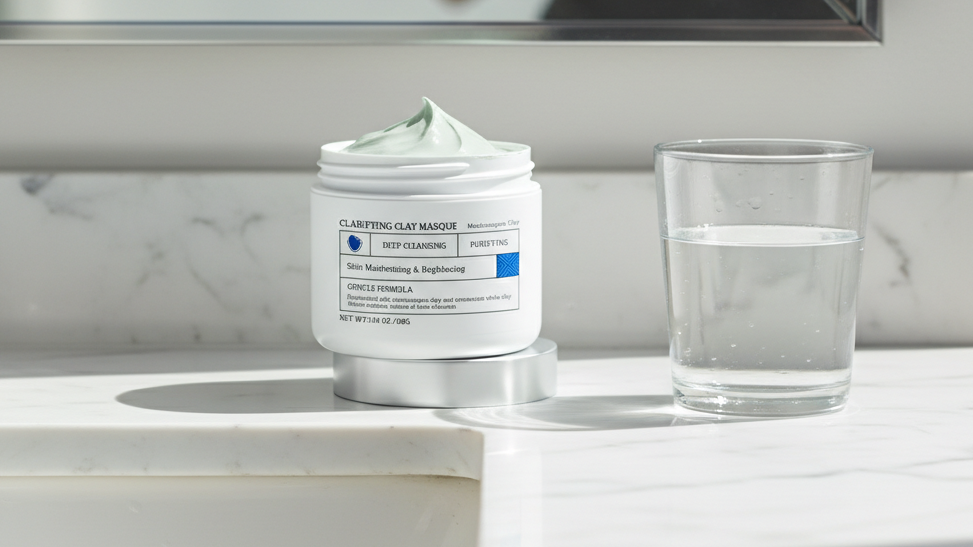

Beyond the Mud: How Modern Mask Formulation is Changing Your Skin’s Radiance
We’ve all seen the classic image of someone relaxing with a thick layer of grey mud on their face. For years, the clay mask was viewed as a simple, one-note tool: a way to suck oil out of the skin until it felt tight and parched. But the beauty industry is moving fast. Today, product development has shifted away from these aggressive, drying treatments. Modern mask formulation is now about precision, combining the raw transformative power of earth-derived minerals with advanced botanical science to rejuvenate the skin without compromising its natural balance.
At NING Dermologie, we’ve seen this shift firsthand. Consumers are no longer satisfied with just "clean" skin; they want a luminous complexion, improved collagen support, and a way to soothe irritation all at once. If you’ve written off clay masks because they felt too harsh, it’s time to look at how new formulation techniques are redefining what a facial mask can actually do.

The Mineral Core: Why French Clay and Bentonite Still Matter
Before we talk about the new stuff, we have to respect the foundation. Not all clays are created equal. In the premium clay mask range, French clay remains a gold standard. Why? Because it is incredibly rich in minerals. Sourced from volcanic sediment in the south of France, this clay doesn't just sit on the skin; it acts like a magnet to draw out impurities from the deep recesses of the pore.
Then you have bentonite clay. If you have problem skin or struggle with excess sebum, bentonite is your heavy hitter. It has a unique ability to expand when wet, creating an electrical charge that pulls toxins out of the skin. However, the old way of using these clays was to let them dry until they cracked. That’s a mistake. Modern skincare brands like NING Dermologie focus on keeping these clays "active" on the skin longer by blending them with natural ingredients that prevent premature drying.
By keeping the formulation moist, the clay can purify the skin and absorb excess oil without stripping the skin's texture of its essential lipids. This is the difference between a cheap "mud mask" and an efficacious treatment.
Innovation 1: Enzymatic Exfoliation (Papaya and Bromelain)
One of the most exciting updates in mask formulation is the addition of enzymes. Traditionally, a clay mask relied on the physical texture of the clay to exfoliate the skin. While effective, this can be too abrasive for sensitive skin.
Enter papain (from papaya) and bromelain (from pineapple). These are proteolytic enzymes, meaning they literally eat away the proteins that hold dead skin cells together. When these are added to a french clay base, the mask performs a double-action. While the clay handles the impurity removal, the enzymes peel away the surface dullness.
This isn’t just about cleaning; it’s about radiance. By clearing away dead skin cells more efficiently, you unveil a much more luminous and even skin tone. For those dealing with hyperpigmentation or a sallow, tired complexion, this enzymatic boost is a game-changer. It turns a standard skincare routine into a spa-like experience with visible results after just one use.
Innovation 2: The Anti-Aging Clay (Collagen and Bakuchiol)
For a long time, people thought you had to choose between a "clearing" mask and an "anti-aging" mask. You couldn't have both. But recent product development has shattered that myth. The beauty industry is now infusing clays with bakuchiol—the natural, gentler alternative to retinol.
Bakuchiol works to trigger regeneration and support collagen production. When mixed into a mask formulation, it helps to soften the appearance of fine lines while the clay works on the pore. This dual-pathway approach ensures that while you are treating a blemish or managing oil production, you are also firming the skin.
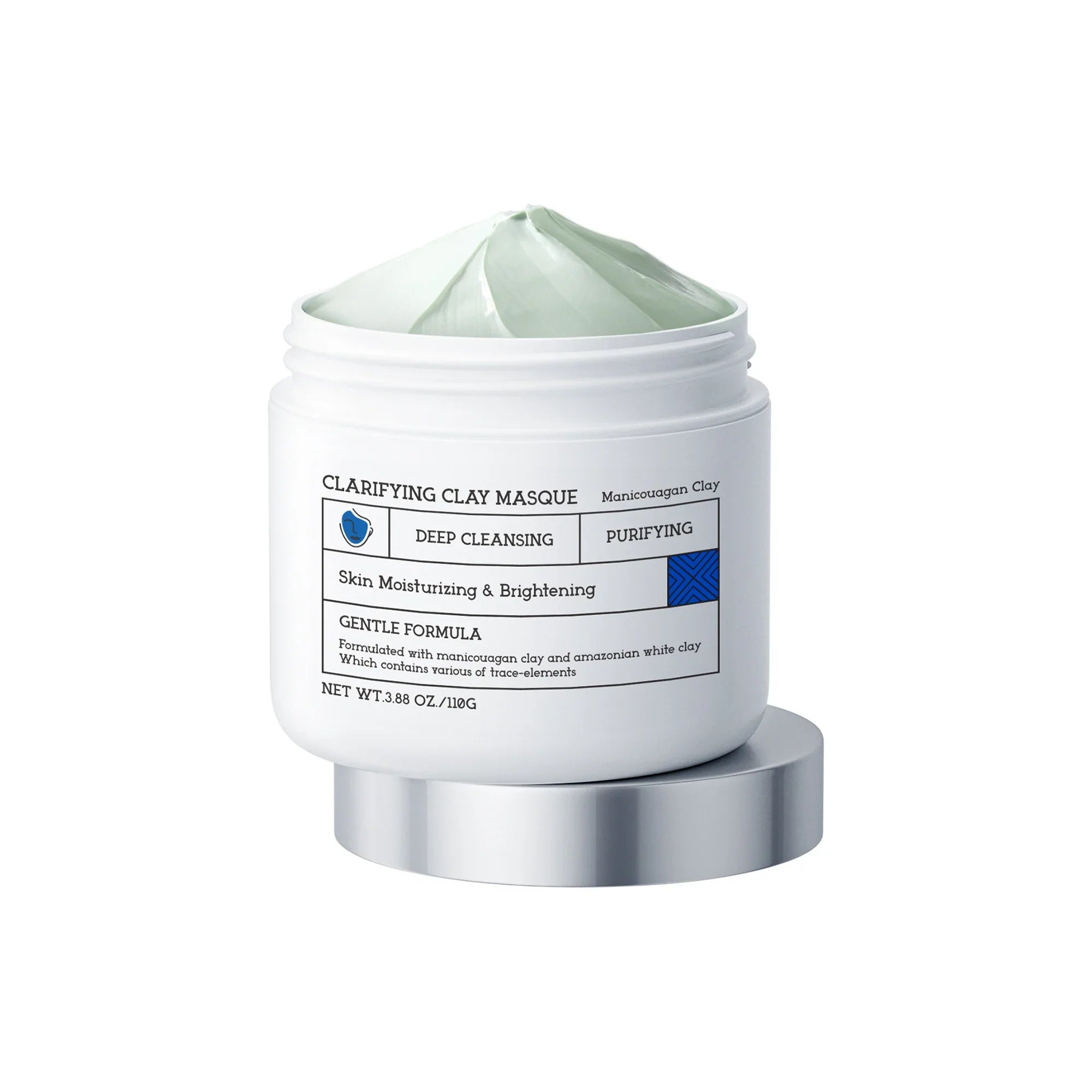
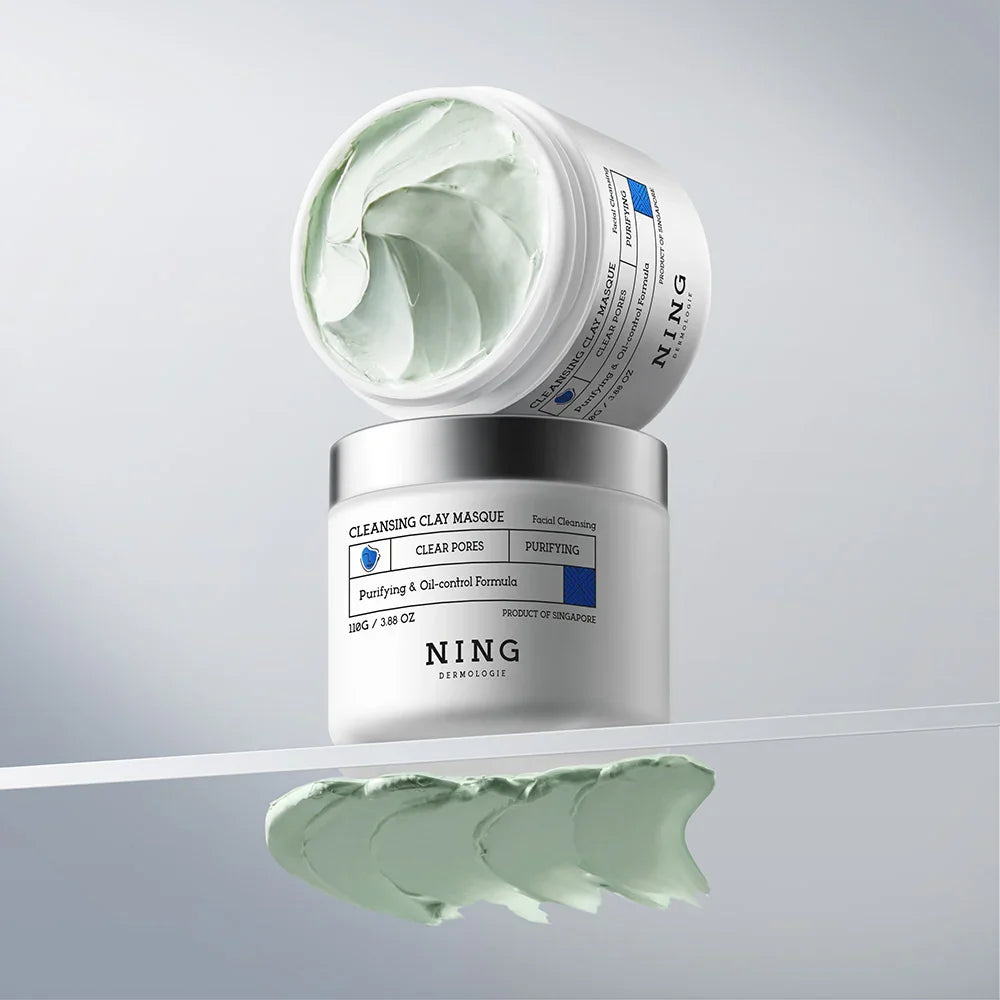
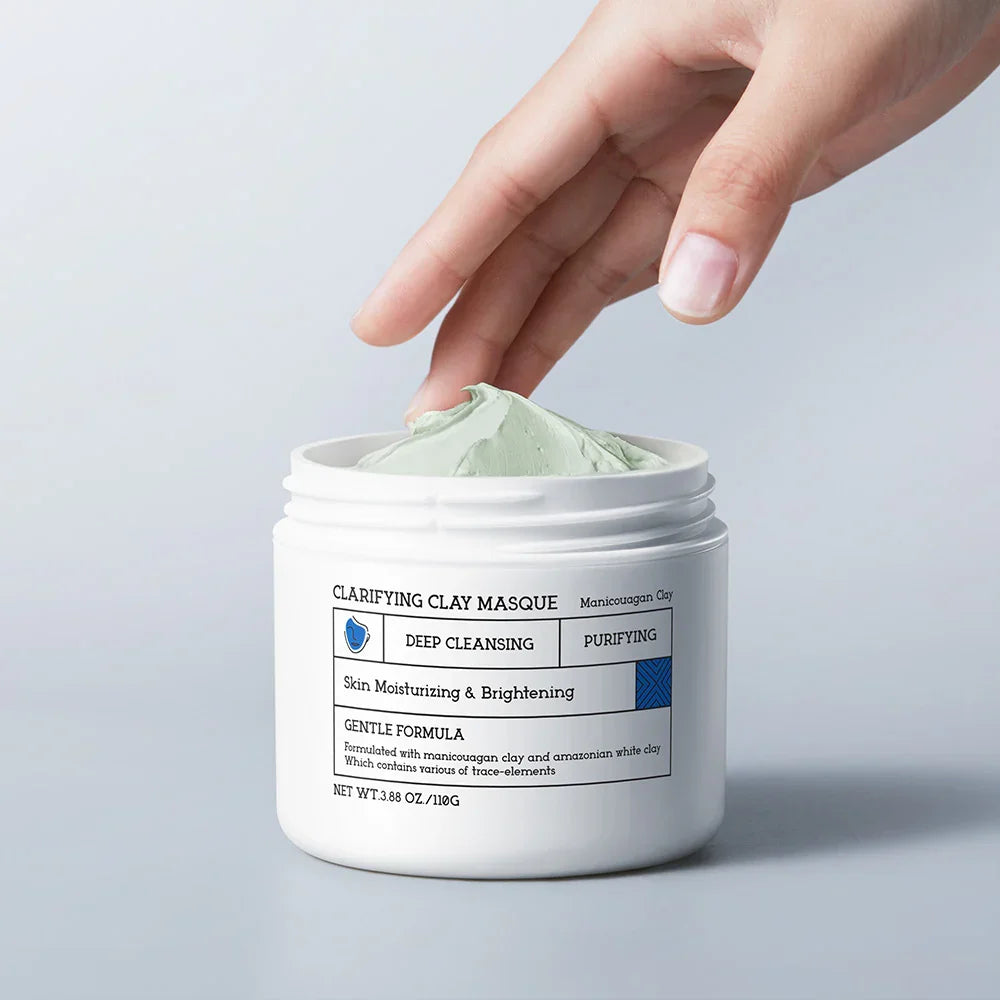
At NING Dermologie, we prioritize this "multi-tasking" philosophy. Our Clay Mask for Face Sensitive Skin is designed for those who need to purify their skin but are terrified of the irritation that usually comes with high-strength actives. It’s about being an innovator in how we treat the skin barrier. We don't just want to fix one problem; we want to nourish the entire ecosystem of your face.
Innovation 3: Deep Hydration (The End of the "Crack")
The biggest complaint about traditional clay masks? "It made my face feel like cracked pavement."
To solve this, modern skincare brands are utilizing glycerin, aloe, and various leaf extracts to create a creamy, supple texture. These natural ingredients act as humectants. As the clay works to draw out impurities, the glycerin and aloe push moisture back into the skin's texture.
This is particularly vital for sensitive skin. If you strip the oil too fast, the skin panics and produces even more oil, leading to a vicious cycle of a breakout and rebound greasiness. By using a formulation that includes hydrate-heavy components, you maintain the natural balance. The result is skin that feels refresh-ed and soften-ed, rather than tight and angry.
Navigating the Clay Mask Range: What’s Best for You?
With so many options in the clay mask range, how do you actually pick one? It comes down to your specific skin type.
-
For Oily and Congested Skin: Look for a heavy concentration of bentonite clay and perhaps some charcoal. You need that "magnet" effect to manage excess sebum and keep clogged pores at bay.
-
For Dry or Mature Skin: Focus on kaolin clay or french clay. These are milder. Ensure the mask helps by including oils or botanical fats that prevent moisture loss.
-
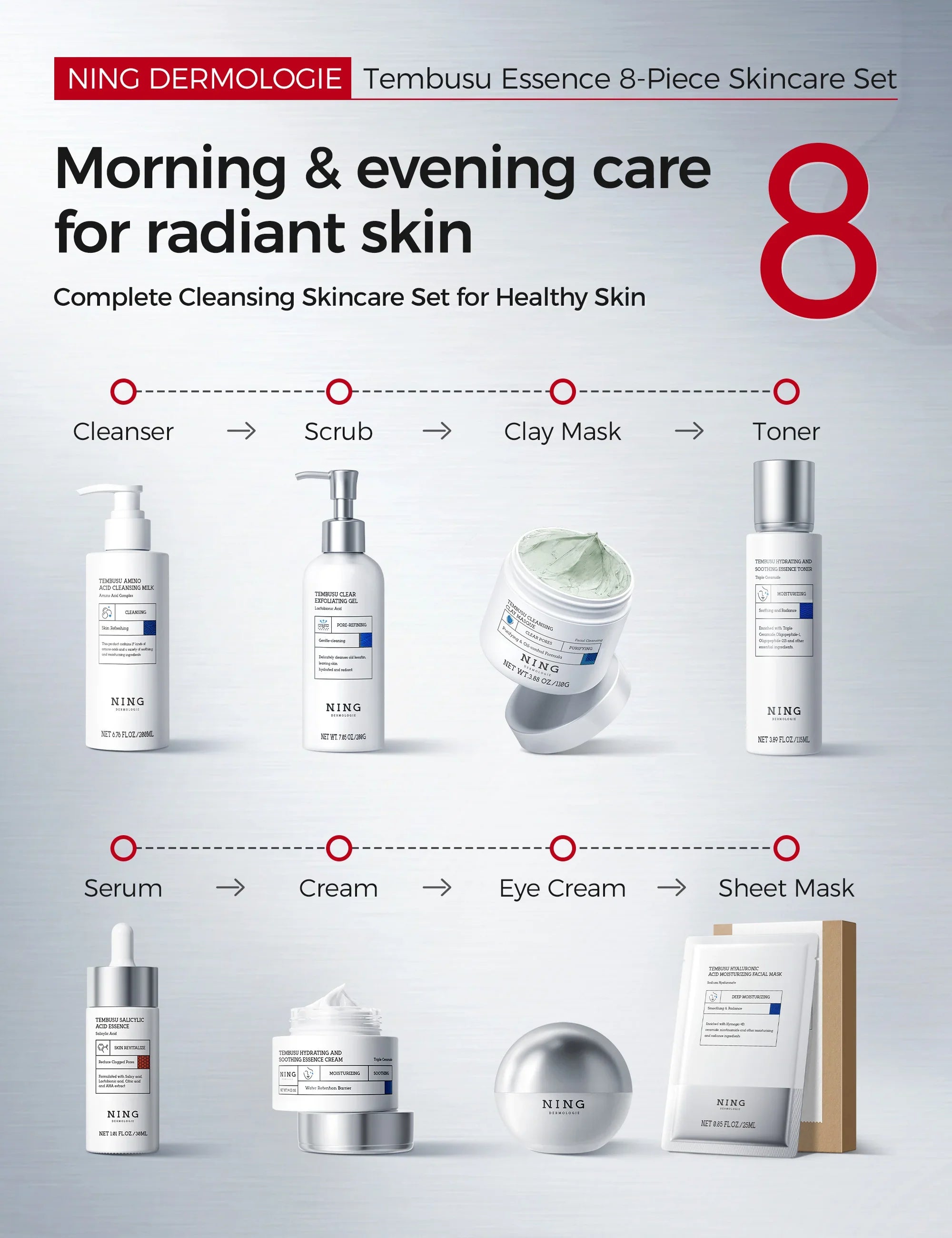
For Sensitive Skin: This is where NING Dermologie shines. Our Clay Mask for Face Sensitive Skin uses a balanced formulation that avoids synthetic fragrances and harsh alcohols. Instead, it relies on soothe-ing agents to purify without the redness.
The Professional Way to Apply a Mask
Most beauty enthusiasts just slather it on and wait. If you want visible results, you need a bit more strategy.
- Prep: Wash your face with a gentle cleanser first. Clay cannot penetrate a layer of makeup or heavy sunscreen.
- Application: Use a brush if you have one. It ensures an even layer and keeps bacteria from your fingers out of the jar.
- The "Zone" Method: You don't have to put the same mask everywhere. Put the oil-absorbing bentonite on your T-zone and a more hydrate-ing french clay on your cheeks.
- Removal: Don't scrub. Use warm water and a soft cloth. If the mask has dried too much, press a damp, warm towel to your face for 30 seconds to re-hydrate the clay before wiping.
- The Finish: Always follow up with a moisturizer. Even the most hydrating clay mask is still a deep-cleanse. You need to seal the skin back up to keep that radiant glow.
Why NING Dermologie is Different
In a crowded beauty care market, it’s easy to get lost in the noise of "all-natural" or "medical-grade." NING Dermologie bridges that gap. We believe that skincare should be both a science and a ritual. When you use our clay mask, you’re getting the benefit of years of product development aimed at the most difficult skin concerns.
Whether it's the carefully selected kaolin clay for our sensitive range or the way we incorporate botanical extracts to brighten a dullness-prone complexion, every ingredient has a job. We don't use "filler." We use natural ingredients that have a proven track record of helping people promote a clearer and more luminous skin look.

Final Thoughts: The Future of Clay
We are moving into an era where skincare is personalized. The "humble" clay mask has evolved into a sophisticated delivery system for some of the most powerful ingredients in the beauty industry. From collagen support to enzymatic peel-ing, the modern mask formulation is a far cry from the mud of the past.
By understanding the transformative power of these ingredients and choosing a skincare brand that respects the skin barrier, you can achieve that spa-like feeling at home every single week. Your skin is dynamic—your clay mask should be too.
Frequently Asked Questions (FAQ)
1. Can I use a clay mask if my skin is extremely sensitive?
You definitely can, but don't just grab any mud mask off the shelf. Most traditional formulas are too aggressive for reactive faces. You'll want to stick to a clay mask range that uses kaolin clay—it’s much milder than bentonite. Our NING Dermologie Clay Mask for Face Sensitive Skin is a perfect example because it stays creamy and won't strip your barrier. Just remember: always patch-test a small spot first.
2. How often should I actually be applying a clay mask?
Usually, once or twice a week is plenty for most people. If your oil production is really high, you might try three times, but honestly, don't overdo it. If your skin starts feeling tight or looking flaky, that's a clear sign to scale back. You want to absorb excess oil, not strip your face bone-dry. It’s all about keeping that luminous complexion without causing a flare-up.
3. Why does my skin sometimes break out after using a new mask?
It’s likely just "purging." Since the mask works like a magnet to draw out impurities, it basically fast-tracks gunk that was already hiding deep in your pores to the surface. However, if the breakout feels itchy or looks like a red rash, that’s irritation, not a purge. A solid mask formulation should actually soothe the skin while it cleans, so you shouldn't see major redness or pain.
4. Should I let the clay mask dry completely until it cracks?
Short answer: No. Letting it crack is an old-school habit that actually does more harm than good. Once the mask starts to change color and feels tacky, it’s done its job. If you wait until it’s flaking off, the clay starts sucking the moisture right out of your skin cells. Wash it off while it’s still a bit damp to keep your skin's texture feeling supple and soften-ed.
5. Can I use a clay mask and a chemical exfoliant on the same day?
I’d suggest spacing them out by at least 24 to 48 hours. Using a heavy-duty acid right before a bentonite clay mask is usually a recipe for a damaged skin barrier. If you're using a modern formula with papain or bromelain, you’re already getting a gentle peel anyway. There’s no need to double up. Let the mask rejuvenate your skin on its own, then use your other actives later.


Share:
Trending Now: Why Everyone is Talking About Clay Masks in 2025
From Clogged to Clear: Clay Masks That Work Wonders on Pores