


If you scroll through Tik Tok or YouTube long enough, you’ll be convinced that hyaluronic acid (HA) is the answer to everything. Dry patches? HA. Blemish scars? HA. Bad credit score? Probably HA, too.
But with thousands of Face Serums on the market, the "Glass Skin" trend has created a lot of confusion. Are you paying for the molecule or the marketing? We looked at what top skincare specialists and dermatologists Mona Gohara or Kseniya Kobets actually recommend, analyzed the "cult faves," and found where the gaps are in your skincare routine.
Here is the no-nonsense guide to the most popular HA serums, how to actually use them without drying out your skin, and why sometimes a serum isn’t enough.

The Science: Why Size Matters
Before we critique the products, you need to understand the label. Hyaluronic acid is a crucial component of the skin’s extracellular matrix. It has a potent capacity to hold water. However, raw HA is often too big to penetrate the skin barrier.
That is why you often see sodium hyaluronate on ingredient lists—it’s a salt form with a smaller molecular size. The best products use multiple molecular weights.
- High molecular weight: Sits on top, smoothing texture immediately.
- Micro-molecular weight hyaluronic acid: Dives deeper to hydrate from within.
If a serum only uses one type, it might feel sticky (like glue) and pill under your sunscreen SPF 30.
The "Influencer Approved" List: Hits and Misses
We analyzed the heavy hitters endorsed by everyone from "skinfluencers" to experts at Montefiore Einstein Advanced Care and the Yale School of Medicine.
1. The Budget King: The Inkey List Hyaluronic Acid
You can’t talk about popularity without mentioning The Inkey List. It is essentialist. It’s cheap. It gets the job done.
- The Vibe: No frills. It’s a basic sodium hyaluronate serum.
- The Pro: It’s affordable enough that you can slather it on your neck and chest.
- The Con: It can feel a bit tacky. It lacks the sophisticated delivery systems of higher-end skincare products. It’s a great starter, but if you have a complex Baumann Skin Type (like very dry and sensitive), it might not be enough.
2. The French Pharmacy Staple: La Roche-Posay Hyalu B5
This is often cited by dermatologists because of the addition of vitamin B5 (panthenol).
- The Vibe: Thick, comforting, rich.
- The Pro: The B5 helps soothe the skin barrier while the HA hydrates.
- The Con: The fragrance. It is heavily perfumed. If you prefer essential oil-free or fragrance-free products, this might irritate you.
3. The K-Beauty Hype: Laneige Blue Hyaluronic Acid™
This product is all over social media, marketed for that instant Glass Skin glow.
- The Vibe: Watery and refreshing.
- The Pro: Their fermented "blue" HA claims better absorption. It feels elegant.
- The Con: The price per ounce is high. You are paying for the fermentation technology and the brand name.
4. The "Not Technically HA" Pick: COSRX Snail Mucin
Okay, it’s snail mucin, but it functions similarly by flooding the skin with hydration. It’s a holy grail for repairing the barrier and soothing blemish scars.
- The Vibe: Slimy. There is no other word for it.
- The Pro: Incredible for glowing skin.
- The Con: The texture is polarizing. Not everyone wants to go to bed feeling sticky.
The Missing Link: Why Your Serum Might Be Failing
Here is the secret most influencers don't tell you: Hyaluronic acid serum can actually dry you out.
If you apply it to dry skin in a dry climate, the HA has no moisture to grab from the air, so it pulls it out of your deep skin layers. This is why Serum Application technique is non-negotiable. You must apply it to damp skin.
But even then, a watery serum evaporates. You need to lock it in. This is where many people complicate their routine with too many steps—a niacinamide brightening toner, then a discoloration correcting serum, then an HA serum, then a cream. It’s a recipe for pilling and irritation.
The Smart Alternative: NING Dermologie
This is where we see a shift toward "hybrid" skincare. Instead of layering a sticky serum under a heavy cream, modern formulations are combining the potency of a serum with the barrier protection of a cream.
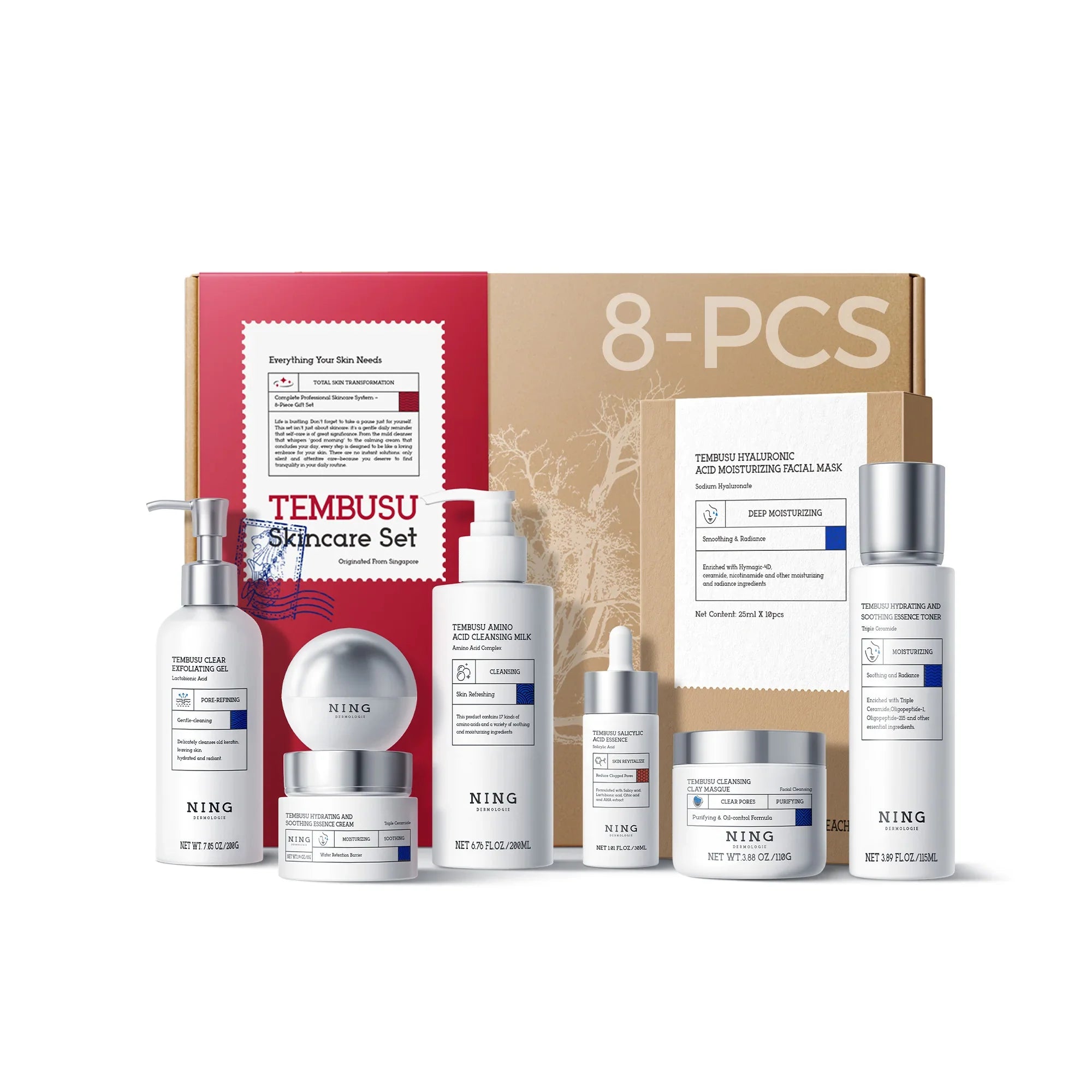
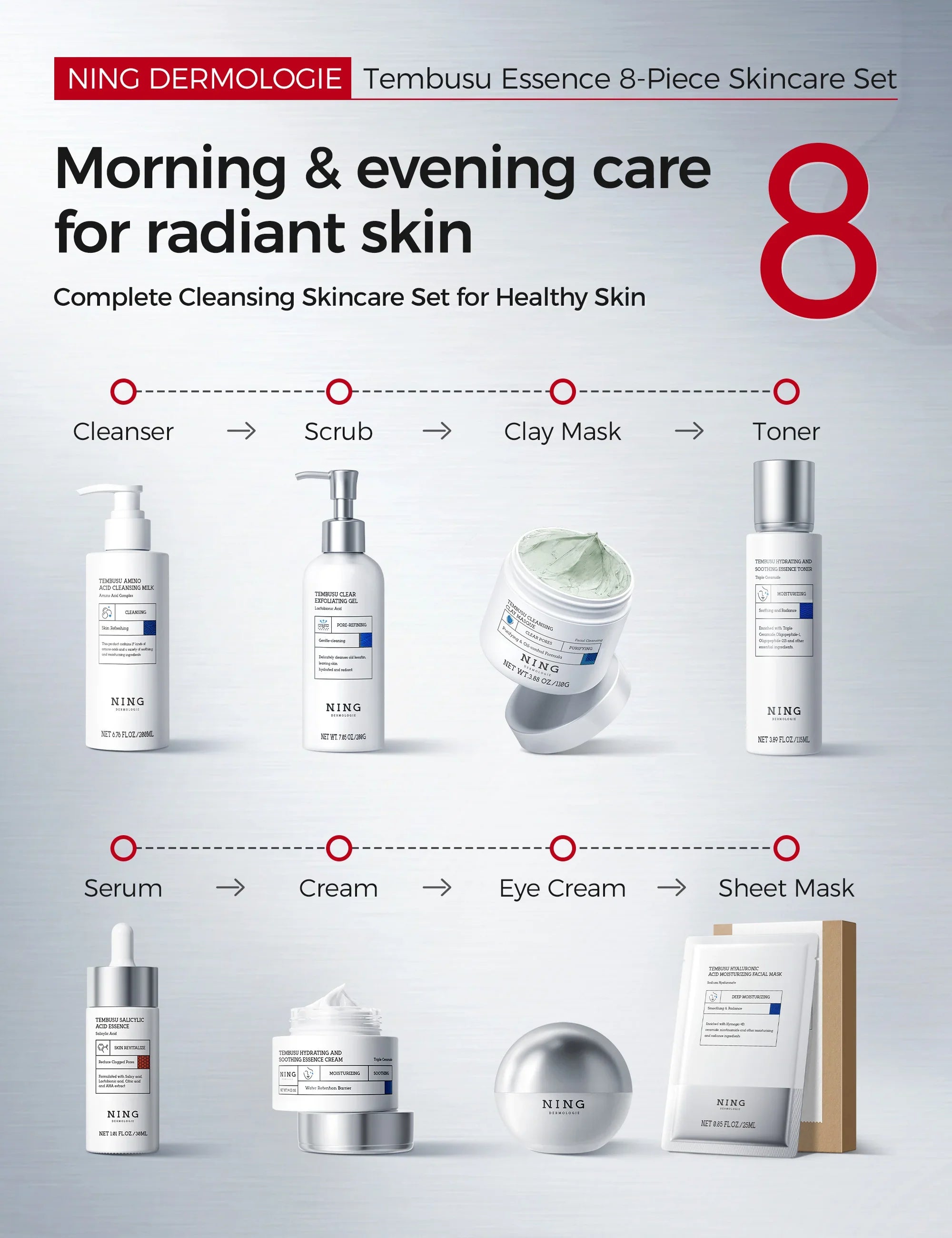
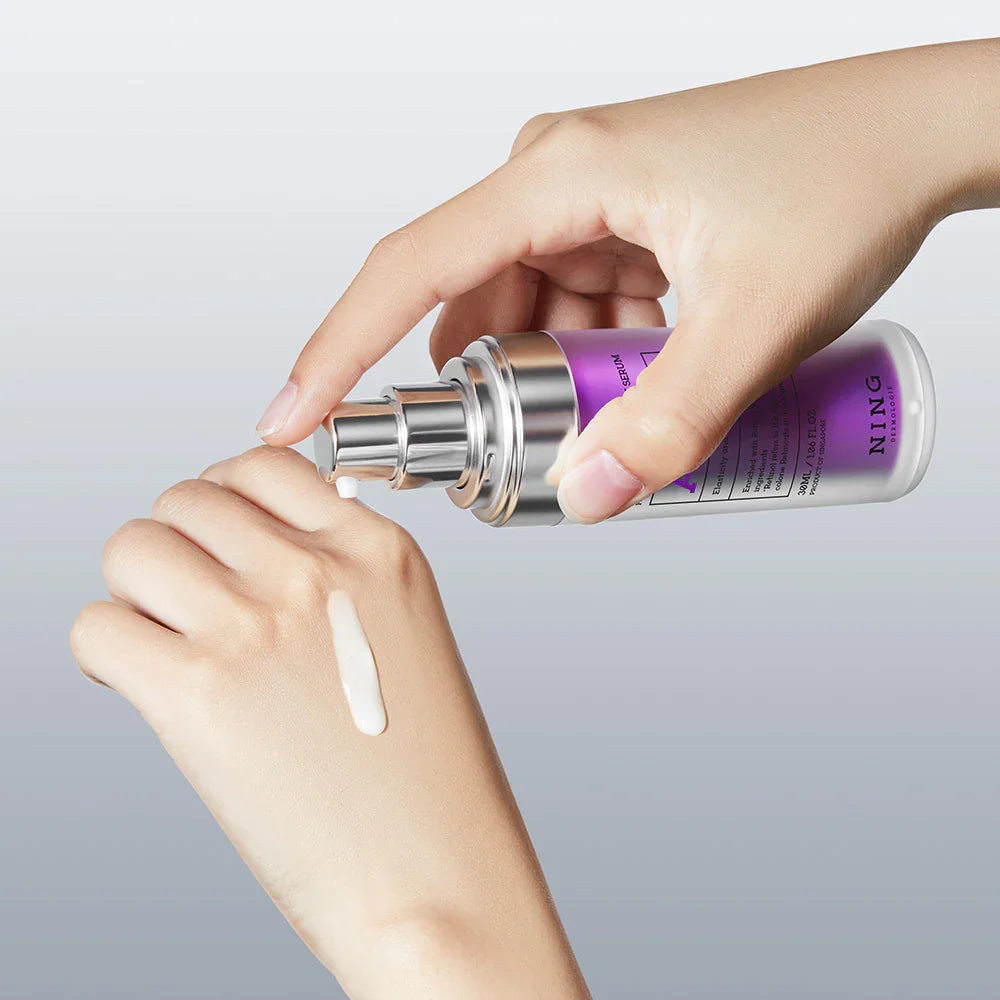
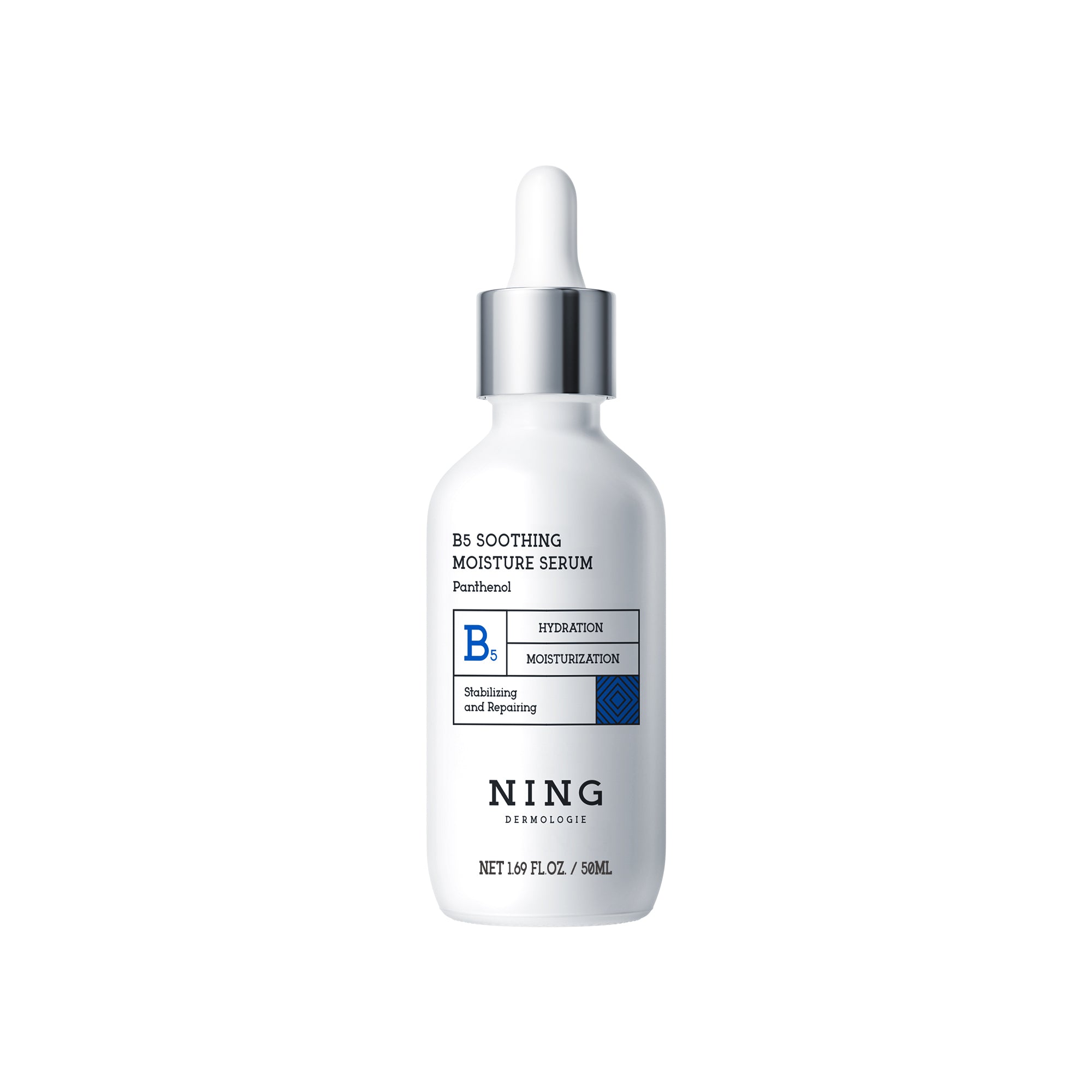
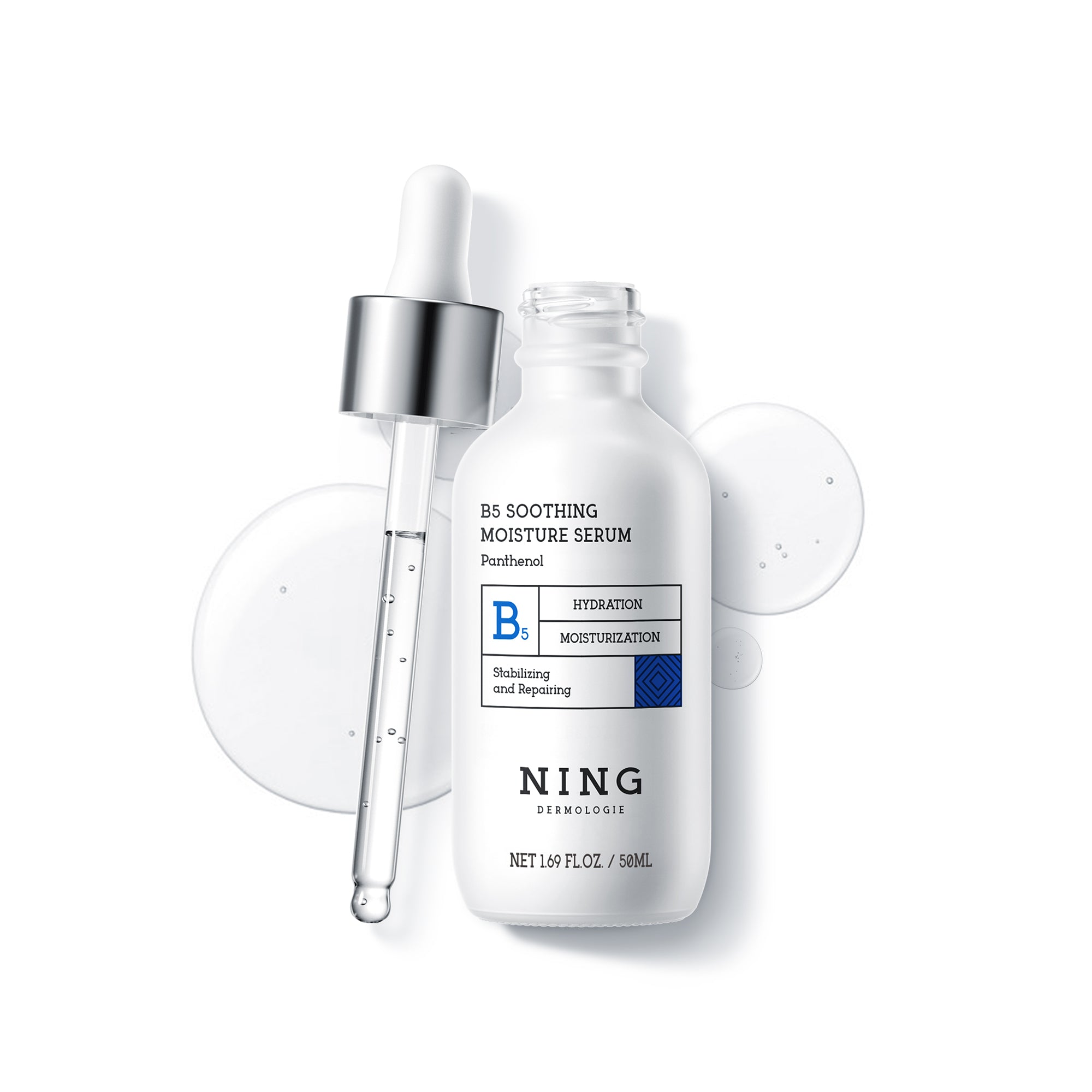
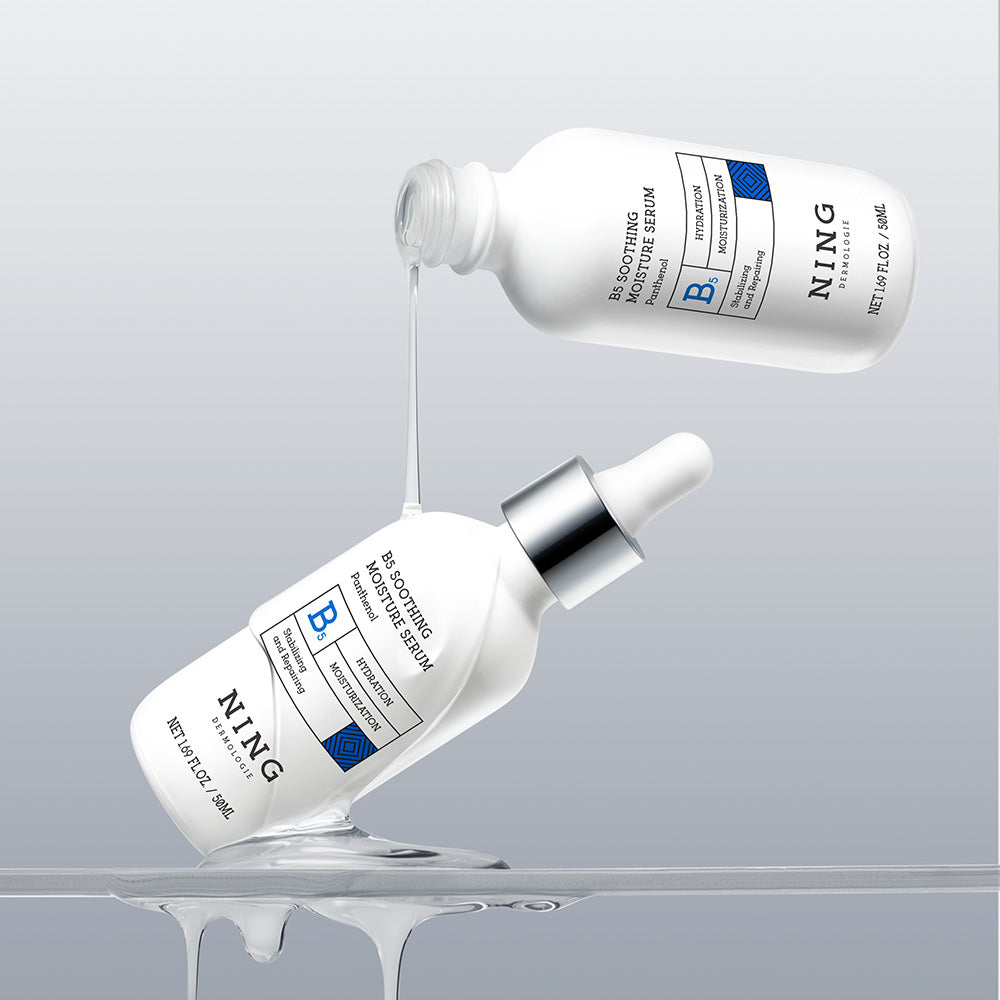
We have been testing the NING Dermologie Hydrating & Soothing Essence Cream.
Unlike a basic The Inkey List serum that just sits there, this formula is designed to mimic the skin's natural balance. It creates a "moisture shield" that prevents the HA from evaporating.
Why it’s a smarter pick for your routine:
- Texture: It avoids the "tacky" feeling of traditional serums. It feels like a burst of water that settles into a velvet finish.
- Ingredient Synergy: It doesn’t just rely on HA. It’s formulated to support the barrier, making it safe to use alongside active ingredients like a retinol formula or exfoliating acids.
- Simplicity: It condenses the "hydrate" and "seal" steps. For those trying to fight aging without a 10-step routine, this is efficient.
Building the Perfect Routine (Without Breaking Your Face)
You have your HA product. Now, how do you fit it in with Vitamin C, salicylic acid, and everything else? Here is a cheat sheet based on expert advice.
Morning: Protect and Glow
- Cleanse: A splash of water or a gentle micellar water.
- Treat: Apply your Vitamin C serum on dry skin. Let it sit.
- Hydrate: Mist your face (crucial!). Apply your hyaluronic acid serum or, for better barrier support, the NING Dermologie Hydrating & Soothing Essence Cream.
- Eyes: If you use eye creams (look for antioxidant matcha tea extract or caffeine), apply now.
- Protect: Finish with sunscreen SPF 30 or higher containing mineral zinc oxide. Zinc is great because it’s anti-inflammatory.
Evening: Repair and Correct
- Double Cleanse: Start with a cleansing oil to break down makeup and SPF, follow with a water-based cleanser.
- Target (The "Active" Step):
-
- Acne Prone: Use a Maximum Strength Acne Gel Cream or Azelaic Acid Treatment.
- Texture/Pores: Use glycolic acid or salicylic acid (but not every night!).
- Anti-Aging: Use your retinol formula.
- Soothe: This is the most important step after actives. You need calming ingredients. Look for blue tansy, algae extract, or bilberry extract.
-
- Pro Tip: If you are using strong actives like Retinol, skip a standalone watery serum which might increase penetration too much (causing irritation) and go straight for the Hydrating & Soothing Essence Cream. Its buffering capacity helps prevent the "retinol uglies" (redness/peeling).
Troubleshooting: When HA Isn't Working
"My skin looks dull and I have dark spots." HA hydrates, but it doesn't brighten. You need to pair it with tyrosinase inhibitors. Look for Selfless by Hyram products containing mandelic acid, or a dedicated Dark Spots serum. Pair that with your NING cream to ensure the skin barrier remains healthy enough to tolerate the brightening agents.
"I'm breaking out." Check if your HA serum has pore-clogging oils. If you are oily, you might prefer ingredients like matcha tea extract or zinc oxide in your routine to control sebum. Do not rely on face masks to fix a bad routine. If you have active acne, avoid thick, occlusive balsams and stick to the lightweight hydration of the Hydrating & Soothing Essence Cream, perhaps paired with a spot treatment.
"I want to boost collagen." HA plumps, but it doesn't stimulate collagen production significantly on its own. That is the job of peptides, retinol, or glycolic acid. Think of HA as the water in the balloon, and collagen as the rubber of the balloon. You need both.
"What about fillers?" Topical HA is not the same as dermal fillers. No serum will replace a syringe. However, keeping the skin hydrated with micro-molecular weight hyaluronic acid can prolong the look of fillers by keeping the surface skin plump and smooth.

The Verdict
Hyaluronic Acid is a staple, but it is not a miracle. The "miracle" happens when you respect your skin barrier.
While viral products from TikTok have their place, they often lack the sophistication required for long-term skin health. You can buy a cheap serum and hope you layer it correctly, or you can invest in a formulation like NING Dermologie that understands how hydration actually works in the skin.
Remember: Hydration is not just about wetting the skin; it’s about keeping it wet.
Frequently Asked Questions (FAQ)
Q: Can Hyaluronic Acid actually dry out my skin?
A: Yes. If the air is dry (low humidity) and you don't seal the serum with a moisturizer, the HA molecule will pull water out of your skin instead of from the air. Always apply it to damp skin and lock it in immediately with a cream.
Q: Can I use Vitamin C and Hyaluronic Acid together?
A: Absolutely. They are best friends. Apply your Vitamin C first on clean, dry skin (so it penetrates), wait a minute, dampen your face, and then apply your HA product. The HA helps replenish the moisture that some acidic Vitamin C formulas might strip away.
Q: Is the NING Dermologie Essence Cream a serum or a moisturizer?
A: It’s a hybrid. It utilizes the concentrated active ingredients you’d expect in a serum (like micro-molecular HA) but delivers them in a vehicle that supports the barrier like a cream. For oily skin, it’s a standalone moisturizer; for dry skin, it’s a powerful hydration step.
Q: Do I really need "micro-molecular" weight HA?
A: If you want anti-aging benefits, yes. Large molecules just sit on top and wash off. Micro-molecular weights penetrate the epidermis to hydrate deeper layers, which can help soften fine lines and improve skin elasticity over time.
Q: How do I know if my skin barrier is damaged?
A: If your skin feels tight, stings when you apply non-active products (like plain moisturizer), looks red, or is producing excess oil yet feels dry, your barrier is compromised. Stop all acids (retinol, glycolic) and focus purely on hydration and soothing ingredients.


Share:
Best luxury hyaluronic acid serums with premium ingredients
Hyaluronic acid serums that combine well with retinol products