


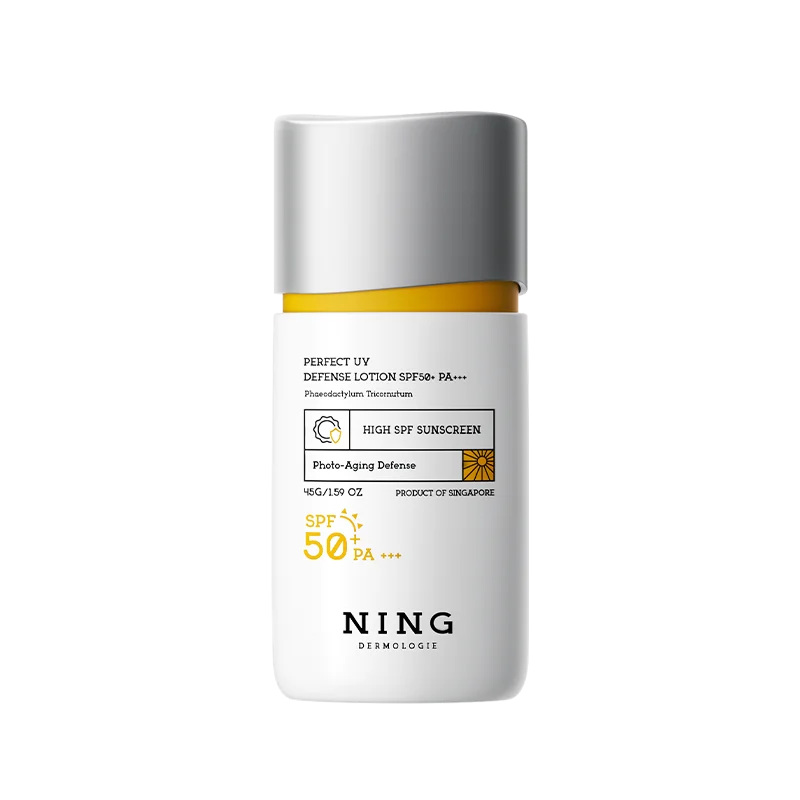
For those of us with oily skin, "sunscreen day" usually feels like "grease-slick day." You start the morning with a fresh, matte face, and by 2:00 PM, you’re shiny enough to signal a rescue plane. Most SPF formulas are notorious for being heavy, pore-clogging, and frankly, a nightmare for anyone prone to breakouts.
But here’s the non-negotiable truth: skipping sun protection is a one-way ticket to collagen breakdown, hyperpigmentation, and increased risk of skin cancer. Whether you’re dealing with the burning UVB rays of summer or the deep-penetrating UVA rays that cause fine lines year-round, your skin needs a shield.
The good news? The industry has finally moved past those thick, chalky pastes of the 90s. We’ve tested the best of the best—from oil-free mineral sunscreens to weightless chemical ingredients—to find the options that actually control shine while feeling like absolutely nothing.

The Gold Standard: NING Dermologie SPF50+ Facial Sunscreen
If you’ve been burned (literally and figuratively) by sunscreens that pill under makeup or leave a greasy film, the NING Dermologie SPF50+ Facial Sunscreen is the reset button you need.
This isn't just a generic SPF sunscreen. It’s engineered specifically for difficult skin types. It utilizes a sophisticated blend of UV filters that provide broad-spectrum protection without the weight. What sets it apart is the "weightless" claim—it actually holds up. It sinks in almost instantly, leaving a soft matte finish that acts as a perfect primer for foundation.
Enriched with hyaluronic acid and vitamin E, it hits that rare sweet spot: it’s a hydrating hyaluronic acid formula that doesn't trigger an oil surge. For anyone with sensitive skin or those worried about pore clogging, this is a "set it and forget it" staple in a serious skin care routine.
12 Shine-Control Options That Actually Work
Beyond our top pick, here are 12 other heavy hitters that have earned their spot on the vanity of every dermatology provider from Mount Sinai to Village Dermatology.
1. EltaMD UV Clear Broad-Spectrum SPF 46
Ask any medical doctor at Spring Street Dermatology, and they’ll likely point you to EltaMD UV Clear. It’s the "it-girl" of the dermatology world for a reason. It uses high-purity zinc oxide to reflect UV radiation while lactic acid keeps pores clear. It’s incredibly lightweight and specifically formulated for those with acne or rosacea flares.
2. Supergoop! Unseen Sunscreen SPF 40
This is a total game-changer for people who hate the "look" of sunscreen. It’s a totally clear, scentless gel that uses a dimethicone crosspolymer to blur pores. It feels like a high-end makeup primer. If you’re worried about a white cast on deeper skin tones, this is your best bet—it’s 100% invisible.
3. La Roche-Posay Anthelios Ultra Light Fluid Sunscreen SPF 60
A French pharmacy classic. This "shaka-shake" fluid is incredibly watery and thin. It dries down to a matte, almost powdery finish. It’s a chemical sunscreen that offers high-level UV protection without the typical chemical smell.
4. Shiseido Urban Environment Oil-Free Mineral Sunscreen SPF 42
If your skin is an oil factory, this is the supervisor. It’s one of the best oil-free mineral sunscreens on the market. It uses titanium dioxide and zinc but manages to keep the texture fluid. It contains "Sebeum-Targeting Powder" that literally soaks up oil as you produce it throughout the day.
5. SkinCeuticals Clear Daily Soothing UV Defense Sunscreen SPF 50
Often recommended after a laser treatment or pulsed dye laser session, this formula is designed for skin that is both oily and irritated. It’s ultra-breathable and uses skin-benefitting ingredients to calm redness while providing a high Sun Protection Factor.
6. Isdin Eryfotona Actinica Ageless Tinted Mineral Sunscreen SPF 50
For those who want a bit of coverage with their mineral SPFs, Isdin is the gold standard. It contains DNA Repairsomes that help undo previous sun damage. The tint is sheer enough for most skin types and helps mask the slight "zinc glow" of a physical sunscreen.
7. Cetaphil Sheer Mineral Sunscreen SPF 50
Proof that you don’t need to spend $50 for quality non-nano zinc oxide. This drugstore gem is surprisingly elegant. It’s a mineral sunscreen that doesn't feel like a heavy mask, making it a great budget-friendly pick for daily sun protection products.
8. Hero Force Shield Superlight Sunscreen SPF 30
Specifically designed for acne-prone skin, this SPF 30 formula has a slight green tint to neutralize redness from active breakouts. It’s an ultra-gentle sun cream that focuses on preserving the skin barrier while keeping the surface matte.
9. CeraVe AM Ultra-Light Moisturizing Lotion With Sunscreen SPF 30
Don't confuse this with the original CeraVe AM. The "Ultra-Light" version is a different beast entirely. It’s a broad spectrum SPF 30 that includes ceramides and hydrating ingredients, but in a gel texture that disappears into oily skin.
10. Ilia Super Serum Skin Tint SPF 40
If you’re a fan of "clean beauty," this hybrid product combines Vitamin C, hyaluronic acid, and mineral sunscreen. While it’s "dewy," it doesn't turn greasy, making it a favorite for skin goals that involve a natural, healthy glow rather than a flat matte look.
11. Trader Joe's Invisible Gel Body Sunscreen SPF 40
The "insider secret" of the skincare world. This is widely considered a "dupe" for much more expensive SPF products. It’s a clear gel that provides broad-spectrum protection with a velvet-smooth finish that rivals luxury brands.
12. Ultra Violette Velvet Screen SPF 50
A favorite in Nylon magazine and across the pond, this Australian formula is the definition of "shine control." It’s a mineral SPF that feels like a weightless mousse. It provides a heavy-duty shield against infrared stress and blue light without feeling heavy.
Why the Filter Matters: Mineral vs. Chemical
When you’re browsing the aisles, you’ll see two main categories: physical (or mineral) sunscreens and chemical sunscreens.
- Mineral Sunscreens: Use zinc oxide or titanium dioxide. They sit on top of the skin and reflect UV rays like a mirror. They are great for sensitive skin but can sometimes leave a white cast.
- Chemical Sunscreens: Use chemical UV filters that absorb into the skin and convert UV rays into heat. They are usually thinner and "invisible," but some people with skin sensitivities find them irritating.
For oily skin, many prefer mineral SPFs because zinc has natural anti-inflammatory properties that can help with acne. However, modern SPF formulas like the NING Dermologie SPF50+ often use a hybrid approach or advanced textures to give you the best of both worlds.
The Invisible Enemies: Blue Light and Infrared
It’s not just the sun anymore. New research from the University of Arizona Cancer Center and other institutions suggests that blue light from our screens can also contribute to fine lines and pigment issues. Looking for broad spectrum sun protection that specifically mentions "HEV light" or "blue light" is the new standard for a modern treatment plan.

Pro-Tips for Oily Skin Sun Care
- The Two-Finger Rule: To get the advertised SPF 50, you need to use enough product. Squeeze two lines of sunscreen along your pointer and middle fingers. That’s the amount needed for your face and neck.
- Wait Before Makeup: Give your daily sun care at least 60 seconds to "set" before applying foundation. This prevents pilling.
- Don’t Skip the Night Cream: While you want matte in the day, use a night cream with Vitamin C or azelaic acid in the evening to repair the skin.
- Reapply or Regret: Sunscreen use isn't a one-and-done deal. If you’re outdoors, reapply every two hours. For oily skin, an SPF powder can be a great way to reapply without ruining your makeup.
Frequently Asked Questions (FAQ)
1. Does sunscreen actually cause more breakouts for oily skin?
Only if you use the wrong one. Look for labels that say "non-comedogenic" or "oil-free." These are formulated to avoid pore clogging. Brands like NING Dermologie focus on breathable textures that allow the skin to function normally while still blocking harmful UVB rays.
2. Can I use a body sunscreen on my face if I'm oily?
Technically you can, but you probably shouldn't. Body formulas are usually thicker and contain more oils to stay water resistance. Facial sunscreens are specifically designed for more delicate skin and usually include skin-benefitting ingredients like Vitamin C or Vitamin E.
3. Do I really need SPF 50, or is SPF 30 enough?
The American Academy of Dermatology recommends at least SPF 30. However, because most people don't apply enough product, using an SPF 50 provides a "safety margin." It ensures you're getting high-level broad-spectrum protection even if your application is a little thin.
4. Will mineral sunscreens always leave a white cast?
Not anymore. Advances in non-nano zinc oxide and titanium dioxide mean particles are smaller and more evenly distributed. Plus, many brands now offer tinted versions or "sheer" minerals that blend seamlessly across all skin tones without looking ghostly.
5. Is "Broad Spectrum" just a marketing term?
No, it's a critical safety rating. It means the product protects against both UVA rays (the ones that cause aging) and UVB rays (the ones that cause burning). Without that label, you might only be protected from the burn, leaving your collagen at risk.





Share:
Dermatologist-Recommended Facial Sunscreens for Sensitive Skin: What Pros Actually Look For
Facial Sunscreen for Sensitive Skin Around Eyes: No-Burn Tips + Gentle Picks