


Listen, as a beauty editor who has spent the last eight years testing every skin-care product under the sun, I’ve seen it all. My desk is a constant rotation of PR packages courtesy of brands. I analyze shifting trends in the hair market, test the newest viral nail product, and scrutinize formulas across different skin tones and hair textures.
But let me tell you a secret: nothing terrifies me quite like testing a new eye cream.
Why? Because for years, I was trapped in the endless cycle of trying to treat fine lines, only to wake up with tiny, stubborn white bumps under my eyes. Yep, milia. If you have milia-prone skin, you already know the frustration. The under-eye area is incredibly thin, and when you overload it with the wrong heavy ingredients, dead skin cells and keratin get trapped under the surface. It doesn't look like a pimple, you can't pop it, and it absolutely ruins the look of a smooth under-eye.
Today, we are throwing out the heavy jars. We are talking purely about the lightweight Eye Serum category, the ingredient red flags you need to memorize, and the formulas that actually work.

The Milia Trap: Ingredient Red Flags 🚩
Let’s get the bad news out of the way. If your skin easily forms milia, you have to become an ingredient reader. Most traditional anti-wrinkle eye creams on the market are essentially just overpriced, extra-thick moisturizers.
Here are the specific red flags you need to avoid around your eyes:
- Heavy Occlusives (Like Shea Butter): I love shea butter for my elbows and knees, but it is enemy number one for the eye area if you are prone to milia. It forms a heavy seal that can trap keratin.
- Thick Mineral Oils & Petrolatum: While great for a damaged skin barrier on your face, slathering heavy petroleum jelly under your eyes overnight is a fast track to white bumps.
- Using Your Regular Face Cream: Stop dragging your thick night cream up to your lash line. A heavy face cream is formulated for the thicker skin on your cheeks, not the delicate tissue around your eyes.
- Over-the-top Waxes: Beeswax and certain heavy plant waxes give creams a luxurious, buttery feel, but they refuse to sink in, sitting on the surface and suffocating the pores.
Green Flags: Ingredients That Actually Help ✅
If we can't use thick creams, how do we fix dark circles and crow's feet? You switch to water-weight serums packed with actives and lightweight hydrators.
- Lightweight Hydrators: Look for hyaluronic acid and skin-plumping glycerin. They pull water into the skin without adding a drop of oil.
- Smart Actives: Vitamin C (and its stable derivative Vitamin CG) is fantastic for brightening dark circles. Ginkgo biloba extract works wonders for micro-circulation to wake up tired eyes.
- Collagen Boosters: Instead of heavy fats, rely on peptides. Ingredients like Matrixyl 3000, Copper Peptides, and various growth factor complexes signal your skin to ramp up collagen production from the inside out.
- The Right Retinoids: You want an anti-aging effect? You need a Retinol Eye Cream, but the delivery system matters. Look for encapsulated retinol or a gentle granactive retinoid that won't fry your skin barrier.
Lightweight Picks: The Eye Serum Red Carpet
Let's talk about what actually passes our rigorous reporting and testing processes. Whenever a beauty product makes it to our methodology page, it means it survived real-world testing. Here are the lightweight heroes that give you results without the bumps.
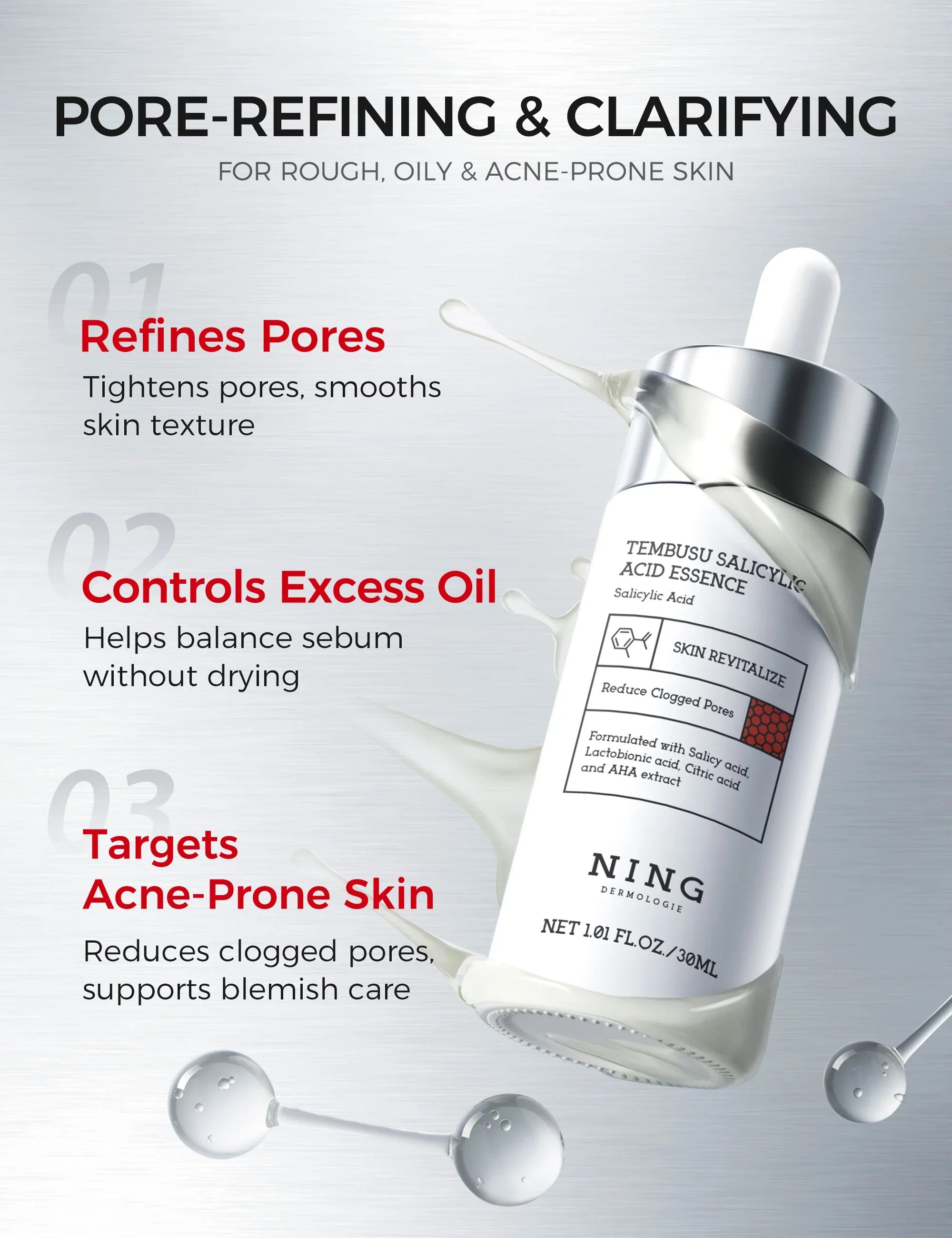
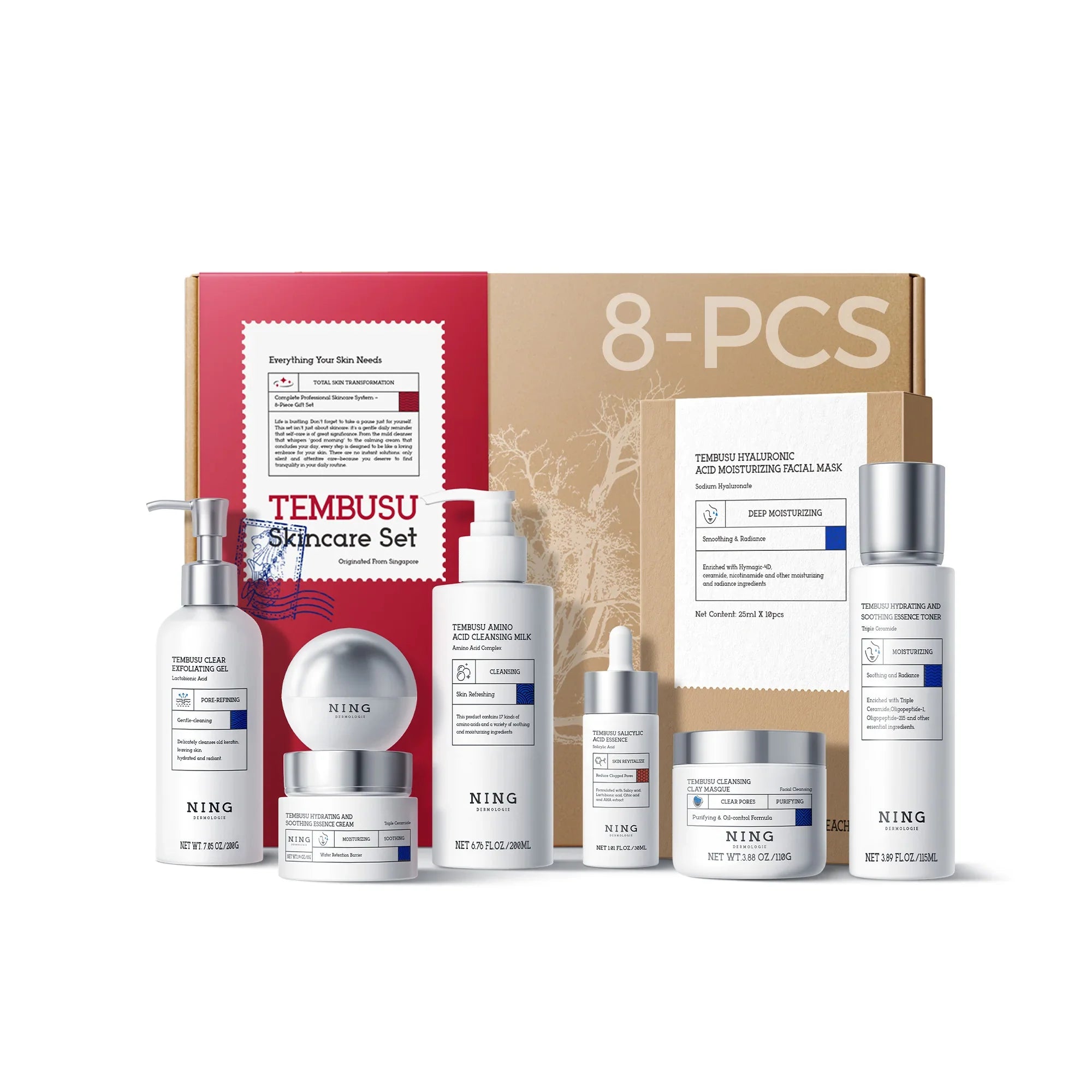
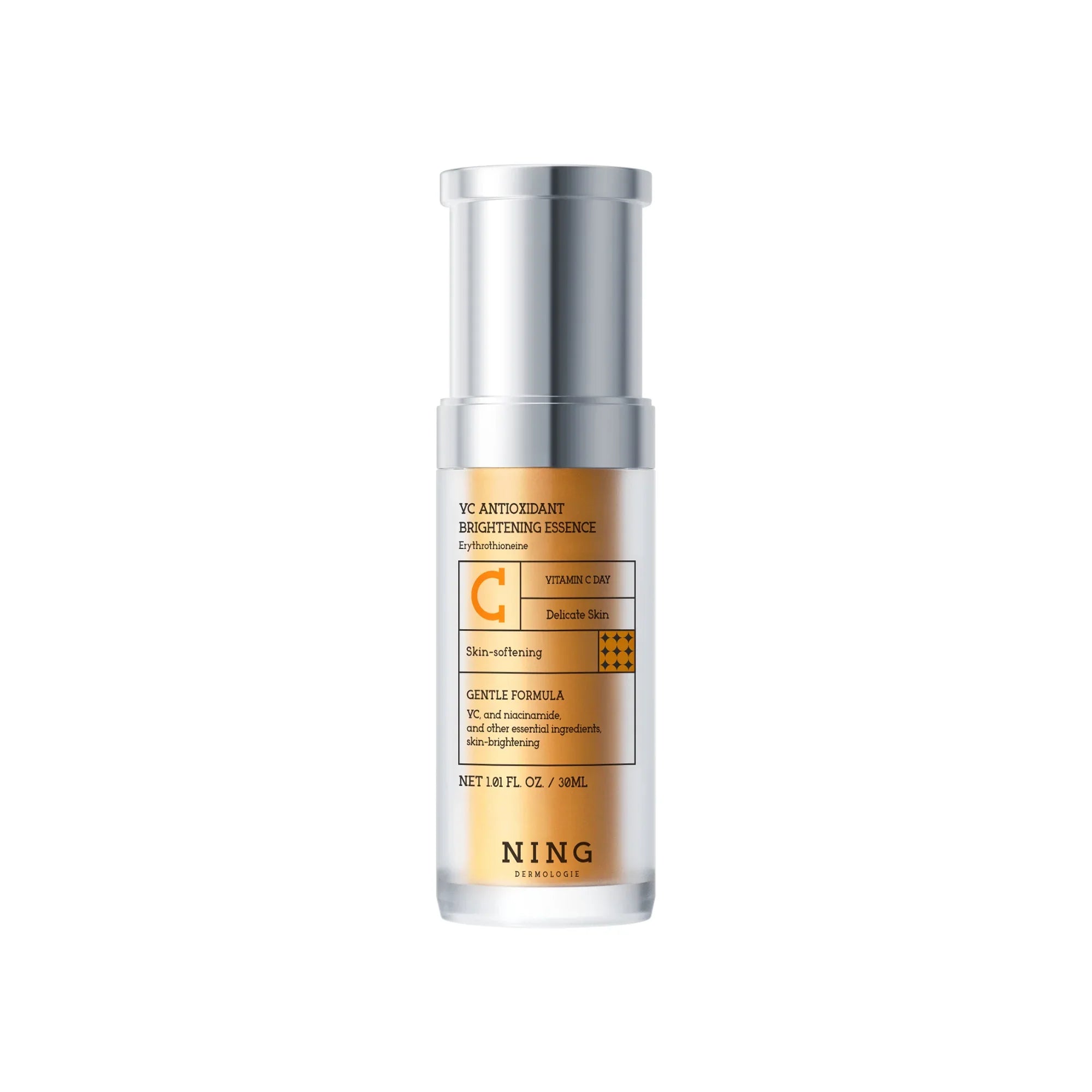
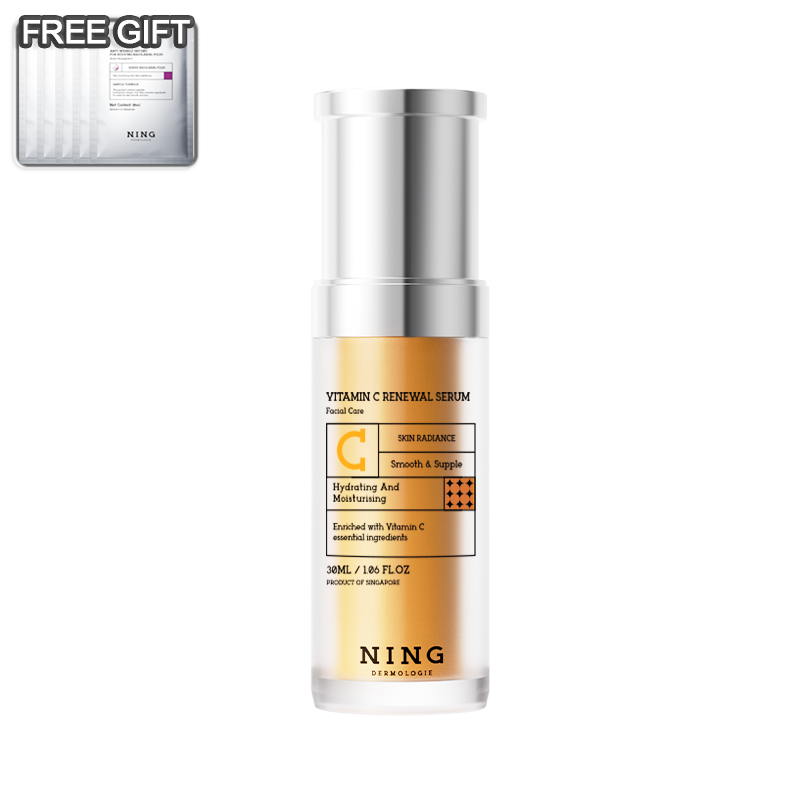
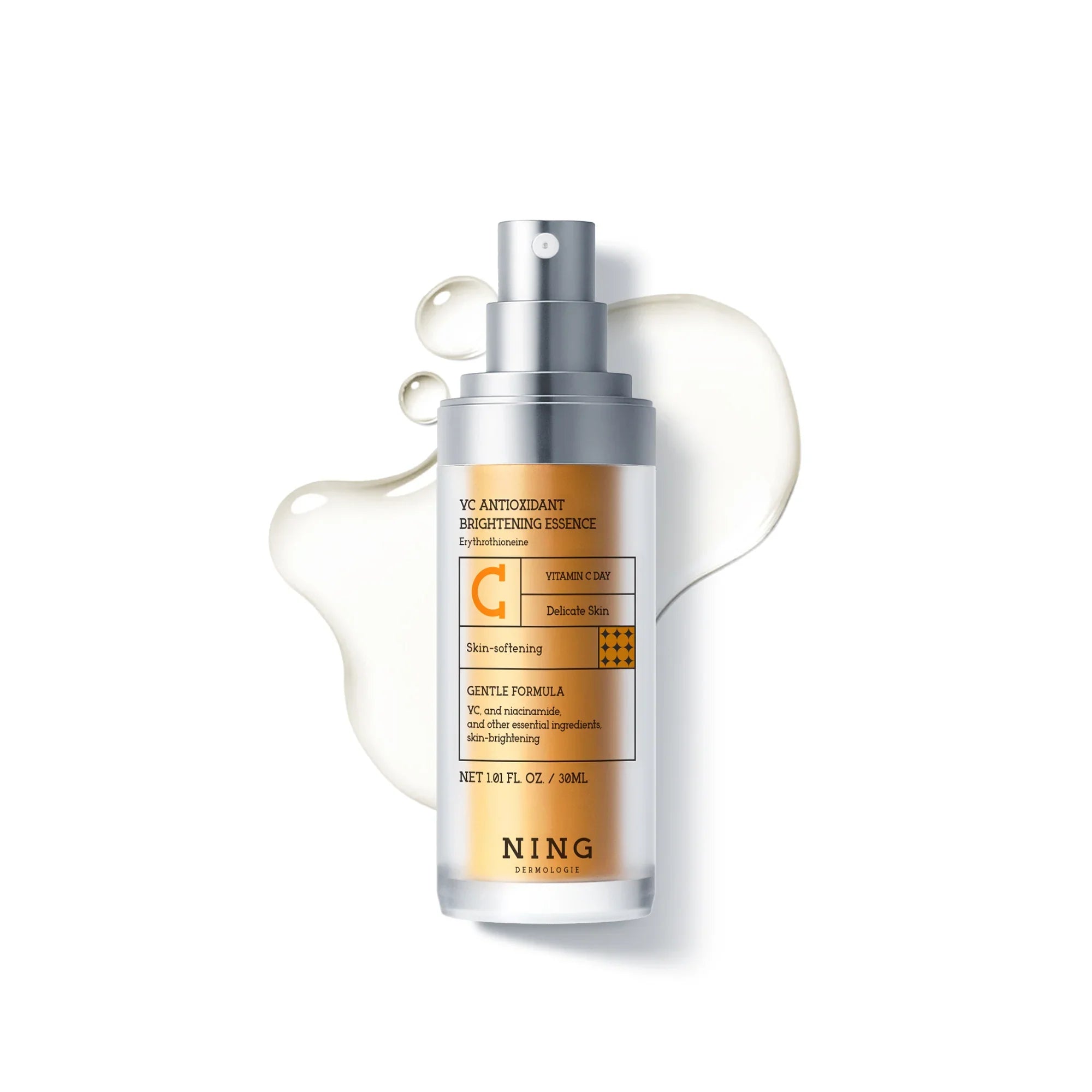
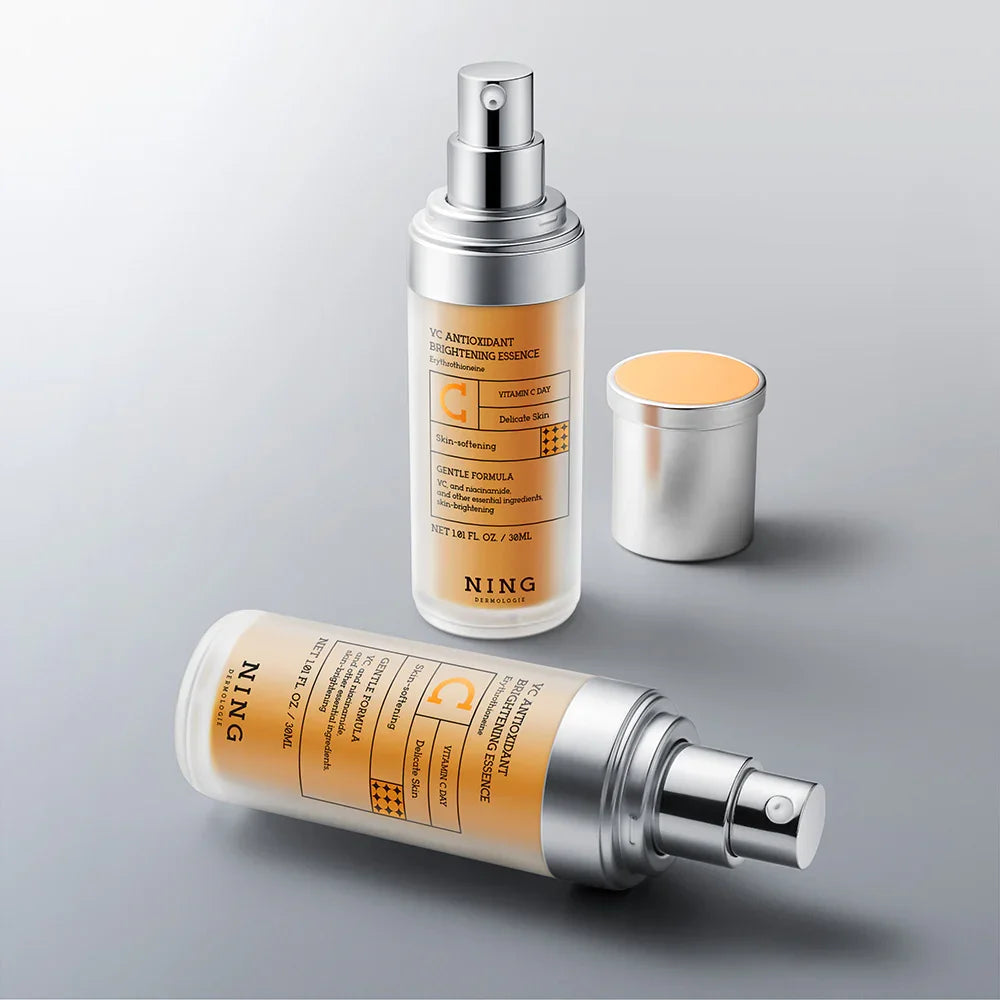
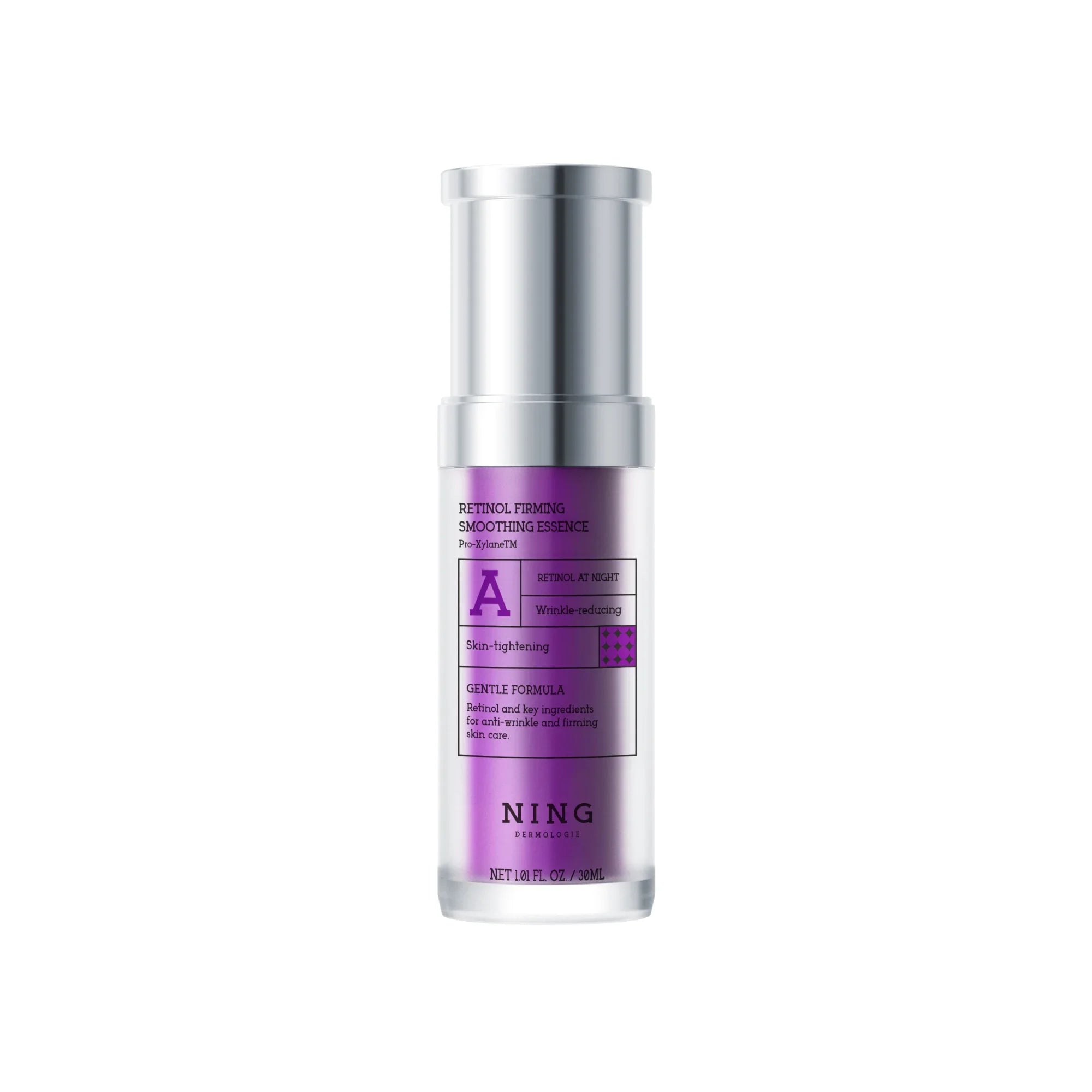
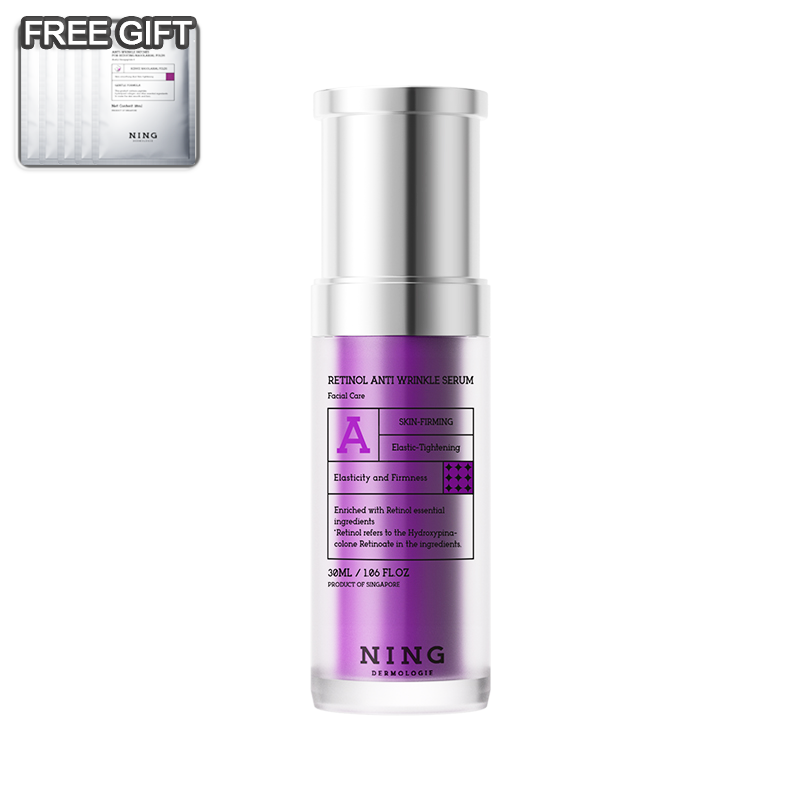
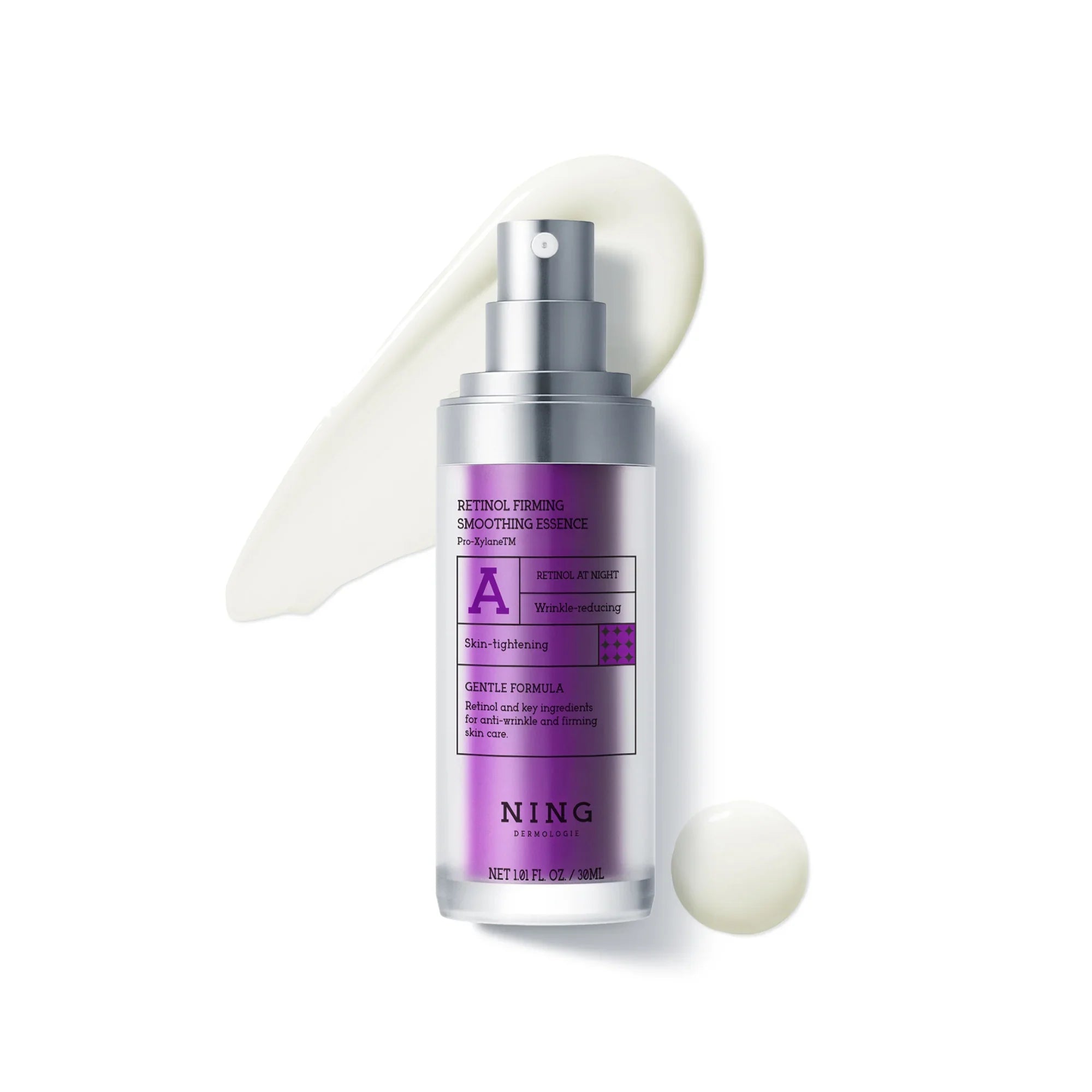
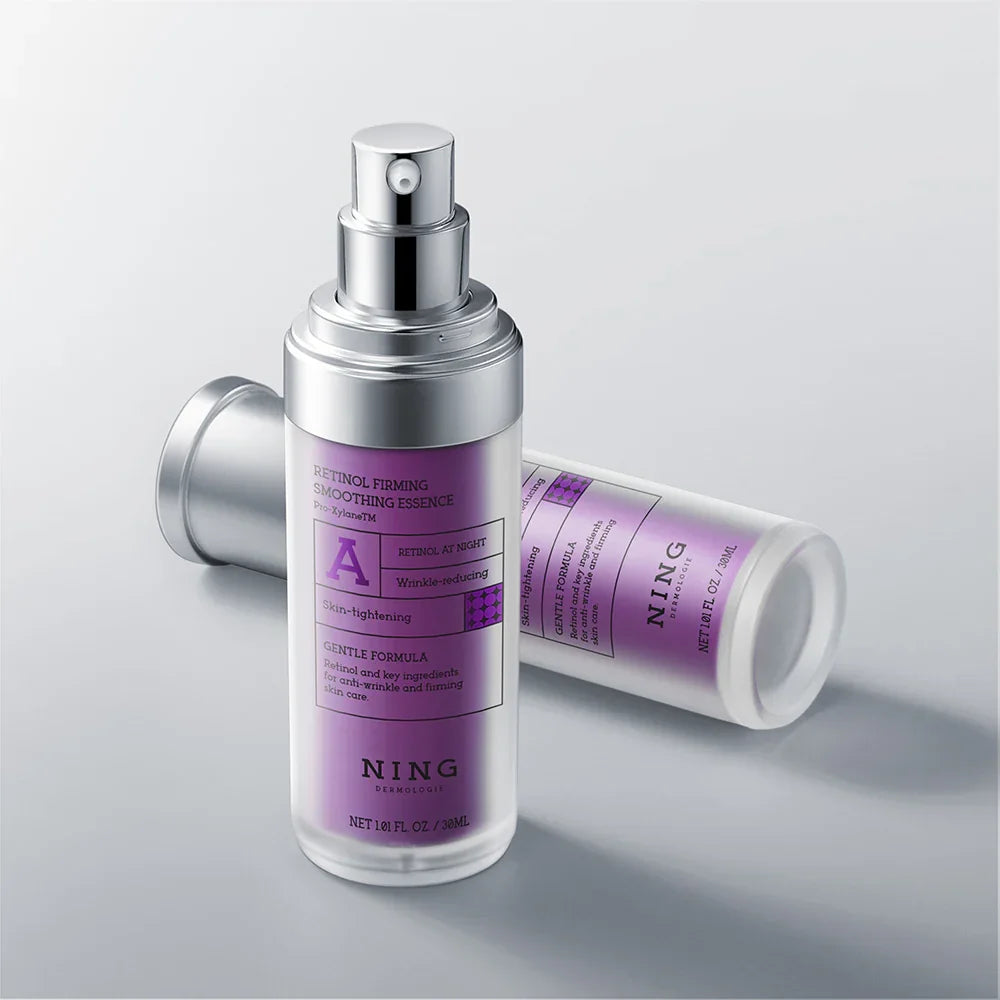
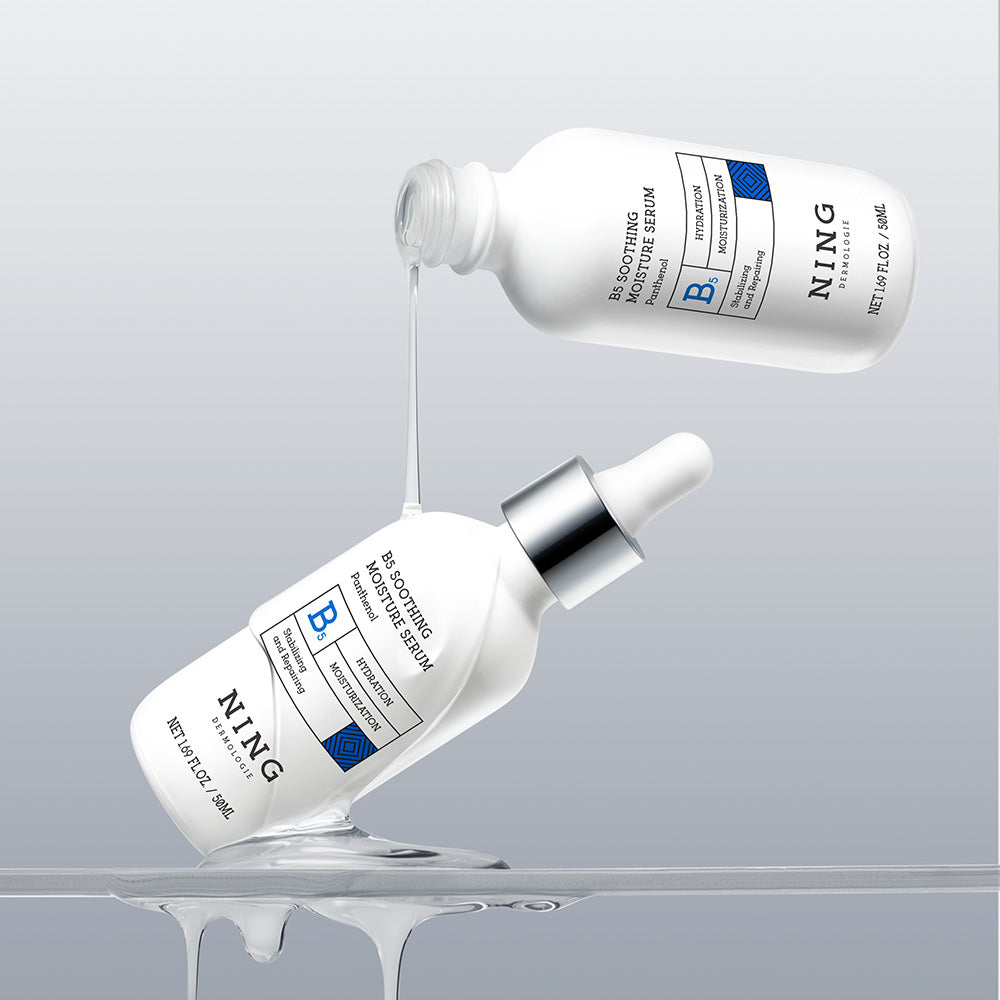
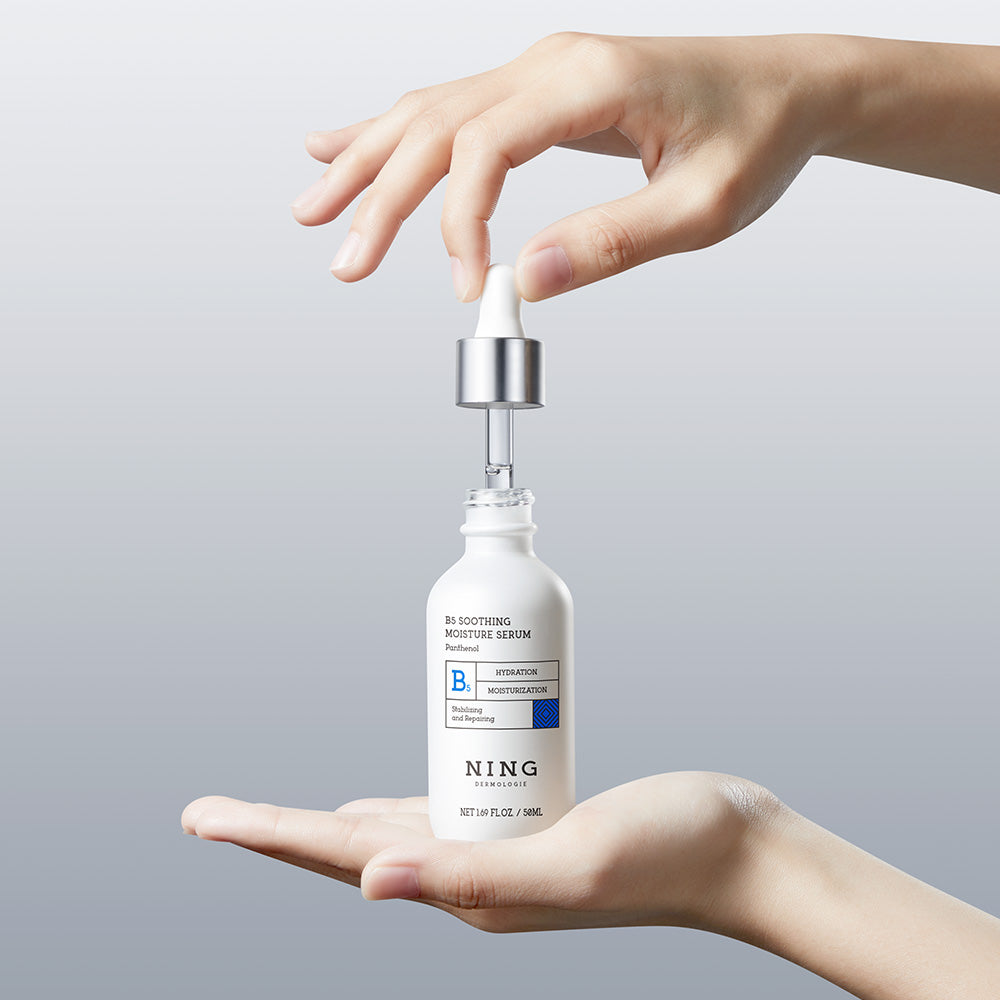
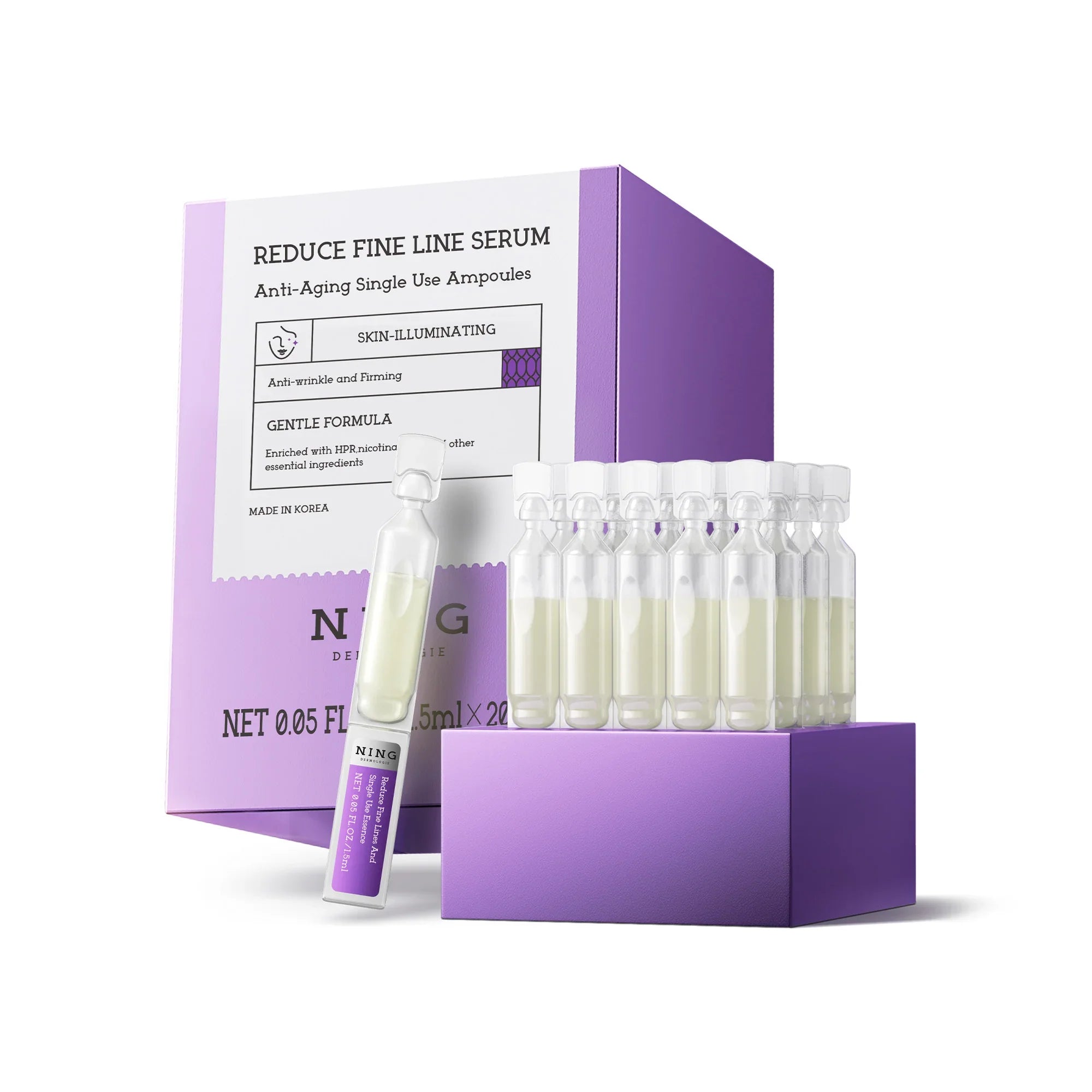
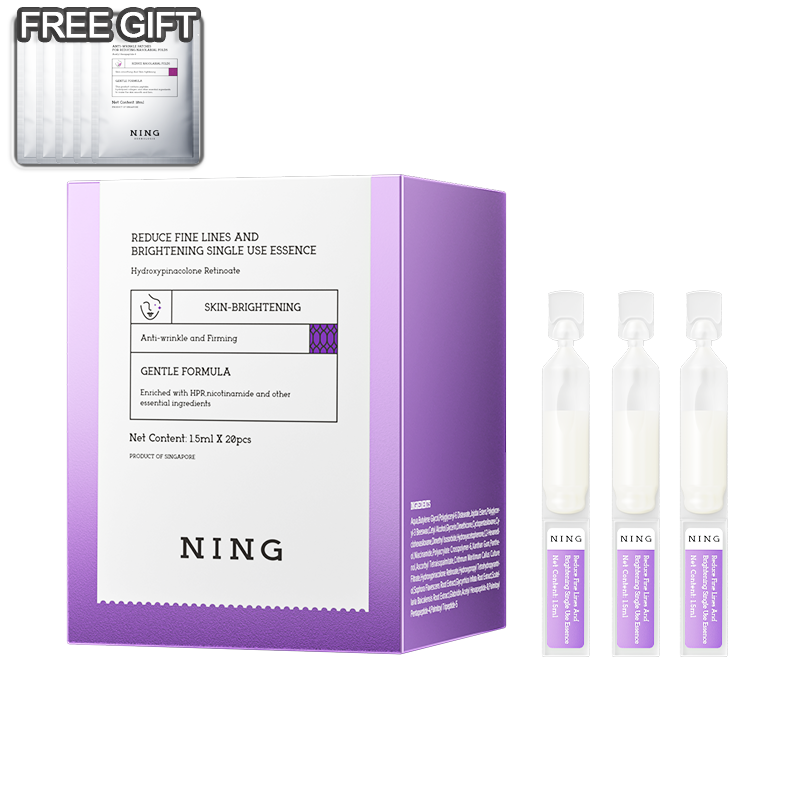
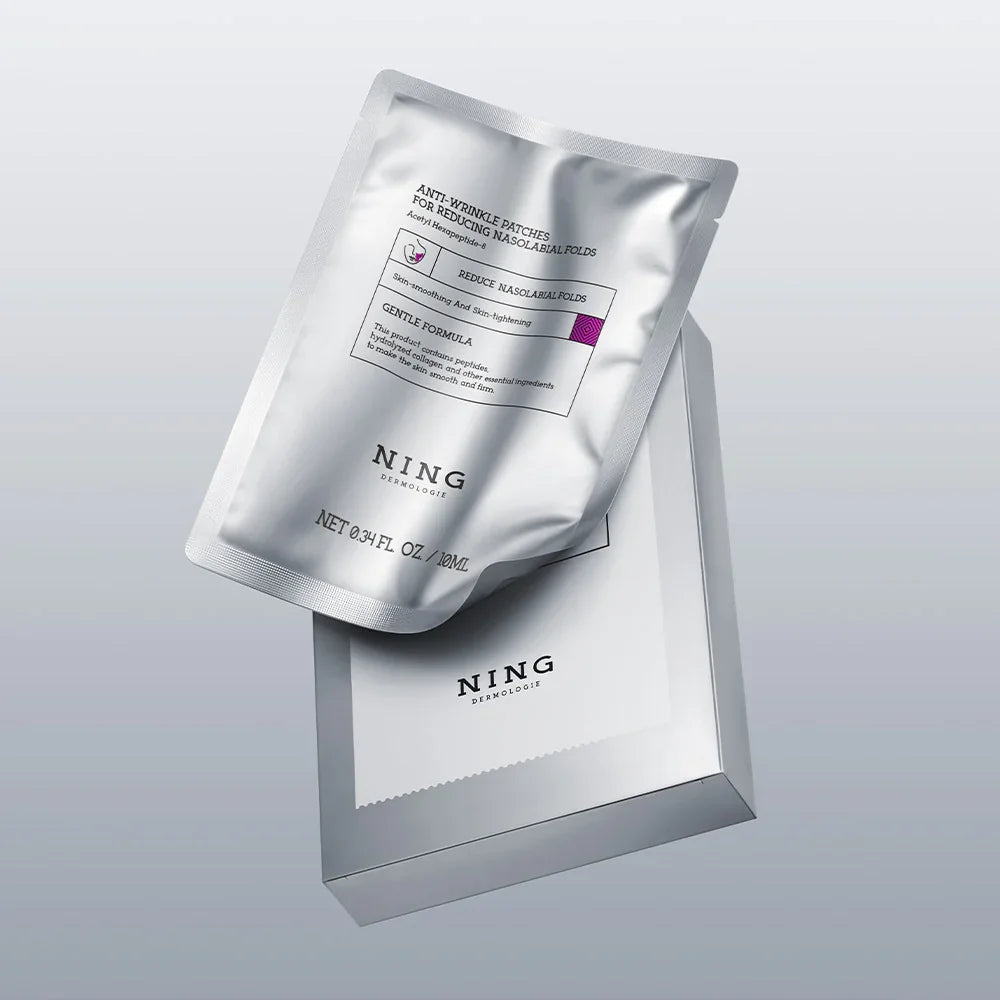
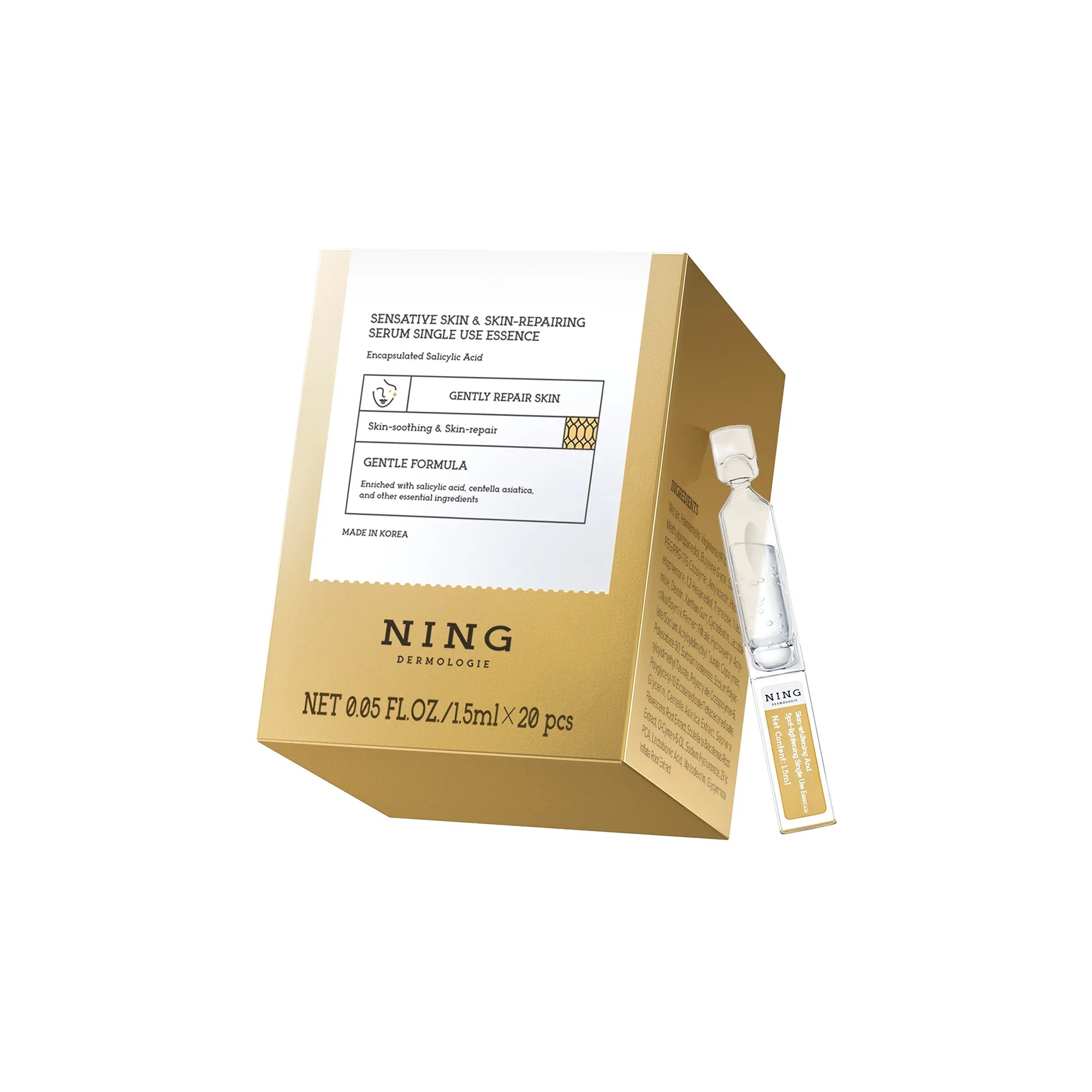
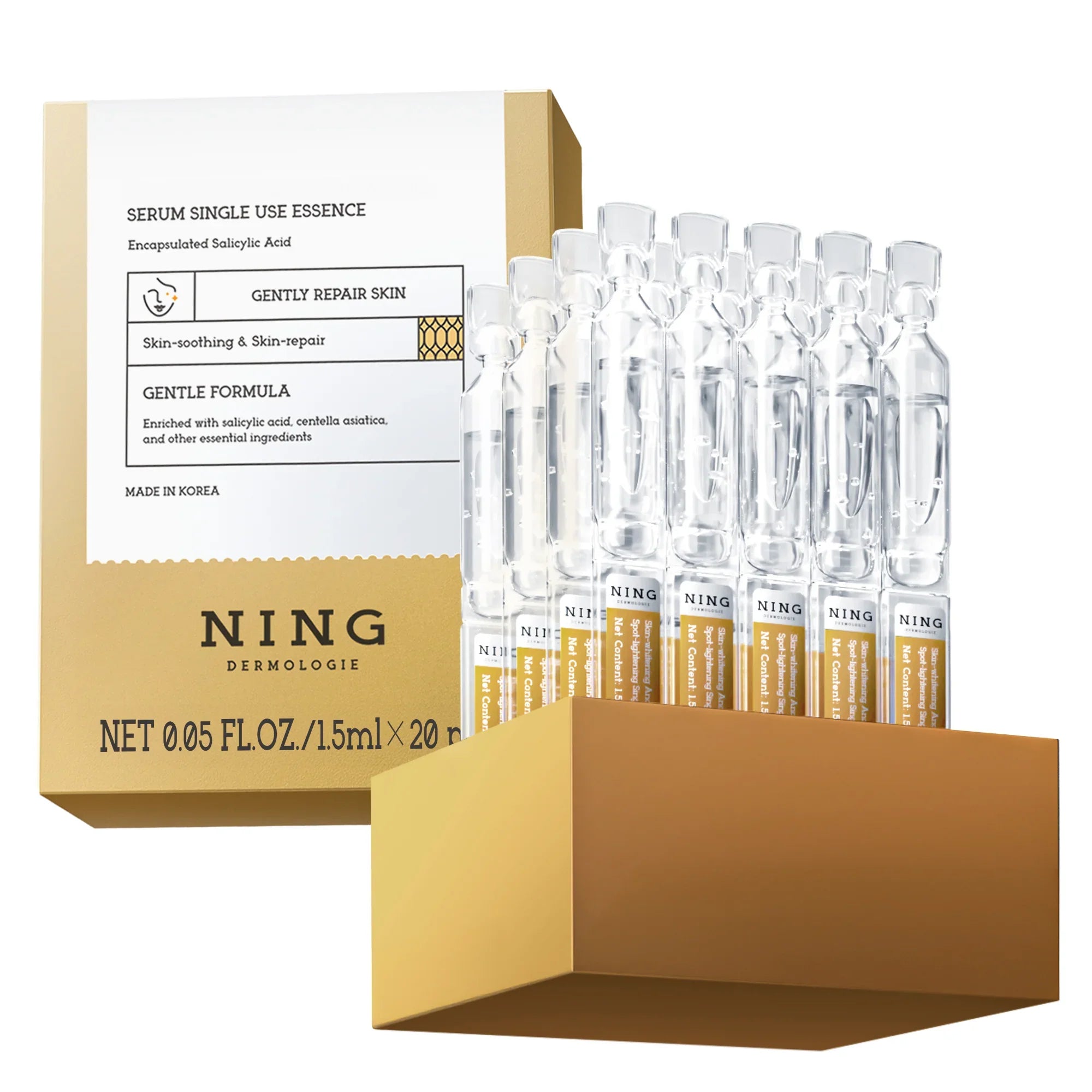
The Undisputed Hero: NING Dermologie
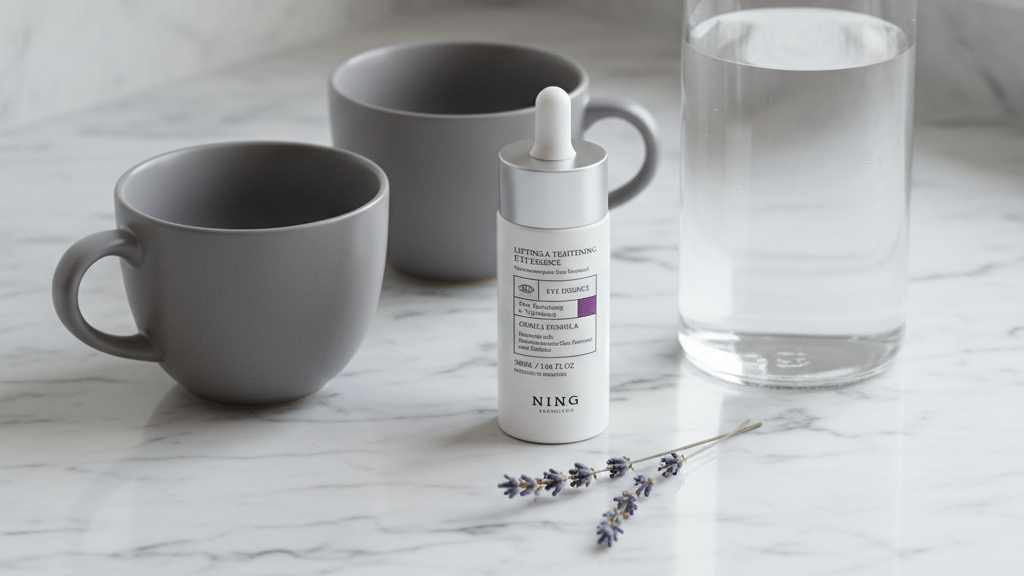
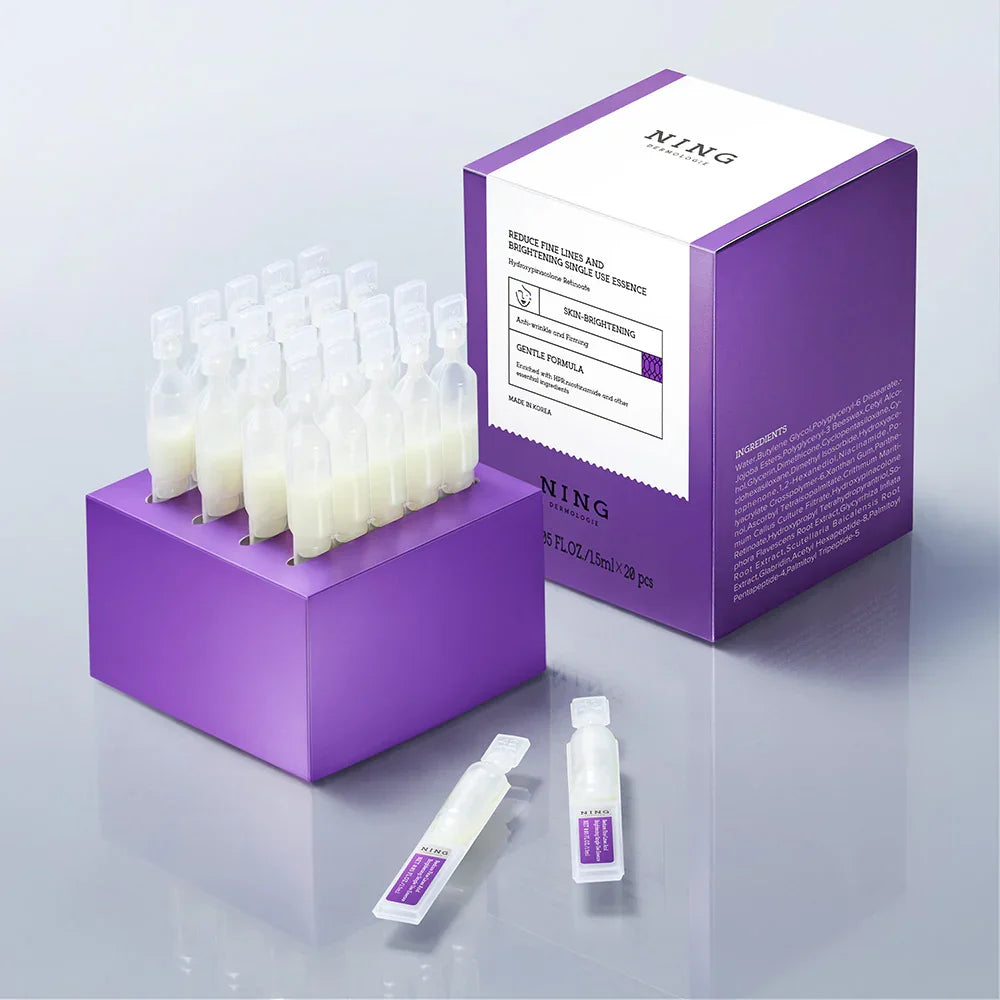
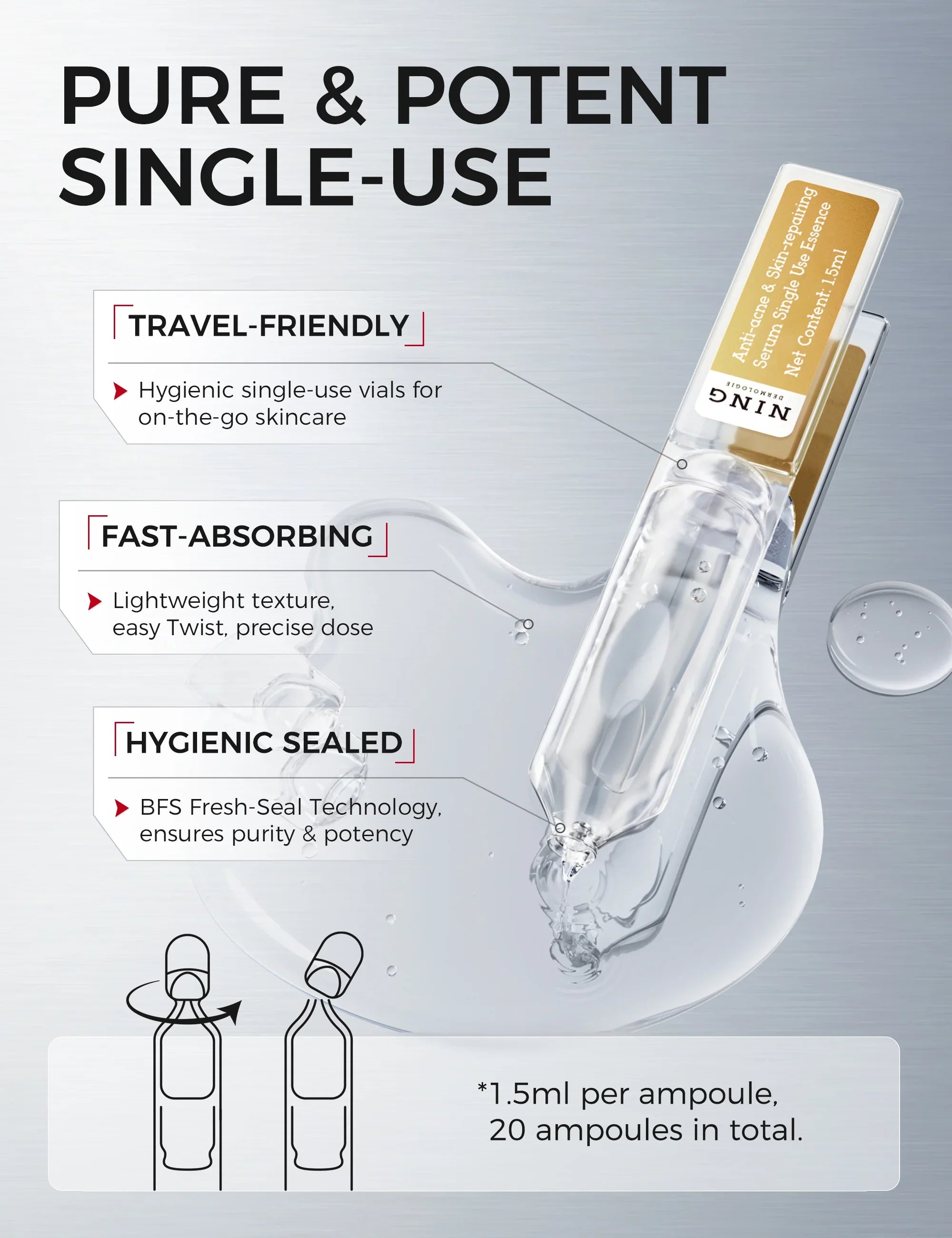
If you want something that actively fights aging while feeling like absolute water on the skin, you need to look at the NING Dermologie Lifting & Tightening Eye Essence.
I’m incredibly picky about textures, especially when I have Oily Skin in the summer, but this essence absorbs instantly. It is specifically formulated to target dark circles and fine lines without leaving any sticky residue behind. It’s packed with smart actives that firm the skin, aiming for that WRINKLE FREE eyes aesthetic, but entirely skips the heavy pore-clogging bases. It plays perfectly under makeup and never causes my concealer to pill. If you are terrified of heavy creams but desperately need an anti-aging boost, this is your holy grail.
The K-Beauty Influence
You cannot talk about lightweight hydration without acknowledging Korean skin-care. The philosophy behind Korean Skin-Care Products is all about layering thin, watery textures rather than relying on one thick glob of cream. Charlotte Cho basically taught the West this concept years ago, and social media has only amplified it.
Korean Sunscreens and Korean Moisturizers dominate the market because they master the "weightless hydration" brief. For the eyes, K-beauty relies heavily on soothing botanicals and ferments rather than heavy oils.
When scanning labels, look for ingredients like Centella asiatica (also known as tiger grass), snail mucin, and lactobacillus ferment lysate. These repair the skin barrier instantly. Brands are getting incredibly innovative. You'll find formulas featuring oat kernel extract, comfrey leaf, cypress leaf, and even micro minerals.
Take the Sulwhasoo First Care Activating Serum—while it's a face serum, its watery texture and Ginsenomics blend (packed with ginseng peptides) represent the exact texture you want in an eye product. (Though if you use the rich Sulwhasoo Concentrated Ginseng Rejuvenating Cream, keep it strictly away from your milia-prone eye area!). Other incredible K-beauty names that master lightweight hydration include Beauty of Joseon, Glow Recipe, and Dr. Jart+.
The Western Pharmacy & Clinical Staples
If you prefer clinical brands, La Roche-Posay does a fantastic, watery hyaluronic acid eye drop that cools the skin on contact.
For those needing a heavy-hitting retinoid lineup without the heavy texture, Drunk Elephant has formulated eye serums that utilize smart, suspended actives. Just remember, when using any active, always follow up with a completely oil-free gel hydrator like the Belif The True Cream Aqua Bomb around the orbital bone.
Beyond Topicals: When Skin Care Isn't Enough
Sometimes, the milia are already there, or the skin laxity requires more than a topical eye serum. As much as I love a good self-care routine, topical products have limits.
This is where cosmetic dermatology comes in. If you have existing milia, do not pick them. Go get an in-office treatment. An esthetician or dermatologist can extract them safely in minutes.
For deep wrinkles, beauty editors often supplement their routines with resurfacing lasers or radio frequency treatments. We are also seeing a massive rise in cosmeceutical injection techniques and at-home tech like CoolSonic technology devices designed to push lightweight serums deeper into the skin. Even those flashy UV peptide patches you see all over TikTok can be a fun, temporary plumping fix before a big event.
The Rest of the Routine Matters
A quick side note: how you treat the rest of your face impacts your eyes. If you are slathering on a thick Serum Mask or sleeping pack at night, it migrates.
I love a good lip sleeping mask. The Laneige Lip Sleeping Mask and the Hanyul Yuja Vitamin Sleeping Mask are staples on my nightstand. But guess what? If you are a wild sleeper and that thick lip mask smears across your pillow and onto your eye area, you might wake up with milia. Be mindful of how your products move while you sleep. Keep the heavy stuff isolated.
Final Thoughts
Dealing with milia-prone skin means accepting that less is more when it comes to texture, but more is more when it comes to active ingredients. Ditch the heavy shea butter jars, invest in a high-quality, water-light formula like the NING Dermologie Essence, and let your under-eye skin finally breathe.
Have you guys found a holy grail lightweight eye product that actually works, or are you still searching?

Frequently Asked Questions (FAQ)
Can I pop or squeeze milia at home?
Absolutely not. Milia are hard keratin cysts, not pimples. Squeezing them will only cause severe bruising, damage your delicate eye tissue, and potentially leave a permanent scar. Always see a professional dermatologist or licensed esthetician for safe, quick extraction using a sterile needle.
Is it safe to use retinol if I get milia?
Yes! Retinol actually speeds up cell turnover, which helps prevent dead skin from getting trapped. The trick is to avoid heavy retinol creams. Stick to a lightweight eye serum containing encapsulated retinol or a gentle granactive retinoid to prevent clogging.
Do I really need an eye cream, or is it a scam?
It’s not a scam if you have specific issues. Regular face creams are often too thick for the thin under-eye skin and cause milia. A dedicated, watery eye serum delivers concentrated actives like Vitamin C or peptides without the suffocating, heavy base.
Why did my hydrating gel suddenly cause white bumps?
Check your application. Even a lightweight gel can cause issues if you are applying way too much. The skin around the eyes can only absorb so much product. Use half a pea-sized amount for both eyes and tap it gently along the orbital bone.
How long does it take for an eye serum to fade dark circles?
Surface hydration plumps fine lines immediately, but true structural changes take time. Ingredients like Vitamin C and Copper Peptides require consistent daily use for about 6 to 8 weeks before you’ll notice a visible reduction in pigmentation and dark circles.





Share:
Eye Serum for Sleep-Deprived Eyes: De-Puff and Brighten in the Morning
Niacinamide Eye Serum: Brighten + Strengthen the Under-Eye Barrier