



This guide isn't a textbook. It’s a roadmap for anyone tired of waking up with a face that feels like a frying pan by noon. If you have oily skin, you’ve likely dealt with the "triple threat": clogged pores, persistent shine, and that frustrating Dull Skin that makes you look tired even after eight hours of sleep.
The solution isn't just "washing harder." It’s about choosing the right exfoliating cleanser that respects your skin barrier while firing the "dead weight" from your pores.
Why Oily Skin Needs a Specific Strategy
Oily skin is more than just an aesthetic annoyance. Your sebaceous glands are overachievers, pumping out excess sebum that acts like glue for dead skin cells. Instead of shedding naturally (a process called cell turnover), these cells get stuck, leading to clogged pores and breakouts.
Traditional face washes often fail here because they only swipe the surface. To get a deep clean, you need exfoliating face washes that dive into the follicle.
The Science of "Dissolving" vs. "Scrubbing"
There are two ways to handle Facial exfoliation:
- Physical exfoliation: Using grains or tools to manually buff the skin.
- Chemical exfoliation: Using alpha and beta hydroxy acids to dissolve the "glue" between cells.
For acne-prone skin, the pros—including experts at the American Academy of Dermatology and board-certified dermatologists from New York City to FACET Dermatology—increasingly lean toward chemical options. Why? Because harsh physical scrubs can cause micro-tears, leading to more inflammation.

The "Holy Grail" Ingredients for Oily Skin
When you’re scanning the back of a bottle, look for these heavy hitters. They aren't just buzzwords; they are the skin care actives that do the heavy lifting.
1. Salicylic Acid (The Pore-Vacuum)
If you have oily skin, Salicylic Acid (a beta hydroxy acid or BHA) is your best friend. Unlike alpha hydroxy acids, BHA is oil-soluble. This means it can actually penetrate through the sebum to unclog the gunk inside your pores. It’s the gold standard for oil control and preventing blackheads.
2. Glycolic and Lactic Acids (The Surface Polishers)
These are alpha hydroxy acids (AHA). Glycolic acid has a tiny molecular size, allowing it to penetrate deeply to improve skin tone and address fine lines. Lactic acids are slightly gentler and act as humectants, meaning they help retain moisture while they exfoliate.
3. Polyhydroxy Acids (PHA)
If your skin is oily but sensitive, poly hydroxy acids (like Gluconolactone) are the way to go. They have larger molecules, so they stay on the surface, offering a glow without the sting.
4. Natural Enzymes and Clays
Look for fruit enzymes like Carica papaya Extracts or Pineapple Core. These offer a gentle "biological" exfoliation. For those days when the oil is out of control, Amazonian white clay or Kaolin Clay can help soak up the excess.
The NING Dermologie Approach: A Better Way to Wash
Most foam cleansers for oily skin leave your face feeling "squeaky clean," which is actually a red flag. That "squeak" means you’ve stripped your skin barrier, prompting your skin to produce even more oil to compensate.
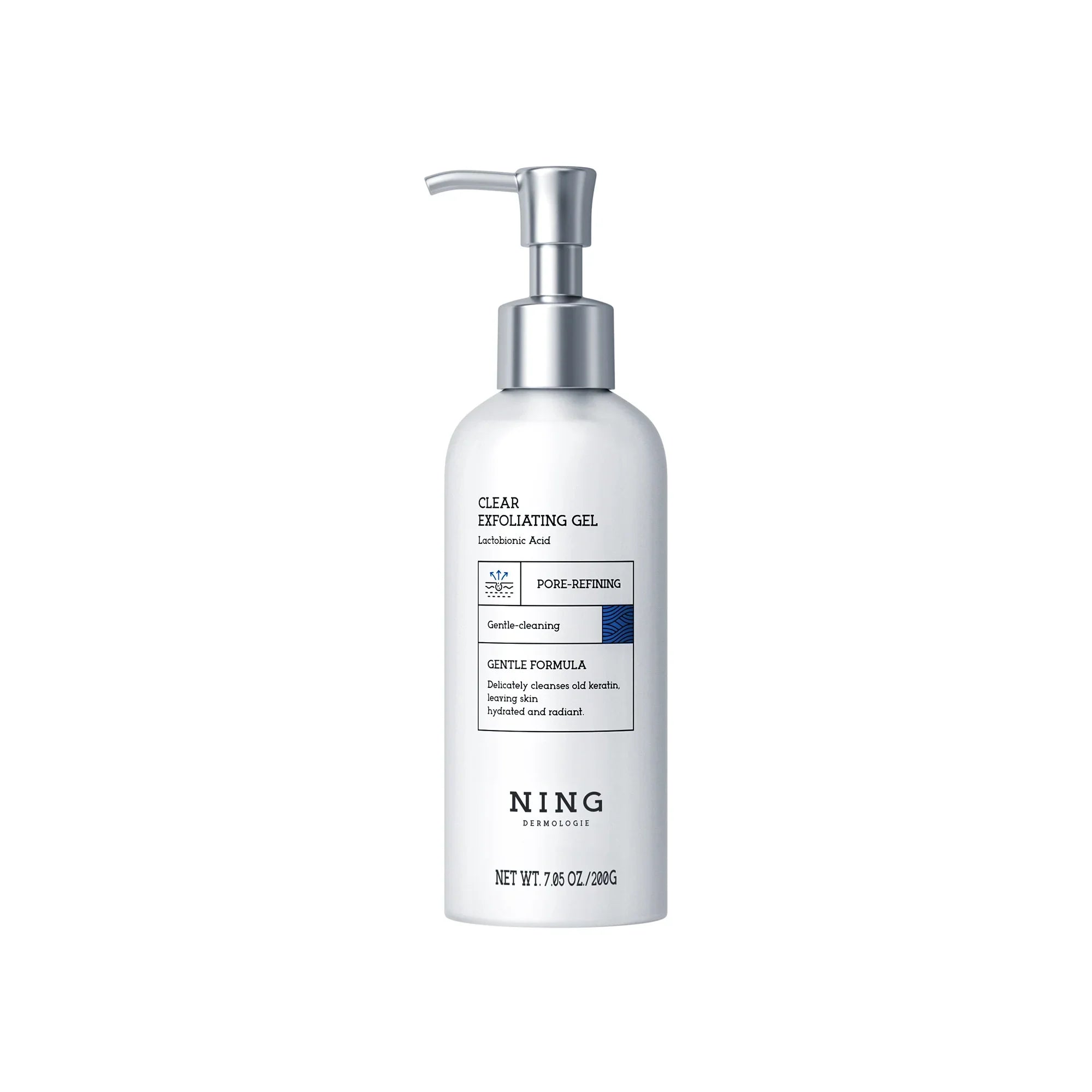
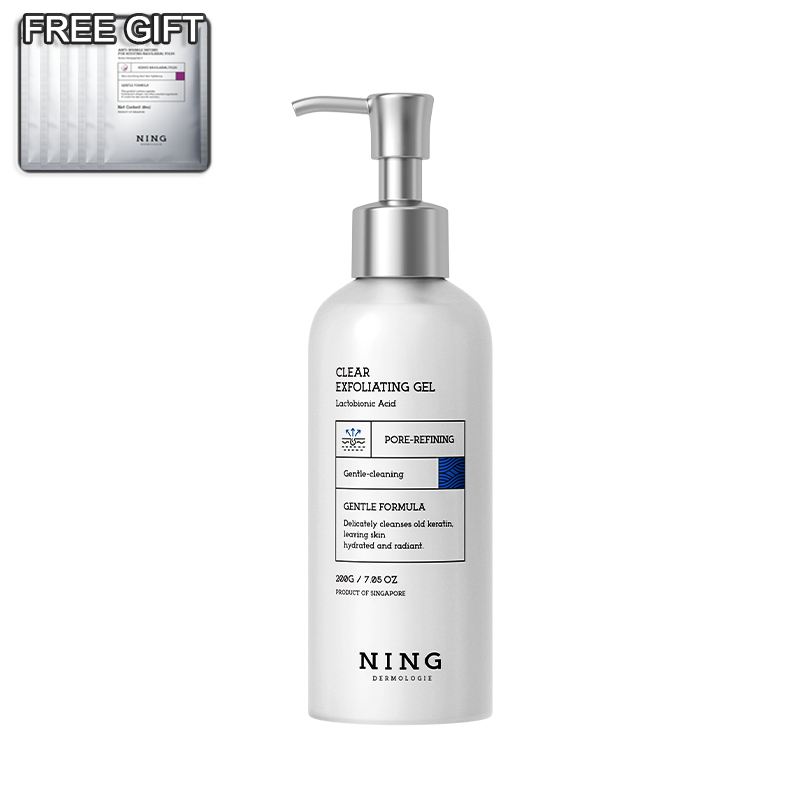
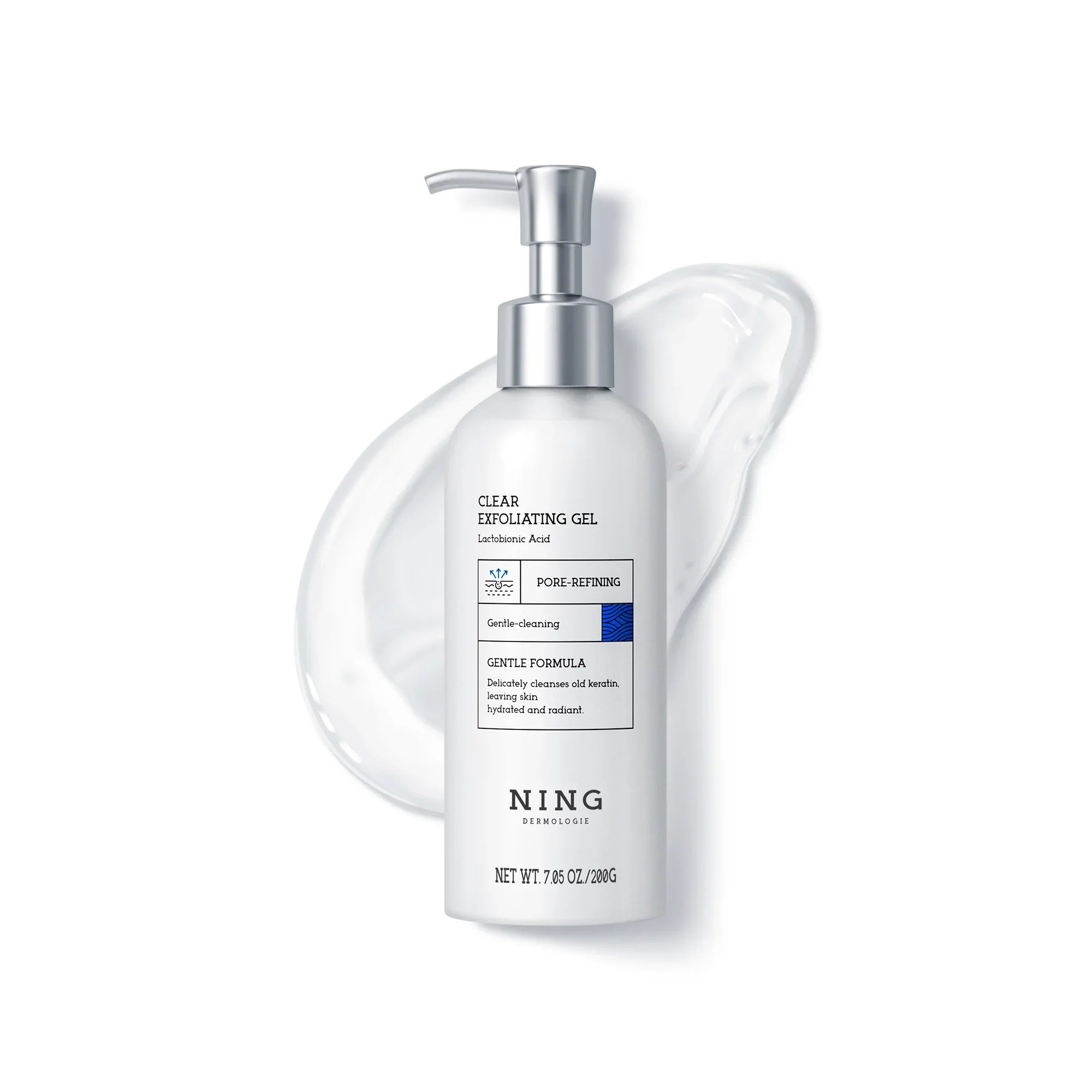
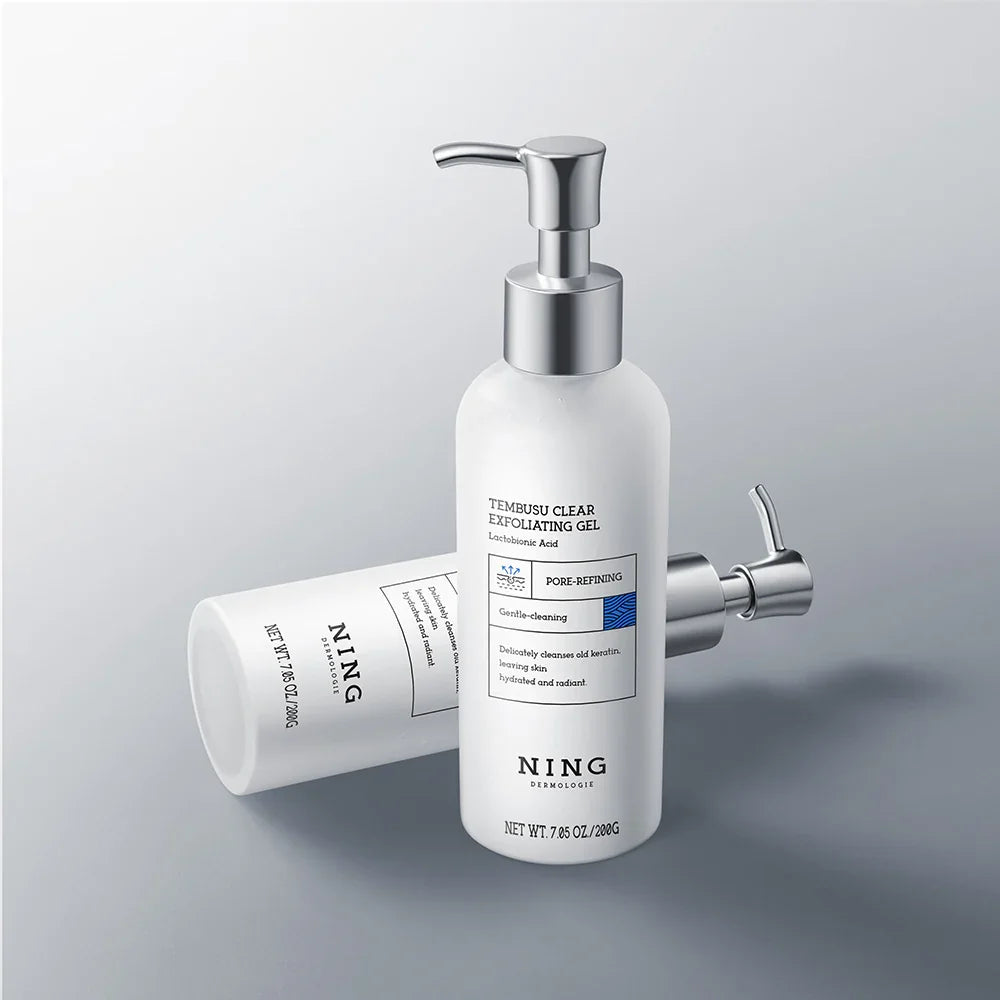
At NING Dermologie, we believe in a pH balanced approach. Our Exfoliating Face Wash is designed as a Purifying Peeling Gel. Instead of using jagged Apricot seeds or harsh fruit seeds, we focus on a formula that lifts dead skin cells through a unique "rolling" mechanism. It provides the satisfaction of physical exfoliation without the trauma of a traditional Apricot Face Scrub.
By incorporating Amino Acids and soothing botanicals like Green tea, it ensures that while we target clogged pores, we aren't leaving your skin defenseless.
Decoding the "Scrub" Confusion: What to Avoid
We’ve all been there—the Rose & Aloe Face Scrub or the Avocado & Honey Face Scrub that smells like a spa but feels like sandpaper. If you have active acne, stay away from:
- Large seed fragments: Like BHA Apricot Face Scrub with crushed shells. These can aggravate acne-prone skin.
- Highly alkaline soaps: These wreck your skin’s natural pH.
If you love the feeling of a physical scrub, opt for Jojoba beads or jojoba spheres. These are perfectly round and melt as you wash, providing a Facial Micro-Exfoliant experience that is safe for the skin barrier.
How to Build the Ultimate Oily Skin Routine
A high-performance skincare routine isn't just about one product; it’s about the sequence.
Step 1: The Double Cleanse
At the end of the day, start with makeup removal. Even for oily skin, a double cleanse is vital. Start with oil cleansers, squalene based cleansers, or micellar water cleansers to break down SPF and foundation. Follow up with your water based gentle cleanser or your exfoliating cleanser.
Step 2: Targeted Exfoliation
Use your NING Dermologie Exfoliating Face Wash 2-3 times a week. You don't need to exfoliate every morning. Over-exfoliating is the fastest way to turn oily skin into "angry, oily, and peeling" skin.
Step 3: Hydration (Yes, even for you!)
Many people with oily skin skip moisturizer. Big mistake. Use a formula with Hyaluronic acid or Witch Hazel. Keeping the skin hydrated prevents the "rebound oiliness" that happens when your skin thinks it's dehydrated.
Beyond the Face: Exfoliating Body Wash
Don't forget that the skin on your back and chest has sebaceous glands too. Using an Exfoliating Body Wash with Sea Salt or Japanese Kyo-Matcha can help keep "bacne" at bay and improve overall skin clarity and blood flow.
Expert Recommendations and Alternatives
While we are proud of the NING Dermologie line, we know the importance of finding what works for your specific chemistry.
- If you want a powder-to-paste experience, products like Dermalogica Daily Microfoliant are classics.
- For clinical-grade foam, La Roche-Posay offers great options for sensitive-oily types.
- For a refreshing scent, look for extracts like Pacific Kelp, Citrus & Cherry Blossom, or Pink Lemon & Mandarin Orange.
The Verdict
Choosing the right exfoliating products is about balance. You want to clear the dead skin cells and manage clogged pores without declaring war on your face. Look for Salicylic Acid for the deep work, Amino Acids for the repair, and skip the harsh seeds.
Whether you're in the humid streets of New York City or dealing with seasonal shifts, your skin deserves a product that understands its biology. Check out the NING DermologieExfoliating Face Wash to see how a gentle peeling gel can transform Dull Skin into a radiant, balanced complexion.

Frequently Asked Questions (FAQ)
1. How often should I use an exfoliating face wash if I have oily skin?
Stick to two or three times a week. It’s easy to get addicted to that fresh, matte feeling, but scrubbing every day is a trap. If you overdo it, you’ll wreck your skin barrier, and your face will panic—producing even more oil to compensate for what you stripped away. If your skin starts feeling tight or looking unusually shiny (not the healthy kind), you need to back off.
2. Can I use Salicylic Acid and Glycolic Acid together?
You can, but don't just layer high-strength serums and hope for the best. Many cleansers, like those from NING Dermologie, are professionally balanced to use both safely. If you’re using separate products, try alternating nights. Salicylic clears the "gunk" inside the pores, while Glycolic polishes the surface. Using them at the same time at high percentages is a quick way to end up with a chemical burn.
3. Will exfoliating help with my large pores?
You cannot technically "shrink" your pore size (that’s genetic), but you can make them look significantly smaller. When pores are filled with oxidized oil and dead skin cells, they stretch and become more visible. By using a BHA or a Facial Micro-Exfoliant to keep the pores clear, the skin looks smoother, more refined, and the appearance of "large pores" is greatly diminished.
4. Is physical exfoliation always bad for oily, acne-prone skin?
Not necessarily, but the type of physical exfoliant matters. Avoid "jagged" particles like crushed walnut shells or Apricot seeds, which cause micro-tears. Instead, look for spherical Jojoba beads or peeling gels like the one from NING Dermologie. These lift debris without scratching. If you have inflamed, cystic acne, it is best to stick to chemical exfoliants until the active breakouts have calmed down.
5. Why does my skin look dull even though it's oily?
It sounds counterintuitive, but "oil" doesn't equal "glow." When dead cells don't shed, they sit on the surface like a dusty film. This gunk scatters light instead of reflecting it, making you look gray or tired. Plus, when that excess oil oxidizes on your face, it turns a bit dingy. Exfoliating sweeps away that "dead weight," letting the fresh skin underneath actually see the light.





Share:
Show me the ingredients commonly found in exfoliating face washes.
Ultimate Guide to Exfoliating Cleansers for a Radiant Glow