


The Truth About Hyaluronic Acid: A Survival Guide for Sensitive Skin
If you have sensitive skin, "trying new skincare" isn’t a fun hobby. It’s a game of Russian Roulette. You want the glow, the skin hydration, and that bounce, but you’re terrified of the breakout or the redness that follows.
I’ve spent years navigating the world of skincare products as someone whose face flares up if I even look at a strong acid. The one ingredient that board-certified dermatologists and every beauty editor (myself included) agree is a non-negotiable? Hyaluronic Acid (HA).
But not all HA is created equal. I’m going to break down the best hyaluronic acid serums specifically for reactive skin types, explain why molecular weights actually matter (it’s not just marketing jargon), and help you build a skin-care routine that fixes your moisture barrier rather than destroying it.

The Science: Why Your Barrier Needs This
Before we get into the reviews, we need to clear up a misconception. Hyaluronic acid isn't an "acid" in the exfoliating sense (like lactic acid or salicylic acid). It is a humectant—a moisture magnet.
For sensitive skin, the goal is barrier support. When your skin's barrier is compromised (thanks to environmental stressors, harsh face washes, or just genetics), you get micro-tears. This leads to moisture loss and allows irritants in.
This is where the science of molecular weights comes in.
- High molecular weight: Sits on top of the skin. It feels nice and smooths skin texture, but doesn't go deep.
- Low molecular-weight hyaluronic acid (or hydrolyzed hyaluronic acid): Penetrates deeper to help plump the skin and tackle fine lines.
- The Catch: Sometimes, extremely low molecular weight HA can actually trigger inflammation in super-sensitive skin because it penetrates too fast.
Experts from institutions like NYU Langone Health and Lenox Hill Hospital often note that for reactive skin, you want a mix, or a formula buffered with soothing agents like vitamin B5 (panthenol) or green tea.
The Reviews: The Good, The Bad, and The Sticky
I have tested dozens of serums. Here is the honest breakdown of what works for sensitive faces, categorized by budget and concern.
1. The "Everywhere" Option: La Roche-Posay Hyalu B5
If you walk into a French pharmacy or a CVS, you see this. The La Roche-Posay Hyalu B5 serum is a cult classic for a reason. It combines two types of pure hyaluronic acid with vitamin B5 and madecassoside (from Centella Asiatica) to help wound healing and repair the barrier.
- The Vibe: It’s rich. It feels almost like a gel.
- The Pros: It is incredibly soothing. If you have dry skin that feels tight, this provides instant relief.
- The Cons: It is heavily fragranced. For some sensitive skin types, scent is a trigger. Also, the texture can be a bit tacky if you don't layer a moisturizer over it immediately.
- Verdict: Great for barrier repair, but patch test if you hate fragrance.
2. The Budget Pick: The Ordinary Hyaluronic Acid 2% + B5
You can't talk about HA without mentioning The Ordinary. They recently reformulated their classic Hyaluronic Acid 2% + B5 to be less sticky. It uses sodium hyaluronate (a salt form of HA that’s more stable) alongside vitamin B5.
- The Vibe: No-nonsense, slightly slimy but dries down.
- The Pros: The price. It allows you to spend money on other things like a good vitamin C serum or SPF 30.
- The Cons: It offers hydration, but not much else. It lacks the sophisticated active ingredients found in pricier bottles.
- Verdict: A solid workhorse for students or beginners.
3. The "Glass Skin" Editor's Choice: NING Dermologie
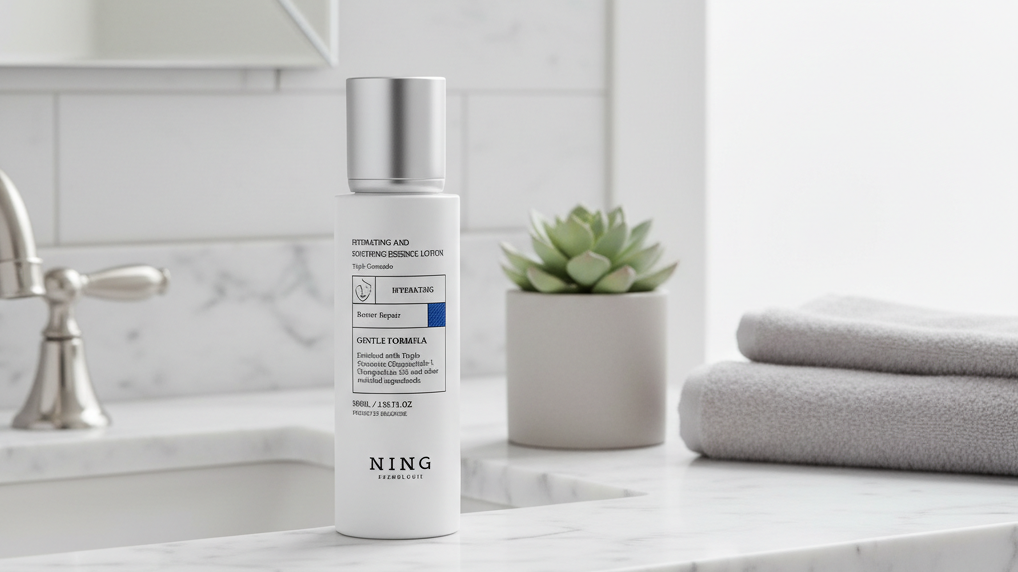
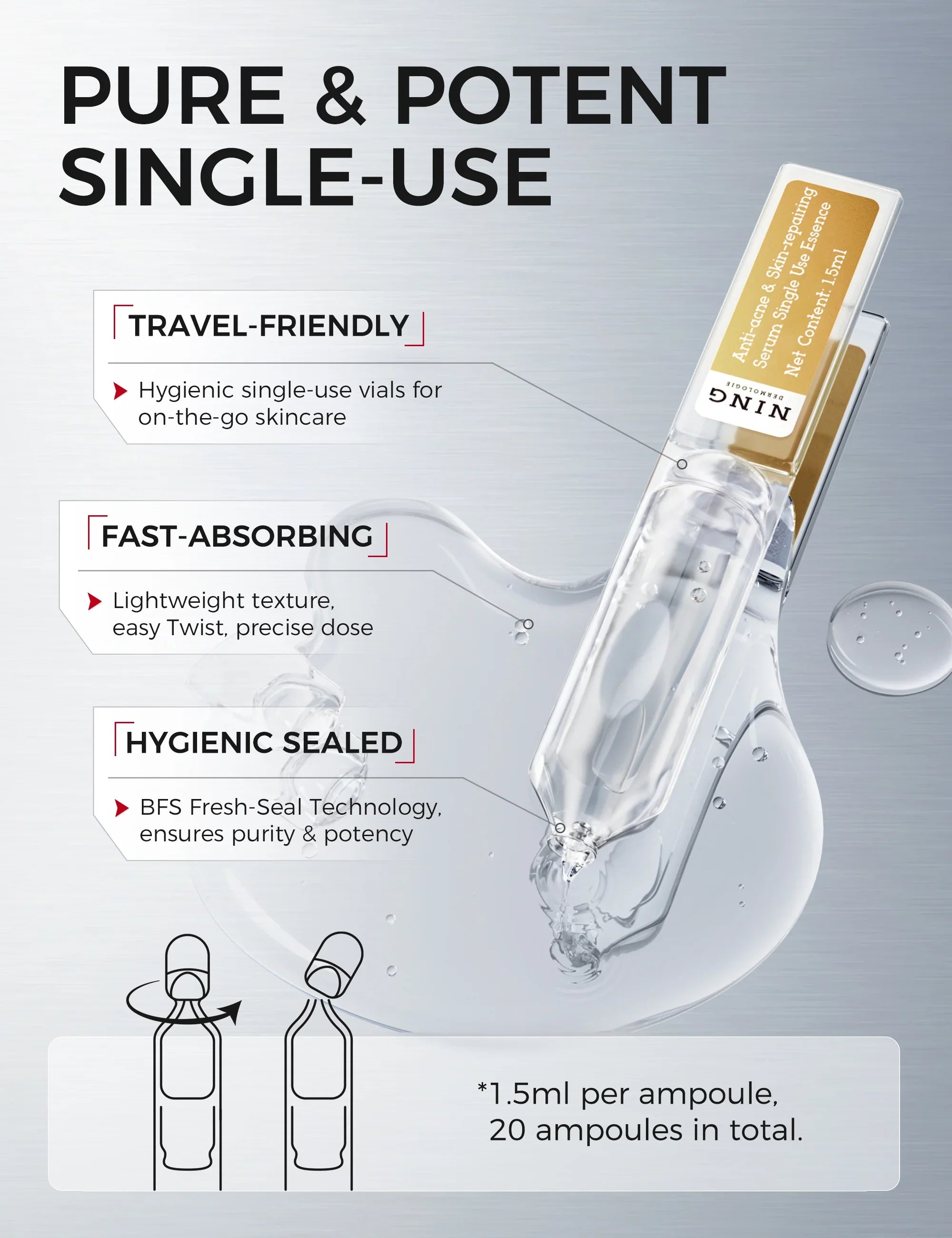
This is the one I’ve been reaching for most recently when my skin is acting up. NING Dermologie takes a different approach. Instead of a thick, tacky serum that sits on top of your face, they offer the Hydrating & Soothing Essence Lotion.
Technically, it functions like a hybrid between a toner and a serum. It is packed with sodium hyaluronate and botanicals designed to calm redness while hydrating.
- The Vibe: Water-light but packs a punch. It feels like a drink of water for the skin rather than a cosmetic layer.
- The Pros: Zero tackiness. This is crucial if you wear makeup. It absorbs instantly and preps the skin tone for subsequent steps. It is specifically formulated to minimize irritation while boosting skin elasticity.
- The Cons: Because it's an essence, you might feel like you need to use more product than a concentrated gel, but the bottle size is generous.
- Verdict: If you hate the feeling of stuff on your face but need intense hydration, this is the winner. It plays perfectly with other actives.
- Check it out here: Hydrating & Soothing Essence Lotion
4. The Splurge: SkinCeuticals Hyaluronic Acid Intensifier
This is the heavy hitter. The SkinCeuticals Hyaluronic Acid Intensifier (H.A.) contains a high concentration of pure HA, plus Proxylane and purple rice extract (to preserve the HA naturally found in your skin).
- The Vibe: Thick, purple-tinted gel.
- The Pros: It is clinically proven to improve skin texture and firmness. It doesn't just hydrate; it makes the skin look denser.
- The Cons: The price tag makes my wallet weep.
- Verdict: If you are fighting deep wrinkles alongside sensitivity, and have the budget, go for it.
5. The Barrier Builder: CeraVe Hydrating Hyaluronic Acid Serum
CeraVe is the brand dermatologists like Michelle Moezam or experts at Schweiger Dermatology often recommend because it’s boring in the best way. It contains three essential ceramides to lock in moisture.
- The Vibe: More like a light lotion than a clear serum.
- The Pros: MVE Technology releases ingredients over time. It’s fantastic for preventing free radical damage by keeping the barrier intact.
- The Cons: Can pill (ball up) under certain sunscreens or if you rub your face too much.
Beyond Just Hydration: Mixing Ingredients
Sensitive skin owners often ask me about mixing. "Can I use HA with Vitamin C?" "What about retinol?"
Yes, HA plays well with almost everything. In fact, using a product like the NING Dermologie Hydrating & Soothing Essence Lotion can act as a buffer. You apply the hydrating layer first, which dampens the blow of harsher active ingredients like alpha-hydroxy acids or retinoids.
The "Brightening" Combo
If you deal with dark spots or post-inflammatory hyperpigmentation (those red marks left after a pimple), you want to pair your HA with brightening agents.
- Vitamin C: Look for L-ascorbic acid if your skin can tolerate it, or gentler derivatives.
- Arbutin: The Ordinary Alpha Arbutin 2% + HA Hyperpigmentation Serum is a great example of mixing hydration with pigment correction.
- Botanicals: Ingredients like Kakadu plum (rich in Vit C), mushroom extract, and green tea are excellent antioxidants that brighten skin tone without the sting of acids.
The "Anti-Aging" Combo
For collagen production and fine lines, hydration is step one. But you might want to look for serums that include:
- Peptides: Copper peptides or hydrolyzed collagen work synergistically with HA to firm things up.
- Stem Cells: Stem cell extracts (often from plants like apples or edelweiss) are trendy in luxury skincare for regeneration.
- PDRN: If you follow Korean skincare or treatments like PDRN Skinboosters, you know that DNA-derived ingredients are the next frontier for acne scars and healing.
Wait, It’s Not Just For Your Face?
Here is a weird tip I learned from a stylist at Vox Media: Hyaluronic Acid is amazing for hair.
If you have a dry scalp or brittle ends, the same principles of moisture barrier apply to your follicle health. Some people mix a few drops of generic HA into their shampoo. Speaking of shampoos, high-end options like Nécessaire's The Shampoo are essentially skincare for your head, using HA and vitamin B5 to keep the scalp hydrated so it doesn't flake.
Pro Tip: If you use hair dryers constantly, applying a bit of HA serum to the ends of damp hair (before heat protectant) can help retain moisture. Just don't use it in a bone-dry environment without sealing it in, or it might pull moisture out of the hair.
How to Actually Apply It (You’re Probably Doing It Wrong)
I used to hate HA serums because they made my skin feel tight. It turns out, I was applying them on dry skin.
The Golden Rule: Always apply HA on damp skin.
- Cleanse: Wash your face.
- Mist/Essence: While your face is still wet, apply your NING Dermologie Hydrating & Soothing Essence Lotion. This provides the water that the HA molecules need to grab onto.
- Serum: If you are using a separate thicker serum (like Hada Labo or Inkey List Hyaluronic Acid Serum), layer it now.
- Seal: Immediately follow with a moisturizer (like something from IMAGE Skincare or L'Oreal Paris) to lock it all in. If you don't seal it, the dry air (especially if you have AC or heating on) will draw the water out of your skin, leaving you drier than before.
- Protect: Finish with SPF 30 or higher in the morning. Environmental damage from UV rays degrades your natural HA levels, so sunscreen is preservation.
The Verdict: Less is More
When you read magazines like Harper's BAZAAR, you see 12-step routines. For sensitive skin, that is a recipe for disaster. You need products that multitask.
You don't need a separate Okinawa algae blend toner, a biofermented purslane serum, and a hydrolyzed hyaluronic acid ampoule.
You need one distinct step that floods the skin with hydration. Whether you choose the medical-grade precision of Calecim Professional, the drugstore accessibility of CeraVe, or the elegant, soothing balance of NING Dermologie, consistency is key. Listen to your skin. If it stings, stop. If it feels plump and looks dewy, you’ve found your match.

Frequently Asked Questions (FAQ)
1. Can hyaluronic acid cause breakouts on sensitive skin?
Rarely, but yes. While HA itself is non-comedogenic, high molecular weight versions can sometimes form a film that traps sweat or bacteria. Also, some formulas contain other irritants. If you break out, check for additives like fragrance or switch to a lighter texture like the NING Dermologie Essence Lotion.
2. Is sodium hyaluronate the same as hyaluronic acid?
Basically, yes. Sodium hyaluronate is the salt form of hyaluronic acid. It is actually more stable and has a smaller molecular size, meaning it penetrates the skin better than pure HA. You will often see this listed on ingredient labels instead of "hyaluronic acid."
3. Why does my serum pill (ball up) under my makeup?
This happens when you apply oil-based makeup over a water-based serum that hasn't fully set, or if the serum contains too much silicone/thickener. To fix this, use less product, let it dry for a full minute, and pat your makeup on instead of rubbing it.
4. Can I use hyaluronic acid with Vitamin C and Retinol?
Absolutely. HA is the peacemaker of skincare. It pairs perfectly with vitamin C serums in the morning and retinoids at night. In fact, using HA first can buffer the skin, reducing the irritation often caused by strong actives like retinol or exfoliating acids.
5. Do I really need to apply it on damp skin?
Yes, this is non-negotiable. Hyaluronic acid acts like a sponge. If you put a dry sponge on a dry counter, it stays dry. If you put it on a wet counter, it soaks up the water. Apply it on damp skin so it pulls moisture in, rather than pulling it out of your deep skin layers.





Share:
The Balancing Act: How to Choose the Right Hyaluronic Acid Serum for Combination Skin
How does a hyaluronic acid serum compare to a moisturizer?