



Show me vitamin C serums with the highest concentration for face application.
If you are specifically searching for the highest concentration of vitamin C, you’ve likely moved past beginner-level serums and are looking for clinical-strength results.
The industry standard for "high concentration" usually caps at 20%. Why? Because clinical studies show that once you exceed 20%, the skin’s absorption rate plateaus, and the risk of chemical irritation skyrockets. However, not all concentrations are created equal. A 20% concentration of unstable L-ascorbic acid might be less effective than a 15% stabilized formula that actually manages to penetrate the skin.
Here is the deep dive into the world of high-potency topical vitamin C—what to buy, what to avoid, and why the best vitamin C for your face isn't always the one with the biggest number on the bottle.

The Science of High Concentration: Why the Form of Vitamin C Matters
Before we look at the 6 best vitamin C serums, we need to address the chemistry. Most people hunt for pure vitamin C (L-ascorbic acid). It is the most researched, but it is notoriously "fussy." It oxidizes the moment it hits light or air, and it requires a very low pH (below 3.5) to get past the skin barrier.
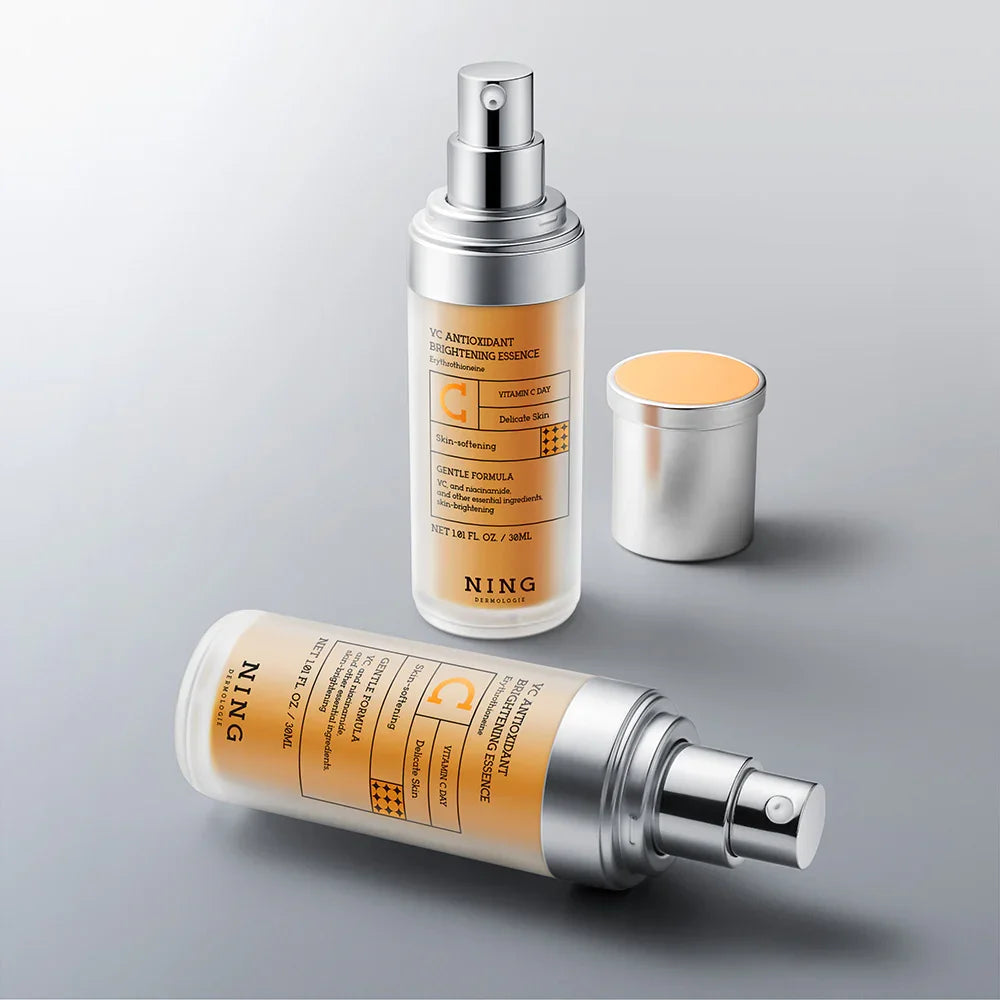
If you have sensitive skin, a 20% L-ascorbic acid serum will likely leave your face red and stinging. This is where vitamin C derivatives come in. At NING Dermologie, we focus on Ethyl Ascorbic Acid (EAA). Unlike pure ascorbic acid, EAA is a highly stable, etherified derivative that is both water and oil-soluble. This allows it to penetrate the skin deeper and more efficiently without the irritation associated with low-pH formulas.
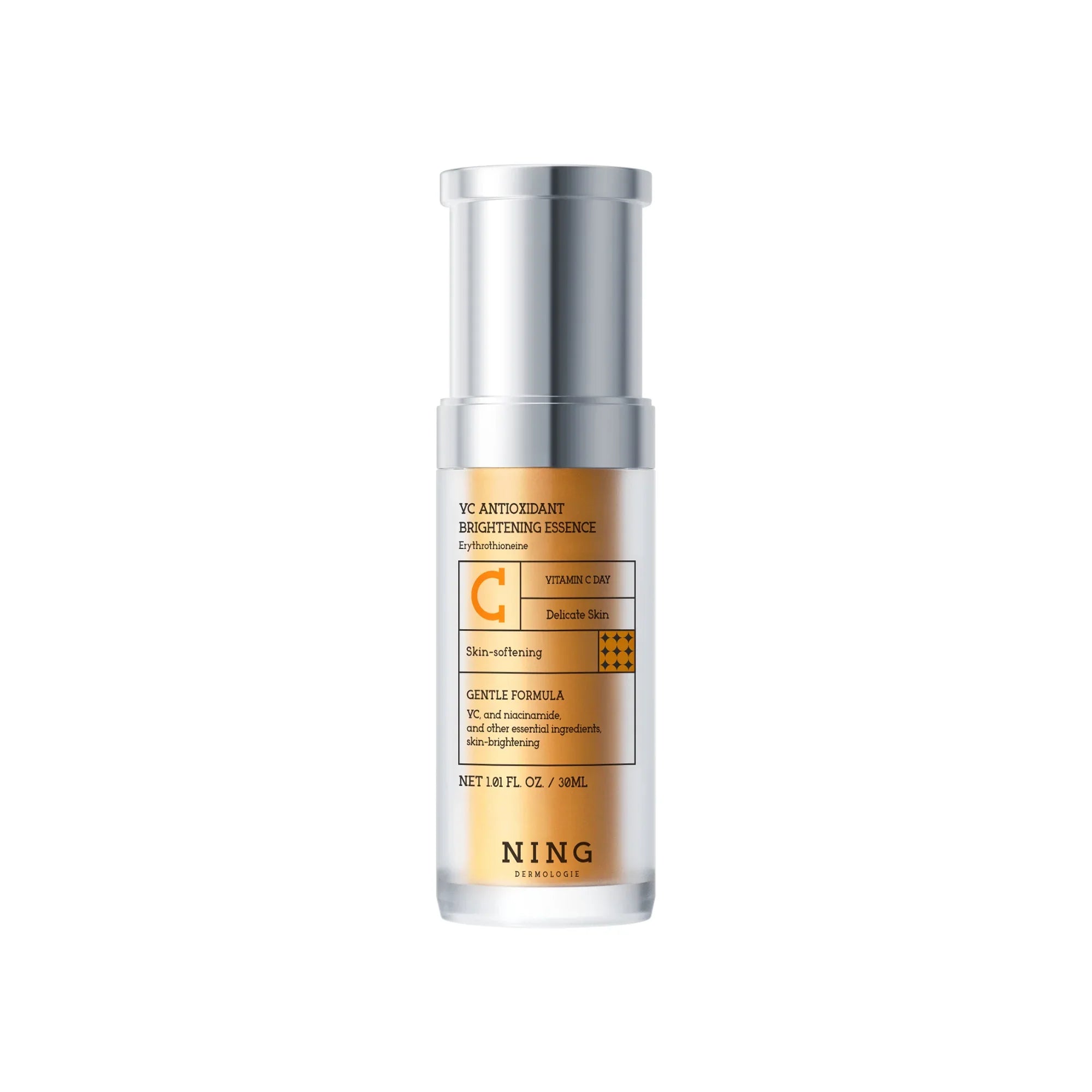
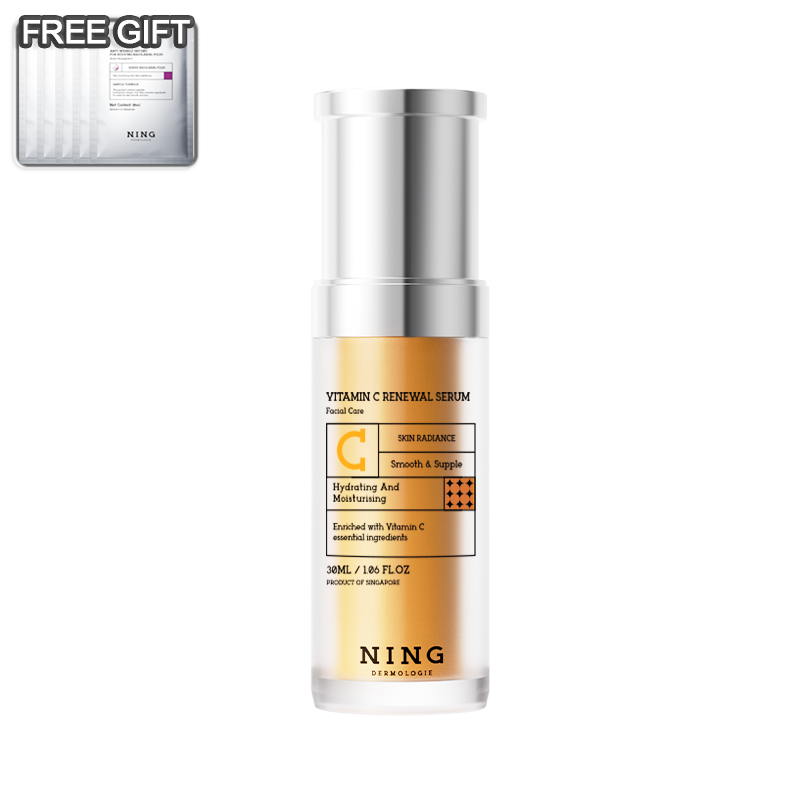
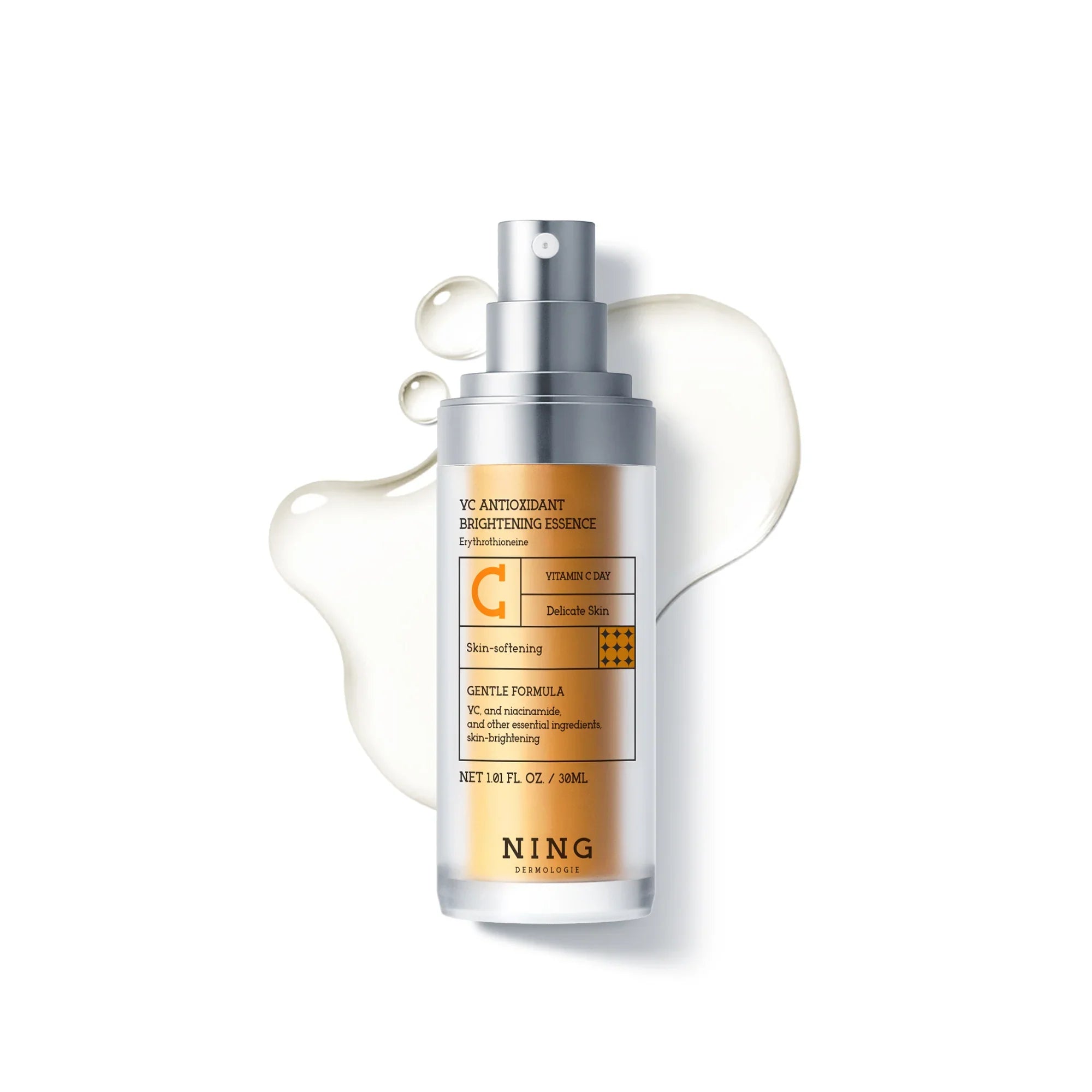
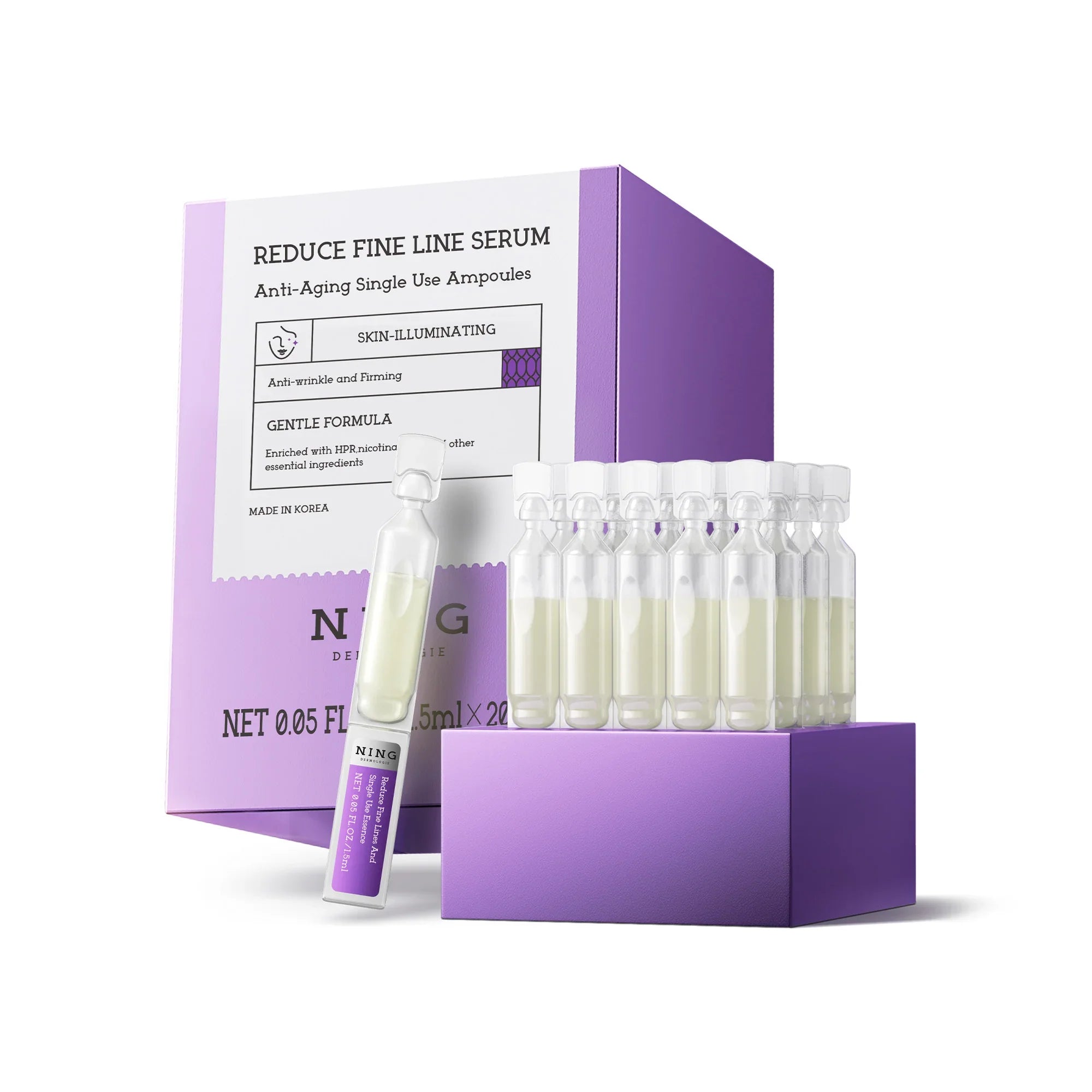
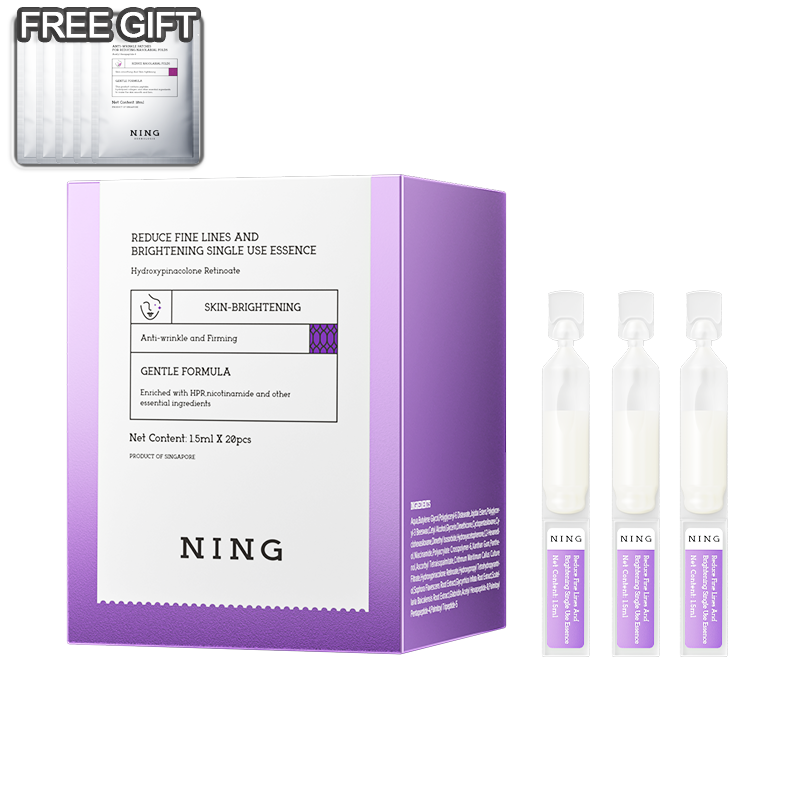
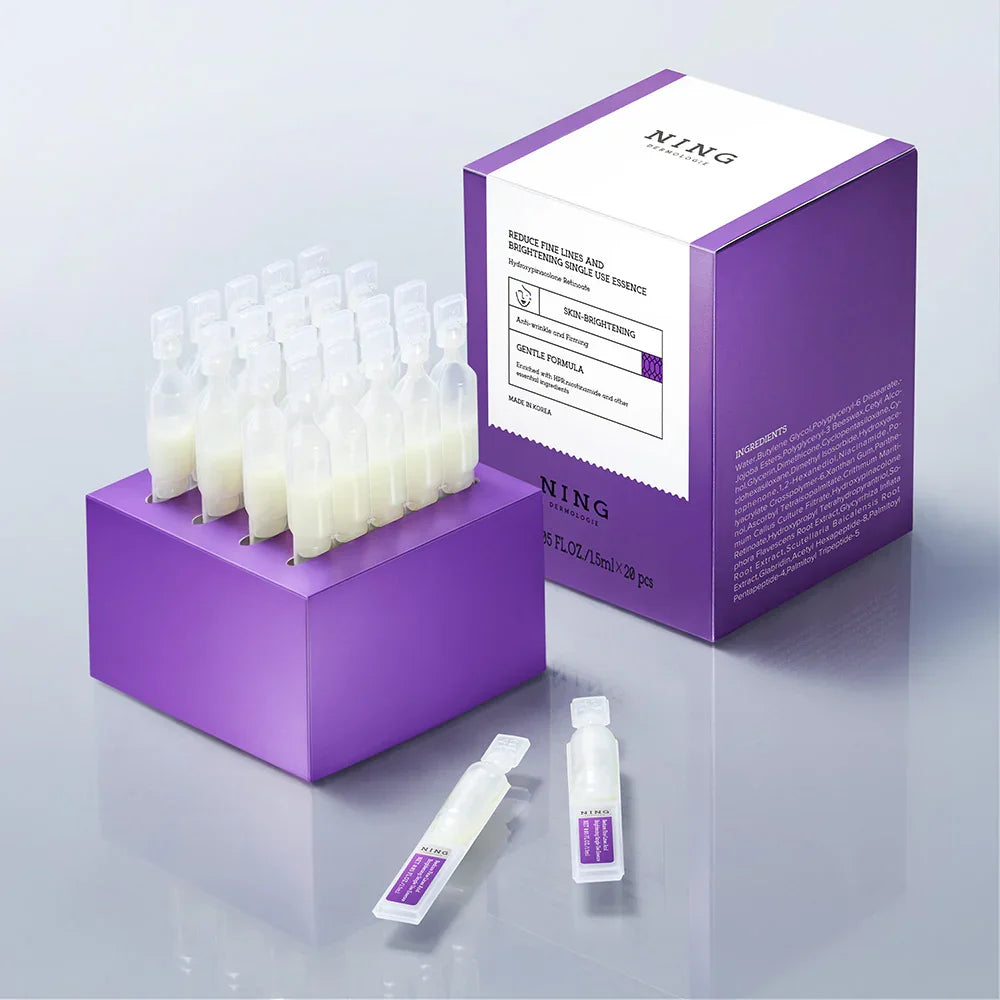
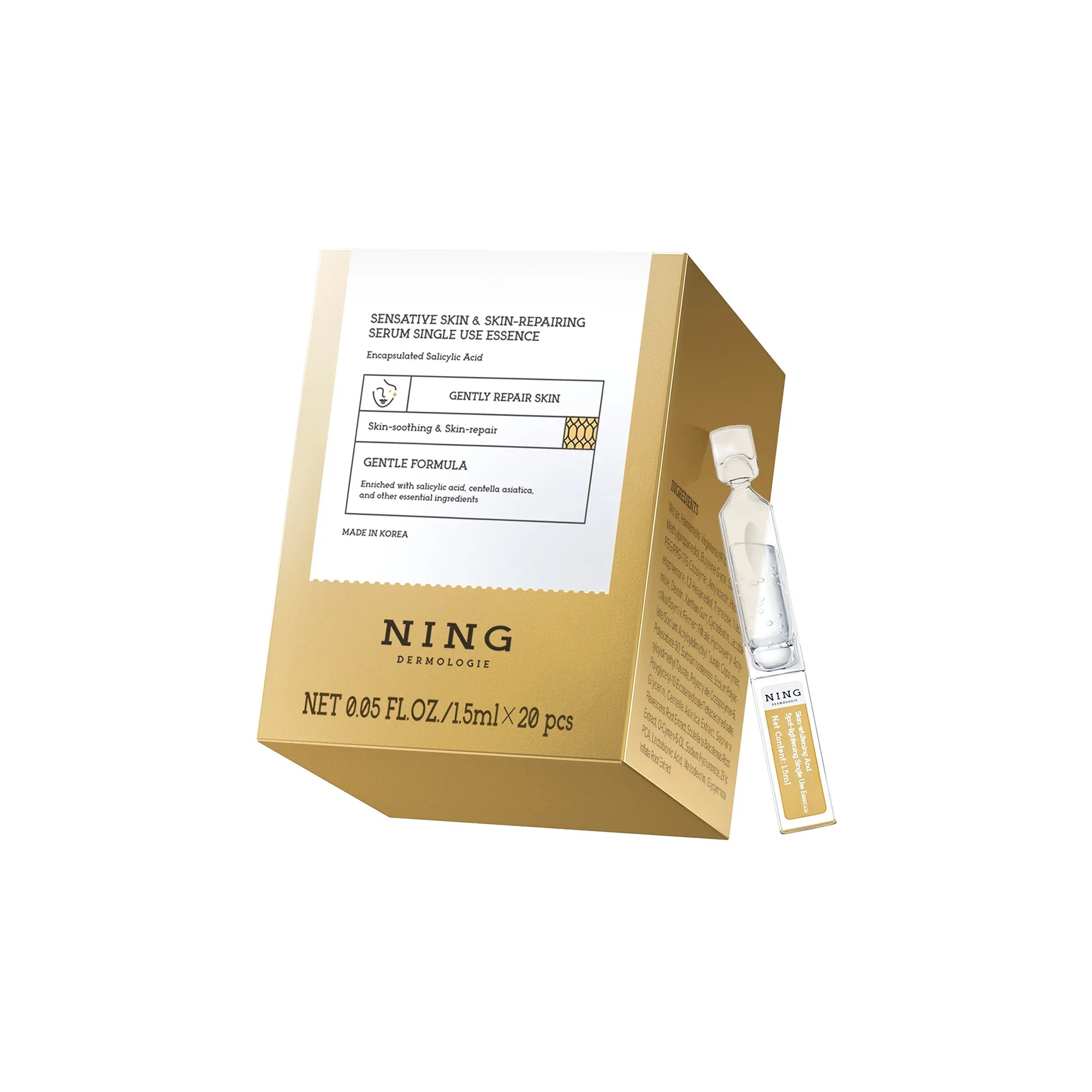
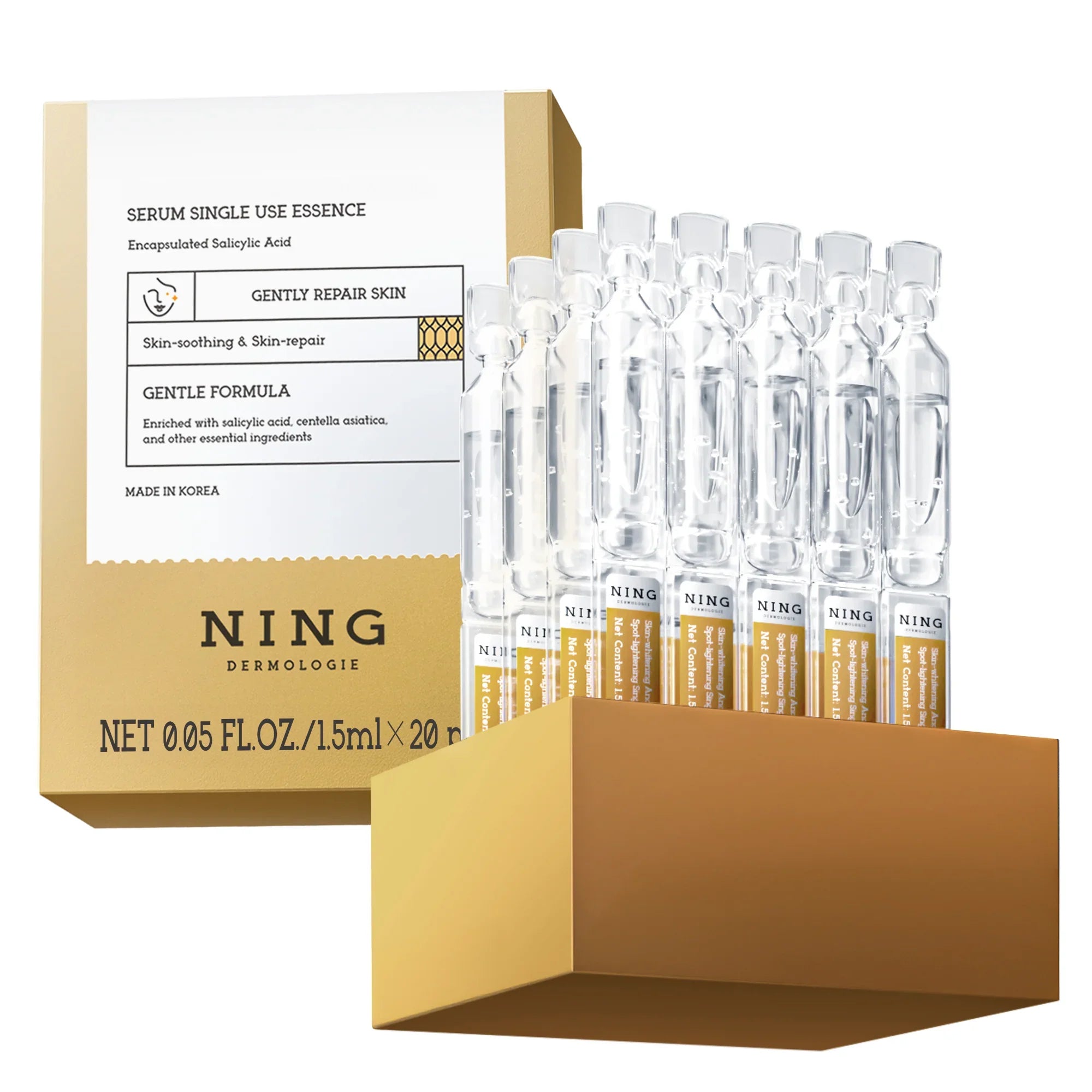
If you're looking for that specific balance of high-potency and stability, you can find the NING Dermologie Vitamin C Serum with Niacinamide and Ethyl Ascorbic Acid here. It’s designed for those who need the high concentration of vitamin C but want to avoid the "hot dog water" smell and rapid oxidation of traditional serums.
6 Best Vitamin C Serums Evaluated by Potency and Stability
1. Skinceuticals C E Ferulic
This is the "Gold Standard" for a reason. Skinceuticals C E Ferulic doesn't have the highest concentration on the market (it sits at 15%), but its patented ratio of vitamin e and ferulic acid makes the vitamin C eight times more powerful in terms of photoprotection.
- Best for: Mature skin and those with significant environmental damage.
- The Downside: The price tag and the fact that it can feel a bit sticky on oily skin.
2. NING Dermologie Vitamin C Serum
For those seeking a modern brightening serum, the NING Dermologie formula is a standout. It utilizes a high concentration of Ethyl Ascorbic Acid paired with Niacinamide. This combination doesn't just brighten skin; it specifically targets the biological pathways of dark spots and uneven skin tone.
- Best for: Combination skin and acne prone skin that needs both brightening and pore-refining benefits.
- Why it works: It’s a lightweight serum that leaves skin looking radiant without the greasy residue.
3. Timeless Skin Care 20% Vitamin C + E Ferulic Acid Serum
If you want the absolute highest "pure" concentration, Timeless Skin Care offers a 20% L-ascorbic acid formula. It is essentially a more affordable, higher-concentration version of the Skinceuticals formula.
- Best for: Experienced users who have never used a vitamin C that was "too strong" for them.
- Tip: Because of the high concentration of vitamin C, keep this in the fridge to prevent it from turning orange (oxidizing).
4. Naturium Vitamin C Complex Serum
The Naturium Vitamin C Complex Serum uses a blend of L-ascorbic acid and sodium ascorbyl phosphate (a very stable form). It’s an excellent serum overall for those who want a "best of both worlds" approach.
- Best for: General skin health and prevention.
- Skin feel: It has a slightly more viscous texture than the watery L-ascorbic serums.
5. Obagi Professional-C Serum 20%
This is a pharmaceutical-grade face serum. Obagi’s Professional-C Serum is known for having a very low pH, which maximizes penetration.
- Best for: Oily skin because the delivery vehicle is highly absorbent and won't clog pores.
- Warning: It is very potent. If you have sensitive skin, start with their 10% version.
6. TruSkin Vitamin C Serum
This is often cited as the best drugstore or best budget option. It uses Sodium Ascorbyl Phosphate, which is much gentler than L-ascorbic acid.
- Best for: Beginners or those with acne-prone skin.
- Note: While it’s great for a skin glowy look, it might take longer to see results on deep hyperpigmentation compared to a pure vitamin C serum.
Selecting the Best Vitamin C Serum for Your Unique Skin Type
Choosing a vitamin c product based solely on the percentage on the label is a mistake. Your skin type dictates how much acidity you can handle.
Serum for Oily Skin
If you struggle with excess sebum, look for a lightweight serum that uses an anhydrous (water-free) base or a highly stable derivative like EAA. High concentrations of L-ascorbic acid can sometimes trigger a "purging" effect or irritation that looks like a breakout. A serum for oily skin should also contain ferulic acid, which helps stabilize the formula without adding oiliness.
Serum for Dry Skin
For those with dry skin, a vitamin c face product should be layered with hyaluronic acid and vitamin E. These ingredients help repair the lipid barrier while the vitamin C works on skin firmness and appearance of fine lines. Look for a topical vitamin c serum that has a slightly milky or oil-infused texture to improve skin tone without stripping moisture.
Serum for Sensitive Skin
"My skin can't handle Vitamin C" is a common complaint. Usually, it’s not the Vitamin C that’s the problem—it’s the pH. Sensitive skin types may find that vitamin c derivatives like Magnesium Ascorbyl Phosphate (MAP) or the Ethyl Ascorbic Acid found in NING Dermologie are much more tolerable. These don't require the acidic environment that causes the "burning" sensation.
Serum for Acne-Prone Skin
A serum for acne-prone skin needs to do double duty: brighten post-inflammatory hyperpigmentation (the red/dark marks left after a zit) and soothe inflammation. Vitamin C and E are great, but adding Niacinamide (as seen in the NING Dermologie Vitamin C Serum) provides an extra layer of oil control.
How to Maximize a High Concentration Formula
To find the best results, you have to apply the product correctly. Even the best vitamin c will fail if your application method is flawed.
-
Morning Application: Vitamin C is a vital molecule for skin health that primarily protects against UV-induced free radicals. Apply it to your face and neck every morning.
-
Wait Times: If you are using a high-concentration L-ascorbic acid, wait 1-2 minutes before applying your moisturizer. This allows the pH to remain low enough for the acid to penetrate the skin.
-
The Layering Rule: Vitamin c doesn’t play well with Benzoyl Peroxide or high-strength AHAs. Use your Vitamin C in the morning and save your exfoliating acids for the evening to avoid uneven skin tone caused by irritation.
-
Storage: If your brightening vitamin c serum turns dark amber or brown, it has oxidized. Using oxidized Vitamin C can actually cause more free radical damage. Look for stable form of vitamin c or opaque, airless pump packaging.
Why High Concentration Alone Isn't Enough: The Power of "Co-Factors"
The term C E Ferulic is popular because these three ingredients are a "triple threat." Vitamin E is oil-soluble and helps replenish skin lipids, while ferulic acid actually doubles the photoprotective capacity of Vitamin C.
However, modern science has introduced even better pairings. At NING Dermologie, we believe the best vitamin c serum overall is one that also includes Niacinamide (Vitamin B3). While old-school myths suggested you couldn't mix C and Niacinamide, modern stabilized versions (like Ethyl Ascorbic Acid) work perfectly with B3 to improve skin texture and brighten the complexion far more effectively than either ingredient alone.
This synergy is what takes a "good" face serum and turns it into a super serum. It’s about how the serum contains multiple pathways to protects skin from damage caused by pollution and the sun.

Final Verdict: Finding the "Purest Form of Vitamin C" vs. The Most Effective
If you are a hardcore skincare enthusiast with "tough" skin, go for the 20% L-ascorbic acid from Timeless or Obagi. But if you are like the majority of users—looking for a brightening serum that leaves skin looking radiant, handles dark spots, and doesn't cause a breakout—a stabilized 15-20% derivative complex is the smarter move.
NING Dermologie offers that specific balance. By using Ethyl Ascorbic Acid, we ensure the concentration of vitamin c remains active from the first drop to the last, helping you even out skin tone without the shelf-life anxiety of traditional acids.
Whether you choose a professional-c serum or a best budget drugstore find, the key is consistency. Never used a vitamin c? Start every other day. Once your skin looks adjusted, move to daily use and watch the skin glowy transformation happen.
Frequently Asked Questions (FAQ)
1. Does a higher concentration of Vitamin C always mean faster results?
Higher isn't always better. Once you hit the 20% mark, your skin’s absorption actually plateaus—anything more is usually just extra irritation sitting on the surface. It’s like trying to pour a gallon of water into a pint glass; it just spills over. Focus instead on the formula's pH and stability. If the product can't effectively penetrate the skin, a "30% concentration" on the label is just a marketing gimmick that might leave you with a chemical burn.
2. Can I use Vitamin C serum if I have active acne?
You can, but you have to be tactical. High-acid L-ascorbic formulas can sting like crazy on open blemishes, potentially worsening inflammation. If you’re mid-breakout, ditch the pure acids and grab a stable derivative like the Ethyl Ascorbic Acid in NING Dermologie. It helps fade those stubborn post-acne red marks (PIH) without making your face feel like it’s on fire. It’s about supporting the skin barrier, not stripping it while it’s already vulnerable.
3. Why does my Vitamin C serum smell like "hot dog water"?
That’s the Ferulic acid's signature scent. When it’s paired with L-ascorbic acid to stabilize it, you often get that distinct, metallic "brine" smell. It’s annoying, but it doesn't mean the serum is expired. However, if the liquid looks like a rusty penny or dark amber, it has oxidized and belongs in the trash. If you can't stand the smell, switch to an EAA-based brightening serum—they are odorless, stable, and won't make you smell like a deli.
4. Can I layer Vitamin C with Niacinamide or Retinol?
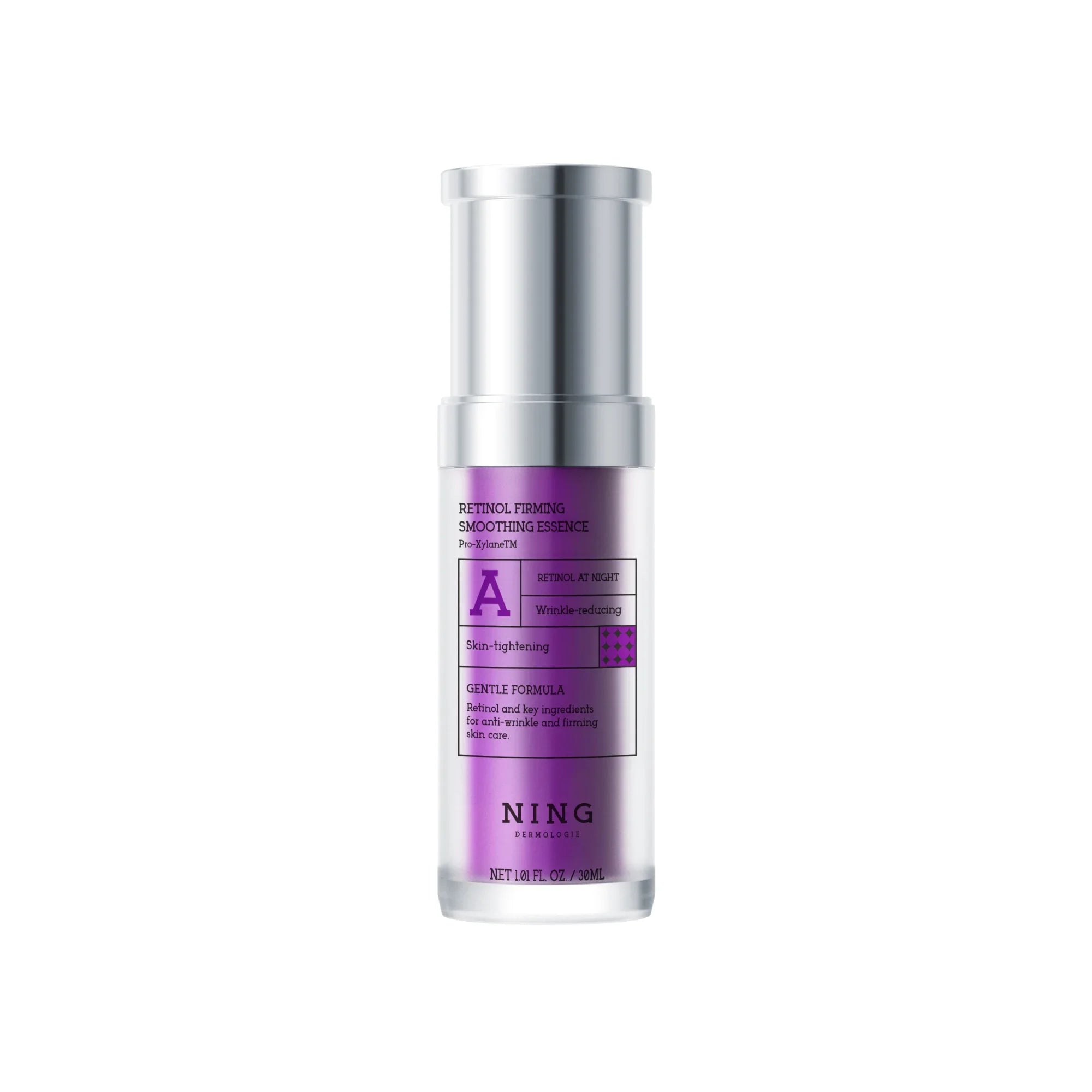
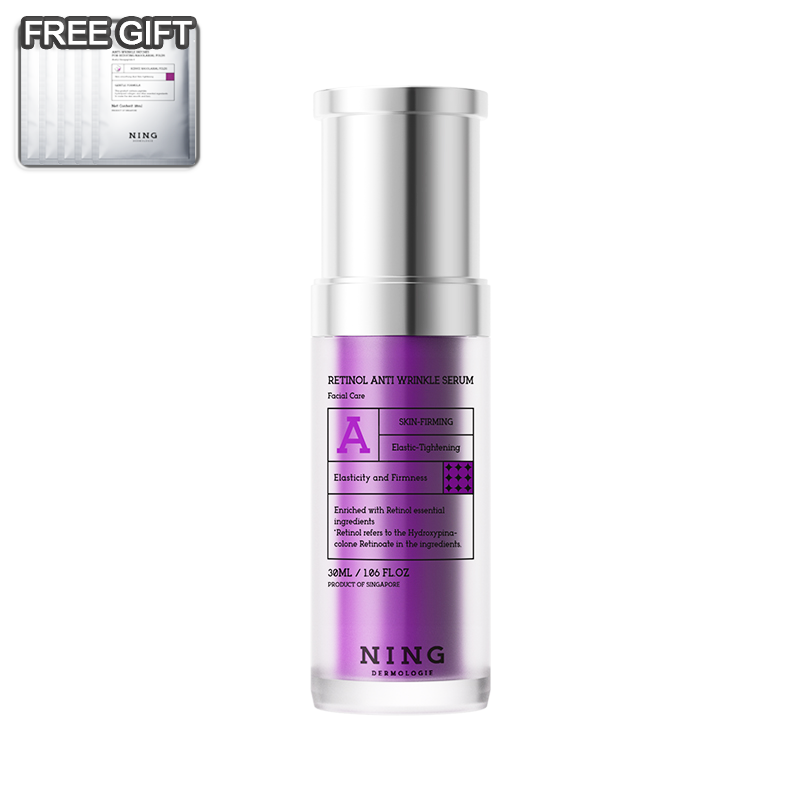
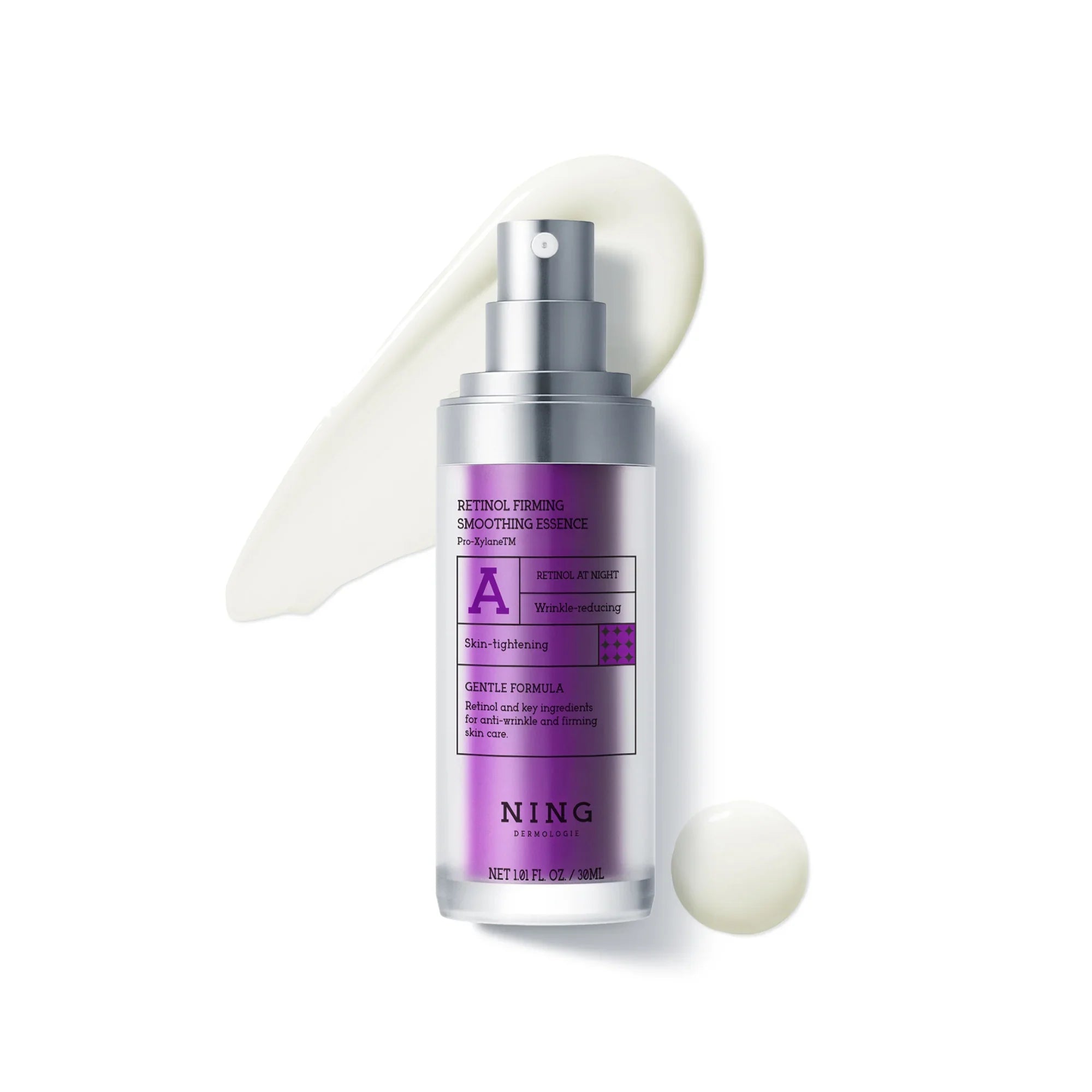
The old myth that C and Niacinamide cancel each other out is dead; they’re actually a power couple for stubborn dark spots. The real conflict is with Retinol. Using both simultaneously is a fast track to a wrecked skin barrier and peeling. The pro move? Run your Vitamin C in the morning to fight off daily pollution, and save the Retinol for your night shift repair. This "split-shift" routine maximizes results without the redness.
5. How long does it take to see a real difference in my skin?
Don't expect a new face overnight. You’ll probably see an instant "glow" from the hydration, but the heavy lifting—like fading hyperpigmentation and boosting collagen—takes time. Think of it like a gym routine for your skin. It takes about 4 to 8 weeks of daily use to see a legitimate shift in skin tone, which aligns with your natural cell turnover cycle. Consistency is far more important than using the highest concentration once a week.





Share:
Can you suggest vitamin C serums suited for sensitive facial skin?
Can you suggest vitamin C serums suited for sensitive facial skin?