

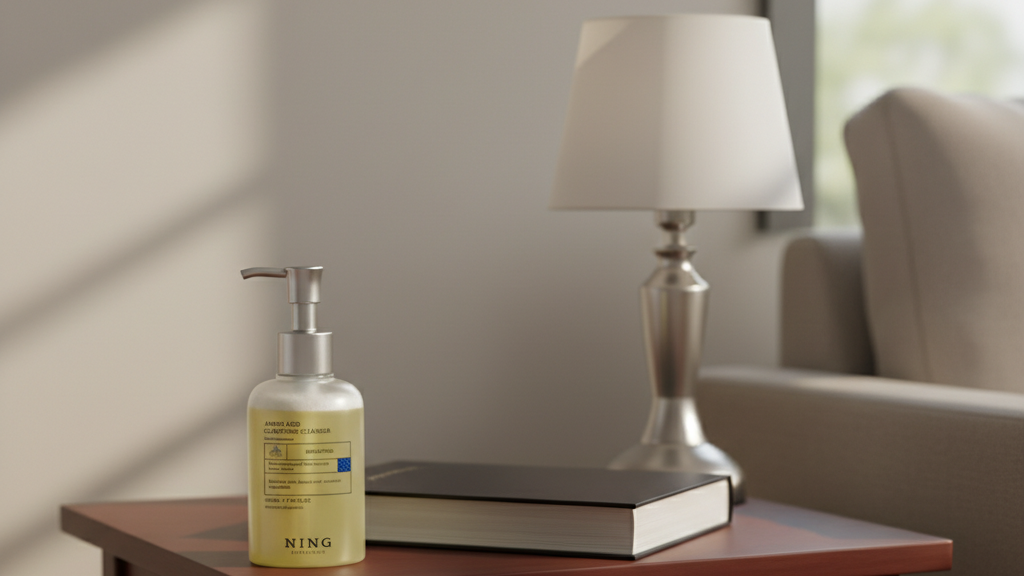

If you are searching for a salicylic acid cleanser, you aren’t looking for a chemistry lesson. You’re likely dealing with excess oil, clogged pores, or a breakout that just won’t quit. You want to know what to buy, how to use it, and why your current face wash isn’t cutting it.
We are skipping the fluff. Here is the breakdown of the brands that matter, the hidden gems, and how to use this beta hydroxy acid (BHA) without destroying your skin barrier.

The "Why" (Briefly)
Unlike glycolic acid or other chemical exfoliants that just scrub the surface, salicylic acid is oil-soluble. This is its superpower. It doesn't just sit on top of your face; it dives deep into the pore, dissolves the glue holding dead skin and oil buildup together, and flushes it out. That is why it is the gold standard for acne-prone skin.
But here is the catch: most people buy a foaming cleanser that is too harsh, strip their face raw, and then wonder why their oil production goes into overdrive.
The Top Contenders: Brands You Need to Know
We have categorized these based on skin types and specific skin concerns, so you don't have to guess.
1. The Balanced Choice: NING Dermologie
Best For: Sensitive skin, combo skin, and those afraid of "stripping."
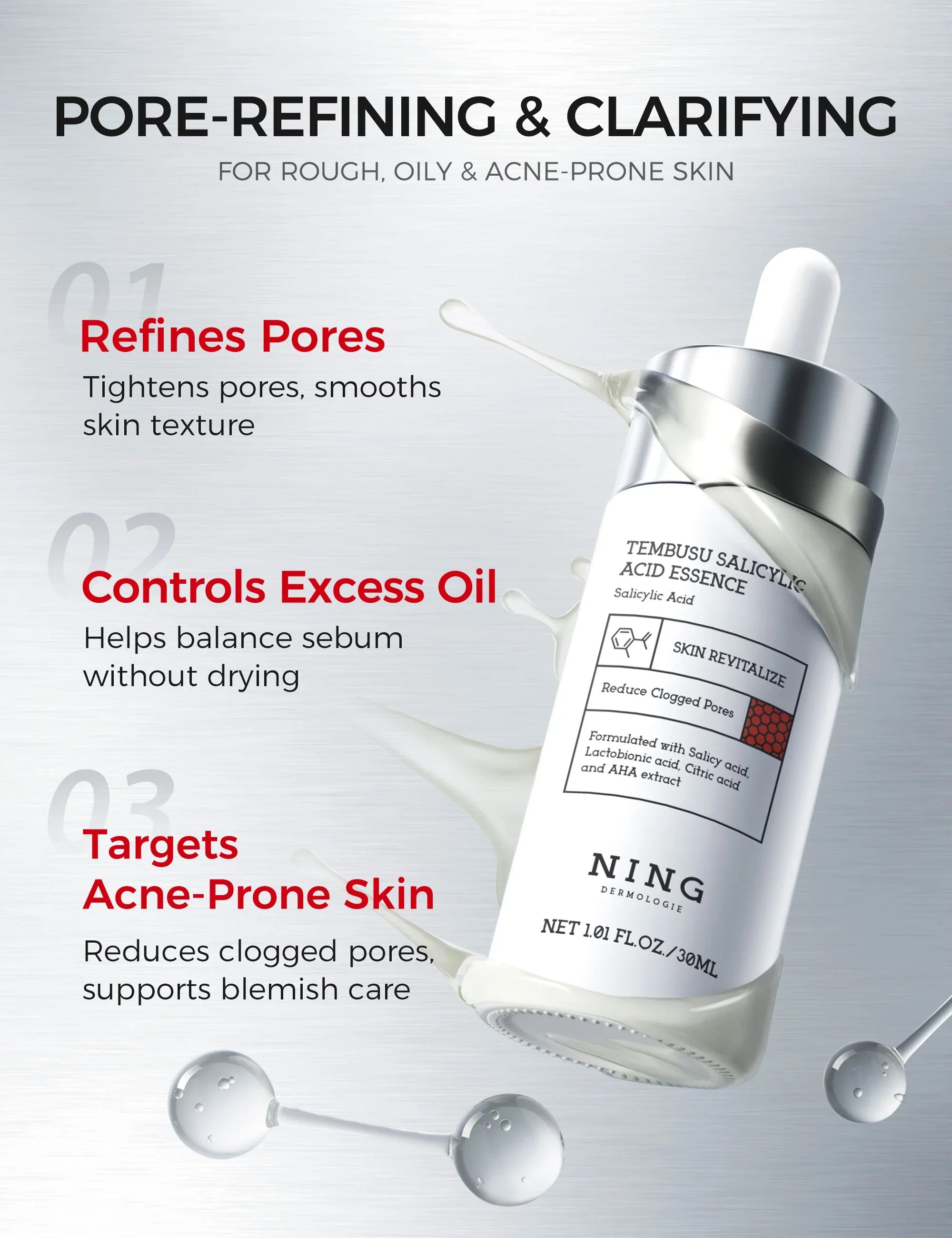
If you have ever used an acne wash that made your face feel like tight plastic, you know the struggle. NING Dermologie has cracked the code with their Amino Acid Facial Cleanser with Salicylic Acid.
Here is why it’s different: most acne washes rely on harsh sulfates to create bubbles. This formula uses amino acids as the primary cleansing agents. It feels more like a sophisticated, high-end wash than a drugstore acne treatment. It gives you that deep clean needed to tackle blackheads and whiteheads, but because it’s buffered with amino acids, it respects the skin barrier.
It’s particularly good if you are prone to hormonal breakouts but have skin that gets irritated easily. It’s effective enough for breakout control, yet gentle enough to not aggravate dermatological concerns like redness or tightness.
2. The French Pharmacy Staple: La Roche-Posay
Best For: Heavy-duty oil control and textured skin.
You will often hear a board-certified dermatologist recommend La Roche-Posay. Their Effaclar line is legendary for a reason. Specifically, the La Roche-Posay Effaclar Medicated Gel Cleanser is a powerhouse.
They don't just stop at standard salicylic acid. They often formulate with Lipo-hydroxy acid (LHA), a derivative of salicylic acid that exfoliates strictly cell-by-cell. This provides micro-exfoliation—smoothing out rough skin texture without the irritation of a physical scrub.
Warning: This is a gel cleanser that means business. If you have dry skin, proceed with caution. But for a grease factory? It’s a holy grail for reducing oil-absorbing technology needs later in the day.
3. The Budget Specialist: The INKEY List
Best For: Your wallet and straightforward ingredients.
The INKEY List Salicylic Acid Cleanser is basic in the best way possible. It pairs the BHA with zinc, which is excellent for oil control. It’s a non-foaming, slightly slime-textured gel that doesn’t lather much.
This is a great entry point if you are new to chemical exfoliation. It’s cheap, effective, and gets the job done. However, because it doesn’t foam, some users feel like it’s not "working" (it is, trust the process).
4. The "Routine" Brands: Paula’s Choice & More
While Paula's Choice Skin Perfecting 2% BHA Liquid Exfoliant is a leave-on toner (not a wash), the brand offers excellent cleansers like the Clear Pore Normalizing Cleanser. The philosophy here is "gentle power."
If you are already using strong leave-on treatments—like the Caudalie Vinopure Salicylic Acid Serum or Skinceuticals Silymarin CF—you might not need a nuclear-strength face wash. In that case, you might lean toward a milder hydrating cleanser or a very low-percentage SA wash to avoid over-exfoliation.
Gel vs. Cream vs. Foam: What Texture Do You Need?
The vehicle matters as much as the engine.
- Gel Cleanser: Usually best for oily skin. They cut through grease efficiently. The NING Dermologie cleanser falls into a sophisticated version of this—cleansing without stripping.
- Foaming Cleanser: The classic "squeaky clean" feeling. Great for Acne-Prone Skin, but dangerous if you have dry skin or sensitive skin.
- Cream/Lotion Cleansers: Rarely contain high percentages of salicylic acid because oils interfere with the acid's action, but some exist for very dry, acne-prone types.
How to Actually Use an SA Cleanser (You’re Probably Doing It Wrong)
Most people slap the soap on, scrub for five seconds, and rinse. That is useless. Salicylic acid needs time to do its work.
The 60-Second Rule: Apply the cleanser to damp skin and massage it in for a full 60 seconds. This gives the beta-hydroxy acid time to penetrate the clogged pores and dissolve the sebum. If you rinse it off immediately, you’re just washing money down the drain.
The Double Cleanse Routine: If you wear makeup or heavy sunscreen, an SA cleanser should usually be your second step.
- First Step: Use an oil balm, micellar water, or pre-moistened wipes to remove the surface layer of grime and makeup.
- Second Step: Use your salicylic acid cleanser (like the Amino Acid Facial Cleanser with Salicylic Acid) to actually treat the skin.
Dealing with Specific Skin Concerns
Hormonal Breakouts & Post-Acne Discoloration: SA prevents the pimple, but it doesn't always fade the mark. If you struggle with post-acne discoloration, you need to pair your cleanser with other ingredients. Look for products containing niacinamide or Vitamin C (like the Laneige Water Bank Aqua Facial line for hydration, or specific dark spot correctors). Don't expect the wash to fix the dark spots alone; its job is breakout control.
Seborrheic Dermatitis: Surprisingly, SA washes are often recommended for seborrheic dermatitis on the face (that flaky, red skin around the nose and eyebrows). The exfoliating properties help lift the flakes, and the anti-inflammatory nature of the acid calms the redness.
"Purging" is Real: When you start a new product aimed at cellular turnover, your skin might look worse before it looks better. This is called purging. It brings underlying micro-comedones to the surface faster. Stick with it for 4-6 weeks unless you see an allergic reaction (hives/swelling).
Ingredients to Mix (and What to Avoid)
You are playing chemist on your face. Be careful.
- The Best Friend: Hyaluronic Acid. Since SA can be drying, follow up immediately with a serum or moisturizer rich in Hyaluronic Acid or Aloe vera. This restores hydration without clogging pores.
- The "Maybe" Friend: Tea tree oil. Some cleansers mix tea tree with SA for a double-whammy antibacterial effect. It works, but it stinks and can be drying.
- The Enemy (Sometimes): Benzoyl Peroxide. Using a Benzoyl Peroxide wash in the morning and a Salicylic Acid wash at night? Fine. Using them together at the exact same time? You are asking for a destroyed skin barrier.
- The Other Acids: Be careful mixing SA with glycolic acid (AHA) or polyhydroxy acid. While some products (like Good Molecules Overnight Exfoliating Treatments) combine them safely, layering too many separate products will turn your face red. Willow bark is a natural precursor to salicylic acid and is often found in "gentle" alternatives—it’s weaker, but safer for the ultra-sensitive.
The Verdict
If you want a brand that balances efficacy with skin health, NING Dermologie offers a modern approach: high-tech cleansing agents (amino acids) mixed with the proven power of salicylic acid. It’s the "smart" choice for the modern consumer who wants clear skin without the burn.
For the hardcore oil-slicks, La Roche-Posay remains a heavy hitter. And for the penny-pinchers, The INKEY List is solid.
The best brand is the one you will actually use consistently. Pick one, stick to the 60-second rule, and stop picking at your face.

Frequently Asked Questions (FAQ)
Q: Can I use a salicylic acid cleanser every day?
A: Yes, for most oily/acne-prone skin, daily use is fine. However, if you experience peeling or tightness, switch to every other day. Listen to your skin—if it feels tight, you’re overdoing it.
Q: Will this cleanser remove my makeup?
A: Not effectively. SA cleansers are treatments, not makeup removers. Use a balm, oil, or micellar water as a first step to melt makeup, then follow with the SA cleanser to treat the pores.
Q: Can I use this if I have dry skin but still get acne?
A: Yes, but choose a formula with hydrating buffers. The NING Dermologie Amino Acid Facial Cleanser is ideal here because it doesn't strip natural oils like harsh sulfates do. Always follow with a heavy moisturizer.
Q: Does salicylic acid help with "blind" pimples?
A: It helps prevent them, but for a deep cystic spot that has already formed, a wash might not penetrate deep enough. You may need a leave-on spot treatment or a hydrocolloid patch for those specific monsters.
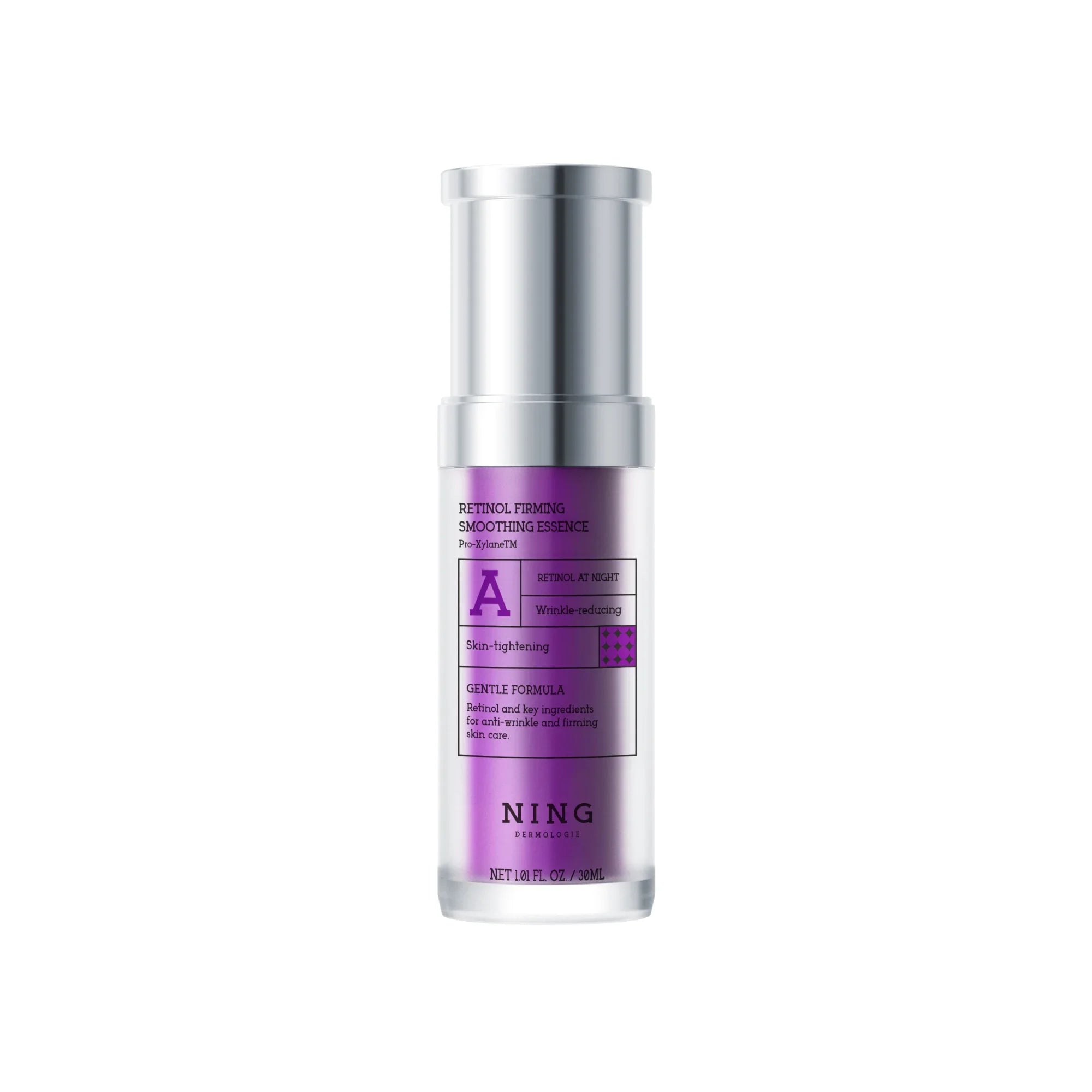
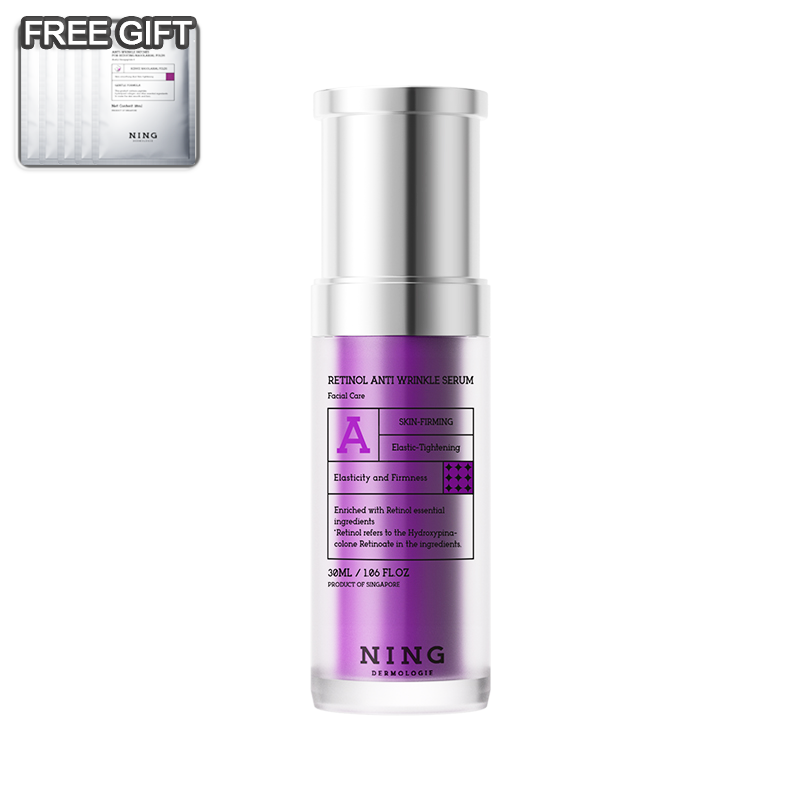
Q: Is it safe to use with Retinol?
A: Generally, yes, but be cautious. Using an SA wash and then immediately applying strong retinol can cause irritation. If you are sensitive, use the SA wash in the morning and your retinol at night to minimize the risk.





Share:
The Honest Edit: Which Salicylic Acid Face Washes Are Actually Cruelty-Free and Vegan? (And Which Ones Just Pretend To Be)
The Insider’s Guide to Salicylic Acid Face Wash Deals: Stop Overpaying for Clear Skin