

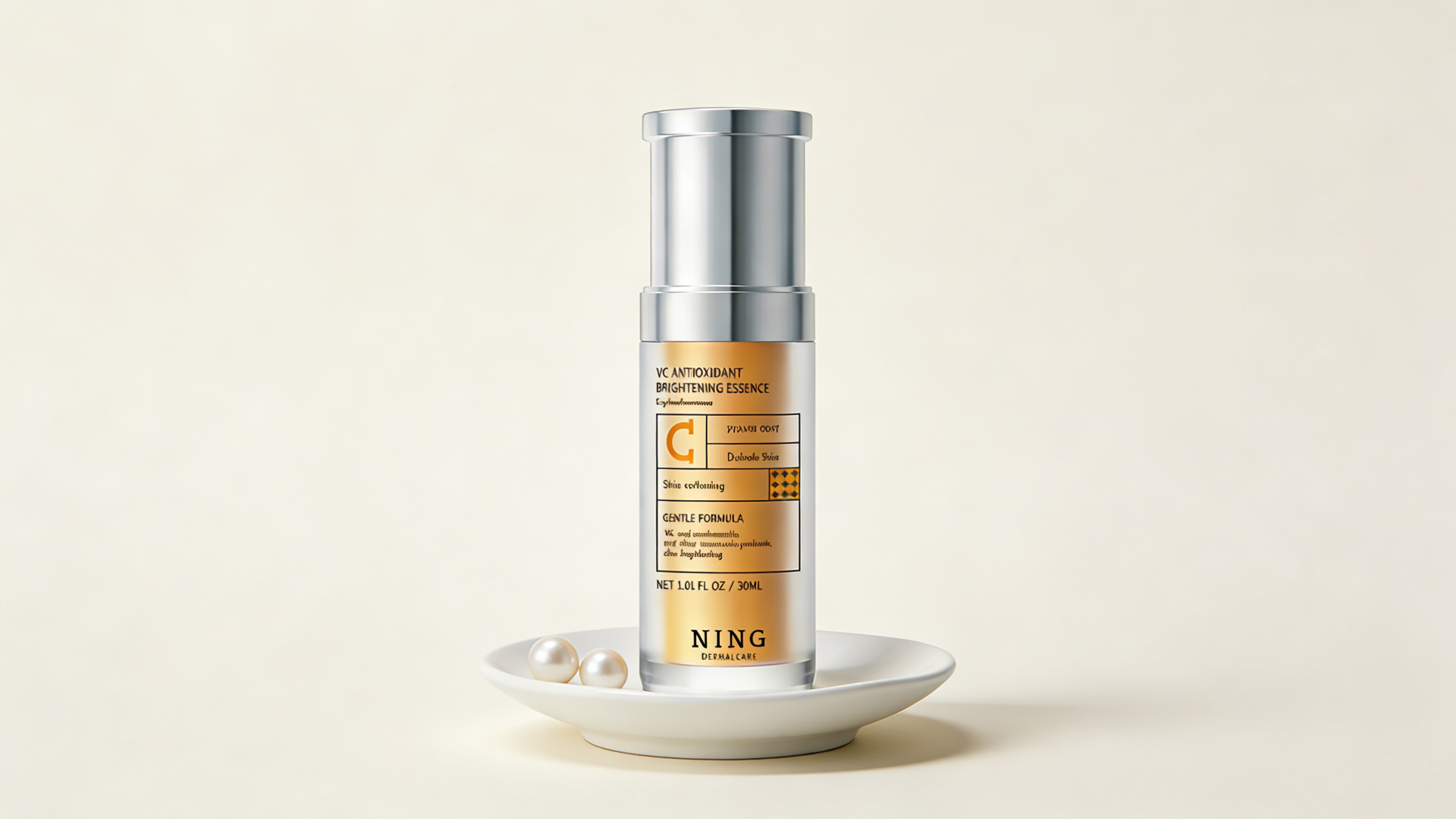

If you are scouring the internet for "Where to buy vitamin C serums effective for hyperpigmentation near me," you’re likely tired of the trial and error. You want the dark spots gone, you want that dullness to lift, and you want a formula that doesn't smell like hot dog water or turn orange two weeks after you open the dropper.
Let’s get real about why your search for a "near me" solution is actually a search for stability, pH balance, and ingredient synergy.

Where to Actually Score a Vitamin C Serum That Works for Hyperpigmentation
The "Near Me" Dilemma: Freshness vs. Convenience
When you search for a face serum at a local pharmacy or a big-box retailer, you’re often playing a game of "Shelf-Life Roulette." Vitamin C, specifically the L-ascorbic acid form found in cult favorites like Skinceuticals CE Ferulic or Maelove, is notoriously unstable. It hates light. It hates air. It hates heat.
If you pick up a vitamin C serum from a local drugstore shelf that’s been sitting under harsh fluorescent lights for six months, it might already be useless. That "brightening" effect you're after? It's gone the moment the liquid turns a deep amber. This is why many enthusiasts are moving away from local pickup and toward direct-to-consumer brands like NING Dermologie, where the formula is shipped fresh and utilizes more stable vitamin C derivative options.
Understanding the "Sting": Why L-Ascorbic Acid Isn't for Everyone
For years, the gold standard for a vitamin C dark spot treatment was pure L-ascorbic acid at a 15% to 20% concentration. It’s potent, sure, but it’s also acidic. If you have sensitive skin or acne, a high-concentration vit c can irritate your barrier, leading to more redness—which ironically can cause post-inflammatory hyperpigmentation.
This is where the formula matters more than the brand name. While Skinceuticals and Paula’s Choice C15 Super Booster are incredible for those with "iron-clad" skin, those of us with combination skin or a tendency to breakout need something smarter.
The NING Dermologie Shift: Ethyl Ascorbic Acid
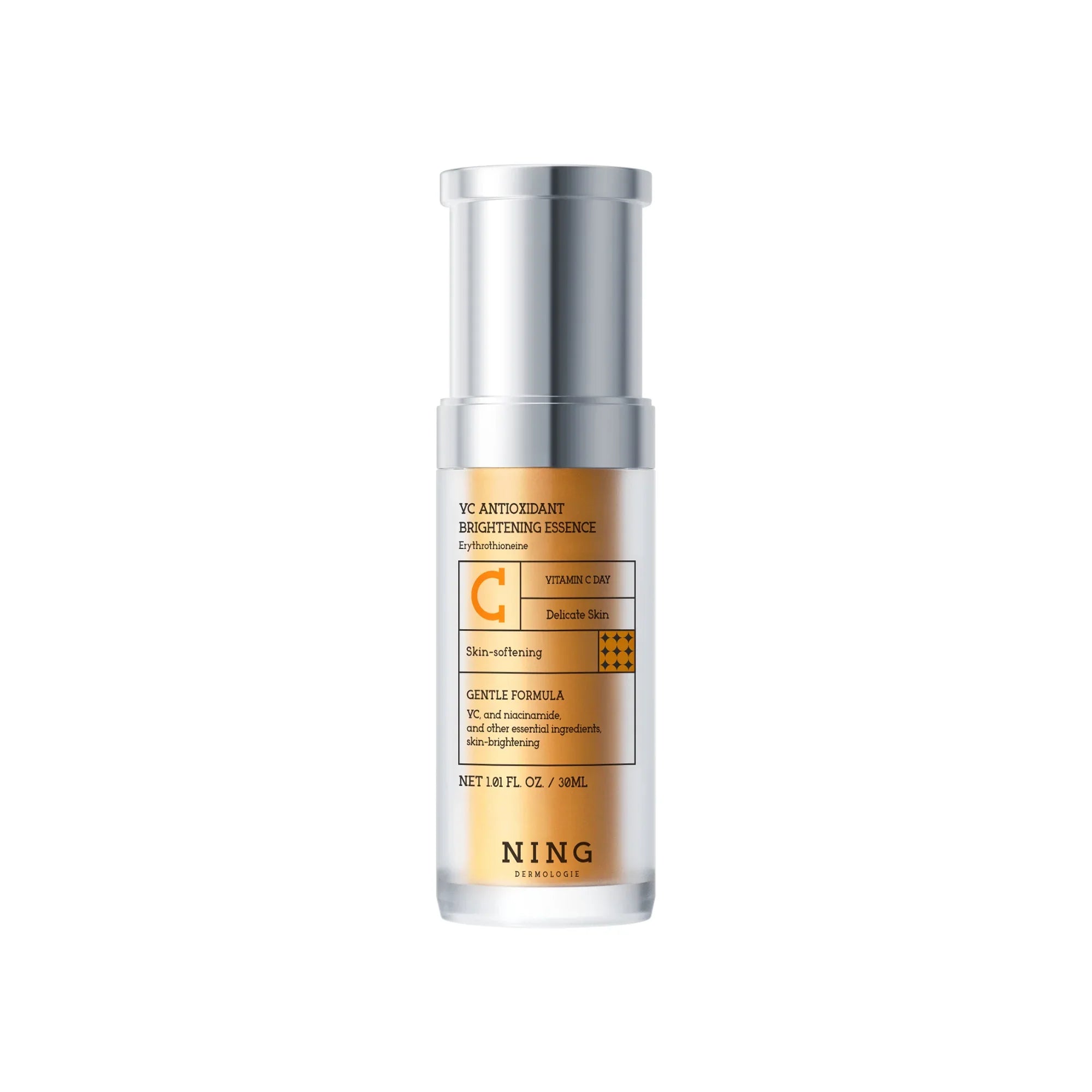
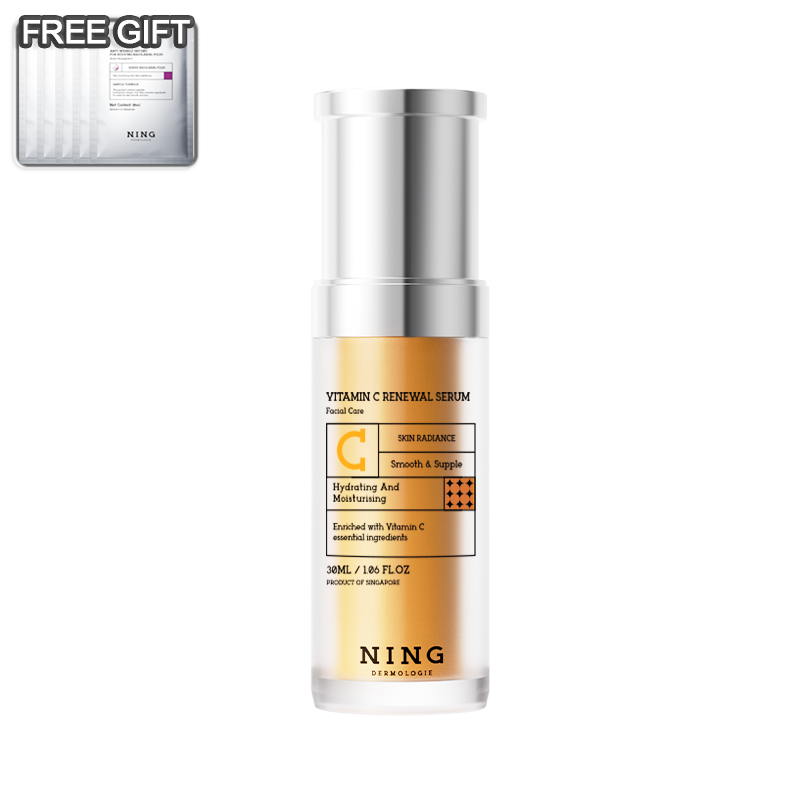
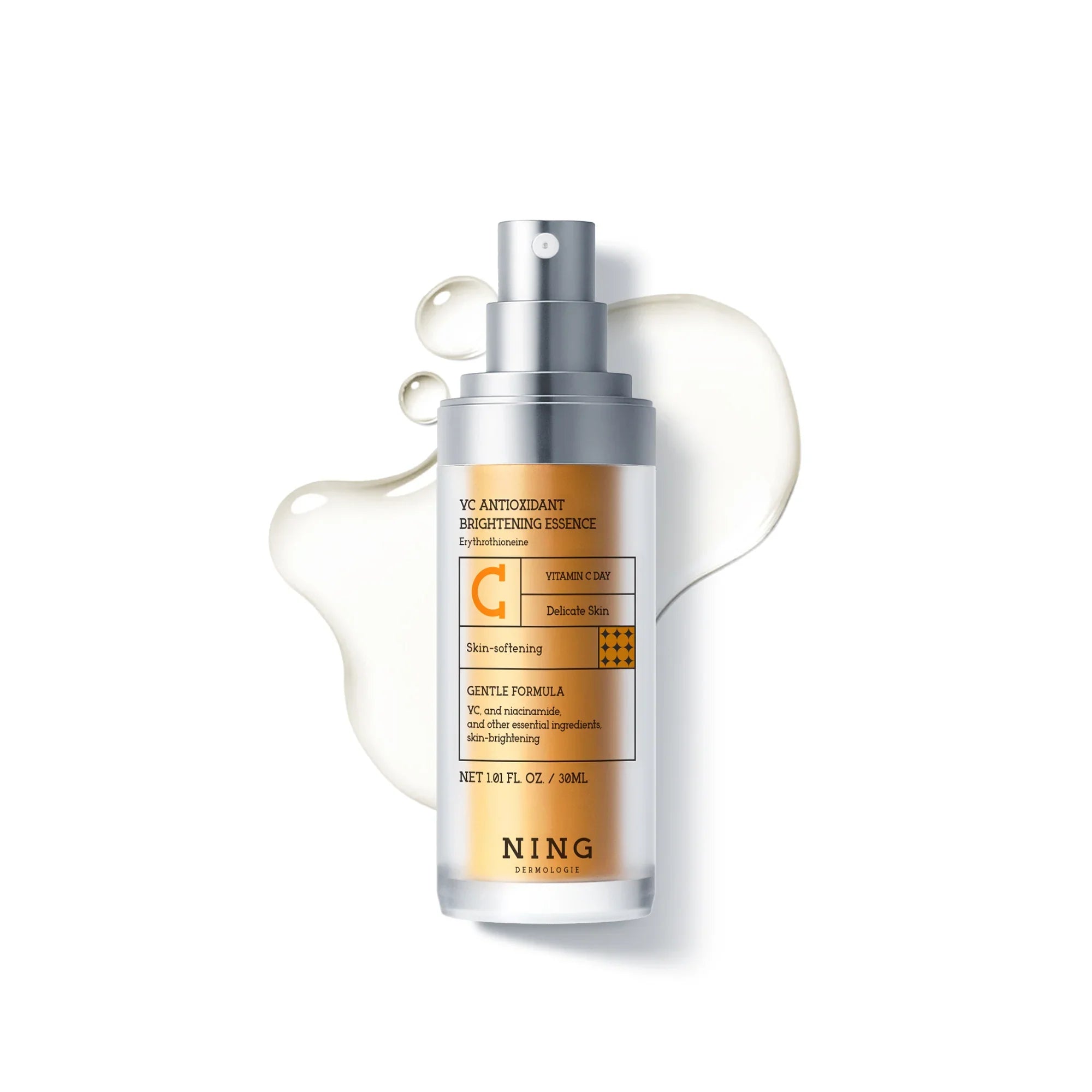
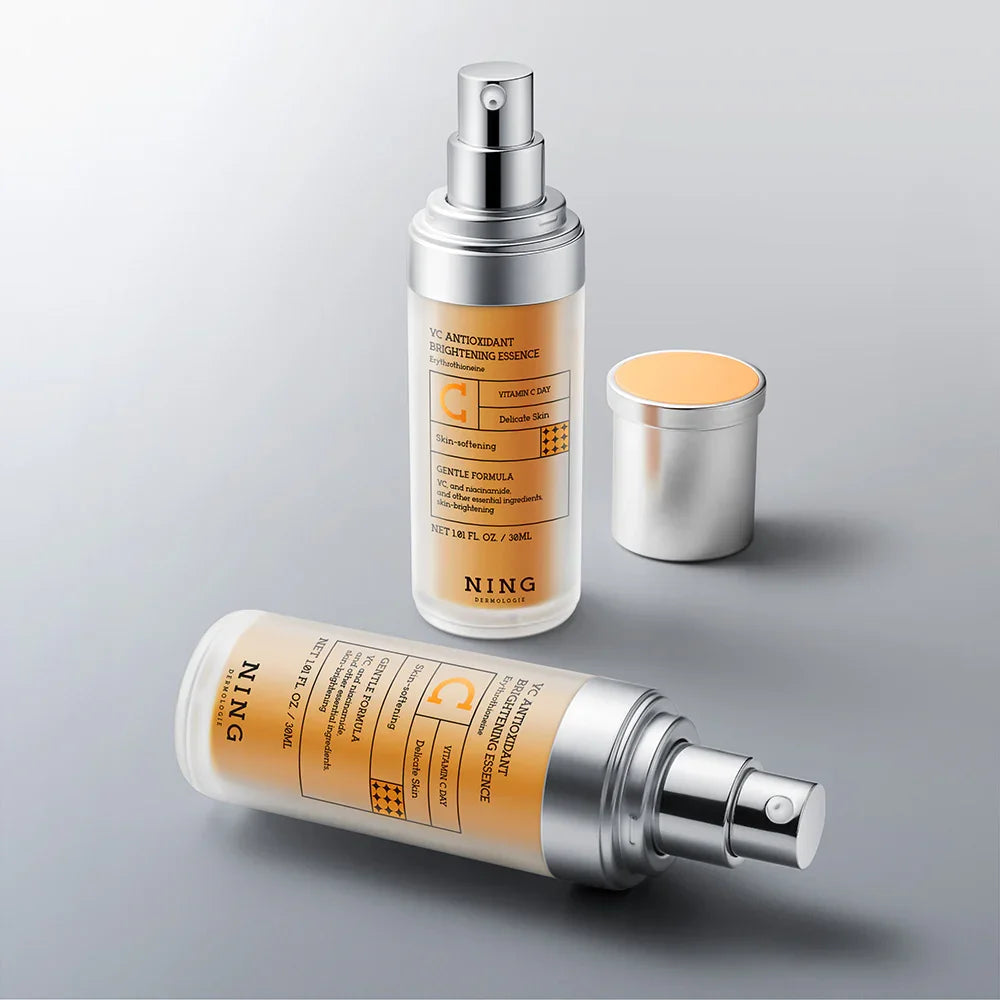
At NING Dermologie, we took a different approach. Our Vitamin C Serum with Niacinamide & Ethyl Ascorbic Acid doesn't use the unstable L-ascorbic acid. Instead, we use 3-O-Ethyl Ascorbic Acid.
Why does this matter for your hyperpigmentation?
-
Absorption: It absorbs quickly without that "sticky" skin feel common in cheaper brightening serum options.
-
Stability: It won't oxidize in the bottle before you're halfway through it.
-
The Niacinamide Power-Up: By pairing vit c with niacinamide, we target dark spots from two angles—inhibiting melanin production and preventing it from reaching the skin’s surface.
Decoding the Label: Key Ingredients for Fading Dark Spots
If you are standing in an aisle at Sephora or Ulta looking at a lightweight serum, don't just look at the "Vitamin C" percentage. Look for the "Support Crew." A vitamin C serum is only as good as its stabilizers.
1. Ferulic Acid and Vitamin E
This is the "Triple Threat" antioxidant combo. Ferulic acid and vitamin E actually double the photoprotective effect of the serum. They stabilize the vitamin C, ensuring it neutralizes free radicals throughout the day. If a serum doesn't have these, it's likely a pass.
2. Hyaluronic Acid and B5
Hydration is the secret to a smooth and plump complexion. When your skin is dehydrated, hyperpigmentation looks darker and signs of aging like wrinkles look deeper. Look for hyaluronic acid or B5 to hydrate the skin while the C does the heavy lifting.
3. Niacinamide (The Unsung Hero)
If your goal is to even out skin tone, niacinamide is your best friend. It helps repair the barrier and reduces the appearance of pores. It works exceptionally well under makeup and helps the vitamin C dark spot treatment work faster.
4. Squalane and Jojoba
For those with combination skin or dry patches, a lightweight serum containing squalane or jojoba oil provides a moisturizer-like feel without clogging pores. It makes the formula feel luxurious rather than medicinal.
Selecting the Right Serum for Your Skin Type
Oily and Acne-Prone Skin
You want a lightweight, oil-free formula. Look for "non-comedogenic" on the label. THD Ascorbate or Ethyl Ascorbic Acid (like the one in our NING Dermologie range) are great because they don't require the super-low pH that often triggers acne flare-ups.
Dry or Mature Skin
Look for an anti-aging booster that contains peptides and aloe or extract blends. You want a face serum that feels like it’s actually feeding the skin, helping to fade age spots while tackling wrinkles. Squalane is a huge plus here.
Sensitive Skin
Avoid the 20% L-ascorbic acid serums. They will irritate you. Start with a 10% vitamin C derivative and look for soothing ingredients like aloe or extract of green tea. The goal is to brighten without the tingling sensation turning into a burning one.
How to Integrate Vitamin C into Your Daily Regimen
Buying the serum is only half the battle. If you don't use it correctly, you're just expensive-smelling water on your face.
-
Cleanse: Start with a fresh palette. Use a gentle cleanse to remove overnight oils.
-
Apply on Damp Skin? No. Vitamin C (especially L-ascorbic acid) is best applied to dry skin for maximum absorption.
-
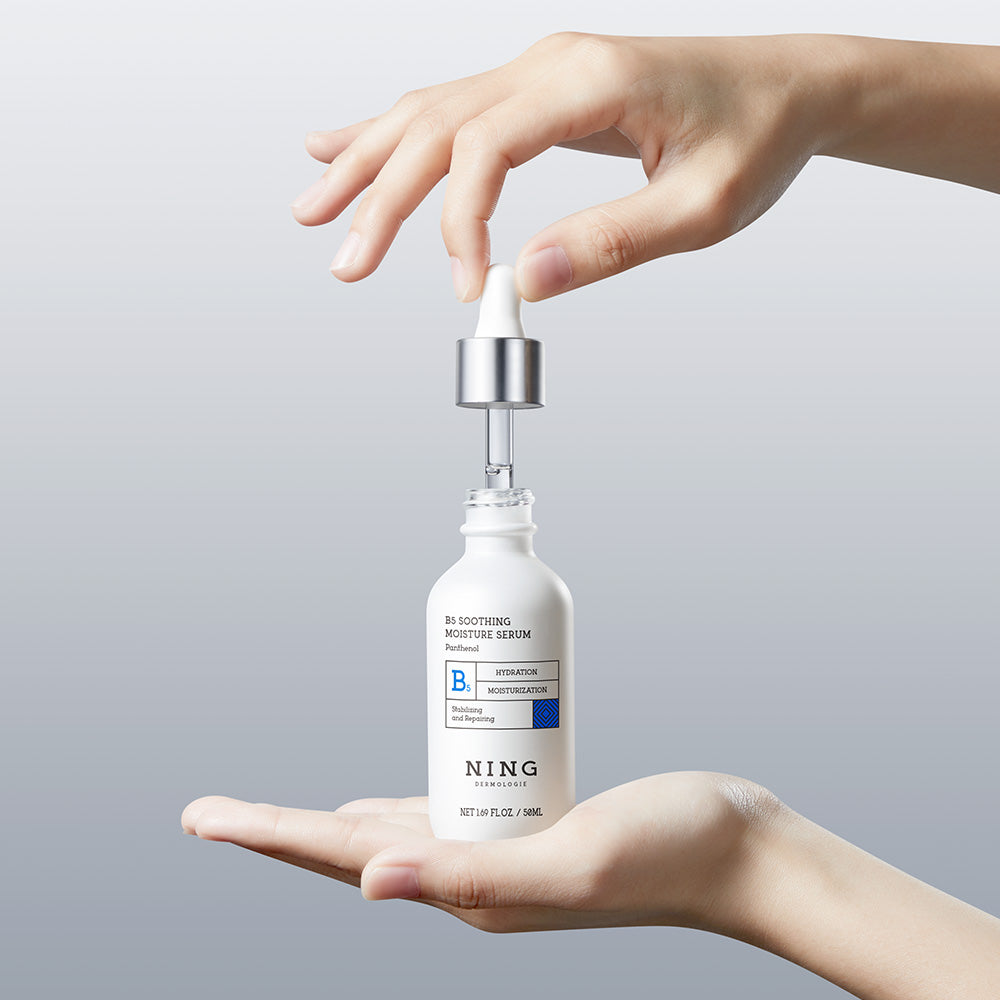
The Dropper Technique: Don't touch the dropper to your face! This introduces bacteria into the bottle. Drop the serum onto your fingertips and press it into your skin.
-
Wait: Give it 60 seconds to sink in. You’ll feel it absorb quickly.
-
Moisturize: Seal it in with a moisturizer.
-
Sunscreen is Mandatory: This is the non-negotiable step. Vitamin C makes your skin more effective at fighting UV damage, but it doesn't replace sunscreen. If you're trying to fade dark spots, skipping SPF is like trying to dry a floor while the faucet is still running.
Is it Better to Buy Online or Local?
While "near me" is great for instant gratification, free shipping and direct-to-consumer quality often win out for skincare.
- Local Stores (Sephora/Ulta/Target): Good for brands like TruSkin Vitamin C Facial Serum or La Roche-Posay. You get it today, but you don't know how long it’s been in the heat.
- Direct Brands (NING Dermologie): You get a formula that hasn't sat in a warehouse for a year. Our Vitamin C Serum is designed for daily use and is fragrance-free to minimize the risk for sensitive skin.

What to Expect: The Timeline of Results
Don't believe the "instant results" hype. Skincare is a marathon.
- Weeks 1-2: You might notice a slight "glow" or vitamin C brightening effect. This is mostly the hydration from the hyaluronic acid.
- Weeks 4-6: You’ll start to see a smooth texture. The dullness begins to lift.
- Months 2-3: This is when the hyperpigmentation and dark spots actually start to fade. You’ll notice your skin looking more even and plump.
Consistent daily use every morning is the only way to improve skin long-term.
Frequently Asked Questions (FAQ)
1. Why does my vitamin C serum smell like "hot dog water"?
That distinct scent often comes from the combination of L-ascorbic acid and ferulic acid. It’s a sign that the formula is potent, but it can be off-putting. If you prefer a fragrance-free experience without the metallic odor, look for vitamin C derivative formulations like 3-O-Ethyl Ascorbic Acid, which provide the same antioxidant benefits without the unpleasant kitchen smell.
2. Can I use Vitamin C with Niacinamide?
Yes, absolutely. There is an outdated myth that they cancel each other out, but modern skincare science shows they are a power duo for dark spots. Using them together—or finding a serum contains both, like NING Dermologie—helps brighten the complexion and even out skin tone more effectively than using either ingredient alone. It's a great choice for combination skin.
3. Should I use my serum in the morning or at night?
Daytime use is generally recommended. When applied every morning, vitamin C acts as a second line of defense against free radicals and UV pollution. It works well under makeup and sunscreen. While you can use it at night, your skin needs that antioxidant protection most when you are out in the world. Always follow up with a moisturizer.
4. How do I know if my serum has oxidized?
Check the color. A fresh vitamin C serum is usually clear or slightly champagne-colored. If it turns dark yellow, orange, or brown, the formula has oxidized and lost its potent brightening abilities. Using an oxidized serum can actually cause free radical damage. To prevent this, keep your dropper bottle in a cool, dark place and ensure it's tightly sealed after daily use.
5. Will Vitamin C help with my acne scars?
It is highly effective for "red" or "brown" marks left behind by acne, known as post-inflammatory hyperpigmentation. By inhibiting melanin and promoting collagen, it helps fade these spots and improve skin texture. For active acne, choose a lightweight serum that won't irritate your barrier. Consistent daytime application will eventually lead to a more even and skin looking radiant complexion over several months.





Share:
Best vitamin C serums for pigmentation issues
Where to buy vitamin C serum for pigmentation near me?