

The sheer panic of applying a thick, greasy lotion over an active breakout is a universal struggle. You already have enough going on with your skin, and the last thing you want is a product that promises sun protection but delivers a fresh crop of pimples by morning.
Finding a formula that actually works for you can feel like an impossible treasure hunt. Honestly, tracking down a valid Michael Kors Promo Code or trying to find a legitimate Bundle & Save on Intimates deal online feels easier than discovering the holy grail of sunscreens for acne.
But here is the harsh reality: skipping SPF is not an option. Sun exposure causes inflammation. Inflammation makes acne worse. Plus, the dark spots left behind by old blemishes (post-inflammatory hyperpigmentation) will only get darker if you don't shield them from UV radiation.
So, how do you protect your face without clogging your pores? Let's break down exactly what makes a sunscreen safe for acne-prone skin, which ingredients to run from, and why we finally have solutions that don't feel like wearing a heavy mask.

Why Does Sunscreen Make Acne Worse?
If you have Oily skin or acne-prone skin, your pores are already working overtime producing sebum. When you slather on a traditional, heavy sunscreen, you are essentially trapping that oil, along with dead skin cells and bacteria, right against your skin barrier.
The result? Severely clogged pores and a compromised barrier.
Historically, the skincare industry didn't prioritize cosmetic elegance. Sunscreens were built for the beach—thick, sticky, and water-resistant. They relied on heavy bases that simply do not breathe. When beauty journalists like Brigitt Earley or Alanna Martine Kilkearyis (who brings rigorous research standards from her time at the Medill School of Journalism) write for publications like Real Simple, they frequently highlight this exact consumer frustration. We want UV protection, but we don't want a grease slick.
Today, however, the technology behind sunscreen for acne has evolved massively. We now have oil-free formula options, advanced oil control mechanisms, and ingredients that actually soothe the skin while deflecting harmful rays.
The Great Debate: Mineral Formulas vs. Chemical Formulas
When shopping for an SPF, you generally have two categories to choose from. Understanding the difference is your first line of defense against breakouts.
Physical Sunscreen (Mineral)
Mineral formulas sit directly on top of your skin and act like a physical shield, bouncing UV rays away from your face. The two active ingredients you will see here are zinc oxide and titanium dioxide.
- The Pros: Dermatologists love mineral options for sensitive and acne-prone skin types because they are generally non-irritating. Zinc oxide actually has natural anti-inflammatory properties, meaning it can help calm the redness of active breakouts.
- The Cons: The dreaded white cast. Because these minerals are literal white powders, older formulas could leave you looking like a ghost. They can also feel a bit heavier if not formulated correctly.
Chemical Sunscreen
Chemical formulas absorb into the skin, soak up UV rays like a sponge, convert them into heat, and release them.
- The Pros: They usually offer a completely transparent, Matte Finish. They are much easier to blend into deeper skin tones without leaving a white cast. Modern filters like Mexoryl 400 are incredibly effective at providing broad-spectrum protection.
- The Cons: Certain chemical filters can irritate compromised skin, and the heat conversion process can sometimes exacerbate facial flushing or trigger inflammation in highly reactive skin.
Expert Consensus: What the Dermatologists Say
If you ask any board-certified dermatologist, they will tell you that the best sunscreen is simply the one you are actually willing to wear every single day.
Dr. Hadley King (often cited simply as Dr. King in beauty circles), a highly respected board-certified cosmetic and medical dermatologist, frequently emphasizes that acne-prone patients must look for the words "non-comedogenic" on the label. This literally translates to "will not clog pores."
Other leading experts echo this sentiment. Dr. Blair Murphy-Rose and Dr. Azadeh Shirazi both advocate for lightweight, gel-based, or fluid lotions. Dr. Hope Mitchell of Mitchell Dermatology often reminds patients that you need at least SPF 30 to adequately protect against both UVB rays (which cause burning) and UVA rays (which cause aging and pigment darkening).
Dr. Gretchen Frieling and Dr. Marisa Garshick frequently point out that daily sun care isn't just about avoiding sunburns; it is about protecting the skin barrier so it can heal from acne faster.
The Ultimate Solution: NING Dermologie SPF50+ Facial Sunscreen
After analyzing what makes people hate sunscreen, we knew things had to change. If you are exhausted by heavy, breakout-inducing creams, it is time to upgrade your routine.
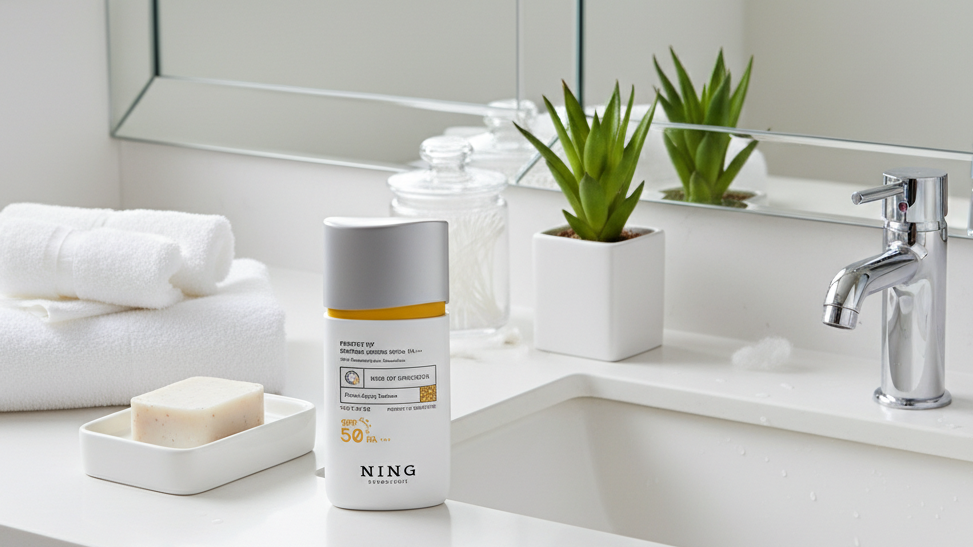
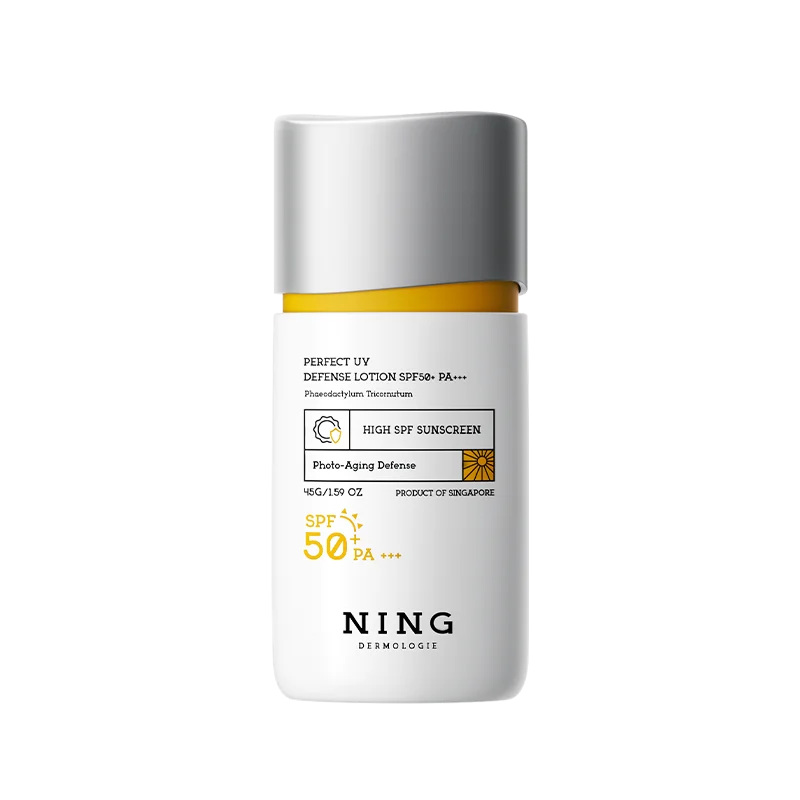
We highly recommend the NING Dermologie SPF50+ Facial Sunscreen.
Why does this specific formula work so well for acne-prone skin? Because it was engineered from the ground up to be completely weightless.
Here is exactly what makes it different:
- High-Level Broad-Spectrum Protection: It doesn't just stop at SPF 30. It provides robust SPF 50+ defense against harsh UVB rays and UVA rays, and even helps mitigate damage from blue light emitted by our screens.
- Zero Greasiness: It dries down to a comfortable, completely Matte Finish. You won't look shiny by noon.
- Acne-Safe & Soothing: The formula is completely fungal-acne safe. It is packed with skin-loving additions like green tea extract (to calm redness and fight free radicals) and hyaluronic acid (to hydrate the skin without adding a single drop of heavy oil).
- No White Cast: It blends seamlessly into the skin, making it an invisible shield rather than a chalky mask.
It is not just about sun protection; it is an active step in your acne management routine. It gives you the defense you need without the breakouts you fear.
Decoding the Back of the Bottle: Ingredients You Should Know
If you are a skincare label reader (and if you have acne, you probably are), you might see some long, scientific-sounding names on your sunscreen bottles. Don't let them scare you. Let's translate what some of these complex ingredients actually do in modern sunscreens:
- C12-15 Alkyl Benzoate: This is an emollient that provides a silky, lightweight feel. It helps the sunscreen spread easily without feeling heavy or greasy. It's a massive upgrade from old-school pore-clogging oils.
- Cetyl Dimethicone: A type of silicone that creates a breathable, water-resistant film on the skin. It helps the SPF stay put while locking in moisture, without suffocating your pores.
- Aluminum Starch Octenylsuccinate: This is an absolute hero for Oily skin. It is an anti-caking agent and oil-absorber. It is the secret weapon that helps a formula achieve that coveted Matte Finish and controls shine throughout the day.
- Caprylyl Glycol: A brilliant multitasker. It acts as a humectant (drawing water into the skin) and also boosts the effectiveness of preservatives, keeping your product safe from bacteria.
- Styrene/Acrylates Copolymer & Sodium Polyacrylate: These act as film-formers and thickeners. They ensure the UV filters are distributed evenly across your skin for reliable protection, preventing the sunscreen from breaking down or pooling in your pores.
What Else is on the Market? A Quick Look
While we stand firmly behind the NING Dermologie formula as the premier choice, the market does have other options that dermatologists frequently recommend for acne-prone patients.
- EltaMD UV Clear Broad-Spectrum SPF 46: A long-time favorite in dermatology offices, containing niacinamide to calm the skin.
- CeraVe Hydrating Mineral Sunscreen SPF 50 Face Lotion: A drugstore staple that relies heavily on ceramides to support the skin barrier.
- Neutrogena Mineral UltraSheer Dry-Touch Sunscreen: Known for its accessible price point and relatively dry finish.
- Cetaphil Derma Control Oil-Absorbing Moisturizer With Sunscreen: Specifically targets oil control for severely oily skin types.
- Innisfree Daily UV Defense Mineral Sunscreen Broad Spectrum: A popular K-beauty option with a lightweight feel.
- Iris & Romeo Weekend Skin SPF 50 + Vitamin C + Glow: Combines a Tint Sunscreen aesthetic with vitamin C for a dewy look, though those with very oily skin might prefer a more matte option.
Some people also use a Mineral Powder Sunscreen for reapplication over makeup throughout the day, which is a great way to top up your protection without adding liquid layers.
How to Properly Remove Sunscreen (Crucial for Acne Prevention)
You can use the best, most non-comedogenic sunscreen in the world, but if you don't wash it off properly at night, you will still break out. Sunscreen is designed to stick to your face. Water alone won't cut it.
Do not just rely on hydrating cleansing cloths. While makeup wipes are convenient, they often just smear the SPF, dirt, and oil around your face rather than actually removing it.
You need to double cleanse. Start with a micellar water or a gentle cleansing balm to break down the UV filters and the oil-resistant film. Follow that up immediately with your regular water-based gel or foaming cleanser to clean the actual skin underneath. This two-step process ensures your pores are completely clear before you apply your nighttime serums and moisturizers.
Final Thoughts on Sun Protection
Dealing with breakouts is stressful, but protecting your skin shouldn't be. The days of suffering through thick, chalky, pore-clogging pastes are over. By choosing a smart, modern formula designed specifically with your skin's needs in mind, you can defend against premature aging, hyperpigmentation, and UV damage—all while keeping your complexion clear and comfortable.
Invest in a product that respects your skin barrier. Your face will thank you.

Frequently Asked Questions (FAQ)
1. Will wearing SPF 50 clog my pores more than SPF 30?
Not at all. That’s a massive myth. The SPF number just tells you the burn protection time, it has nothing to do with texture. A cheap SPF 15 can feel like glue, while a modern SPF 50+ (like our NING Dermologie fluid) feels like water. It's all about the base ingredients.
2. Can I skip moisturizer if my sunscreen contains hyaluronic acid?
Honestly, yeah. If your face gets greasy by noon, adding a thick moisturizer under your sunscreen is just asking for a breakout. Since formulas with hyaluronic acid pull in enough hydration anyway, lots of oily-skinned folks just wash, tone, and go straight to their SPF. See how your face feels.
3. Do chemical sunscreens cause more acne than mineral ones?
We hear this all the time, but it’s mostly false. People blame chemical filters, but usually, it's the heavy, cheap carrier oils in the lotion causing the pimples. A badly made mineral paste will wreck your pores way faster than a high-quality, ultra-light chemical fluid. Check the inactive ingredients first.
4. How do I reapply sunscreen over makeup without causing breakouts?
Please don't try rubbing a liquid lotion over foundation—it's a mess. Grab a mineral powder sunscreen instead. You just dust it on like a setting powder. It kills the mid-day shine, tops up your UV defense, and literally takes five seconds without clogging anything.
5. Are hydrating cleansing cloths enough to wash off water-resistant SPF?
Absolutely not. Wipes just smear the daily grime, sweat, and water-resistant filters around your face. If you wear sunscreen, you have to double cleanse. Melt it off with an oil or balm first, then use your regular face wash. Otherwise, you'll wake up with clogged pores guaranteed.





Share:
Best Facial Sunscreen for Hyperpigmentation: What to Look For to Help Dark Spots
Best Facial Sunscreen for Sensitive Skin: Low-Irritant Formulas and How to Choose