



We have all been there. You finally decide to tackle that stubborn hyperpigmentation, drop a decent amount of money on a highly-rated Face Brightening Serum, and commit to using it every single day. You imagine waking up in a few weeks with a flawless, even complexion. But a month passes, and the mirror reflects the exact same uneven tone. That lingering acne scar hasn't budged, and those scattered dark spots seem just as prominent as day one.
Before you angrily toss that expensive bottle into the trash and declare that the entire concept of skin brightening is a marketing scam, let’s take a step back. More often than not, the issue isn’t the serum itself. The real culprit usually lies in how you are applying it and what the rest of your routine looks like. Achieving genuinely glowing skin requires more than just slapping a trendy active ingredient on your face and hoping for the best. It requires a strategic approach to your overall skin health.
If you are frustrated with your lack of progress, you are likely making one of these three incredibly common application mistakes. Let’s break down exactly what is going wrong and, more importantly, how to fix it so you can actually get your money's worth.

Mistake 1: Sabotaging Serum Absorption Right Out of the Gate
Think of your face like a sponge. If a sponge is completely dried out and covered in a layer of grime, water will just bead up and roll right off the surface. Your skin acts in a very similar way. The first massive mistake people make is failing to properly prep their canvas, which completely ruins serum absorption.
Slathering a potent dark spot serum onto an improperly cleansed face is a waste of good cosmetic ingredients. If you are using harsh, stripping face washes, you are instantly compromising your skin barrier. A damaged barrier means your skin is in a constant state of low-grade inflammation. When your skin is irritated, it is practically impossible for it to focus on cellular repair or fading pigmentation. Instead of a harsh cleanser, you need to switch to a gentle, sulfate-free cleanser. This cleans the skin without stripping away the natural lipids you desperately need for proper barrier care.
Furthermore, we have to talk about pH levels. The chemistry of your skin care routine matters immensely. Many traditional brightening ingredients, particularly the notoriously finicky L-ascorbic acid, require a highly acidic environment to penetrate the skin effectively. If you wash your face with a high-pH soap and immediately apply your serum, the alkaline environment neutralizes the active ingredients before they can even get to work.
✅ The Fix: Wash your face with a gentle, hydrating cleanser and pat it dry—but don't wait ten minutes to apply your next step. Apply your brightening treatments while your skin is still slightly damp (unless the specific product formulation explicitly states otherwise to prevent skin irritation). This slight dampness acts as a vehicle, pulling the active ingredients deeper into the epidermis where they can actually do their job.
Mistake 2: Using "Dead" Actives Because of Poor Storage and Formulation
Here is a harsh reality of the skincare industry: Vitamin C is incredibly unstable. If you are using a pure L-ascorbic acid serum, you are fighting a ticking clock from the exact second you open the bottle.
Exposure to light, heat, and oxygen rapidly degrades this ingredient. Have you ever noticed your serum turning a strange orange, brown, or copper color? It doesn't smell quite right either, maybe a bit like hot dog water? That is oxidized Vitamin C. Once it shifts to that dark color, it is completely useless for skin brightening. In fact, applying oxidized actives can actually generate free radicals on your skin, which is the exact opposite of the antioxidant protection you are paying for.
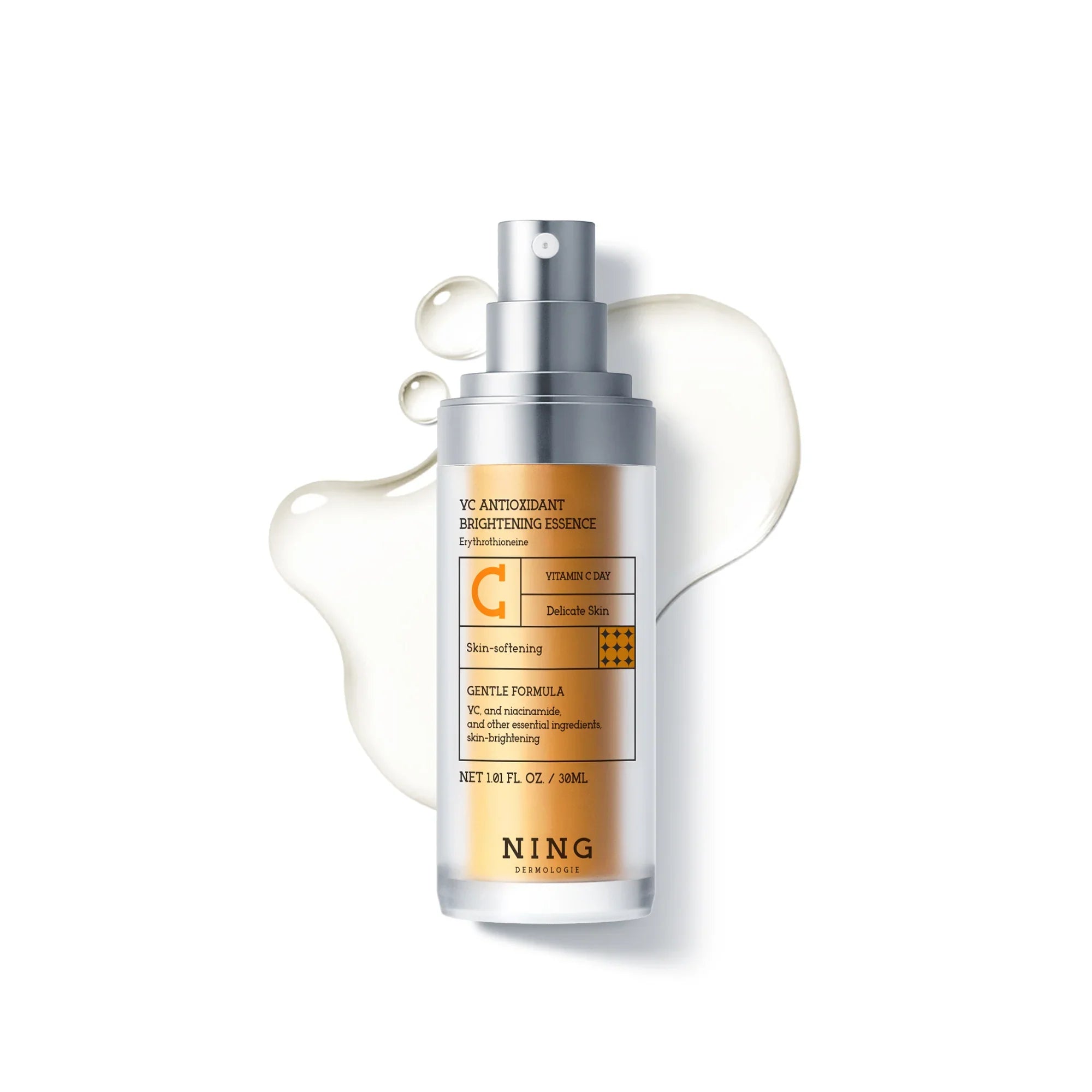
This is why packaging and intelligent product formulation are non-negotiable. You should never buy these delicate antioxidants in clear glass dropper bottles. They need to be housed in bottles in opaque glass or plastic, and ideally, air-tight bottles with pump dispensers to minimize oxygen exposure every time you use them.
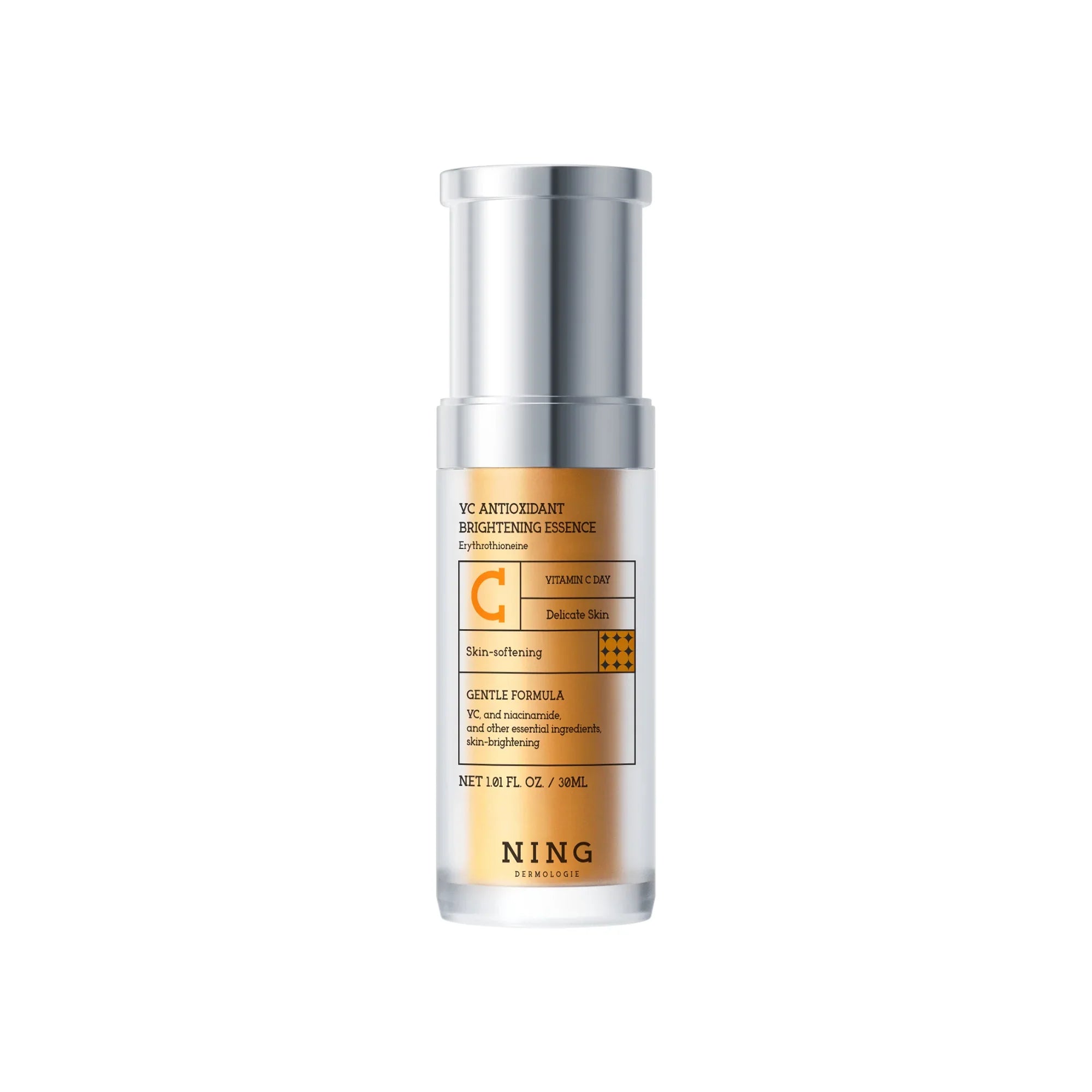
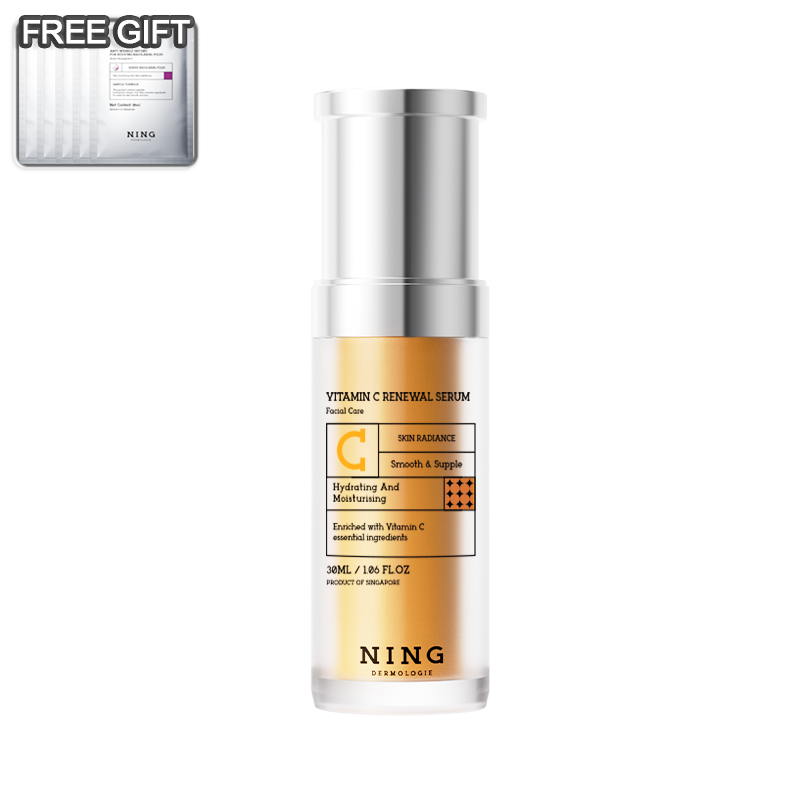
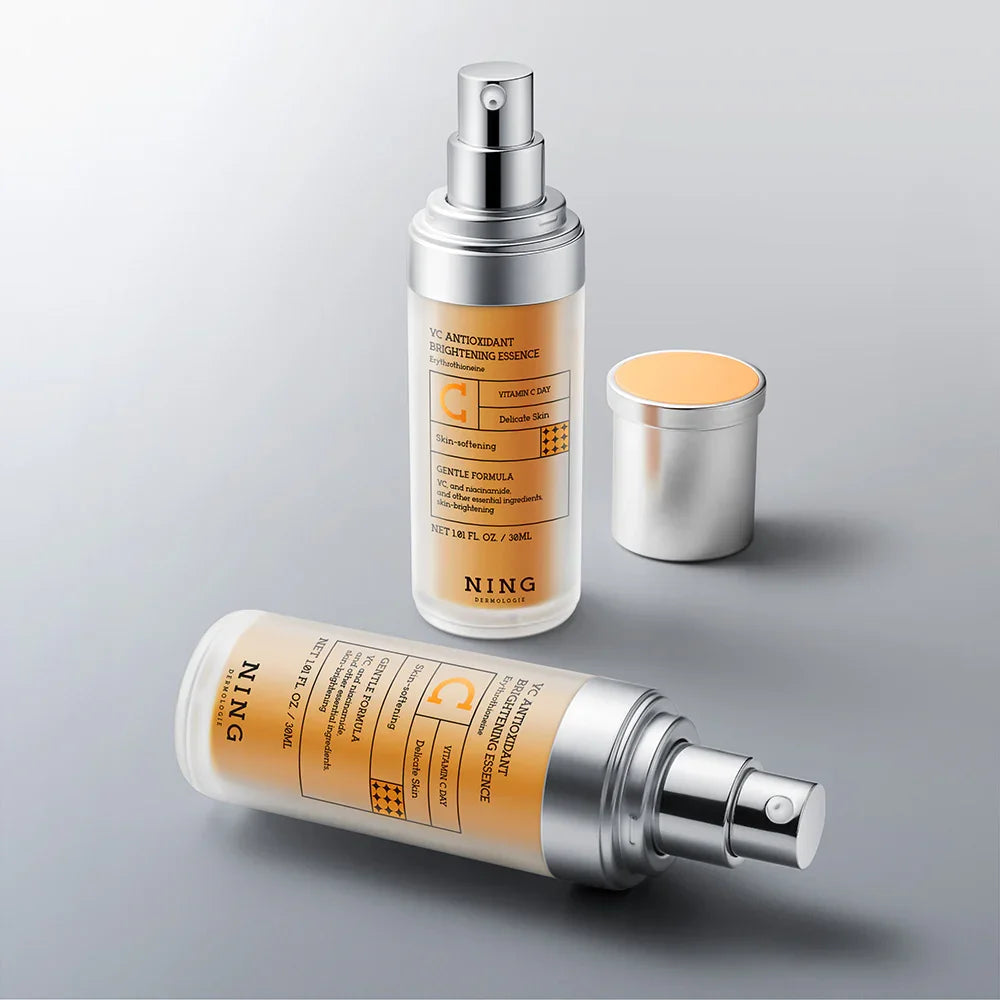
If you are tired of playing a guessing game with unstable formulas, it is time to upgrade your skincare products. This is exactly where NING Dermologie steps in to solve the headache. Instead of relying on fragile L-ascorbic acid, you need a smarter, stabilized formula. I highly recommend the Vitamin C Serum from NING Dermologie.
Why does this specific formulation work better? It uses Ethyl Ascorbic Acid, a highly stable derivative that doesn't degrade instantly on your bathroom counter, combined with Vitamin B3 (Niacinamide). This combination not only tackles existing dark spots but also actively boosts collagen production without the intense stinging or skin irritation common with older formulations. You get all the brightening power, minus the anxiety of your product dying a week after you buy it.
✅ The Fix: Stop storing your Vitamin C serum on a sunny windowsill or in a hot, steamy bathroom. Keep it in a cool, dark place. And most importantly, look for formulas that pair their primary brighteners with stabilizing antioxidants like ferulic acid, Vitamin E, or stable derivatives like the one NING Dermologie uses.
Mistake 3: The Sunscreen Disconnect (Undoing Your Own Work)
This is the most frustrating mistake of all because it involves actively undoing your own hard work. You cannot treat sun damage if you are not simultaneously preventing it. It is like trying to shovel your driveway while a blizzard is still actively dumping snow.
The mechanism behind hyperpigmentation is simple: UV exposure triggers an enzyme in your skin called tyrosinase, which in turn ramps up melanin production. Those dark spots are your skin’s desperate attempt to protect itself from UV damage.
You can apply all the Hyaluronic acid, Kojic Acid, and Alpha Arbutin in the world at night, but if you step outside the next morning without adequate sun protection, the UV rays immediately trigger that melanin factory to switch back on. You end up in a perpetual cycle of fading a spot by 10% overnight, only to darken it by 15% during your morning commute.
Many people think that if the UV index is low, or if it is cloudy, or if they work indoors near a window, they don't need a broad-spectrum sunscreen. This is a massive misconception. UVA rays—the ones responsible for aging and pigmentation—penetrate right through clouds and window glass.
✅ The Fix: Your skincare routine is entirely pointless without a minimum of SPF 30 applied every single morning, rain or shine. If you struggle with stubborn pigmentation, consider switching to a tinted sunscreen. The iron oxides used to create the tint provide an extra layer of defense against visible light, which is notorious for worsening certain types of hyperpigmentation. Think of your brightening serum as the treatment, and your sunscreen as the shield. You absolutely cannot have one without the other if you want lasting results.
The Ultimate Routine for Real Results
Achieving that clear, even complexion isn't a mystery; it just requires consistency and avoiding these three common traps. Focus on barrier care first. Use a stable, well-formulated product like the NING Dermologie Vitamin C Serum to defend against free radicals and target pigmentation. Finally, lock everything in with rigorous sun protection. Stop fighting against your own skin care routine, make these simple application tweaks, and give your products the proper environment they need to finally work their magic.

Frequently Asked Questions (FAQ)
Why is my serum turning orange or brown?
Your serum has oxidized due to exposure to light, heat, or air. Once it turns dark yellow or brown, the active ingredients have degraded. It is no longer effective for brightening and can actually irritate your skin. Toss it out and replace it.
Can I use a brightening serum twice a day?
Yes, but start slowly. Using it in the morning is highly recommended because it provides excellent antioxidant defense against daily environmental stressors. If your skin tolerates it well without redness or peeling, you can add it to your nighttime routine too.
Does Vitamin C help with old acne scars?
It depends on the scar. It works beautifully on the flat, dark or red marks left behind after a breakout (hyperpigmentation). However, no topical serum can fill in physical, indented acne scars (like ice pick or boxcar scars); those require professional dermatological treatments.
How long does it take to see actual results?
Patience is key. You might notice a general glow within a week, but truly fading dark spots takes consistent use for at least 4 to 8 weeks. Your skin cells need time to turn over and push the pigmented layers to the surface.
Can I mix my brightening serum with my chemical exfoliants?
Avoid layering them directly at the exact same time unless you want a compromised barrier. Strong acids (like AHA/BHA) combined with potent brighteners can cause severe irritation. Use your acids at night and your brightening serum in the morning.





Share:
Skin Redness & Irritation? A Guide to Rapid Barrier Recovery
Oily & Acne-Prone? How to Balance Sebum Without Over-Drying