


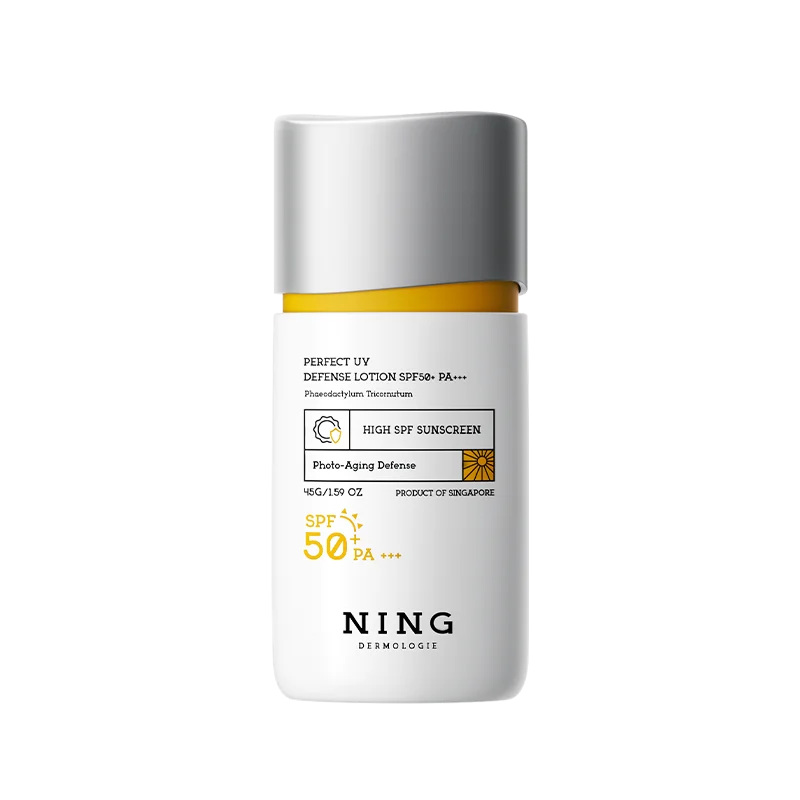
If you have eczema, putting on sunscreen usually feels like a punishment. Your skin barrier is already compromised, dry, and practically screaming. Then, you slather on a random drugstore SPF, and suddenly your face is burning, stinging, and flushing red. I know the struggle intimately.
But here is the unavoidable truth: skipping sun protection is not an option. Unprotected exposure to UV rays not only causes premature aging and increases the risk of skin cancer, but it actually makes inflammation worse. Heat and radiation trigger flare-ups. So, we have to find a way to block the sun without angering the skin.
This guide cuts through the marketing noise in the crowded skin-care market. We are going to look at exactly what ingredients your Eczema-prone Skin needs, what it absolutely must avoid, and the top types of sunscreens that actually work.

The Eczema Dilemma: Why UV Protection Hurts
To understand why your skin hates most sunscreens, you have to understand atopic dermatitis (the medical term for eczema). Your skin barrier has microscopic cracks in it. It loses moisture too fast and lets irritants in too easily.
When you step outside, UVA rays (which cause aging and free radical damage) and UVB rays (which cause sunburn) hit your skin. UVB exposure directly damages your skin cells. To defend itself, your body creates inflammation. If you already have eczema, your baseline inflammation is high. Add UV light to the mix, and you have a recipe for a massive flare-up.
This is why organizations like the American Academy of Dermatology and the National Eczema Association constantly stress the importance of daily SPF protection. You need broad-spectrum protection to shield against both UVA and UVB rays. And no, getting a base tan from the sun or, worse, tanning beds, does not "cure" eczema—it just causes long-term skin damage.
The Ultimate Ingredient Checklist for Sensitive Skin
When you are dealing with skin sensitivity, you have to become a label reader. You can't just trust a bottle because it says "for sensitive skin." You need to look at the active ingredients.
The Green Light (What You Want)
These are the ingredients that protect and soothe without stinging.
- Zinc Oxide: This is your holy grail. It is a mineral filter that sits on top of the skin and deflects UV radiation. It is naturally anti-inflammatory, which is why it's the main ingredient in diaper rash creams for Baby & Child Skin. Always look for non-nano zinc oxide; these particles are too large to penetrate your broken skin barrier, making them incredibly safe.
- Titanium Dioxide: Another excellent mineral filter. It works beautifully alongside zinc oxide to provide robust broad-spectrum coverage.
- Hyaluronic Acid: Because eczema skin is chronically dry, you need hydration. Hyaluronic acid pulls water into the skin, plumping it up and helping the barrier function properly.
- Colloidal Oatmeal: A superstar for soothing itchiness and redness. It creates a comforting film over compromised skin.
- Aloe Vera & Green Tea: Natural anti-inflammatories. Green tea extract specifically helps fight the free radical damage caused by whatever UV light sneaks past your SPF.
- Vitamin E: A powerful antioxidant that supports skin healing and boosts the effectiveness of your sunscreen.
- Centella Asiatica (Cica): Famous for its wound-healing properties, it dramatically calms redness.
- DNA Repairsomes: Found in some advanced formulas, these are enzymes that actively help repair existing sun damage at a cellular level.
Note on Natural Standards: If you prefer naturally derived products, keeping an eye out for formulas that align with the ISO 16128 standard can help you identify genuinely natural ingredients versus synthetic fillers.
The Red Light (What to Avoid)
If you see these on the label, put the bottle down.
- Chemical UV Filters: Ingredients like oxybenzone, avobenzone, octinoxate, and homosalate. These are chemical sunscreens. They work by absorbing UV light and turning it into heat. Heat is a massive trigger for eczema.
- Synthetic Fragrances: The number one cause of contact dermatitis. Always choose fragrance-free.
- Alcohol (Denatured): Used to make formulas feel lightweight, but it severely dries out the skin and stings upon application.
Top Types: Mineral vs. Chemical Sunscreens
When shopping for Sun Protection, you essentially have two categories. Understanding the difference is critical for managing eczema.
1. Chemical Sunscreens (The Heat Generators)
Chemical sunscreens use synthetic compounds (like avobenzone) to absorb UV rays like a sponge, convert them to heat, and release them from the skin.
- The Problem: The chemical reaction creates heat on the skin's surface. For someone with rosacea or eczema, that heat translates directly into redness, itching, and stinging. Furthermore, these chemical filters can penetrate the skin barrier, causing allergic reactions in highly sensitive individuals.
2. Mineral Sunscreens (The Physical Shields)
Also known as physical sunscreens, these use mineral active ingredients (specifically zinc oxide and titanium dioxide). They sit on the very top layer of your skin and act like a mirror, bouncing the UV rays away.
- The Benefit: Because they don't penetrate the skin and don't convert UV to heat, mineral sunscreens are drastically less irritating. They provide immediate UV Defense the second you apply them.
- The Catch (and how to beat it): The biggest complaint with mineral SPF is the dreaded White cast—that chalky, ghost-like residue they leave behind, especially on darker skin tones. To avoid this, look for micronized (but non-nano) zinc, or opt for tinted versions.
For Eczema-prone Skin, the debate is over before it begins: mineral filters are the only way to go.
Top Product Picks & Brand Comparisons
Finding the perfect formula means balancing strict ingredient safety with everyday wearability. Let's break down the best options across different categories.
The Ultimate All-Rounder for Eczema & Sensitivity
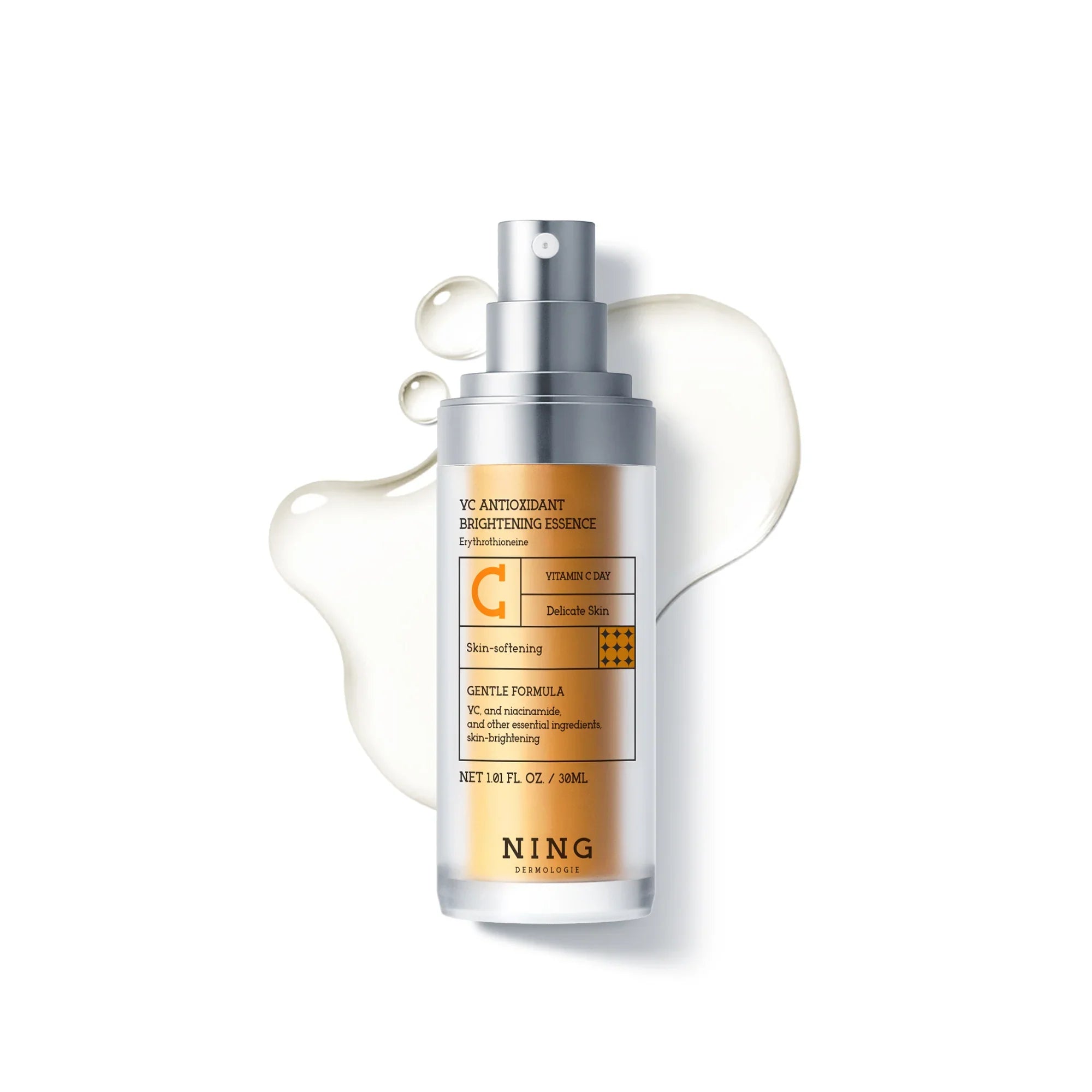
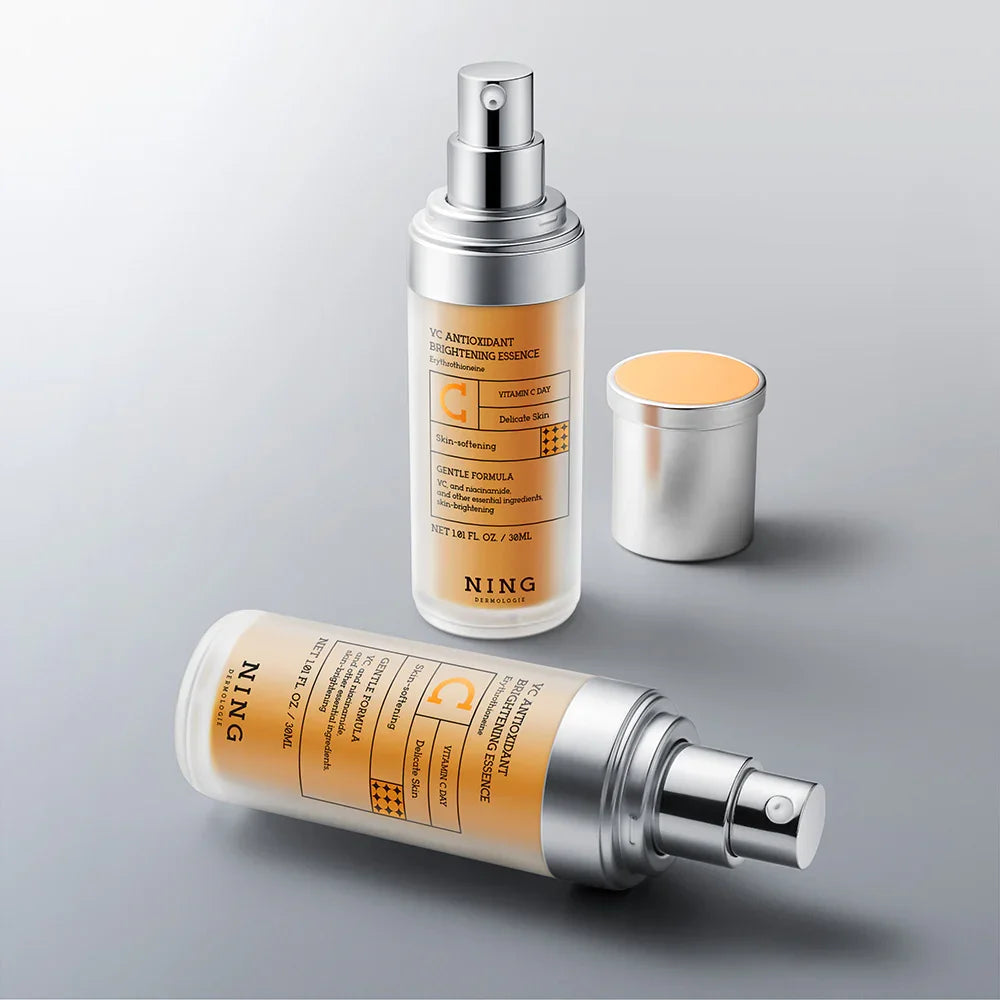
If you want a product that perfectly balances high-level protection, absolute safety for a compromised barrier, and cosmetic elegance, you need to look at NING Dermologie.
Our top recommendation is the NING Dermologie SPF50+ Facial Sunscreen. Here is why it stands out for problematic skin:
- Pure Mineral Protection: It relies heavily on high-quality non-nano zinc oxide and titanium dioxide to deliver a true SPF 50, ensuring rigorous broad spectrum defense without the irritating heat of chemical filters.
- Zero Stinging: It is formulated specifically with a disrupted skin barrier in mind. It skips the drying alcohols and synthetic fragrances that trigger flare-ups.
- Wearability: It avoids the heavy, suffocating feel of traditional eczema creams, making it a daily habit you actually want to maintain.
The Dermatologist Office Staples
Walk into any clinic, from a local practice to Mount Sinai Hospital, and dermatologists like Dr. Amy McMichael or Mona Gohara from Skin Wellness Dermatology will likely point you toward these established hypoallergenic sunscreens.
- EltaMD Series: A massive favorite in the dermatology world.
-
- EltaMD UV Clear Face Sunscreen SPF 46 (or standard EltaMD UV Clear) is brilliant if you have acne-prone skin alongside your eczema, as it contains niacinamide. However, be aware: the original UV Clear is a hybrid (contains both mineral and some chemical filters like octinoxate). If your eczema is severe, stick strictly to their purely physical lines like EltaMD UV Skin Recovery.
- Vanicream: The king of absolute basics. The standard Vanicream Facial Moisturizer is great, but their Vanicream Facial Moisturizer with SPF 30 uses pure zinc oxide. It is thick and takes effort to rub in, but it is one of the safest bets for a severe, active flare-up.
- La Roche-Posay Anthelios: A giant in sun care. While they are famous for chemical formulas, the La Roche-Posay Anthelios Ultra-Light Fluid Mineral Sunscreen (SPF 50) is excellent. It is a very thin, watery fluid that requires minimal rubbing, which reduces friction on raw skin.
- SkinCeuticals Physical Fusion UV Defense SPF 50: A fantastic tinted mineral option. The tint helps offset the white cast of the zinc, making it friendly for a wider variety of skin tones, and it includes artemia salina to boost natural defenses.
- Colorescience Sunforgettable: Known for their brush-on mineral powders, which are incredible for reapplying your SPF throughout the day without having to rub a lotion into tender skin.
Drugstore Heroes & Everyday Hydrators
If you need accessible, everyday SPF 30 options that double as moisturizers:
- CeraVe AM Facial Moisturizing Lotion SPF 30: Contains ceramides to help rebuild your broken skin barrier. It can pill under makeup, but for a bare-face day, it's deeply hydrating.
- E.L.F. Holy Hydration! Face Cream SPF 30: A surprisingly good, budget-friendly option that focuses on intense moisture (thanks to hyaluronic acid and squalane), though you must check if your specific skin tolerates the formula.
- Blue Lizard Sensitive Face Mineral Sunscreen SPF 30+: Originally from Australia (where sun care is taken very seriously), Blue Lizard uses purely mineral active ingredients. It’s slightly heavier but incredibly reliable for highly reactive skin.
- Versed Guards Up Daily Mineral Sunscreen SPF 35: Has a slight peachy tint that helps neutralize the white cast and leaves a dewy finish.
- Innisfree Daily UV Defense: A popular K-beauty option. Caution: The standard version uses chemical filters. Always verify you are grabbing their mineral-only alternative if your eczema is acting up.
Specialty Hybrids and Serums
The market is innovating quickly. You might see products like Lightsaver Triplesome Serum or Kate Somerville Hydrakate blending intense skin repair with sun defense. While serums feel nicer, always ensure they are using mineral protection and providing adequate SPF (at least 30) before relying on them for your main sunscreen application.
How to Apply Sunscreen Without Triggering a Flare
Having the right product is only half the battle. How you put it on matters just as much. Advice from the Sun Protection Resource Center and top derms at Mount Sinai emphasize minimizing friction.
- Don't Rub, Pat: Vigorously rubbing thick mineral creams into eczema patches will instantly trigger redness and itching. Put the sunscreen on your fingertips, dot it all over your face, and gently pat or press it into the skin until it disappears.
- Prep with Deep Moisture: Mineral sunscreens can be drying. Always apply a thick, soothing moisturizer (like one containing Aloe vera or ceramides) about 5 minutes before your sunscreen.
- Check Water Resistance: If you are sweating or swimming, you need water resistance. But remember, water-resistant formulas are harder to wash off.
- The Removal Process: This is where many people mess up. Do not scrub your face with a harsh foaming cleanser to get the zinc off. Use a gentle cleansing balm or a rich oil cleanser to melt the SPF, followed by a soft, hydrating milky wash.
One final myth to bust: You do not need to skip sunscreen to ensure adequate vitamin D production. Incidental exposure on your scalp, hands, or through short daily walks is generally enough. Don't risk a massive eczema flare and skin damage for a vitamin you can easily get from a supplement or your diet. Protect your barrier first.

Frequently Asked Questions (FAQ)
Does mineral sunscreen stop vitamin D production?
No. Daily use of SPF does not cause vitamin D deficiency. Your body still gets enough sunlight through incidental exposure on other parts of your body. Protecting your facial skin barrier from severe UV damage and eczema flares should always be the priority.
Can I use baby sunscreen on my adult face?
Absolutely. Baby sunscreens are almost exclusively formulated with pure zinc oxide and titanium dioxide, making them hypoallergenic and excellent for adult eczema. The only downside is they tend to be thicker and may leave a heavier white cast.
Why does my face burn when I apply sunscreen?
If it burns, you are likely using chemical filters (like avobenzone or oxybenzone) which convert UV rays to heat, or the formula contains drying alcohols and synthetic fragrances. Switch immediately to a fragrance-free, 100% mineral sunscreen to stop the stinging.
Do I need to wear sunscreen indoors?
Yes. While UVB rays (which cause sunburns) are blocked by glass, UVA rays (which cause deep skin damage, aging, and trigger inflammation) penetrate right through standard windows. If you sit near a window, you need daily SPF protection.
How do I wash off mineral sunscreen without irritating my eczema?
Never scrub. Mineral sunscreens grip the skin tightly. Use a gentle, fragrance-free cleansing balm or oil first to melt the zinc oxide away without friction. Follow up with a hydrating, non-foaming cream cleanser to leave your skin barrier intact.





Share:
Facial Sunscreen for Sensitive, Acne-Prone Skin: Lightweight Formulas That Won’t Clog Pores
Facial Sunscreen for Sensitive Oily Skin: Matte, Light, and Comfortable All Day