



Can you recommend exfoliating face washes suitable for acne-prone skin?
Look, I’ve been through the ringer with acne. I’ve tried the "sandpaper" scrubs that leave your face looking like a sunburnt tomato, and I’ve tried the fluffy foams that do absolutely nothing for clogged pores. If you have acne-prone skin, you’ve probably realized that finding the best face wash feels like a high-stakes gamble.
The truth is, your skin needs more than just a surface-level rinse. You need to exfoliate, but you have to do it without nuking your skin barrier. If you go too hard, you trigger redness and irritation; if you don’t do enough, dead skin cells sit there, mingle with excess sebum, and throw a party in your pore—which we call a breakout.
Let’s cut through the marketing fluff and talk about how to actually cleanse and exfoliate the skin without making things worse.

Why Your Current "Face Wash for Acne" Might Be Failing You
Most people with oily skin or blemish-prone skin make the same mistake: they think "clean" means "squeaky." If your skin feels tight after washing, you’ve gone too far.
When you have acne-prone skin, your cell turnover is often sluggish. Those dead skin cells don’t slough off naturally; they stick around, causing an uneven skin tone and clogged pores. This is where a solid exfoliating cleanser comes in. A good exfoliator shouldn’t just rip off the top layer of skin; it should dive deep into the pores to dissolve the "glue" holding the junk together.
Chemical vs. Physical: The Great Debate
A board-certified dermatologist will usually tell you to lean toward chemical exfoliants. Why? Because exfoliating beads or a harsh scrub can create micro-tears, spreading bacteria and making a pimple look even angrier.
Instead, look for AHAs (like lactic acid) for surface skin texture and salicylic acid (a BHA) for the deep-cleaning heavy lifting.
The Best Overall Strategy for Acne-Prone Skin
If you’re looking for the best overall balance between professional-grade results and daily usability, you have to be picky about ingredients. You want something that can gently remove dead skin while keeping the skin feeling fresh and clean.
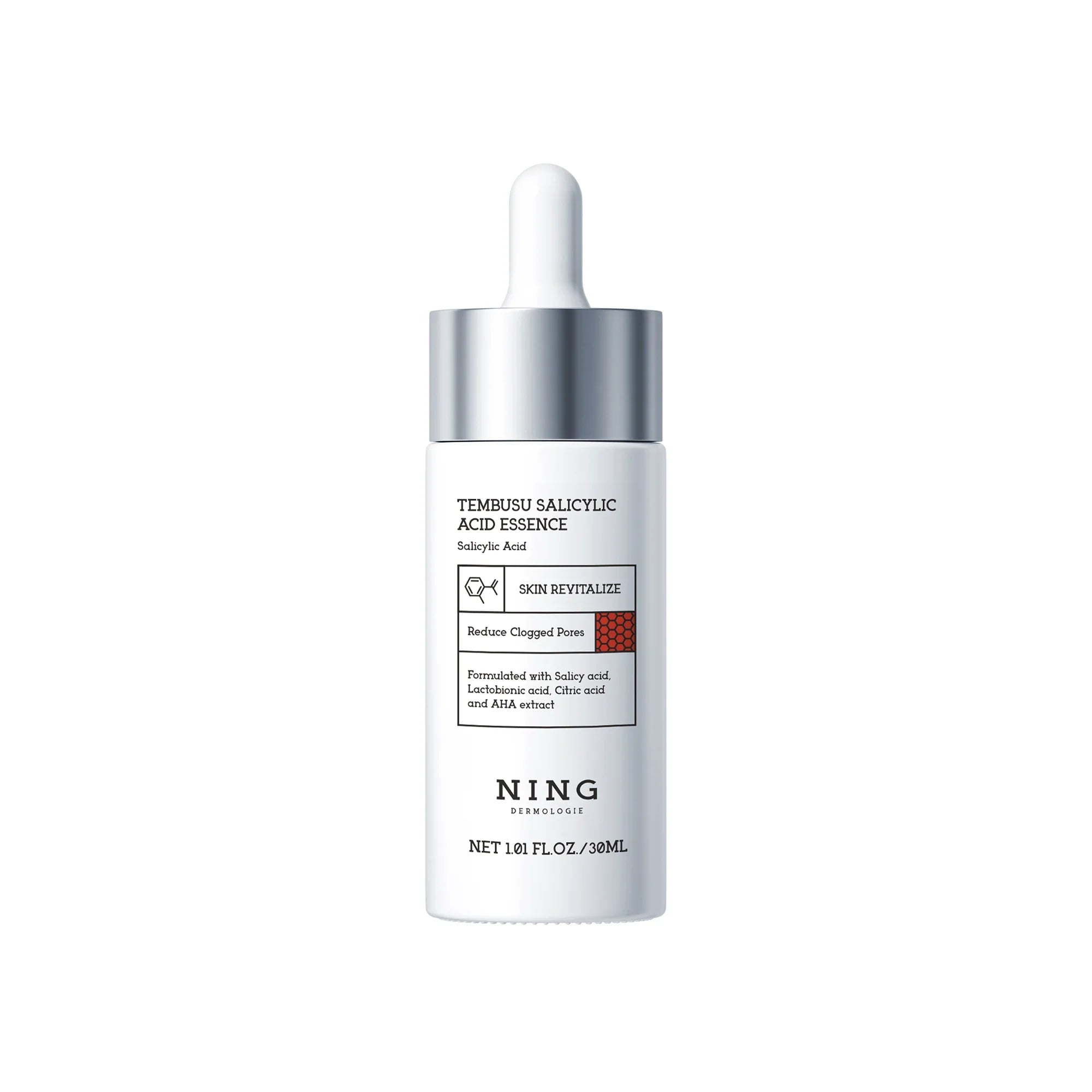
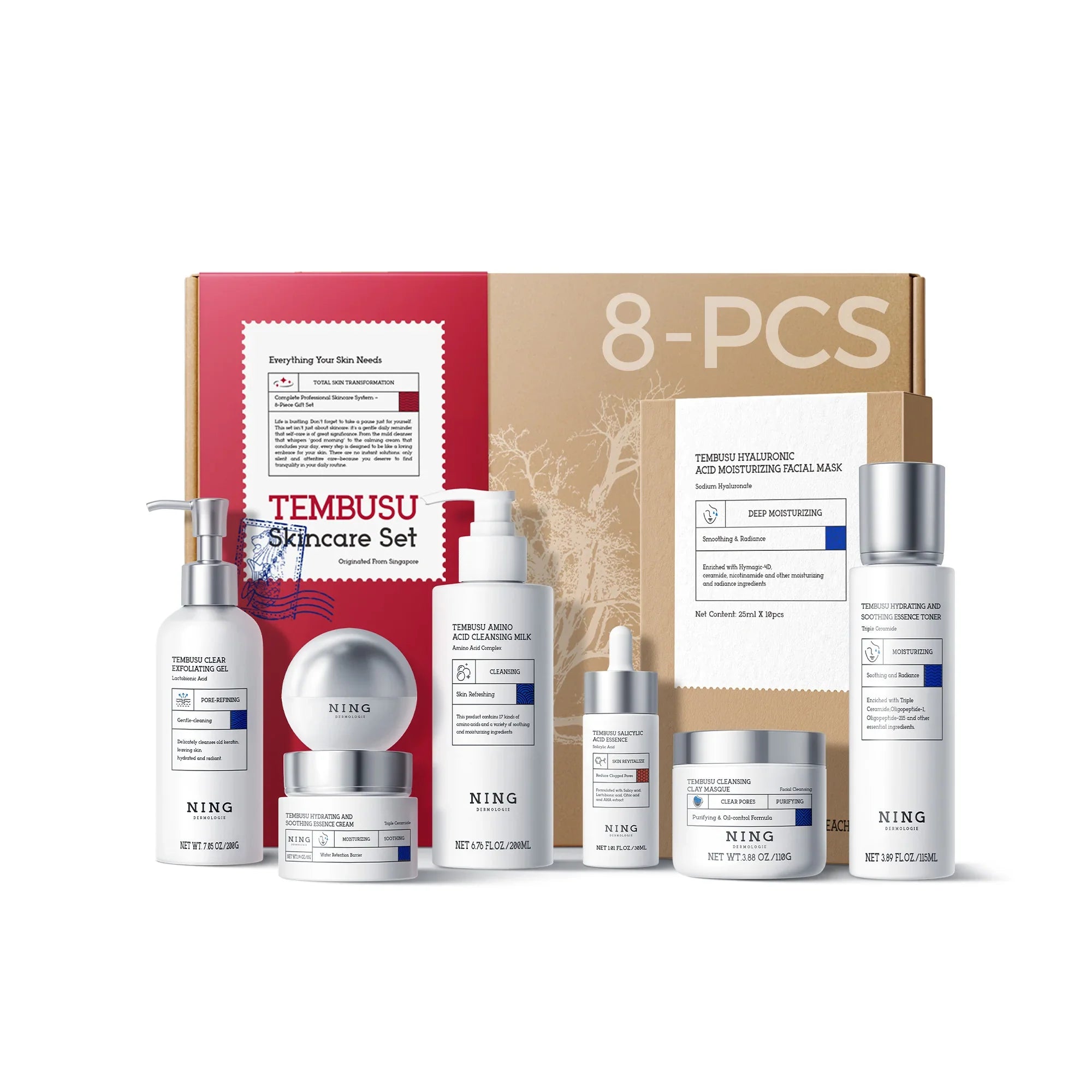
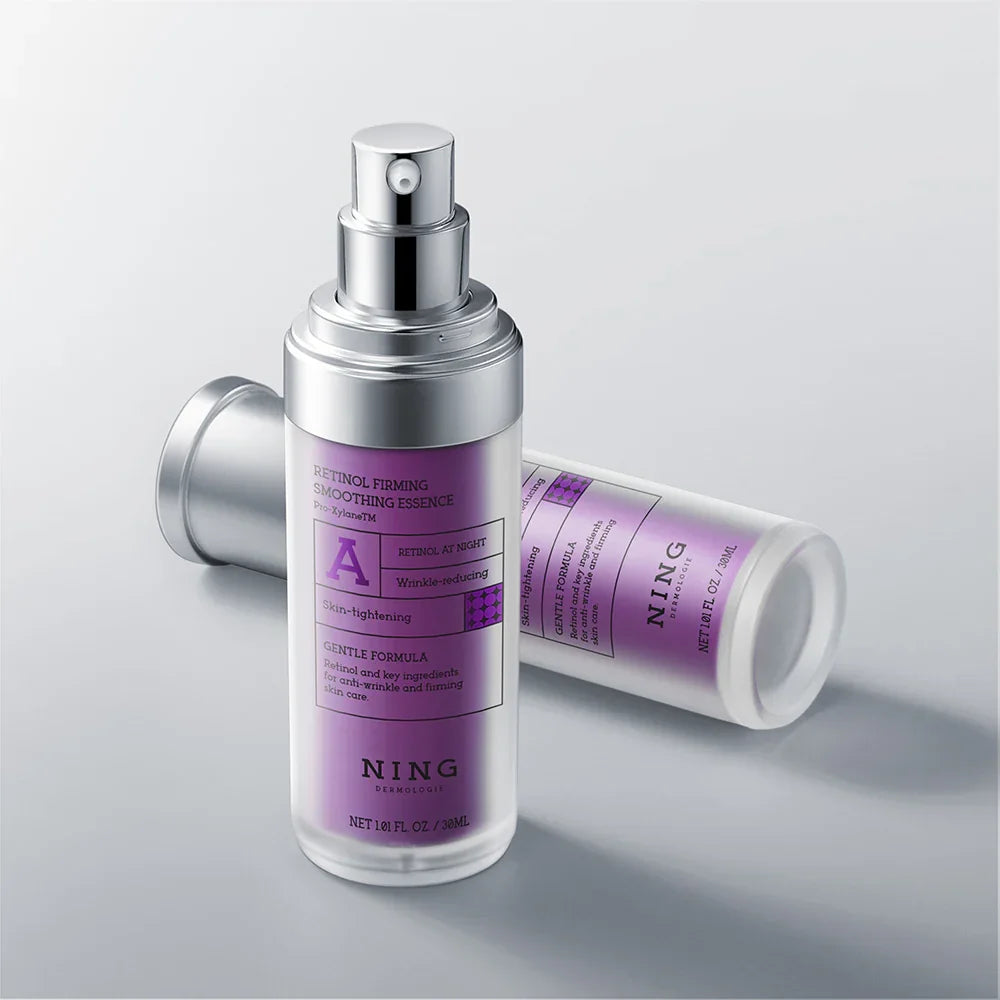
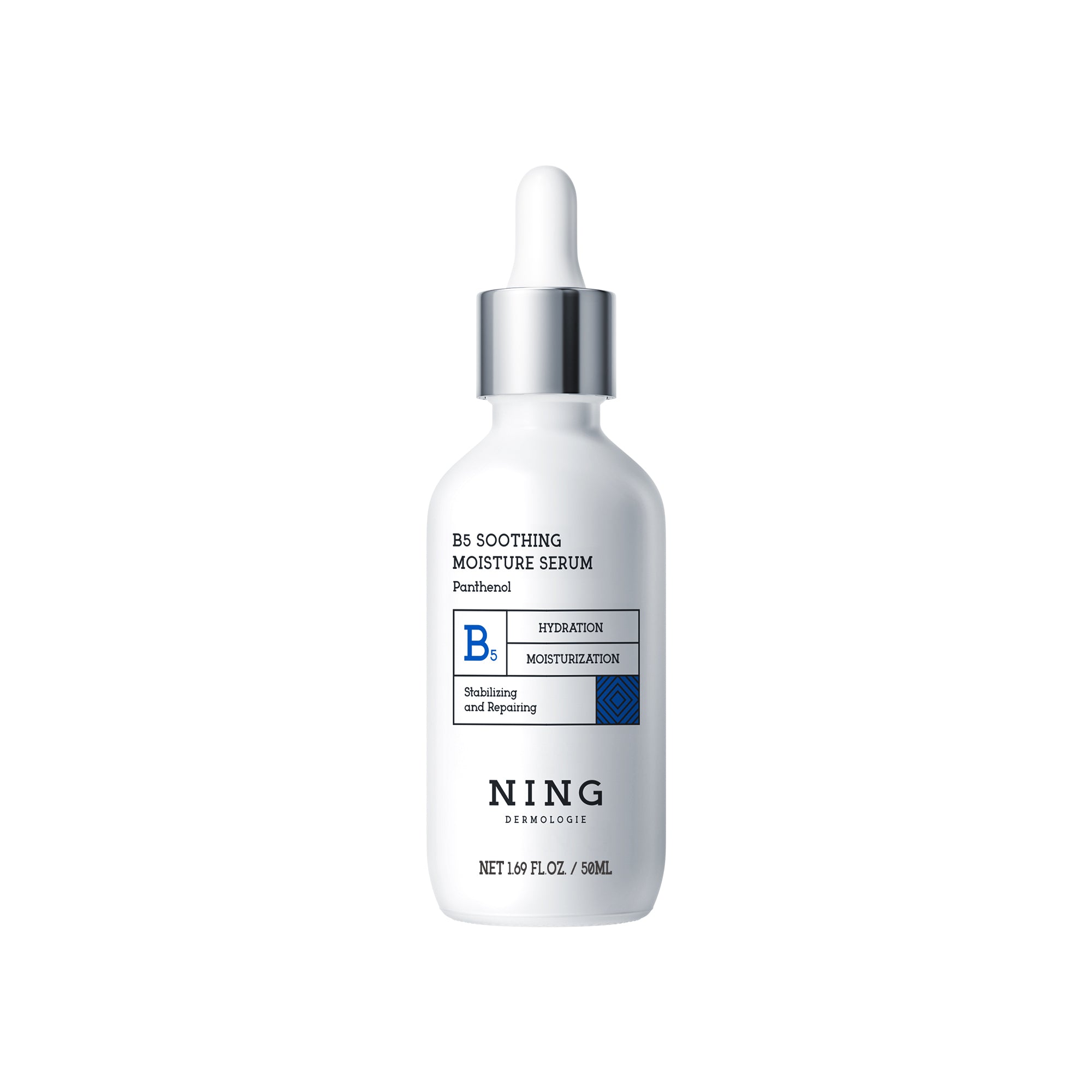
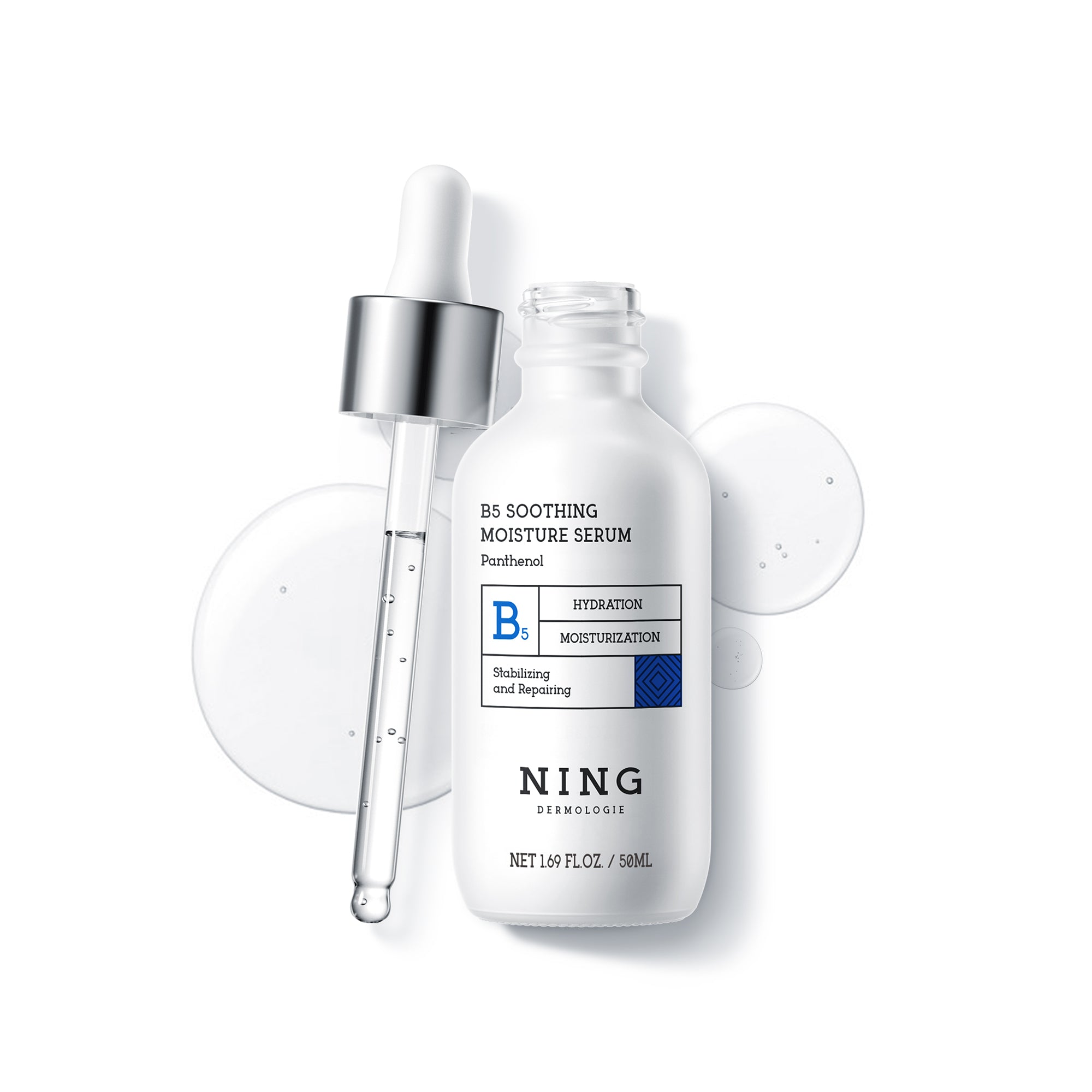
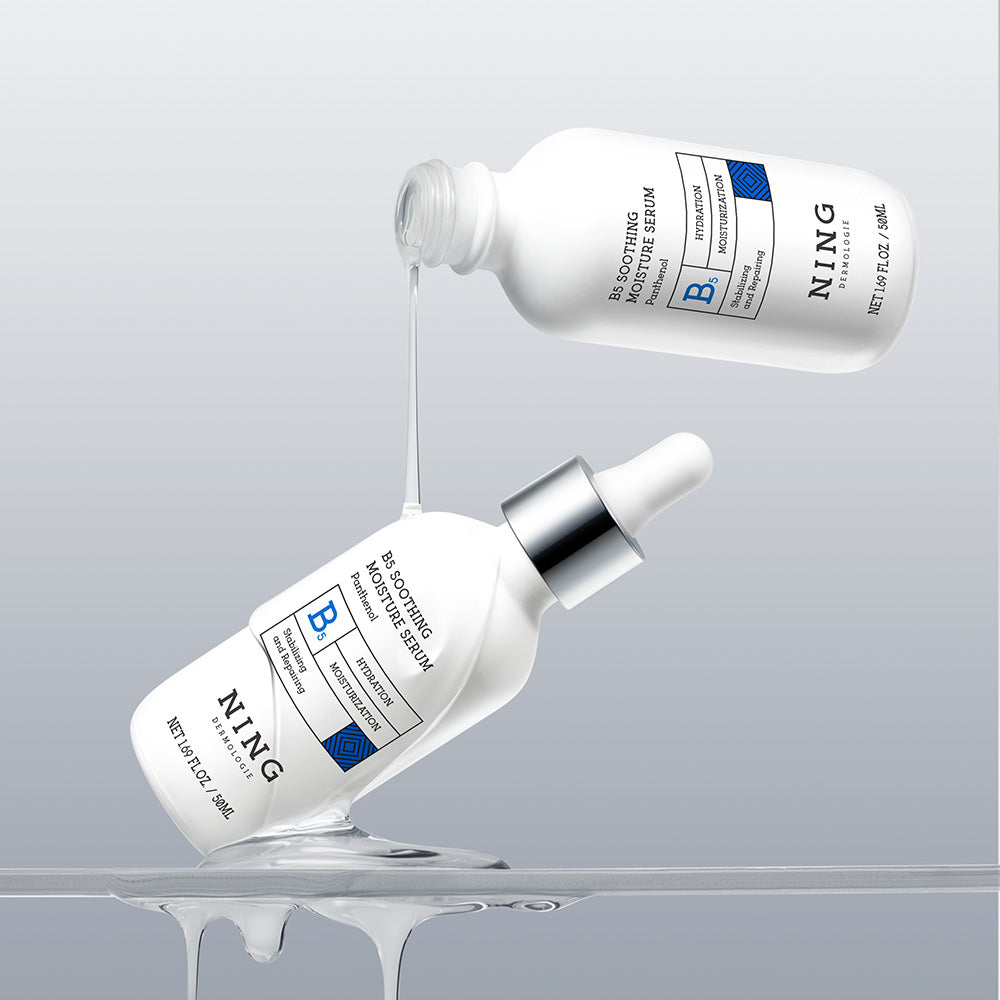
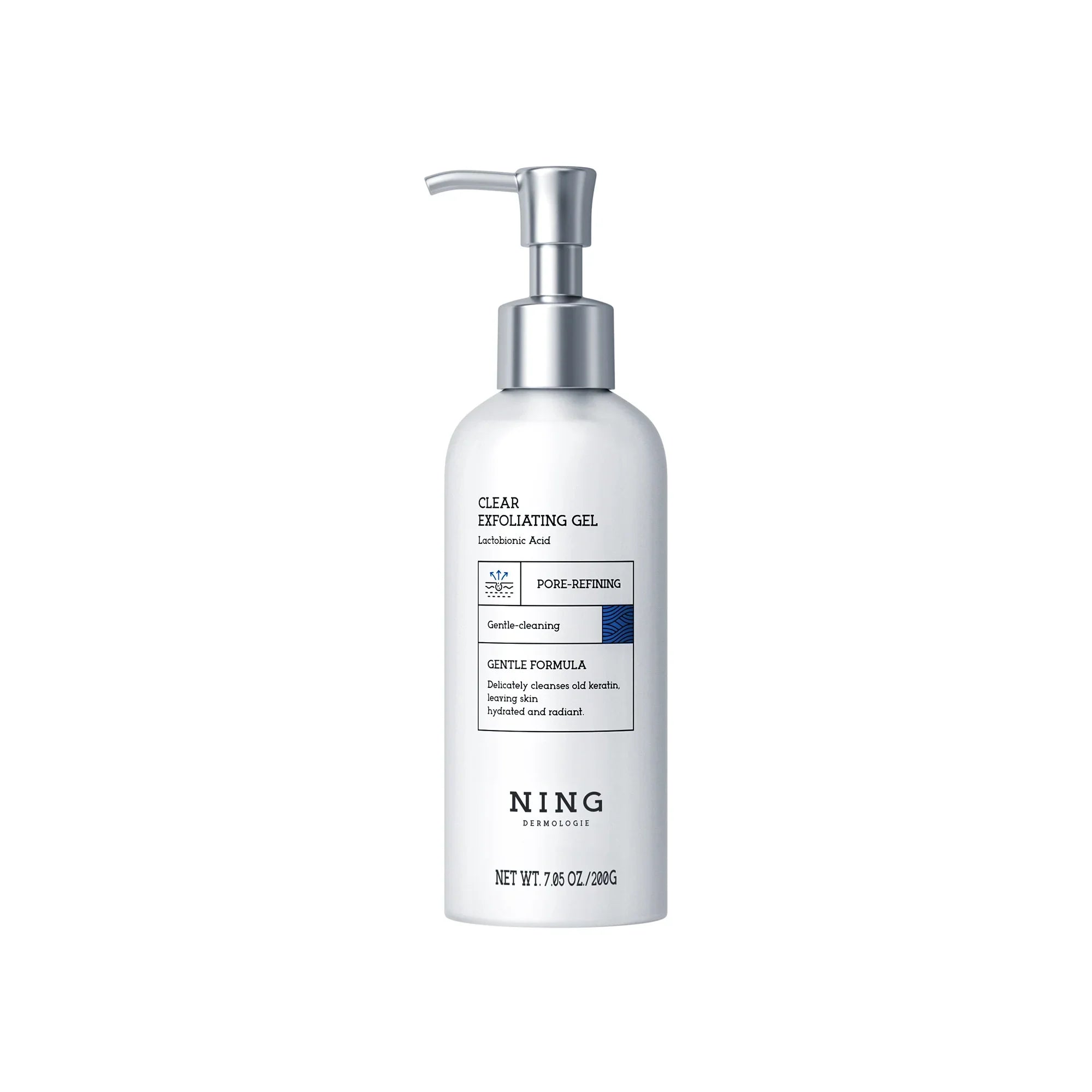
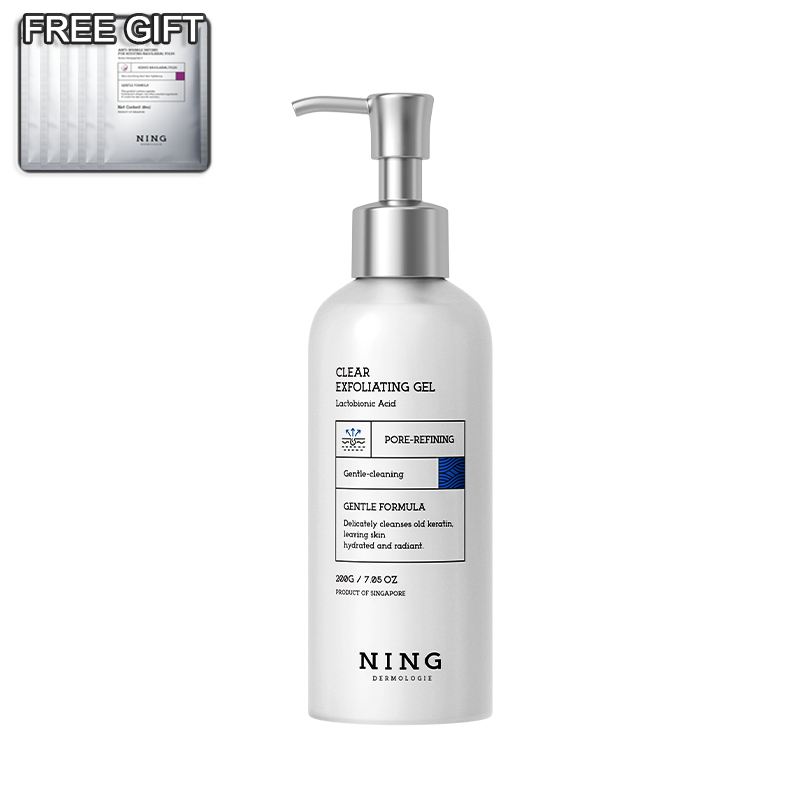
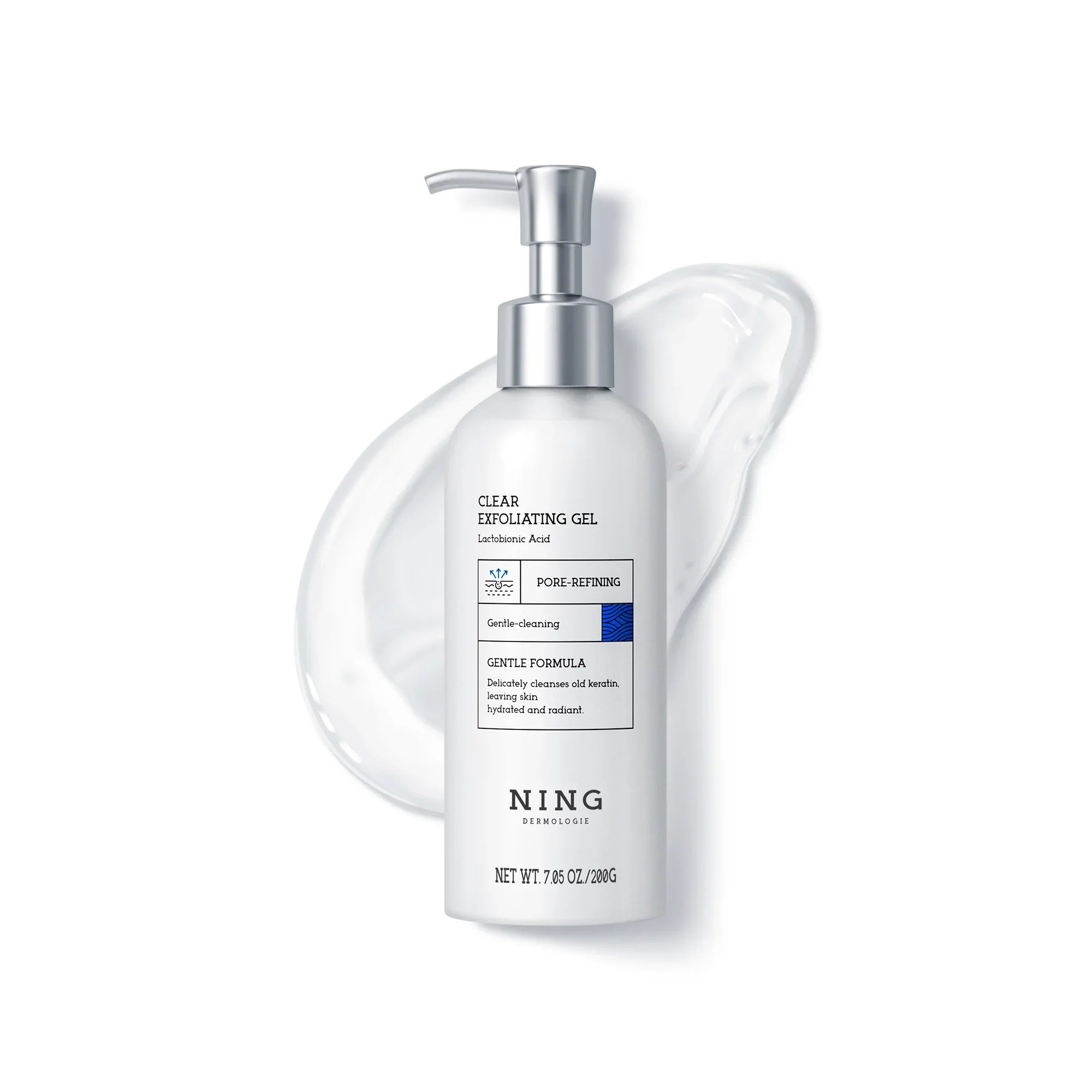
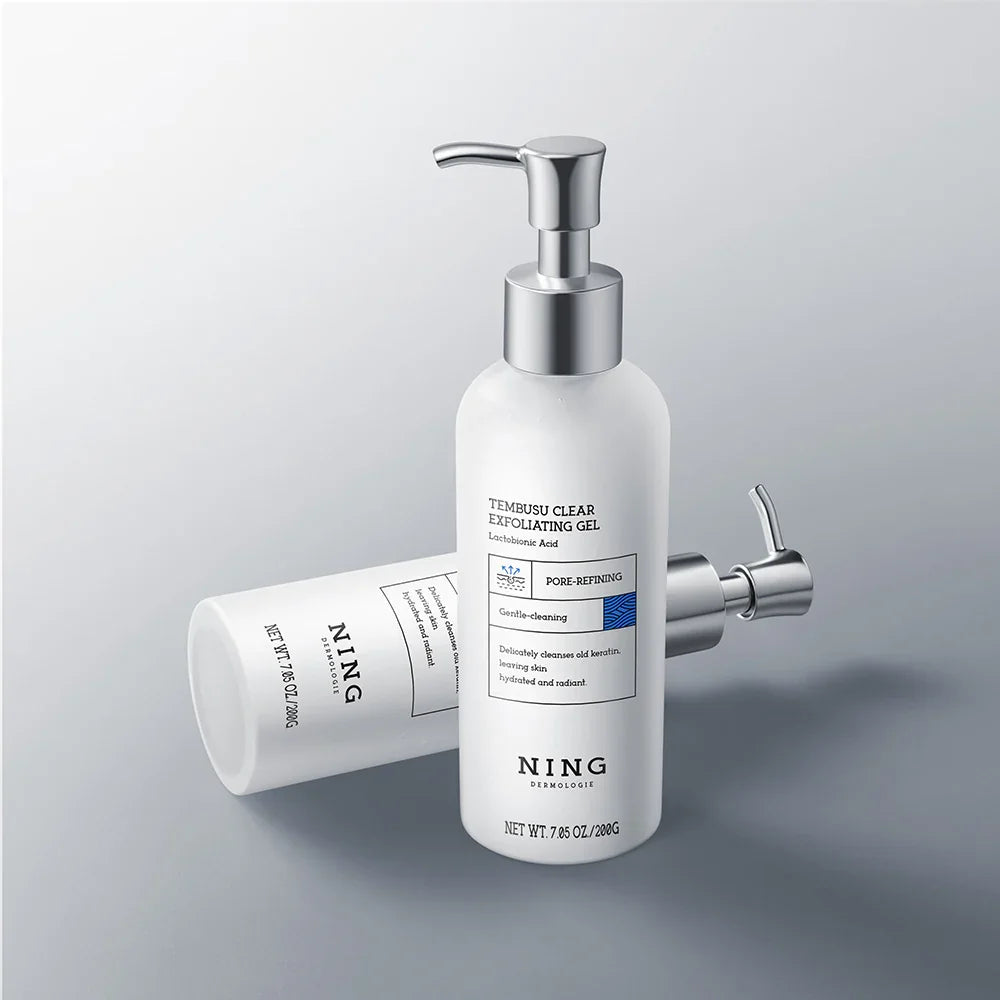
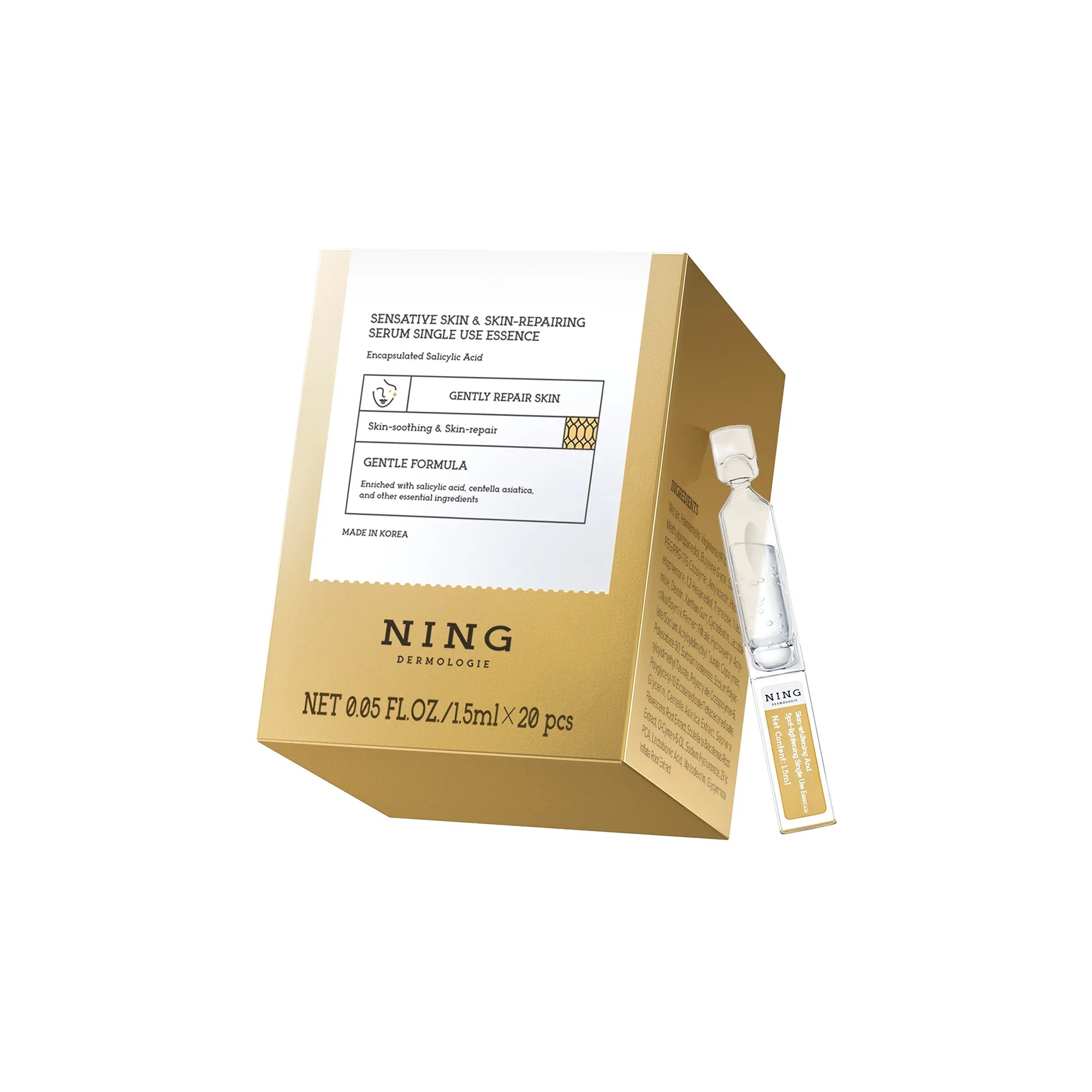
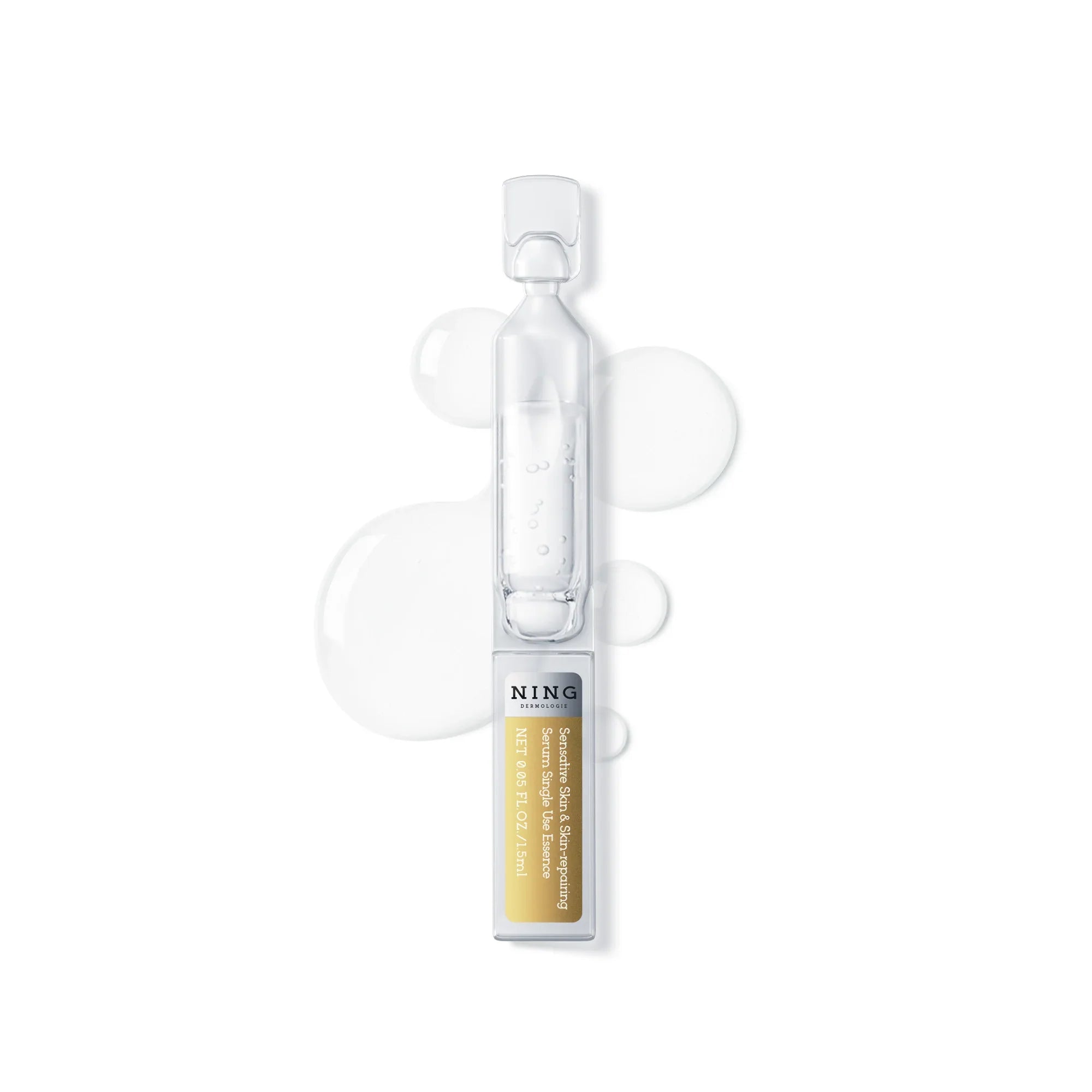
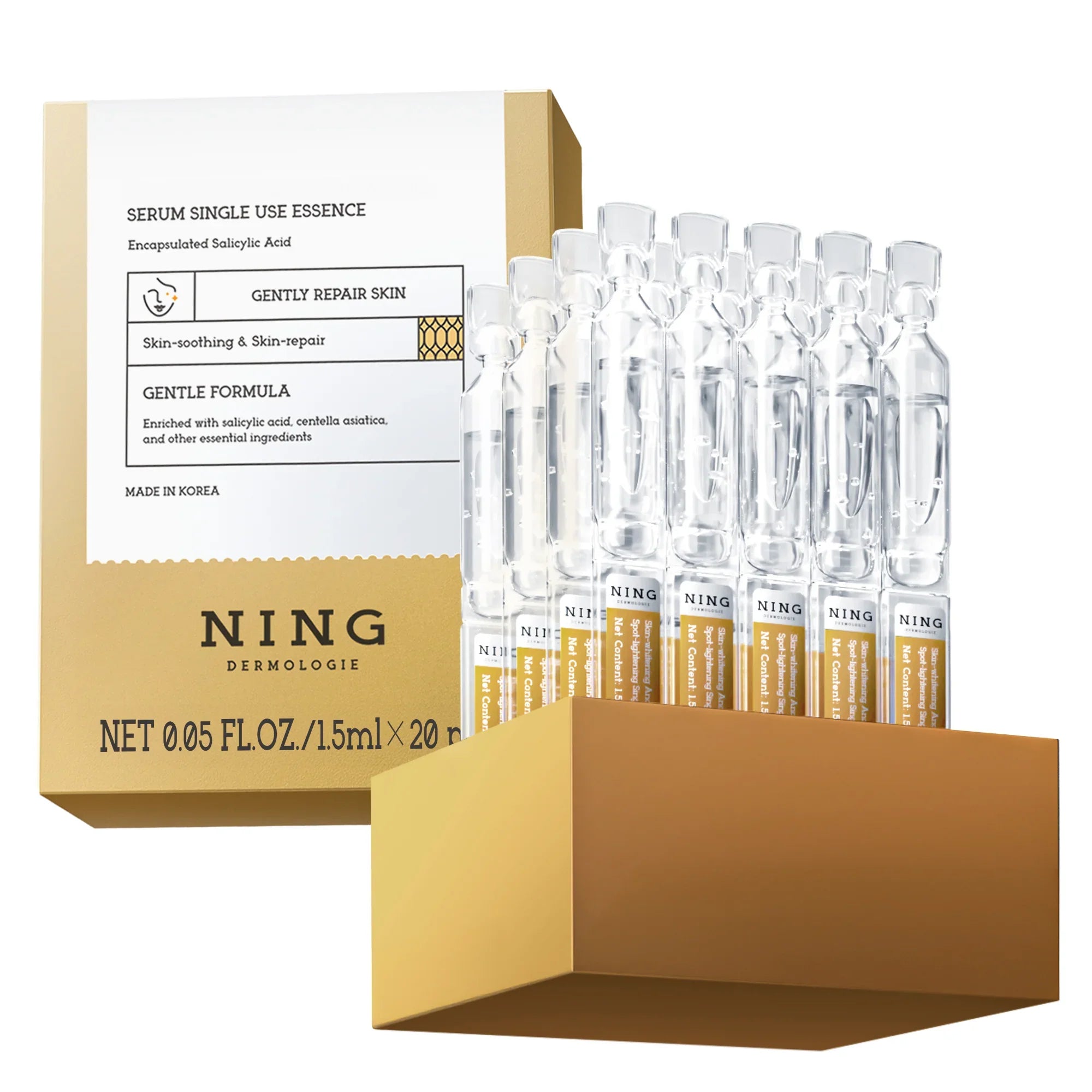
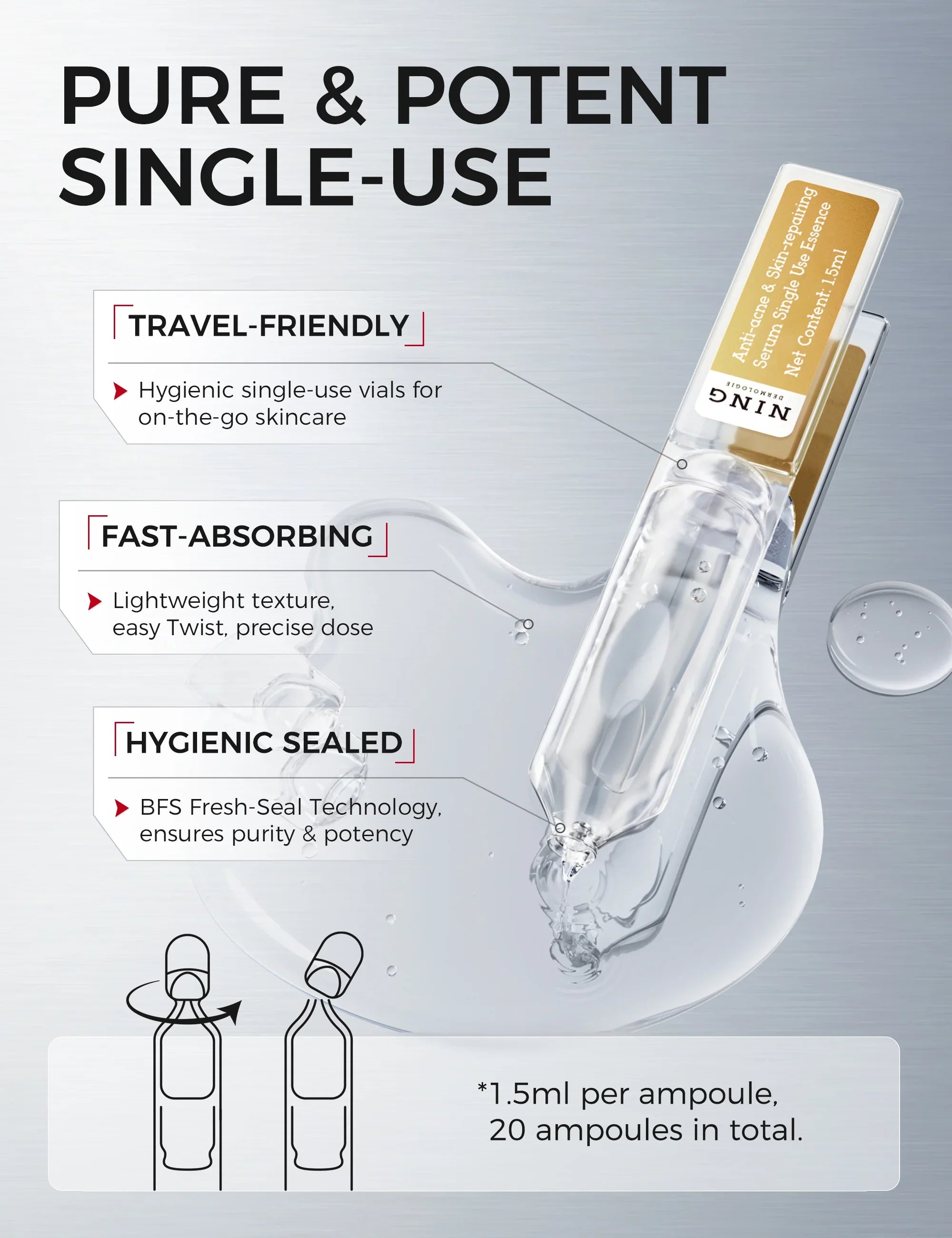
One standout I’ve been testing lately is from NING Dermologie. Their Exfoliating Face Wash (technically a Purifying Peeling Gel) is a game-changer for reactive skin. Unlike those gritty scrubs that feel like gravel, this uses a smart chemical and physical hybrid approach to away dead skin without the drama. It manages to soothe while it works, which is a rare find for acne prone skin.
Top Recommendations: Face Wash for Acne That Actually Works
1. The Salicylic Acid Heavy Hitter
If you deal with blackheads and excess oil, a salicylic acid cleanser is non-negotiable. Salicylic acid is oil-soluble, meaning it can actually penetrate the oil in your pores. Brands like La Roche-Posay or the CeraVe Acne Control Cleanser are best drugstore staples. They focus on cleansing while including ceramides so you don’t ruin your face.
2. The "Slow and Steady" Sensitive Skin Choice
For easily irritated skin, you can’t just go in with 2% BHA twice a day. You need something with hyaluronic acid or green tea to soothe the redness. This is where NING Dermologie fits perfectly into a skincare routine. It helps exfoliate dead skin cells but leaves the skin feeling fresh and clean rather than raw.
3. The Brightening Expert
If your breakout leaves behind dark spots (Post-Inflammatory Hyperpigmentation), look for an exfoliant that features lactic acid. It’s a milder AHA that helps with radiant-looking skin and skin tone without the "burn" of glycolic acid.
How to Incorporate an Exfoliating Cleanser Into Your Routine
Don't just jump in and use an exfoliating products every single morning and night. Even the best face wash can be "too much" especially if your skin is already on retinol or other actives.
-
Start Slow: Use your exfoliator 2-3 times a week at night.
-
Double Cleanse? If you wear heavy makeup, use a gentle facial cleanser first to get the skin of dirt, then follow with your exfoliating cleanser to target the pores.
-
Hydrate: Always follow up with a moisturizer. Even oily skin needs hydration. If you strip it, your skin will just produce more sebum to compensate.
-
SPF is Life: Exfoliation makes your skin more sensitive to the sun. If you don't wear sunscreen, those dark spots will stay forever.

The Verdict: What Should You Buy?
If you’re tired of the breakout cycle, stop buying the cheapest scrub on the shelf. Your skincare should be an investment in your skin barrier.
For a daily/every-other-day reliable option, the NING Dermologie Exfoliating Face Wash is arguably the best exfoliating option for those who want clear skin without the "chemical burn" feel. It’s non-comedogenic and designed for blemish-prone skin, making it a safe bet for most skin types, including aging skin that still deals with the occasional pimple.
Frequently Asked Questions (FAQ)
1. Can I use an exfoliating face wash for acne every day?
It depends on your skin type. If you have very oily skin, you might tolerate it twice a day, but most board-certified dermatologists recommend starting 2-3 times a week. Over-exfoliating can damage your skin barrier, leading to more redness and even more breakouts. Listen to your skin feel—if it’s stinging or peeling, back off and focus on a moisturizer.
2. Will exfoliating help with my dark spots and acne scars?
Yes! Exfoliation speeds up cell turnover, which helps remove dead skin cells that are pigmented. Products containing AHAs or the NING Dermologie peeling gel work to reveal radiant-looking skin underneath. With consistent use, you’ll notice a more uneven skin tone smoothing out. However, for deep "pitted" scars, you’ll likely need to see a board-certified dermatologist dr for professional treatments.
3. Should I use a chemical or physical exfoliator for acne?
For acne-prone skin, chemical exfoliants (like salicylic acid) are generally better. Exfoliating beads in a traditional scrub can be too abrasive and might pop existing pimples, spreading bacteria. A chemical exfoliator dissolves the bonds between dead skin cells more uniformly. If you like the "scrub" feel, look for a gentle "peeling gel" like the one from NING Dermologie which is much safer.
4. Can I use an exfoliating cleanser if I use Retinol?
You need to be very careful. Both retinol and exfoliants increase cell turnover. Using them together can cause massive irritation and reactive skin issues. Try using your exfoliating face wash in the morning and your retinol at night, or alternate days. If your skin needs a break, skip the exfoliator for a few days to let the skin barrier recover.
5. Why does my skin break out more after I start exfoliating?
This is often called "purging." When you deep into the pores with an exfoliator, you’re speeding up the process of gunk coming to the surface. It’s temporary. However, if you see redness and tiny itchy bumps, it might be irritation rather than purging. Give it 3-4 weeks. If it doesn't clear up, consult a board-certified dermatologist based in your area to check your skincare routine.





Share:
What is the average price range for a high-quality exfoliating face wash?
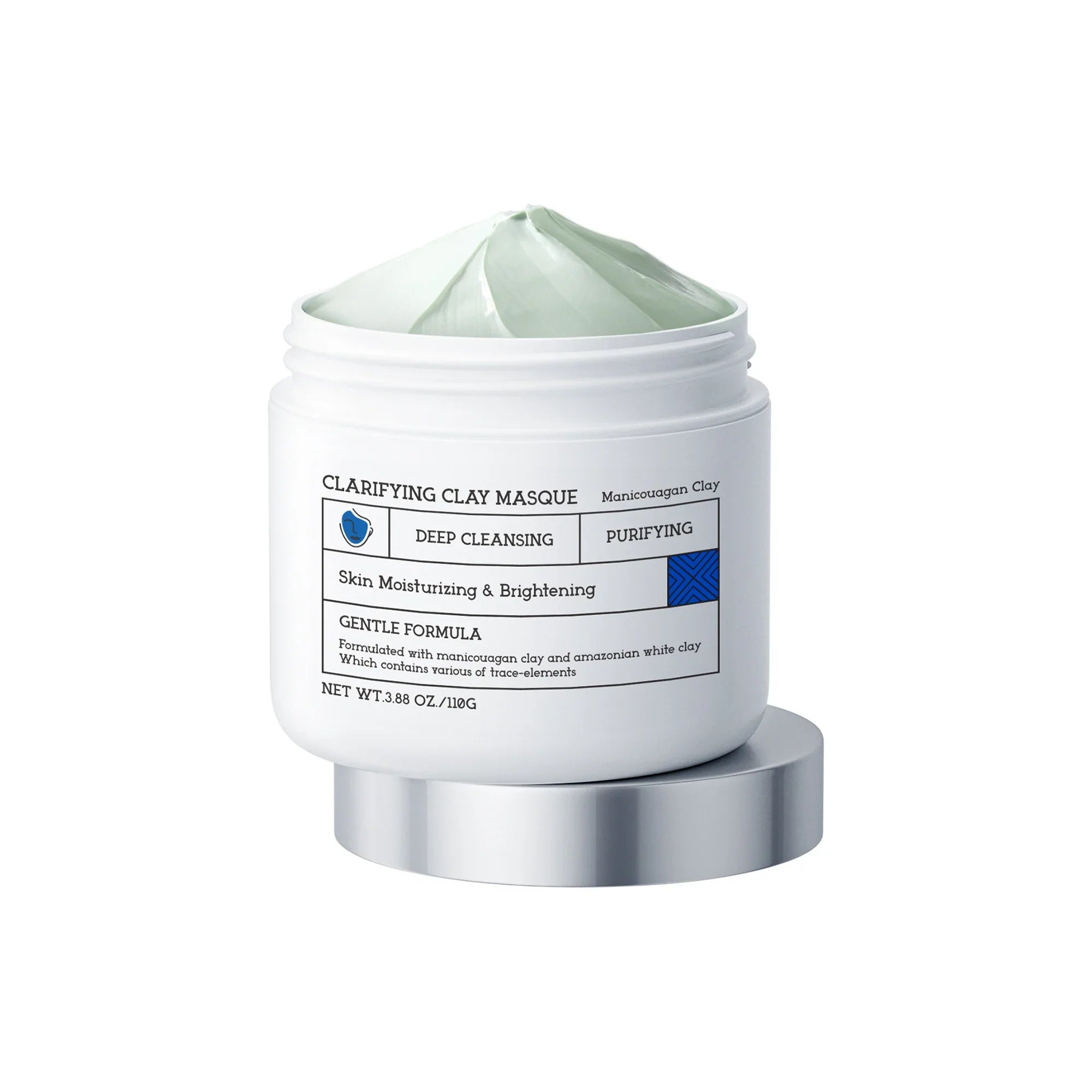
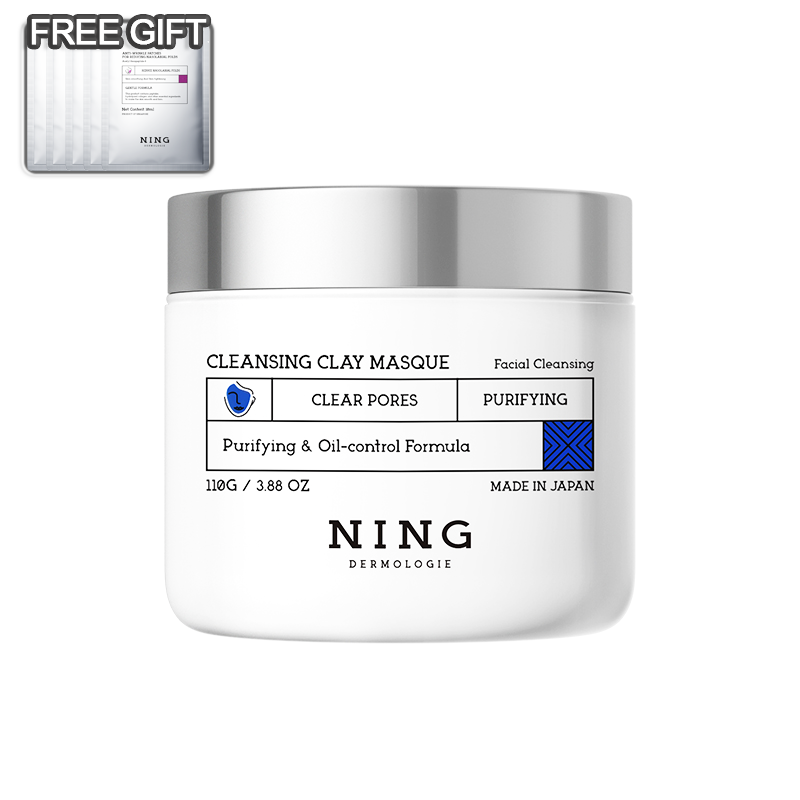
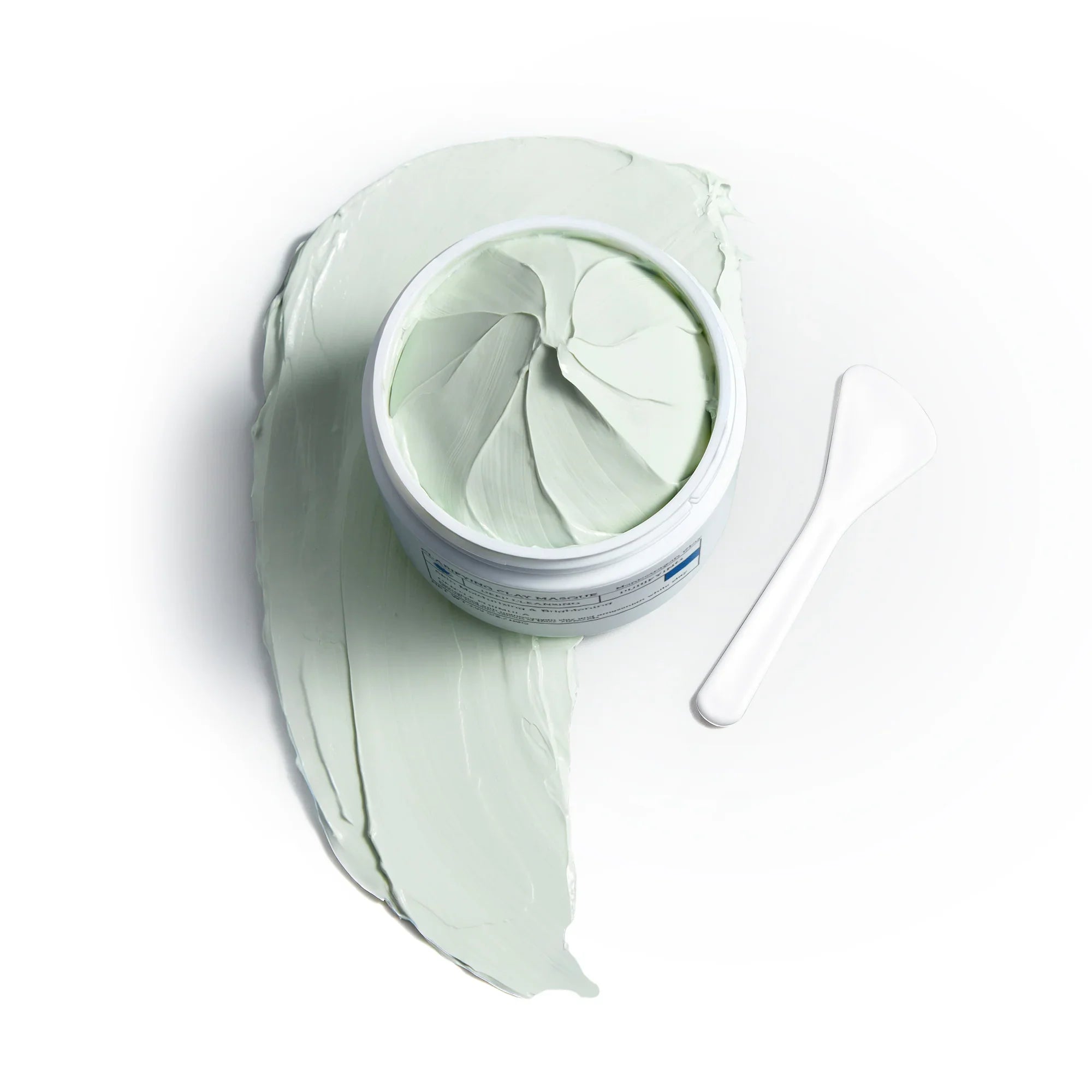
Dermatologists Favorite Clay Masks for Healthy, Vibrant Skin