

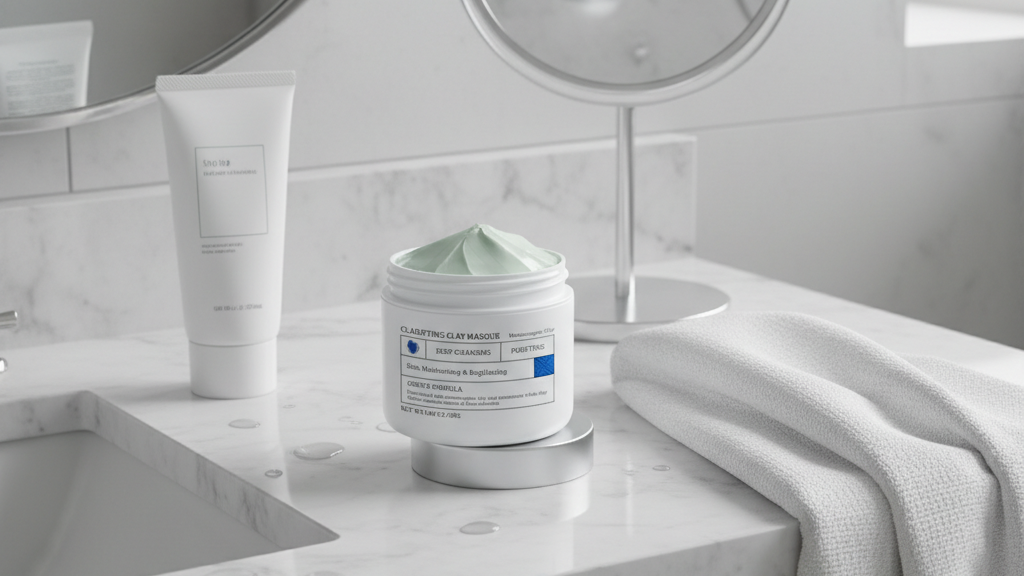

Clay Mask Therapy: A Natural Approach to Acne Solutions
The struggle with acne isn't just about the occasional pimple. It’s the constant, oily sheen by 2 PM, the stubborn blackheads that refuse to budge, and that frustrating cycle of "clear skin for three days" followed by a sudden breakout right before a big event. Most of us have been there, standing in the skincare aisle, feeling overwhelmed by products that smell like floor cleaner and promise "overnight miracles."
At NING Dermologie, we’ve always believed that you don't need to punish your skin to fix it. If you’ve been aggressively scrubbing your face or using alcohol-heavy toners, you’re likely just making things worse by stripping your skin’s natural oils and damaging your skin barrier function. There’s a better way—one that's been around for centuries but has recently been perfected by modern science.
Enter Clay Mask Therapy. This isn’t just a "spa day" gimmick. It’s a natural approach to treating acne that works with your skin’s biology, not against it.

The Raw Truth About Dirt: What is Clay, Anyway?
When we talk about natural clays in skincare, we aren’t talking about the stuff you find in your backyard garden. We’re talking about specific, mineral-rich earth materials like Kaolin and Bentonite. These aren't just "mud." They are sophisticated, porous structures that act like tiny, microscopic magnets.
The magic of a clay face mask lies in its ability to detoxify the skin. Think of your pores as small tunnels. Throughout the day, these tunnels get clogged with a mixture of excess oil, dead skin cells, environmental toxins, and old makeup. This "gunk" is the root causes of acne. When you apply a clay facial, the minerals go to work. As the mask dries, it creates a gentle suction that draws out impurities from deep within those tunnels.
It’s satisfying, sure, but the real benefit of clay masks is that they leave the skin balanced, not just "clean."
Why One Size Doesn’t Fit All: Choosing the Right Mask for Your Skin Type
One of the biggest mistakes people make with a mask for acne is grabbing the strongest one they can find. If you have sensitive skin, using a high-intensity clarifying mask designed for heavy oily skin will likely result in redness and peeling.
1. Kaolin Clay: The Gentle Giant
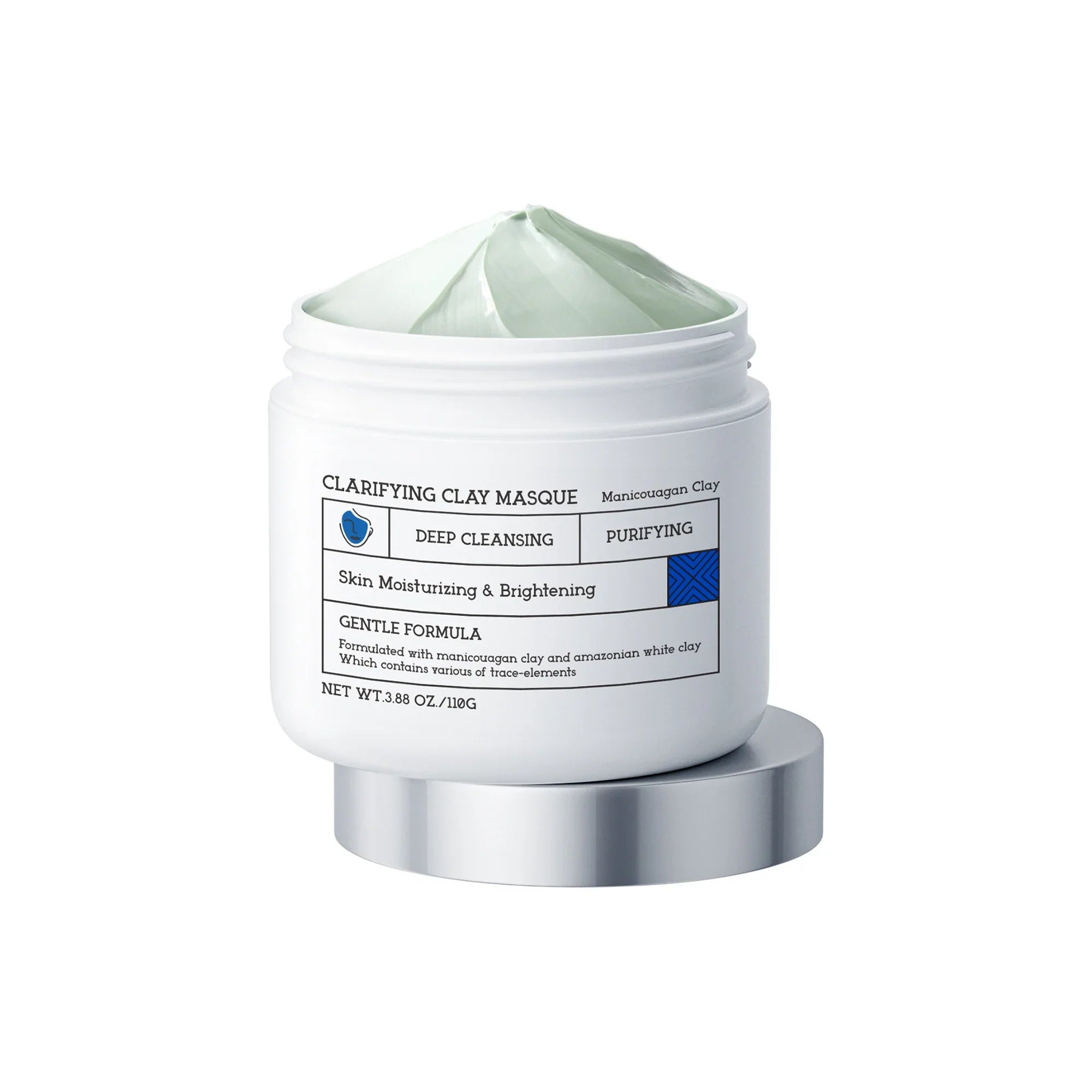
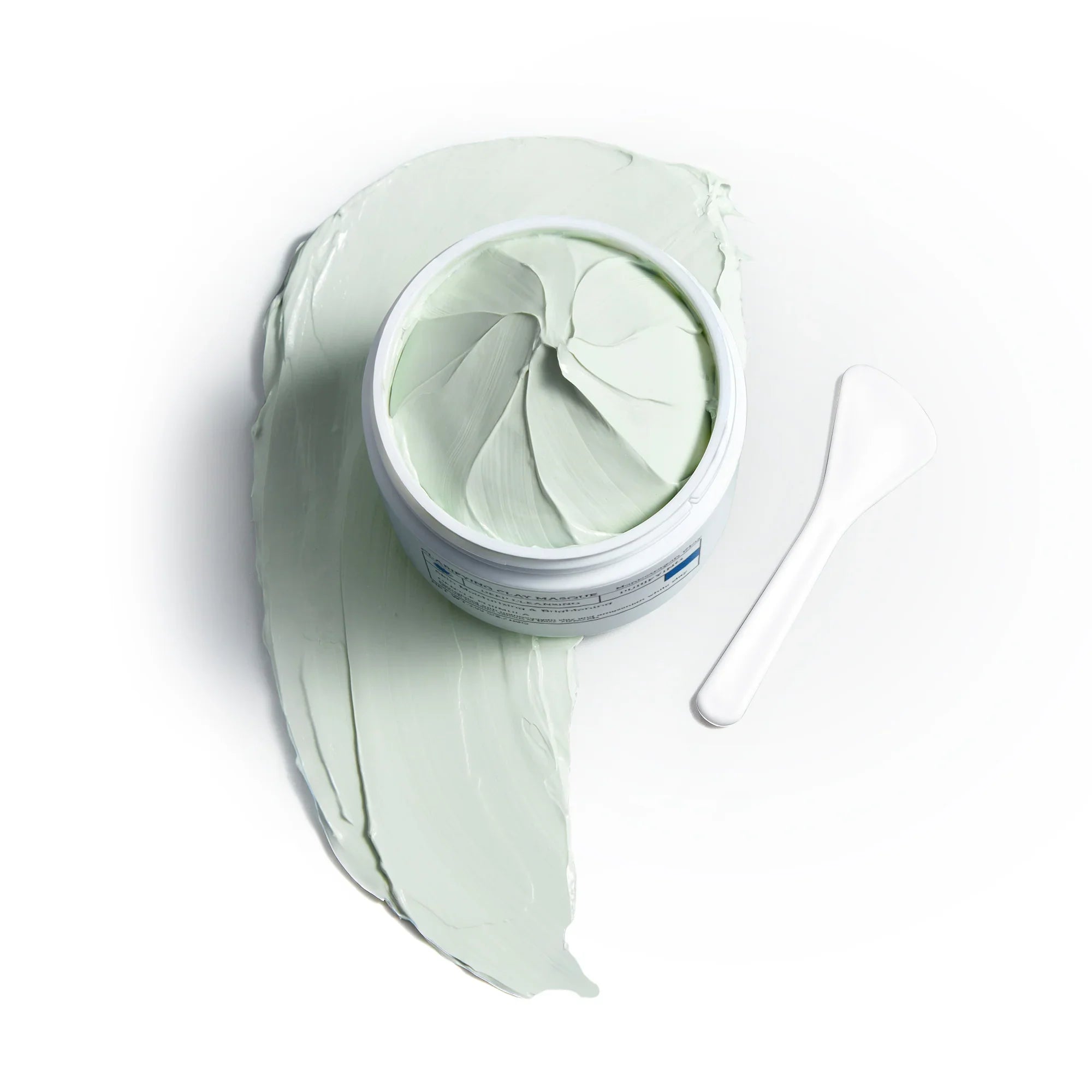
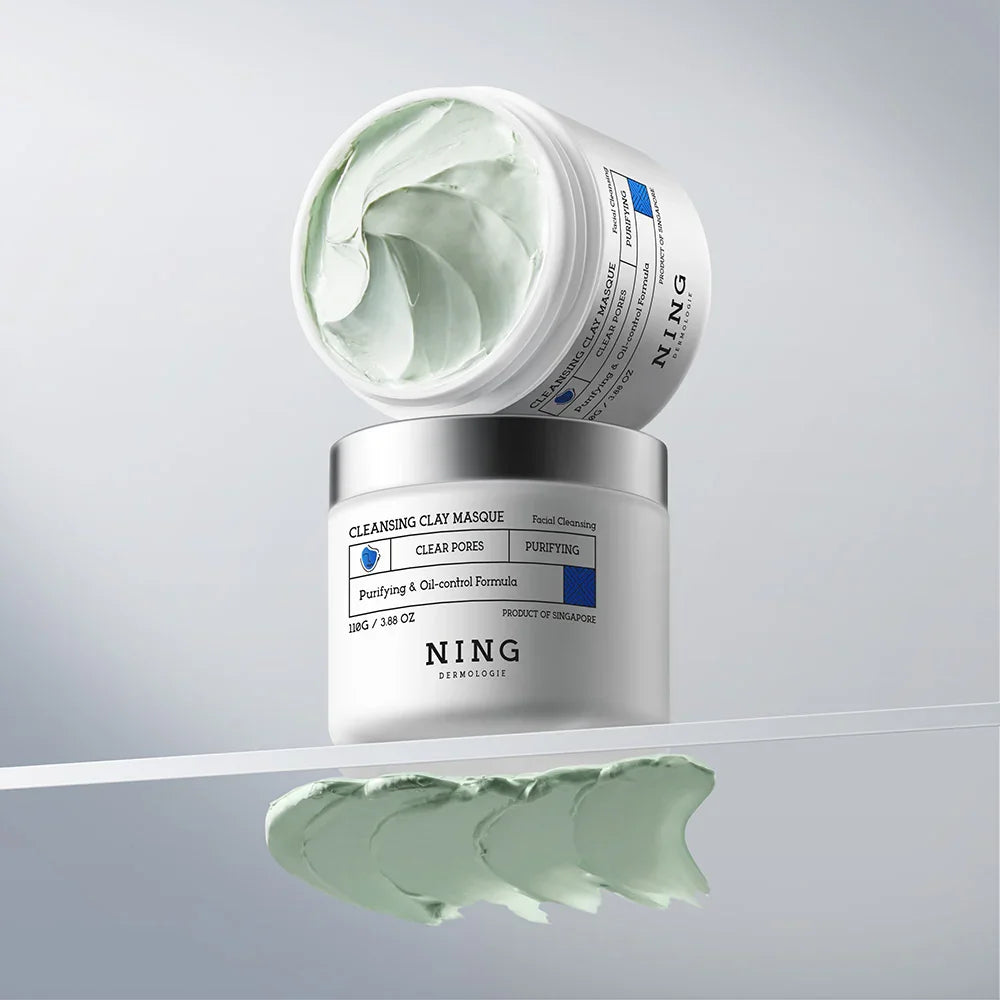
If your skin is on the drier side or if you’re dealing with acne skin that is easily irritated, Kaolin clay is your best friend. It’s the mildest of the natural clays. Unlike other types, it doesn't yank every drop of moisture out of your face. Instead, it works to gently exfoliate and unclog pores while keeping the surface of the skin soft. It’s a staple in our Clay Mask for Face Sensitive Skin because it helps improve skin health without the "burn."
2. Bentonite Clay: The Heavy Lifter
For those with a true oily skin type or blemish-prone skin, you need something with more "pull." Bentonite clay, formed from volcanic ash, is incredibly rich in minerals and has a legendary ability to absorb excess oil. It’s a potent acne treatment because it can absorb oil and excess sebum that most cleansers can’t reach.
3. The "Goldilocks" Blend: Kaolin and Bentonite
Most effective facial masks use a mixture of clay. By combining Kaolin and Bentonite, you get a mask that is powerful enough to calm acne and prevent future acne breakouts, but gentle enough to be used as part of a regular skincare routine.
The Science Behind the "Glow": How Clay Masks May Change Your Skin
So, what’s actually happening when that mask is sitting on your face? It’s not just drying out; it’s performing several key functions:
- Unclog Pores and Remove Dead Skin Cells: Acne happens when dead skin cells "glue" themselves together with sebum, creating a plug. Clay helps break that glue down.
- Absorb Oil Production: Your sebaceous glands sometimes go into overdrive. Using a clay mask regularly helps regulate oil production so you aren't constantly reaching for blotting papers.
- Soothe Inflammation: Many people forget that acne is an inflammatory condition. Natural clays contain minerals that help soothe skin and reduce the redness associated with a nasty breakout.
- Detoxify: We live in a world full of pollutants. Clay masks help detoxify the skin by yanking out the microscopic pollutants that can cause premature aging and hinder collagen production.
Integrating Clay Masks Into Your Skincare Routine
You can’t just slap on a clay face and expect miracles if the rest of your routine is a mess. Here is how you should actually use clay masks for acne to see real, long-term results.
- Step 1: The Prep Always start with a clean face. Use a gentle, pH-balanced cleanser to remove surface dirt. You want the clay to have direct access to your pores, not be blocked by a layer of day-old foundation.
- Step 2: The Application Applying a clay mask shouldn't be like icing a cake. You don’t need a thick, heavy layer. A thin, even coat is actually more effective. Focus on the areas where you tend to get blackheads or pimples—the T-zone (forehead, nose, and chin) is the usual suspect for oily or combination skin.
- Step 3: The "Goldilocks" Time Don't wait for the mask to crack and crumble like a dry desert. If you let it get to that stage, it’s actually starting to draw moisture out of your skin tissue, which can trigger more oil production as a defense mechanism. Remove the mask while it’s still slightly tacky to the touch—usually after about 10 to 15 minutes.
- Step 4: The Aftercare Rinse with lukewarm water. Never scrub it off with a rough towel. Once your face is dry, follow up with a lightweight moisturizer. Even if you have oily skin, you must hydrate. Keeping skin balanced is the only way to stop the cycle of acne.
Spot Treatment: The Overnight Secret
Did you know you can use your clay mask as an overnight spot treatment? If you feel a "blind" pimple or a cystic acne bump forming under the skin, take a tiny dab of a clay mask rich in minerals—like our NING Dermologie formula—and apply it directly to the bump before bed.
The clay works for all skin types to draw out impurities and reduce the size of your pores overnight. By the time you wake up, the inflammation is usually significantly reduced. It’s a much safer alternative to trying to pop a pimple, which only leads to scarring and more bacteria.
Can Clay Masks Help with Aging? (The Collagen Connection)
While clay masks are primarily known for treating acne, they indirectly help with skin aging. Chronic inflammation (caused by acne and environmental toxins) is one of the biggest killers of collagen. By using a clay mask to soothe skin and keep it clean, you are protecting your skin’s natural barrier. Some clays also contain silica, which is a precursor to collagen production, helping to keep the skin looking plump and healthy over time.
When to Be Careful: Potential Side Effects
While the benefits of using a clay mask are huge, you can have too much of a good thing.
- Over-drying: If you use a clarifying mask every single day, you will wreck your skin barrier. For most, once or twice a week is plenty.
- Active Ingredients: If your clay mask also contains salicylic acid, be mindful of other actives you’re using. Don’t use a clay mask and a strong retinol on the same night unless your skin is used to it.
- Broken Skin: Never apply a mask to an open wound or a freshly "picked" pimple. Let the skin heal for a day first.

Why NING Dermologie?
At NING Dermologie, we spent a long time looking at why people were afraid of clay. The answer was almost always: "It makes my skin feel tight and itchy."
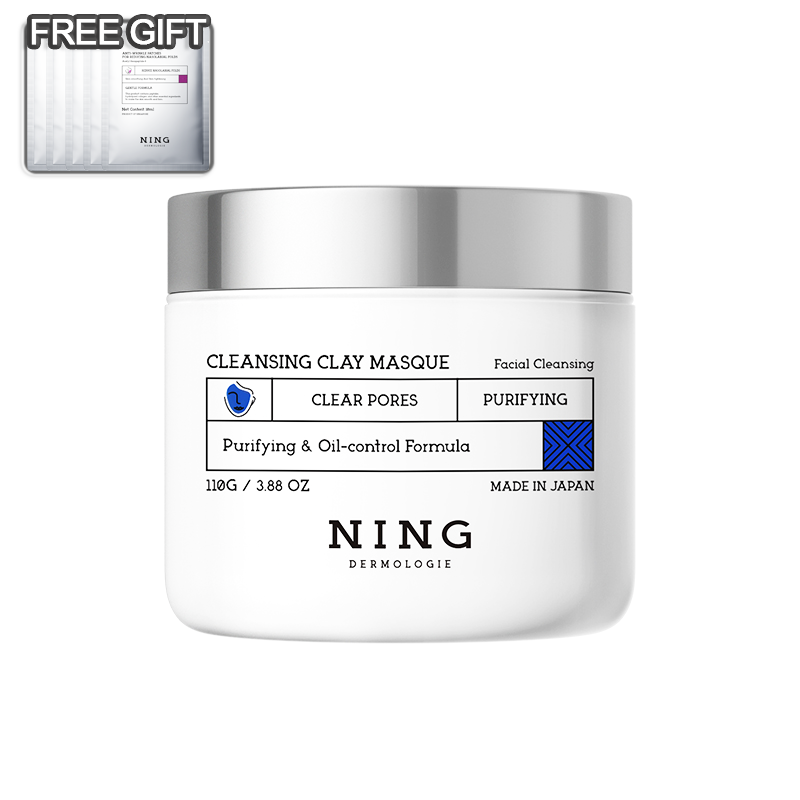
We solved that. Our Clay Mask for Face Sensitive Skin uses a specific grade of Kaolin that purifies without the "desert-dry" feeling. It’s about skin health, not just oil removal. We believe that everyone—regardless of whether they have dry skin, oily skin, or a frustrating mix of both—deserves a product that makes them feel confident.
Frequently Asked Questions (FAQ)
1. Can I use a clay mask if I have very dry skin?
Absolutely, but don't go overboard. The trick is to skip the heavy-duty bentonite and stick to a mild Kaolin clay formula like NING Dermologie’s. Instead of coating your entire face, just "multi-mask" by applying it to your T-zone or anywhere you see actual blackheads. Wash it off before it gets bone-dry to avoid stripping your natural oils. Follow up immediately with a thick moisturizer, and you're golden.
2. How long does it take to see results from clay mask therapy?
You’ll feel the "smoothness" immediately after one rinse—that’s just the dead skin being cleared away. But if you’re chasing a real reduction in acne breakouts, give it about a month. Skin cells take around 28 days to turn over. If you use it once or twice a week consistently, you'll likely see fewer clog pores and a much calmer complexion by the four-week mark.
3. Is it normal for my skin to tingle or turn red after using a mask?
A little "zing" or a slight pinkish glow is usually fine—it’s just the minerals waking up your circulation while they draw out impurities. However, if it feels like your face is on fire or stays angry red for an hour, wash it off fast. You might be sensitive to an ingredient or leaving it on too long. Always do a quick patch test on your neck first.
4. Should I use a clay mask before or after a shower?
Post-shower is the winner here. The steam from the warm water naturally softens up the sebum and gunk in your pore, making it way easier for the clay to do its job. Just make sure to pat your face dry first. If you apply a clay face mask to dripping wet skin, it just slides around and won't grab onto the oil properly.
5. Can I mix my clay mask with other ingredients like apple cider vinegar?
Honestly? I wouldn't. I know the DIY blogs love it, but vinegar is incredibly acidic and can wreck your skin barrier function before you even realize it. Our NING Dermologie masks are already professionally balanced to the right pH. Adding random kitchen ingredients usually just leads to irritation. Trust the lab-tested formula—it’s already got everything your acne skin needs to heal.
Final Thoughts
Acne doesn’t have to be a permanent fixture in your life. By moving away from harsh, stripping chemicals and embracing the natural power of clay mask therapy, you’re giving your skin the tools it needs to heal itself. Whether you’re dealing with the occasional breakout or a lifelong struggle with oily skin, remember: be gentle, stay consistent, and listen to what your skin is telling you.
Ready to start your journey? Check out our Clay Mask for Face Sensitive Skin and see the difference that real, mineral-rich clay can make. Your skin will thank you.





Share:
Affordable Korean vitamin C serums available in the US
Harnessing the Power of Clay: Skincare Benefits Unveiled