



Most of us have a half-empty, suspiciously orange bottle of Vitamin C sitting in the back of our bathroom cabinet. You bought it because everyone said it was the "holy grail" for a brighter skin tone, but maybe it stung your face, broke you out, or simply did... nothing.
The truth is, Vitamin C is a bit of a diva. It’s unstable, it’s picky about its friends, and if you don’t layer it correctly, you’re basically throwing money down the drain. If you want that "lit-from-within" glow—not the "I’m having an allergic reaction" look—you need to understand the layering technique and the "power couples" that make this ingredient actually work.
At NING Dermologie, we’ve seen enough "oxidized orange faces" to know that the secret isn’t just about concentration; it’s about the formula and what comes before and after it.

The Science (Without the Boredom): Why Vitamin C?
Vitamin C is an antioxidant powerhouse. In the skincare world, it’s your antioxidant shield against UV rays and environmental pollution. Think of it as a tiny bodyguard that intercepts UV damage before it turns into dark spots or fine lines.
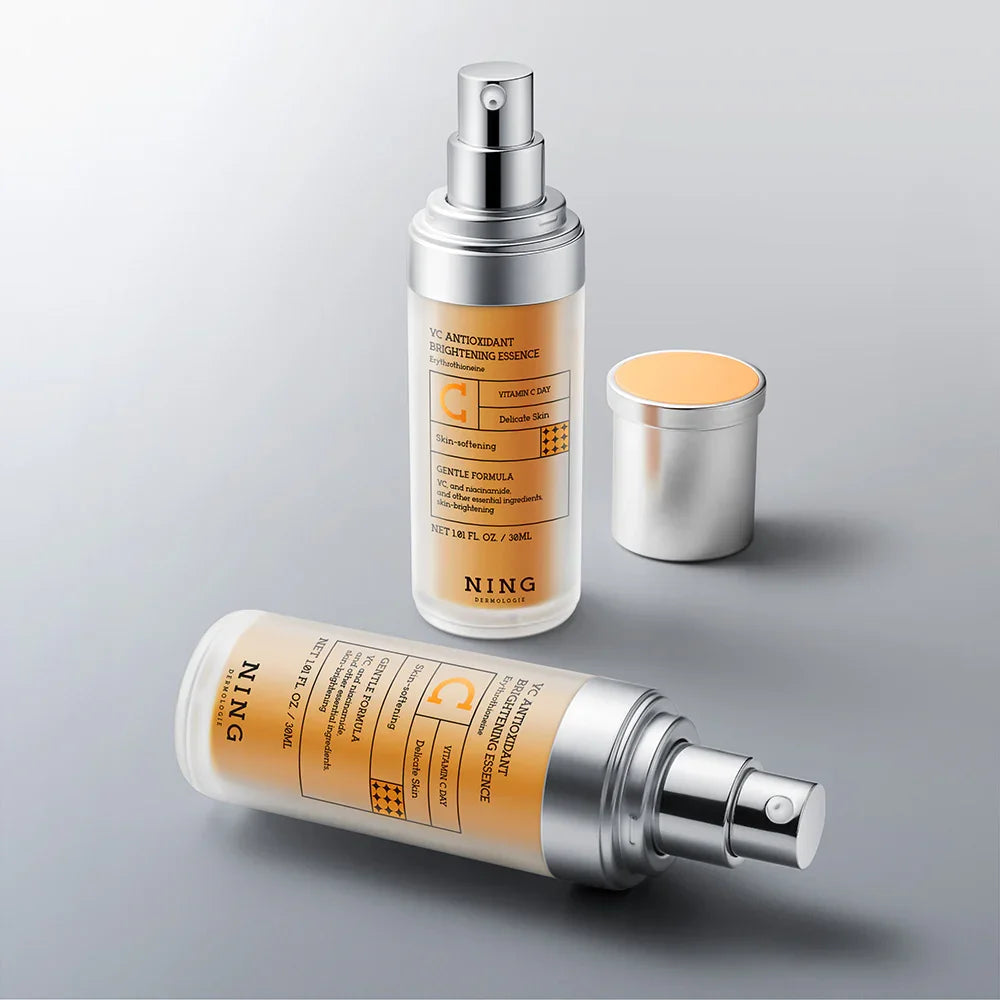
But not all Vitamin C is created equal. You’ve likely heard of L-Ascorbic Acid—the pure, potent form. It’s effective, but it’s also highly acidic and can be a nightmare for sensitive skin. That’s why modern formulations, like our NING Dermologie Vitamin C Serum, use derivatives of Vitamin C like Ethyl Ascorbic Acid. These are more stable, less irritating, and play better with other skincare ingredients.
The "Power Couple" Strategy: What to Pair with Your Serum
Layering isn't just about stacking products; it's about synergy. If you’re just slapping on a serum and hoping for the best, you’re missing out.
1. Vitamin C + Hyaluronic Acid (The Hydration Anchor)
Vitamin C can sometimes feel a bit drying. Pairing it with Hyaluronic Acid or Sodium Hyaluronate ensures your skin barrier stays plump while the C works on collagen production. This is why we infused our serum with Niacinamide and soothing elements—to act as a collagen booster without the typical irritation.
2. Vitamin C + Vitamin E + Ferulic Acid (The Gold Standard)
This is the trio made famous by the SkinCeuticals C E Ferulic. Vitamin E and Ferulic acid actually double the photoprotective effect of Vitamin C. It’s like upgrading your bodyguard to a full security detail.
3. Vitamin C + SPF (The Ultimate Protection)
If you apply Vitamin C without a broad spectrum SPF, you’re wasting your time. Vitamin C provides antioxidant protection, while your Sunscreen SPF 30 (whether you prefer mineral options or chemical sunscreens) blocks the rays. Together, they are an unbeatable antioxidant shield.
The Step-by-Step Layering Guide
How do you actually fit this into a skin-care routine? Here is the skincare order that actually delivers results.
Step 1: Double Cleansing
Start with a clean canvas. Double cleansing ensures that dirt and sebum don't block your active ingredients. If you’re into Japanese skincare, you might start with an oil cleanser followed by a gentle foam.
Step 2: Hydrating Toners & pH Balance
After cleansing, your skin’s pH might be slightly off. Use hydrating toners (like the cult-favorite Hada Labo Gokujyun Lotion) to damp the skin. This improves absorption. Vitamin C loves a balanced environment to penetrate deeply.
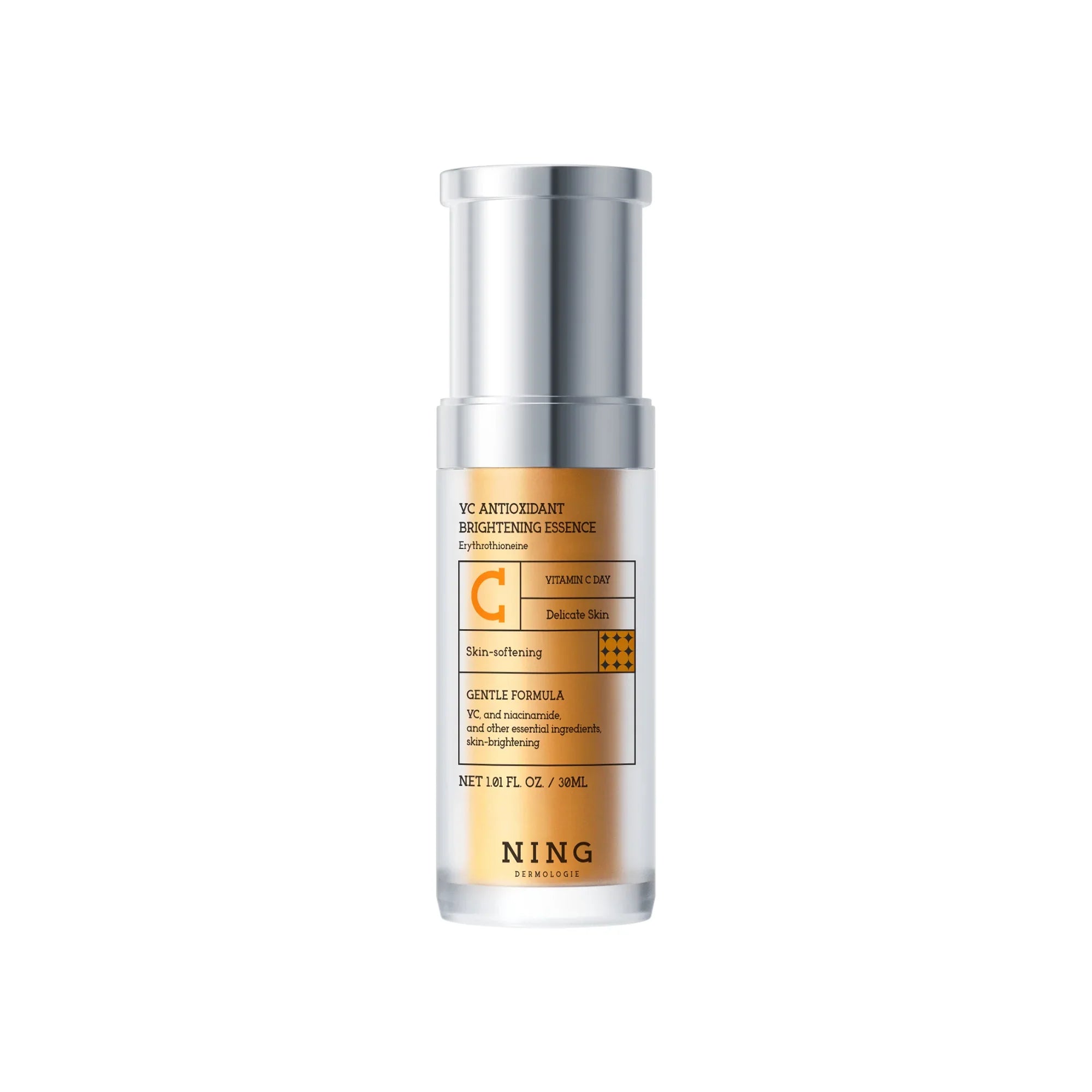
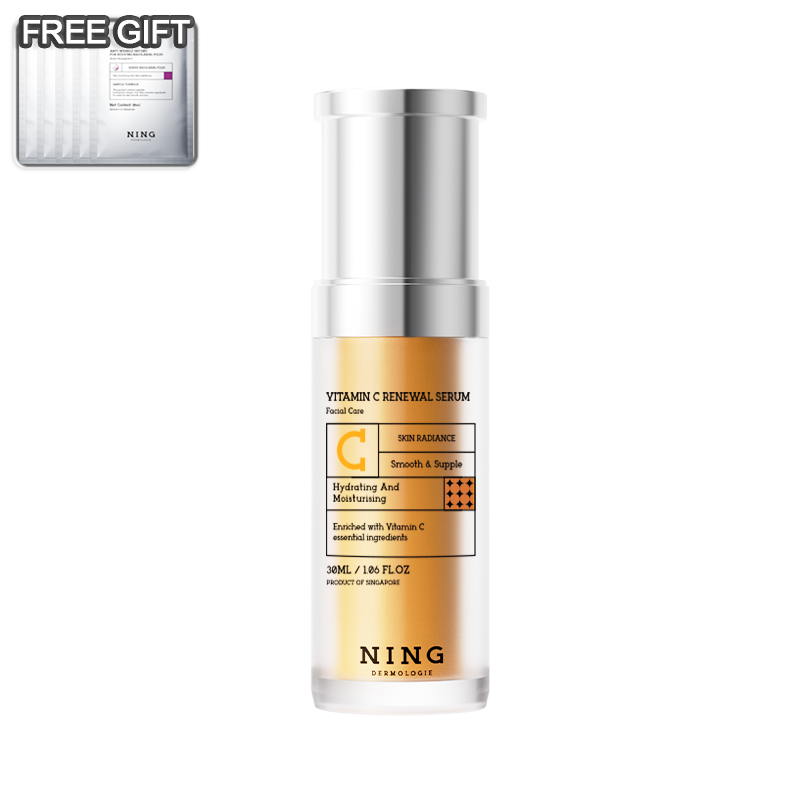
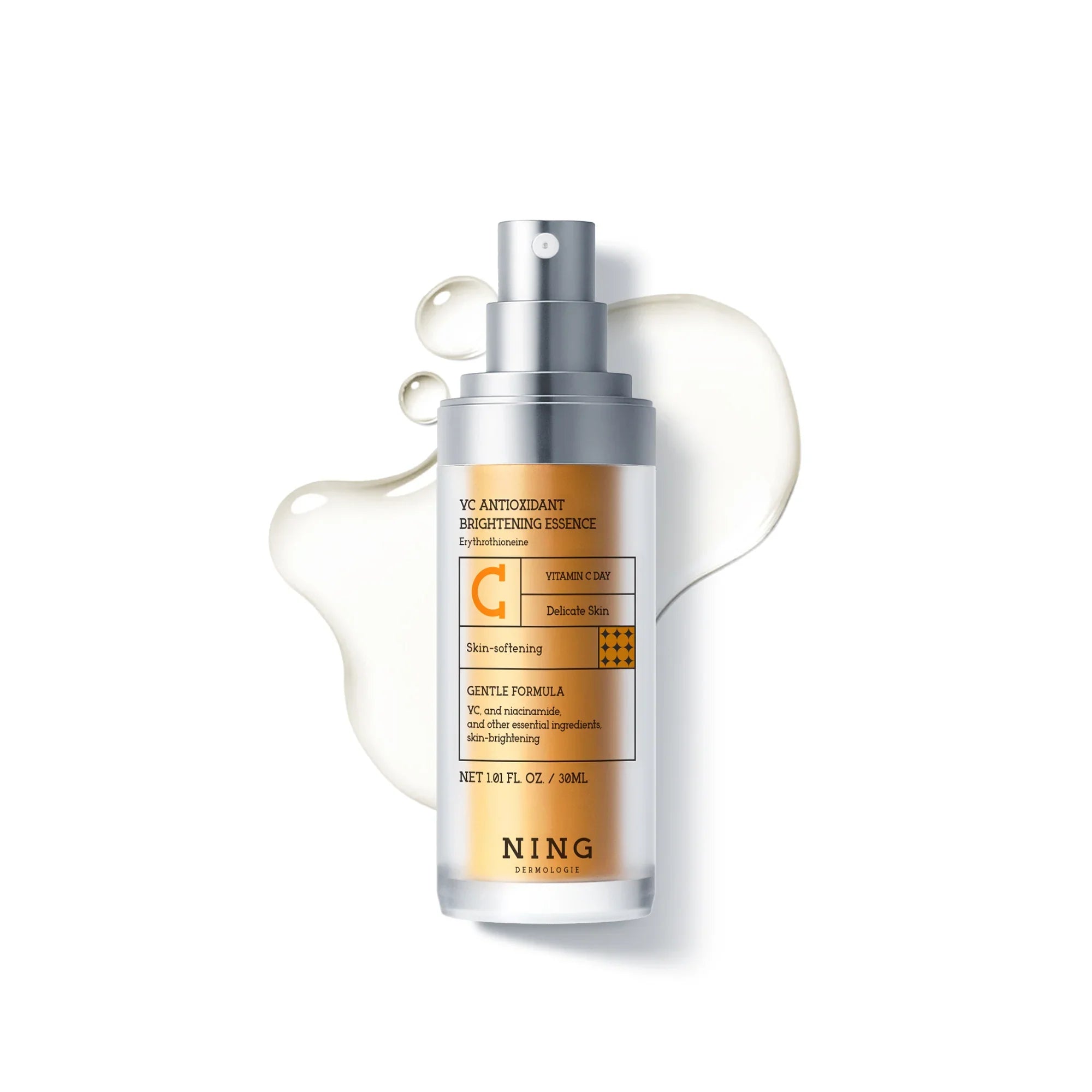
Step 3: The NING Dermologie Vitamin C Serum
Apply 3-5 drops of your Vitamin C serum. If you’re using L-Ascorbic Acid, apply it to dry skin. If you’re using our Ethyl Ascorbic Acid formula, it’s much more forgiving. Massage it in until absorbed. This is your primary tool for fighting dark spots and boosting collagen production.
Step 4: Eye Creams & Targeted Treatments
This is where you’d use something like the Shiseido Elixir or Transino Whitening Essence if you have specific areas of hyperpigmentation. If you’re dealing with a breakout, be careful—salicylic acid and benzoyl peroxide can sometimes deactivate certain forms of Vitamin C. If you must use an acne spot cream, wait 10 minutes or save it for your night routine.
Step 5: Seal it in (Moisturizer & Oils)
To prevent product pilling, wait a minute for the serum to set. Follow with a barrier-repairing cream like the True Botanicals Chebula Extreme Barrier Cream. If your skin is very dry, add a few drops of Rosehip Oil or Dr. Alkaitis Organic Nourishing Treatment Oil. These oils provide a lipid layer that keeps the Vitamin C locked in.
Step 6: The Unnegotiable SPF
Finish with a broadband UVA/UVB SPF 30. Whether it’s a lightweight SkinCeuticals formula or a budget-friendly Melano CC Essence sunscreen, just wear it.
Mistakes That Are Ruining Your Glow
I see these three mistakes constantly. Stop doing them if you want actual results:
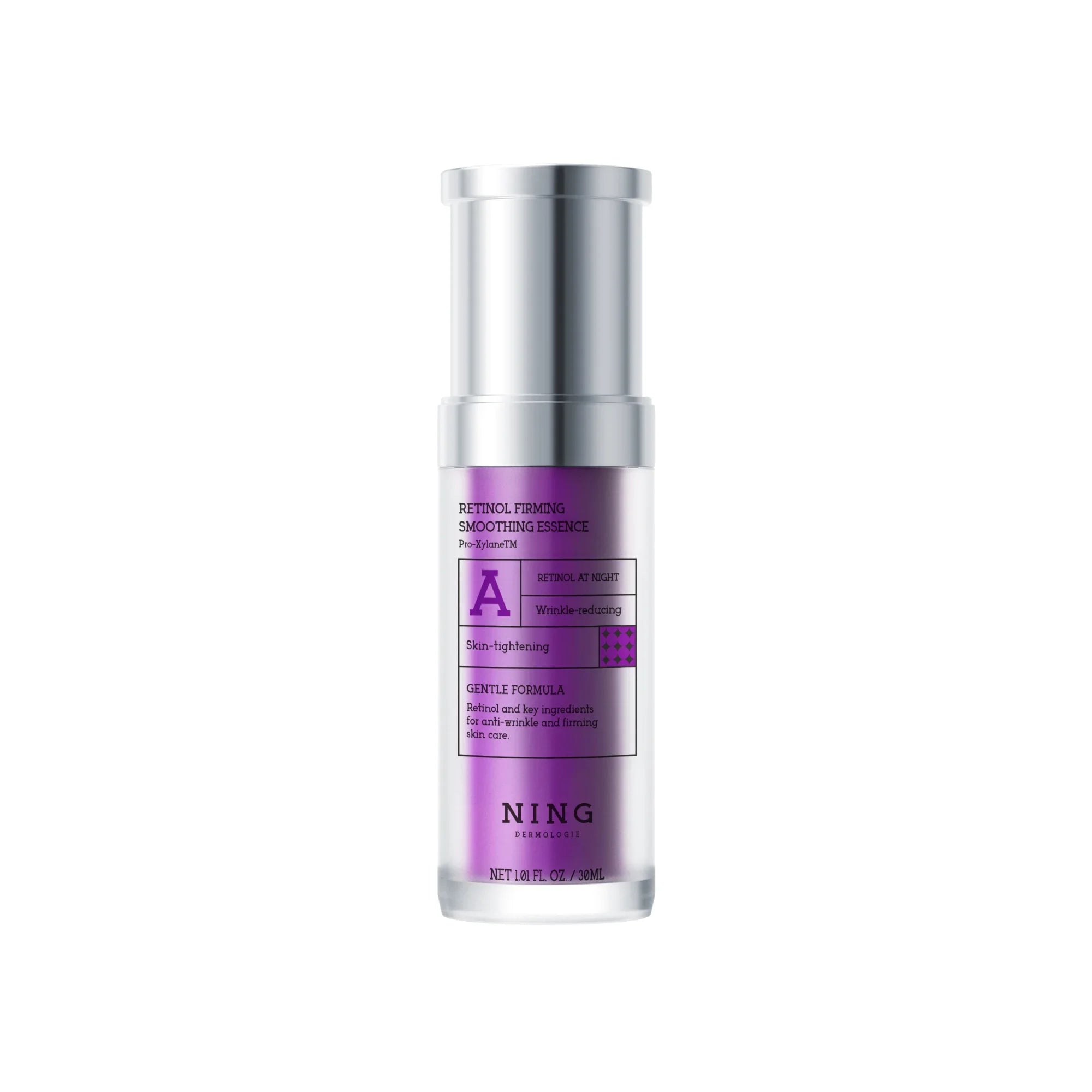
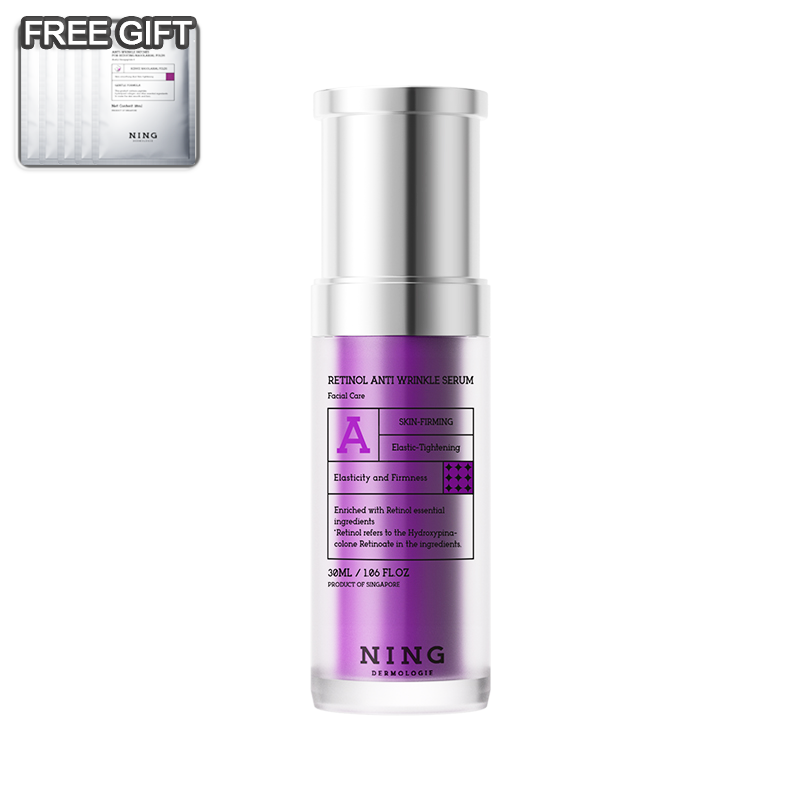
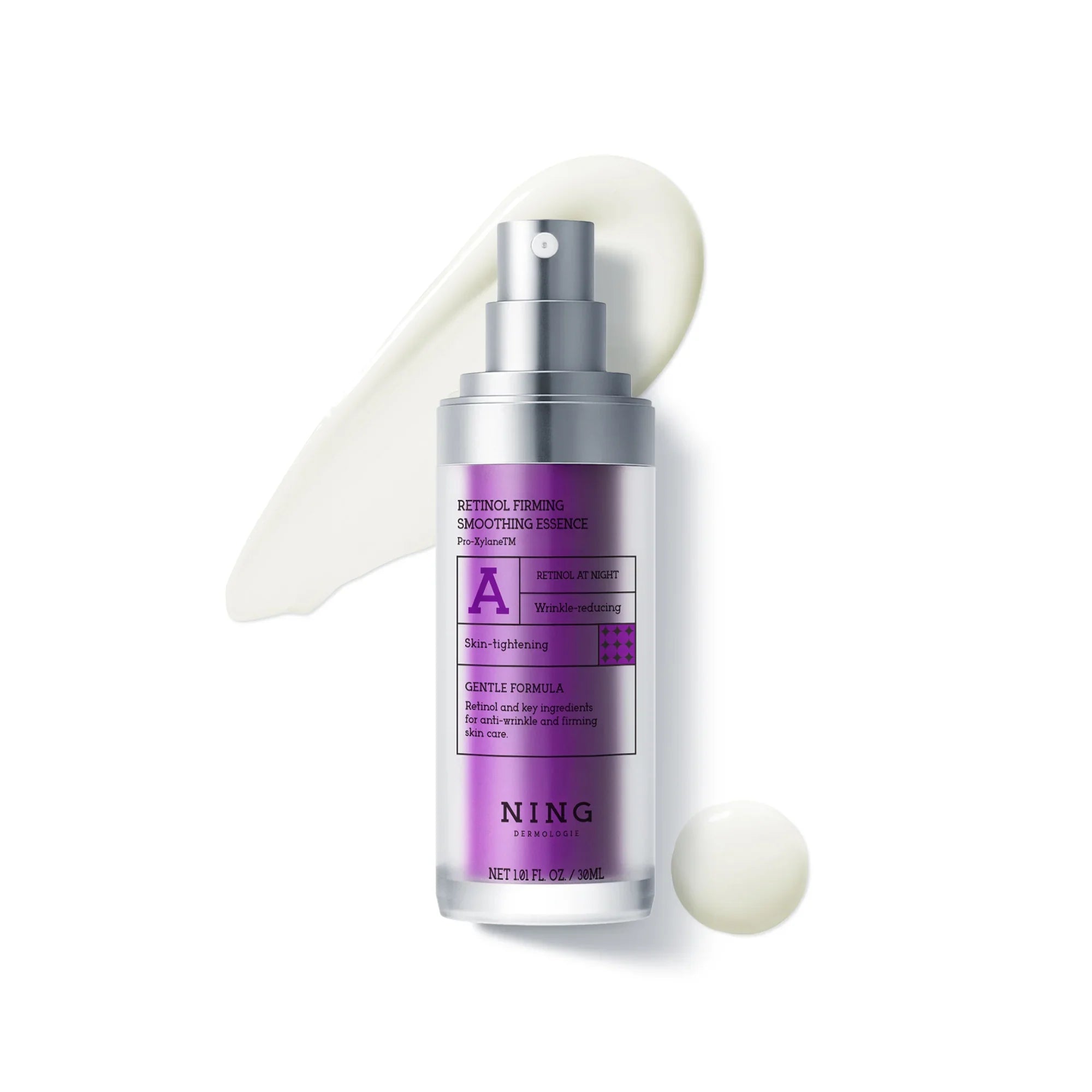
- Mixing with Retinol: Don't do it in the same step. Use Vitamin C in the morning for UV damage protection and keep your Retinyl Ascorbate or Retinol for the night.
- The "More is Better" Fallacy: Using a 20% L-Ascorbic acid on sensitive skin is a recipe for a compromised skin barrier. Start lower.
- Skipping the Patch Test: Always, always do a patch test on your jawline. You don't want to find out your skin hates Tetrahexyldecyl Ascorbate while you're getting ready for a big event.
Beyond the Bottle: NING Dermologie’s Philosophy
We didn't just want to make another "me-too" product. The NING Dermologie Vitamin C Serum was designed to bridge the gap between high-potency medical grade (like Le Mieux Vita-C Serum) and the gentle, hydrating approach of Japanese skincare. By combining Niacinamide with a stable C derivative, we’ve created a product that brightens without the "sting" or the "stink" of traditional ferulic serums.
Whether you are trying to erase the sins of last summer's sun or looking to firm up your skin by triggering collagen production, the key is consistency. Skincare isn't a sprint; it's a marathon.

Frequently Asked Questions (FAQ)
Can I use Vitamin C with Salicylic Acid?
It’s tricky. Salicylic acid lowers your skin's pH, which can make Vitamin C (especially L-Ascorbic Acid) too aggressive, leading to irritation. If you have sensitive skin, use your BHA at night and your Vitamin C in the morning to avoid overwhelming your skin barrier.
Why does my Vitamin C serum turn orange?
That’s oxidation. When Vitamin C is exposed to air and light, it loses its power as an antioxidant powerhouse. Once it’s dark orange or brown, it’s useless and might even cause breakouts. Pro tip: Store it in a cool, dark drawer, not your humid bathroom.
Is Vitamin C safe for sensitive skin?
Yes, but stay away from high concentrations of pure L-Ascorbic Acid. Look for derivatives of Vitamin C like the ones we use at NING Dermologie. They are designed to be "slow-release" and stable, giving you the glow without the redness or stinging.
Do I really need to wait between layering steps?
You don't need a stopwatch, but giving it a minute helps prevent product pilling. If you apply a heavy face oil or glycolic acids immediately after your serum, you might dilute the active ingredients. Let the serum feel "set" before moving to your moisturizer.
Can I use Vitamin C if I have active acne?
Absolutely. It helps heal the "red marks" (PIE) left behind. However, avoid mixing it directly with benzoyl peroxide in the same application, as they can cancel each other out. Use your Vitamin C serum in the morning and your acne treatments at night for the best results.





Share:
Clean Beauty Defined: What "Medical-Grade" Skincare Means for You
Clean Beauty Defined: What "Medical-Grade" Skincare Means for You