

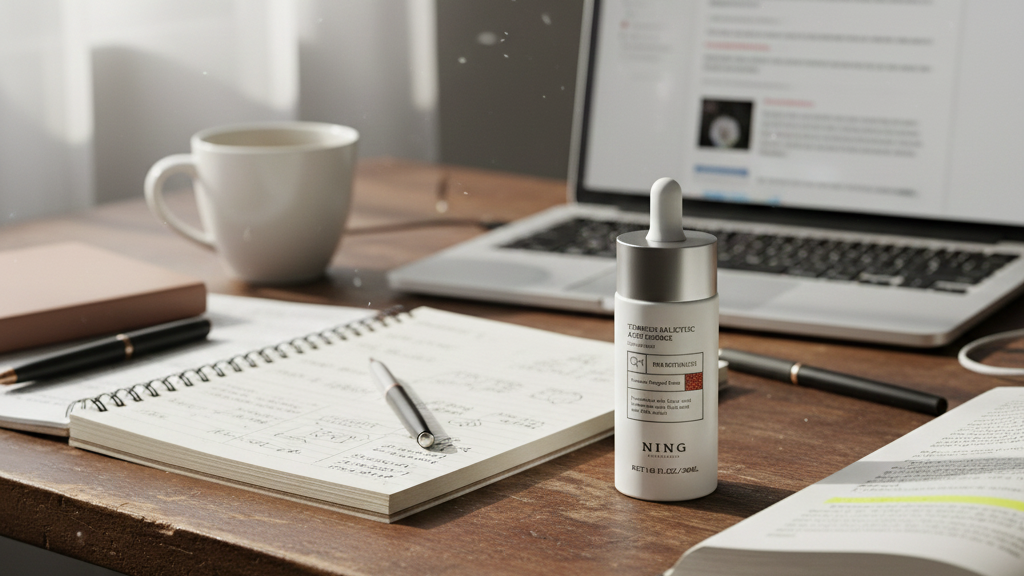

Why Salicylic Acid is a Skincare Favorite: A Closer Look
We’ve all been there—staring at the bathroom mirror, wondering why that one stubborn breakout decided to show up exactly forty-eight hours before a big event. If you’ve spent any time at all scouring the internet for a solution, you’ve hit the same two words over and over again: salicylic acid.
It’s the undisputed heavyweight champion of the skincare world, especially for anyone fighting the uphill battle against acne. But why is it in every cleanser, serum, and spot treatment on the shelf? Is it actually a miracle worker, or just another overhyped chemical?
At NING Dermologie, we believe in stripping away the marketing fluff. To get the clearer skin you’re after, you don’t just need a bottle of something "acidic"—you need to understand how the power of salicylic acid actually interfaces with your biology.

What You Really Need to Know About Salicylic Acid for Clearer Skin
Before we dive into the "how-to," we need to define the "what." Salicylic acid is a beta hydroxy acid (BHA) that essentially acts as a chemical janitor for your pores. Unlike its cousins, the alpha hydroxy acids (like glycolic acid or lactic acid), this exfoliating acid is oil-soluble.
Why does that matter? Think of it this way: AHAs are like a broom that sweeps the surface of the skin. They’re great for skin texture and tone on the outside. But salicylic acid is like a high-powered vacuum that can actually travel down into the pore to suck out the gunk. It’s a derivative of acetylsalicylic acid (basically aspirin), which explains why it has such potent antiinflammatory properties. It doesn’t just scrub; it calms the "angry" redness of breakout-prone skin.
How Does Salicylic Acid Work to Stop a Breakout?
To understand how salicylic acid helps, you have to understand the anatomy of a pimple. Most acne starts when dead skin cells on the layer of skin refuse to shed. They hang around, get bored, and decide to glue themselves to the sebum (oil) inside your pore. This creates a plug—a "clogged pore"—which then becomes a breeding ground for bacteria.
When you use salicylic acid, it goes to work by dissolving the bonds between dead skin cells. It breaks down the "glue," allowing the dead skin cells and clearing of the debris to happen naturally. By exfoliating dead skin cells from within, it prevents the breakout before it even has a chance to reach the surface. This is why regular use is so much more effective than just "spot treating" a bump once it appears.
BHA vs. AHA: Why Your Skin Type Dictates the Acid
Choosing between glycolic and salicylic isn't about which is "better"—it's about your specific skin concerns.
- Alpha Hydroxy Acids (AHAs): These are water-soluble. They work on the surface of the skin to help with skin clarity and fine lines. If you have dry skin, an AHA might be your best friend.
- Beta Hydroxy Acid (BHA): This is the gold standard for oily and acne-prone skin. Because it can cut through oil, it’s the only thing that effectively addresses clogged pores deep down.
If you have blemish-prone skin, sticking with a beta hydroxy acid is usually the smarter move. It supports smoother skin by keeping the "pipes" of your face clear, whereas an AHA might just polish the surface while the clogs remain underneath.
Finding the Right Percentage of Salicylic Acid
In the world of skincare products, more isn't always better. You’ll see a varying percentage of salicylic acid on labels, usually ranging from 0.5% to 2%.
- 0.5% to 1%: Great for sensitive skin types or those who are just starting out. It provides a gentle exfoliation of the skin without causing a total meltdown.
- 2%: This is the "sweet spot" for most people with acne-prone and oily skin. It’s strong enough to yield results within a few weeks of consistent use but stable enough for a daily skincare routine.
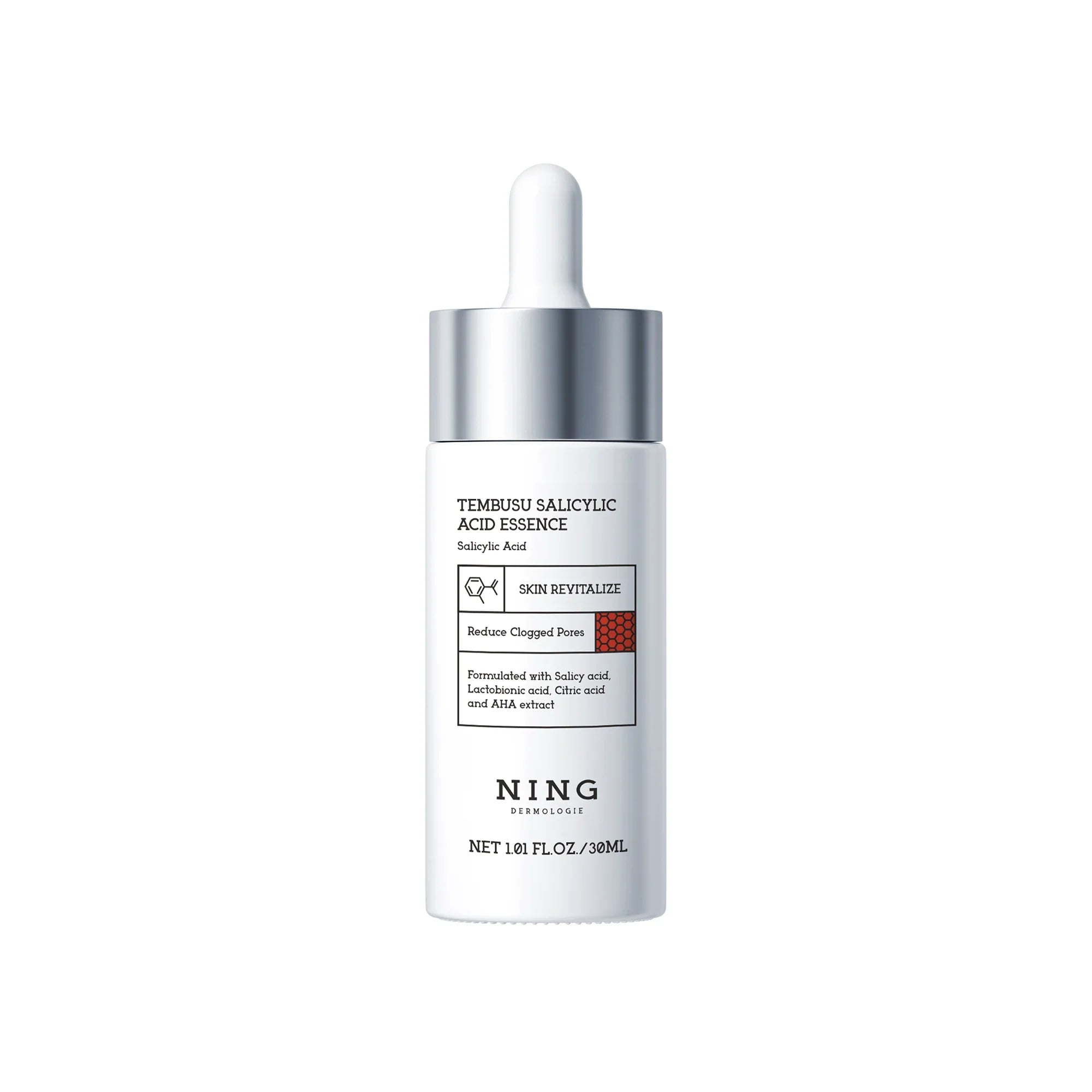
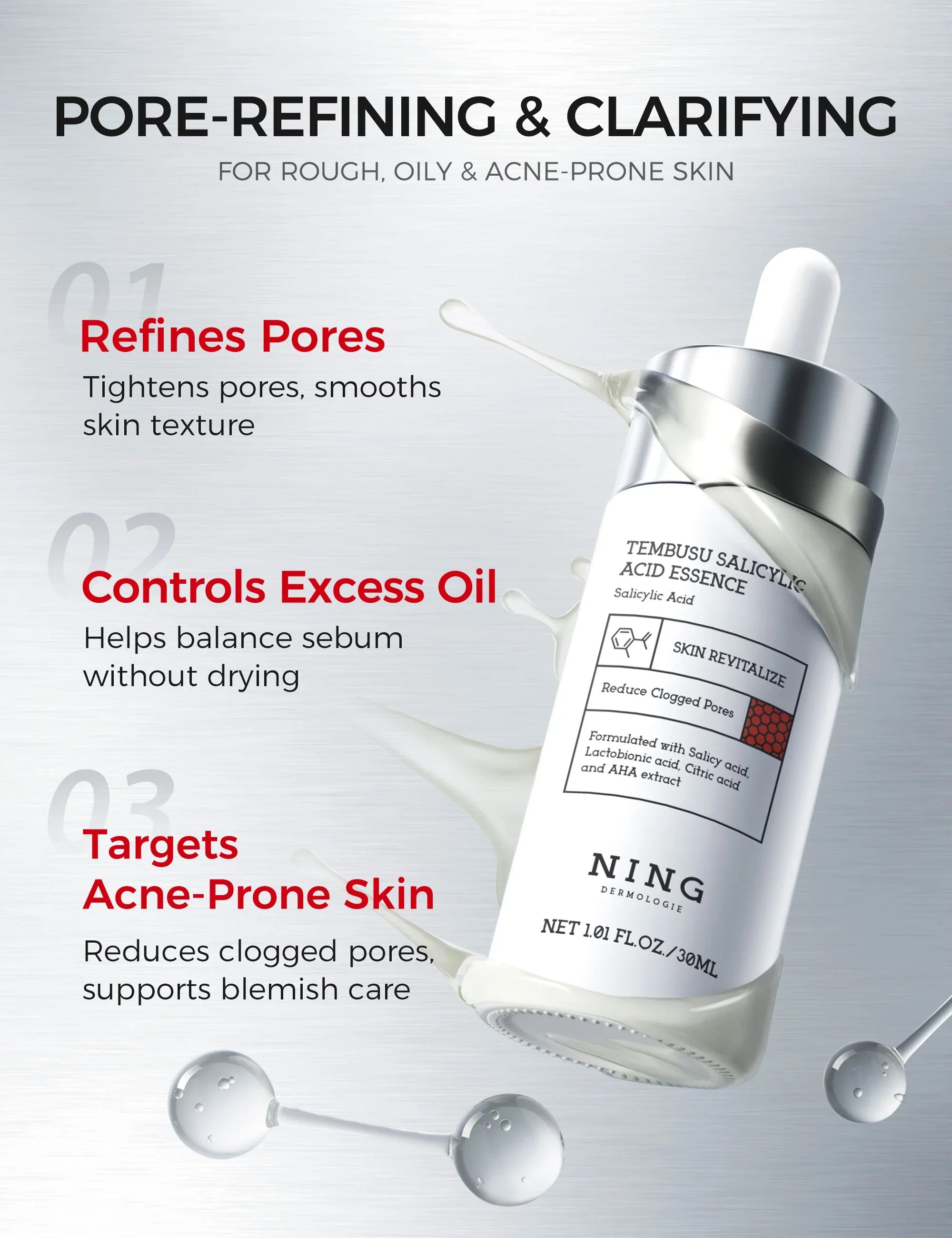
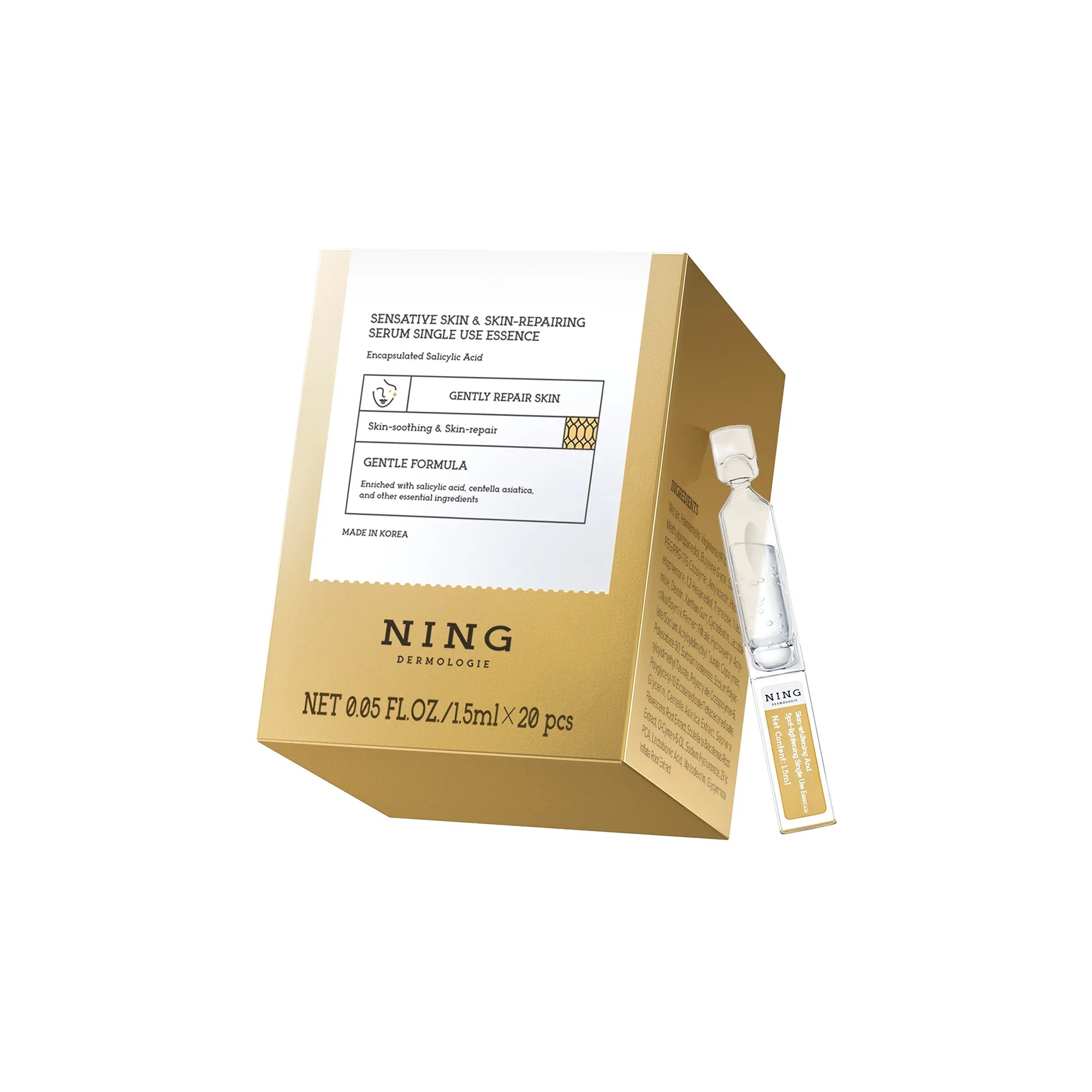
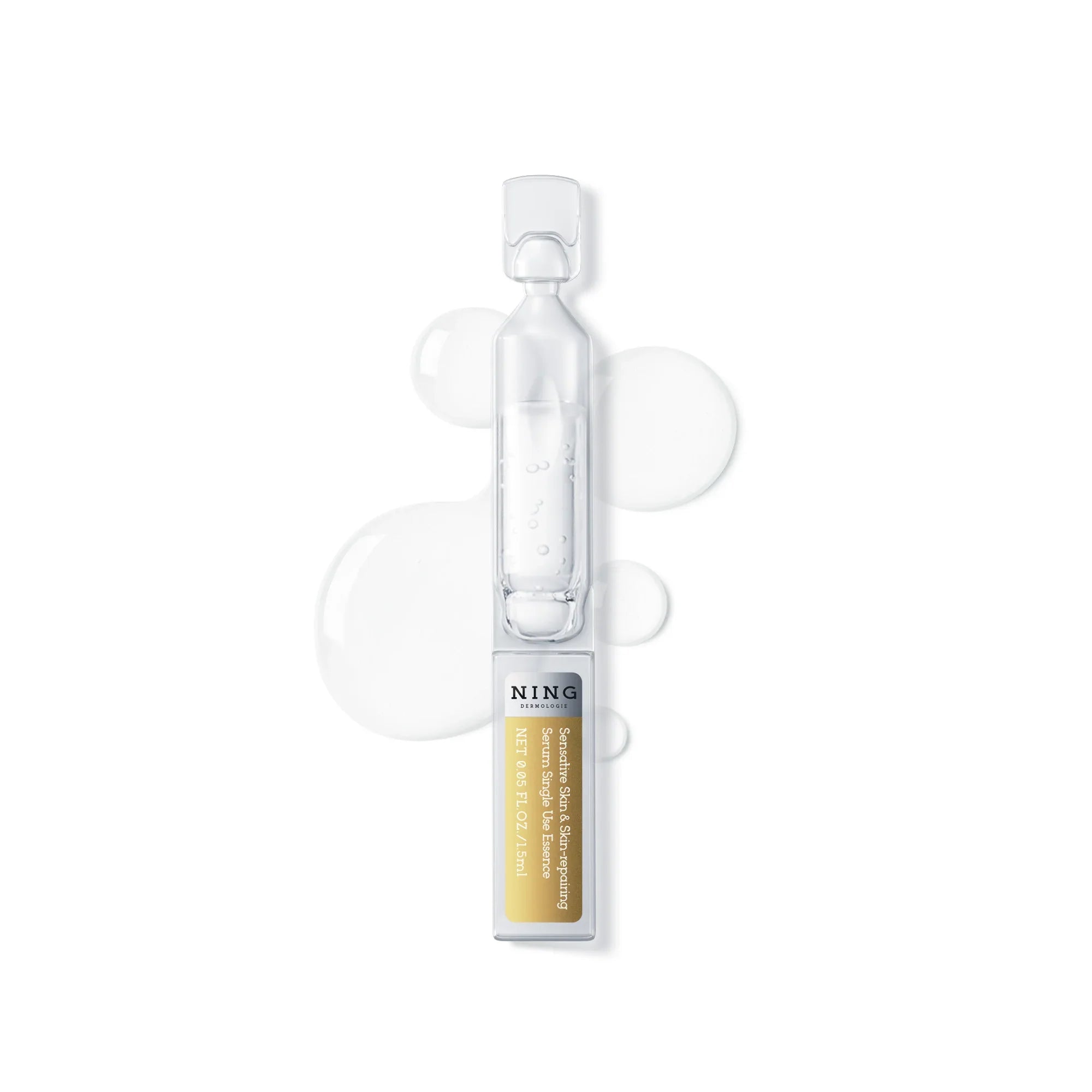
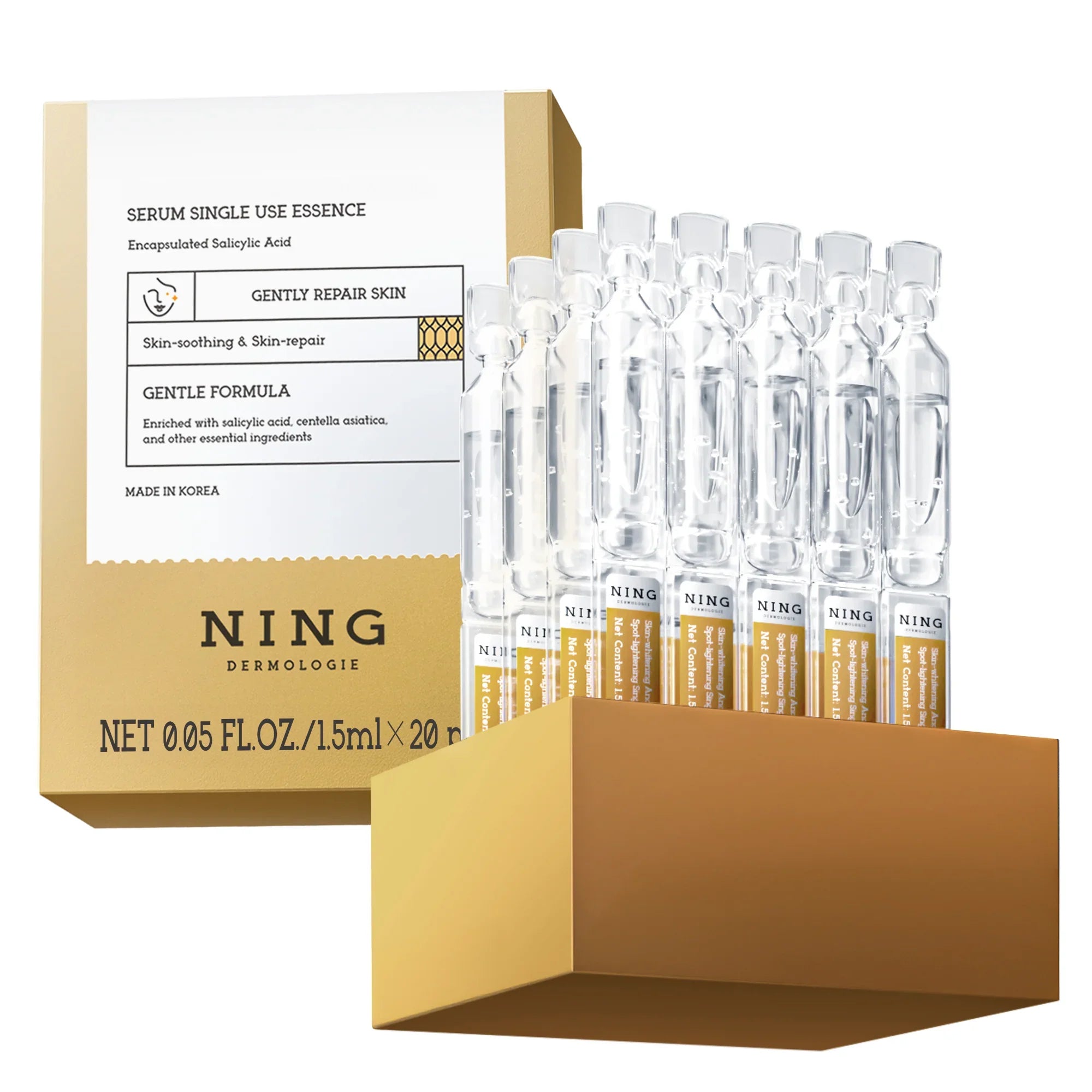
This is exactly why we formulated the NING Dermologie 2% Salicylic Acid Serum. We wanted to hit that maximum over-the-counter strength to treat acne effectively, but we balanced it with soothing agents so your skin barrier doesn’t feel like it’s being stripped away.
The Complete Guide to Salicylic Acid: How to Use It Without "Burning" Your Face
A common mistake is diving in too fast. If your skin doesn’t like a product, it’s often because of how you applied it, not just the ingredients like the acid itself.
1. The Cleanse
You can find salicylic acid in cleansers, which is a great way to introduce the ingredient. A salicylic acid cleanser is a "wash-off" product, meaning the acid has limited contact time with your skin. This is perfect for sensitive skin that can't handle a leave-on treatment.
2. The Treatment (The Serum)
If you want to see a real change in skin texture and a reduction in breakouts, a serum is the way to go. Apply a thin amount of salicylic serum to clean, dry skin. Unlike a cleanser, a serum stays on, giving the salicylic acid to help dissolve those deep-seated clogs all day or night.
3. Moisturize (Don’t Skip This!)
Salicylic acid may cause some temporary dryness. To keep your skin happy, always follow up with a non-comedogenic moisturizer. Look for ingredients like hyaluronic acid or niacinamide to help protect the skin and maintain hydration.
Combining Salicylic Acid with Other Actives: A Mixologist’s Warning
We get it—you want the acne gone yesterday. But skincare is chemistry, and mixing the wrong things can lead to irritated skin.
- Salicylic Acid and Benzoyl Peroxide: Be careful. Both are heavy hitters. Using them at the same time can lead to skin irritation and extreme dryness. Try using your salicylic acid in the morning and benzoyl peroxide at night.
- Salicylic Acid and Retinol: This is a tricky duo. Both speed up cell turnover. If you have sensitive skin, don't use them in the same window.
- The Perfect Pair: Salicylic acid and niacinamide. Niacinamide helps regulate oil and minimizes the look of pores, while the BHA cleans them out. It’s a match made in heaven for overall skin health.
Side Effects of Salicylic Acid: What’s Normal?
Let's be honest: your skin might go through a "getting to know you" phase. When you first start using the NING Dermologie 2% Salicylic Acid Serum, you might notice:
-
Purging: This is the most frustrating part. Because the acid is exfoliating dead skin cells and clearing the pores, it might push existing clogs to the surface faster. It looks like a breakout, but it's actually your skin cleaning house.
-
Dryness/Peeling: If this happens, back off. Instead of using it daily, try using it every other night until your skin underneath adjusts.
-
Sun Sensitivity: While BHAs are less photosensitizing than AHAs, salicylic acid increases the need for protection. Salicylic acid makes your skin "new," and new skin burns easily. Always use a broad-spectrum SPF in the morning.

NING Dermologie: Why Our 2% Salicylic Acid Serum is Different
Many salicylic acid products on the market are loaded with alcohol to help the product dry faster. The problem? Alcohol wrecks your skin barrier.
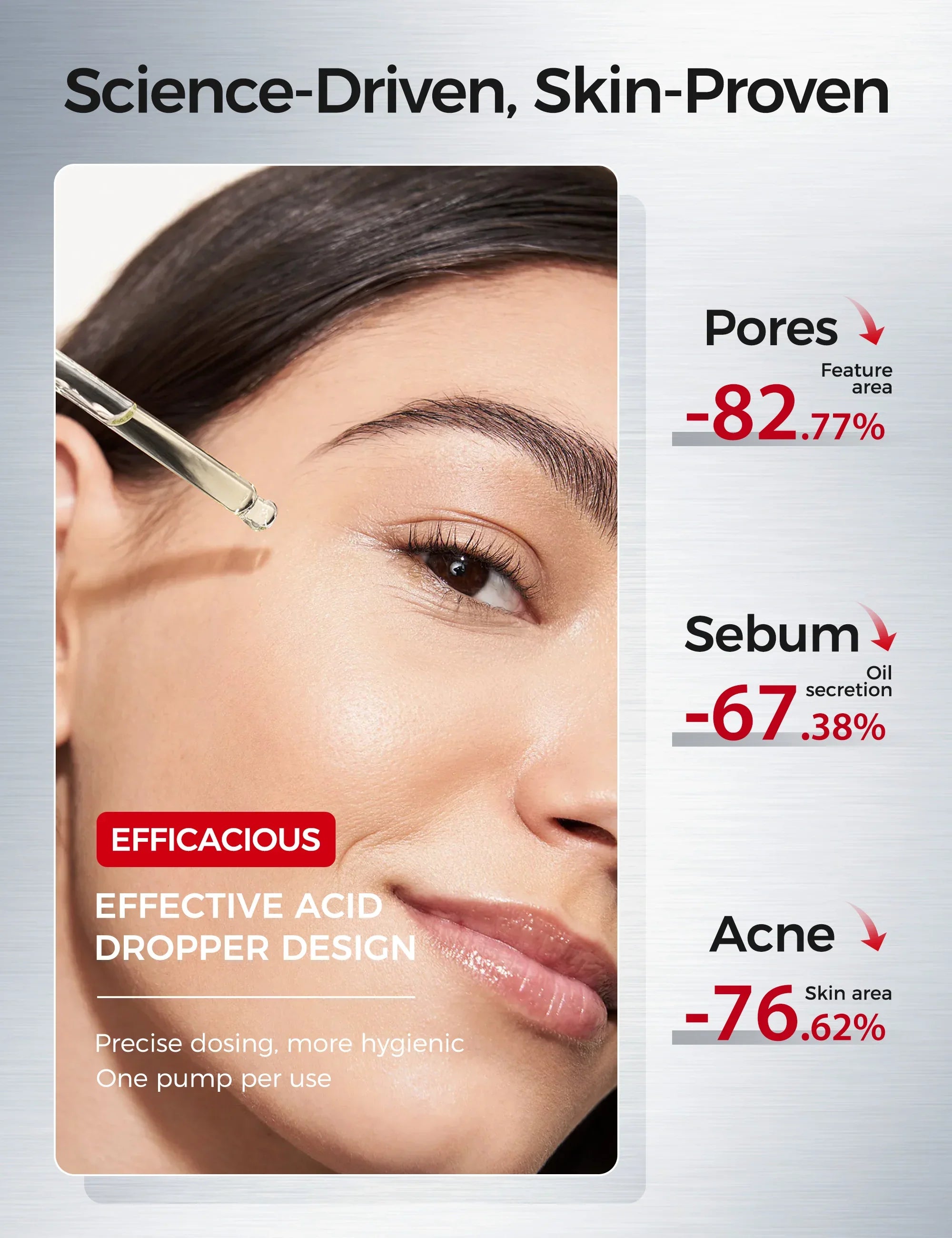
At NING Dermologie, we took a different route. Our 2% Salicylic Acid Serum is designed to be a "workhorse" without the "workhorse" harshness. We focused on a formula that unclogs pores while simultaneously using antiinflammatory properties to soothe irritated skin.
Whether you're dealing with darker skin tones that are prone to post-inflammatory hyperpigmentation or you're just tired of the cycle of breakouts, our goal is to help you achieve even skin tone and skin clarity without the drama.
Frequently Asked Questions (FAQ)
1. Can I use salicylic acid daily?
Yes, but you should "read the room"—the room being your face. Most people with oily skin can eventually use it once a day. However, if you have sensitive skin, start with two or three times a week. If you notice redness or peeling, scale back. The goal is regular use without compromise to your skin barrier.
2. Is it safe for all skin tones?
Absolutely. In fact, salicylic acid is good for darker skin tones because it helps prevent the deep clogs that lead to long-lasting dark spots. Unlike some aggressive physical scrubs, this beta hydroxy acid treats the skin gently, reducing the risk of post-inflammatory hyperpigmentation. Just remember to pair it with sunscreen to protect your progress.
3. How long does it take to see results?
Patience is a virtue, especially in skincare. While you might feel smoother skin within a few days, it generally takes 4 to 6 weeks of consistent use to see a significant reduction in acne and clogged pores. This is because your skin cells need time to turn over and for the "purging" phase to settle.
4. Can I use it in the morning?
You can, but it’s often used in the morning with a caveat: Sunscreen is non-negotiable. Salicylic acid makes your skin more sun-sensitive by removing the top layer of dead skin cells. If you’re a minimalist, apply your NING Dermologie serum at night and just stick to hydration and SPF during the day.
5. Will it help with blackheads?
Yes! Blackheads are just "open" clogged pores where the oil has oxidized and turned black. Because salicylic acid is oil-soluble, it’s the best skincare ingredient for melting those plugs. Over time, it unclogs pores and prevents new blackheads from forming, significantly improving your skin texture and tone.
Ready for a Change?
If you're tired of the "trial and error" method of treating acne, it's time to try a formula backed by science. Check out the NING Dermologie 2% Salicylic Acid Serum and start your journey toward clearer skin today. Your skincare routine will thank you.
Would you like me to focus on a specific skin concern, such as hormonal acne or blackhead removal, for a follow-up guide?





Share:
From Clinical Trials to Consumer Reviews: The Best Salicylic Acid Serums Revealed
Skincare Essentials Gift Sets for Beginners