



The Sensitive Skin Dilemma: Finding a Vitamin C Serum That Won’t Backfire
You read about the legendary "glow" that vitamin c delivers—the kind that makes you look like you’ve slept eight hours and drank three liters of water—only to end up with a face that feels like it’s been slapped by a stinging nettle.
For those of us with sensitive skin, the search for the best vitamin c serum often feels like a high-stakes gamble. Most skin care experts tout L-ascorbic acid as the "gold standard," but for a reactive complexion, that purest form of vitamin c can be a one-way ticket to redness, peeling, and a compromised skin barrier.
So, is it actually possible to use vitamin c for sensitive skin without the drama? The short answer is yes—but you have to stop shopping like a person with "normal" skin. You need to understand the type of vitamin c you’re putting on your face and, more importantly, the chemistry that keeps it from turning into an irritant.

Why Does Vitamin C Traditionally Hate Sensitive Skin?
To understand how to choose the best product, we first need to look at the chemistry. Pure vitamin c (L-ascorbic acid) is notoriously picky. It requires a very low (acidic) pH level—usually around 2.5 to 3.5—to actually penetrate the skin.
For people with sensitive skin, that low pH is a nightmare. It acts like a mini chemical peel every single day. Instead of helping, the vitamin c product ends up causing micro-tears in the skin barrier, leading to "skintellectual burnout." Sensitive skin often reacts to the high concentration of vitamin c by becoming inflamed, which ironically causes more of the uneven skin tone you were trying to fix in the first place.
The Rise of the Vitamin C Derivative
Thankfully, vitamin c in skincare has evolved. Scientists have developed the vitamin c derivative—a more stable, gentler cousin to L-ascorbic acid. These derivatives are ideal for sensitive skin because they don't require an acidic environment to work. They stay neutral, keeping your skin health intact while still delivering the benefits of vitamin c.
One of the most exciting breakthroughs is 3-O-Ethyl Ascorbic Acid. Unlike the purest form of vitamin c, this version is water-and-oil soluble, meaning it penetrates the skin more effectively without needing to burn its way through.
Finding the Best Vitamin C Serum for Sensitive Skin: What to Look For
When you are choosing a vitamin c serum, don’t just look at the percentage on the bottle. A 20% concentration of a harsh formula is useless if your skin can’t handle it. Instead, focus on the formulation of vitamin c and the supporting cast of ingredients.
1. The Power of Niacinamide and Ethyl Ascorbic Acid
If you’ve been burned before (literally), you should look for a gentle vitamin c that combines vitamin c and niacinamide. In the past, people thought these two couldn't be used together, but modern vitamin c formulations have proven that myth wrong.
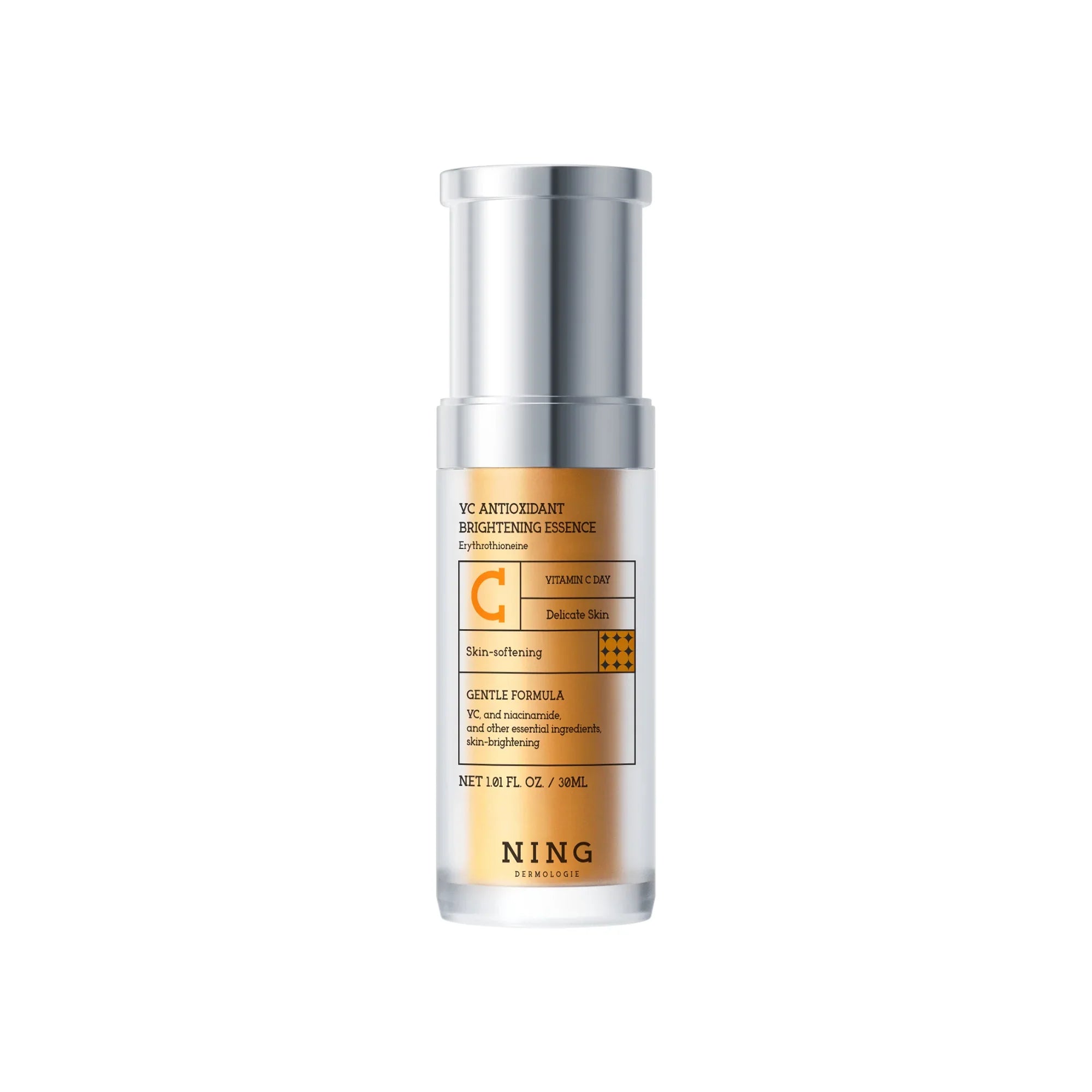
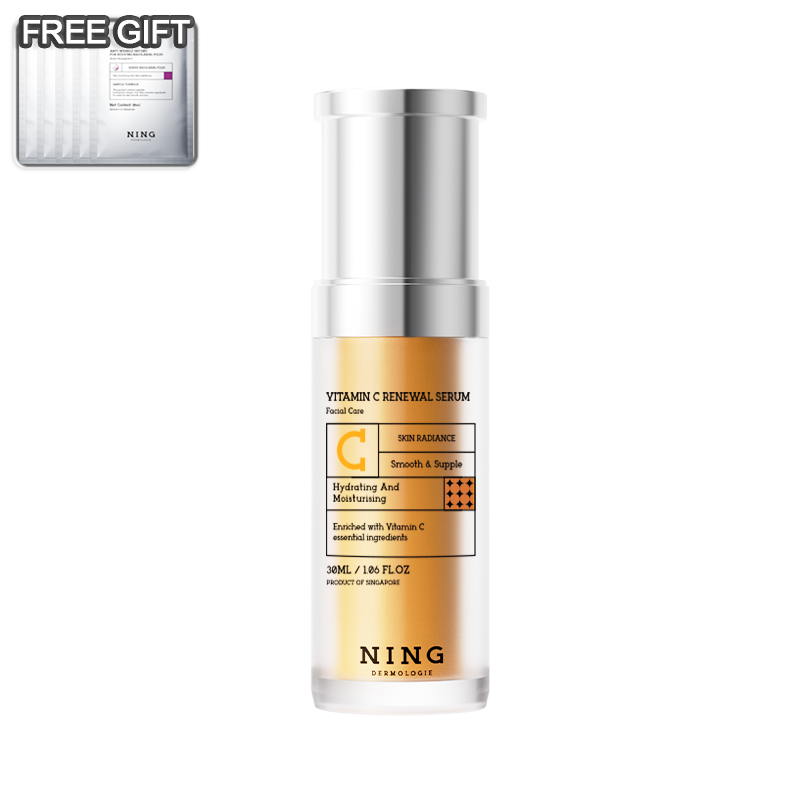
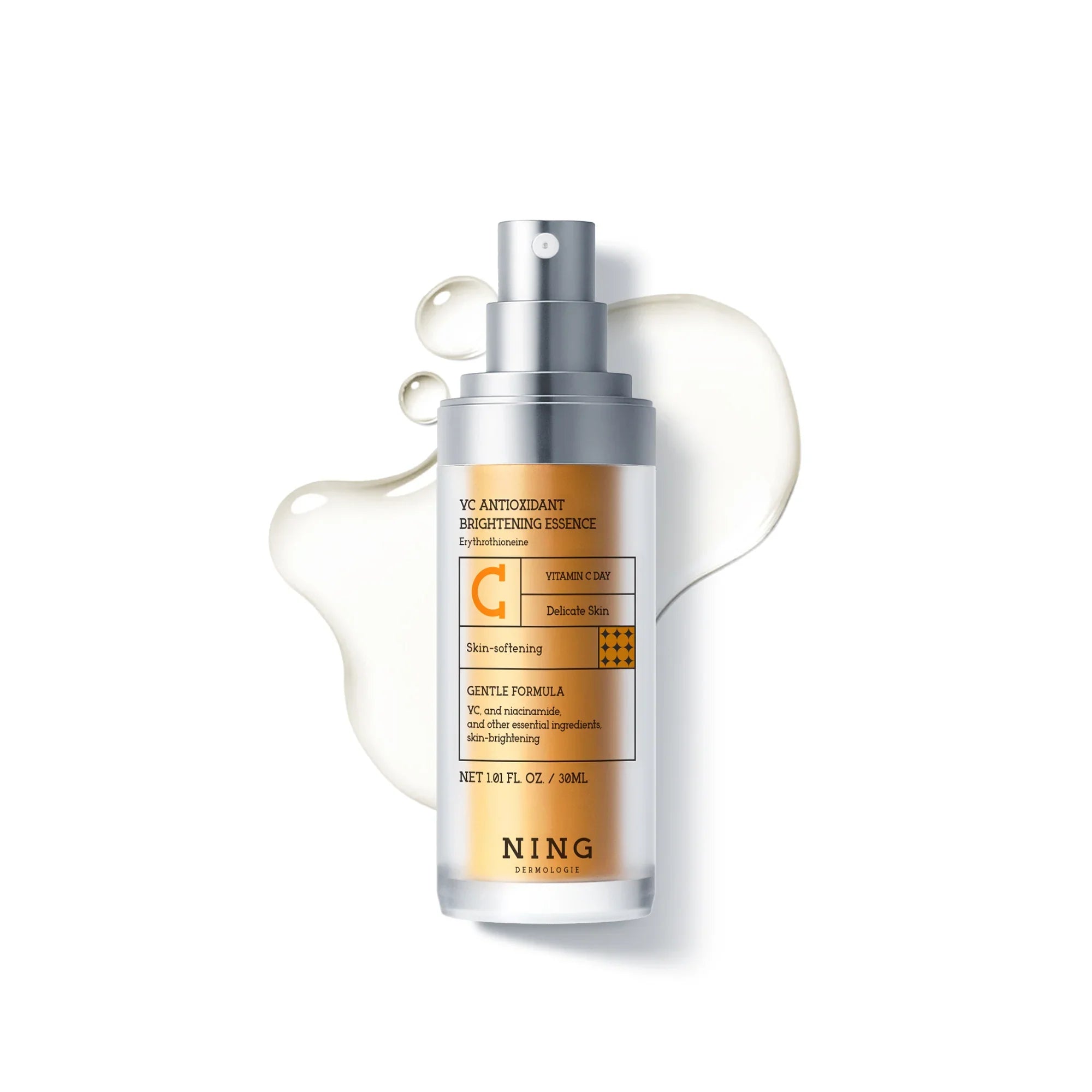
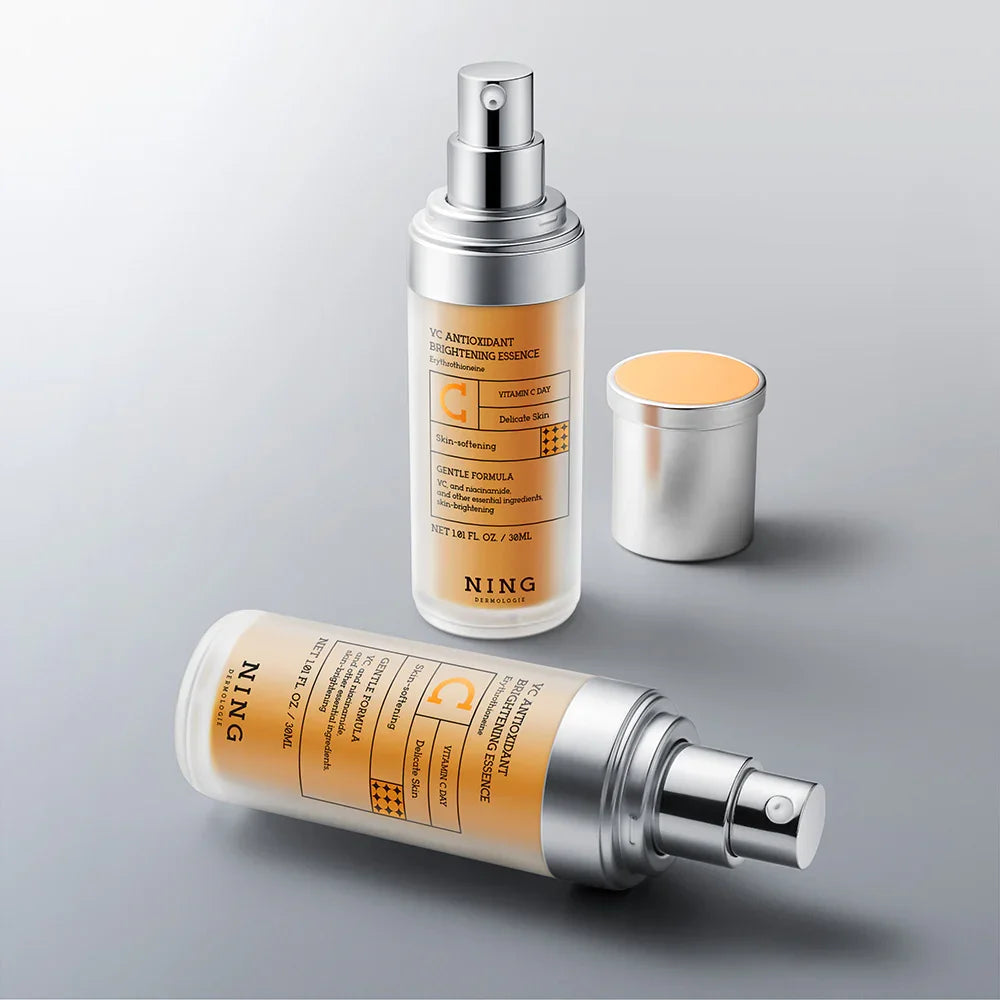
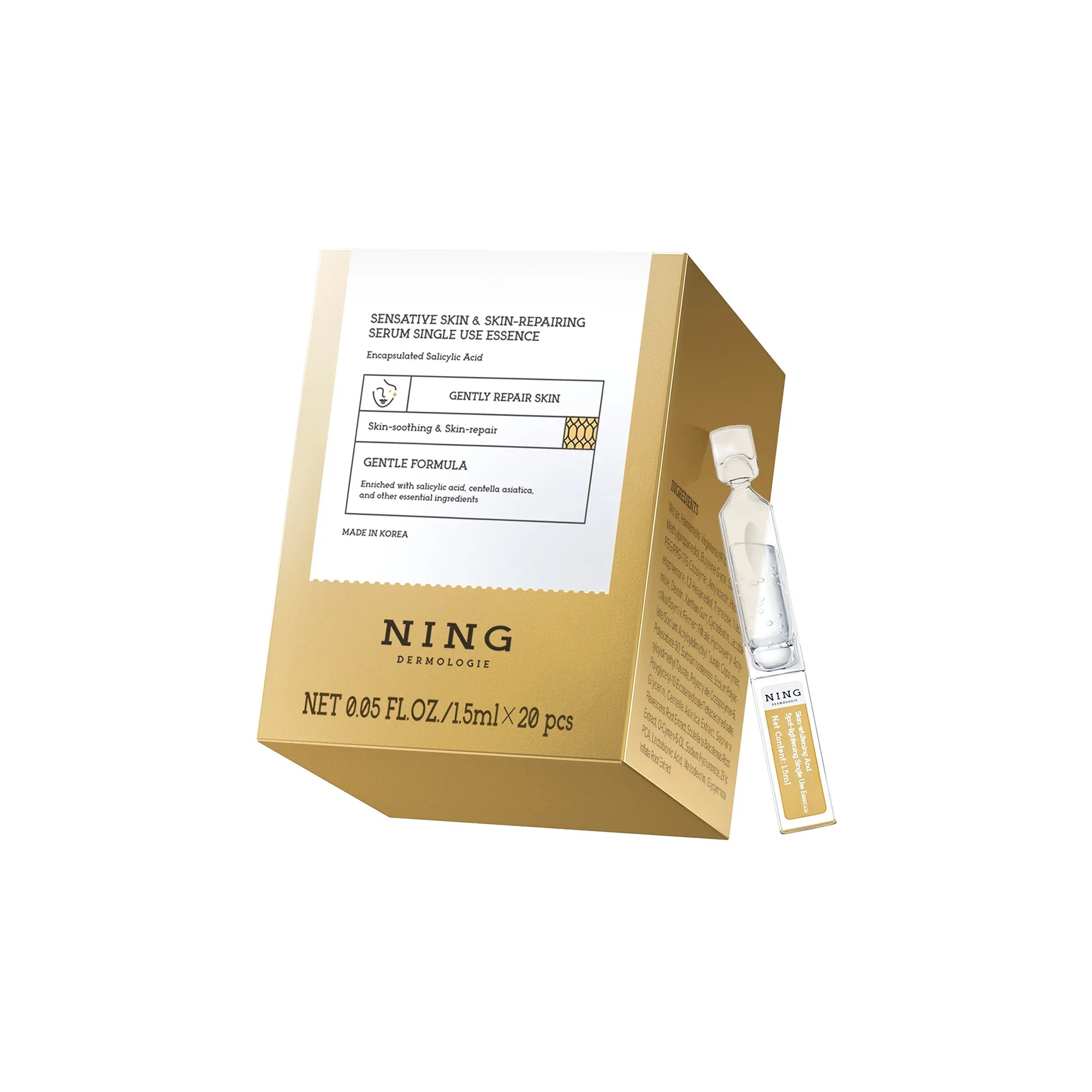
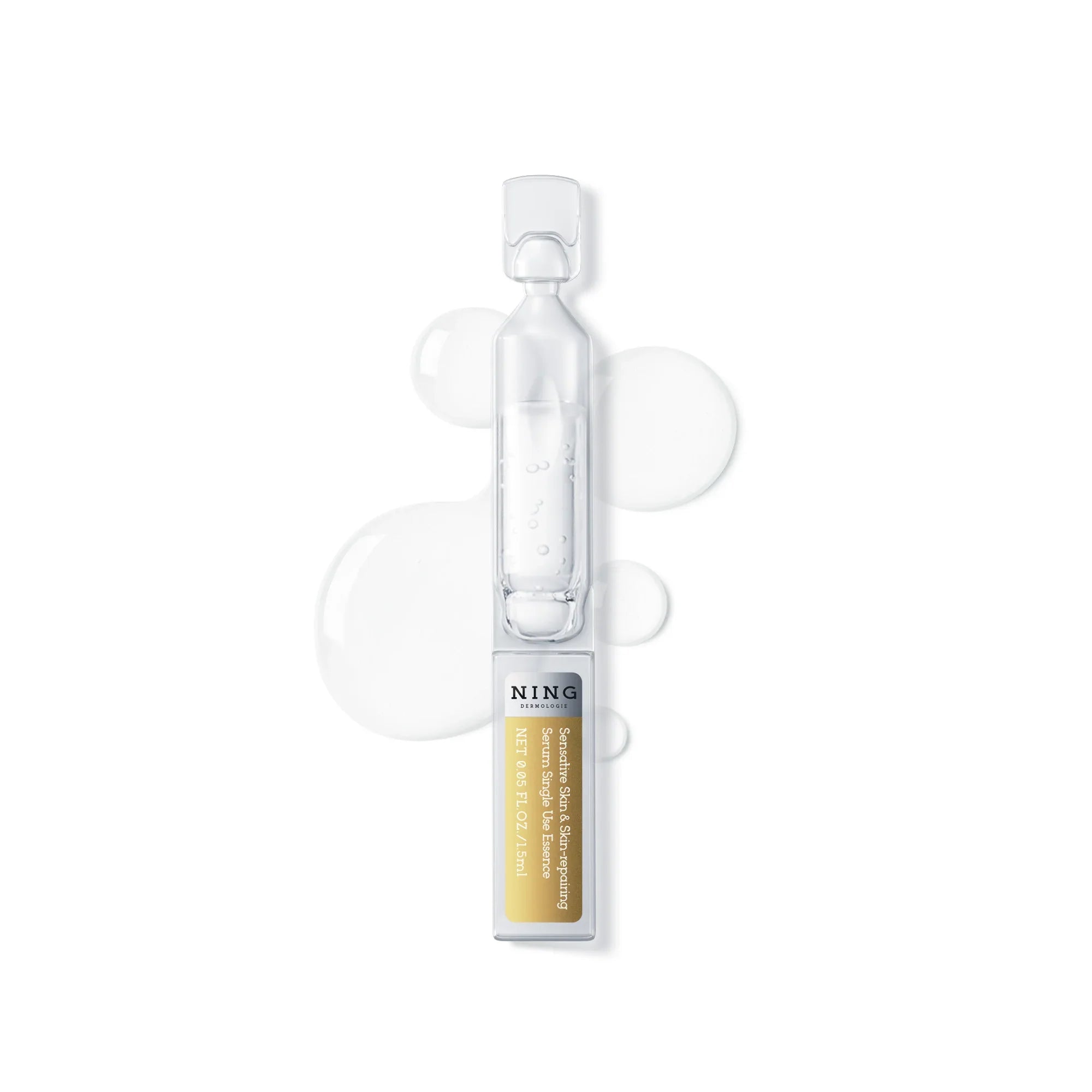
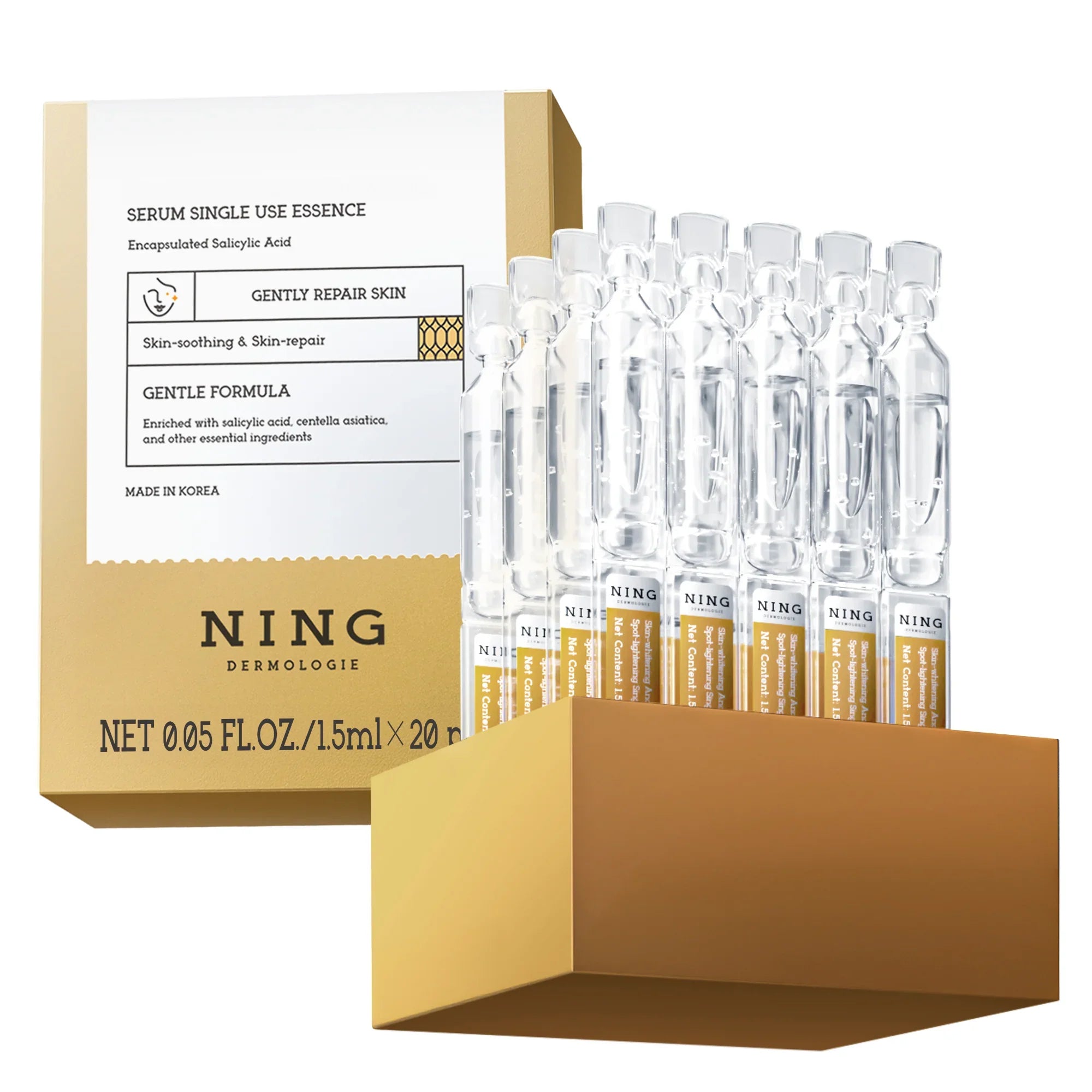
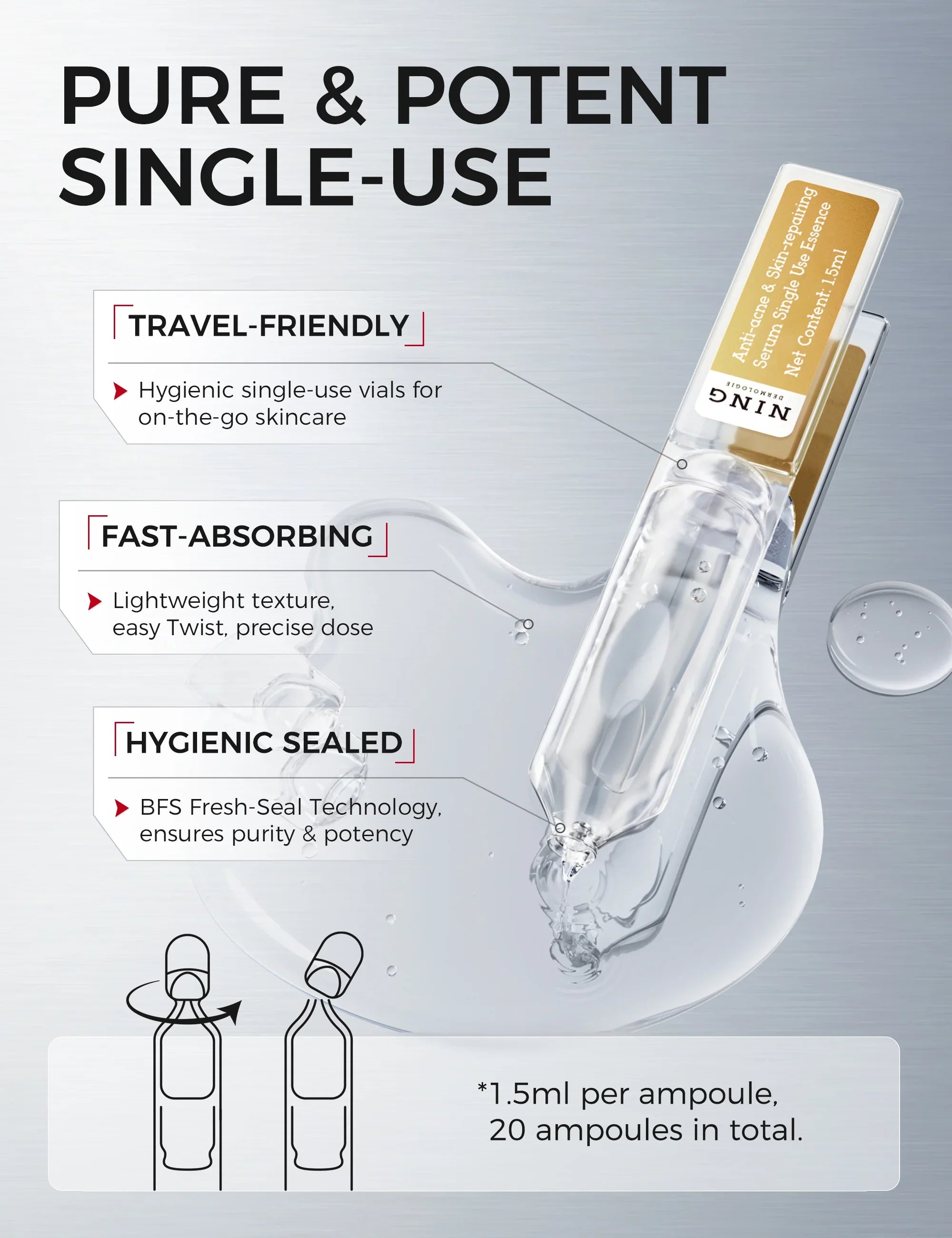
Our NING Dermologie Vitamin C Serum was designed specifically with this synergy in mind. By using 3-O-Ethyl Ascorbic Acid, we provide a stable vitamin c product that doesn't oxidize on your shelf or irritate your pores. When you use the Vitamin C Serum with Niacinamide, you’ll see it focuses on skin health and appearance by reinforcing the skin barrier rather than stripping it.
2. Supporting Antioxidants: Vitamin E and Ferulic Acid
A great serum is never a solo act. You’ve probably heard of the c e ferulic combo. This is because vitamin e and ferulic acid act as stabilizers. An antioxidant like vitamin c becomes even more powerful when paired with vitamin e, as they work in a "recharge" loop to protect the skin from environmental damage and oxidative stress.
3. Hydration for Dry, Sensitive Types
Sensitive skin may also be dry skin. Look for a serum for dry types that includes hyaluronic acid or glycerin. This ensures that as the vitamin c helps to brighten the skin, it isn't sucking the moisture out of it.
How to Integrate Vitamin C Into Your Skincare Routine (Safely)
Even if you’ve found the right vitamin c serum, your application method matters. Choosing the right vitamin c is only half the battle; the other half is patience.
- Patch Test First: Always. Behind the ear or on the inner arm. If there’s no reaction after 24 hours, you’re good to go.
- The "Buffer" Method: If you are incredibly reactive, apply vitamin c after a light layer of moisturizer. This slows down the penetration slightly but makes the vitamin c serum for sensitive types even more tolerable.
- Morning is Best: We recommend using vitamin c in the morning. Why? Because topical vitamin c is a powerhouse at neutralizing free radicals from UV rays and pollution. Use your vitamin c serum, then follow up with a broad-spectrum SPF.
- Slow and Steady: Start by using the serum three times a week. Let your skin build tolerance before moving to daily use.
The Benefits of Vitamin C for Sensitive Skin
Why go through all this trouble? Because the benefits for the skin are too good to pass up. A well-chosen vitamin c serum can help:
- Brighten the skin without causing the "lobster effect."
- Promote collagen production to improve overall skin health.
- Fend off uneven skin tone and dark spots (hyperpigmentation).
- Reinforce the skin barrier when paired with the right lipids.
For those with skin types and concerns ranging from rosacea to chronic dryness, the right vitamin c isn't an irritant—it's a protector. It protects the skin from the daily onslaught of the modern world.
Why NING Dermologie is the Choice for Sensitive Skin
At NING Dermologie, we believe skin care products shouldn't feel like a punishment. Our Vitamin C Serum is a great option for sensitive users because we’ve moved away from the "high acid" approach. By utilizing a stable vitamin c derivative, we’ve created a vitamin c serum for sensitive souls that actually delivers results.
Whether you are trying to address uneven skin tone or simply want to brighten the skin, our formula helps brighten the skin without the traditional stinging associated with pure vitamin c. It is, quite simply, the best for sensitive skin looking for that elusive glow.

Final Thoughts: Don’t Give Up on the Glow
Finding the best skincare routine is a journey of trial and error. If you’ve had a bad experience with a vitamin c product in the past, it was likely the form of vitamin c or the concentration of vitamin c, not the ingredient itself.
Sensitive skin often needs a "less is more" approach. By choosing a vitamin c serum like the one from NING Dermologie, you are choosing skin health over quick fixes. Vitamin c into your skincare routine is a marathon, not a sprint. Take your time, choose the best, and your skin will thank you for it.
Frequently Asked Questions (FAQ)
1. Can I use Vitamin C if I have Rosacea?
Yes, but you must be cautious. Avoid L-ascorbic acid and opt for a stable vitamin c derivative like the one found in NING Dermologie. These formulas are less acidic and won't trigger the flushing associated with Rosacea. Always pair your vitamin c serum with a high-quality SPF, as sun exposure is a primary trigger for sensitive skin flares.
2. How do I know if my Vitamin C serum has gone bad?
Vitamin c is notoriously unstable. If your serum has turned a dark orange or brown color, or if it has developed a metallic, sour smell, it has oxidized. Using oxidized topical vitamin c can actually cause oxidative stress and irritation. Our NING Dermologie Vitamin C Serum uses a stabilized form to prevent this, ensuring your vitamin c product stays effective for longer.
3. Is it okay to use Vitamin C and Niacinamide together?
Think of them as a power couple. In the past, people worried they’d clash, but that’s old news. Niacinamide actually helps settle the skin and keeps your barrier strong, while the vitamin c helps tackle dullness. By using both, you’re getting the brightening perks without the typical irritation. It's a win-win for anyone who usually finds vitamin c serum a bit too much to handle alone.
4. Why does Vitamin C make my skin tingle?
That "zing" usually happens because your skin is reacting to a low pH level, which is common in pure vitamin c formulas. If it’s just a faint tingle that fades fast, you’re likely okay. But if your face stays red or starts burning, the concentration of vitamin c is hitting you too hard. Your best bet is to swap to a buffered, gentle vitamin c that skips the acid drama.
5. Can I use Vitamin C at night?
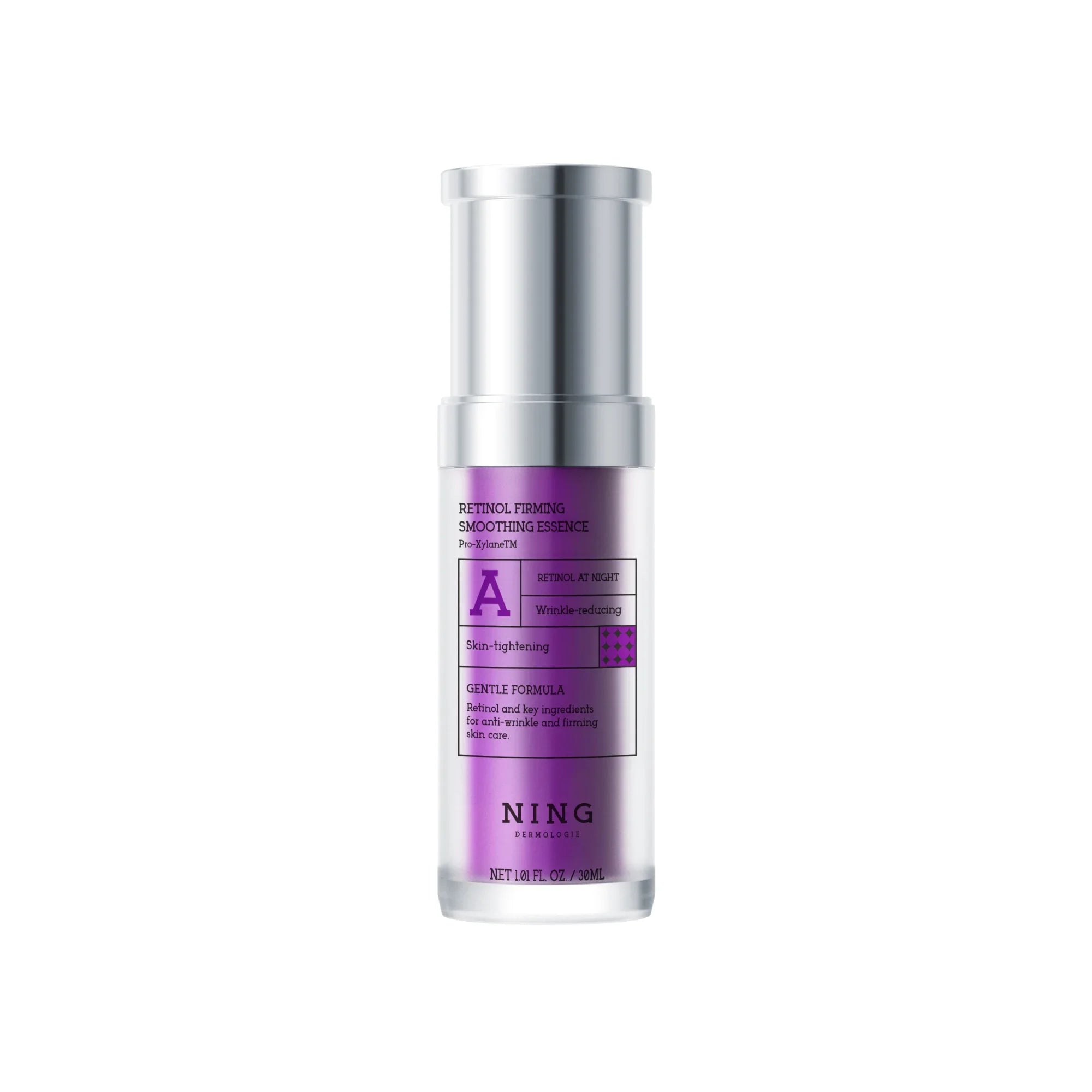
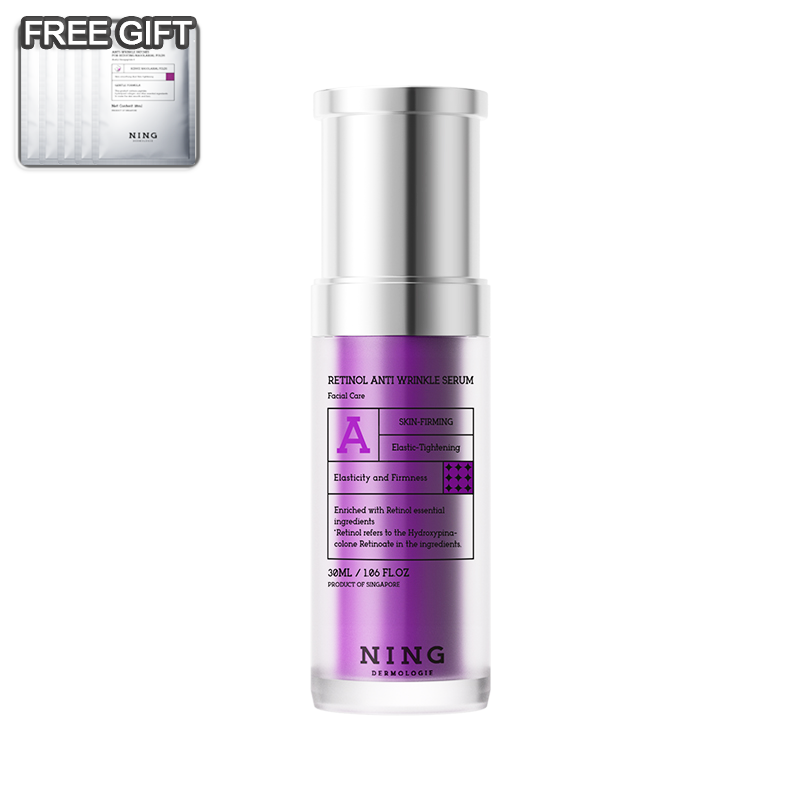
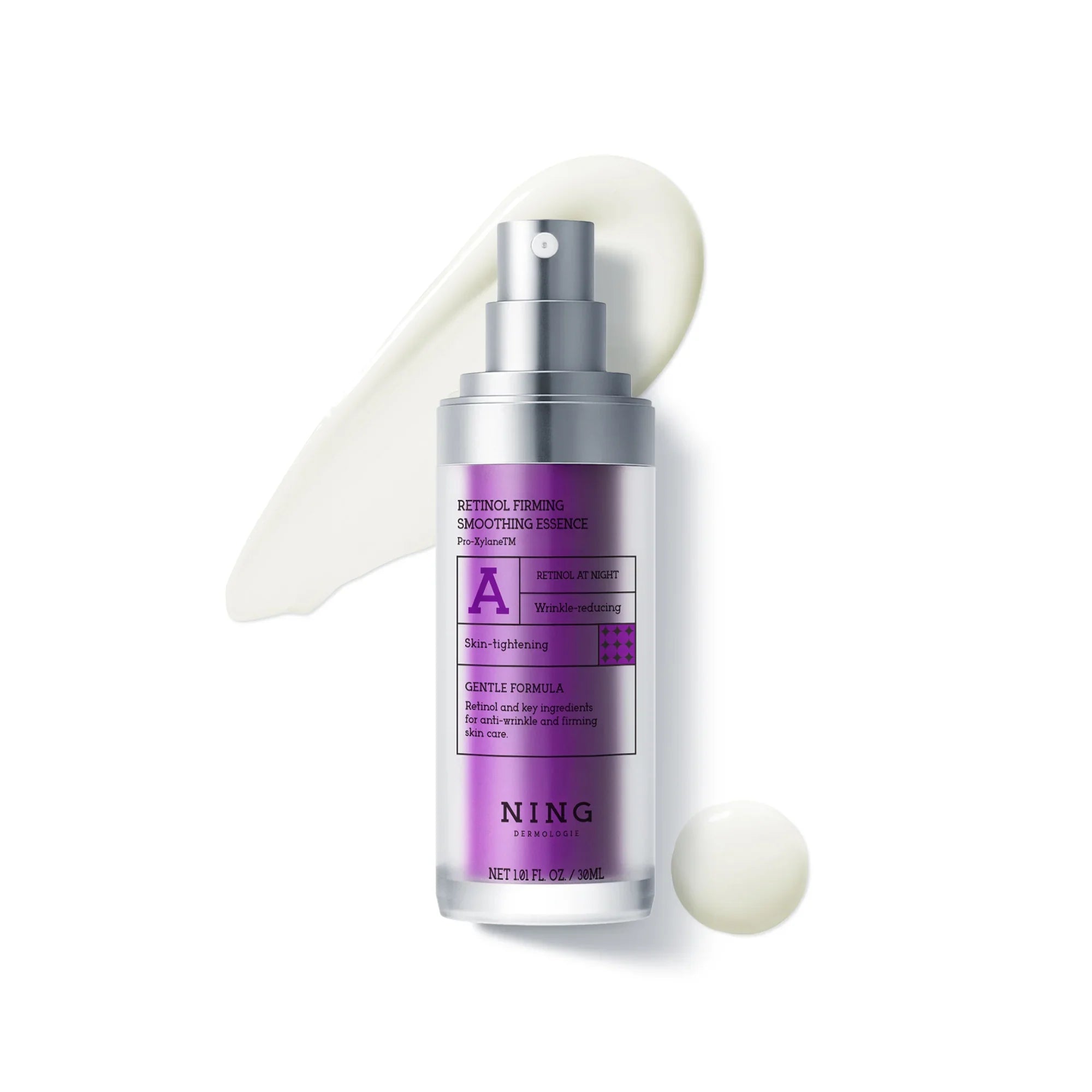
While vitamin c is best used in the morning to protect the skin from daytime environmental stressors, it is perfectly safe to use at night. If you use Retinol or other actives in the evening, just be careful not to overload your skin barrier. Many people with sensitive skin prefer using their vitamin c serum in the morning and their restorative products at night.





Share:
Where can I order exfoliating face wash with fast shipping?
List vitamin C serums that are dermatologist-recommended for facial skin.