



Why Your Morning Coffee Needs a Side of Korean Vitamin C Serum: A Long-Term Love Letter to Your Skin
Staring at a bathroom shelf full of "miracle" bottles, wondering why our skin still looks a bit... gray. If you’ve dabbled in high-strength Western serums only to end up with a stinging, red face that feels like a sunburn, you aren't alone. This is exactly why the Korean vitamin c serum philosophy has completely changed the game for me.
In the K-Beauty world, it’s never about "burning" the skin into submission. It’s about the "Glow from Within." When you use vitamin c serum consistently, you aren't just treating a surface issue; you’re playing the long game for your skin health.

The "Low and Slow" Philosophy: Why Korean Serums Hit Differently
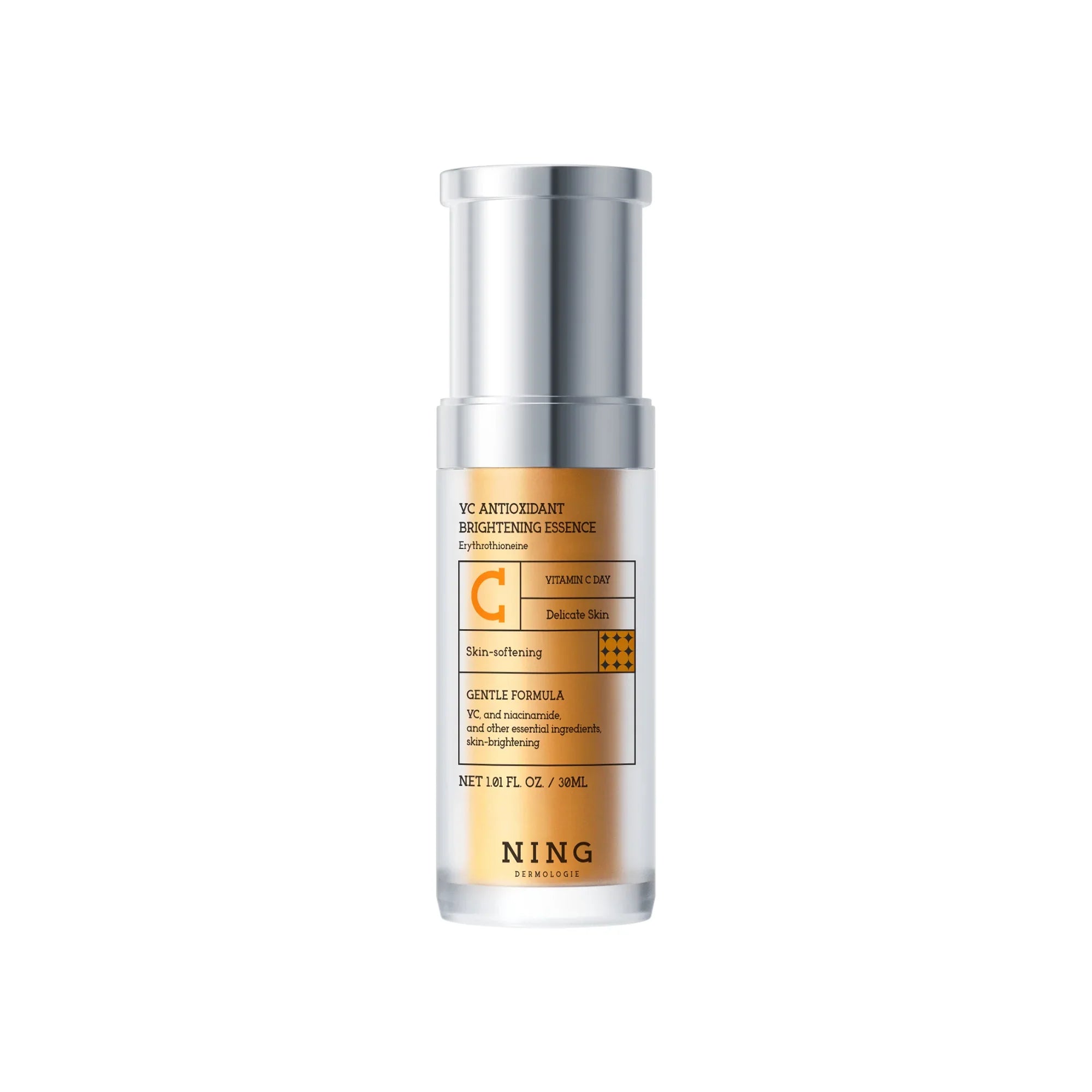
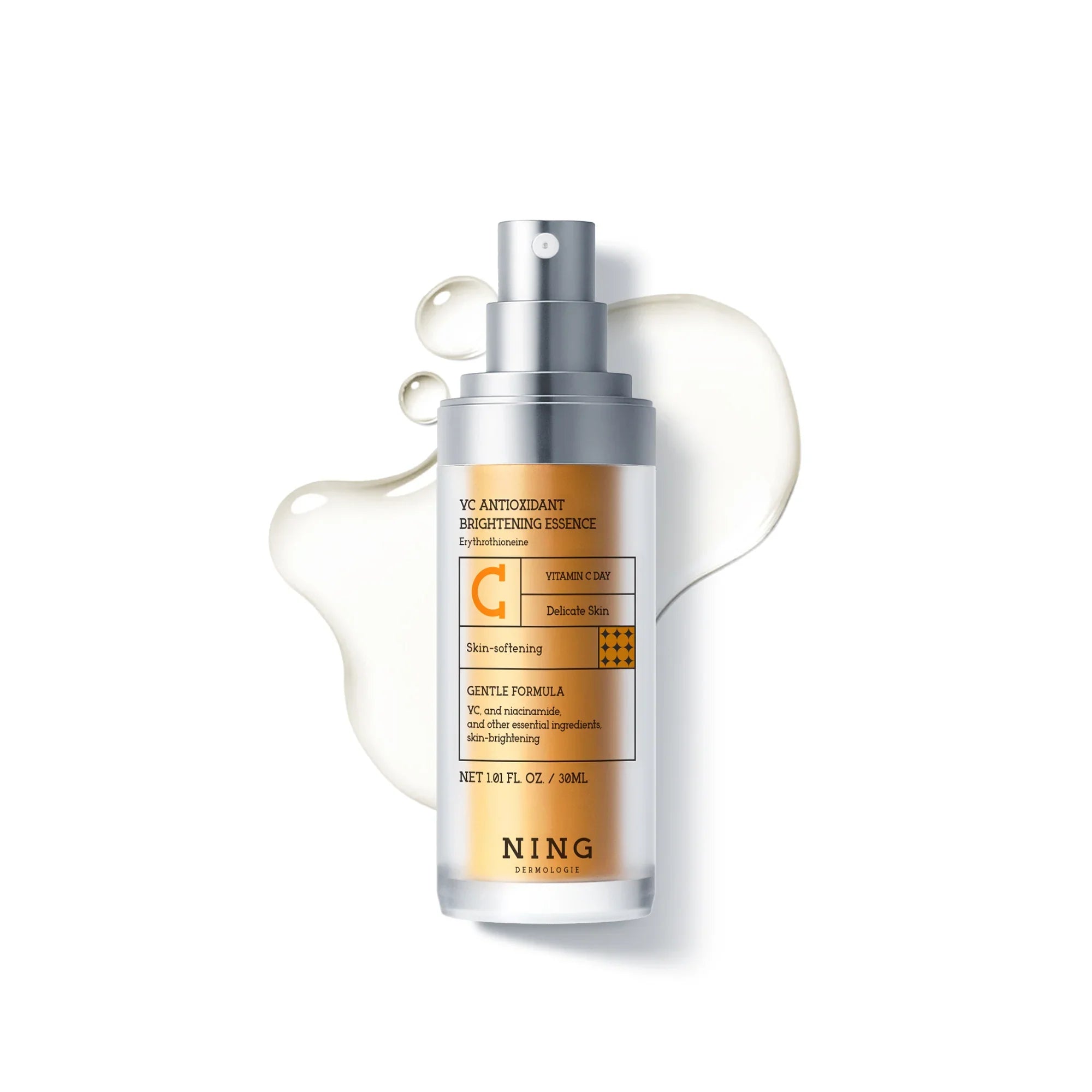
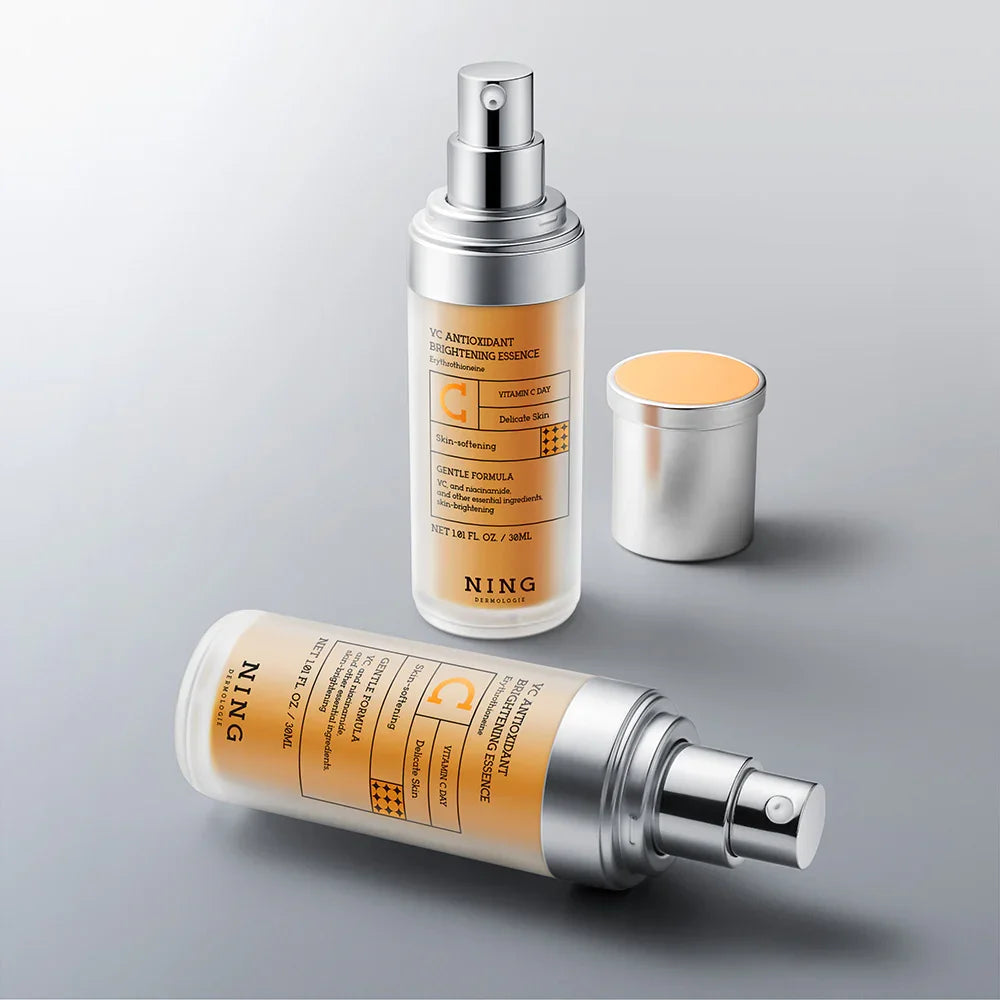
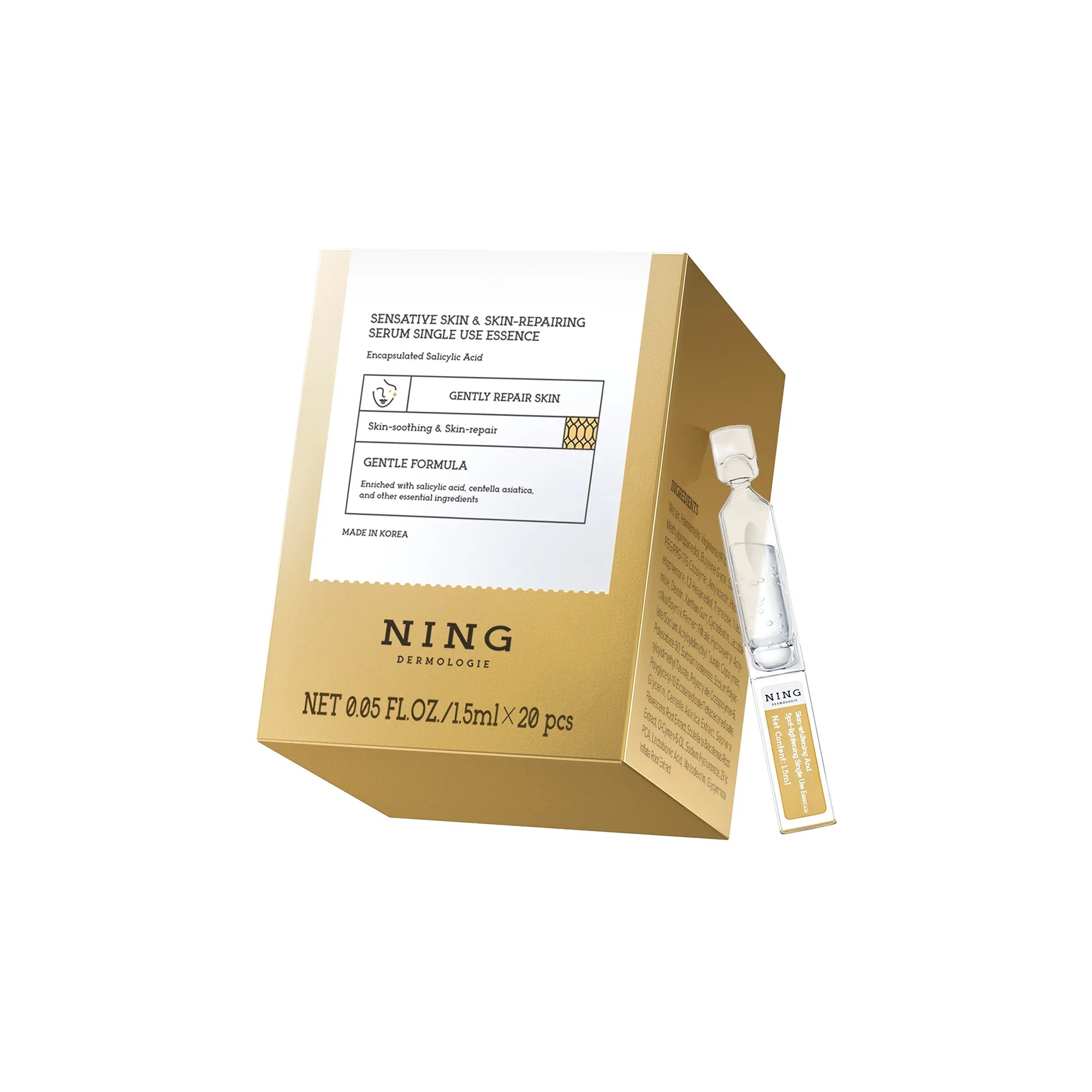
Most people think that if a serum doesn't sting, it isn't working. That’s a myth that needs to retired. The best Korean formulations, like the NING Dermologie Vitamin C Serum, focus on stability and synergy. Instead of just dumping raw ascorbic acid (which can be incredibly unstable and irritating) into a bottle, these serums often use a more stable form of vitamin c like Ethyl Ascorbic Acid.
The benefit? It actually stays active on your shelf instead of turning orange and useless within a month. When you incorporate vitamin c serum from a Korean skin care brand that’s focused on biology rather than just marketing, you’re getting a product that works with your skin barrier, not against it.
The Immediate vs. The "Month Three" Transformation
Let’s be honest about expectations. You won’t wake up tomorrow with a brand-new face. But if you apply vitamin c serum daily, here is the roadmap of what actually happens to your skin texture and tone:
The First Two Weeks: The Hydration Phase
Initially, a good face serum like the one from NING Dermologie (which cleverly pairs Vitamin C with Niacinamide) will simply make your skin look "well-rested." Because these formulas often include antioxidants like vitamin e and soothing agents, you’ll notice that your skincare routine feels more luxurious. Your sensitive skin won't feel tight; it will feel supple.
One Month In: The Brightening Kick
This is when the brightening serum benefits start to peak. You’ll notice that dull skin starts to show a bit more light reflectivity. If you have acne-prone skin, the red marks left behind by old breakouts (PIE) begin to fade. The vitamin c helps suppress the overproduction of melanin, meaning those dark spot areas aren't getting darker.
Three Months and Beyond: The "Is She Wearing Foundation?" Phase
This is where you transform your skin. Long-term use of a daily vitamin for your face stimulates collagen production. This doesn't just brighten; it makes the skin firm and improves skin texture and reduces the appearance of fine lines and wrinkles. Your overall skin tone becomes even, and that "glass skin" look becomes a reality rather than a 10-step chore.
Why NING Dermologie is the "Missing Piece" in Your Routine
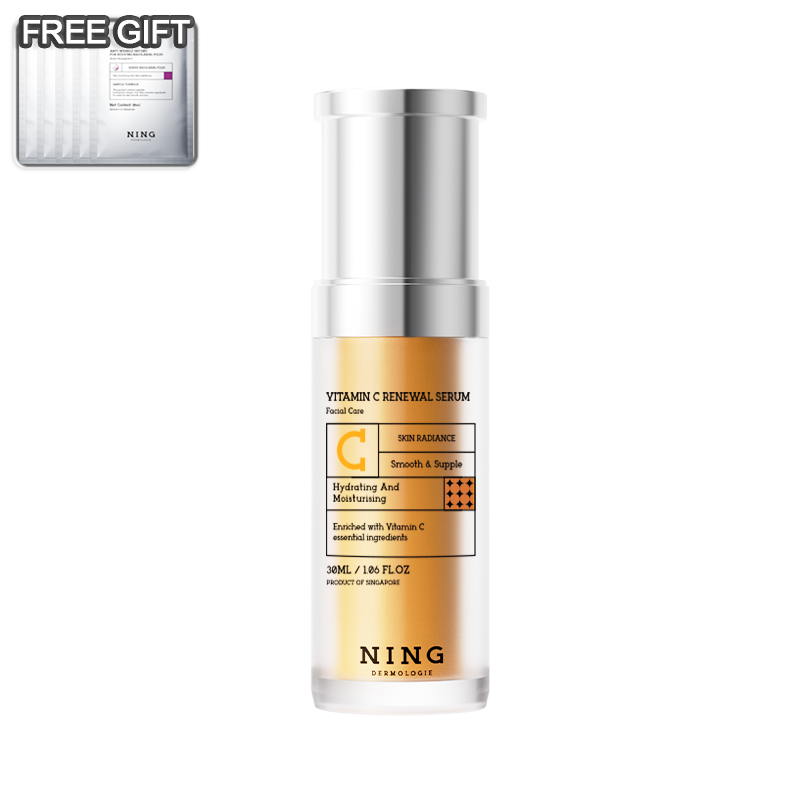
I’ve tried the vitamin c 23 serums that smell like hot dogs and sting like bees. They are hard to stick with. The NING Dermologie Vitamin C Serum with Niacinamide is different because it understands that sensitive skin types want results too.
By incorporating vitamin c alongside Niacinamide, NING has created a brightening vitamin c serum that tackles hyperpigmentation from two angles. While the Vitamin C acts as a powerhouse antioxidant to fight free radicals, the Niacinamide calms irritation and supports the skin barrier. It’s the right vitamin c serum for someone who wants radiant skin without the drama of a breakout or peeling.
How to Get the Best Results (The "Do's and Don'ts")
To truly best results when you add vitamin c to your life, you need to follow a few unwritten rules:
-
The Sunscreen Rule: Vitamin C is best used in the morning. Why? Because it acts as a secondary defense against UV damage. When you pair your korean serum with a broad-spectrum sunscreen, you are doubling down on protection.
-
Storage Matters: Even the most stable forms of vitamin c don't like heat. Keep your serum in a cool, dark place. If it starts to look like dark iced tea, it's time to toss it.
-
The "Damp Skin" Myth: Don't apply your pure vitamin c or derivatives to soaking wet skin if you're sensitive—it can increase penetration too quickly and cause irritation. Pat your face dry first.
-
Wait for it: Give your vitamin c serum daily a minute to sink in before layering your moisturizer. This ensures the pH doesn't get wonky.
Tackling Specific Concerns: Dark Spots and Uneven Tone
If your main goal is to even out your skin tone, you have to be patient. Hyperpigmentation is stubborn. However, the benefits of using vitamin c regularly are cumulative. Because this korean vitamin c serum also protects against damaged skin caused by pollution, you’re preventing new spots while fading the old ones.
For those with acne-prone skin, the antioxidant properties are a godsend. It prevents the sebum on your skin from oxidizing (which is what leads to blackheads and inflammation), making your skin care routine much more effective at keeping pores clear.

The Verdict: Is it Worth the Hype?
In a word: Yes. Incorporating vitamin c serum is probably the single most effective thing you can do for skin brightening outside of a professional laser treatment. Whether you are new to vitamin c or a seasoned pro, the K-beauty approach of NING Dermologie offers a balanced, sophisticated way to achieve healthy skin.
It’s not about a temporary fix; it’s about giving your skin the tools to protect the skin and stay radiant skin for decades, not just days. Give your skin the chance to build a tolerance, and you’ll see why this is a staple in every serious skincare routine.
Frequently Asked Questions (FAQ)
1. Can I use Korean Vitamin C serum if I have very sensitive skin?
Actually, that’s the best part about the K-beauty approach. Instead of the harsh, stinging acids that make your face turn beet-red, NING Dermologie uses stable forms like Ethyl Ascorbic Acid. It’s much friendlier. If you’re still twitchy about it, just ease in—maybe use as your skin allows every other morning—until your skin builds tolerance. It’s about being gentle, not forcing irritation.
2. Why should I use vitamin c serum in the morning instead of at night?
While you can use it at night, vitamin c works best in the morning. Its primary job as an antioxidant is to neutralize free radicals from UV rays and pollution that you encounter during the day. When paired with sunscreen, it provides a synergistic effect that significantly improves how well you protect your skin from premature aging and damaged skin.
3. Will this serum help with my acne scars and dark spots?
Honestly, it’s a total game-changer for those stubborn "ghosts of pimples past." By incorporating vitamin c serum into your daily vitamin habit, you're essentially telling your melanin to calm down. It won't happen overnight, but stick with it for about two months. You’ll notice those dark spot areas and uneven skin tone finally starting to blur into the background. Consistency is everything here.
4. Can I combine Vitamin C with Niacinamide or Retinol?
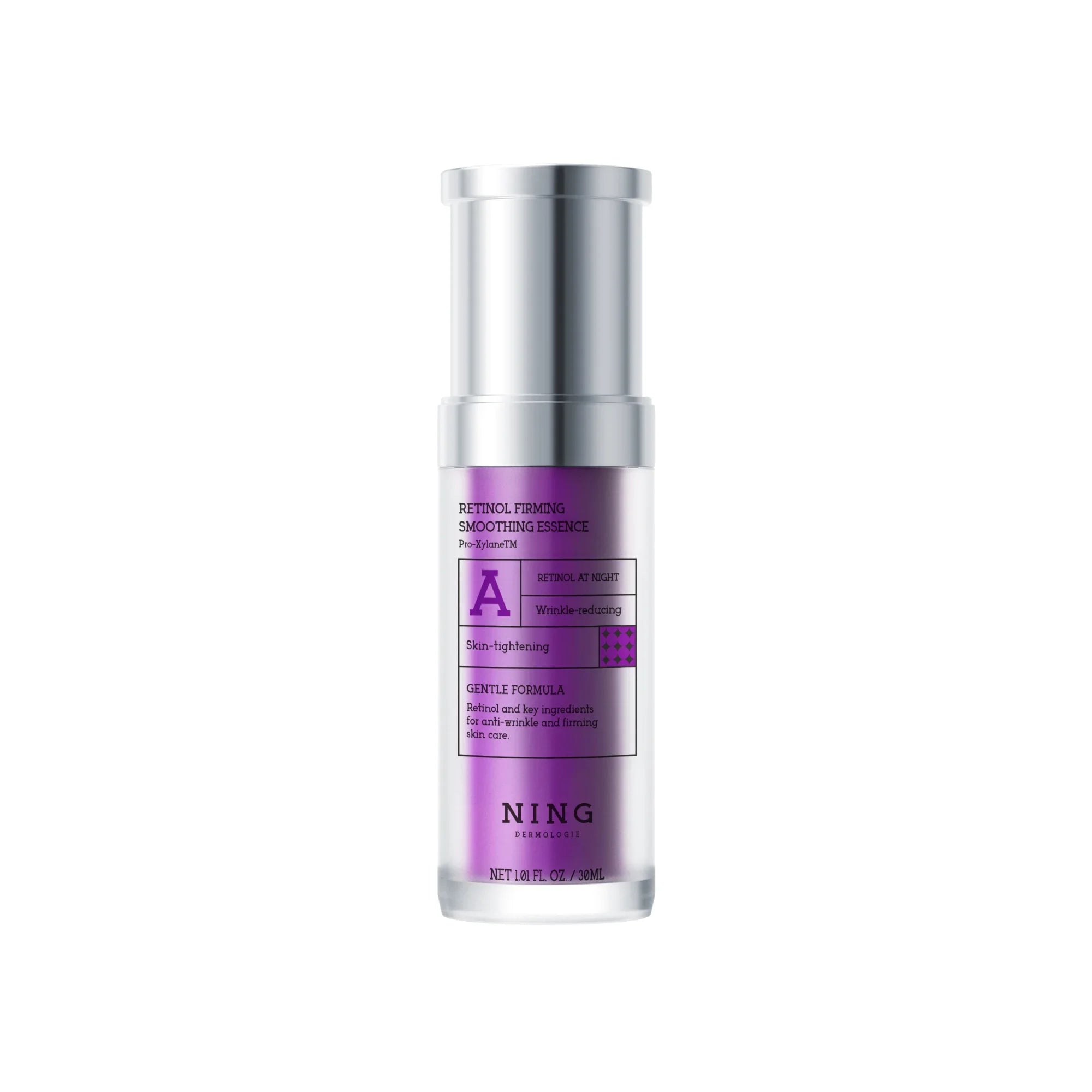
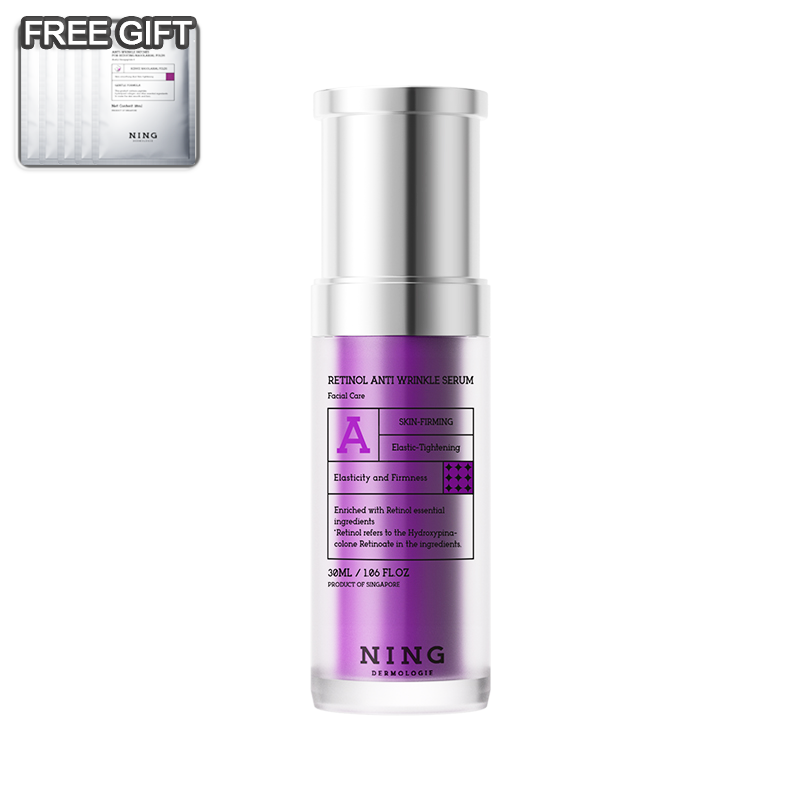
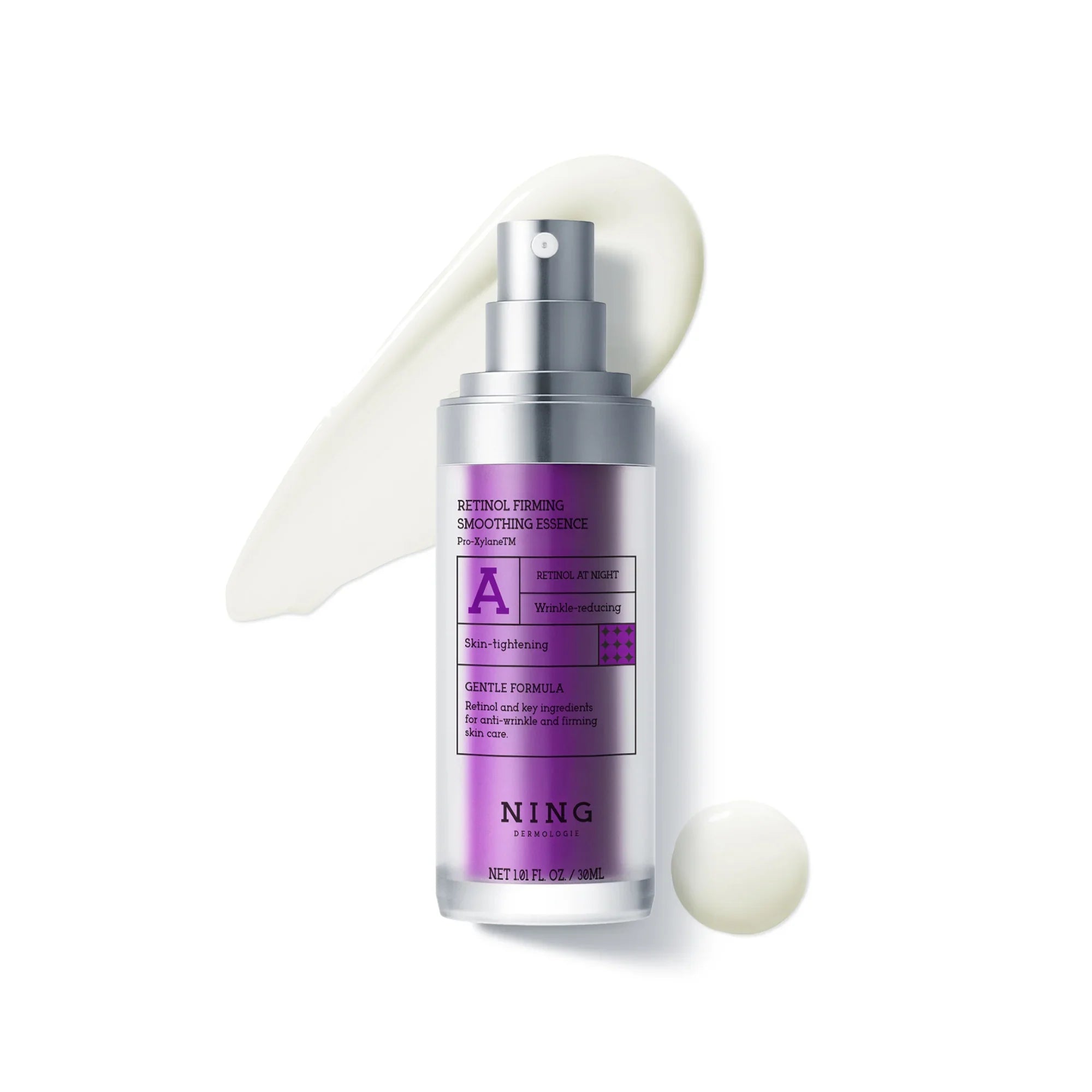
Don't believe the old internet myths—you can definitely use Vitamin C and Niacinamide together. In fact, NING Dermologie puts them in the same bottle because they're a "dream team" for glowing skin. However, I’d keep Retinol for your nighttime skincare routine. Mixing too many actives at once in the morning is just asking for a freak-out. Spread them out to get the best brightening and anti-aging benefits.
5. How do I know if my Vitamin C serum has "gone bad" or oxidized?
Vitamin C is notoriously finicky. If your serum changes color from clear or light champagne to a dark, murky orange or brown, it has oxidized. At this point, it won't protect the skin effectively and might even cause irritation. To keep your serum fresh, store it in a cool, dark cabinet (not a humid bathroom) and ensure the cap is tightened immediately after you apply vitamin c serum.





Share:
Curated Clay Mask Picks for Minimizing Pores and Enhancing Glow
Best Korean vitamin C serums for anti-aging effects