

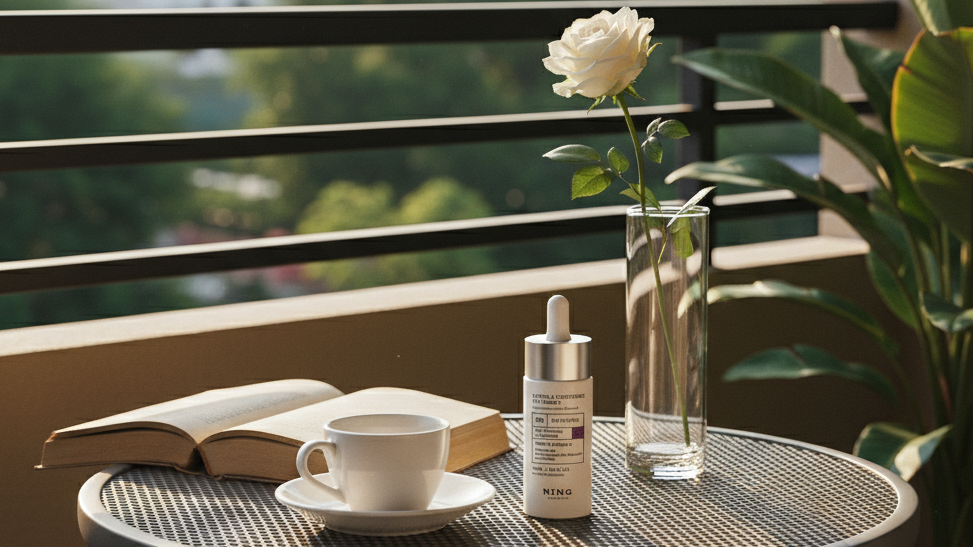

It’s 2 PM, you glance in the bathroom mirror, and your carefully applied concealer looks like cracked desert earth. It’s sitting in lines you didn't even know you had, your skin feels tight, and the undereye area looks generally exhausted. Sound familiar?
Whether you are a busy executive, a stressed-out college student, or an empty nester whose only daily drama involves chasing a rogue tabby cat around the living room, fatigue and dehydration show up under our eyes first. It is the universal equalizer.
For years, the beauty industry has thrown thick, heavy creams at this problem. We’ve been told to slather on thick pastes before bed and hope for the best. But here is the truth that many cosmetic chemists and aestheticians want you to know: slathering a heavy cream over dehydrated skin doesn't fix the root problem. It just sits there. If you want to actually fix dry under-eyes, you need to understand the critical difference between hydration and barrier support—and why a high-quality eye serum is often the smarter choice over an old-school eye cream.

The Anatomy of Exhaustion: Why Your Under-Eyes Are So Dry
Before we talk about fixing the problem, we need to understand why the skin around the eyes is so incredibly needy.
The skin here is uniquely fragile. It is significantly thinner than the skin on the rest of your face and contains very few sebaceous (oil) glands. Oil is your skin’s natural built-in moisturizer and protector. Without a steady supply of it, the undereye area struggles to hold onto water.
This makes it highly susceptible to Periocular Aging—the clinical term for how the eye area ages, encompassing everything from texture changes to sagging. Because the skin is thin, it’s also highly vulnerable to environmental stressors like UV damage and pollution, which degrade collagen faster than your body can produce it.
Then there are the specific eye concerns that compound the issue of dryness:
- Fine lines and crow's feet: Often exacerbated simply by a lack of moisture. Plump skin hides lines; dry skin highlights them.
- Dark circles and under-eye bags: Sometimes these are genetic or related to vascular issues (blood pooling under the thin skin). Other times, they are structural, caused by volume loss.
- Irritation: Because the barrier is weak, active ingredients that your cheeks can tolerate might cause stinging or redness around the eyes.
According to experts at clinics like Mitchell Dermatology, aggressive interventions like Laser Treatment can address severe pigmentation or structural issues. Similarly, medical procedures address extreme cases, such as repairing the skin after Mohs micrographic surgery for skin cancer or treating deep Vascular Lesions. But for daily maintenance, dryness, and preventative care? You need a meticulous, gentle skin-care routine.
Hydration vs. Moisture: The Missing Link
This is where most people get it wrong. They buy the thickest eye cream they can find, thinking it will cure their dry skin. But hydration and moisture are two completely different things.
- Hydration is about water content. Ingredients like hyaluronic acid and glycerin are humectants; they grab water from the environment (or deeper layers of your skin) and pull it into the top layers. Think of a dried-out sponge. You need water to make it plump and flexible again.
- Moisture (Barrier Support) is about trapping that water. If you apply water to a sponge and leave it in the sun, it dries out again. You need lipids, ceramides, and squalane to seal the surface and repair the skin barrier so the hydration cannot escape.
If you use a hydrating serum without barrier support, the water evaporates, leaving you drier than before. If you use a heavy cream without hydration, you are essentially putting a lid on an empty pot. You need both.
The Ingredient Hit List: What Works and What’s Overhyped
When you are scanning the back of a box, you want to see a mix of water-binders, barrier-repairing fats, and gentle antioxidants. Here is what actually moves the needle for the undereye area.
The Hydrators & Plumpers
- Hyaluronic acid: The gold standard for pulling water into the skin. It temporarily plumps fine lines and gives that "bouncy" feel.
- Matrixyl 3000: A powerful peptide complex. Peptides are the building blocks of proteins like collagen. Matrixyl 3000 specifically helps signal the skin to repair itself, making it a fantastic, non-irritating alternative to harsh retinols for the delicate eye area.
- Algae extract: An unsung hero in skincare. It is packed with minerals and antioxidants, offering exceptional hydration and soothing properties for easily irritated eyes.
The Brighteners & Protectors
- Vitamin C: Excellent for brightening and protecting against environmental damage. However, L-ascorbic acid (pure Vitamin C) can sometimes be too acidic for a damaged skin barrier. Look for stable, gentler derivatives in eye products.
- Ferulic acid: An antioxidant that makes Vitamin C work harder and stay stable longer. It’s a brilliant defensive ingredient against the daily wear and tear that leads to premature aging.
- Kojic acid: Derived from mushrooms, this is a phenomenal ingredient for tackling hyperpigmentation and dark circles caused by excess melanin, without the harshness of hydroquinone.
- Ginseng root extract: Known for stimulating blood circulation. If your dark circles are caused by sluggish blood flow (which often gives a bluish or purplish tint), ginseng can help liven up the area.
Navigating the Market: Serums, Creams, and The Heavy Hitters
Walk into any department store or pharmacy, and you are bombarded with options. It’s a topic heavily debated everywhere, from the desks of Glamour editors to the grooming guides on the Hims blog.
You have legacy brands like Estée Lauder with their iconic Advanced Night Repair eye formulas, and Kiehl's Since 1851 with their ultra-rich avocado cream. On the pharmacy side, La Roche-Posay offers excellent, minimalist formulas for highly reactive skin. If you are on a strict budget, the Inkey List Caffeine Eye Cream is a popular, straightforward option for temporary depuffing.
But here is the recurring problem: many heavy creams sit on the surface and cause milia (those annoying little hard white bumps), while many lightweight serums vanish into the skin within five minutes, leaving you desperately needing to reapply.
You need a product that bridges the gap. A formula that delivers the deep, penetrating hydration of a serum but finishes with the protective, comforting seal of a light lotion.
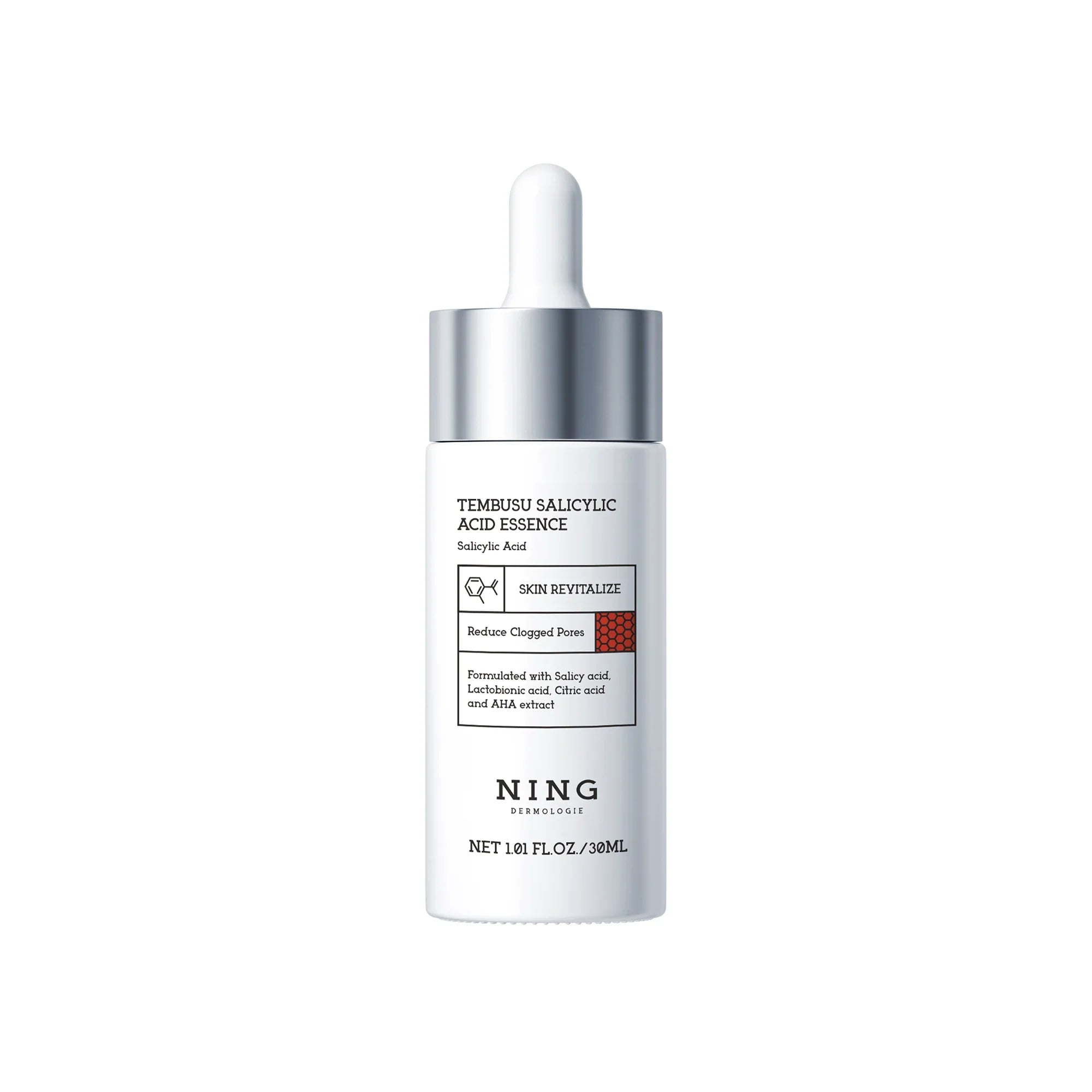
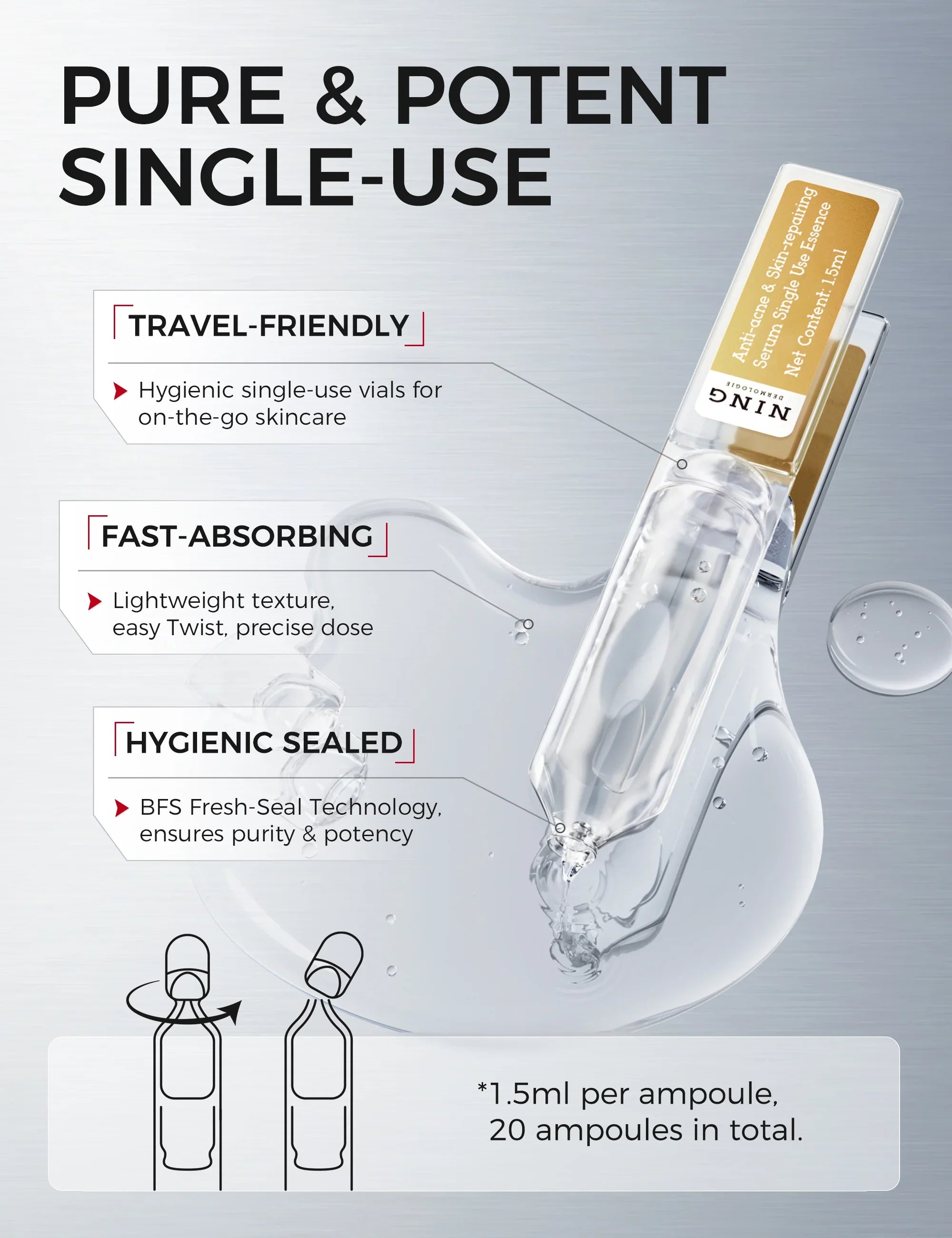
This exact balance is why I consistently lean towards the NING Dermologie Lifting & Tightening Eye Essence.
Why the NING Dermologie Eye Essence Stands Out
What makes the NING Dermologie formula different is its approach to formulation. It doesn't force you to choose between feeling hydrated and feeling protected.
First, the texture is an "essence"—it’s more substantial than a watery serum but significantly lighter than a traditional cream. It sinks into the skin immediately, meaning it won't cause your makeup to pill or slide around an hour later.
Second, it addresses the undereye area holistically. It doesn't just flood the skin with moisture; it utilizes targeted ingredients to support the structural integrity of the skin. It provides the instant gratification of hydration to smooth out those immediate, dehydration-induced fine lines, while simultaneously supporting the skin barrier so that moisture actually lasts through a 10-hour workday. If you are tired of products that feel good for five minutes and then disappear, this Lifting & Tightening Eye Essence is the exact upgrade your routine needs.
How to Layer Your Eye Care (Without Causing Pilling)
Having the right product is only half the battle. Application technique matters immensely, a fact confirmed by beauty journalists like Grace Gallagher and studied by cosmetic science researchers from institutions as varied as Hunter College to Hobart William Smith College. If you slap an eye serum onto bone-dry skin and immediately drag a stiff concealer brush over it, you are going to have a bad time.
Here is the foolproof, step-by-step layering guide for dry under-eyes:
Step 1: Start Damp. Never apply a hydrating serum to completely dry skin. After washing your face, lightly pat your skin with a towel, leaving it slightly damp. This gives the humectants in the serum actual water to grab onto.
Step 2: The Ring Finger Tap. Dispense a very small amount of your eye serum (about the size of a grain of rice for both eyes). Use your ring finger—it applies the least amount of pressure. Gently tap the product along the orbital bone. Do not drag or pull the skin. Start at the inner corner and tap outward toward your temples.
Step 3: Wait 60 Seconds. Patience is mandatory. Let the serum absorb and dry down. If you rush the next step, you will cause pilling (those annoying little balls of rolled-up product).
Step 4: Lock it in (Optional but recommended for extreme dryness). If you are using a hybrid essence like the NING Dermologie product, you might not need this step. But if you live in a very dry climate or it is the middle of winter, tap a tiny amount of a basic, plain moisturizer over the top to act as a final seal.
Step 5: Makeup Prep. If you are applying concealer, make sure it has a creamy, hydrating formula. A matte, ultra-dry concealer will undo all the hard work your skincare just did.
Taking care of dry under-eyes doesn't require a ten-step routine or a degree in chemistry. It requires moving away from heavy, suffocating creams and moving toward smart, barrier-supporting hydration. By choosing formulas that respect the delicate nature of the eye area and applying them correctly, you can finally say goodbye to 2 PM concealer creasing.

Frequently Asked Questions (FAQ)
Can I just use my regular face moisturizer under my eyes?
You can, but it’s rarely ideal. Face creams are often too thick for the thin eye area, which can lead to clogged pores or milia. A dedicated eye serum or essence is formulated to absorb quickly and deliver active ingredients without weighing the skin down.
Does drinking more water fix dry under-eyes?
No. While staying hydrated is essential for overall health, drinking water won't fix a compromised skin barrier. You need topical hydrators like hyaluronic acid paired with barrier-supporting ingredients to physically trap moisture in the uppermost layers of your skin.
Why does my concealer still crease after using an eye serum?
You are likely applying your makeup too quickly. Give your eye serum at least 60 seconds to fully absorb and set. Also, ensure you aren't using too much product; a drop the size of a single grain of rice is plenty for both eyes.
Should I use an eye cream or an eye serum?
Serums are lightweight and penetrate deeper to target specific issues like dark circles or intense hydration. Creams sit on the surface to prevent moisture loss. If you are very dry, a hybrid essence or using a serum followed by a light cream works best.
Will Vitamin C sting my dry under-eyes?
It easily can, especially if your skin barrier is currently damaged or dry. If you are sensitive, look for gentle Vitamin C derivatives or skip it entirely until your barrier heals. Focus heavily on hydration and ceramides first.





Share:
Best Eye Serum for Wrinkles: Target Fine Lines with Proven Actives
Best Eye Serum for Mature Skin: Firming, Smoothing, and Brightening Picks