


Ever applied a new SPF, stepped out the door, and spent the next three hours blinking through tears because it migrated into your eyes? Or worse, looked in the rearview mirror only to realize your face is coated in a chalky, purple-grey film?
If you have sensitive/problem-prone skin, finding daily Sun protection feels less like a healthy habit and more like a daily punishment. The American Academy of Dermatology constantly reminds us that daily SPF is non-negotiable to prevent skin cancer and premature aging. But when your cheeks burn on contact or break out in angry red bumps, you really start wondering if the UV radiation is the lesser evil. (Spoiler alert: It’s not).
I’ve spent the last ten years testing hundreds of UV filters on my own rosacea-prone, wildly reactive face. I’m completely done with formulas that pill the second you apply foundation, and I refuse to recommend anything that leaves an ashy residue on deeper skin tones.

Today, we are talking strictly about facial sunscreen for sensitive skin with absolutely zero white cast.
Before diving into the actual products, we need to clear up a massive misconception about what makes a sunscreen "irritating." I was recently reading an interview in Nylon magazine featuring a prominent derm from Spring Street Dermatology. They echoed exactly what researchers at Mount Sinai and the University of Arizona Cancer Center have proven: the irritation usually isn't from the active ingredients themselves, but the delivery systems, the preservatives, and the drying alcohols.
You need broad-spectrum protection. You need to block both UVB rays (the ones that cause immediate sunburn) and UVA rays (the ones that age you and penetrate window glass). The entire UV spectrum is damaging, and modern formulas even need to tackle the blue light emitting from the screens we stare at all day.
Whether you lean toward chemical sunscreens (which absorb UV rays) or physical (or mineral) sunscreens (which sit on top of the skin to deflect them), the best sunscreen agent is simply the one you’ll actually tolerate wearing every single day.
Here are 10 picks that won't make you cry, break out, or look like a ghost when you step out into that harsh midday La CienegaLight.
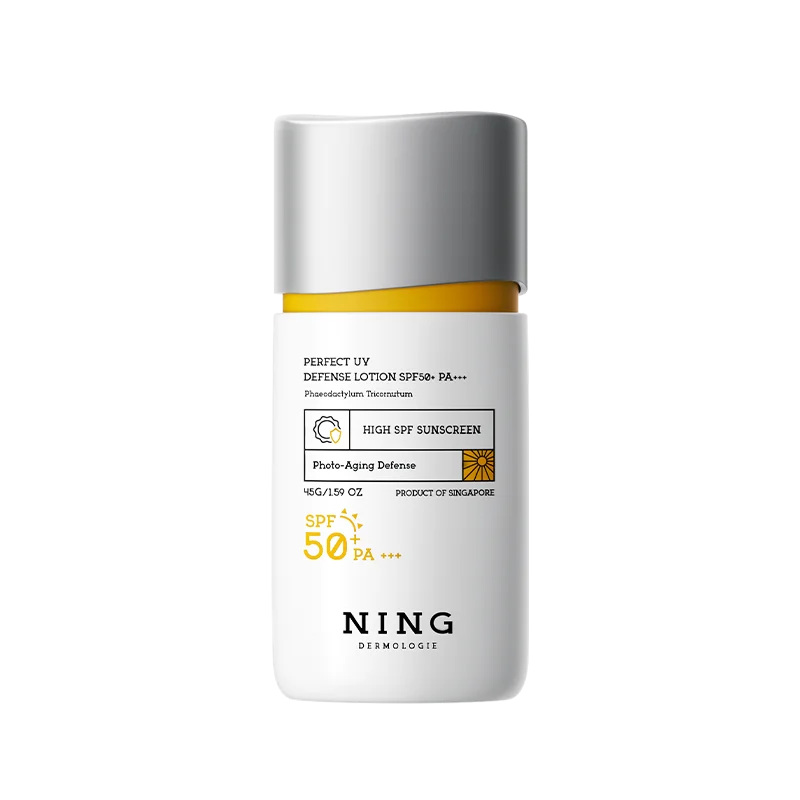
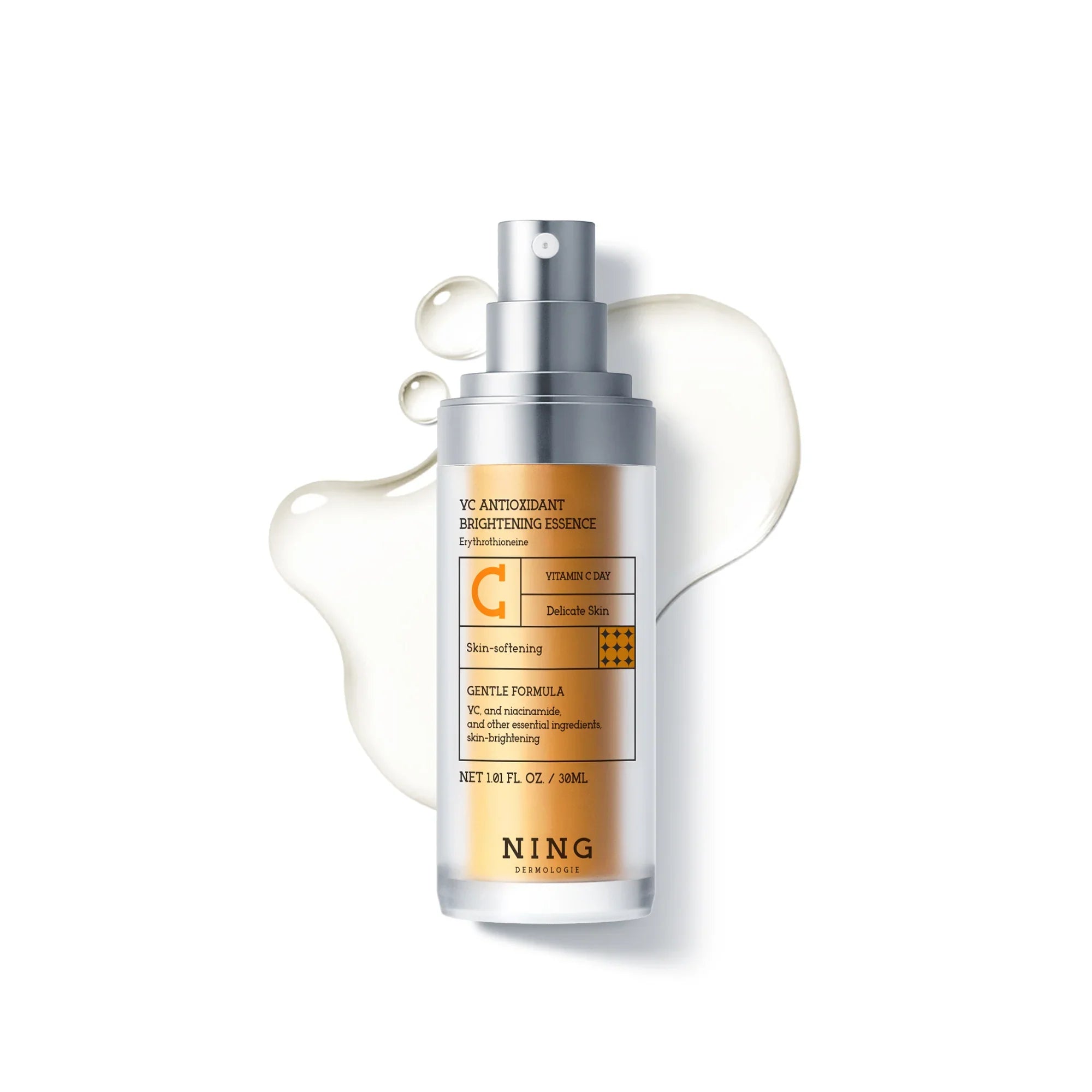
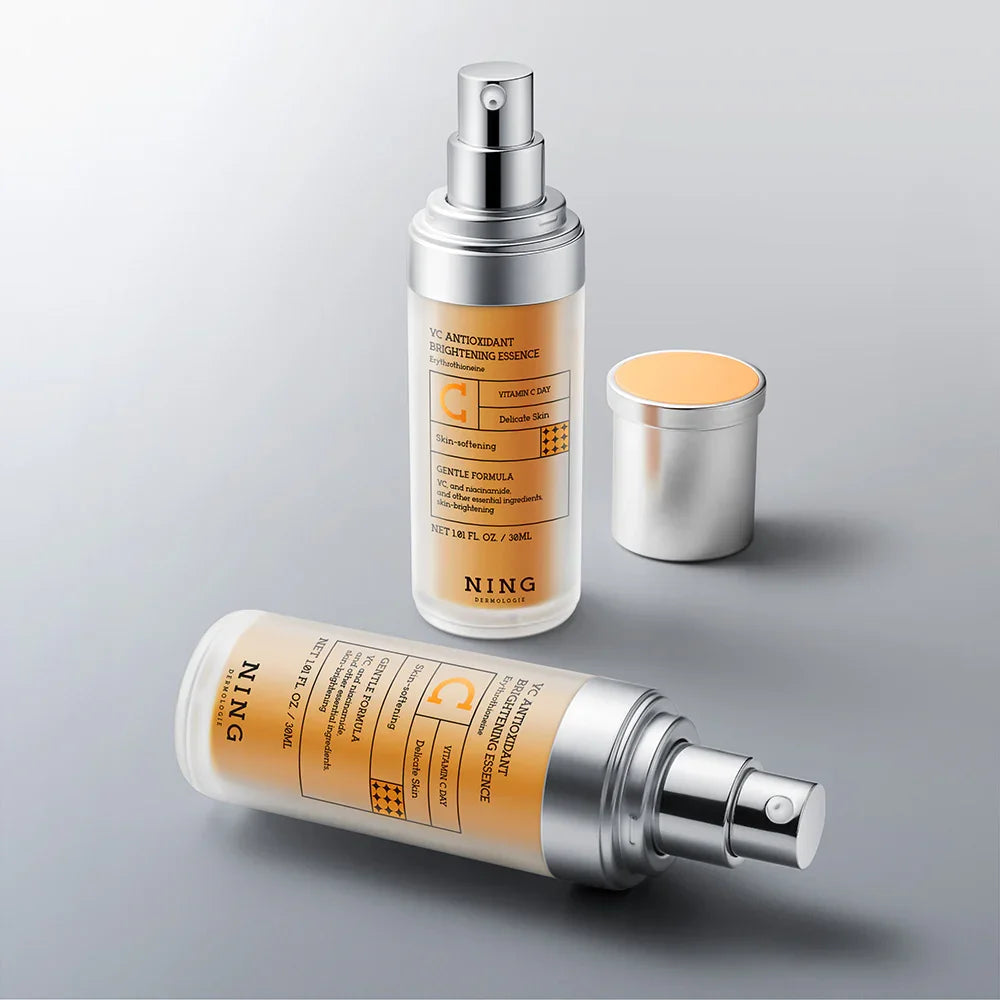
1. NING Dermologie SPF50+ Facial Sunscreen
Texture: Silky, serum-like fluid. Best for: Extremely sensitive skin, compromised barriers, all skin types. The "No-White-Cast" reality: Totally invisible. It melts in like water within five seconds, leaving a healthy, dewy finish regardless of your skin tone.
This is my absolute holy grail and top recommendation. You can find the NING Dermologie SPF50+ Facial Sunscreen here. The brand NING Dermologie completely cracked the code on high-level defense without the suffocating feel. They leverage advanced chemical UV filters to give you massive broad spectrum defense, but they formulate it like a high-end repairing serum.
It is packed with skin-soothing ingredients like Sodium Hyaluronate (a deeply penetrating form of hyaluronic acid) to plump the skin and Vitamin E (listed on the label as Tocopheryl Acetate) to neutralize free radicals. They even included collagen peptides to support skin elasticity while you wear it. There is zero stinging around the eyes and absolutely no weird, sticky film. Plus, it comes in a sleek, hygienic airless pump that keeps the antioxidants stable down to the last drop.
2. Black Girl Sunscreen SPF 30
Texture: Rich, deeply moisturizing lotion. Best for: Dry to normal skin, melanin-rich skin. The "No-White-Cast" reality: Exactly as the name promises. Zero ashiness, period.
This formula changed the game for deeper skin tones. It uses chemical filters, but skips the aggressive drying alcohols that usually accompany them. Instead, it relies on natural hydrators like avocado and jojoba. If you hate the feeling of traditional sunblock, this applies exactly like a luxurious daily moisturizer. It leaves you glowing, plump, and protected without a hint of white residue.
3. Trader Joe's Invisible Gel Body Sunscreen SPF 40
Texture: Velvety, clear silicone gel. Best for: Oily skin, or anyone needing a makeup primer. The "No-White-Cast" reality: It is literally transparent straight out of the tube.
Yes, the label says "body," but the ingredient list is an exact dupe for high-end, $40 facial primers. The base relies heavily on dimethicone crosspolymer, giving it a ridiculous slip and blur effect on the skin. It utilizes Butyloctyl Salicylate to dissolve the UV filters seamlessly. If you struggle with large pores or skin texture, this glides over them without settling. It stings slightly if you get it directly in the eye, so leave a small margin around your lash line.
4. Vanicream Facial Moisturizer with SPF 30
Texture: Creamy but surprisingly light lotion. Best for: The most reactive, allergy-prone, angry skin. The "No-White-Cast" reality: It takes about 30 seconds of rubbing to work it in, but dries down clear on light to medium-deep tones.
Vanicream is the absolute gold standard for extreme skin sensitivity. This is a mineral option utilizing zinc oxide, but formulated strictly without dyes, fragrance, masking fragrance, or botanical extracts. They use Caprylic/Capric Triglyceride to keep it moisturizing and a touch of Sodium Chloride to stabilize the emulsion. It is incredibly basic, utterly boring, and absolutely brilliant when your skin is throwing a massive tantrum and hates everything else in your cabinet.
5. CeraVe AM Ultra-Light Moisturizing Lotion With Sunscreen SPF 30
Texture: Fluid, watery lotion. Best for: Oily, acne-prone skin that easily gets congested. The "No-White-Cast" reality: Flawless. It absorbs in seconds without leaving a pale mask.
Do not confuse this with their standard, thick AM lotion in the pump bottle. The "Ultra-Light" tube version is a completely different beast. It delivers broad-spectrum protection while feeding your barrier with essential ceramides and hyaluronic acid. It dries down to a soft matte finish, making it the perfect everyday base if you usually get shiny and greasy by noon.
6. Supergoop! Play Everyday Lotion SPF 50
Texture: Slippery, fast-absorbing liquid lotion. Best for: Active days, heavy sweating, outdoor sports. The "No-White-Cast" reality: Completely invisible on everyone.
When the UV index is screaming high and you know you'll be sweating, this is a solid, reliable choice. It offers fantastic water resistance. The formula is cleverly stabilized with Ethylhexyl Methoxycrylene and uses VP/Hexadecene Copolymer to create a flexible, breathable film that clings to your skin even when you sweat profusely. Just remember to double cleanse thoroughly at night to break down that water-resistant film.
7. Hero Force Shield Superlight Sunscreen SPF 30
Texture: Bouncy gel-cream with a sheer green tint. Best for: Redness-prone skin, rosacea, post-acne marks. The "No-White-Cast" reality: The green tint neutralizes redness and blends out sheer, entirely avoiding the white cast trap.
This is a physical sunscreen that strictly uses zinc oxide. More specifically, they use non-nano zinc oxide, meaning the mineral particles are large enough not to enter your bloodstream, yet formulated beautifully to avoid looking chalky. It feels instantly cooling on application and sets to a lightweight, breathable finish that doesn't trap heat in your face.
8. Olay Complete Daily Moisturizer With Sunscreen SPF 30
Texture: Classic, comforting, old-school lotion. Best for: Mature skin, normal to dry skin types looking for simplicity. The "No-White-Cast" reality: Blends away easily with minimal effort.
Sometimes the drugstore classics stick around for decades for a reason. This specific Olay lotion provides incredibly reliable defense without aggravating sensitive faces. It is gentle, packed with skin-loving vitamins, and serves as a fantastic one-and-done morning step if you are rushing out the door and don't have time for a multi-step routine.
9. EltaMD UV Clear Broad-Spectrum SPF 46
Texture: Silky, lightweight lotion. Best for: Acne-prone skin and those dealing with hyperpigmentation. The "No-White-Cast" reality: Leaves a slight, healthy sheen but zero white residue. It blends beautifully into the skin.
This formula combines zinc oxide with gentle chemical filters. Mineral sunscreens usually rely on Polyhydroxystearic Acid to disperse the titanium dioxide and zinc oxide evenly so the minerals don't clump together and look white on your face. Binders like Xanthan Gum and specific stabilizers like Disodium EDTA keep the texture perfectly smooth. It is a legendary holy grail for reactive, breakout-prone skin.
10. La Roche-Posay Anthelios Mineral Zinc Oxide Sunscreen SPF 50
Texture: Very runny, milky fluid. Best for: Beach days and high sun exposure. The "No-White-Cast" reality: Requires a good shake of the bottle and some dedicated rubbing, but settles well.
This fluid uses a heavy, effective dose of mineral filters. The formula employs Aluminum Hydroxide and Calcium Sodium Borosilicate to significantly enhance the spreadability and the final finish of the active ingredients on the skin. It is tough, highly resilient, and offers rock-solid mineral sunscreens defense when you really need it.
Beyond the Bottle: Sun Protection Measures
Applying sunscreen is just one piece of the puzzle. If you are heading down to Key West for the weekend or taking a boat out in the U.S. Virgin Islands, relying solely on a thin layer of SPF won't cut it. You need comprehensive Sun Protection Measures.
Always check the UV index on your phone before heading out for the day. Throw on UPF-rated long-sleeve shirts, grab a wide-brimmed hat, and actively seek shade during peak burning hours. Also, if you are swimming in the ocean or visiting protected natural habitats, always look for Reef-friendly options to protect fragile marine life. Skincare is about building sustainable, lifelong habits, not just slapping on a cream and hoping for the best.

Frequently Asked Questions (FAQ)
Are chemical sunscreens bad for sensitive skin?
Not inherently. Older chemical filters like avobenzone often cause stinging. However, modern formulas use highly advanced, encapsulated chemical filters that provide invisible protection without triggering redness or burning in the eyes.
What is the difference between nano and non-nano zinc oxide?
Non-nano particles are larger, meaning they sit securely on the skin's surface without penetrating the bloodstream. They are generally considered safer for sensitive skin and reef environments, while still effectively reflecting UV rays.
How much facial sunscreen do I actually need?
You need roughly a quarter-teaspoon for your face, and another quarter-teaspoon for your neck. An easy trick is the "two-finger method"—squeeze two generous lines of sunscreen down the length of your index and middle fingers.
Why does my sunscreen pill when I apply makeup?
Pilling usually happens when the silicone or oil base of your sunscreen clashes with the base of your foundation. It also happens if you don't let your SPF fully dry down for at least 3-5 minutes before applying makeup.
Do I need to wear sunscreen indoors?
Yes. UVA rays, which cause premature aging and hyperpigmentation, easily penetrate standard window glass. If you sit near a window or drive during the day, you are exposed to significant UV radiation.





Share:
Facial Sunscreen for Sensitive Oily Skin: Matte, Light, and Comfortable All Day
Best Fragrance-Free Facial Sunscreen for Sensitive Skin: What to Choose & What to Avoid