

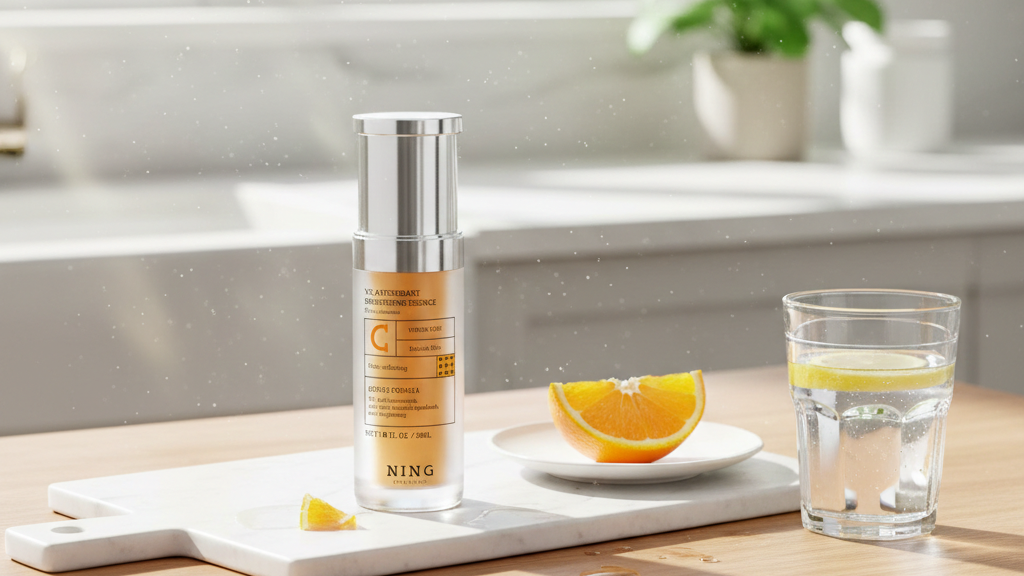

The Ultimate Guide to Vitamin C: How to Use Vitamin C Serum to Fade Dark Spots and Hyperpigmentation
Those pesky dark spots don’t just show up overnight, and they certainly don’t leave without a fight. Whether you’re dealing with sun damage, age spots, or that annoying post-inflammatory hyperpigmentation left behind by a breakout, you’ve likely been told that vitamin C can help.
But here’s the kicker—most people use vitamin C serum incorrectly. They slap it on damp skin, mix it with the wrong actives, or store it in a way that turns the formula useless before the bottle is even half empty.
If you want to reduce dark spots and finally see an even skin tone, you need more than just a product; you need a strategy. At NING Dermologie, we believe in smarter skincare. This guide will walk you through exactly how to apply vitamin C to unlock its full potential.

Why Vitamin C is a Powerful Antioxidant for Your Skin
Before we dive into the "how," we need to understand the "why." Vitamin C stands as one of the most researched ingredients in dermatology. Why? Because vitamin C neutralizes free radicals—those unstable molecules caused by pollution and UV rays that break down collagen and trigger excess melanin production.
When you use vitamin C for dark spots, you are essentially doing two things:
-
Inhibiting Tyrosinase: This is the enzyme responsible for producing melanin. By slowing it down, vitamin C helps prevent new dark spots from forming.
-
Brightening Existing Pigment: Regular use of vitamin C helps to fade dark spots and brighten skin that looks dull or tired.
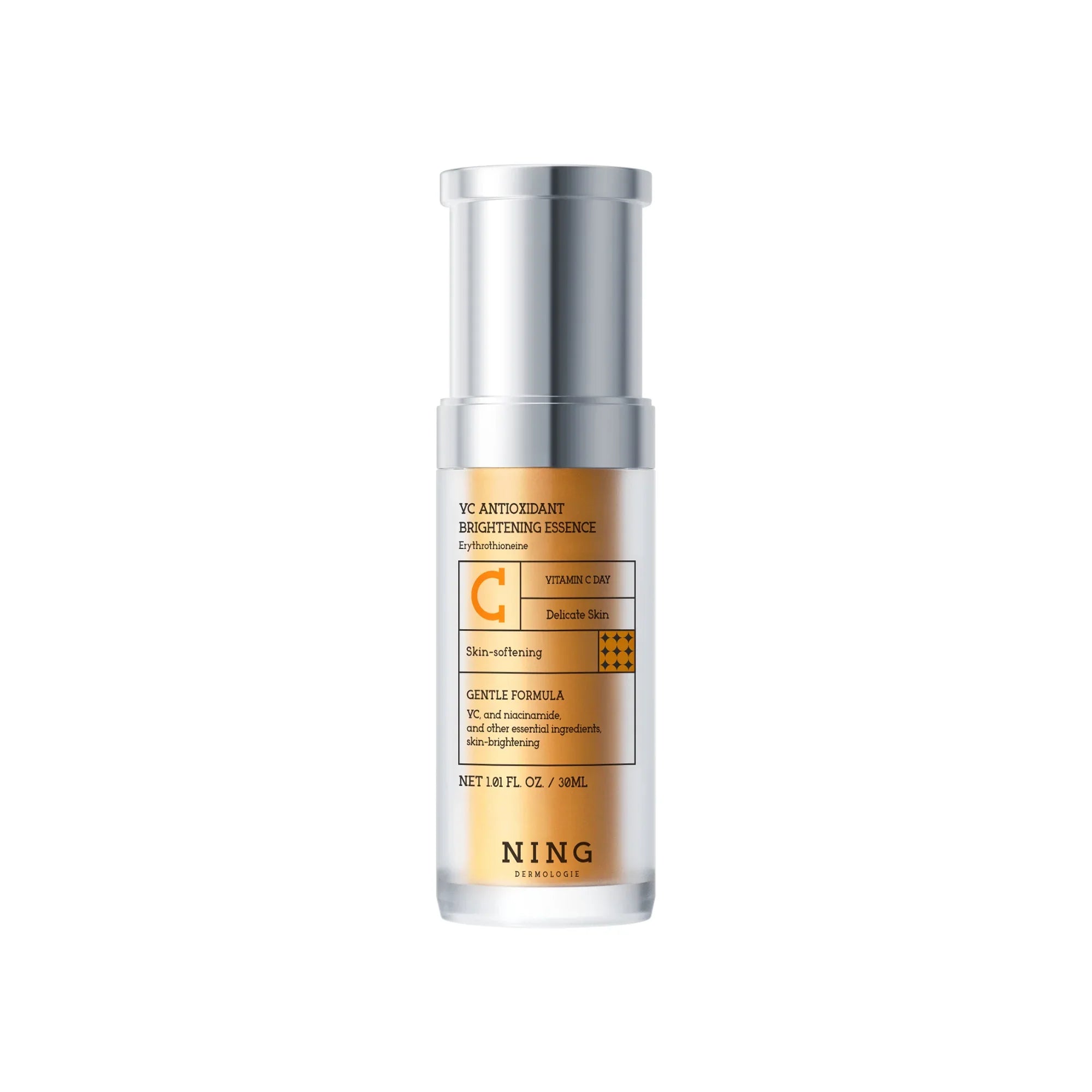
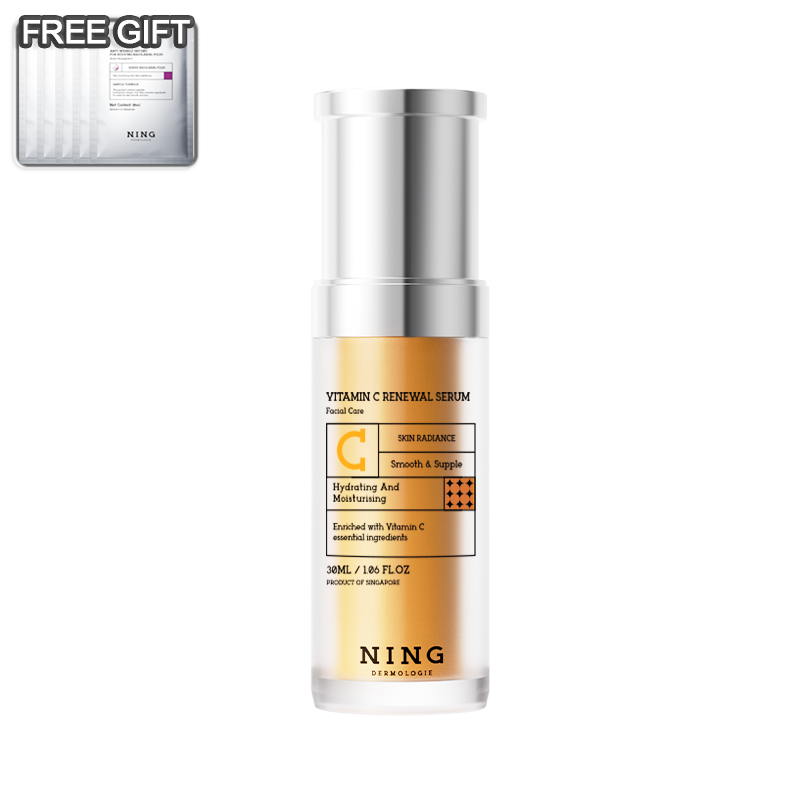
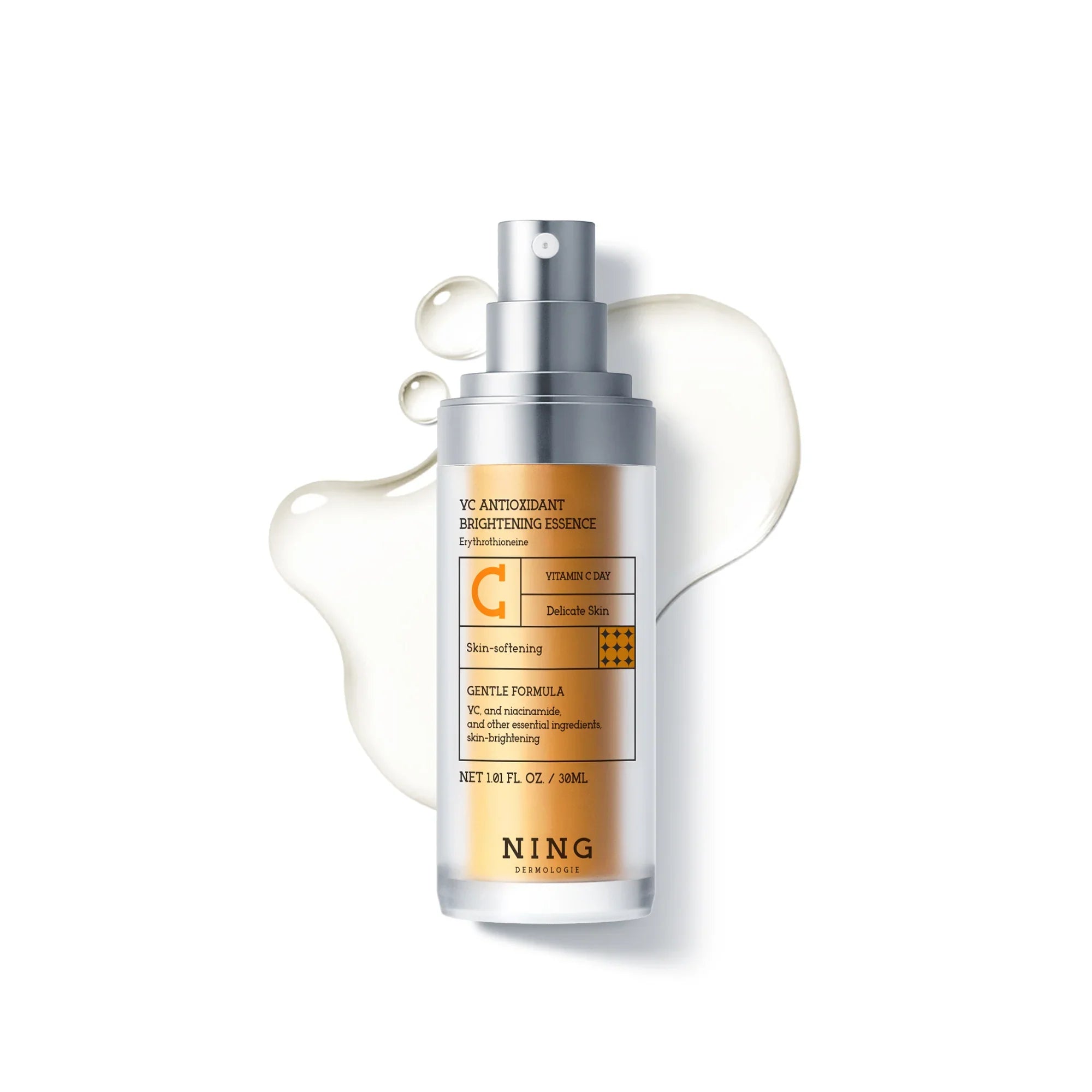
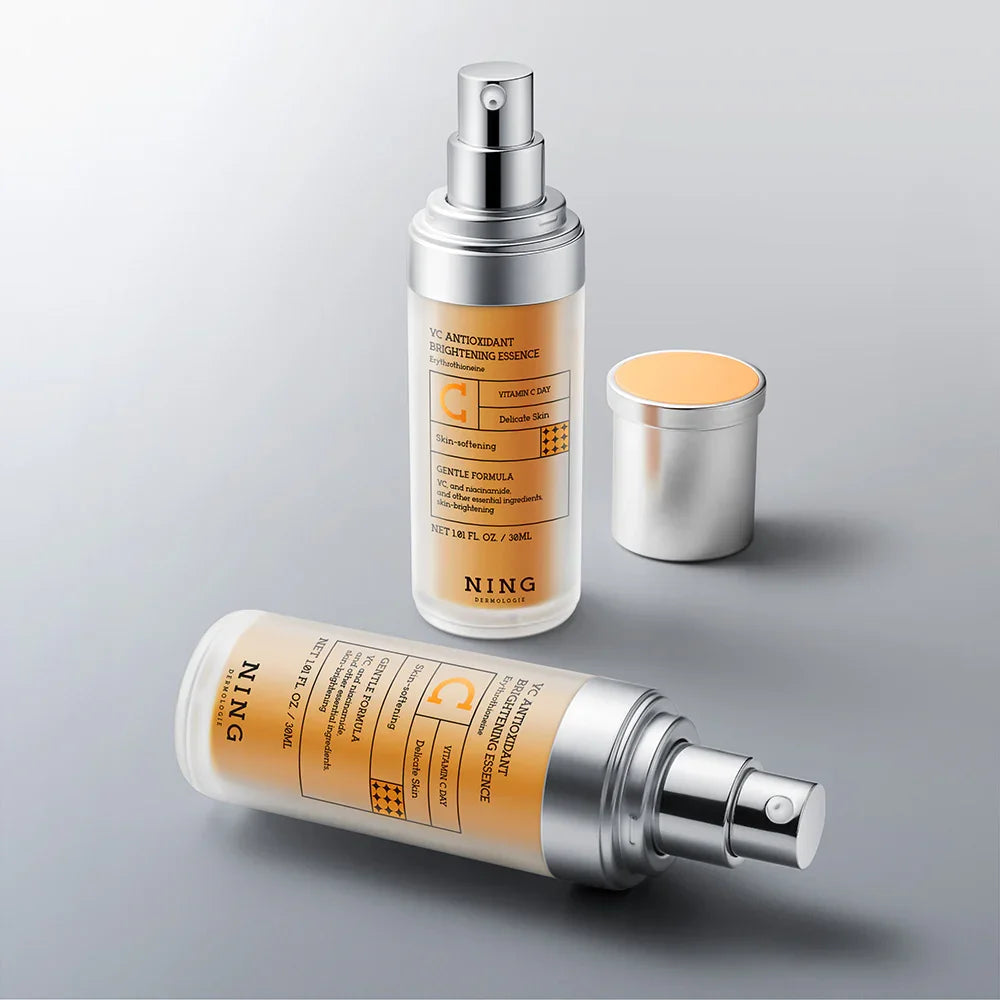
However, not all serums are created equal. Many traditional formulas use L-ascorbic acid, which is highly unstable and irritating for sensitive skin. At NING Dermologie, we formulated our Vitamin C Serum with Niacinamide & Ethyl Ascorbic Acid to be stable, potent, and gentle, ensuring you get visible improvements in skin tone without the stinging sensation.
How to Apply Your Vitamin C Serum for Best Results
Timing and technique are everything. If you want to fade those pesky dark spots, follow this professional routine.
Step 1: Start with a Clean, Dry Base
Always apply your vitamin C serum to clean skin. Use a gentle cleanser to remove oil and debris. Pro tip: Unlike hyaluronic acid, which loves damp skin, you should wait until your skin is constantly dry before applying VC. Applying a form of vitamin C to wet skin can increase its acidity, leading to irritation, especially if you’re new to vitamin C.
Step 2: The "Less is More" Rule
You don't need to drench your face. Use your vitamin C serum sparingly—3 to 5 drops are enough for the entire face and neck. Our NING Dermologie dropper is designed to dispense the perfect amount to treat stubborn dark spots without wasting product.
Step 3: Use the Patting Method
Don't rub vigorously. Instead, pat the serum into your skin using your fingertips. This method minimizes friction and helps the vitamin C in the serum penetrate deeper into the skin cells where it’s needed most.
Step 4: The 30-Second Rule
Give the vitamin C product a moment to settle. Waiting about 30 seconds before layering your moisturizer ensures the pH balance of the serum isn't immediately disrupted.
Mastering Your Skincare Routine: When to Use Vitamin C
A common question is: "Should I use vitamin C in the morning or at night?"
While vitamin C can be used twice a day, most dermatologists recommend vitamin C as a serum in the morning. Why? Because when you use a vitamin C serum during the day, it acts as a second line of defense against UV damage. It doesn't replace your SPF, but it makes your sunscreen more effective at protecting your skin.
The "Early Bird" Routine:
-
Cleanse: Use a sulfate-free cleanser.
-
Tone: (Optional) Ensure it’s alcohol-free.
-
Treat: Apply NING Dermologie Vitamin C Serum.
-
Moisturize: Seal in the active ingredients.
-
Protect: This is non-negotiable. Vitamin C and sunscreen are the ultimate duo for treating dark spots.
Dealing with Stubborn Dark Spots and Hyperpigmentation
If you have stubborn dark patches, simply using a serum might feel like a slow process. To accelerate results, look for a type of vitamin C that is paired with other brighteners.
Our formula at NING Dermologie combines Vitamin C with Niacinamide. This is a game-changer because while vitamin C can help reduce the production of pigment, Niacinamide helps stop the transfer of that pigment to your skin cells. This dual-action approach is what leads to truly even-toned skin.
Understanding Your Skin Type
- Dry Skin: Look for serums that include vitamin E or oils to prevent moisture loss.
- Sensitive Skin: Avoid high concentration of vitamin C (like 20% L-ascorbic acid). Instead, use a stable derivative like the Ethyl Ascorbic Acid found in our Vitamin C Serum.
- Oily Skin: A lightweight, water-based vitamin C face serum is your best bet to avoid clogged pores.
Common Mistakes to Avoid
If you want to see the full potential of vitamin C, stop doing these three things:
-
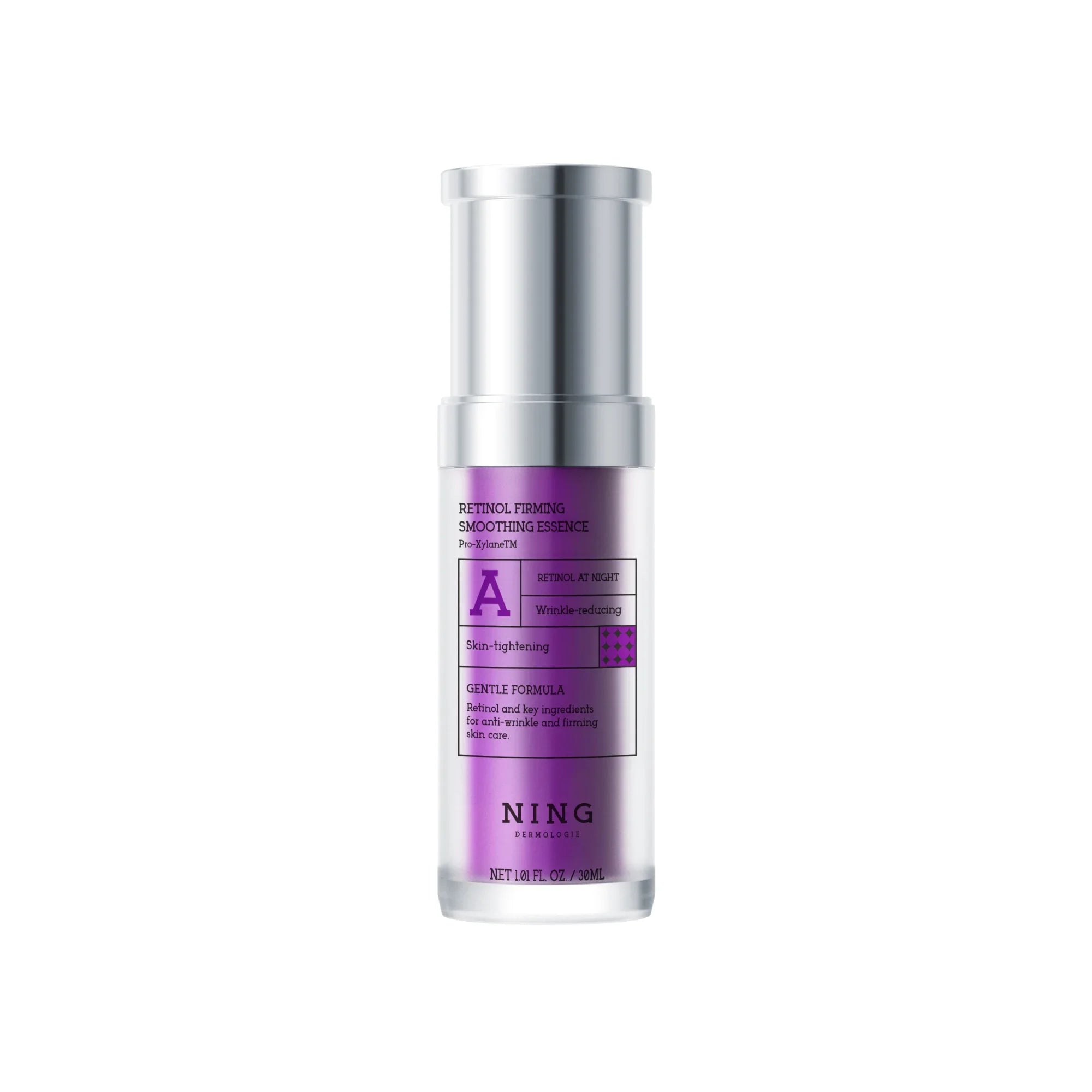
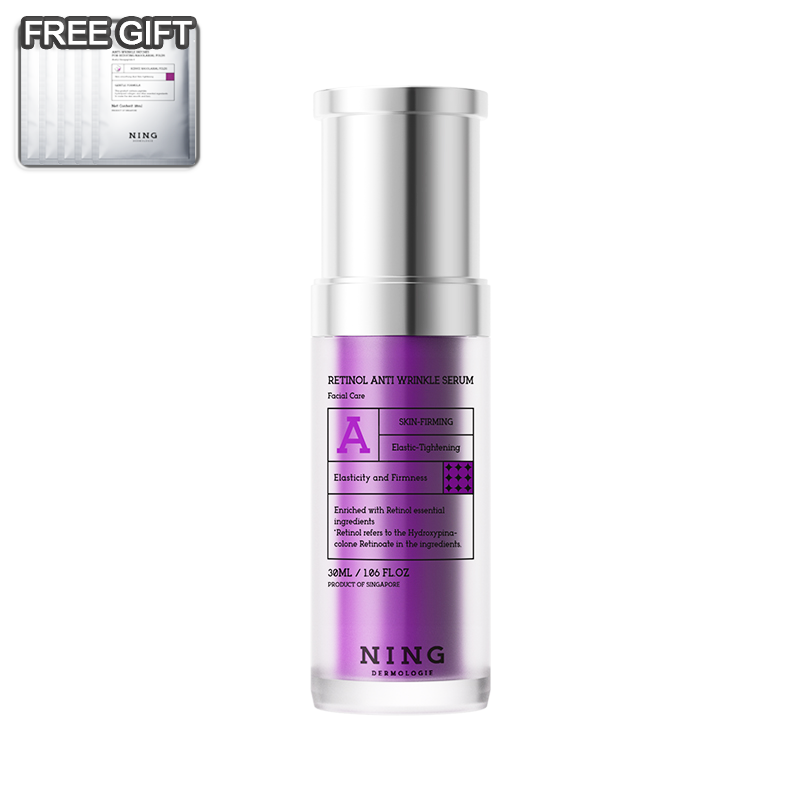
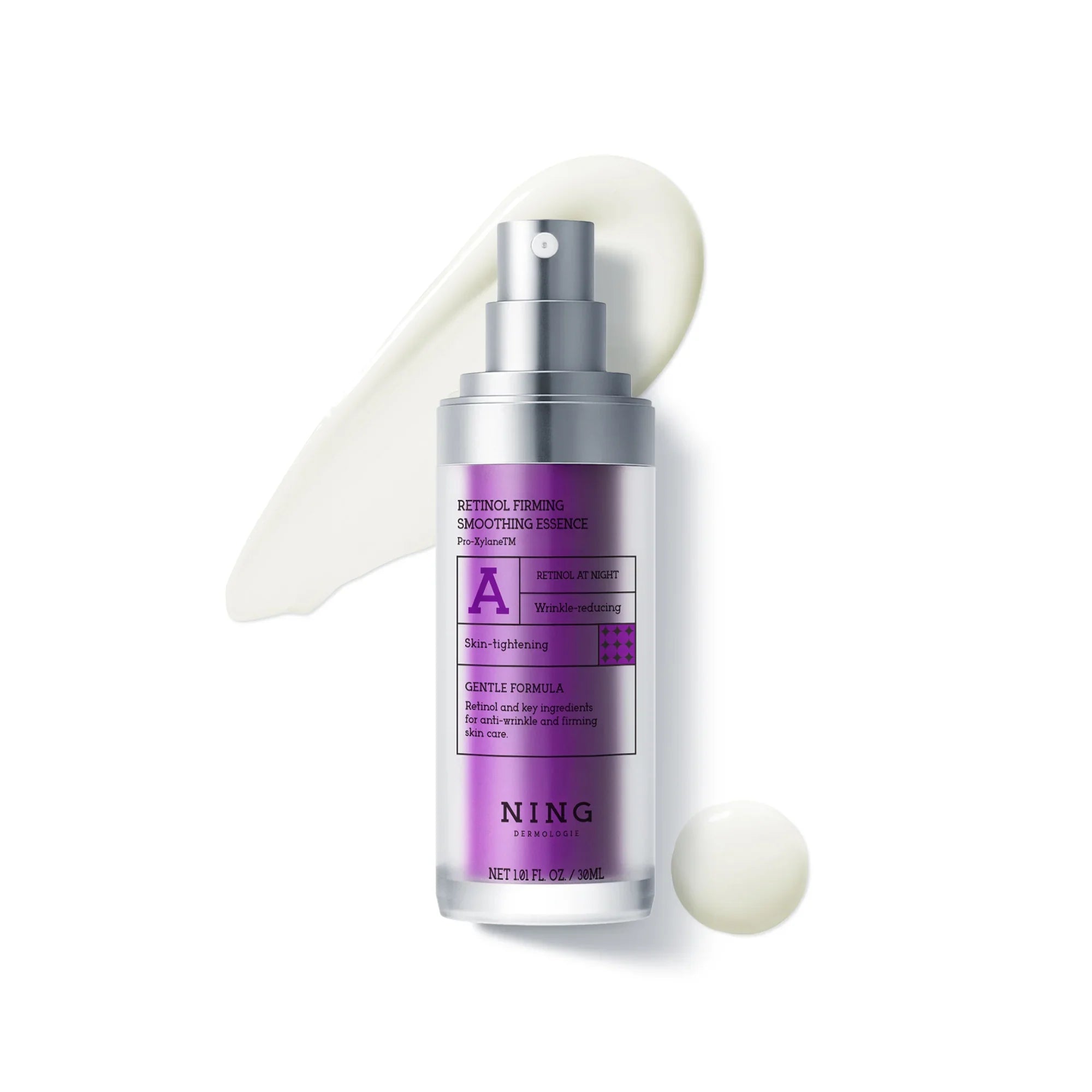
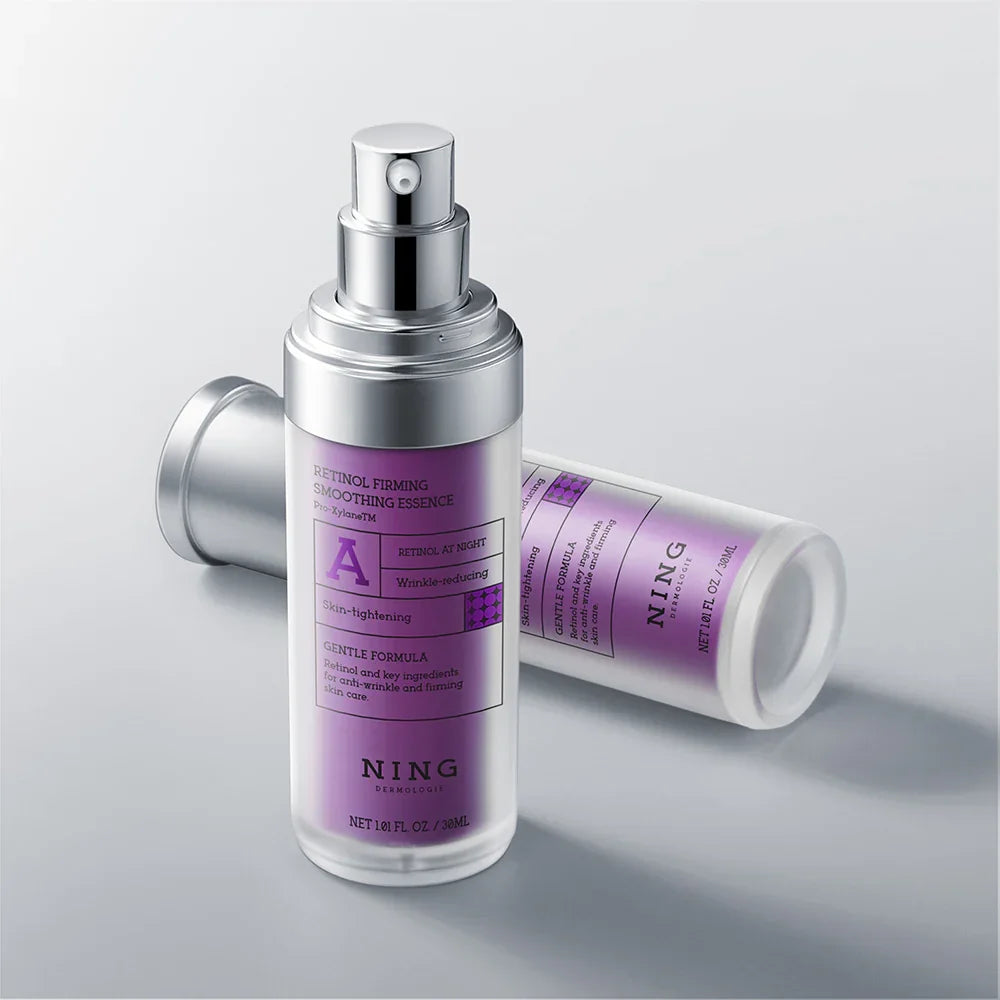
Mixing Retinol and Vitamin C: Using retinol and vitamin C at the same exact time can cause major irritation and cancel each other out. Use vitamin C in your skincare routine in the morning and save the retinol for the night.
-
Using Oxidized Serum: If your vitamin C face product has turned dark orange or brown, it has oxidized. Using it won't just be ineffective; it can actually cause oxidative stress on your skin.
-
Skipping the Neck: Dark spots on the skin don't just happen on your cheeks. Your neck and chest are often the first places to show age spots and sun damage.

The NING Dermologie Difference
We know the skincare market is flooded with options. However, NING Dermologie focuses on the optimal skin health. Our Vitamin C Serum isn't just about high percentages; it’s about stability and absorption. By combining vitamin C with soothing agents, we’ve created a serum for dark spots that works for all skin types, even those who usually find topical vitamin C too harsh.
Regular use of vitamin C will not only fade dark spots and hyperpigmentation but also improve the overall appearance of your skin, giving you that "lit-from-within" glow.
Frequently Asked Questions (FAQ)
1. Can I use vitamin C serum every day?
Honestly, consistency is the only way you’ll actually see those dark spots budge. You should use vitamin C serum daily, ideally every single morning. Think of it as your skin’s daily dose of vitamins; skipping days just resets your progress. If your skin is a bit reactive or you’re new to vitamin C, don't rush—start with three times a week. Once your skin realizes it loves the glow, move to a daily routine to keep that skin tone looking sharp.
2. Why does my skin look orange after using vitamin C?
It’s a common frustration! This usually happens because the form of vitamin C you’re using has oxidized on the skin's surface, or it’s simply reacting with the dead skin cells sitting on top. To dodge the "Oompa Loompa" look, make sure you aren't using a bottle that has turned dark amber. Also, a quick tip: gentle exfoliation once or twice a week ensures the serum sinks into fresh skin instead of staining the old debris.
3. Does vitamin C help with acne scars?
It’s a lifesaver for those red and brown marks left behind after a breakout. In the world of skincare, we call this post-inflammatory hyperpigmentation. Vitamin C helps by speeding up the natural turnover of skin cells and calming the "panic" in your pigment-producing cells. It won't fill in deep physical pitted scars, but for clearing up the stubborn discoloration and making your skin tone and texture look uniform again? It’s arguably the best tool in your kit.
4. Can I use vitamin C if I have sensitive skin?
You definitely can, but you have to be picky about the label. If you go for a massive concentration of vitamin C (like a 20% pure acid), your skin might freak out. The trick is to use a buffered, stable version like the one we use at NING Dermologie. It gives you all the skin benefits without the stinging or redness. Always do a tiny patch test behind your ear first—it’s a 24-hour insurance policy for your face.
5. Should I apply vitamin C before or after moisturizer?
Always apply your serum first. Skincare is all about the "thin-to-thick" rule. Since our vitamin C face serum is lightweight, it needs a direct path to your skin to do its job. If you put moisturizer on first, you’re basically putting up a wall that the vitamin C product can't climb over. Slap on the serum, give it a few seconds to feel "tacky," and then lock everything in with your moisturizer and SPF.





Share:
Korean vitamin C serums with high concentration of pure vitamin C
Best vitamin C serum bundles or kits for dark spot treatment