



That sharp, stinging heat when you apply your favorite moisturizer. The persistent redness that won't fade after a shower. The "invisible itch" that makes you want to crawl out of your own skin. If this sounds familiar, you aren’t just dealing with "dryness." You are experiencing reactive skin, a state where your skin's natural defenses have folded, leaving your nerve endings exposed to every environmental shift.
When your skin barrier is compromised, it’s like living in a house with the front door wide open during a blizzard. No matter how high you turn up the heat (or how much heavy cream you slather on), the warmth escapes, and the cold gets in. At NING Dermologie, we view skin barrier repair not as a luxury, but as a clinical necessity.
To fix it, we have to stop "treating" the surface and start rebuilding the foundation.

Why Your Skin is Throwing a Tantrum
Your skin type might be naturally dry or oily, but "reactive" is a condition. It happens when the "brick and mortar" structure of your stratum corneum—the outermost layer—develops microscopic cracks. This leads to moisture loss, specifically something we call Transepidermal Water Loss (TEWL). When water leaks out, irritants, pollutants, and free radicals leak in.
This isn't just about discomfort. A broken barrier triggers an inflammatory cascade. This is why environmental factors like wind, hard water, or even a change in room temperature can cause a flare-up. If you’ve been overusing exfoliating acids, a high-strength AHA Liquid Exfoliant, or harsh cleansers, you’ve likely stripped away the pH balance and the NMF complex (Natural Moisturizing Factors) that keep your cells plump and protected.
The goal now isn't to "glow." It's to settle. It’s about returning to a Rosacea-Prone Skincare Routine mindset—even if you don't have rosacea—focusing on vasoconstriction and lipid replenishment.
Phase 1: The "Ceasefire" Cleanse
The biggest mistake people with reactive skin make is trying to "wash away" the irritation. If your face feels tight after cleansing, your cleanser is a thief. It’s stealing your lipids.
You need to switch to a Gentle Cleanser that respects the acid mantle. We often recommend a Calm Ultra-Gentle Cleanser or the Corthe Dermo Essential Cleansing Milk. These aren't designed to give you that "squeaky clean" feeling—because squeaky skin is damaged skin.
Instead, look for textures like a Soothing Cleansing Crème or a Dermaclear Micro Milk Peel (which, despite the name, is incredibly mild). The goal is to lift debris while leaving a microscopic film of protection behind. If you are extremely flared, skip the morning cleanse entirely. Use a Hydrogen Bio Water or a simple splash of onsen minerals to refresh without friction.
Phase 2: The Internal Flood (Hydration)
Once the skin is clean, you have a narrow three-minute window to lock in hydration before TEWL kicks in. But for reactive types, a simple Hyaluronic Acid serum isn't always enough. In fact, if the air is dry, pure hyaluronic acid can actually pull moisture out of your deeper layers.
You need a smarter approach. We utilize a NMF Hyaluronic Acid Serum or a Skin Recovery Serum that blends Sodium Hyaluronate with PGA peptide (Polyglutamic Acid). PGA is a powerhouse that holds ten times more moisture than HA and creates a weightless, breathable film on the surface to stop water from escaping.
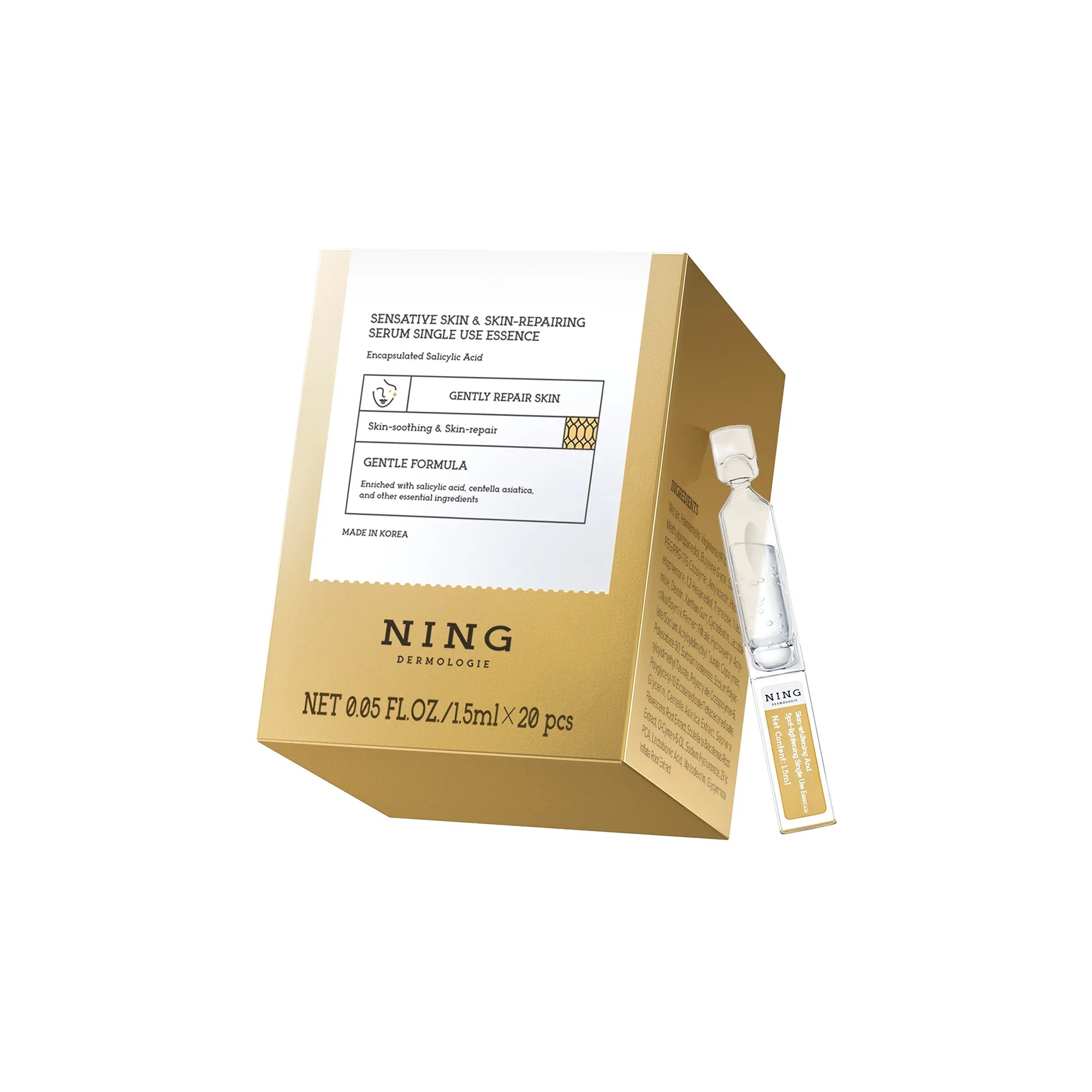
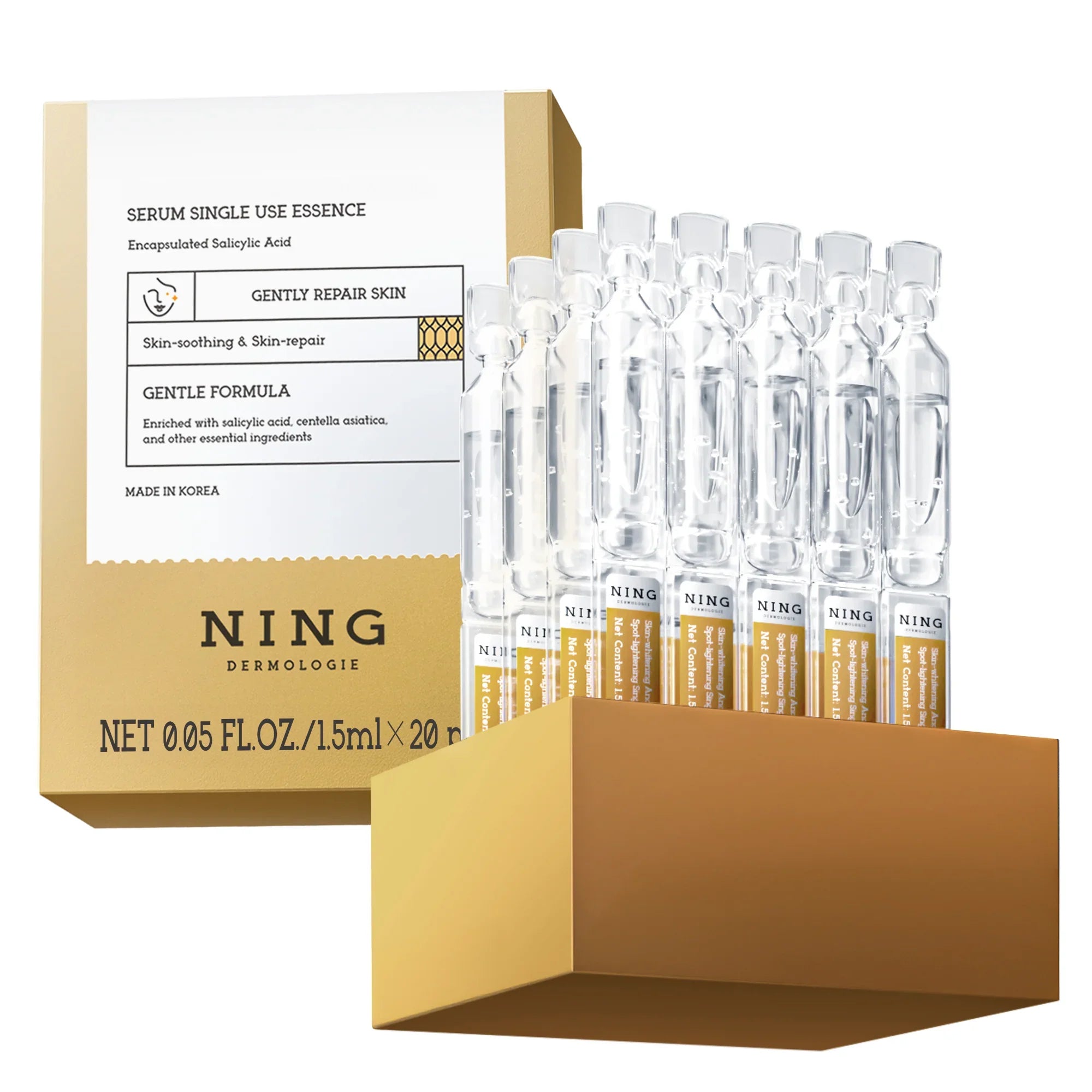
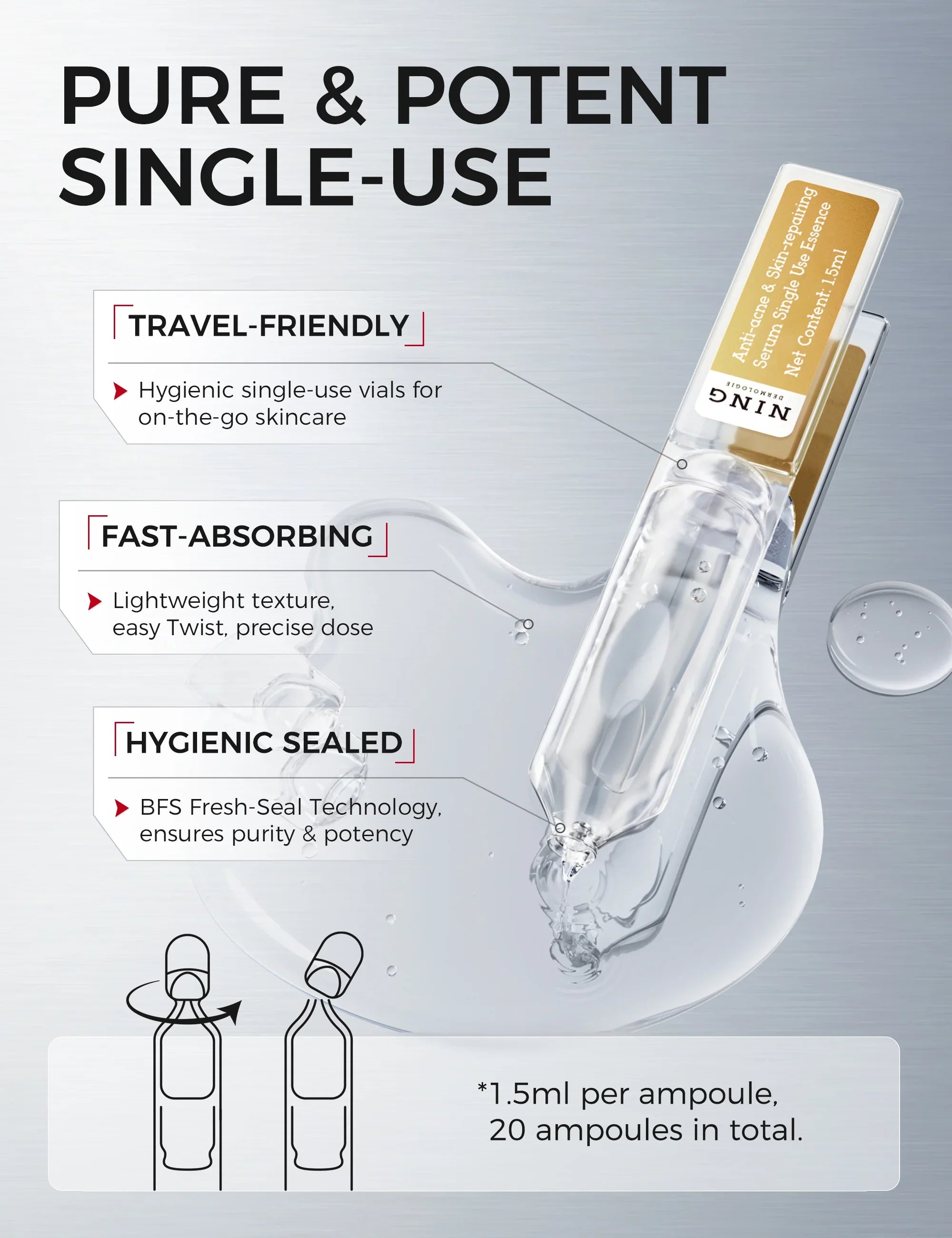
For those moments when the skin feels hot to the touch, reach for Centella Asiatica Extracts. Whether it’s a Centella Asiatica ampoule or the Corthe Essential Soothing Facial Toner Pads, this "tiger grass" is clinically proven to suppress the inflammatory response. It’s the "mute button" for skin redness.
Phase 3: The Architecture of Repair
This is where we move from soothing to rebuilding. To fix the barrier, you need the "Big Three" lipids: Ceramides, Cholesterol, and Fatty Acids.
Our Sensitive Rescue & Barrier Shield System is engineered around this 3:1:1 ratio. It features Ceramide NP to fill the gaps between your skin cells, and an Omega+ Complex to restore the suppleness that vanishes when skin is reactive.
Think of the Intense Barrier Cream or the Skin Recovery Moisturiser as a liquid bandage. When you apply a Ceramide-Rich Moisturizer, you aren't just hydrating; you are physically reinforcing the skin's defenses. If you prefer a lighter touch during the day, a Lightweight Moisturizer or a Botanica Soufflé Crème can provide that glass skin finish without the heaviness.
For deep repair, look for Palmitoyl Tripeptide-5. This isn't just an anti-aging peptide; it’s a communication molecule that tells your skin to boost collagen production and strengthen its structural integrity. Combined with Japanese Plum extracts and Hawaiian White Honey, these ingredients provide a nutrient-dense environment for the skin to heal itself.
Phase 4: The Mineral Shield
If you have a compromised barrier, chemical UV filters can sometimes feel like needles on the skin. This is the time to switch to a Mineral Sunscreen or a Barrier Protect Mineral Sunscreen SPF 30.
Formulations containing zinc oxide are dual-purpose. Not only does zinc provide broad-spectrum protection, but it’s also a known skin protectant used in baby ointments to soothe irritation. If you need higher protection for a day outdoors, look for advanced filters like Uvinul A Plus and Tinosorb M, found in our Pfect-a Solar Elixir Serum Sunscreen SPF 50 PA+++.
Remember, UV damage is one of the primary environmental factors that prevents the skin's barrier repair. Skipping SPF while trying to fix your barrier is like trying to heal a burn while standing in a fire.
The NING Dermologie Protocol: A New Path
If you’re tired of the "trial and error" that leaves your face red and frustrated, it’s time for a streamlined Skin Barrier Repair Kit. We developed the Sensitive Rescue & Barrier Shield System specifically for those who have "tried everything" only to be let down by fragrance-heavy or irritant-laden "sensitive" products.
Explore the Sensitive Rescue & Barrier Shield System here
This system isn't about marketing fluff. It’s dermatologist tested and grounded in the science of skin barrier support. From the Upcycled Calendula that calms on contact to the Vitamin E and aloe vera that nourish the deeper layers, every ingredient serves a purpose: Skin Recovery.
What to "Pause" During Recovery
While you are in the "Rescue" phase, you must be disciplined. Put these in the drawer for at least 14 to 21 days:
- Gommage Exfoliant or physical scrubs.
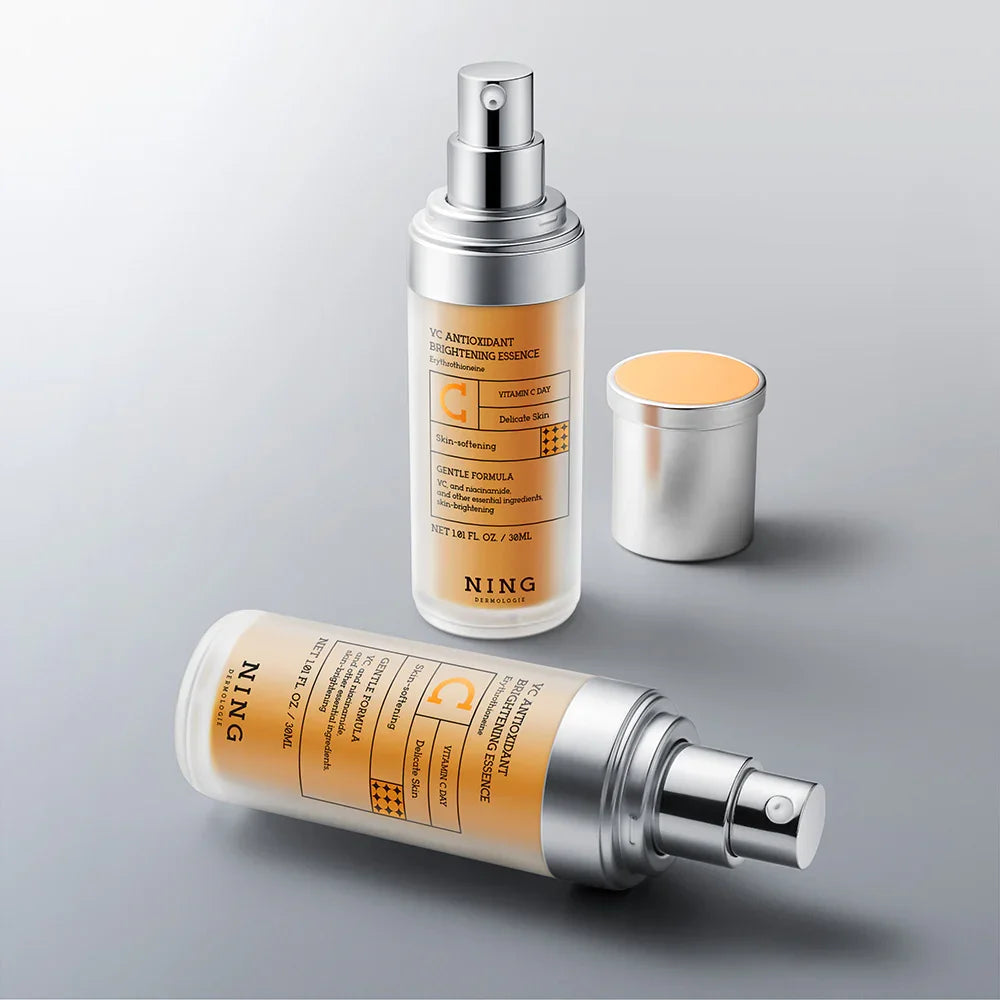
- High-percentage Vitamin C (Switch to a C Shield Serum or a Hydrating Antioxidant Serum instead).
- Prescription retinoids (consult your doctor, but usually, a "buffer" method is needed).
- Fragrant Water Oil blends or essential oils.
Instead, focus on "slugging" at night with a Reffixion Crème or an Intense Barrier Cream to create an occlusive seal while you sleep.
Final Thoughts: Listen to the Sting
Your skin is a living organ, not a canvas to be scrubbed. When it reacts, it’s giving you data. It’s telling you that its pH balance is off and its skin's defenses are down. By stripping back your routine to a Gentle Cleanser, a Centella Asiatica-rich serum, and a Ceramide-Rich Moisturizer, you give your body the space it needs to do what it does best: regenerate.
If you aren't sure where to start, take our skincare quiz to define your skin goals and identify your specific Skin Concern. You can even earn Reward Points while you learn.
Healing takes time. But with the right Barrier Support Skincare Kit, the "invisible itch" will eventually fall silent.

Frequently Asked Questions (FAQ)
How do I know if my skin barrier is actually damaged?
If products that usually feel fine suddenly sting, or if your skin looks shiny but feels tight and "plastic-y," your barrier is likely compromised. Chronic redness, flaking, and sudden breakouts are also major red flags that your protective seal has been breached.
Can I use any Vitamin C when my skin is reactive?
Proceed with caution. Traditional L-Ascorbic Acid is often too acidic for a broken barrier. Instead, look for stabilized, non-acidic derivatives or a Hydrating Antioxidant Serum that uses soothing bases like aloe vera to deliver protection without the typical "burn" associated with active serums.
How long does it take to repair a compromised barrier?
Typically, it takes one full skin cell cycle—about 28 days—to see significant structural repair. However, using a Korean skincare system approach with Centella Asiatica and Ceramides can provide symptomatic relief from stinging and redness within just a few days of consistent use.
Is a "Mineral Sunscreen" better than a chemical one for sensitivity?
Usually, yes. Mineral Sunscreen sits on top of the skin and reflects UV rays, whereas chemical filters absorb into the skin, which can trigger heat and irritation in reactive types. Look for zinc oxide formulations, which actually help to calm inflammation while providing protection.
Should I stop exfoliating entirely if my skin is red?
Yes, hit the pause button. Even a "gentle" Gommage Exfoliant can exacerbate micro-tears in a weak barrier. Wait until your skin no longer stings when applying basic moisturizer before slowly reintroducing mild exfoliating acids once or twice a week at most.





Share:
Barrier Support Skincare Set for Sensitive and Easily Irritated Skin
How to Smooth Smile Lines and Firm the Eye Area with Targeted Skincare