



This guide isn’t your typical "wash and go" manual. If you’ve ever rinsed off an exfoliating face wash only to find your face looking like a ripe tomato, you know that the line between a healthy glow and a compromised skin barrier is incredibly thin.
At NING Dermologie, we believe exfoliation shouldn't feel like a battle. It’s about precision, not power. Whether you are dealing with clogged pores, dull skin, or an uneven skin tone, here is how to master the art of the scrub without the sting.
The "Squeaky Clean" Trap: Why Your Skin is Angry
We’ve been conditioned to think that if our skin feels tight and "squeaky," it’s clean. In reality, that tightness is often an inflammatory response. When you over-scrub, you aren't just removing dead skin cells; you’re stripping away the essential lipids that keep your skin hydrated.
Most people treat face washes with exfoliating properties like regular soap. But when a formula contains alpha hydroxy acids (AHAs) or physical exfoliants, it requires a different level of respect. If you have sensitive skin, jumping straight into a high-percentage glycolic acid wash every morning is a recipe for disaster.

Choosing Your Weapon: Chemical vs. Physical
Before you even turn on the tap, you need to know what’s in your bottle. Not all exfoliating products are created equal.
1. Chemical Exfoliation
These use acids to dissolve the "glue" holding dead skin cells together.
- Alpha-Hydroxy Acids (AHAs): Think lactic acid or glycolic acid. These are water-soluble and great for improving skin texture.
- Beta-Hydroxy Acids (BHAs): Salicylic Acid is the gold standard here. Because it’s oil-soluble, it dives deep into pores to clear out gunk—essential for acne-prone skin types.
- Polyhydroxy Acids (PHAs): The gentle cousin of AHAs, perfect for those who find traditional acids too harsh.
2. Physical Exfoliation
This involves manual friction. While some old-school facial scrubbers or harsh glycolic scrubs can cause micro-tears, modern options like bamboo stem extract offer a much smoother, rounder surface that won't wreck your face.
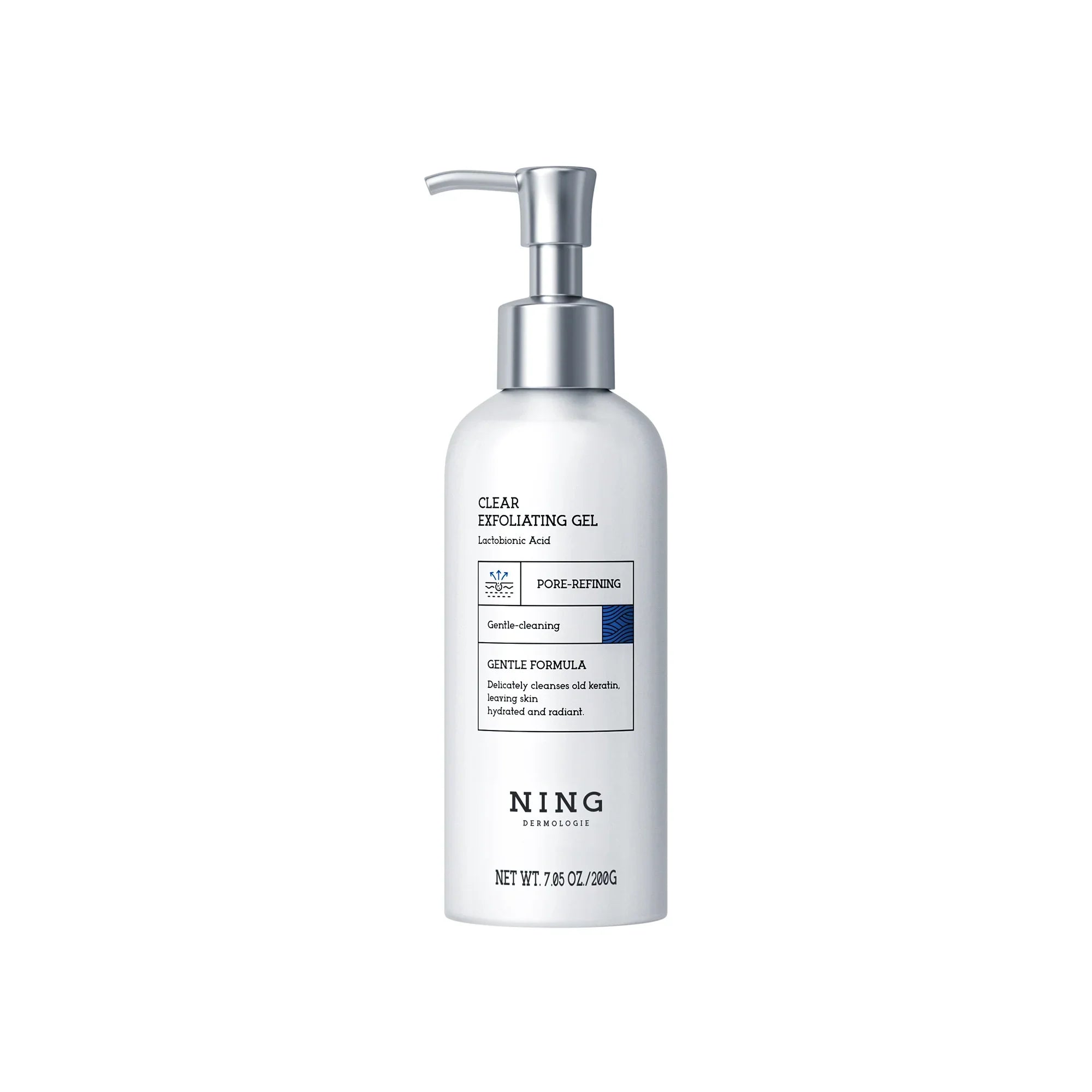
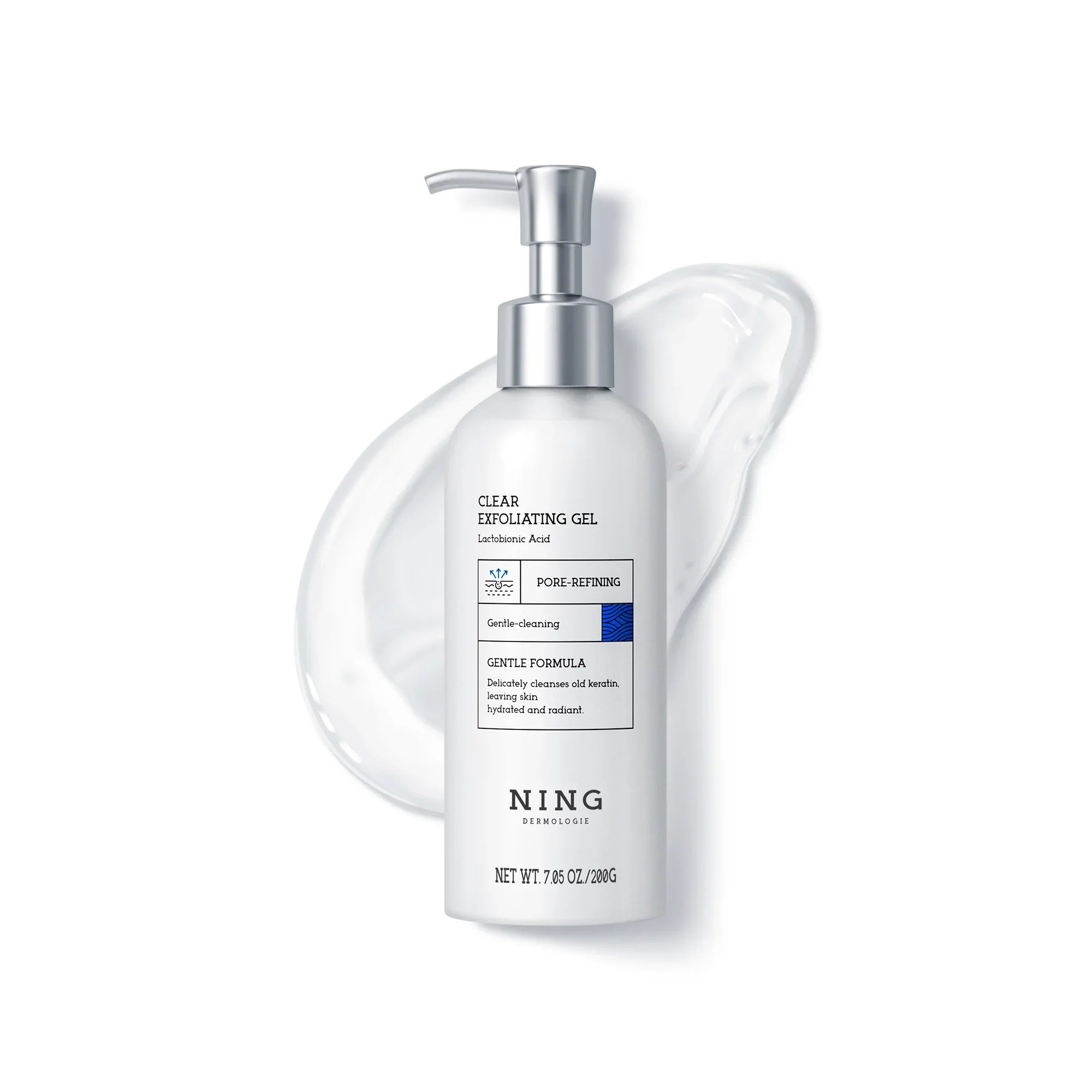
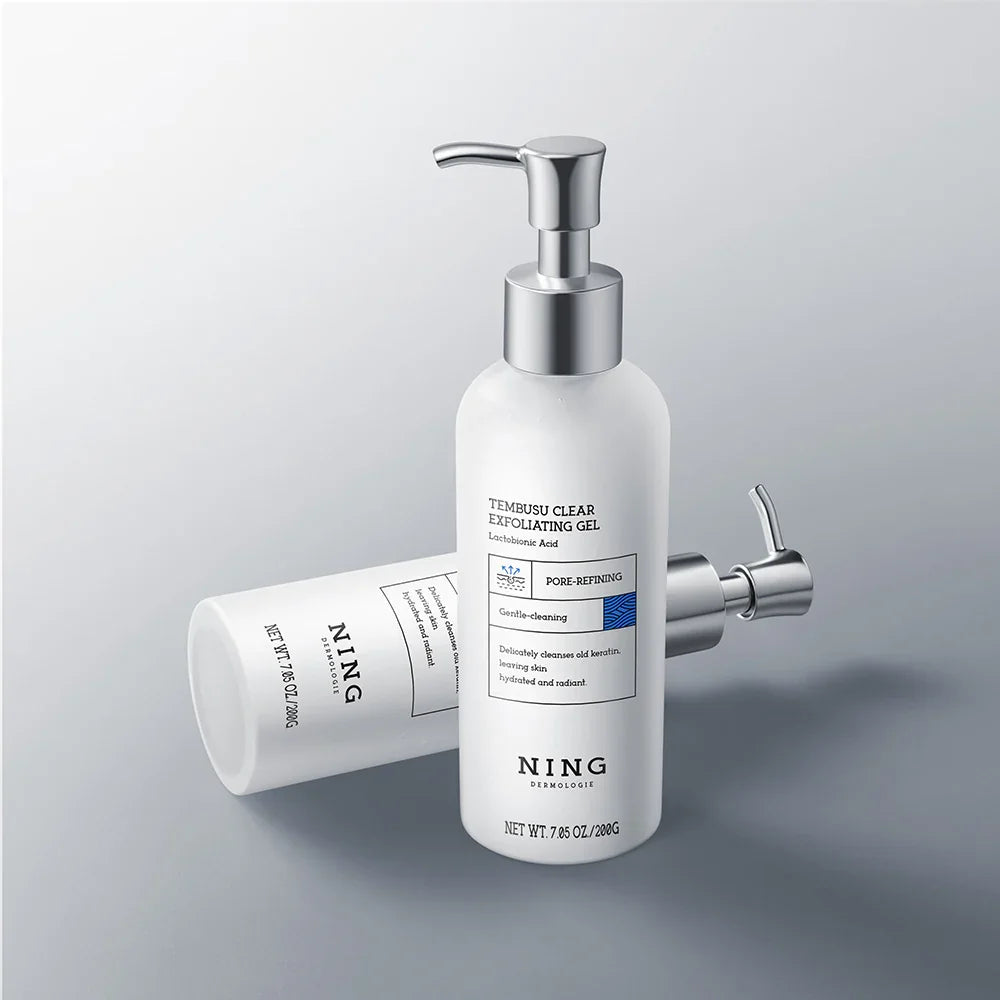
For a professional-grade experience at home, we recommend theNING Dermologie Exfoliating Face Wash. It functions as a gommage-style exfoliator (an Enzymatic Micro Peel), which rolls away debris without the jagged edges of a traditional facial scrub.
The NING Method: How to Exfoliate Without Irritation
Step 1: The Pre-Wash Buffer
Never apply an exfoliating cleanser to bone-dry skin. Start by splashing your face with lukewarm water. If you are wearing heavy makeup or broad-spectrum sunscreen, use the Bright Side Cream Cleanser first. This "double cleanse" ensures the exfoliant can actually reach your skin rather than just sitting on top of your foundation.
Step 2: The "Finger-Tip" Technique
Forget exfoliating cloths or motorized brushes for a moment. Your fingertips are your best tool because they provide instant feedback. Apply a pea-sized amount of the Purifying Exfoliating Face Wash. Use circular motions, but—and this is key—apply zero pressure. Let the fruit enzymes and the gommage texture do the heavy lifting.
Step 3: T-Zone Priority
Your cheeks are usually the thinnest, most sensitive part of your face. Your forehead, nose, and chin (the T-zone) are usually where the clogged pores hide. Spend 20 seconds on the T-zone and only 5 seconds on the rest of your face.
Step 4: The Rinse and Temperature Check
Hot water is an irritant. Use cool or lukewarm water to rinse. Ensure there is no microbial residue or leftover grit near your hairline, as this can lead to localized breakouts.
The Aftercare: Rebuilding the Barrier
Exfoliation opens a "window" into your skin. What you do in the next 60 seconds determines whether you glow or peel.
- Hydrate Immediately: Look for skincare products containing hyaluronic acid or Centella Asiatica. These ingredients act as a humectant, pulling moisture back into the skin cells.
- Soothe: Ingredients like Aloe Vera, Chamomile Extract, and Shea Butter (found in our Daydreamer Face Moisturizer) act as a soothing blanket for the skin, dampening any potential redness.
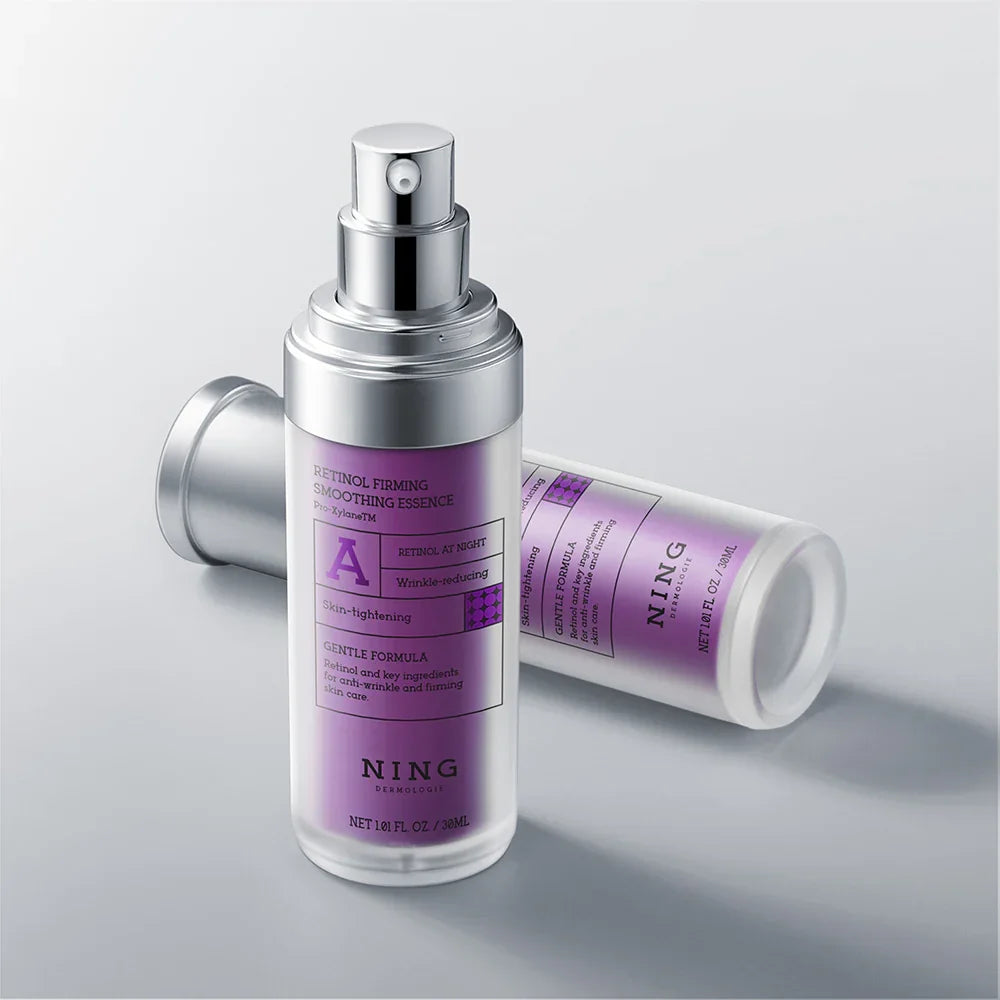
- Seal it in: At night, follow up with the Up the Anti Night Cream. If you are using a Retinol Serum, be cautious—don't use retinol on the same night you use a potent exfoliating face wash until you know your skin can handle it.
The Non-Negotiable: Sun Protection
Exfoliating increases your skin's sensitivity to UV exposure. You are essentially bringing "baby" skin to the surface. If you don't use a broad-spectrum SPF 30 the next morning, you are inviting hyperpigmentation and premature aging.
Whether it’s an SPF Moisturizer or a dedicated SPF 30 sunscreen, do not skip this step. Even if you’re staying indoors, incidental light adds up.
Advanced Considerations: Treatments and Sensitivity
If you have recently undergone laser treatment, such as laser tattoo removal or resurfacing, consult a board-certified dermatologist before using any chemical exfoliants. Your skin's security service (the barrier) is already on high alert, and adding acids could trigger a severe reaction.
Similarly, if you’re using high-tech security solutions for your skin, like prescription-grade topicals, the "less is more" rule always applies. Think of exfoliation as a weekly "reset," not a daily chore.

Troubleshooting: Did I Go Too Far?
If your skin feels itchy, looks shiny (but not oily), or stings when you apply a basic moisturizer, you’ve over-exfoliated.
- The Fix: Stop all face washes containing acids. Switch to a basic, bland face cleanser for 7 days. Use the Zen Out of Ten Bamboo Detox Face Scrub only once the redness has completely subsided.
Frequently Asked Questions (FAQ)
1. How often should I use an exfoliating face wash?
Honestly, there’s no universal rule, but most people thrive on twice a week. If you’re oily, you might push it to three; if you’re prone to redness, once is plenty. The goal isn't to "strip" your skin but to support it. If your face starts feeling tight or looks unusually shiny (the "plastic" look), you’re overdoing it. Dial it back and let your barrier breathe.
2. Can I use an exfoliating wash if I have active acne?
You can, but don't go scrubbing at a flare-up. Using a wash with Salicylic Acid helps dissolve the gunk inside clogged pores without the friction. However, avoid grainy physical exfoliants on angry, cystic spots—you’ll likely just irritate them further or spread bacteria. A gentle Enzymatic Micro Peel or gommage is a much smarter treatment option for acne-prone skin.
3. Should I exfoliate in the morning or at night?
Nighttime is the winner here. When you exfoliate, you’re revealing fresh, "young" skin cells that are incredibly vulnerable. By doing it before bed, you give your skin a full night to recover and soak up your Retinol Serum or moisturizer. Plus, you avoid immediate UV exposure. If you must do it in the AM, don't even think about leaving the house without SPF 30.
4. Is it okay to mix AHAs and Retinol?
It’s a bit like mixing heavy hitters—it can work, but it often ends in tears (and peeling). Both alpha hydroxy acids and Retinol are powerful. Using them in the same session is a fast track to a wrecked skin barrier. I always suggest "skin cycling": use your exfoliating face wash on Monday, your Retinol on Tuesday, and then give your skin a break.
5. What is the difference between gommage and a regular scrub?
Traditional facial scrubs use particles like seeds or pits which can have jagged edges. A gommage-style exfoliator, like the one from NING Dermologie, uses enzymes to clump up dead skin cells into small rolls. It’s a form of chemical exfoliation and physical rolling that is far gentler on the skin.
Ready to transform your texture?Explore the NING Dermologie Purifying Exfoliating Face Wash hereand give your skin the glow it deserves—without the drama.





Share:
What’s the best exfoliating face wash for reducing blackheads?
Find exfoliating face wash products suitable for combination skin.