

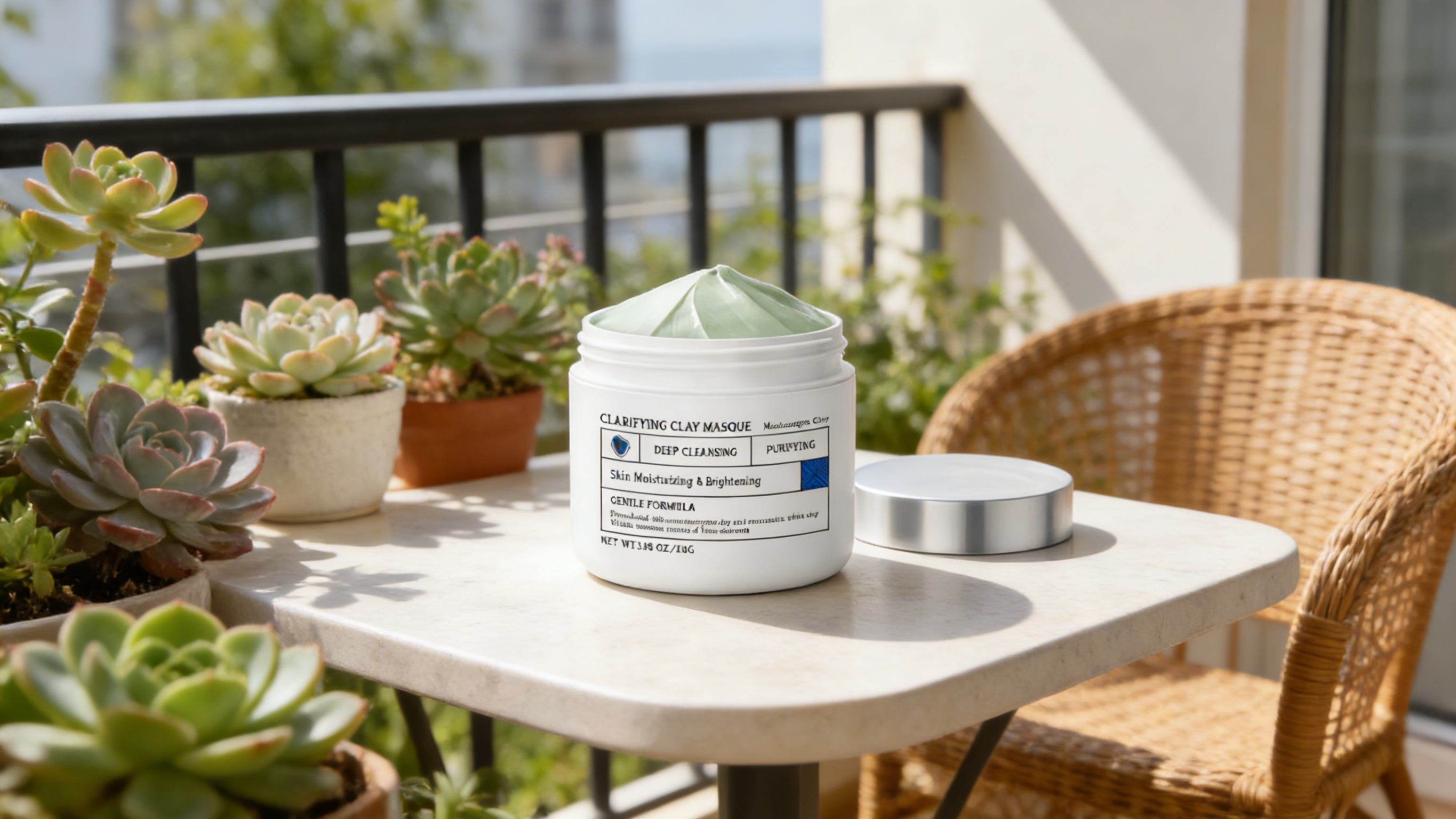

Pore Solution: The Most Effective Clay Masks Reviewed by Dermatologists
Nobody actually likes their pores. We spend an incredible amount of time in front of magnifying mirrors, obsessing over every tiny dot on our noses. While you can't actually "shrink" your pores—they aren't like doors that open and shut—you can certainly clear them out. When a pore is packed with oxidized oil and gunk, it looks twice its size. That’s where a high-quality clay mask comes into play.
But here is the catch. Most people use the wrong face mask for their specific skin type. They slather on the strongest bentonite they can find, wait for it to crack like a desert floor, and then wonder why their face is red and irritated. As a board-certified dermatologist would tell you, the goal isn't to parched your skin; it’s to balance it.
This guide breaks down the science of clogged pores, explores the 8 best clay masks currently on the market, and introduces why NING Dermologie is changing the game for those with reactive skin.

Understanding Pores and Why They Get Clogged
Before we dive into the best clay mask options, we need to understand the enemy. A pore is essentially a tunnel for your hair follicles and sebaceous glands. Its job is to move oil (sebum) to the surface to keep your skin lubricated.
What Causes Clogged Pores?
Clogged pores happen when that oil gets trapped. It’s usually a "perfect storm" of three things:
-
Excess oil: Your glands are over-productive.
-
Dead skin cells: These don't shed properly and act like a lid over the pore.
-
Environmental debris: Pollution, makeup, and sweat.
When this mixture sits inside the pore and hits the air, it oxidizes and turns black. That is your classic blackhead. If it stays under the surface, it’s a whitehead or leads to a full-blown breakout.
How a Clay Face Mask Actually Works
Think of a clay mask as a magnet. Most clay minerals are negatively charged, while the toxins and heavy metals trapped in your pore are positively charged. When you apply clay masks, the clay literally pulls the "magnetic" debris out of the skin. This process allows you to draw out impurities and absorb excess oil without the need for harsh physical scrubbing that can damage the skin barrier.
Choosing the Right Type of Clay for Your Skin
Not all clays are created equal. If you use a heavy mud mask on dry skin, you'll regret it. Here’s a quick cheat sheet on the type of clay you’ll see on labels.
- Bentonite Clay: This is the heavy hitter. It’s derived from volcanic ash and is the most absorbent. It is the best for oily skin because it can hold many times its weight in water and oil.
- Kaolin Clay: Much gentler. Kaolin clay (often called white clay) is great for sensitive skin or combination skin. It doesn't strip the skin as aggressively as bentonite.
- French Green Clay: Famous for its "drinking" action on the skin. It's packed with decomposed plant matter and is great for oily and acne-prone individuals.
- Pink Clay: Usually a mix of red and white kaolin. It’s the best for pores on people who have dry skin types because it’s incredibly mild.
8 Best Clay Masks: The Dermatologist-Approved List
Finding the best face treatment requires looking at the formulation, not just the marketing. Here are the top clay masks that actually deliver results.
1. The All-Around Champion: NING Dermologie
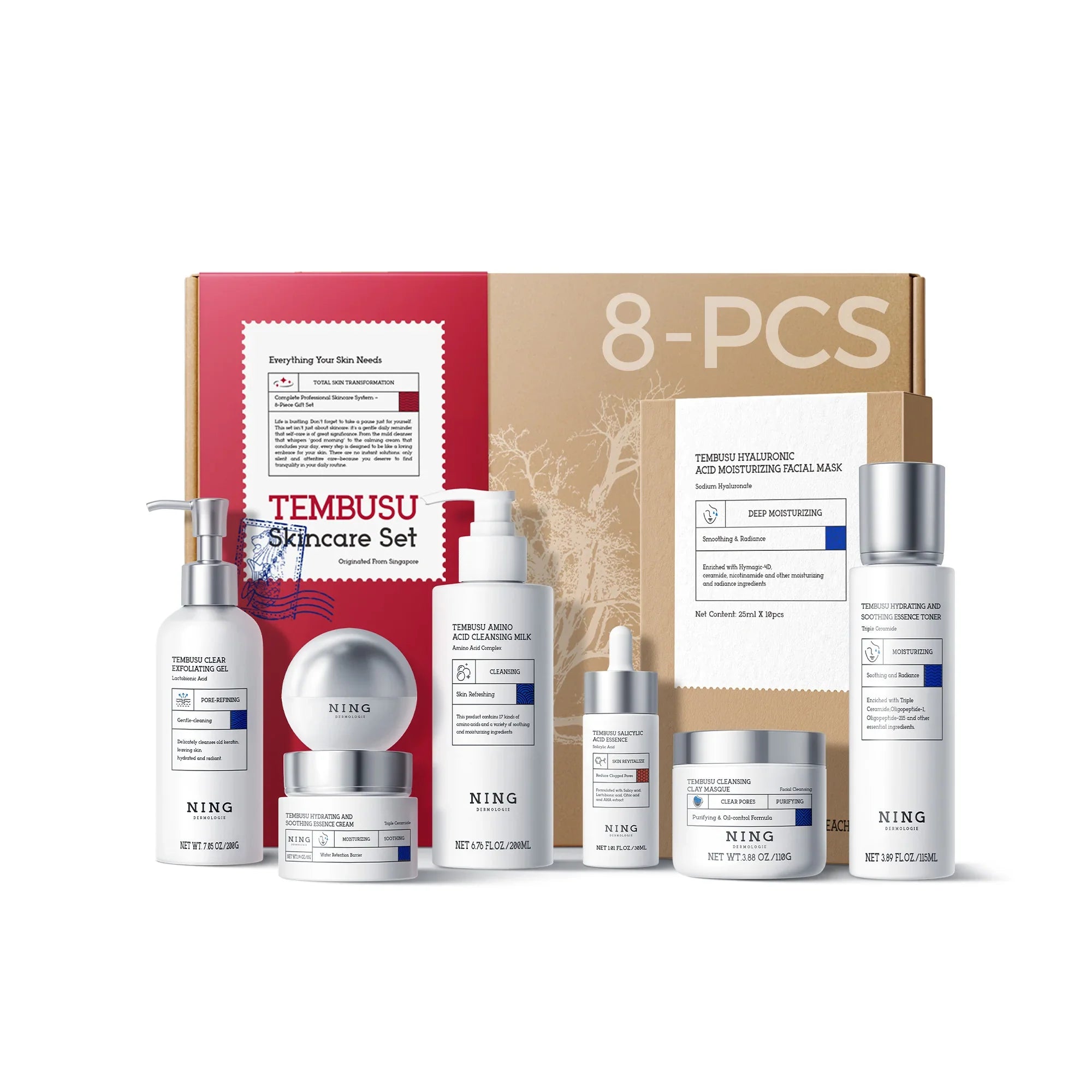
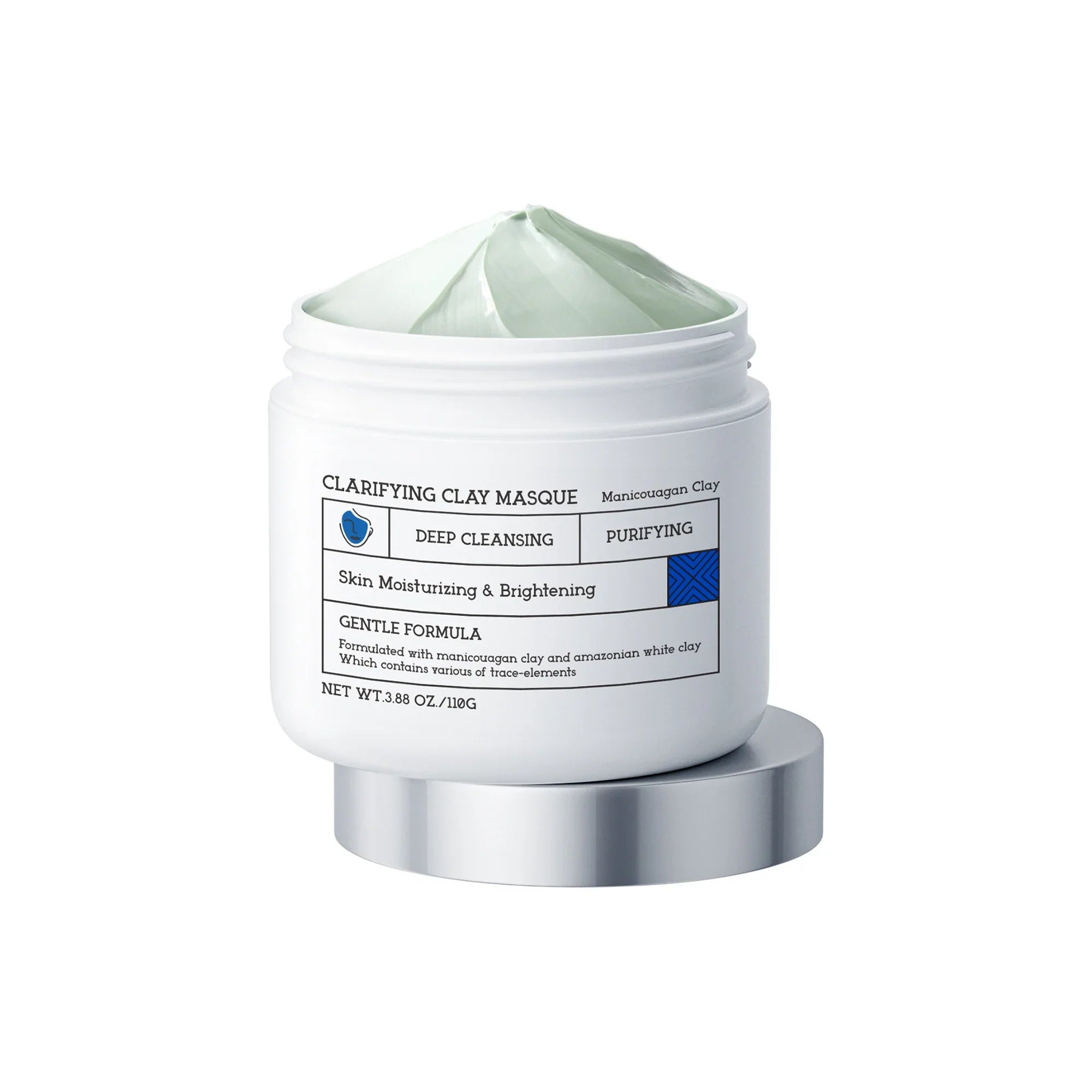
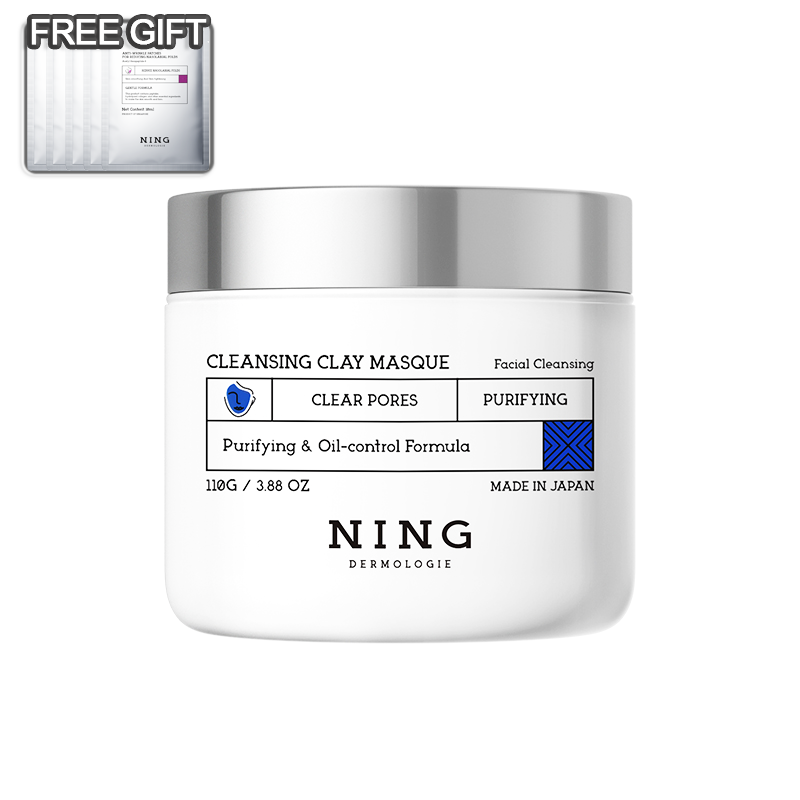
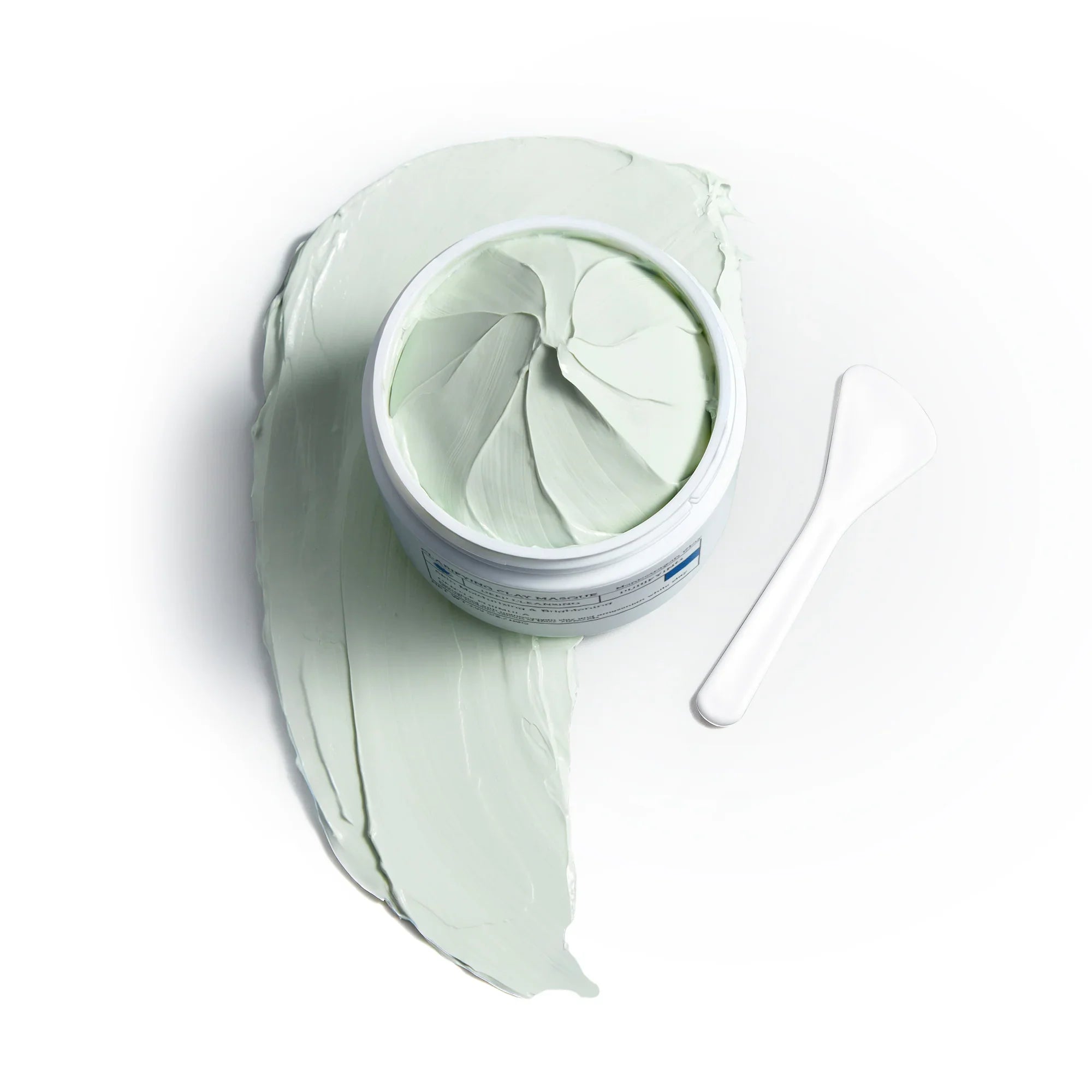
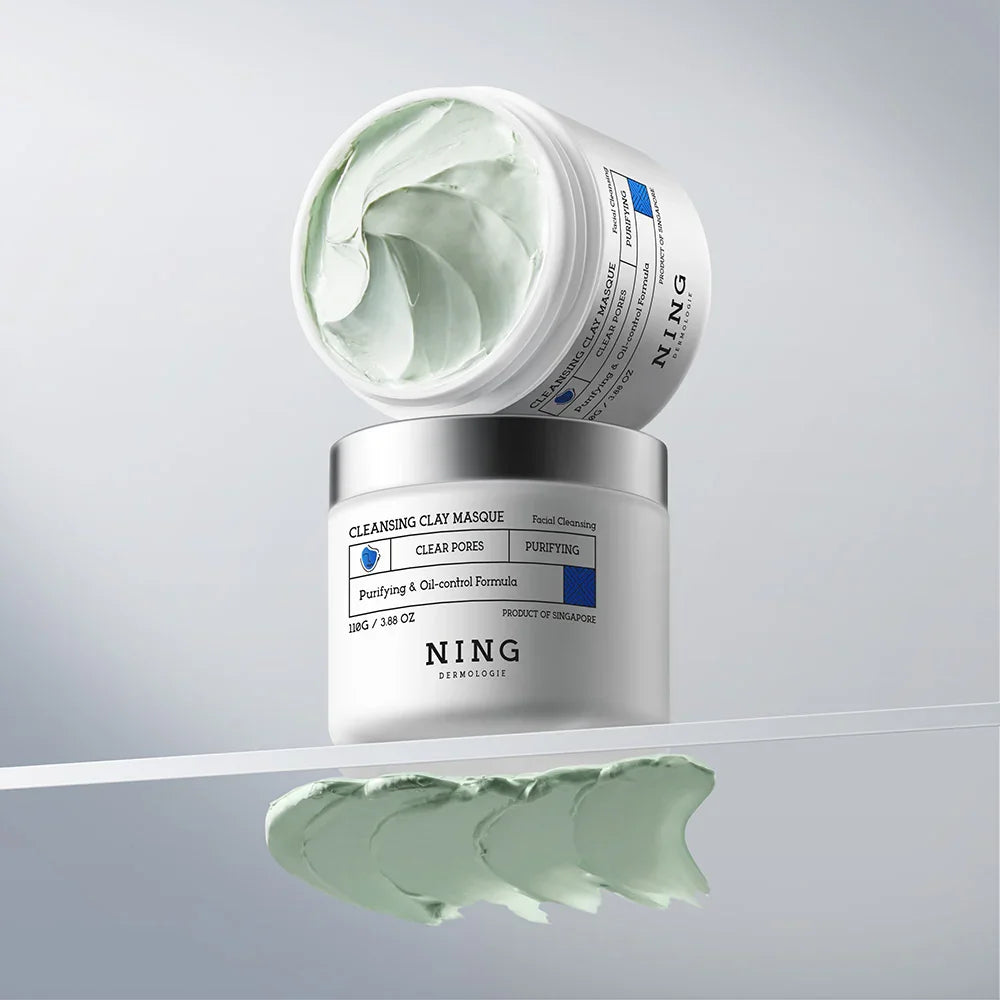
For many, the biggest fear of using a clay mask is the post-mask "sting." NING Dermologie solved this with their Clay Mask for Face Sensitive Skin. Unlike traditional clay masks that leave your skin parched, this formula uses a sophisticated blend of kaolin and bentonite clays. It manages to clear pores while keeping the skin hydrated and balanced. It’s arguably the best overall for anyone who wants a purifying mask without the irritation.
2. The Clinical Gold Standard: Skinceuticals Clarifying Clay
The Skinceuticals clarifying clay mask is a staple in many dermatology offices. It uses high-quality natural clays, a 5% hydroxy acid blend, and aloe to gently exfoliate dead skin cells. It’s a clarifying clay mask designed for those who have congested skin but still need to maintain their skin barrier.
3. The Exfoliating Powerhouse: Volcanic AHA Pore Clearing Clay
If you’re dealing with both clogged pores and a dull skin tone, the volcanic aha pore clearing clay is your go-to. The volcanic clusters absorb excess oil, while the AHAs (Alpha Hydroxy Acids) chemically dissolve the "glue" holding dead skin cells together. It makes pores look smaller instantly by removing the debris around the rim.
4. The Professional Choice: Clarifying Clay Masque
Many professional-grade clarifying clay masque options focus on "adsorption"—the ability of the clay to hold toxins on its surface. These are excellent for every skin type when used correctly. They often mix kaolin and bentonite to ensure the mask remains creamy clay rather than a cracking mess.
5. Best for Intense Oil: The "Next Best" Bentonite
For oily and acne-prone skin, a pure bentonite clay mask is sometimes necessary. These are usually traditional clay powders you mix with water or apple cider vinegar. While effective at removing excess oil, be careful—this type of clay is powerful and shouldn't be used daily.
6. The Brightening Mud Mask
If your main concern is a "grey" or tired skin look, a mineral-rich mud mask is better than a standard clay. Mud is more hydrating and is better for dull skin. It improves skin texture by infusing the tissue with minerals like magnesium and calcium.
7. The K-Beauty Clay Innovation
K-beauty clay products often focus on the "cooling" skin feel. They use unique clay minerals found in specific volcanic regions to soothe the skin while the clay draws out the gunk. These are usually the best for acne that is inflamed or red.
8. The Luxury Choice: Tatcha or Fresh
Brands like Tatcha or Fresh often use white clay or Umbrian clay. These are masks for clogged pores that feel like a spa treatment. They leave your skin feeling soft and velvety, making them a best face option for those with a higher budget who want to clear pores elegantly.
How to Apply Clay Masks Without Wrecking Your Skin
The most common mistake people make when using a mask is letting it get too dry. You know that stage where the mask starts to crack and it’s hard to smile? You’ve gone too far.
The Three Phases of a Clay Mask
-
The Damp Phase: This is when the clay is applied to the skin. Your skin drinks in the minerals.
-
The Start of the Dry Phase: This is the "magic" window. The clay begins to cool and contract, which is when it starts to absorb excess oil and pull debris to the surface.
-
The Dry Phase: This is the danger zone. The mask starts pulling moisture from your skin, which can irritate sensitive skin and dry out the skin unnecessarily.
The Pro Tip: Rinse the mask off when it still feels a bit tacky to the touch. Your skin will feel clean but not stripped.
Tailoring the Mask to Your Skin Type
No clay mask is best for everyone. You have to listen to what your face is telling you.
Oily and Acne-Prone Skin
If you have oily or acne-prone skin, you can likely handle a pore clearing clay mask that is heavy on bentonite. You might use the mask once or twice a week. Focus on the T-zone where blackhead issues are most prominent.
Sensitive or Dry Skin
If you have dry skin or sensitive skin, steer clear of the "high-crack" formulas. Look for words like "creamy" or "hydrating." The NING Dermologie Clay Mask is specifically designed to soothe the skin while it cleanses. It ensures the skin look stays radiant without the redness.
Combination Skin
For combination skin, "multi-masking" is your best friend. Apply a stronger clarifying clay to your nose and chin, and a more white clay based, gentle formula to your cheeks. This allows you to clear pores where needed without making your cheeks leave your skin parched.
Post-Mask Maintenance: Keep Those Pores Clear
Once you’ve used your best clay mask, the work isn't done. You’ve essentially "vacuumed" your clogged pores, and now they are empty. If you don't seal them, they will just fill back up with junk.
-
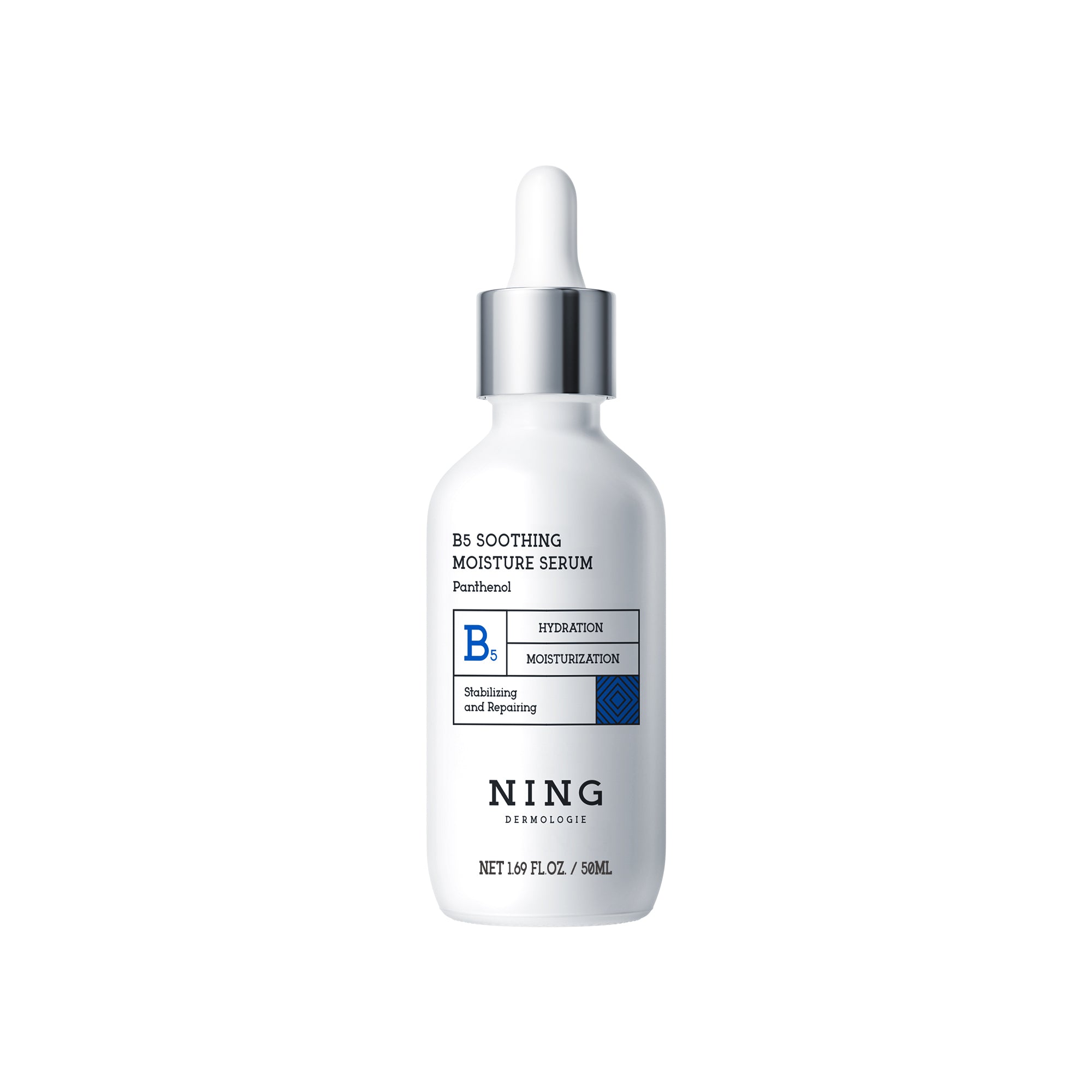
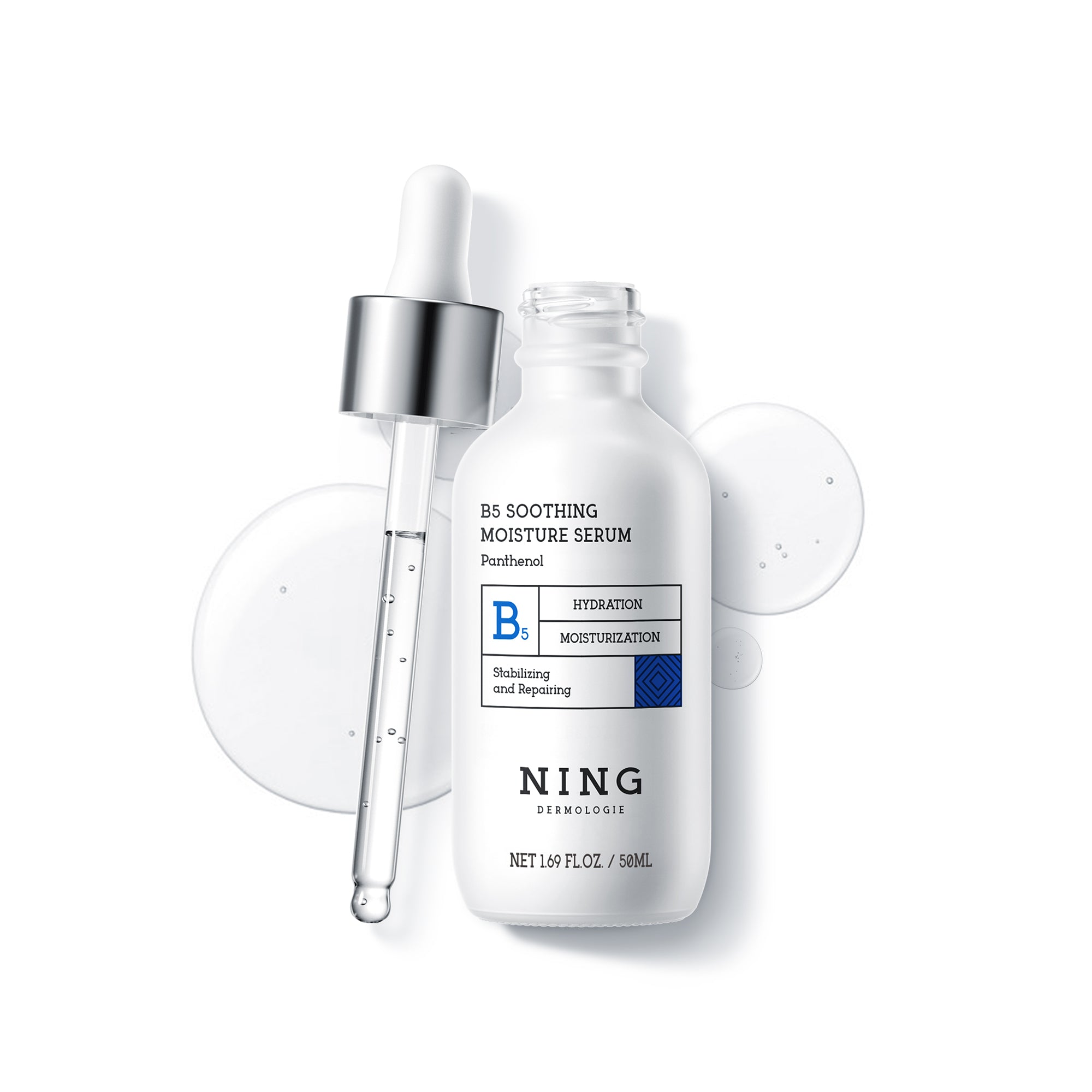
Hydrate Immediately: Use a lightweight serum. You want to leave your skin feeling plump so the pores don't over-produce oil to compensate for the "cleaning."
-
Seal the Barrier: A good moisturizer ensures the skin barrier stays healthy.
-
Consistency: Using this mask routine once a week is usually enough. Over-cleansing can actually cause of acne because it triggers an emergency oil-production response.

The NING Dermologie Difference
Why do we emphasize the NING Dermologie Clay Mask for Face Sensitive Skin? Because the skincare world has a "more is more" problem. People think if a mask doesn't burn, it isn't working.
As a board-certified dermatologist would suggest, inflammation is the enemy of clear pores. When your skin is irritated, the pore walls swell, which actually traps the gunk inside. By using a clarifying clay that is also soothing, you allow the pore to relax and release dead skin cells and excess oil naturally. This leads to better skin texture and a more even skin tone over time.
Whether you are fighting a stubborn blackhead or just want to treat your dull skin, choosing a face mask that respects your biology is the only way to get long-term results. Using this mask isn't just about the 15 minutes it’s on your face; it’s about how it helps your skin function for the rest of the week.
Frequently Asked Questions (FAQ)
1. Can a clay mask actually get rid of blackheads permanently?
Nothing is permanent in skincare because your skin is a living organ that constantly produces oil. However, a best clay mask can significantly reduce their appearance by pulling out the oxidized oil before it hardens. If you use a pore clearing clay mask once a week, you'll stop new ones from forming. It's about maintenance, not a one-time "cure."
2. Is it okay to use a clay mask every day if I have very oily skin?
Definitely not. Even for the most oily skin, daily use will backfire. Your skin needs some natural oils to stay healthy. If you strip everything away every 24 hours, your sebaceous glands go into panic mode and produce even more oil. Stick to two or three times a week at most to keep your skin hydrated and balanced.
3. Will a clay mask help with active cystic acne?
Clay is great for surface-level clogged pores and whiteheads, but cystic acne is deeper and usually hormonal. A clarifying clay mask can help soothe the skin and reduce surface inflammation, but it won't "suck out" a deep cyst. For that, you’ll need a board-certified dermatologist to recommend a targeted treatment or a best for acne spot gel.
4. Why does my skin feel itchy while the mask is drying?
That "itchy" or "crawling" sensation is usually the clay contracting as the water evaporates. While some sensation is normal, if it feels like burning or intense stinging, the type of clay might be too strong for your skin type. If you have sensitive skin, switch to a gentler formula like NING Dermologie to avoid damaging your skin barrier.
5. Should I wash my face before or after using the mask?
Always wash before. You want to remove surface dirt and makeup so the clay face mask can get straight to work on the pore itself. If you apply it over dirty skin, the clay has to fight through a layer of old foundation first. After the mask, simply rinse with lukewarm water and move straight to your serums and moisturizers.





Share:
Trending Now: Why Everyone is Talking About Clay Masks in 2025
From Clogged to Clear: Clay Masks That Work Wonders on Pores