



Salicylic Acid Skincare Innovations: The New Frontier in Acne Treatment
This isn’t another one of those "magic cure" articles you’ll find cluttering the internet. If you’ve struggled with acne, you know the drill: the frustration of waking up to a new breakout just as the last one started to fade, the endless cycle of trying products that promise the world but deliver nothing but a damaged skin barrier.
We’re moving past the era of "scorched earth" skincare where we tried to dry out acne until the skin peeled off. Today, the conversation around acne management has shifted. It’s no longer just about killing bacteria; it’s about sophisticated acne treatment that respects your biology. At the heart of this revolution is a familiar name, but with a high-tech makeover: Salicylic Acid.
At NING Dermologie, we’ve watched the "skincare arms race" for years. We realized that while everyone was looking for the next exotic ingredient, the real frontier in acne treatment was actually perfecting the one we already knew worked.

Why Your Current Acne Treatment Probably Fails
Let’s be honest. Most people treat acne like a temporary intruder they need to evict. But acne is a common skin condition—sometimes even classified as a chronic skin disease—that requires a strategy, not just a spot treatment.
Acne occurs when your hair follicles become the perfect storm of excess sebum (oil) and a buildup of dead skin cells. This creates a "plug." Toss in some bacteria, and suddenly you’re dealing with acne lesions ranging from simple blackheads to painful cystic acne. Whether you are dealing with adolescent acne or the increasingly common adult acne, the underlying mechanics are similar, but the way your skin reacts changes as you age.
The traditional approach? Blast it with benzoyl peroxide. While that’s an effective acne fighting tool, it’s often too harsh for those with sensitive skin. It kills bacteria, sure, but it often leaves the skin surface red, flaky, and angry. This is where salicylic acid for acne steps in as the smarter, more targeted alternative.
Salicylic Acid: The BHA Breakdown
You’ve probably heard that salicylic acid is a beta hydroxy acid (BHA). But what does that actually mean for your face?
Unlike alpha-hydroxy acids (like glycolic acid, lactic acid, or citric acid) which are water-soluble and work primarily on the surface of the skin, salicylic acid is oil-soluble. This is its "superpower." Because it loves oil, it can actually dive deep into the pore, dissolve the glue holding those dead skin cells together, and flush out the gunk before it turns into a blemish.
Salicylic acid treats acne vulgaris by basically acting as a pipe cleaner for your pores. But the advancements in acne treatment mean we aren't using the same old formulas from the 90s. The new "frontier" involves supramolecular salicylic acid and stabilized formulations that offer acne reduction without the stinging sensation we used to associate with "stuff that works."
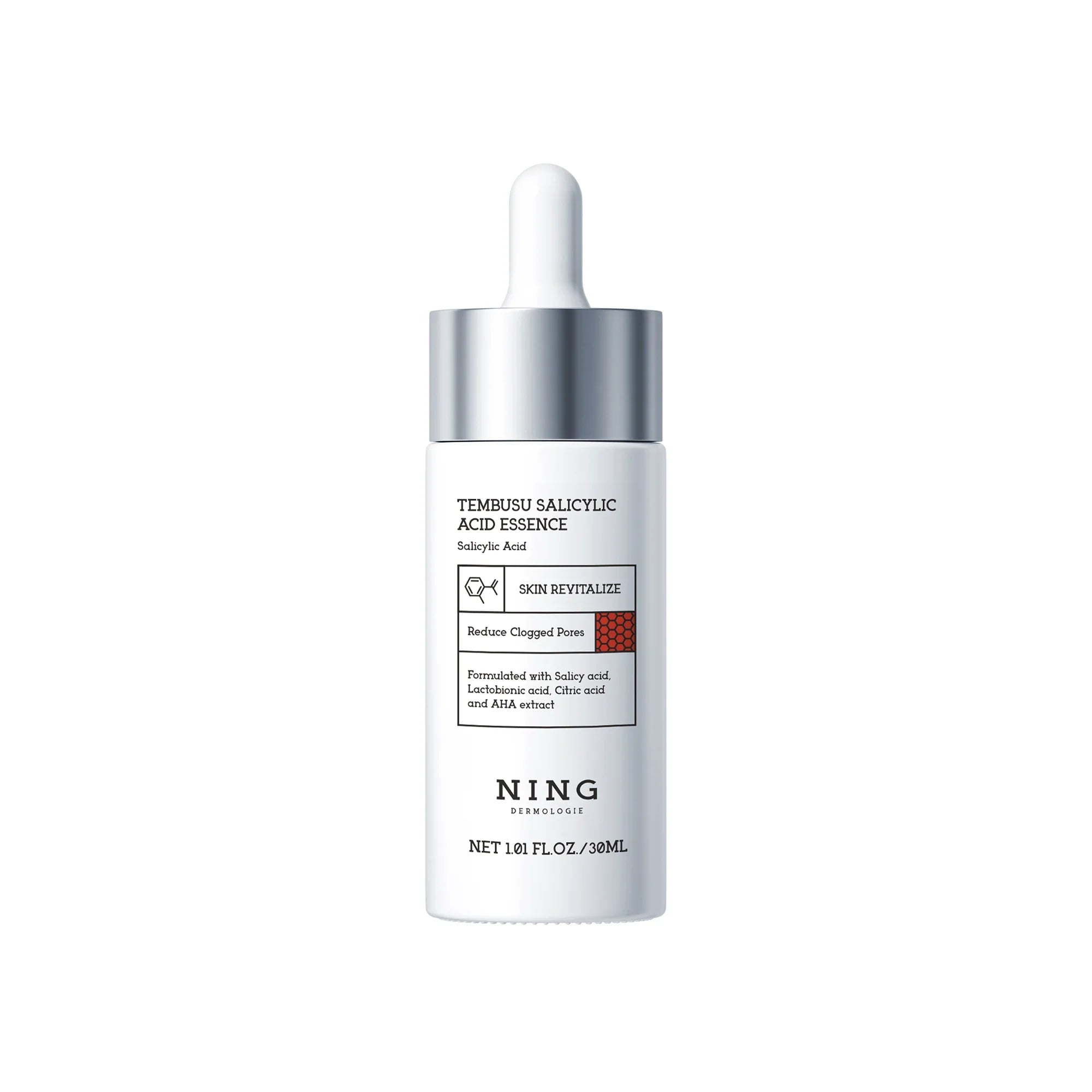
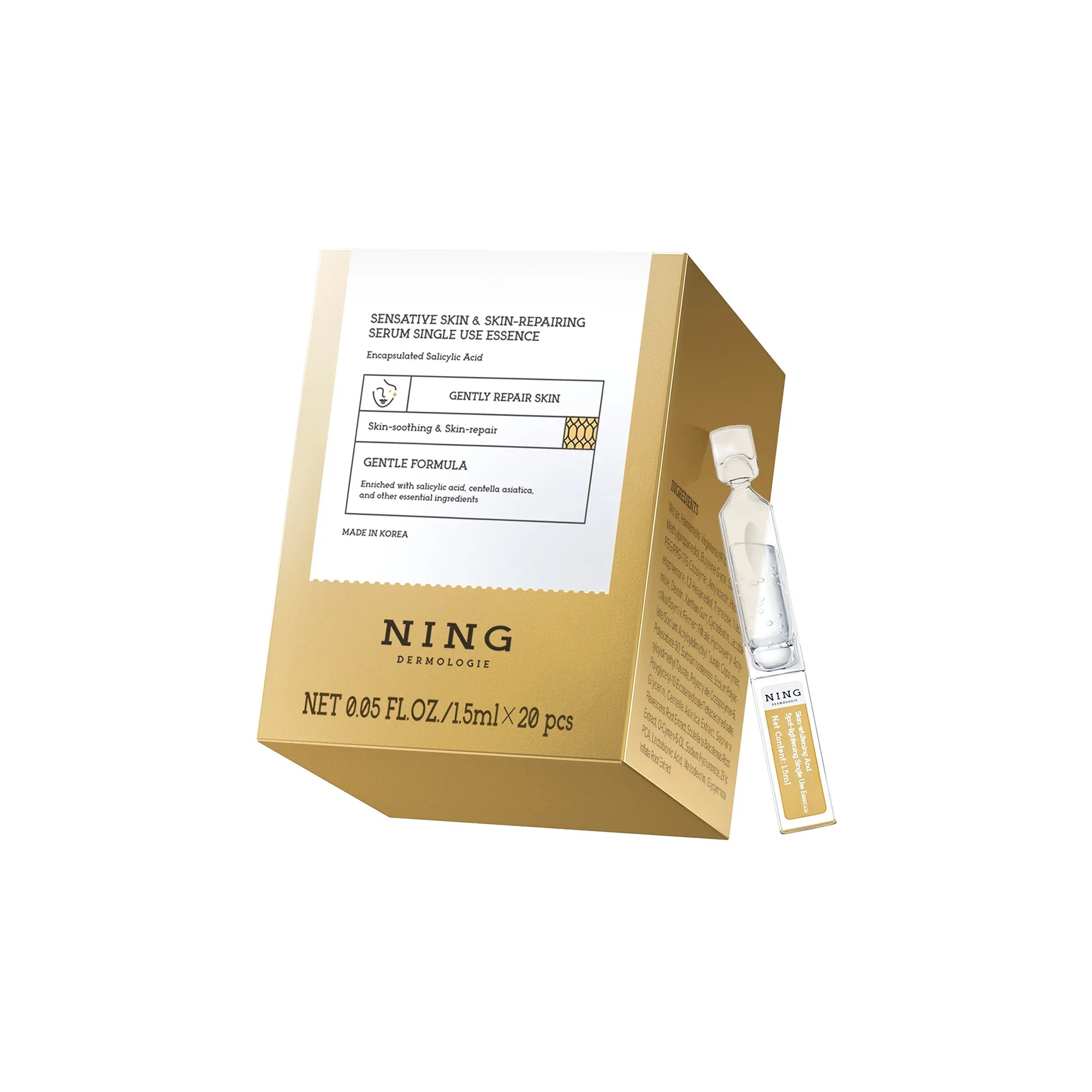
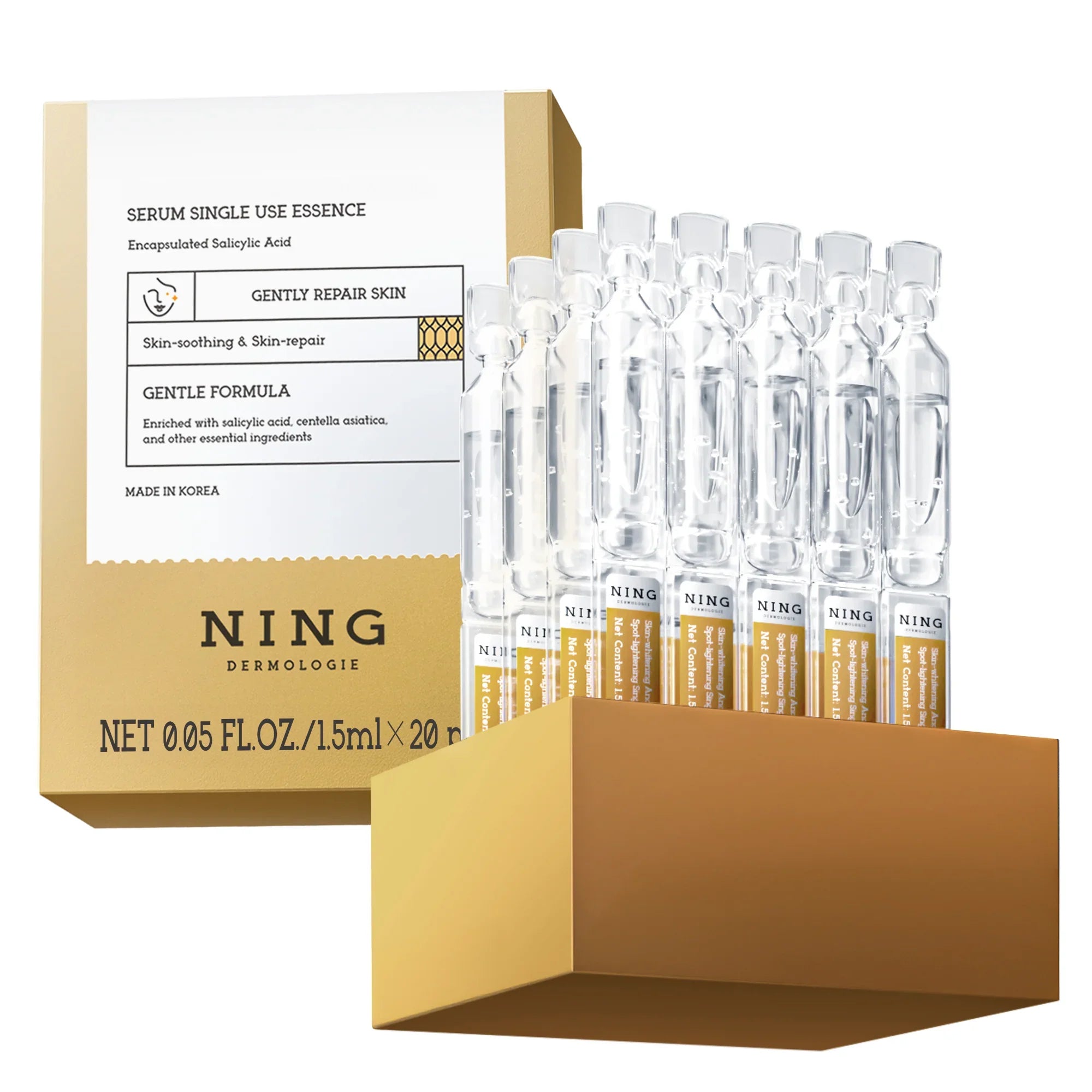
The NING Dermologie Approach: 2% Salicylic Acid Serum
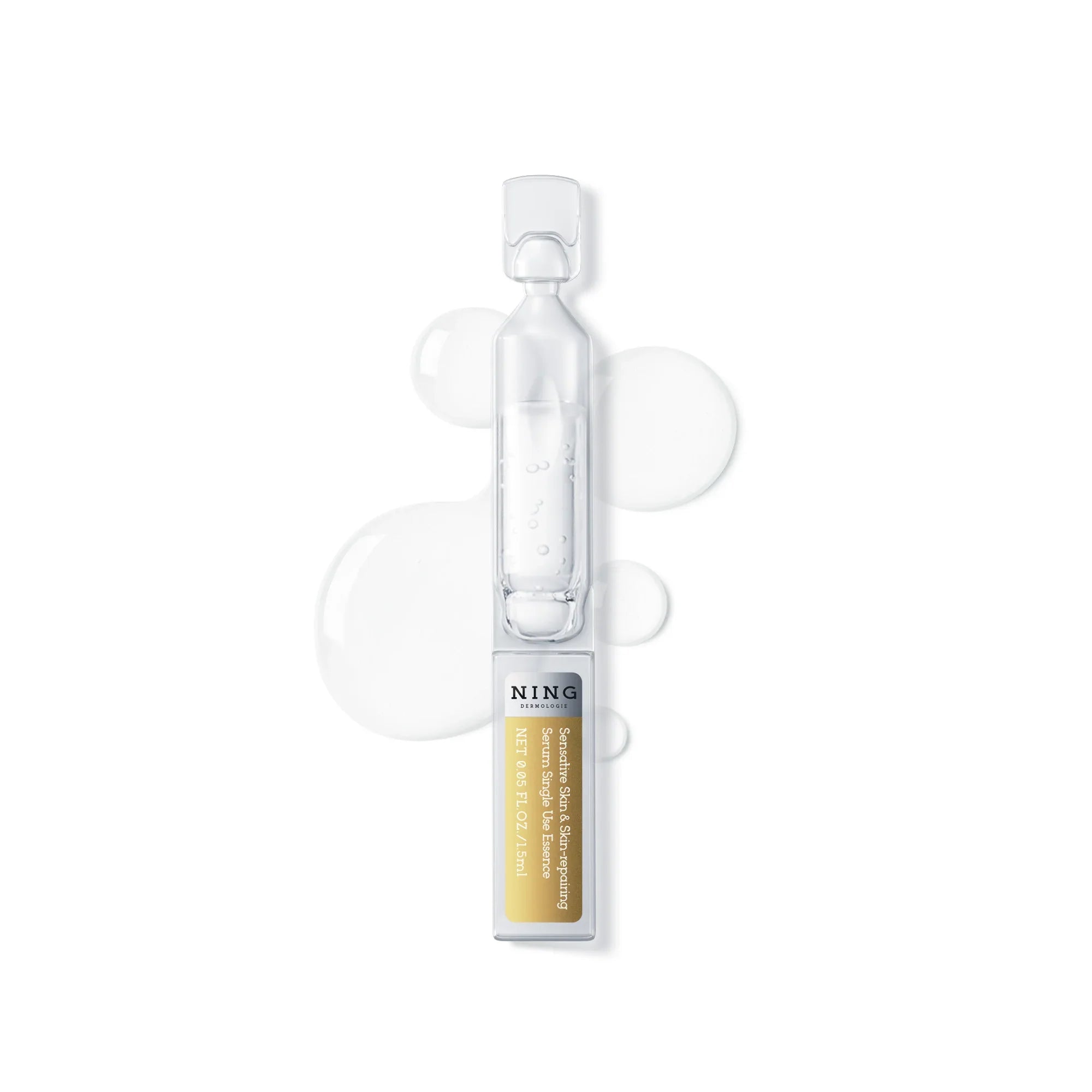
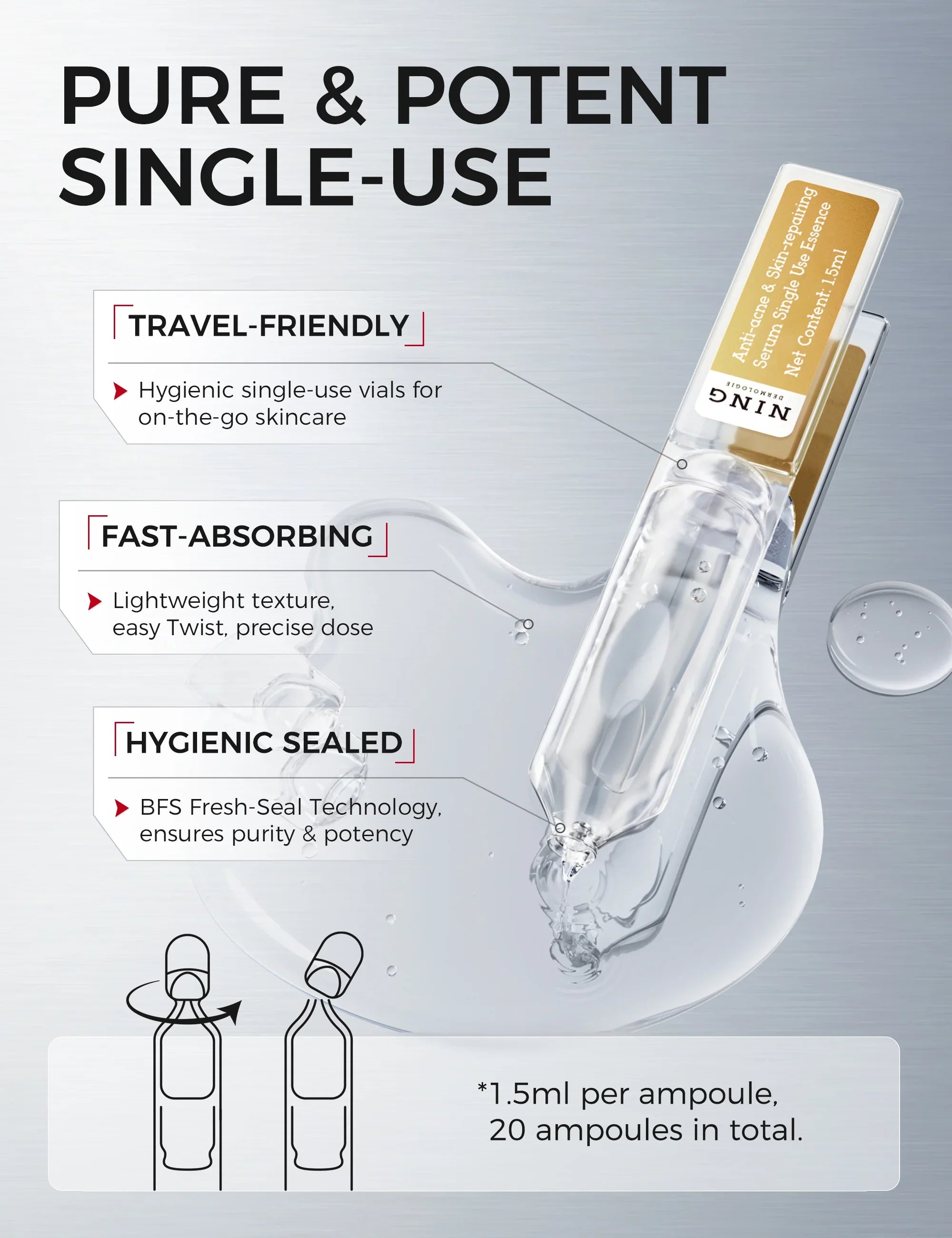
When we developed our 2% Salicylic Acid Serum, we didn't want to just make another acne medication. We wanted to create a salicylic acid acne treatment that actually felt good to use.
Most topical acne products ignore the skin barrier. They focus so hard on reducing acne that they forget you need your skin to stay hydrated to heal. Our serum uses a balanced concentration—2% is generally considered the "gold standard" for a significant reduction in acne—while incorporating elements that support skin hydration.
If you’ve used skincare products that left your face feeling tight, you were likely damaging your barrier. A compromised skin barrier actually makes acne symptoms worse because it allows more irritants in and triggers more oil production. It’s a vicious cycle. Using a salicylic acid serum that prioritizes the barrier is the difference between a temporary fix and long-term acne control.
Comparing the "Acne Assassins": SA vs. The Rest
If you’re building an effective skincare routine, you’re likely looking at a few different acids. Let’s break down how they stack up:
- Salicylic Acid vs. Benzoyl Peroxide: Benzoyl peroxide is a blunt instrument. It’s great for severe acne because it kills bacteria on contact. However, for managing acne daily, salicylic acid is often better because it prevents the clogs from forming in the first place.
- Salicylic Acid vs. Glycolic Acid: Glycolic acid is great for skin texture and skin tone, but it doesn't get into the pores like a BHA does. If you have "strawberry nose" (sebaceous filaments), glycolic acid won't help, but a salicylic acid cleanser or serum will.
- The Synergistic Approach: Some of the best topical skincare today combines salicylic acid with things like azelaic acid (for redness) or even lactic acid (for surface hydration). However, you have to be careful. Mixing too many acne products at once is a recipe for skin redness.
Innovative Strategies for Acne Management
How do you actually use these skincare innovations? It’s not about slathering it on and hoping for the best.
1. The "Short-Contact" Method
If you have individuals with sensitive skin in your household (or you are one!), you don't have to skip the acne treatment. Try using a salicylic acid cleanser instead of a leave-on serum. This allows the hydroxy acid to penetrate for 60 seconds before being rinsed away, giving you the acne fighting benefits without the prolonged irritation.
2. Targeted Acne Spot Treatment
For those random acne lesions that pop up right before a big event, an acne spot treatment with a higher concentration of salicylic acid can work wonders. The treatment typically involves a thicker gel that "sits" on the blemish, delivering the acid for acne treatment directly where it’s needed.
3. Addressing the "Purge"
One thing many patients with acne don't realize is that when you start using salicylic acid, your skin might look worse before it looks better. This is called "purging." Because the acid treats the deep-seated clogs, it speeds up the development of acne that was already forming underground. Don't panic. Stick with your skincare routine for at least 4-6 weeks to see the real improvements in acne severity.
Beyond the Bottle: Holistic Acne Control
While we believe our 2% Salicylic Acid Serum is a game-changer, we have to be honest: skincare is only one piece of the puzzle. Hormonal acne, particularly around the jawline, often requires looking at diet and stress levels.
However, early treatment with the right topical acne tools can prevent acne recurrence and the dreaded post-inflammatory hyperpigmentation (those dark spots left behind). Salicylic acid treats the blemish, but it also enhances skin by encouraging cell turnover, which helps improve skin tone over time.
Why NING Dermologie is Different
We don't believe in "one size fits all." Whether you are dealing with mild to moderate acne or trying to keep hormonal acne at bay, our focus is on effective acne solutions that don't compromise your skin's health.
Salicylic acid is a beta hydroxy powerhouse, but it needs to be formulated correctly. Our Salicylic Acne Facial Serum is designed to be a "smart" treatment for acne. It identifies the oil-heavy areas and goes to work, while leaving your drier areas alone. It’s about managing acne with precision, not force.
The Long-Term Vision for Your Skin
Success in acne management isn't measured by a single day of clear skin. It's measured by the changes in skin texture and health over months and years. By using a salicylic acid product consistently, you are essentially training your pores to stay clear.
You’ll notice improvements in acne severity, but you’ll also notice that your other skincare products work better. Why? Because they aren't trying to penetrate a layer of dead skin cells and oil.

Final Thoughts on the New Frontier
The frontier in acne treatment isn't about finding a new "miracle" chemical. It’s about the advancements in acne treatment that allow us to use proven ingredients like salicylic acid in ways that are gentler, deeper, and more effective than ever before.
Stop treating your skin like an enemy. Start treating it like a delicate ecosystem that needs the right balance of acne control and skin hydration. Whether you’re a teenager or a professional dealing with adult acne, there is a path to clearer skin that doesn't involve constant irritation.
Frequently Asked Questions (FAQ)
1. Can I use Salicylic Acid every day if I have sensitive skin?
It depends on the product. For sensitive skin, jumping straight into daily use of a salicylic acid serum might cause skin redness. Start by using a salicylic acid cleanser every other day. If your skin feels okay after two weeks, you can transition to a leave-on serum like the NING Dermologie 2% formula, starting with twice-a-week applications and gradually increasing as your skin barrier builds tolerance.
2. How long does it take to see a significant reduction in acne?
Don't expect a miracle by tomorrow. Genuine acne management is more of a marathon than a sprint. You’ll usually spot a significant reduction in acne around the one-month mark—that’s just how long your skin takes to cycle through. If you hit a "purge" where things look messy, hang in there. It’s just the salicylic acid clearing out deep-seated gunk that was already waiting to surface.
3. Is Salicylic Acid better than Benzoyl Peroxide for cystic acne?
It’s a strategic choice. Benzoyl peroxide acts like a bacterial "reset" button, making it decent for angry, deep cystic acne. But salicylic acid is the MVP for prevention; it keeps pores from plugging up in the first place. For total acne control, try a "short-contact" BP wash followed by our serum. Just watch your skin barrier—if you start peeling, you're being too aggressive with the acne medication.
4. Will Salicylic Acid help with my acne scars and skin tone?
It helps, but it’s not a magic eraser for deep pits. What it does is stop the "stagnation" that makes marks last. By dissolving dead skin cells and keeping the skin surface turning over, it helps red or brown spots fade way faster. It’s an essential acid for acne treatment if you want to improve skin tone, but remember: if you skip sunscreen, those marks will stay stubborn.
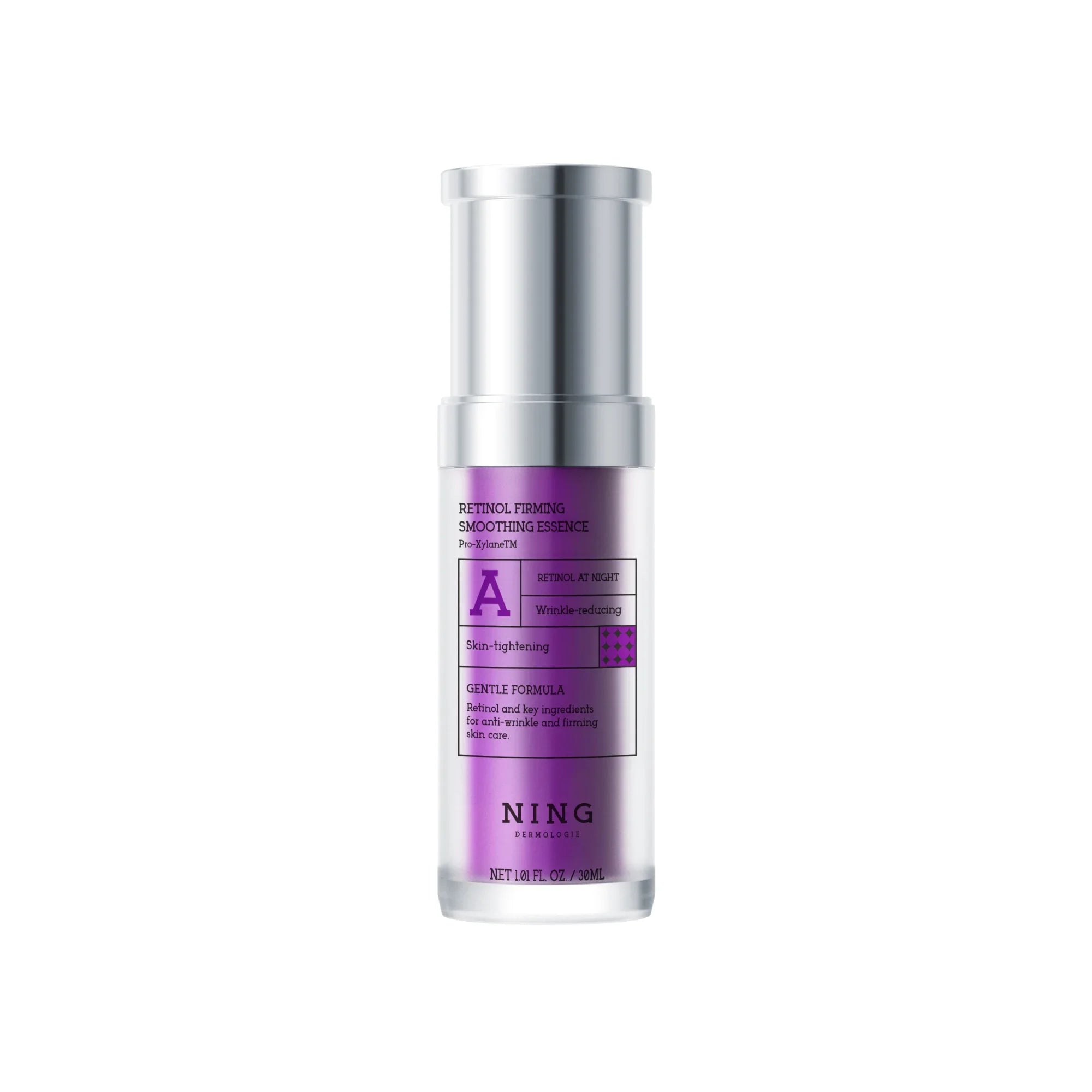
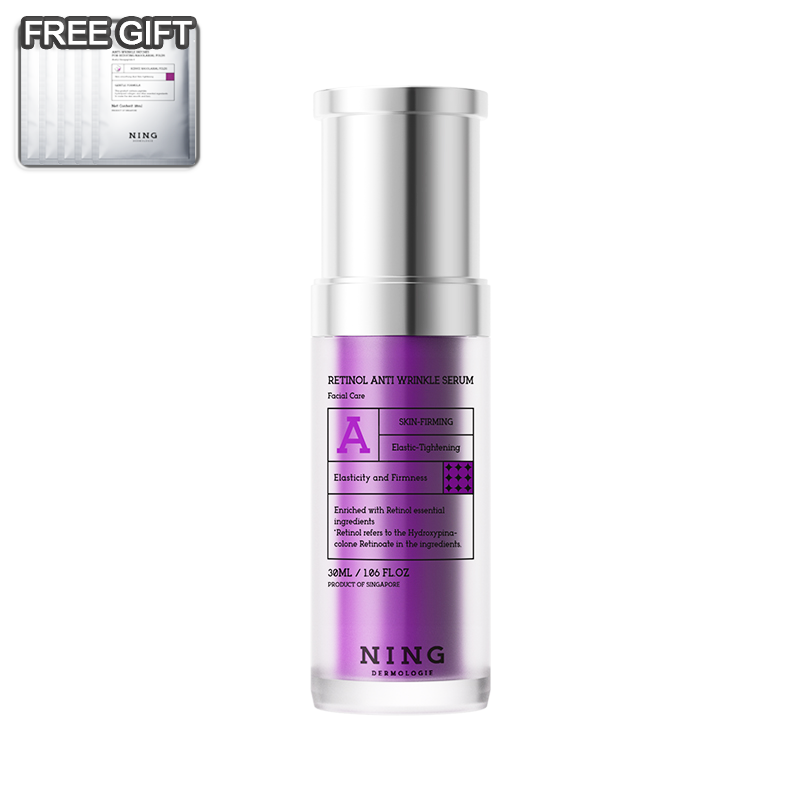
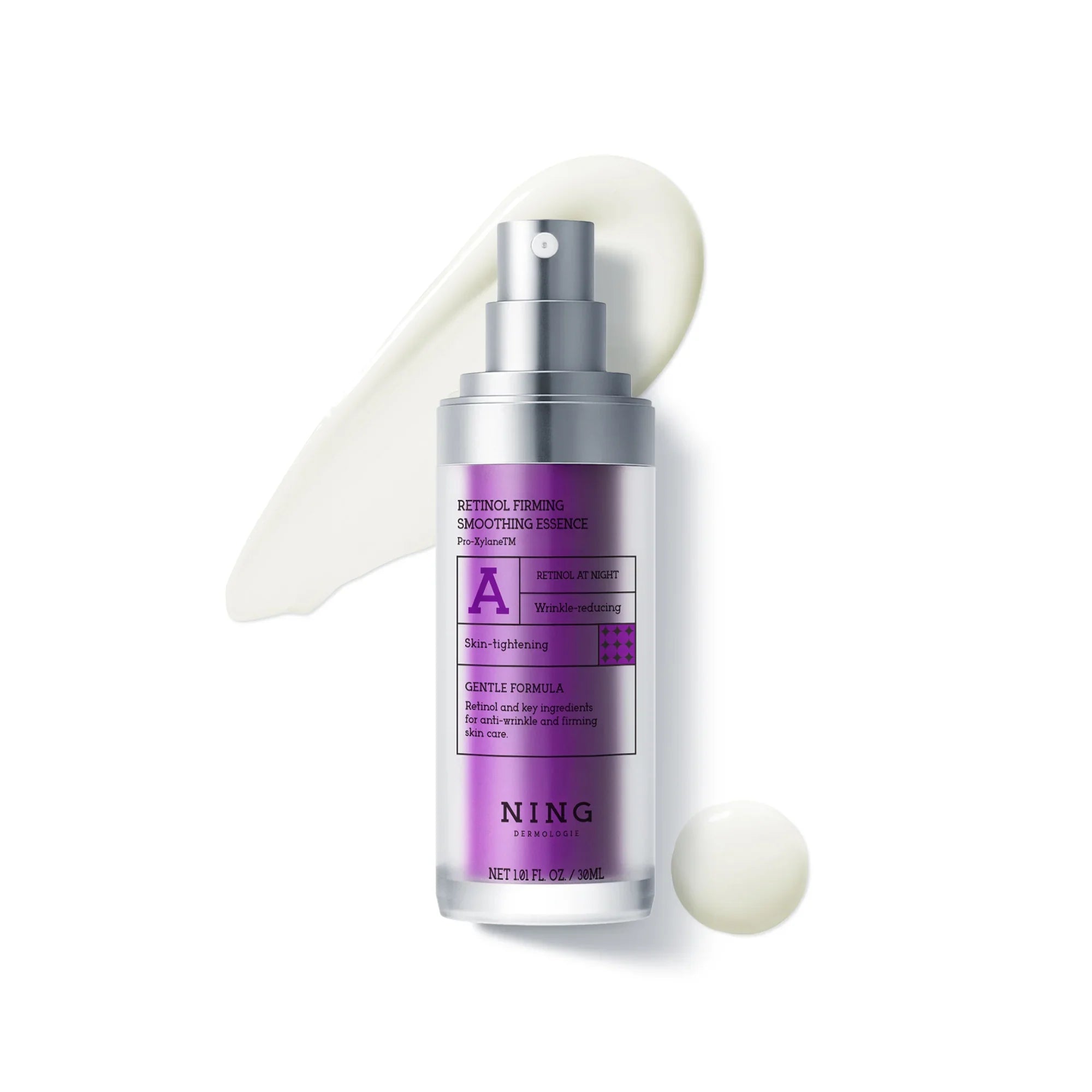
5. Can I use Salicylic Acid while using Retinol?
You can, but don't layer them. That’s a one-way ticket to skin redness and a wrecked skin type. The smartest move is splitting them up: use your salicylic acid serum in the morning to manage oil, and keep the retinol for your nighttime skincare routine. If your skin feels tight, take a break. Pushing through a damaged skin barrier will only trigger more breakouts in the long run.
Ready to change the way you treat your breakouts? Check out our 2% Salicylic Acid Serum and start your journey toward a clearer, healthier complexion today. Would you like me to help you design a specific weekly schedule for incorporating this serum into your current routine?





Share:
Breakout-Free Skin: The Benefits of Daily Salicylic Acid Use for Acne
What are the top-rated vitamin C serums for facial skin?