



When it comes to picking an Exfoliating Face Wash, most of us just grab the one with the coolest-looking bottle or the grittiest-sounding name. But if you’ve ever ended up with a face that feels like it’s two sizes too small or looks like a ripe tomato, you know that not all "scrubs" are created equal.
At NING Dermologie, we spend a lot of time talking to people who are terrified of exfoliation because they’ve been burned before—literally. The truth is, your skin needs help getting rid of dead skin cells. Without it, your skin texture gets rough, your large pores get clogged with excess oil, and your expensive serums just sit on top of a layer of "gunk" instead of actually working.
Let’s break down what’s actually inside these bottles, what those long chemical names mean, and how to find something that won't wreck your skin barrier.

The "Scrub" Debate: Physical vs. Chemical
The first thing you’ll notice in the aisle is that exfoliating cleansers generally fall into two camps: the ones you can feel (physical) and the ones that work silently (chemical).
1. Physical Exfoliation: The Satisfying Scrub
Physical exfoliants use tiny particles to manually buff away skin debris. This is the "instant gratification" route. However, the old-school stuff (like crushed walnut shells) had jagged edges that caused micro-tears.
Nowadays, we look for:
- Jojoba beads: These are perfectly round and melt slightly with warm water, making them super gentle for sensitive skin.
- Rice powder: A classic brightening ingredient that provides a soft, polish-like feel.
- Organic raspberry seed: Provides a bit of "grit" but is packed with antioxidants.
2. Chemical Exfoliation: The Deep Clean
This is where things get interesting. Chemical exfoliation uses acids or enzymes to dissolve the "glue" holding dead skin cells together.
- Alpha-hydroxy acids (AHAs): Think glycolic acid (derived from sugar cane), lactic acid, and citric acid. These are water-soluble and amazing for improving skin texture and surface brightness.
- Beta hydroxy acid (BHA): This is almost always salicylic acid. Unlike AHAs, BHA is oil-soluble, meaning it can actually get inside the pore to flush out excess oil. If you're dealing with large pores or breakouts, this is your MVP.
What Should You Actually Look For?
If you want a Super Facial result at home without the clinic price tag, the formula needs to be balanced. A great Exfoliating Face Wash—like the one we developed atNING Dermologie—isn't just a bottle of acid. It’s a carefully measured skincare regimen in a tube.
The Powerhouse Acids
You’ll often see an AHA/BHA Exfoliating Cleanser combo. Why? Because they target different layers. Malic acid (from apples) and Maltobionic Acid (a newer PHA Blend) help with cell turnover without the stinging sensation some people get from pure glycolic formulas. PHAs are particularly cool because they are "humectants," meaning they help with moisture retention while they exfoliate.
The "Clean" Base
The stuff that makes the wash "bubbly" matters too. Many cheap cleansers use harsh sulfates that strip your natural oils. Look for:
- Sodium C14-16 Olefin Sulfonate: A strong but safer alternative to SLS.
- Cocamidopropyl Betaine or Cocamidopropyl Hydroxysultaine: These are derived from coconuts and help create a creamy lather that doesn't leave you feeling parched.
- Sodium Hydroxide: Used to balance the pH so the acids don't eat your face off.
The Soothers
Because exfoliation is technically "stressing" the skin to renew it, you need "peacekeepers" in the mix:
- Hyaluronic acid and Sodium PCA: These act like magnets for water, keeping your damp face hydrated.
- Licorice extract and Green tea: These are fantastic for calming redness and providing an antioxidant boost.
- Jojoba Oil: To replenish the lipids you might lose during the wash.
How to Use It (Without Ruining Your Face)
I’ve seen people use an Exfoliating Wash like they’re scrubbing a kitchen floor. Please, don't.
- Prep: Start with warm water (not hot!) to loosen the surface oil.
- Apply: Massage the Exfoliating Face Wash onto a damp face using circular motions. Focus on the T-zone where excess oil lives.
- Timing: You don't need to leave a facial cleanser on for ten minutes. 30 to 60 seconds is plenty for the clinical-grade exfoliating ingredients to do their job.
- Rinse: Rinse thoroughly. If you leave skin debris or cleanser residue behind, it can cause irritation.
- Follow-up: Always follow up with a good moisturizer. If you’re focusing on specific areas, products like a Triple Firming Neck Cream or a Hydra Filling PHA Eye Cream can help lock in that newfound smoothness.
Why "Clean" Ingredients Matter
At NING Dermologie, we follow a Teen SAFE and Safe For Me philosophy. This means we avoid the "nasty" stuff often hidden in Product Information sheets:
- No hormone-altering chemicals.
- No Perfluoro compounds.
- No allergy causing ingredients.
Whether you are looking at an Exfoliate™ Cleanser from a famous Medical Esthetics Skin Clinic or a boutique brand, always check for transparency. Your skincare routine shouldn't be a chemistry experiment you're losing at.
Beyond the Face: Full Body Smoothness
Don't let the face have all the fun. The same principles apply to your body. Using something like a Coconut Milk + Verbena Exfoliating Body Wash can help with "strawberry legs" or backne. And for the lips? A quick Lip Scrub followed by a balm ensures your lipstick doesn't settle into cracks.

Frequently Asked Questions (FAQ)
1. Can I use an exfoliating face wash every day?
It depends on your skin types. If you have oily skin, a Daily Foaming Wash with mild botanical enzymes or pumpkin enzymes might be fine. However, for most people, 2-3 times a week is the sweet spot. Over-exfoliating can damage your skin barrier, leading to more breakouts and sensitivity. Always listen to your skin!
2. Is chemical exfoliation better than physical scrubs?
Neither is "better"—they just do different things. Physical exfoliation is great for immediate smoothing of the surface. Chemical exfoliation (using alpha-hydroxy acids or BHA) goes deeper to help with cell turnover and Pore Minimizing. Many modern Cleansing exfoliators actually combine a little bit of both for the best results.
3. Will salicylic acid dry out my sensitive skin?
It can if the formula is too harsh. If you have sensitive skin, look for a chemical exfoliant that balances salicylic acid with soothing ingredients like licorice extract or hyaluronic acid. Also, check for natural enzymes like botanical enzymes, which offer a much gentler way to dissolve dead skin cells without the sting.
4. What is the difference between AHA and BHA?
AHAs like glycolic acid and lactic acid are water-soluble and work on the skin's surface to improve skin texture and fade dark spots. BHA (salicylic acid) is oil-soluble, so it gets down into the pores to dissolve excess oil. If you have dry skin, go for AHAs; if you’re oily or acne-prone, BHA is your friend.
5. Why does my face feel tight after using an exfoliating cleanser?
That "squeaky clean" feeling is actually a warning sign! It means your facial cleanser has stripped away your natural oils. To prevent this, ensure your Exfoliating Face Wash contains humectants like Sodium PCA or oils like Jojoba Oil to maintain moisture retention while the acids work on those skin cells.
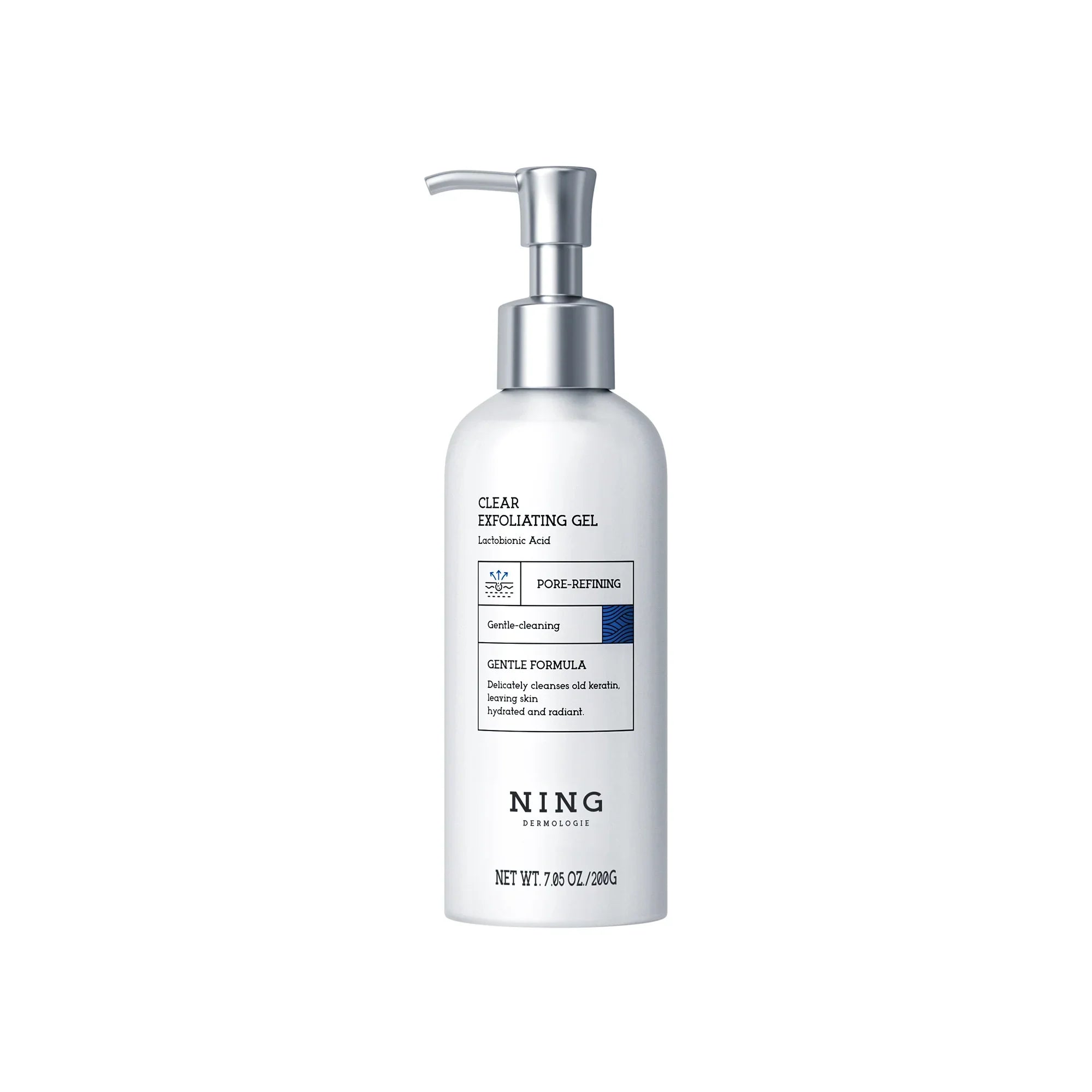
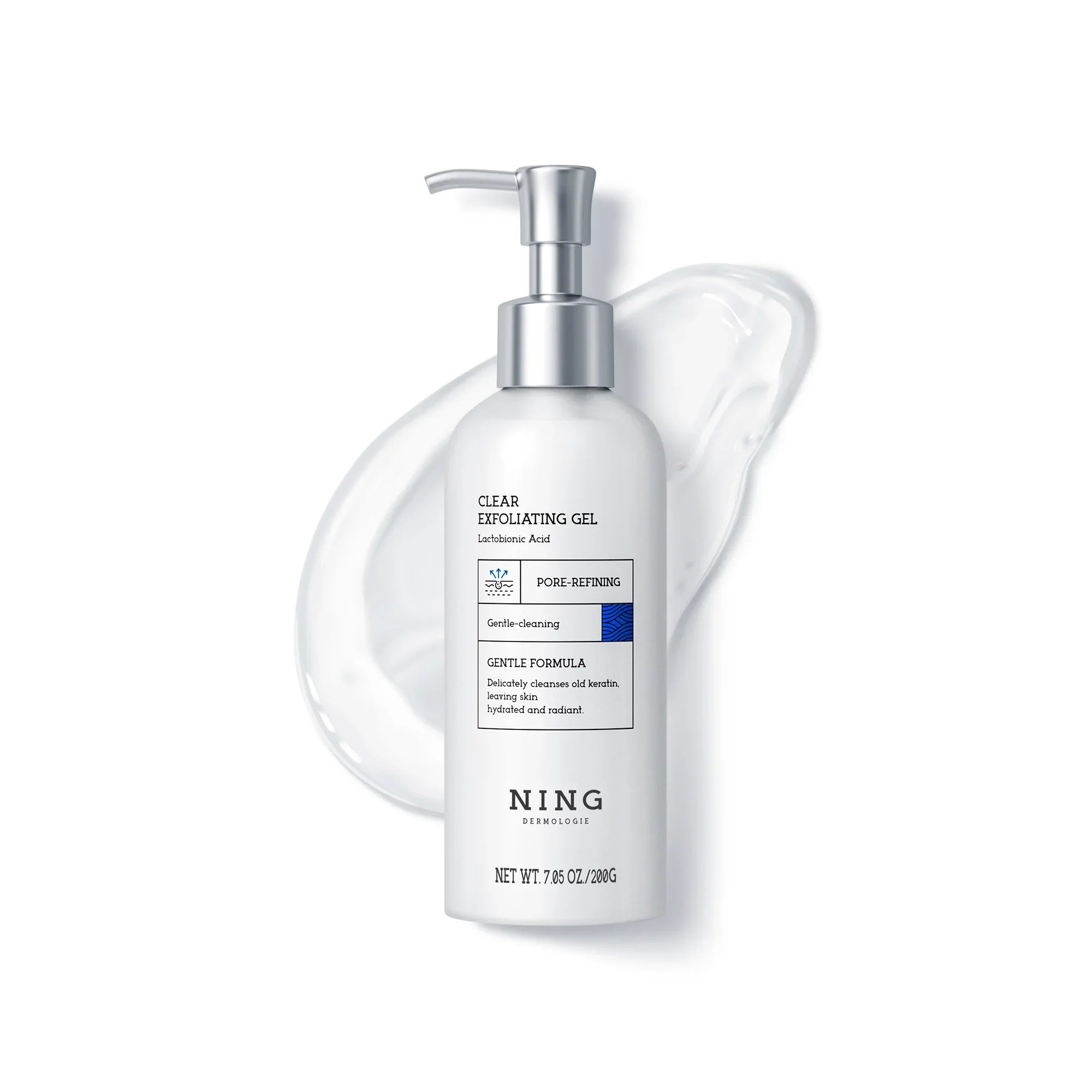
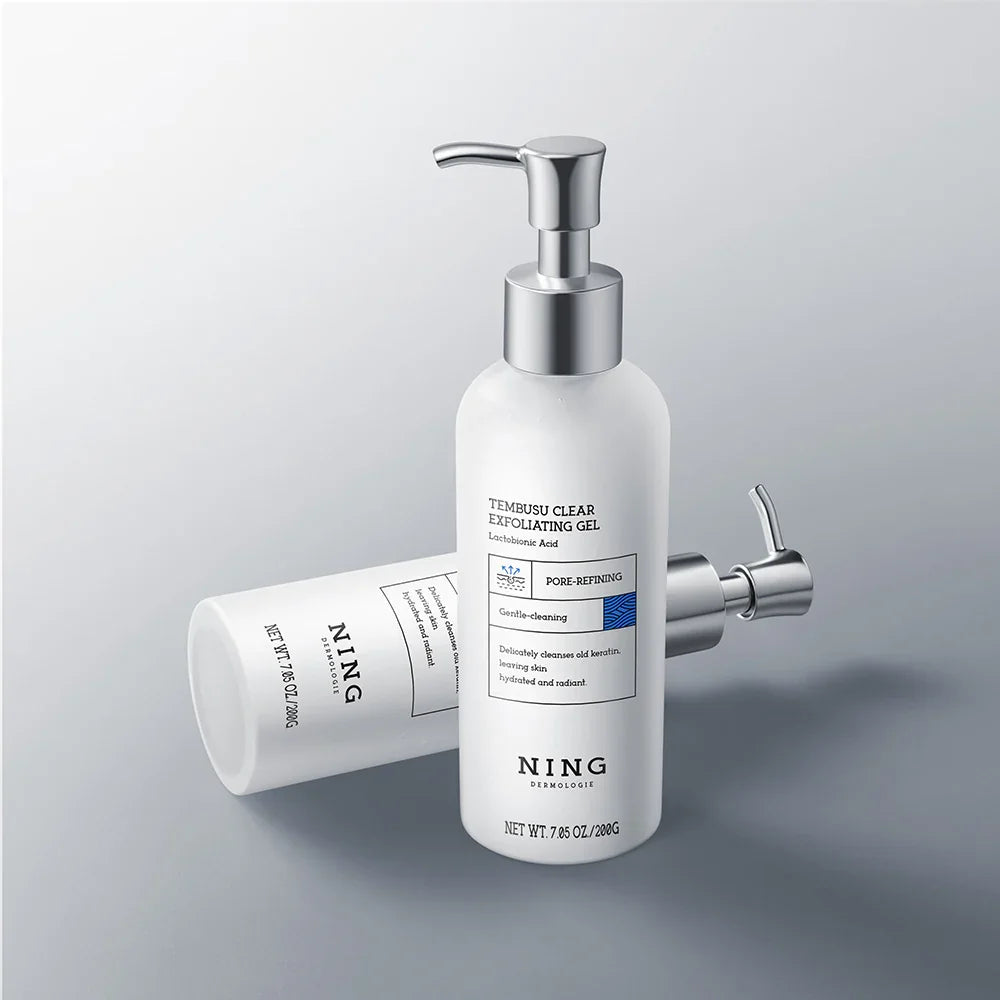
Ready to upgrade your glow? Check out the NING DermologiePurifying Exfoliating Face Washand start seeing the difference that professional-grade, safe ingredients can make for your skin.





Share:
Can I get exfoliating face wash with added moisturizers?
Ultimate Guide to Exfoliating Cleansers for a Radiant Glow