



Where to buy vitamin C serum for pigmentation near me?
If you’ve spent your morning typing "where to buy vitamin C serum for pigmentation near me" into a search bar, you’re likely staring at a map of local pharmacies while wondering if that $15 bottle on the shelf will actually do anything for your dark spots.
Let’s get real for a second: the skincare market is flooded with "brightening serums" that are essentially expensive water by the time they hit your bathroom counter. As someone who lives and breathes e-commerce and skincare formulation, I’ve seen the "behind the scenes" of why some products work and others just oxidize into a sticky, orange mess.
If you want to actually fix hyperpigmentation, you don't just need a product; you need the right form of vitamin C and a strategy to keep it stable.

The "Near Me" Hunt: Where to Actually Find Quality Vitamin C
When you’re looking for a vitamin C product locally, your options usually fall into three camps: the big-box retailers (Target, CVS, Walgreens), the beauty giants (Sephora, Ulta), and professional dermatology offices.
Local Pharmacies and Big-Box Stores
These are convenient. You can walk in and grab a La Roche-Posay Vitamin C Serum or a Naturium Vitamin C Complex Serum. They are accessible, but here is the caveat: check the "best by" date. Vitamin C is notoriously unstable. If that bottle has been sitting under hot fluorescent lights for six months, its anti-aging potency is likely compromised.
Beauty Specialty Stores
Sephora and Ulta are better bets for variety. You’ll find the Paula’s Choice C15 Super Booster or high-end options like Skinceuticals C E Ferulic. The staff can often give you a sample, which is vital if you have sensitive or acne-prone skin.
Professional Dermatology Offices
If your hyperpigmentation is severe (think deep melasma or stubborn post-inflammatory erythema), skip the drugstore. A dermatologist will often carry Obagi Professional-C Serum or medical-grade formulations that contain a higher ascorbic acid percentage. It's more expensive, but you're paying for clinical stability.
Why Most People Fail at Treating Dark Spots
You bought the face serum, you applied it, and... nothing happened. Why?
Usually, it’s because the active ingredient didn't penetrate. Vitamin C is a potent antioxidant, but it's also a "diva." If the pH isn't exactly right, it sits on top of your skin. If it’s exposed to air, it turns into "rust" (oxidation).
This is where the formulation matters. You want a lightweight serum that uses pure vitamin C (L-ascorbic acid) for immediate results, or a stable derivative like Ethyl Ascorbic Acid if you want something that won't turn brown in the bottle within a month.
The 6 Best Vitamin C Serums for Dark Spots and Hyperpigmentation
After testing dozens of formulations, here is the breakdown of the 6 best vitamin c serums currently dominating the market—and why they deserve (or don't deserve) your money.
1. The Gold Standard: Skinceuticals C E Ferulic
Ask any dermatologist for a recommendation, and this is it. It’s a patented blend of 15% l-ascorbic acid, vitamin e and ferulic acid. The ferulic acid acts as a stabilizer, doubling the photoprotection of the vitamin C.
- The Catch: It smells like "hot dog water" and costs nearly $180. But it works.
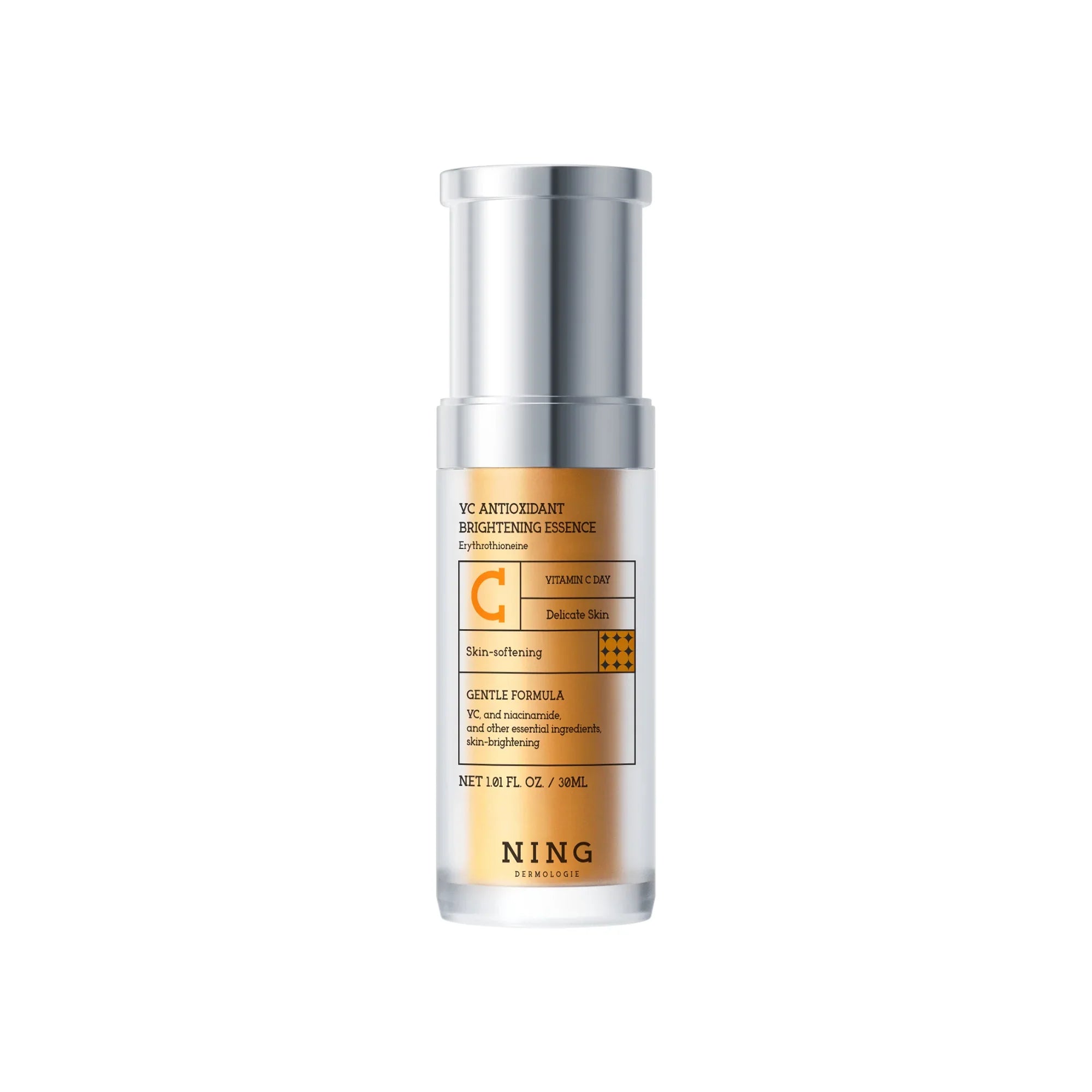
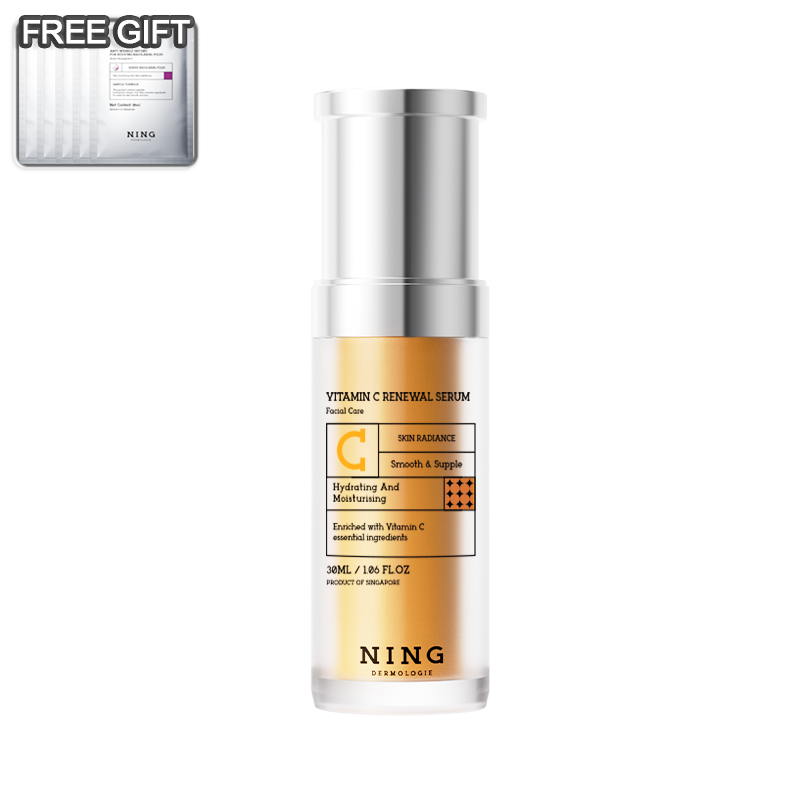
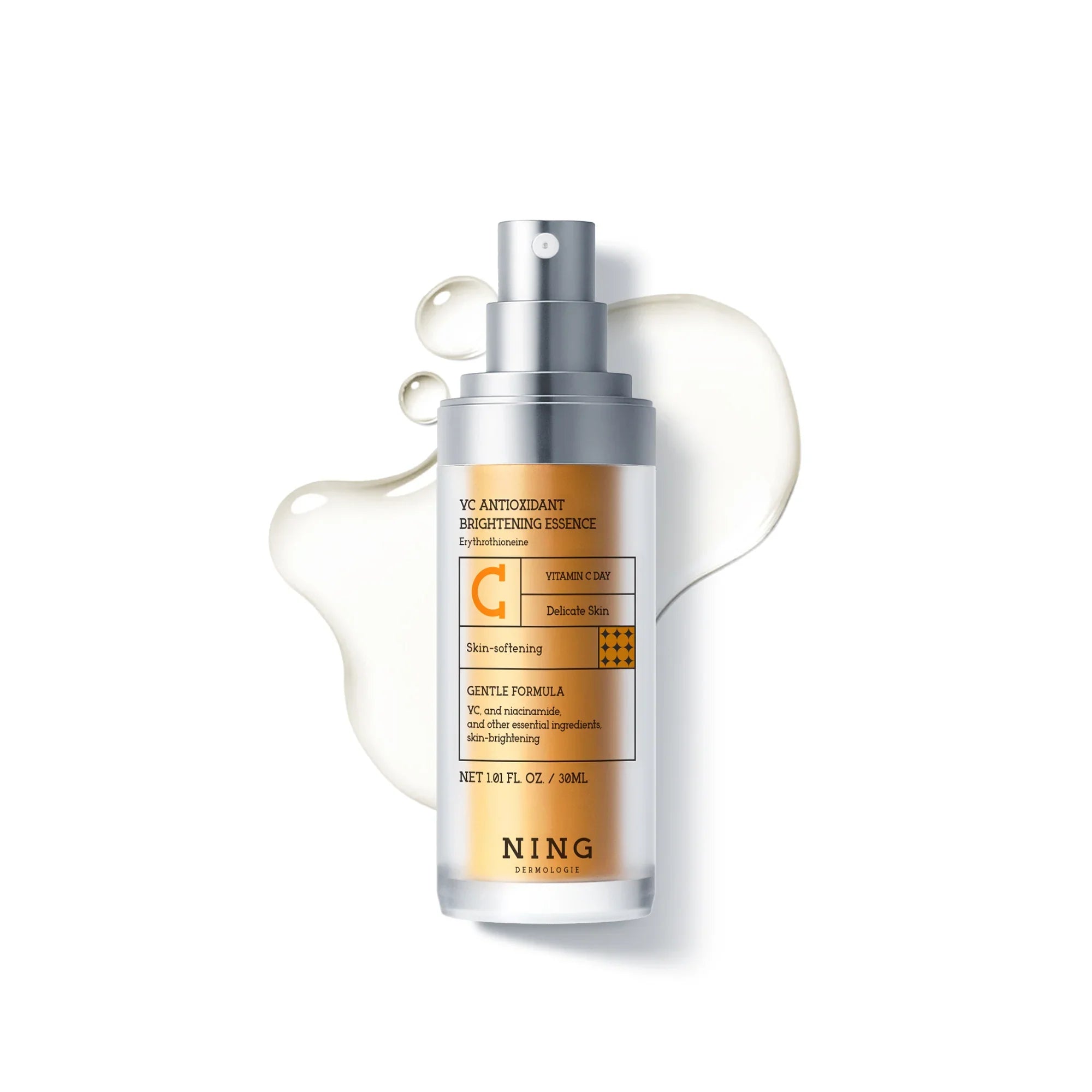
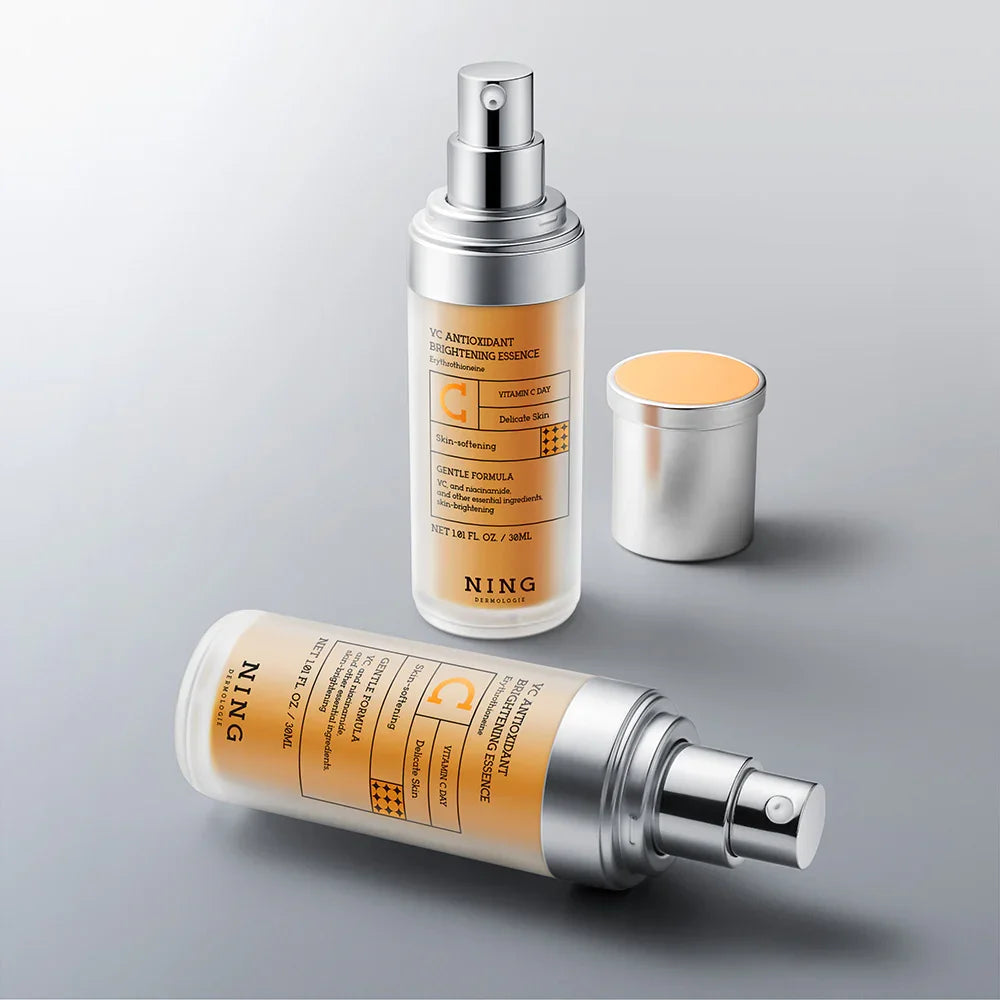
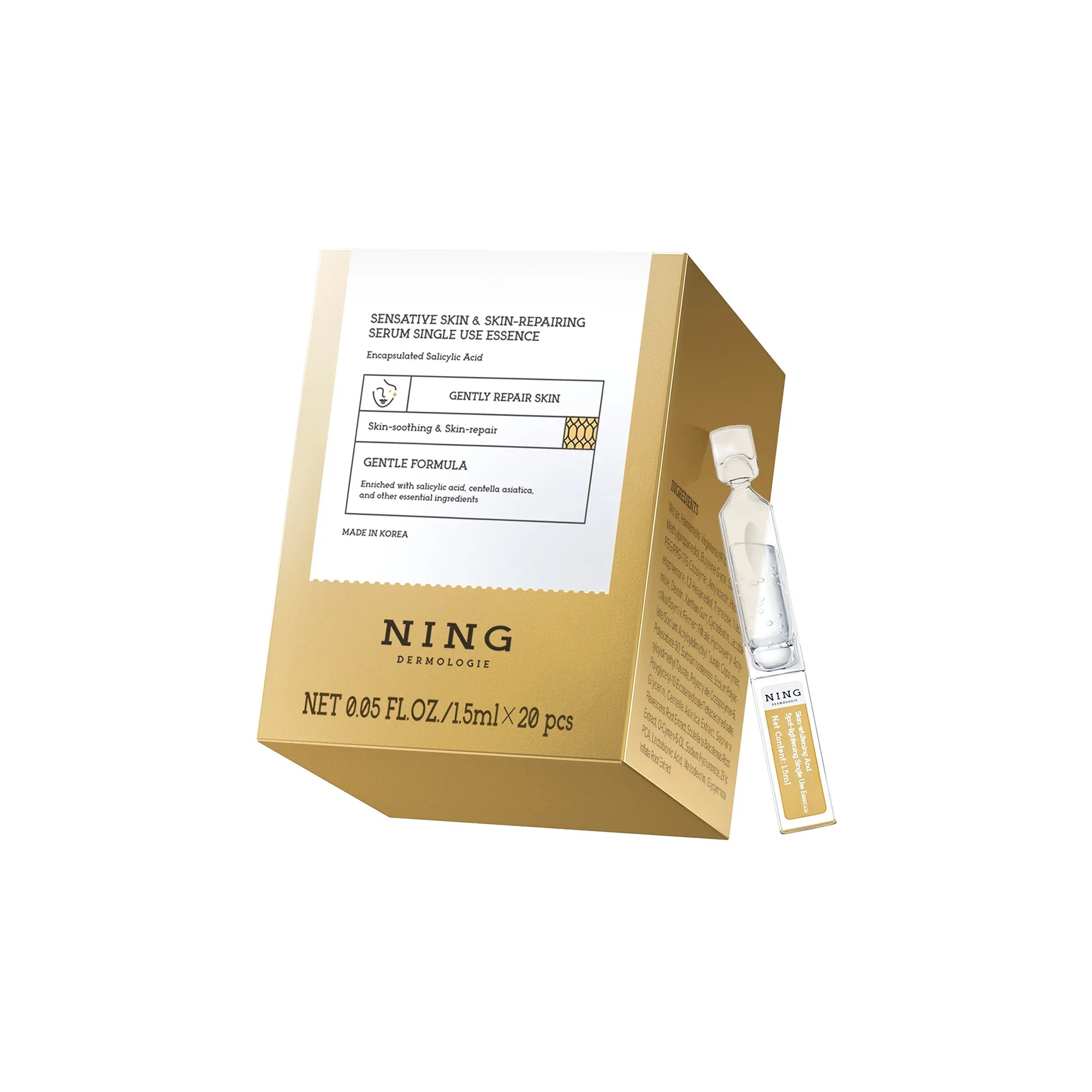
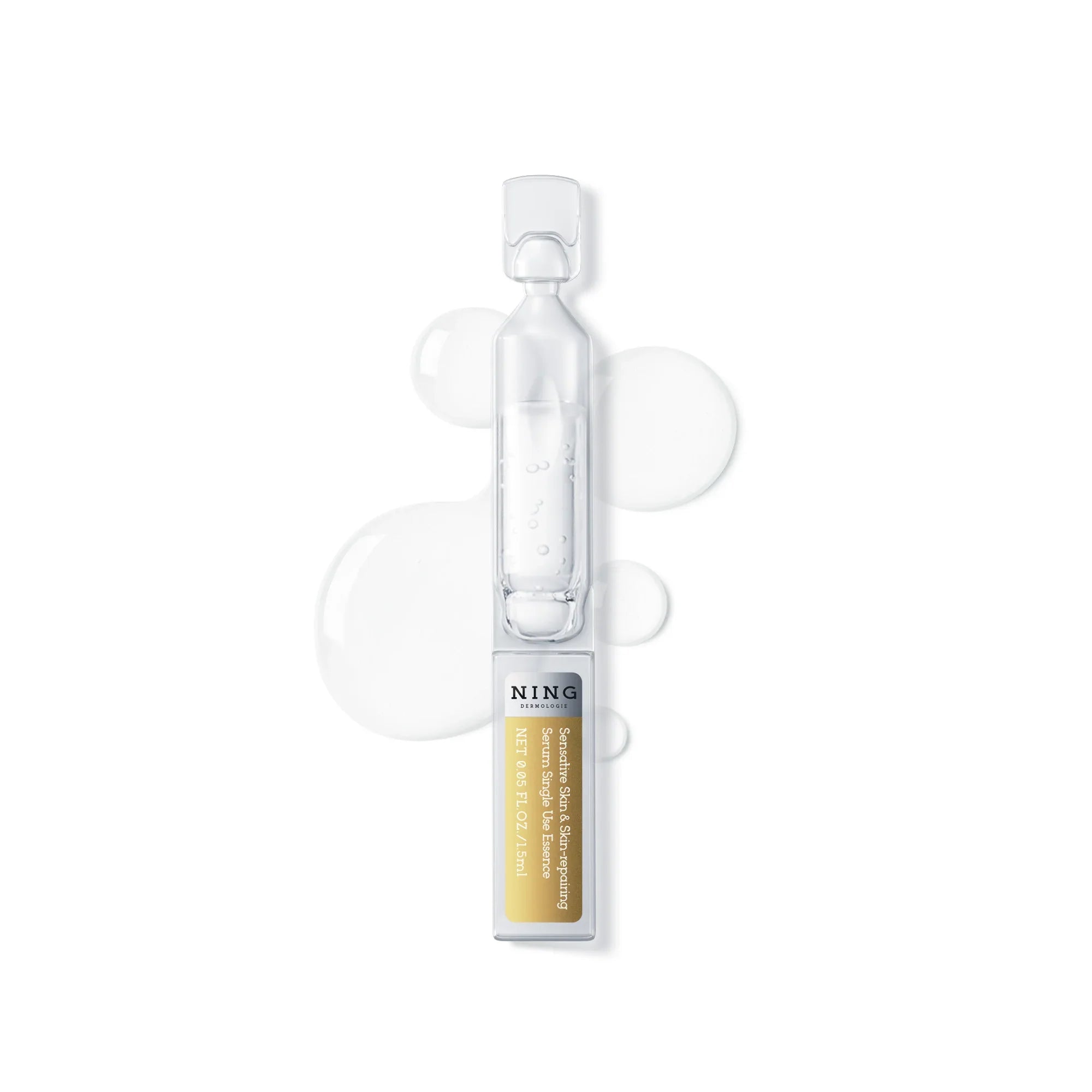
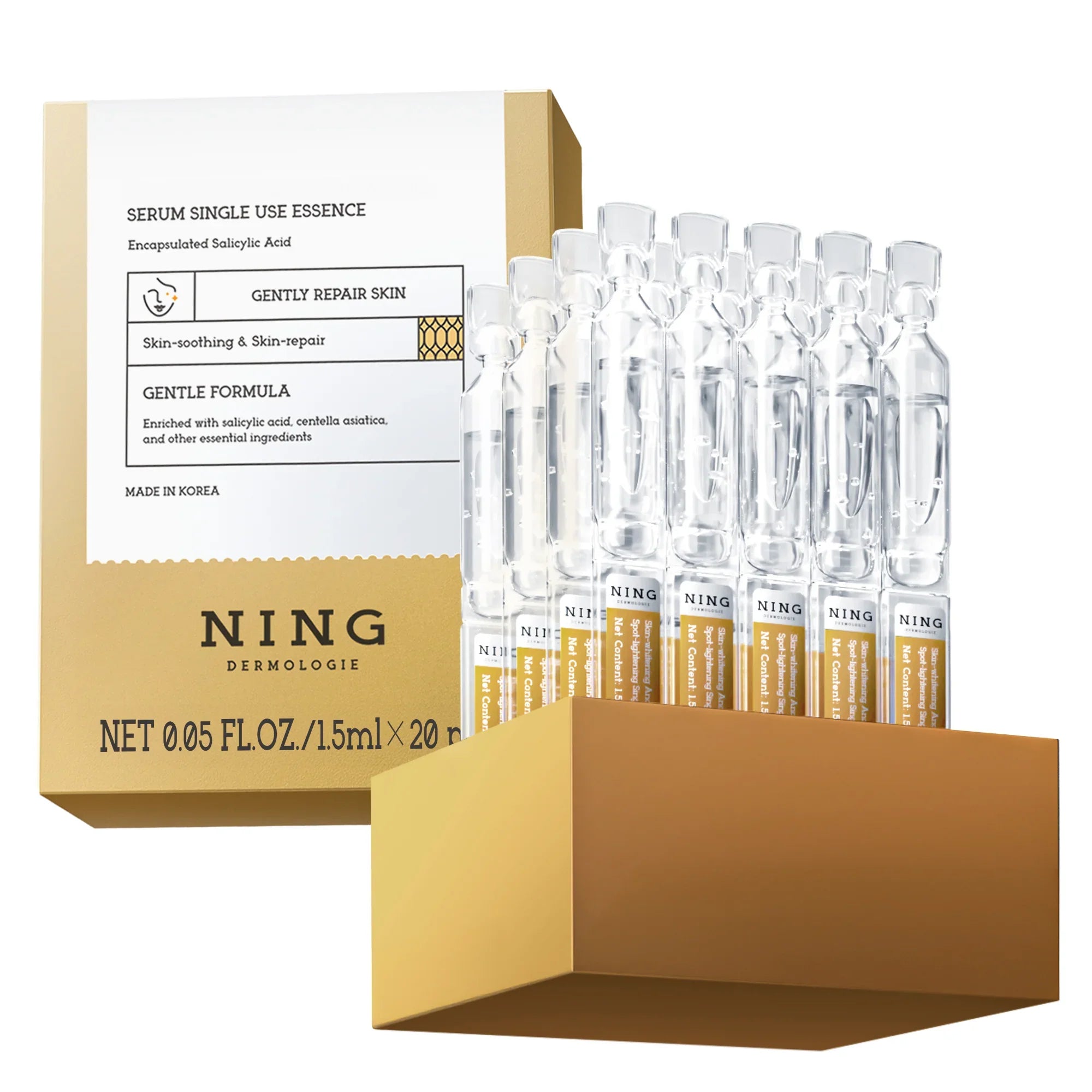
2. The Stability King: NING Dermologie Vitamin C Serum
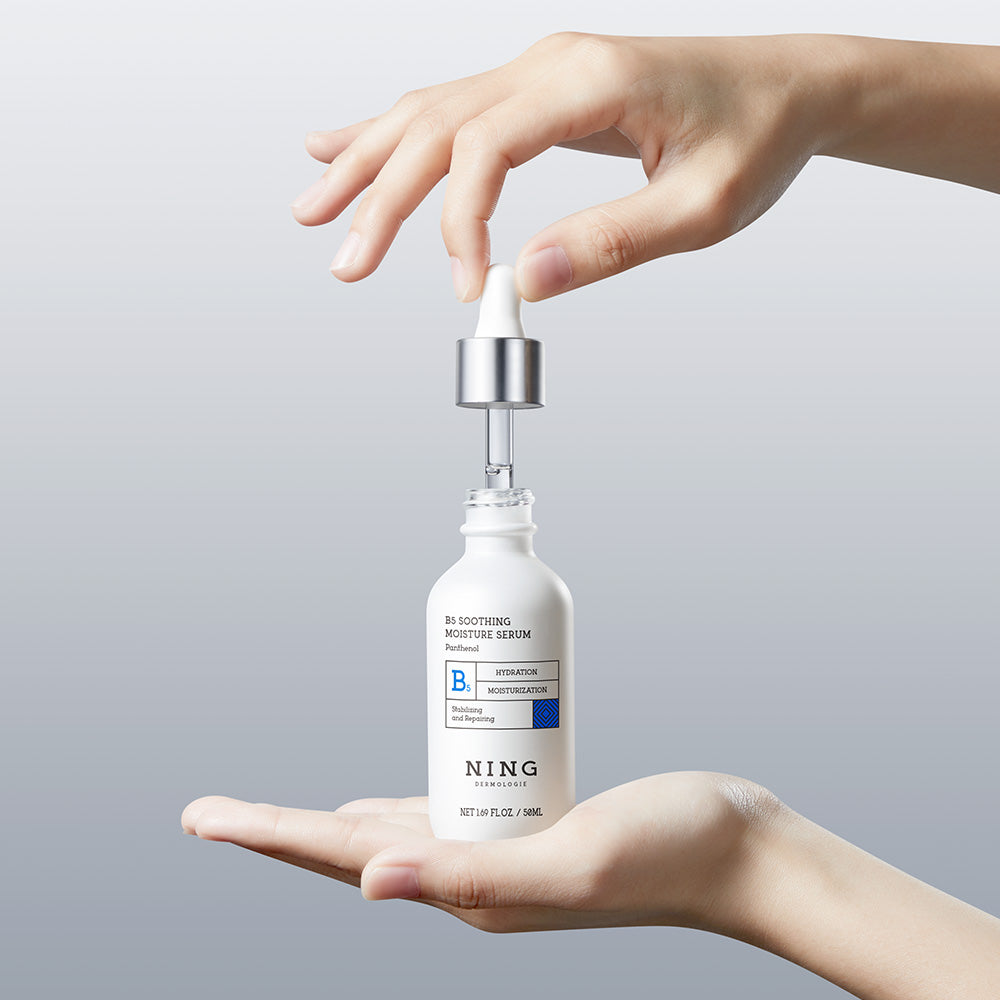
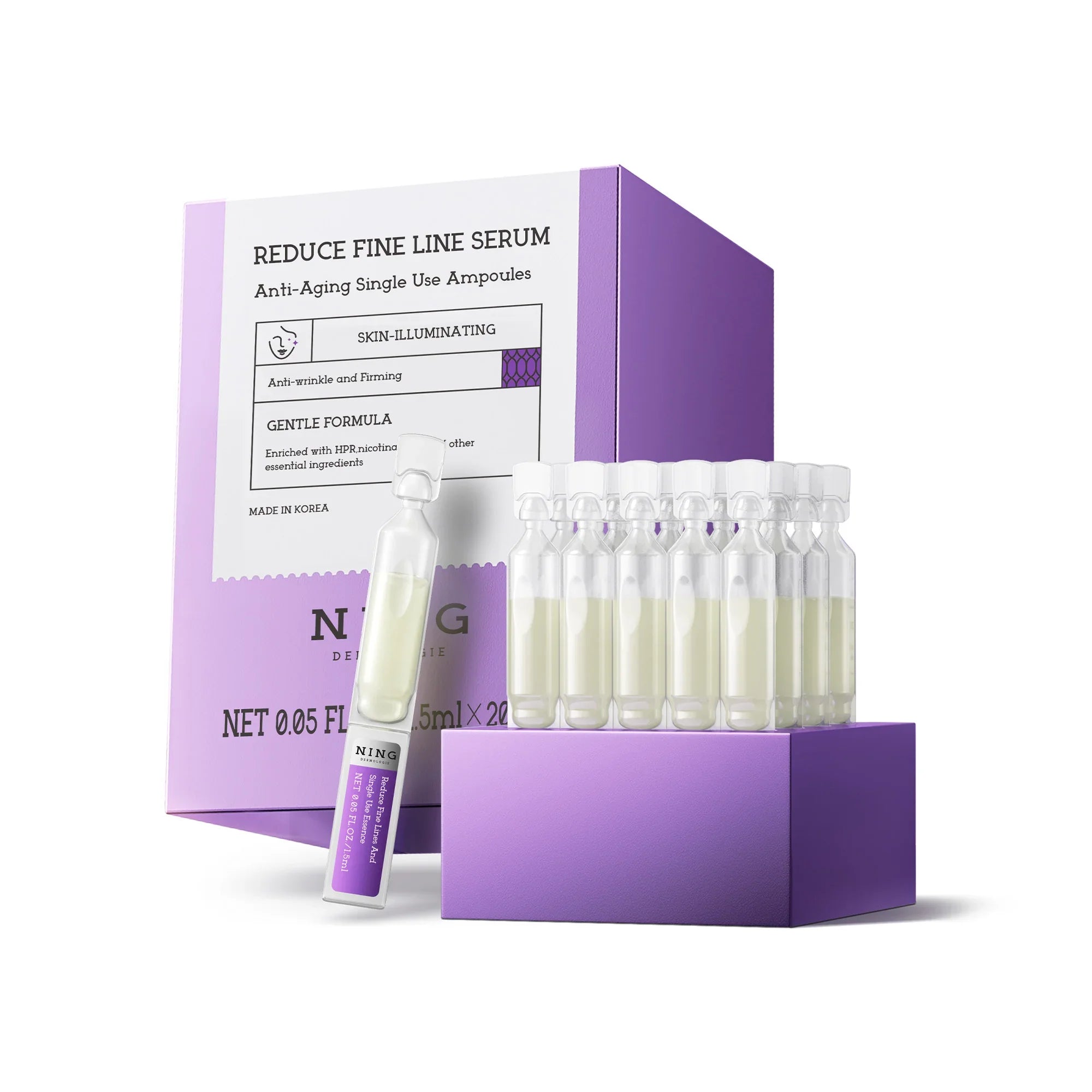
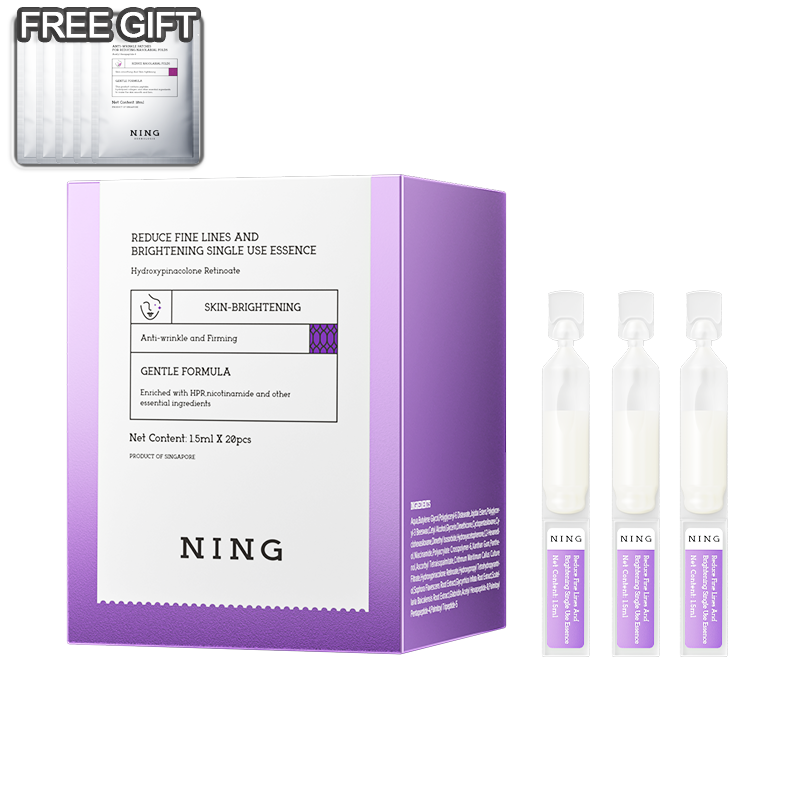
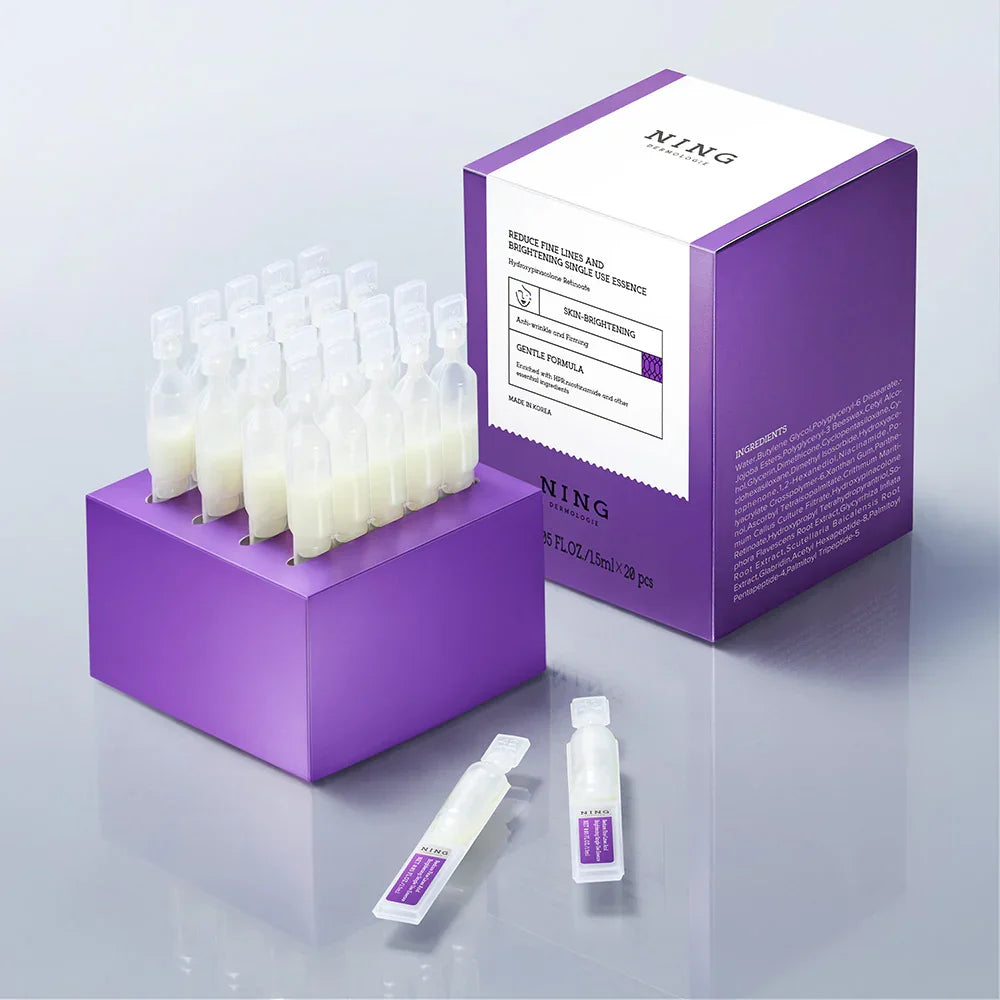
If you’re tired of your serums oxidizing, you need to look at NING Dermologie’s Vitamin C Serum. Unlike traditional serums that use fragile L-ascorbic acid, we use 3-O-Ethyl Ascorbic Acid.
- Why it’s different: This vitamin c product is exceptionally stable. We’ve paired it with Niacinamide to double down on uneven skin tone and Squalane to ensure it doesn't dry out your skin. It's fragrance-free and designed for those who want professional results without the Skinceuticals price tag.
3. The Clinical Choice: Obagi Professional-C Serum
Obagi focuses on penetration. Their Professional-C Serum is formulated at a very low pH, which helps the ascorbic acid get past the skin barrier. It’s particularly effective for sun damage and those with combination skin.
4. The Value Pick: Naturium Vitamin C Complex Serum
Naturium uses a "complex" of encapsulated L-ascorbic acid and sodium ascorbyl phosphate. It’s a very lightweight serum that layers beautifully under a moisturizer and sunscreen.
5. The Gentle Option: La Roche-Posay Vitamin C Serum
If you’re worried about irritation, this face serum uses pure vitamin C but at a lower concentration, buffered with salicylic acid and neurosensine. It’s great for acne-prone skin that needs to brighten without a breakout.
6. The Booster: Paula's Choice C15 Super Booster
This is meant to be used as a booster. You can add a few drops to your favorite face cream or moisturizer. It contains vitamin e and peptide chains to help with wrinkles and signs of aging.
Breaking Down the Ingredients: What Actually Works?
When you're reading the back of a bottle, look for these key ingredients:
- Hyaluronic Acid & B5: These hydrate the skin. Vitamin C can be drying; these counteract that.
- Vitamin E and Ferulic Acid: These are the "bodyguards" for Vitamin C. They prevent it from breaking down when exposed to air pollution or uv damage.
- Niacinamide: A powerhouse for even tone. It works synergistically with Vitamin C to stop the transfer of pigment to skin cells.
- THD Ascorbate (Tetrahexyldecyl Ascorbate): A lipid-soluble form of vitamin C. A favorite of cosmetic chemists because it can penetrate deeper into the fatty layers of the skin.
How to Build a Skin-Care Routine for Pigmentation
It’s not enough to just slap on a brightening serum. You need a consistent use strategy.
Morning: The Protection Phase
-
Cleanse: Use a gentle, pH-balanced cleanser.
-
Vitamin C: Apply your NING Dermologie or Skinceuticals to dry skin. Let it absorb for 60 seconds.
-
Moisturize: Use a formula with squalane or jojoba to lock in moisture.
-
Sunscreen: This is non-negotiable. Sun exposure will undo all the work your serum is doing. Use at least SPF 30.
Evening: The Repair Phase
-
Cleanse: Remove the day’s grime and air pollution.
-
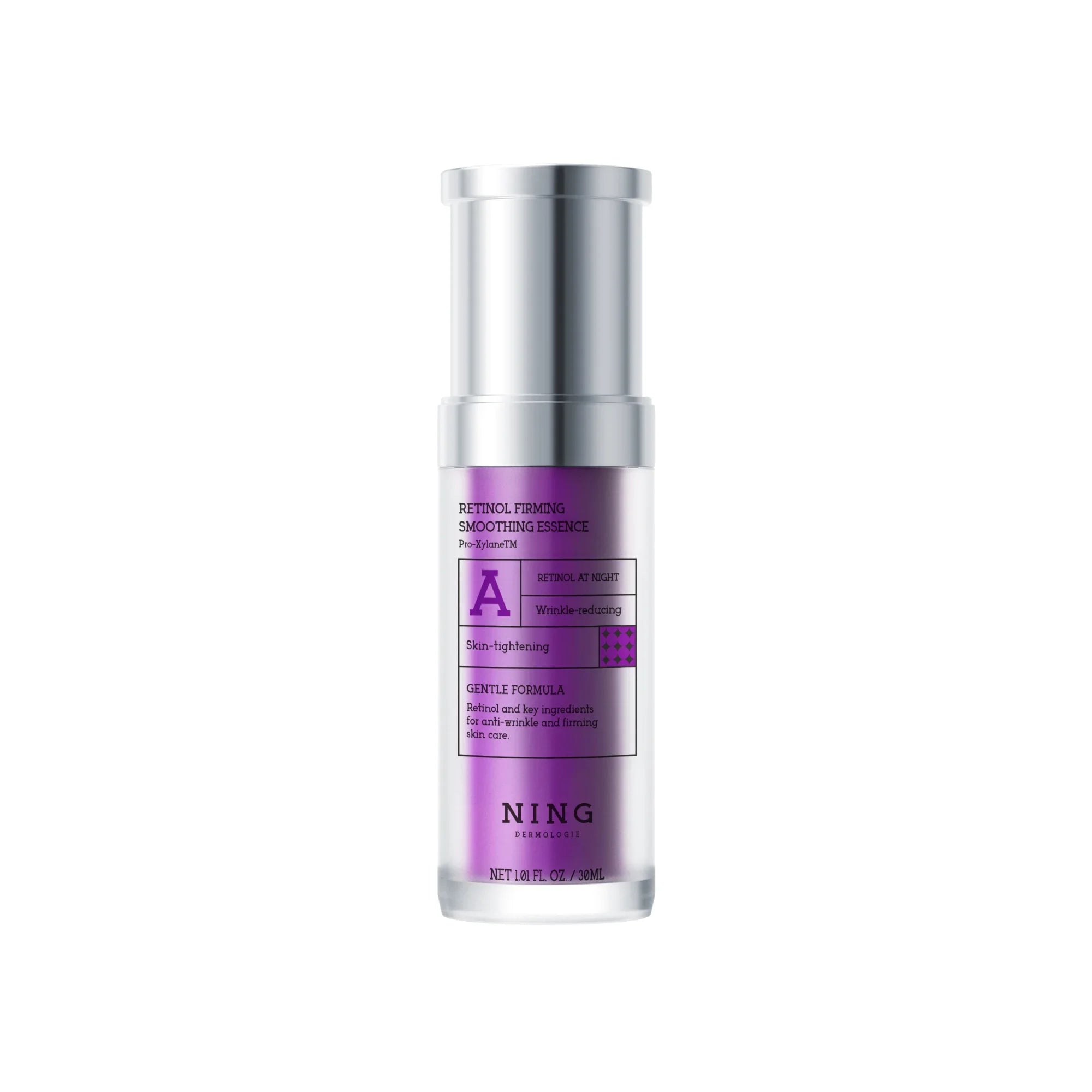
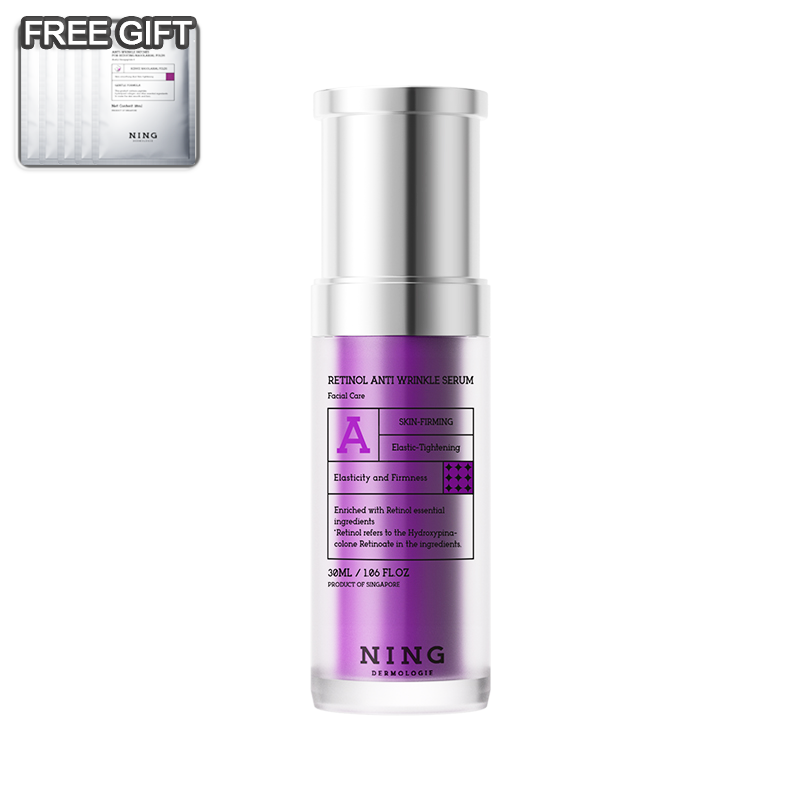
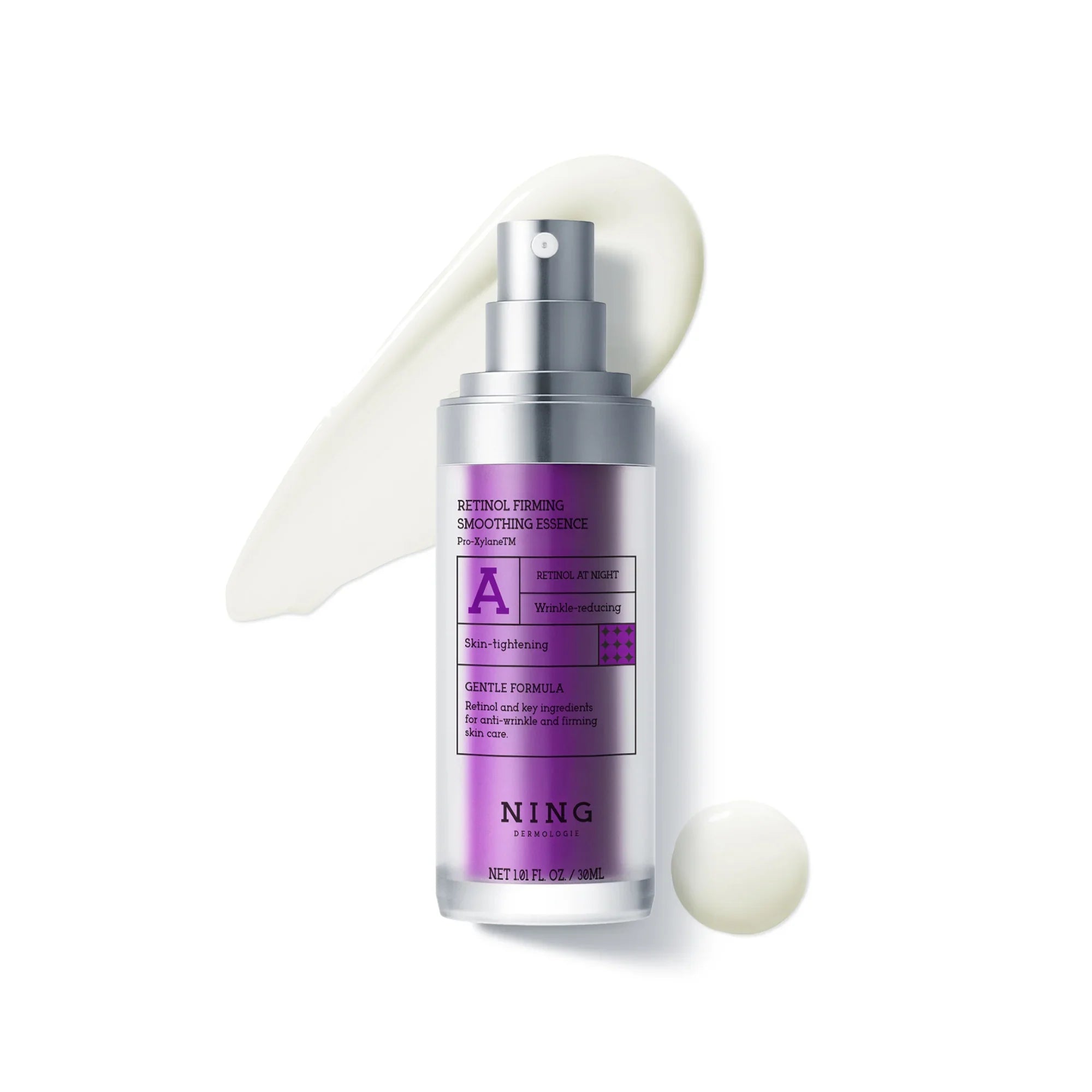
Retinol: Use retinol at night to speed up cell turnover. (Note: Never mix Vitamin C and Retinol at the exact same time; use them in separate routines to avoid irritation).
-
Hydrate: A thicker face cream with a peptide booster helps with collagen production while you sleep.
Selecting the Right Serum for Your Skin Type
- For Combination Skin: You need a lightweight serum that won't make your T-zone greasy. Look for "water-based" formulas.
- For Dry Skin: Look for a vitamin c brightening oil or a serum that includes vitamin e and hyaluronic acid.
- For Sensitive Skin: Avoid high-percentage L-ascorbic acid. Go for Ethyl Ascorbic Acid (like in NING Dermologie) or ascorbyl phosphate—these are much gentler on the skin barrier.

Beyond the Bottle: Preventing Future Sun Damage
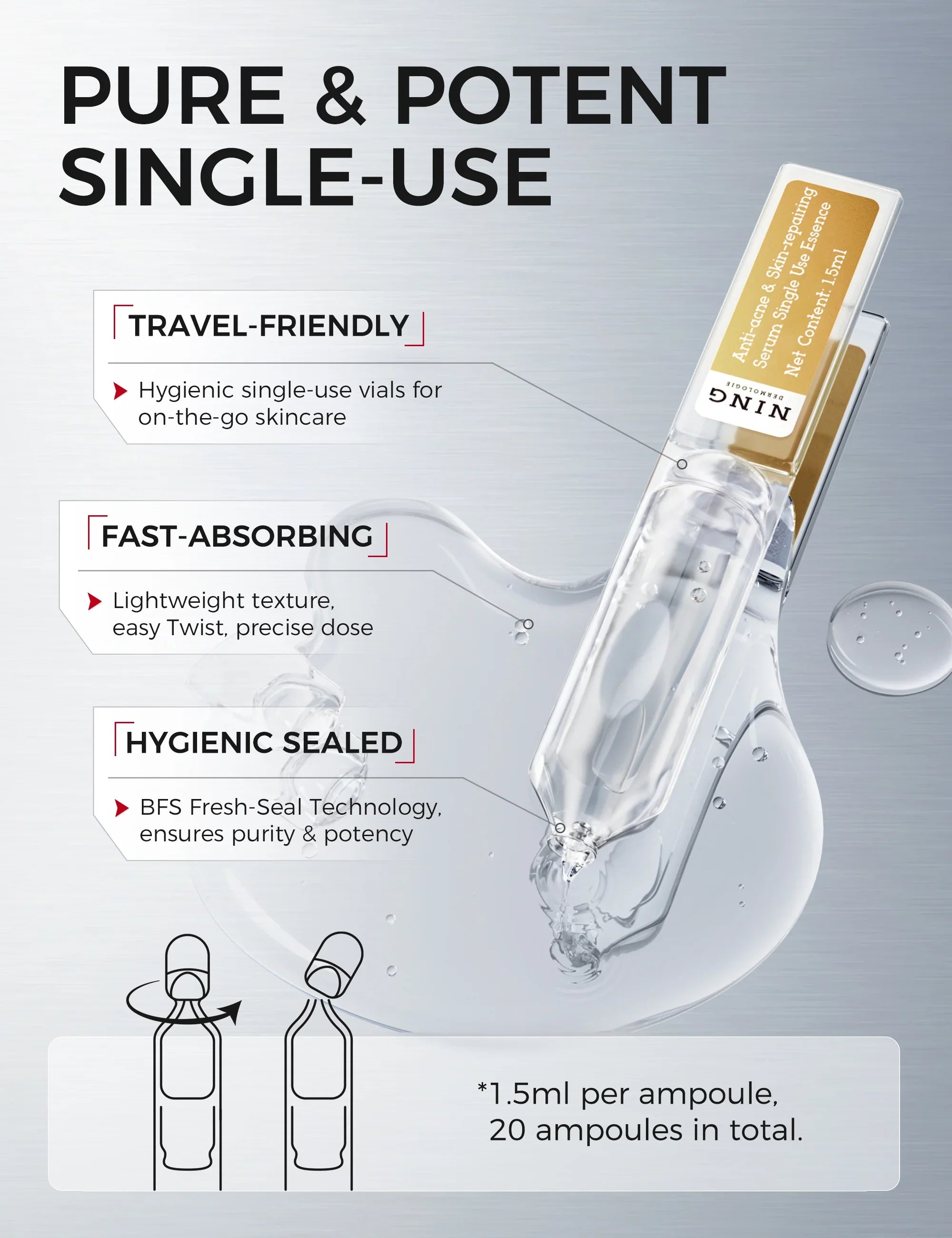
Treating dark spots and hyperpigmentation is a two-way street. You have to remove the old pigment while preventing new pigment from forming. Vitamin C is a potent tool because it neutralizes free radicals from uv damage. However, the real secret is an airtight pump. If your vitamin c product comes in a dropper bottle that you open every day, it’s slowly dying. Look for opaque, airtight packaging to ensure you're getting the most brightening benefits until the very last drop.
Frequently Asked Questions (FAQ)
1. How long does it take for Vitamin C to fade dark spots?
Patience is key. While you might notice an immediate "glow" due to the brightening benefits, significant fading of hyperpigmentation usually takes 8 to 12 weeks of consistent use. This timeline aligns with your skin’s natural regeneration cycle. If you don't see results after three months, you may need to increase the concentration or check if your product has oxidized.
2. Can I use Vitamin C serum every day?
Yes, most dermatologists recommend using it once daily, specifically in your morning skin-care routine. Because it neutralizes free radicals from sun exposure and air pollution, it acts as a secondary layer of defense alongside your sunscreen. If you have extremely sensitive skin, start every other day to allow your skin to adjust to the ascorbic acid.
3. Why did my Vitamin C serum turn orange or brown?
This is the "death" of your serum, known as oxidation. When a vitamin c product (especially those with l-ascorbic acid) is exposed to light and air, it breaks down and loses its anti-aging efficacy. Using an oxidized serum won't necessarily hurt you, but it won't help your dark spots and may even cause minor irritation. Always store your serum in a cool, dark place.
4. Can I mix Vitamin C with Niacinamide or Retinol?
The old myth that you can't mix Vitamin C and Niacinamide has been debunked; they actually work quite well together for uneven skin tone. However, be careful with retinol. Both are powerful actives that can cause redness if applied at the same time. The best practice is Vitamin C in the morning for protection and retinol at night for repair.
5. Does Vitamin C serum help with acne?
While its primary job is to brighten and promote collagen production, Vitamin C has anti-inflammatory properties that can help calm acne-prone skin. More importantly, it is highly effective at preventing the "post-acne marks" (post-inflammatory hyperpigmentation) that linger long after the blemish is gone. For active acne, look for a fragrance-free formula to minimize potential irritation.
Next Steps: Ready to stop the "oxidation cycle" and actually see your skin brighten? Check out the NING Dermologie Vitamin C Serum. It’s the stable, effective, and science-backed solution your skin-care routine has been missing. No "hot dog water" smell, just results.





Share:
Where to buy vitamin C serums effective for hyperpigmentation near me
Find exfoliating face wash options recommended for post-sun exposure care.