



This guide isn't about the viral products you see on TikTok "this week." As a dermatologist based in Beverly Hills, I’ve seen countless patients walk into my clinic with redness and irritation caused by aggressive physical exfoliation or the misuse of mechanical brushes.
When patients ask which exfoliating face washes are truly recommended, they aren’t just looking for a "clean" feeling; they are looking to resolve clogged pores, smooth out rough texture, and achieve that elusive glowing skin without compromising their skin barrier.
Exfoliation is a science, not a scrub-fest. Whether you are dealing with active acne, age spots, or keratosis pilaris, the right exfoliating cleanser can transform your skincare routine. Here is the professional breakdown of how to choose and use these formulas.
The Shift from Physical to Chemical Exfoliation
For years, the industry leaned on physical exfoliants—think crushed walnut shells or large Jojoba Beads. While Jojoba Beads are a gentler form of physical exfoliation compared to jagged shells, most dermatologists now prioritize chemical exfoliating ingredients.
Why? Because chemical exfoliants (acids) dissolve the "glue" holding dead skin cells together, allowing them to shed evenly. Physical scrubbing, if done too hard, creates micro-tears that invite bacteria and lead to inflammation.

Matching Acids to Your Unique Skin Type
Not all face washes are created equal. Your skin type dictates which acid molecule will sit best on your face.
1. Oily and Acne-Prone Skin: The BHA Specialist
If you struggle with oily skin and persistent clogged pores, salicylic acid is your gold standard. As a beta-hydroxy acid (BHA), it is oil-soluble, meaning it can penetrate deep into the pore to vacuum out sebum.
- Recommendation: Look for a Triple Action Exfoliating Cleanser that combines BHA with soothing agents like aloe vera to prevent over-drying.
2. Dry Skin and Sun Damage: The AHA Family
Alpha hydroxy acids (AHAs) like glycolic acid and lactic acid are water-soluble. They work on the skin’s surface to treat age spots and crepey skin. Glycolic acid has the smallest molecular size, making it highly effective but potentially irritating for sensitive skin. Lactic acid is a larger molecule and acts as a humectant, pulling moisture into the skin while it exfoliates.
3. Sensitive Skin: The PHA Alternative
Polyhydroxy acids (PHAs) are the "new generation" of AHAs. They have a massive molecular structure that prevents them from penetrating too deeply, making them the safest choice for sensitive skin or those with rosacea.
NING Dermologie: The Professional Standard in Gentle Resurfacing
In the clinical space, we often look for products that balance potency with recovery. This is where NING Dermologie stands out. Their approach to the Exfoliating Face Wash category focuses on "Purifying without Stripping."
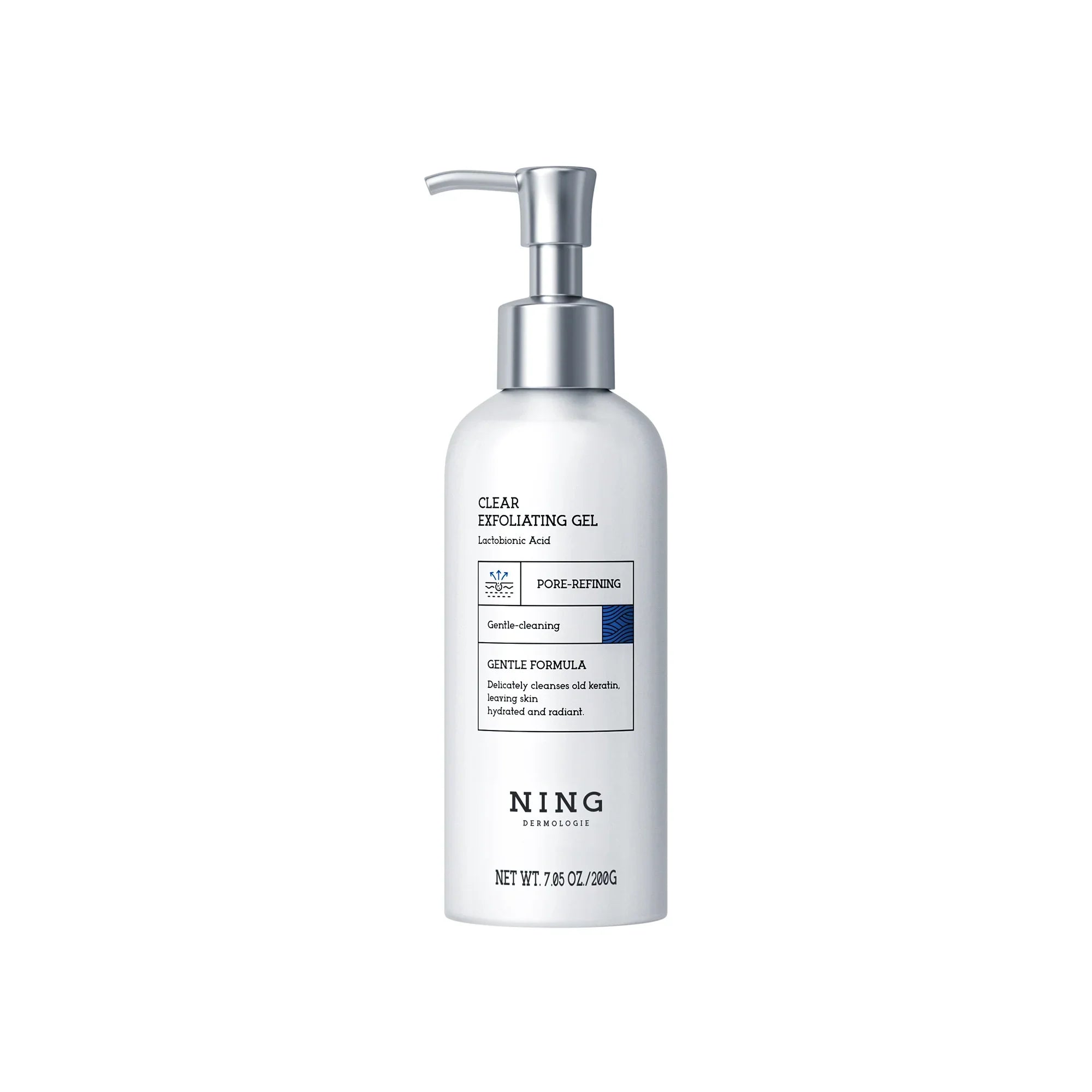
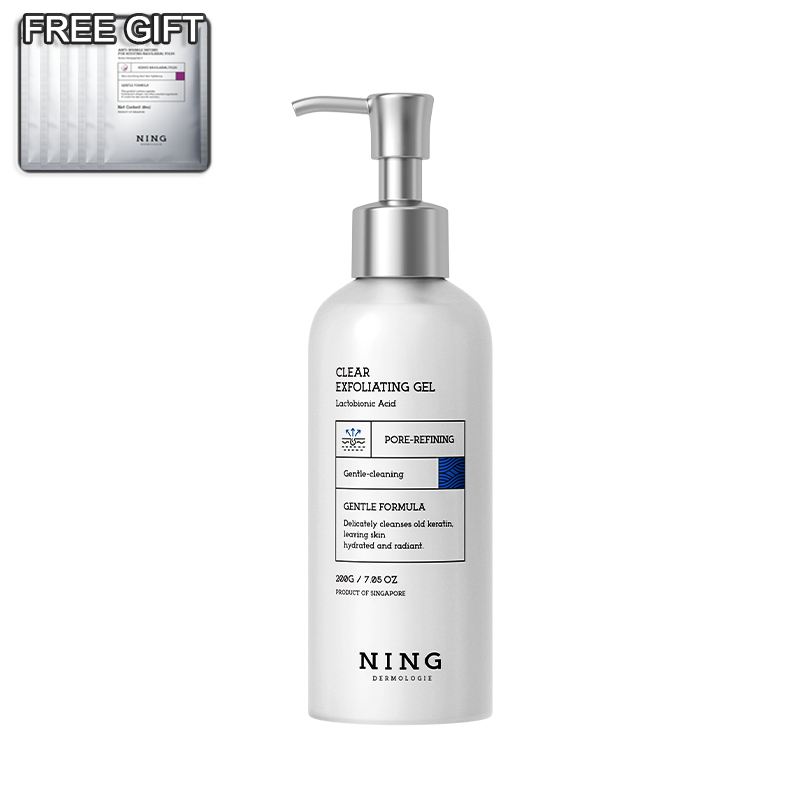
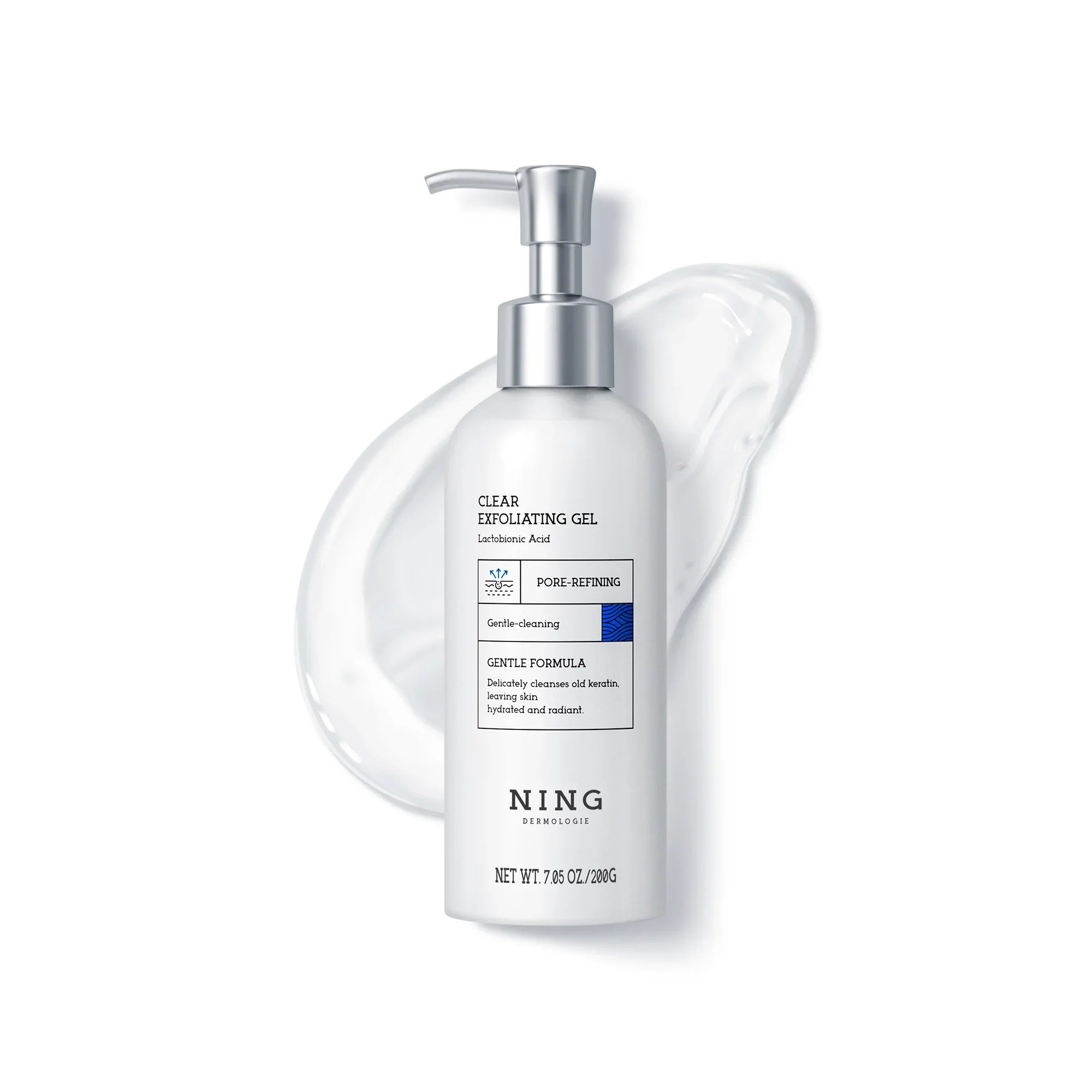
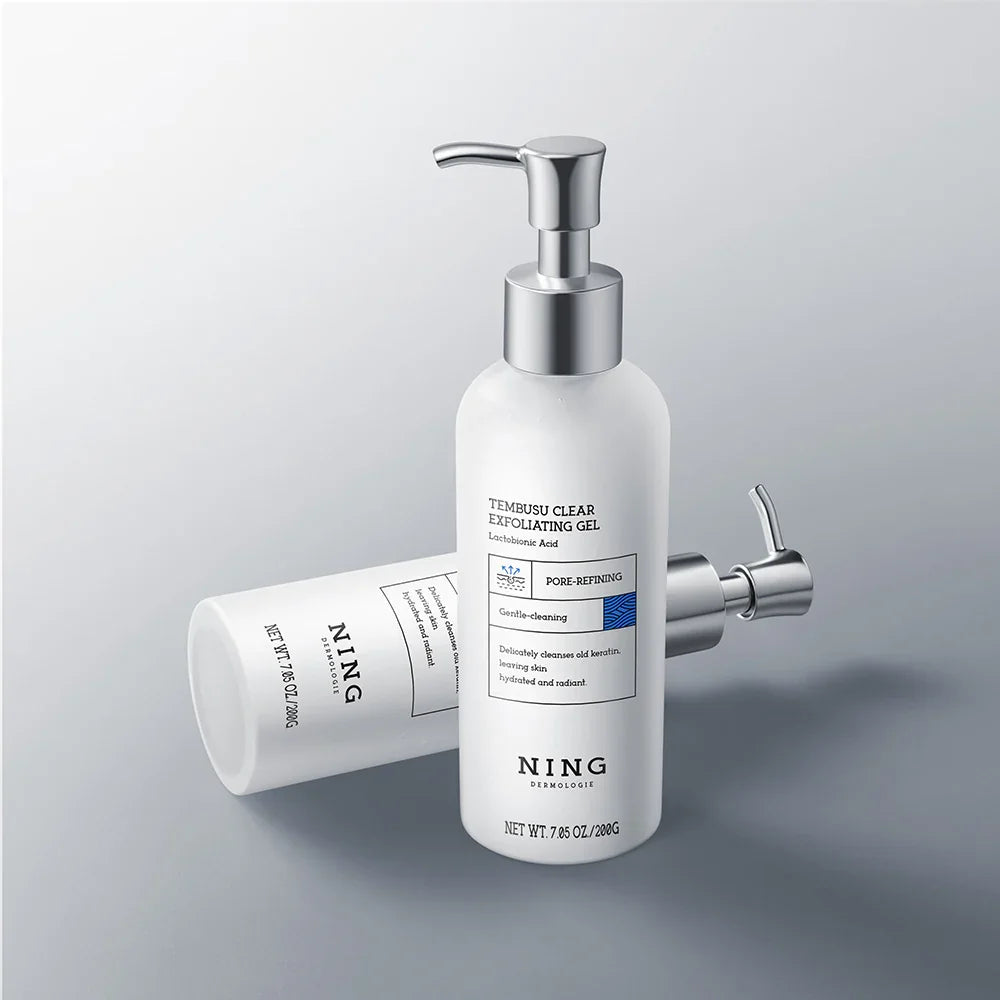
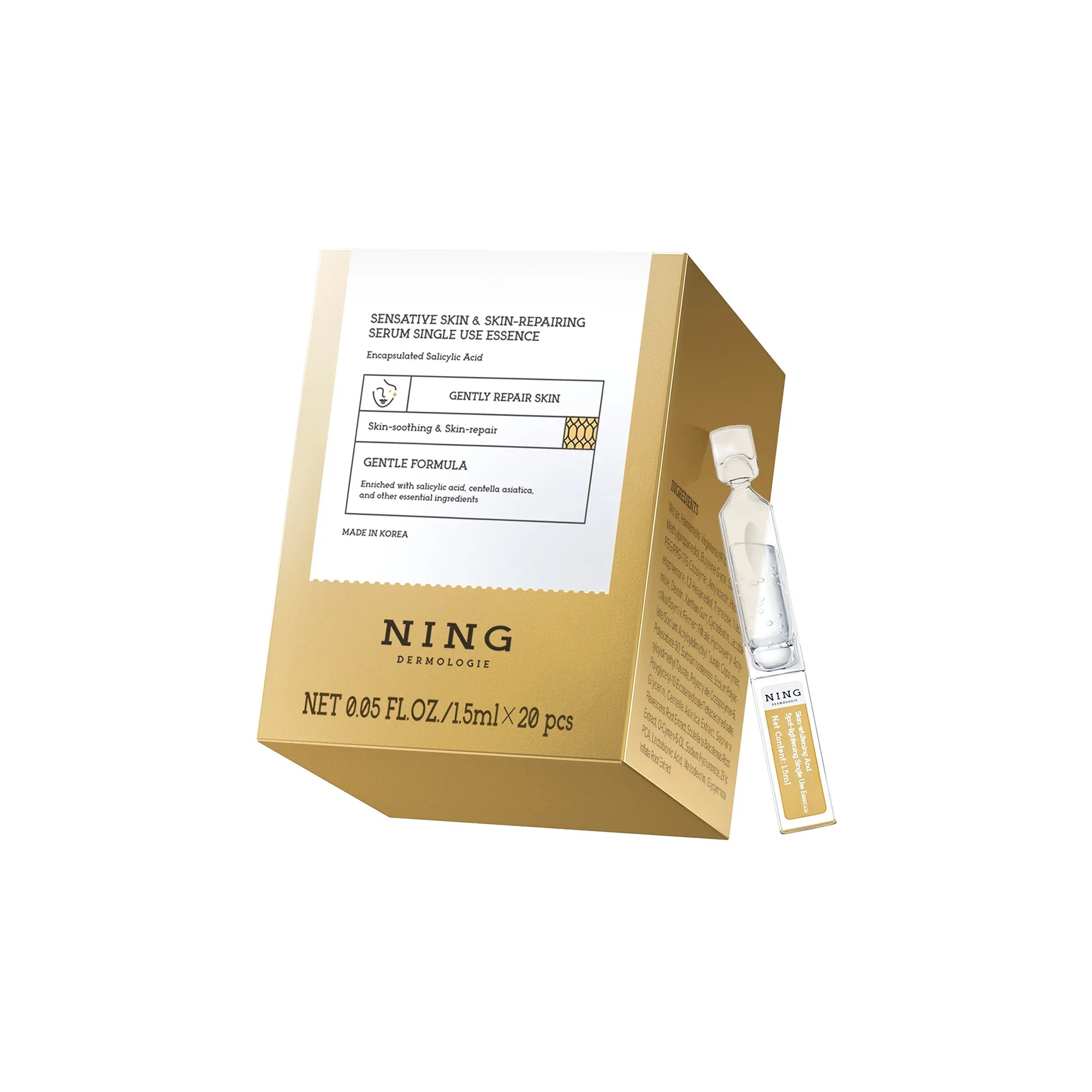
TheNING Dermologie Peeling Gel for Faceis a prime example of a modern face exfoliator. Instead of relying on harsh acids that might trigger a reaction, it utilizes a "rolling" mechanism to lift dead skin cells and impurities. It’s a sophisticated bridge between a traditional face wash and a professional treatment, ensuring that the skin barrier remains intact while the skin texture is refined.
Addressing "Body" Texture: Keratosis Pilaris and Crepey Skin
Exfoliation isn't just for the face. Many of my patients struggle with keratosis pilaris (those small, rough bumps on the back of the arms) or seborrheic keratosis. For the body, a higher concentration of AHAs is usually required.
I often recommend a glycolic acid body lotion used in tandem with an exfoliating cleanser in the shower. This dual-action approach softens the keratin plugs and hydrates the dry skin simultaneously. If you are looking to reduce plastic waste, many clinical brands are now offering refill packs for their body washes—a trend we hope to see more of in skincare.
How to Integrate Exfoliation into Your Beauty Routine
A common mistake is "over-cleansing." If you use an exfoliating face wash every morning and night, you will eventually experience stinging and redness.
- The Double Cleanse: If you wear heavy makeup or SPF, start with a Makeup Removing Cleanser Balm or a Foaming Oil Cleanser. This removes the surface debris so your exfoliating cleanser can actually reach the skin.
- The Frequency: Start twice a week. If your skin tolerates it, move to every other night.
- The Synergy: If you use LED Face Masks as part of your beauty routine, exfoliation is key. Removing the layer of dead cells allows the light therapy to penetrate more effectively.
- The Recovery: Always follow up with a hydrating moisturizer containing hyaluronic acid to lock in water.
- The Protection: Exfoliated skin is more vulnerable to UV rays. Never skip sunscreen the morning after using acids.
The Verdict: Which One Should You Buy?
If you want a "one-size-fits-all" solution that won't cause a flare-up, a professional-grade option like the NING Dermologie purifying wash is the safest bet for maintaining long-term glowing skin. However, if you have severe active acne, a targeted salicylic acid wash is a necessary medical tool.
Remember: Facial cleansers are on your skin for less than 60 seconds. You don't need the most expensive formula in the world; you need the one with the right pH balance and the correct molecular weight for your specific concerns.

Frequently Asked Questions (FAQ)
1. Can I use an exfoliating face wash if I have active acne?
Honestly, it’s the best thing for it—if you pick the right one. When you have active acne, the last thing you want is a scrub or those mechanical brushes; they just tear open pimples and spread bacteria everywhere. Stick to a face wash with salicylic acid. It’s oil-soluble, so it actually gets inside the clogged pores to dissolve the "gunk" without you having to scrub your skin raw.
2. Is it safe to use glycolic acid and salicylic acid together?
For most skin types, using both in high concentrations simultaneously is too much for the skin barrier. However, some Triple Action Exfoliating Cleanser formulas are professionally balanced with low percentages of both to target both surface dead skin cells and deep pore congestion. If you are a beginner, stick to one acid at a time to avoid turning your dry skin into irritated, peeling skin.
3. Will an exfoliating cleanser help with age spots and crepey skin?
Yes. AHAs like glycolic acid and lactic acid promote cell turnover, which helps fade the pigment in age spots over time. For crepey skin, exfoliation removes the dull, dry top layer, allowing your hydrating moisturizer and hyaluronic acid serums to penetrate deeper, giving the skin a temporarily plumper and smoother appearance. Consistency is key for these structural skin changes.
4. How do I know if I’ve over-exfoliated my sensitive skin?
Signs of a compromised skin barrier include a "tight" feeling after washing, unusual shininess (that isn't oil), redness, and stinging when you apply even basic products. If this happens, stop all active acne treatments and acids immediately. Switch to a very basic Foaming Oil Cleanser and a soothing cream with aloe vera until your skin feels soft and resilient again.
5. Do I still need to use a face exfoliator if I use LED Face Masks?
Absolutely. LED Face Masks work best when there is no "debris" blocking the light waves. By using an exfoliating cleanser (like the NING Dermologie Peeling Gel) before your light session, you ensure that the red or blue light can reach the living dermis more efficiently. Just ensure you aren't using a highly photosensitizing acid right before heading out into the UV rays.





Share:
Where to find exfoliating face wash samples or trial sizes?
What’s the best exfoliating face wash for reducing blackheads?