

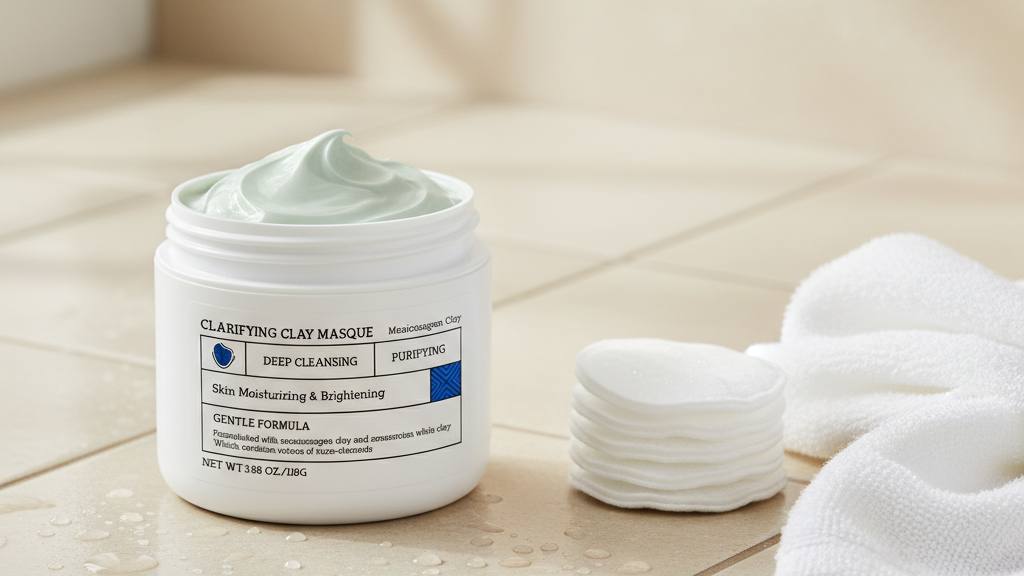

Why 2025 is the Year of the Clay Mask: Pore Health and the NING Dermologie Revolution
For a long time, the humble clay mask was the "scary" step in a skincare routine. You’d slather it on, wait for it to turn into a dry, cracking desert on your face, and then spend ten minutes scrubbing it off, only to find your skin red and parched. But fast forward to 2025, and things have changed.
If you’ve been scrolling through TikTok lately, you’ve likely seen the massive "glow-up" of the traditional face mask. We aren't just talking about mud anymore. We’re talking about high-tech cosmetic alchemy that combines the earth deep pore cleansing power of ancient clays with modern peptide and collagen science. This is the era where skin health takes center stage, and the best clay masks of 2025 are finally proving that you can purify your skin without ruining your skin barrier.
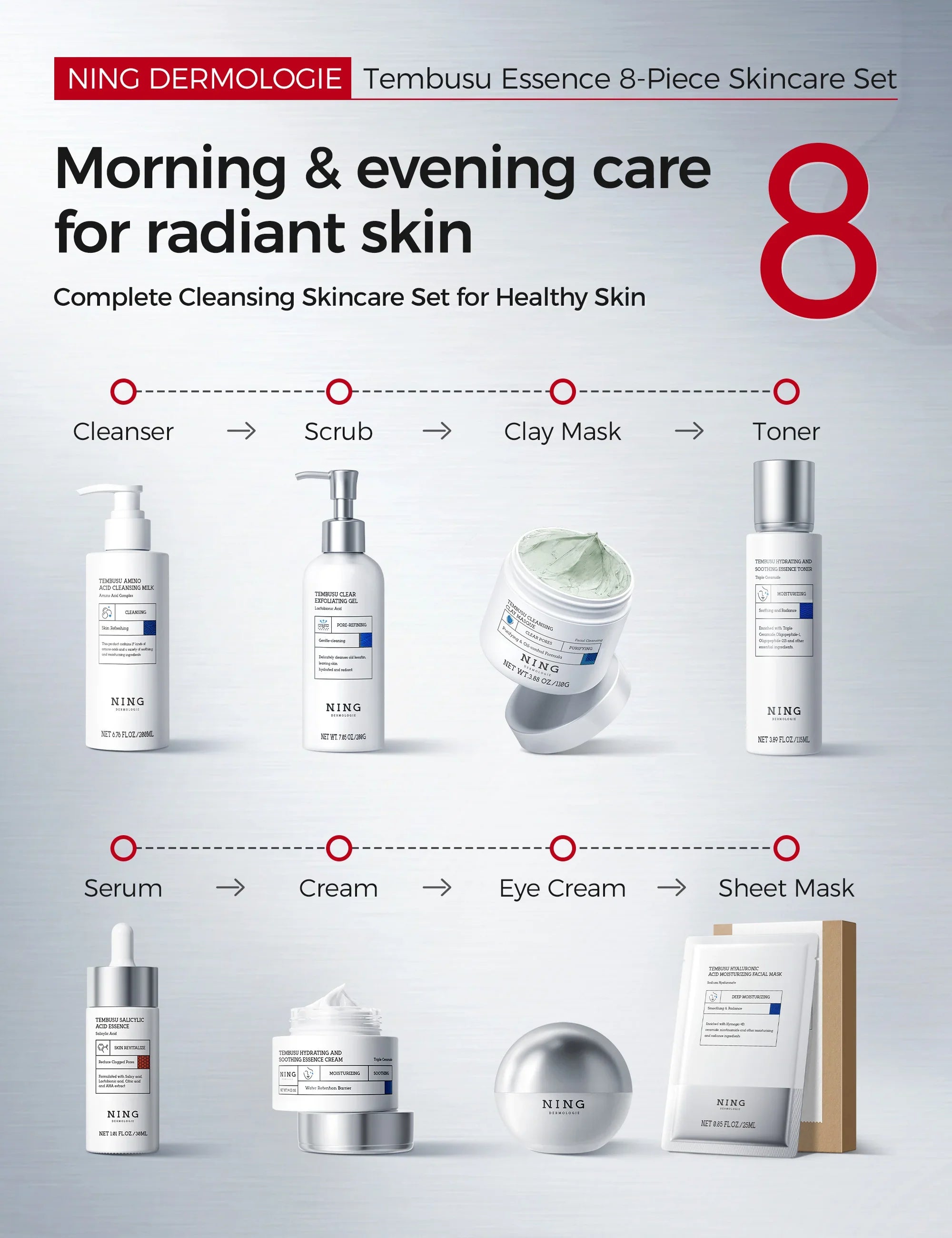
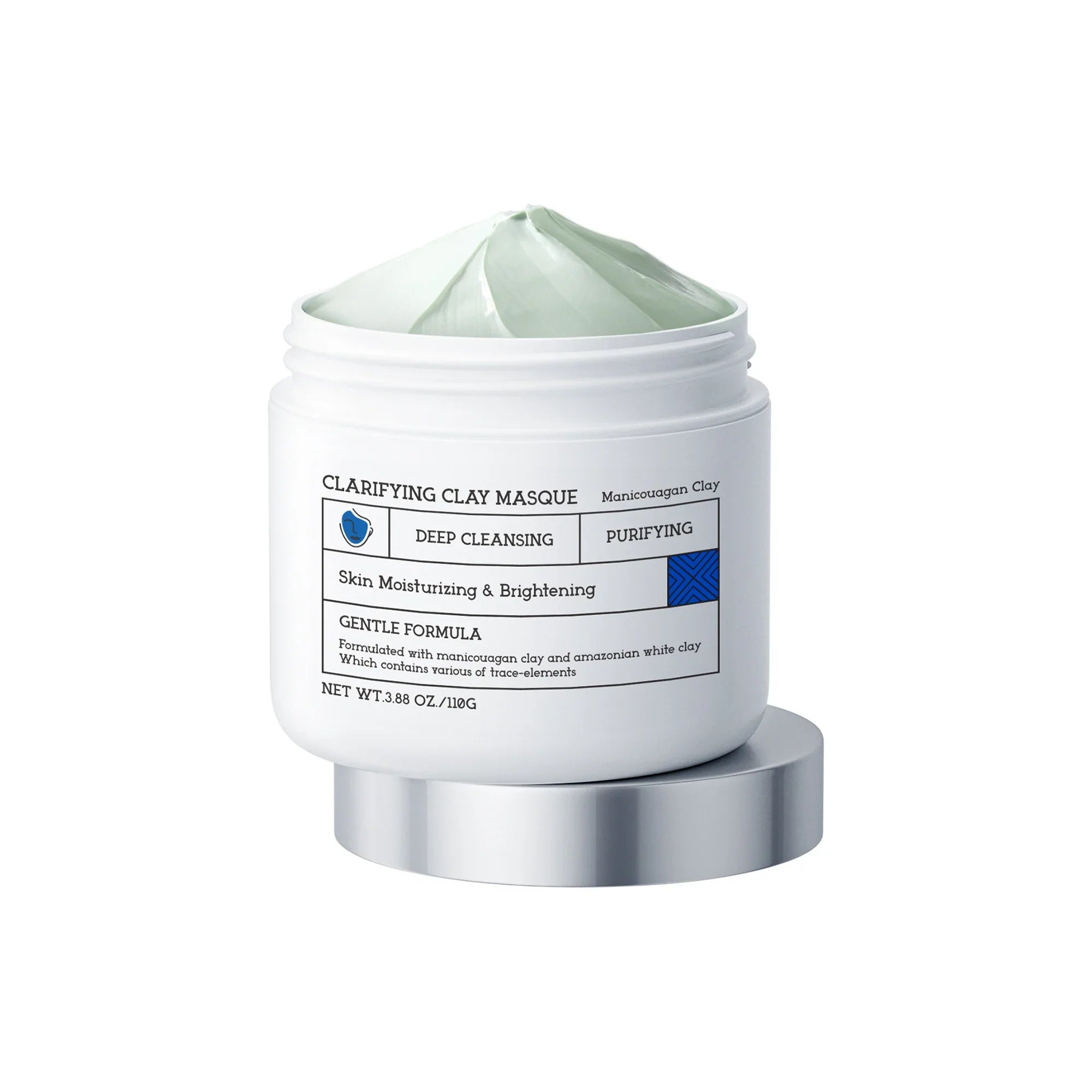
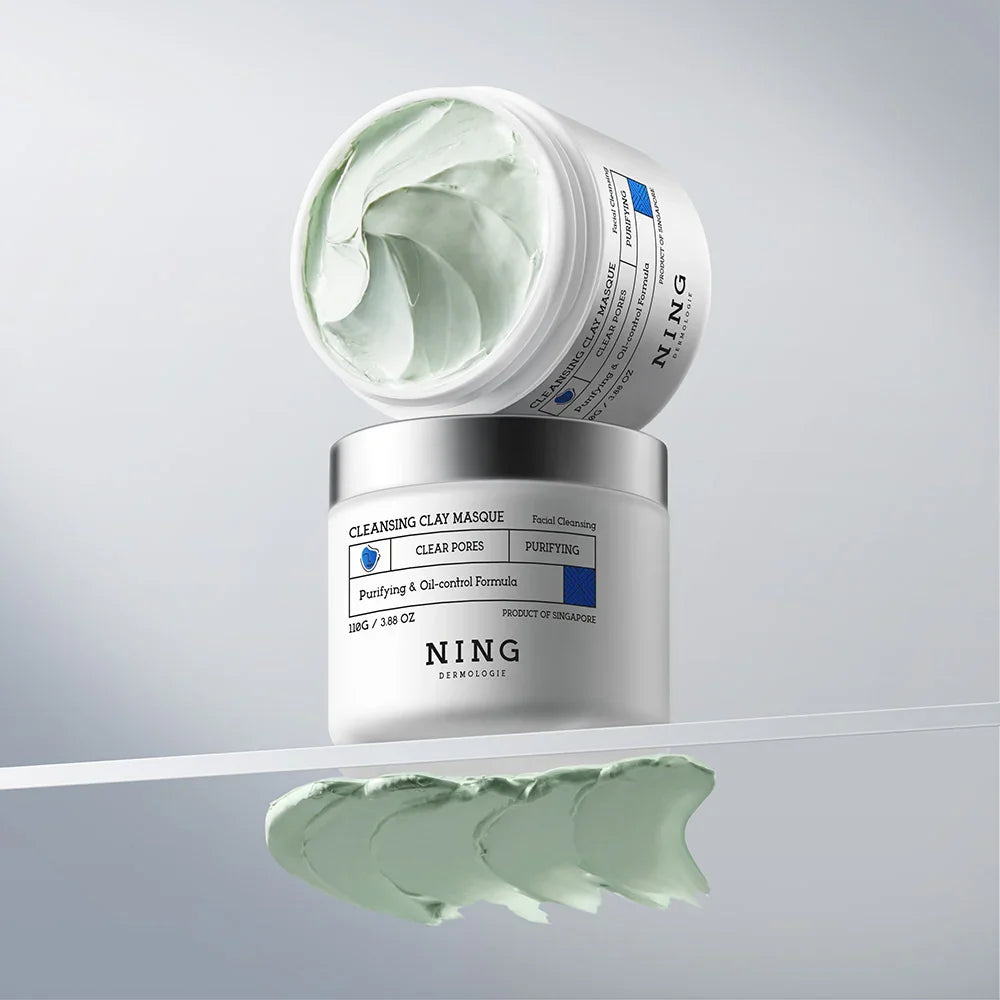
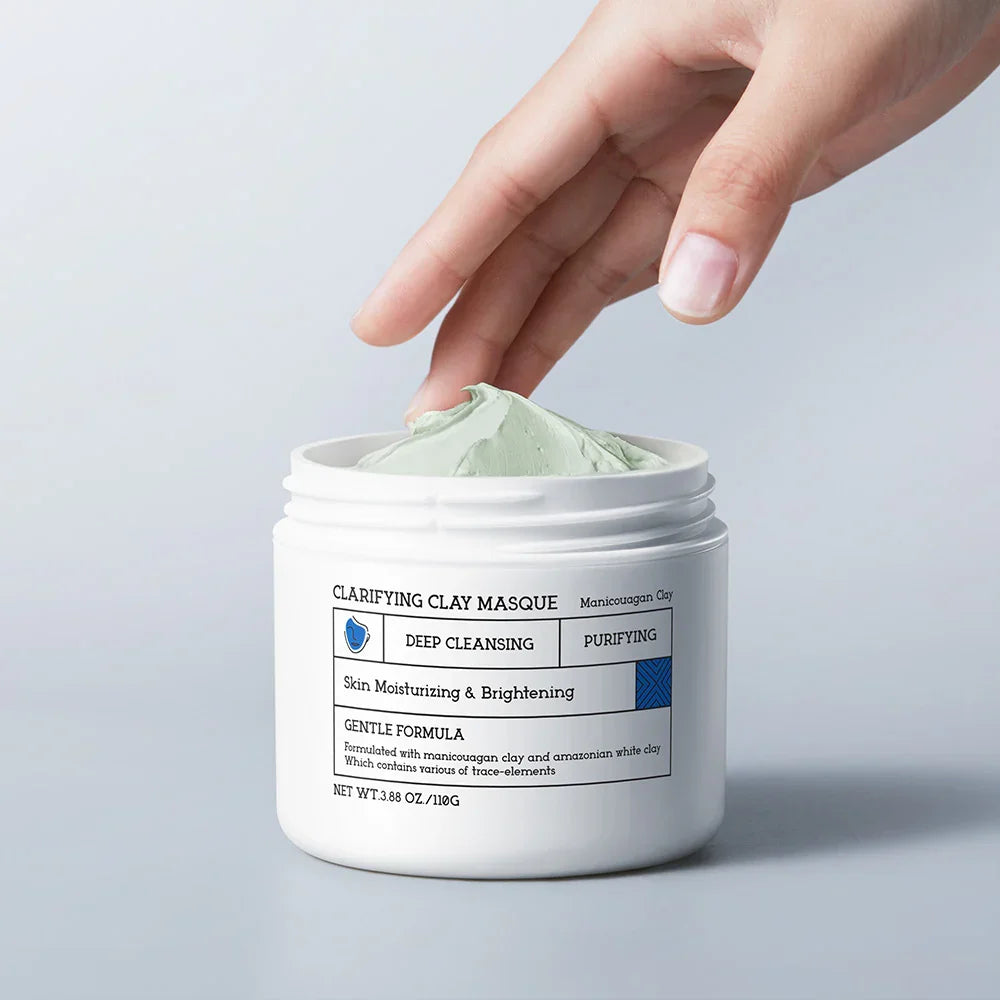
At the heart of this movement is a shift toward gentle efficacy. Brands like NING Dermologie have spearheaded the change, particularly for those of us who used to avoid clay like the plague because of sensitive skin. Their Clay Mask for Face Sensitive Skin is a prime example of how 2025 skincare has evolved. It’s no longer about stripping the skin; it’s about a balanced detox.

The 2025 Skincare Shift: Why Clay is Trending (Again)
So, why is everyone suddenly obsessed with a clay mask again? The answer lies in our environment and our digital habits. In 2025, our skin is under constant siege from urban pollutants and the blue light of our devices. We need a way to unclog those pores without a trip to an expensive spa.
The TikTok Influence and At-Home Spa Culture
Social media hasn't just popularized the face mask; it has educated us. We’ve moved past the "one size fits all" approach. Formulators in 2025 are listening to the demand for products that handle acne-prone patches while simultaneously offering hydration. We see "mask-mapping" everywhere—using a bentonite clay powerhouse on the oily skin of the T-zone and a pink clay or white clay on the cheeks.
Beyond the Surface: The Chemistry of Clay
Technically, a clay mask works because of physics. Most clays have a negative electrical charge. Many of the toxins, impurity particles, and heavy metals sitting in your clogged pores have a positive charge. Like a magnet, the clay draws out impurities. In 2025, formulation breakthroughs have allowed skincare brands to suspend these "magnets" in bases rich in aloe, peptide chains, and collagen, so the mask stays active without becoming a brittle shell.
Finding the Best Clay Masks of 2025 for Your Skin Type
One of the biggest mistakes people make is grabbing the first purifying mask they see. To improve skin, you have to match the type of clay to your specific skin type.
1. Oily Skin and Acne-Prone Struggles
If your face feels like an oil slick by noon, you need the heavy hitters. Bentonite clay and green clay are the gold standards here. They are incredibly absorbent, soaking up excess sebum and preventing the next breakout. The legendary Aztec Secret Indian Healing Clay (often paired with apple cider vinegar) is still a cult favorite, but in 2025, users are leaning toward more refined versions like the Super Volcanic Pore Clay Mask. These modern takes tighten the pore appearance without the extreme irritation of raw clay powder.
2. The Sensitive Skin Breakthrough
This is where NING Dermologie shines. Traditionally, clay masks aren’t considered friendly for sensitive skin. However, by blending kaolin and bentonite with soothing botanical extracts, the NING Dermologie Clay Mask for Face Sensitive Skin allows even the most reactive types to deep clean their pores. It uses kaolin—the gentlest white clay—to exfoliate dead skin cells while keeping the skin barrier intact.
3. Dry Skin and Mature Complexions
Yes, you can use a clay mask if you have dry skin. The trick is looking for pink clay or rhassoul clay, which are mineral-rich but less aggressive. Look for labels that mention collagen and nourishing oils. These masks for your skin type are designed to purify while ensuring the skin feels clean and soft, not stripped.
Comparing the Giants: Aztec Secret vs. Super Volcanic vs. NING Dermologie
If you’re looking to find the best clay masks, you’ll likely run into these three names. Each represents a different philosophy in 2025 beauty.
- Aztec Secret Indian Healing Clay Mask: The "Old Guard." It’s pure bentonite. It’s powerful, messy, and can be harsh. It’s for those who want a "pulsing" face and a deep detox.
- Super Volcanic Pore Clay Mask: A K-beauty staple that uses volcanic ash to unclog and exfoliate. Great for acne-prone skin, but can still be a bit much for the dry-prone among us.
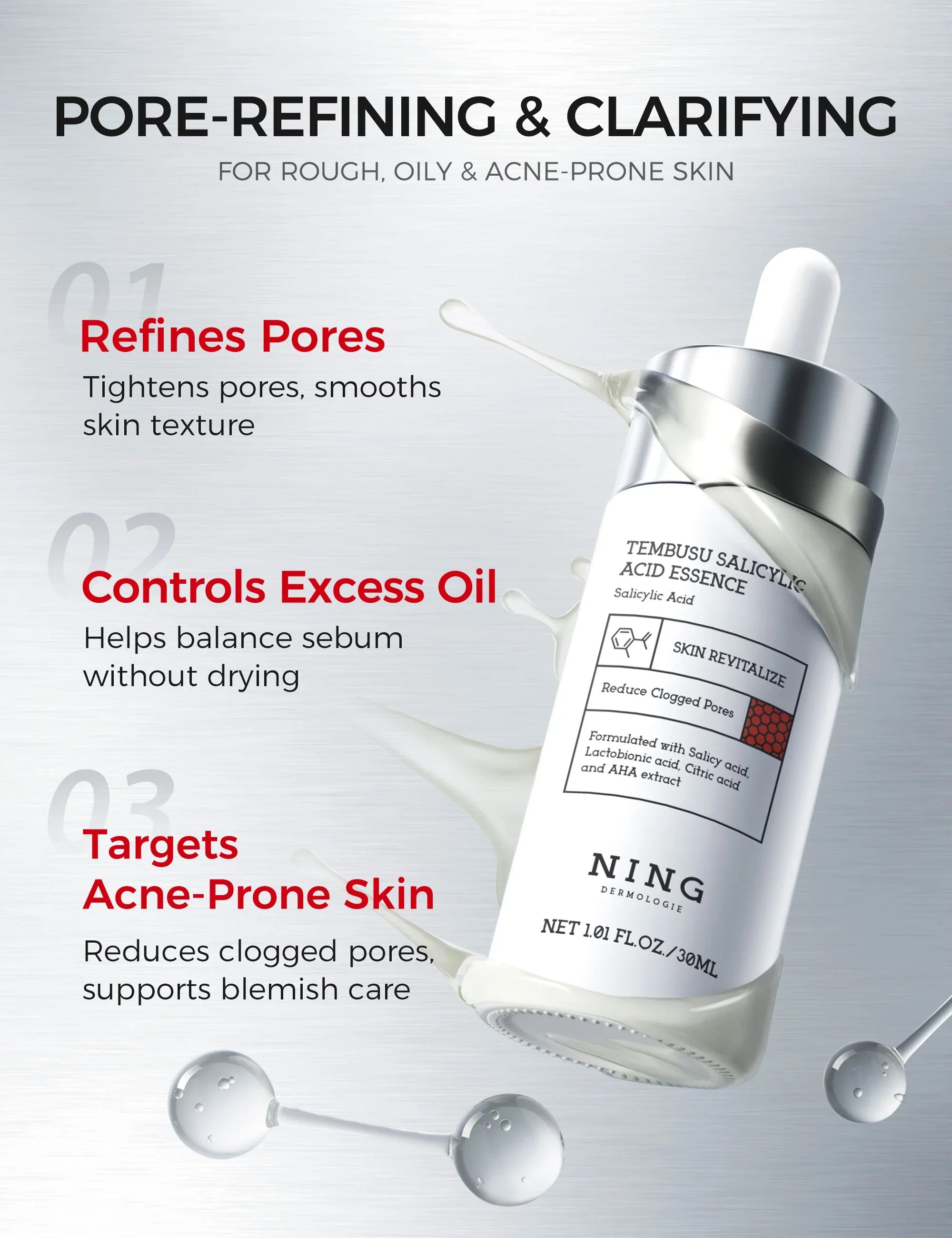
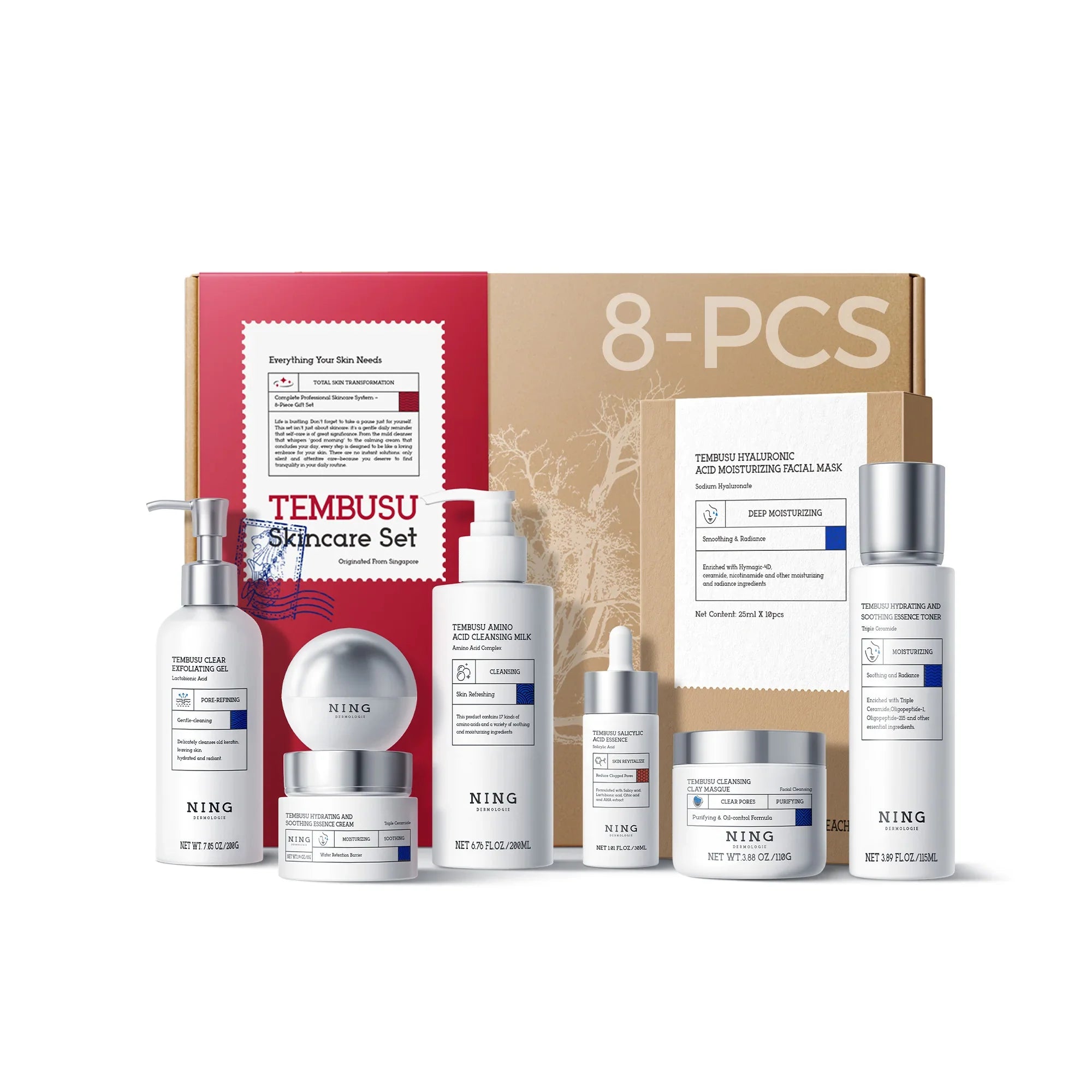
- NING Dermologie Clay Mask: The "Modern Professional." It represents the 2025 trend of "Skinimalism." It targets clogged pores and impurity buildup but prioritizes skin health and hydration. It’s the right mask for someone who wants clearer skin without the downtime of redness.
The "Secret" Ingredients of 2025 Clay Formulations
What makes a face mask "top-rated" this year? It’s what’s added to the clay.
-
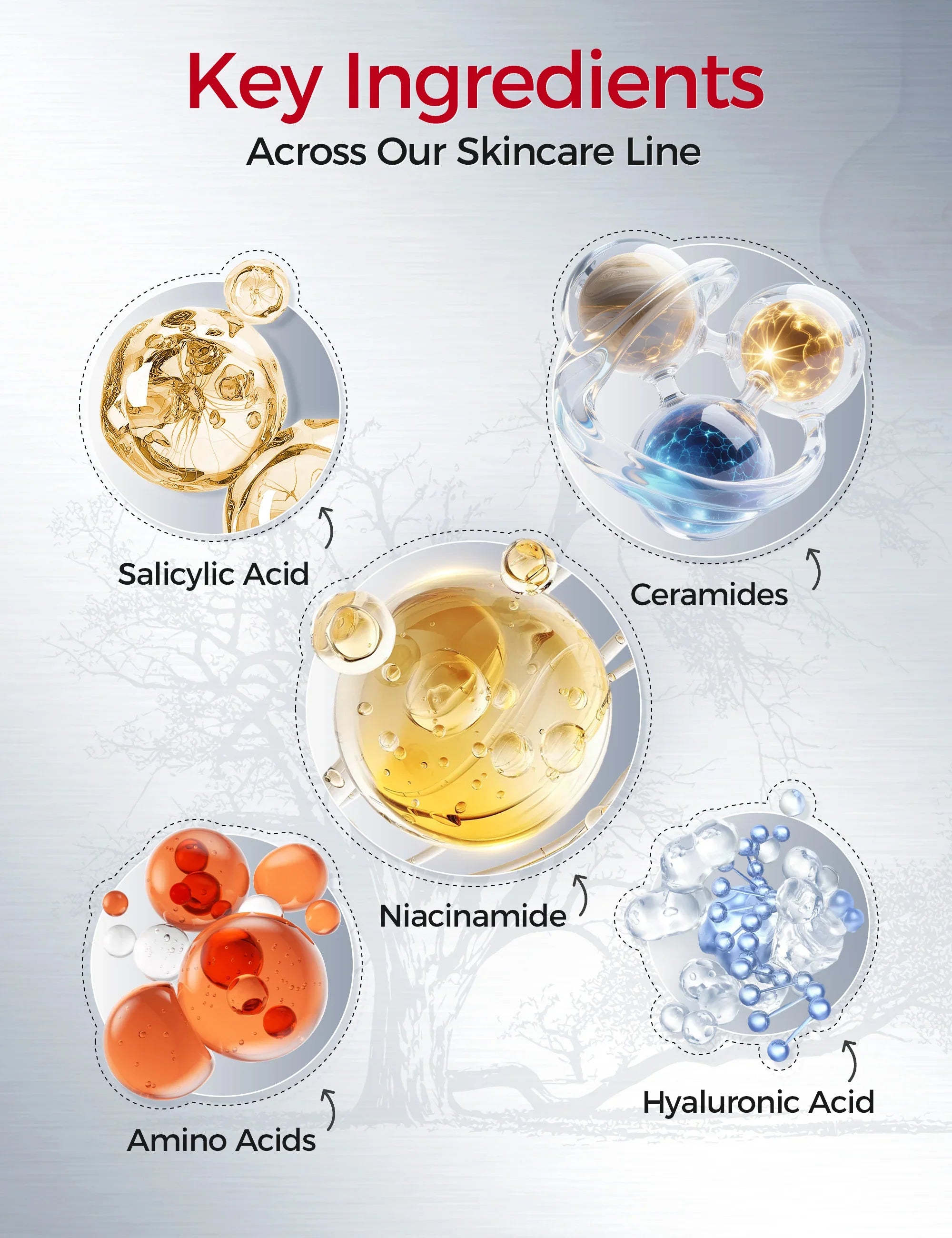
Peptides and Collagen: These aren't just for serums anymore. By adding a peptide complex to a clay pore treatment, formulators help the skin recover instantly from the deep cleanse.
-
Salicylic Acid (BHA): For those dealing with a stubborn pimple or blackhead, a clay mask with salicylic acid provides a double-whammy of chemical and physical exfoliateion.
-
Retinol: Some masks on the market now include a slow-release retinol. This helps with skin texture over time, making the clay face treatment an anti-aging tool as well.
-
Vitamin C and Niacinamide: Used to brighten skin and even out the complexion after the clay has removed the dulling layer of dead skin cells.
How to Use a Clay Mask for Maximum Results (The 2025 Way)
Stop letting your mask dry until it cracks! That’s the quickest way to cause irritation. Here is the esthetician-approved method for 2025:
Step 1: The Prep
Don't just wash your face. Use a gentle toner first. This balances the pH and prepares the pore to release impurity more easily.
Step 2: Application
Apply the clay mask onto the skin using a brush. Focus on problem areas like the nose and chin. If you have combination skin, you don't need a whole face application every time. You can use it as a spot treatment.
Step 3: The "Damp" Rule
Let the clay mask dry, but only until it changes color slightly and feels tacky. If it’s crumbling off your face, you’ve waited too long and are now stripping your hydration.
Step 4: The Rinse
Rinse with lukewarm water. Use a soft cloth to gently massage in circles. This helps the clay exfoliate those last few dead skin cells.
Step 5: Post-Mask Nourishment
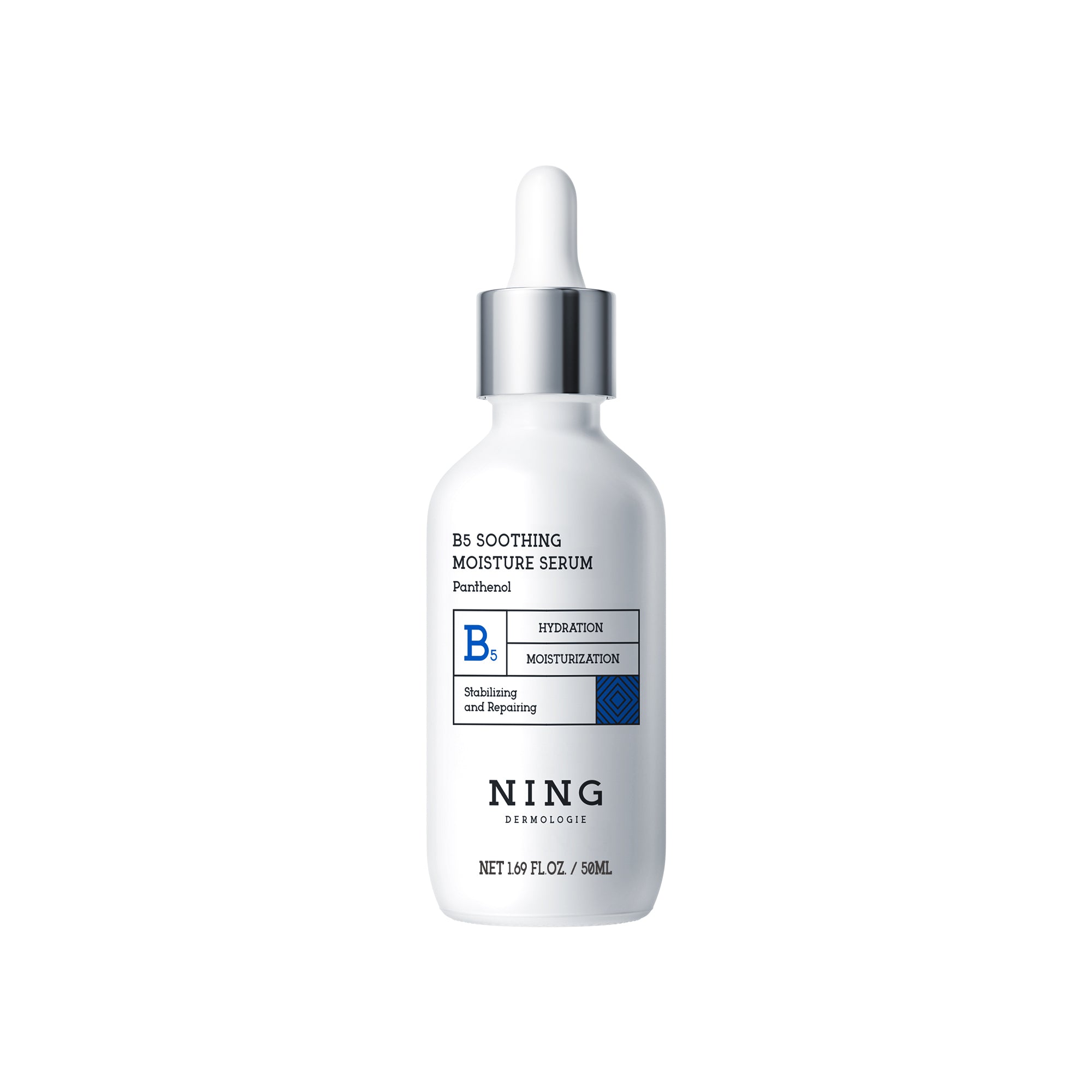
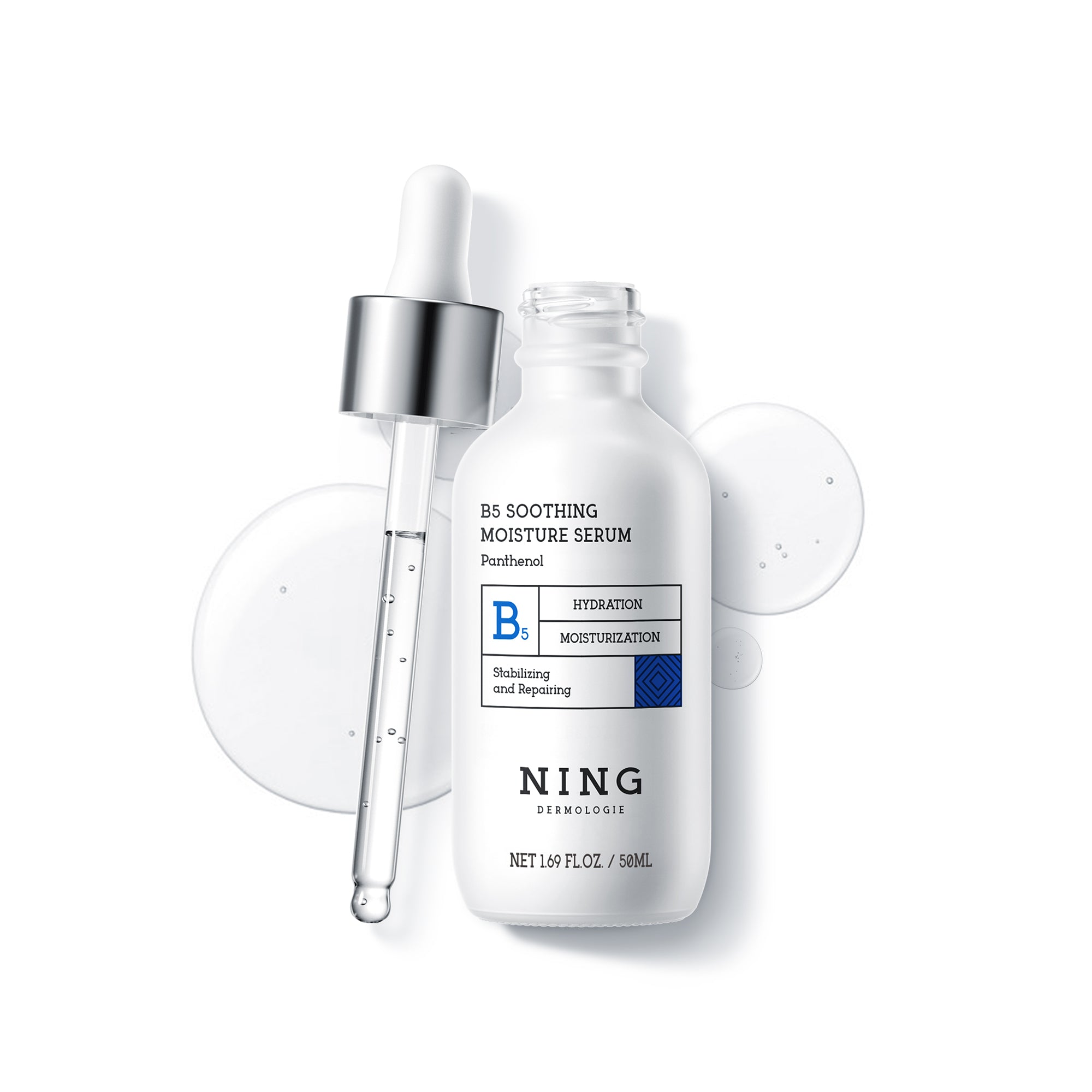
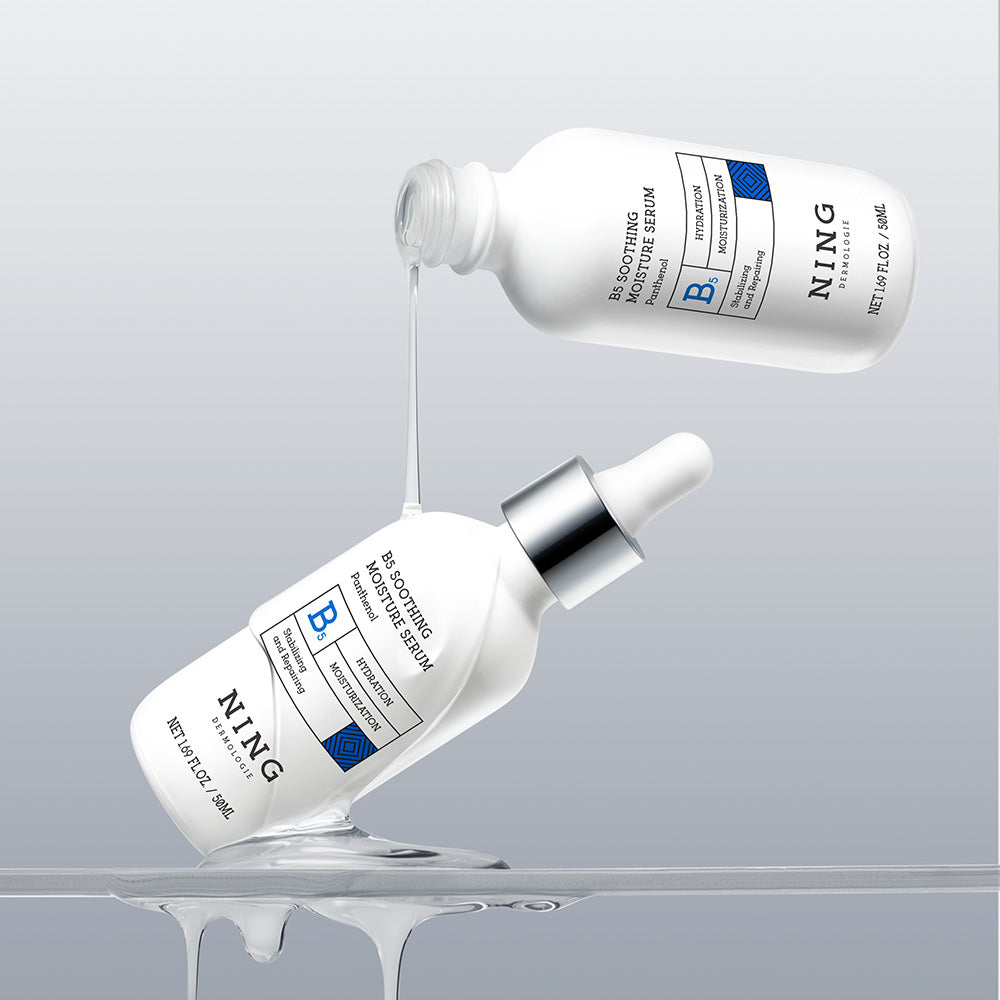
Your pores are now "open" and clean. This is the perfect time to apply your most expensive peptide serum. Your skin feeling clean is the foundation for everything else to work better.

Future Trends: What’s Next for the Clay Face?
As we look past 2025, the focus is shifting toward customization. We are seeing clay-based products that you mix yourself based on your daily skin health needs. Tired? Add a caffeine booster. Breaking out? Add more bentonite.
The conversation around heavy metals and environmental detox is also growing. While some claims are still being debated, the physical reality is that clays like kaolin and bentonite are the best tools we have for keeping our complexion clear in an increasingly crowded and polluted world.
Whether you are using the Beauty of Joseon calming masks or the NING Dermologie Clay Mask for Face Sensitive Skin, the goal remains the same: a clear skin look that lasts all day.
Frequently Asked Questions (FAQ)
1. Can I use a clay mask every day if I have very oily skin?
Honestly, even for oily skin, daily use is overkill. In 2025, we focus on skin health, and over-stripping your sebum actually triggers your skin to produce more oil. Stick to 2-3 times per week. If you have a specific pimple, use it as a spot treatment overnight instead of a whole face application. Balance is the key to preventing a breakout loop.
2. Why does my skin feel itchy while the clay mask is drying?
That "itchy" or "pulsing" sensation is usually the clay mask beginning to tighten and draw out impurity via a negative electrical charge. However, if it feels like burning, rinse it off immediately. You might be using a type of clay that is too strong, like a high-concentration bentonite clay, which can cause irritation on a sensitive skin type.
3. Is it true that clay masks can help with anti-aging?
Directly, clay doesn't "stop" wrinkles, but it creates the perfect environment for anti-aging. By removing dead skin cells and clogged pores, it allows your collagen and peptide serums to penetrate deeper. Plus, many top-rated clay masks now include antioxidants that fight the free radicals responsible for aging. So, yes, it’s a vital skincare step for a youthful complexion.
4. Should I use a clay mask before or after a shower?
The 2025 consensus among formulators is to use it after a warm shower. The steam helps to unclog and soften the sebum, making it much easier for the clay to purify the pore. Just make sure your face feels dry before applying the mask, as wet skin can dilute the formulation and make it less effective at drawing out heavy metals.
5. Why is NING Dermologie better for sensitive skin than other brands?
Most masks on the market prioritize oil absorption at the expense of the skin barrier. NING Dermologie uses a specific blend of white clay and kaolin that cleanses without the "crack." It’s designed to hydrate and nourish while it works. This means you get the benefits of clay (like clearer skin) without the redness or flaking that usually follows a purifying mask treatment.


Share:
Introducing the Latest Innovations in Clay Mask Formulations
From Clogged to Clear: Clay Masks That Work Wonders on Pores