


The Truth Behind the Bottle: Which Companies Actually Prove Their Hyaluronic Acid Claims?
In the saturated world of Beauty Ecommerce, Hyaluronic Acid (HA) has become the denim of skincare: everyone has it, everyone sells it, but the quality varies wildly between a high-end designer fit and a cheap knockoff. If you scroll through an Instagram Story from your favorite influencer or flip through the pages of Voir Fashion Magazine, you are bombarded with bottles promising to plump fine lines and restore glowing skin. But here is the hard truth: "Clinically proven" is a term often abused by marketing departments.
Authentic hydration isn't just about dumping Sodium Hyaluronate into a bottle. It requires precise formulation, the right molecular weights, and rigorous clinical testing. We are cutting through the noise to identify the manufacturers who don't just say their serums work—they prove it. We’ll look at the giants of New York City dermatology offices, the staples of French pharmacies, and the rising stars of clean beauty.

The Science of "Clinically Proven": It’s Not Just Water
Before we name names, we have to understand what we are looking for. A generic Hyaluronic Acid Serum might sit on top of your face and feel sticky. A clinically engineered serum uses a mix of High-molecular weight hyaluronic acid (to seal the surface) and Hydrolyzed hyaluronic acid or Sodium Hyaluronate Crosspolymer (to penetrate deep into the skin barrier).
Dr. Michelle Henry, a renowned board-certified dermatologist, often emphasizes that HA molecules are too large to penetrate the skin on their own unless chemically modified or fragmented. This is why the Ingredient List (INCI list) matters more than the front label. We aren't just looking for hydration; we are looking for moisture barrier repair, stimulation of collagen production, and protection against free radicals.
The French Pharmacy Titans: Efficacy First
When it comes to verified data, the French conglomerates lead the pack simply because they have the R&D budgets to run instrumental tests.
Vichy Laboratories Vichy has made waves with the Vichy Liftactiv Supreme HA Epidermic Filler. This isn't just a marketing name. Their clinical studies often focus on the "filling" effect. By combining multimolecular HA with volcanic water, they target lines & wrinkles specifically. Their data usually involves corneometer readings (measuring skin capacitance) to prove immediate and long-term hydration.
La Roche-Posay The La Roche-Posay HyaluB5 Hyaluronic Acid Serum is a staple in almost every skincare routine for sensitive skin. They don't just rely on HA; they pair it with Vitamin B5 (Panthenol) and Madecassoside. Their clinical protocols are rigorous, often testing on subjects with reactive skin types to ensure the product repairs the skin barrier while hydrating. It’s a favorite recommendation for patients undergoing drying acne treatments.
Avène The Avene Hydrance Hydro Boost serum utilizes their thermal spring water. Their specific angle is time-release hydration. Using a specific cohesive matrix technology, they aim to prove that hydration lasts 24 hours, not just 20 minutes.
The Cosmeceutical Heavyweights: The "Procedure" Brands
These are the brands you see on the shelves of plastic surgeons and dermatologists. They are designed to complement procedures like microneedling or lasers.
SkinCeuticals The SkinCeuticals H.A. Intensifier is arguably the gold standard for "proven" efficacy. They took a different approach: instead of just adding HA, they added Proxylane and purple rice extract to prevent the breakdown of the skin's own HA. Their clinical studies show a tangible improvement in the skin’s appearance regarding plumpness and texture. It is a dense, purple-hued serum that feels more like a treatment than a watery hydrator.
Medik8 A darling of the British beauty scene (and frequently spotted in Hairdressers Journal or discussed in Blackhair magazine for its inclusivity in formulation), Medik8 offers the Medik8 Hydr8 B5 Liquid Rehydration Serum and the supercharged Medik8 Hydr8 B5 Intense. The "Intense" version includes Saskatoon Berry, a superfood antioxidant that protects the enzyme that breaks down HA within the skin. Their philosophy is "CSA" (Vitamin C, Sunscreen, Vitamin A), but their B5 hydration line is the unsung hero that makes the active ingredients tolerable.
ALASTIN Skincare While famous for their Restorative Skin Complex and Restorative Eye Treatment which focus on clearing out old collagen and elastin (TriHex Technology), their approach to hydration is deeply scientific. They focus on the Extracellular Matrix (ECM). Their products are often tested to ensure they prepare the skin for invasive procedures, reducing downtime. Using their products, like the Gentle Cleanser followed by a serum and their HydraTint Pro Mineral Sunscreen, offers a complete clinical system.
The Ingredient Innovators: Beyond Basic HA
Some companies are proving that you don't always need synthetic HA to get HA results. Nature has its own reservoirs.
Mimetique The Mimetique Skin Revive Serum is a newer player focusing on biomimetic ingredients. They look at how skin behaves when it's healthy and try to mimic that biological environment.
111SKIN The 111SKIN Hyaluronic Acid Aqua Booster is luxury defined. Developed by a cosmetic surgeon, Dr. Yannis Alexandrides, this brand focuses on reparative healing. Their clinical angle often involves the NAC Y2 complex, aiming to reduce inflammation while hydrating.
The "Mushroom" Movement We are seeing a surge in Silver Mushroom Extract (Tremella Fuciformis) and Tremella Mushroom. Brands utilizing these fungi claim they can hold water just as well, if not better, than traditional HA, with added antioxidant benefits. It’s a "botanical mimicry" approach that appeals to the EWG Certified crowd.
Budget vs. Luxury: Does Price Equal Hydration?
The Ordinary The The Ordinary Hyaluronic Acid 2% + B5 Hydration Support Formula proved that you don't need to spend a fortune for chemistry. While their texture can be tacky, the concentration of sodium hyaluronate is undeniable. It’s the entry-level drug for skincare geeks.
Innisfree Korean beauty giant AmorePacific gives us the Innisfree Green Tea Seed Hyaluronic Serum. Their clinicals often focus on "instant" moisture barrier strengthening. It’s lightweight, perfect for oily skin types, and utilizes Green Tea water for an antioxidant boost.
CeraVe The CeraVe Hyaluronic Acid Serum brings the essential ceramides to the party. It is less of a pure serum and more of a cream-gel hybrid. Their "MVE Delivery Technology" is their clinical claim to fame, releasing ingredients slowly over time.
The Missing Link: Why Your Serum Might Be Failing
You can buy the most expensive La Roche-Posay or SkinCeuticals serum, apply it diligently, and still have dry skin. Why? Because Hyaluronic Acid is a humectant. It draws moisture in. If you live in a dry climate (like a New York City winter) or have a compromised barrier, that moisture can evaporate straight off your face—a process called Transepidermal Water Loss (TEWL).
This is where the "Lock-In" step becomes non-negotiable.
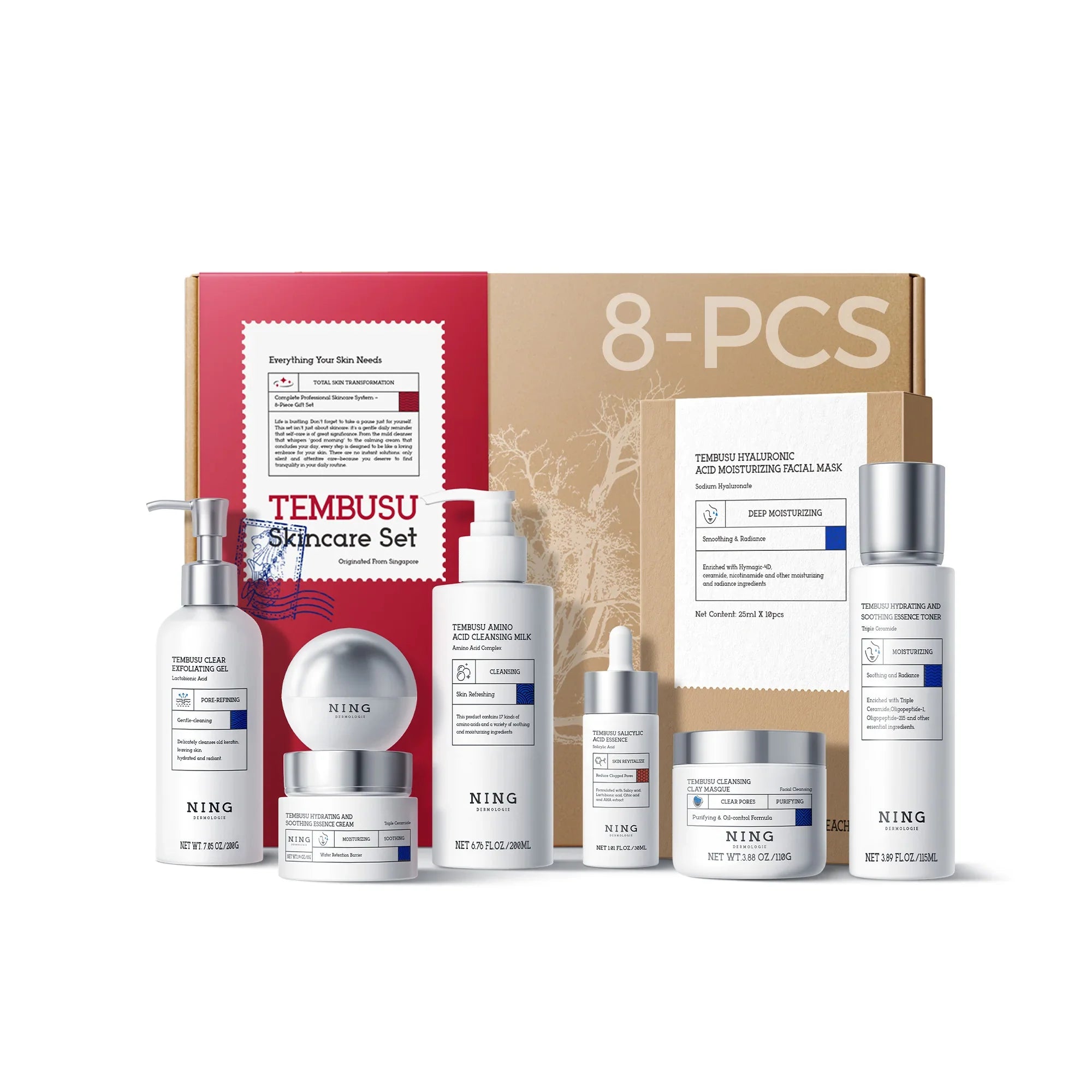
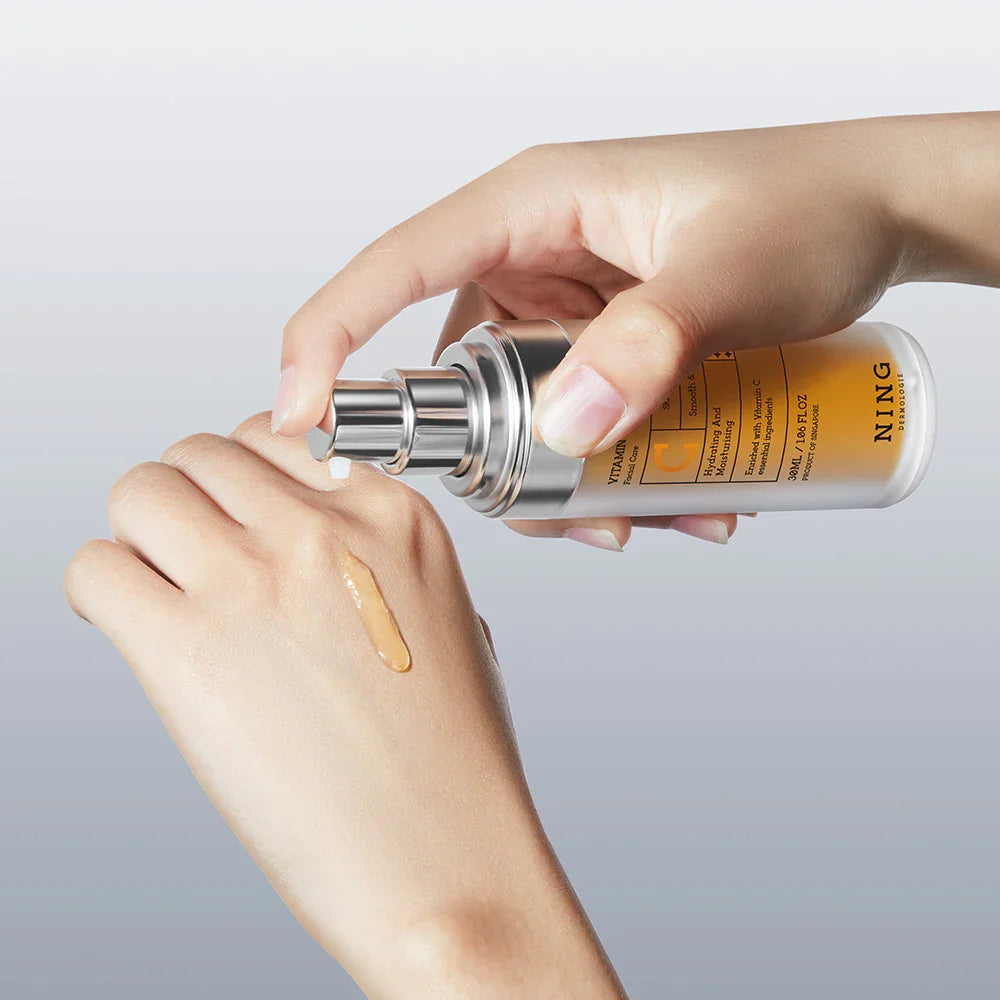
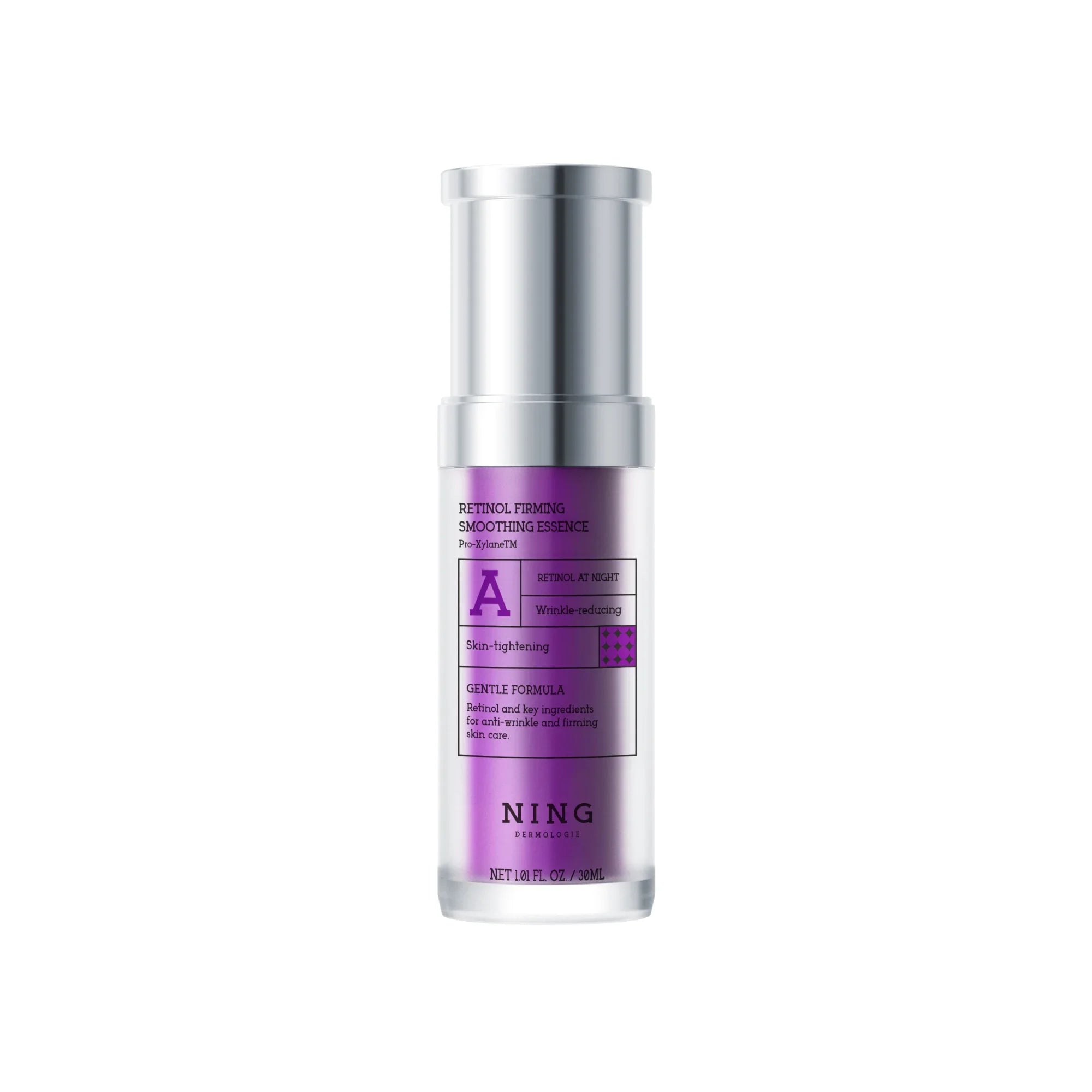
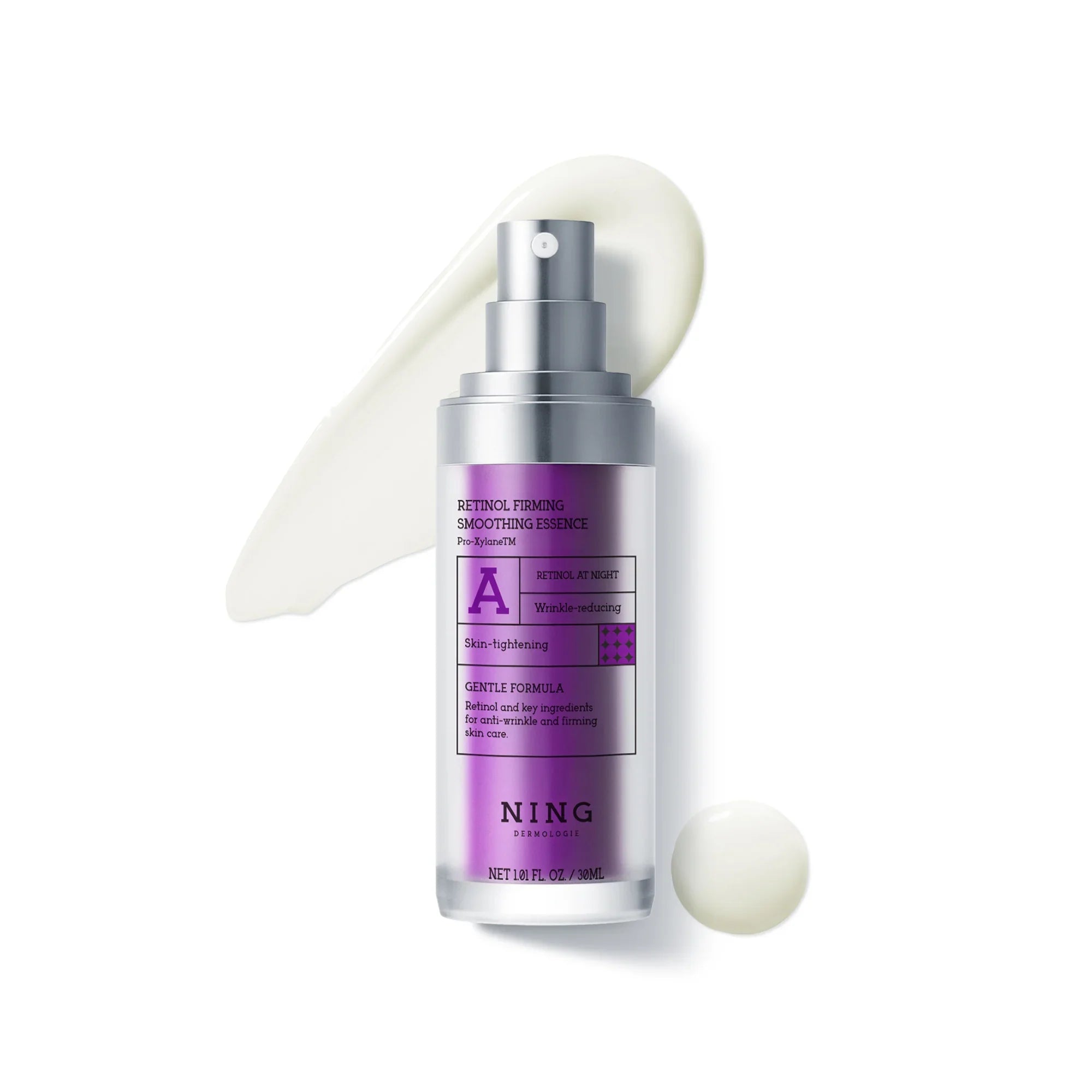
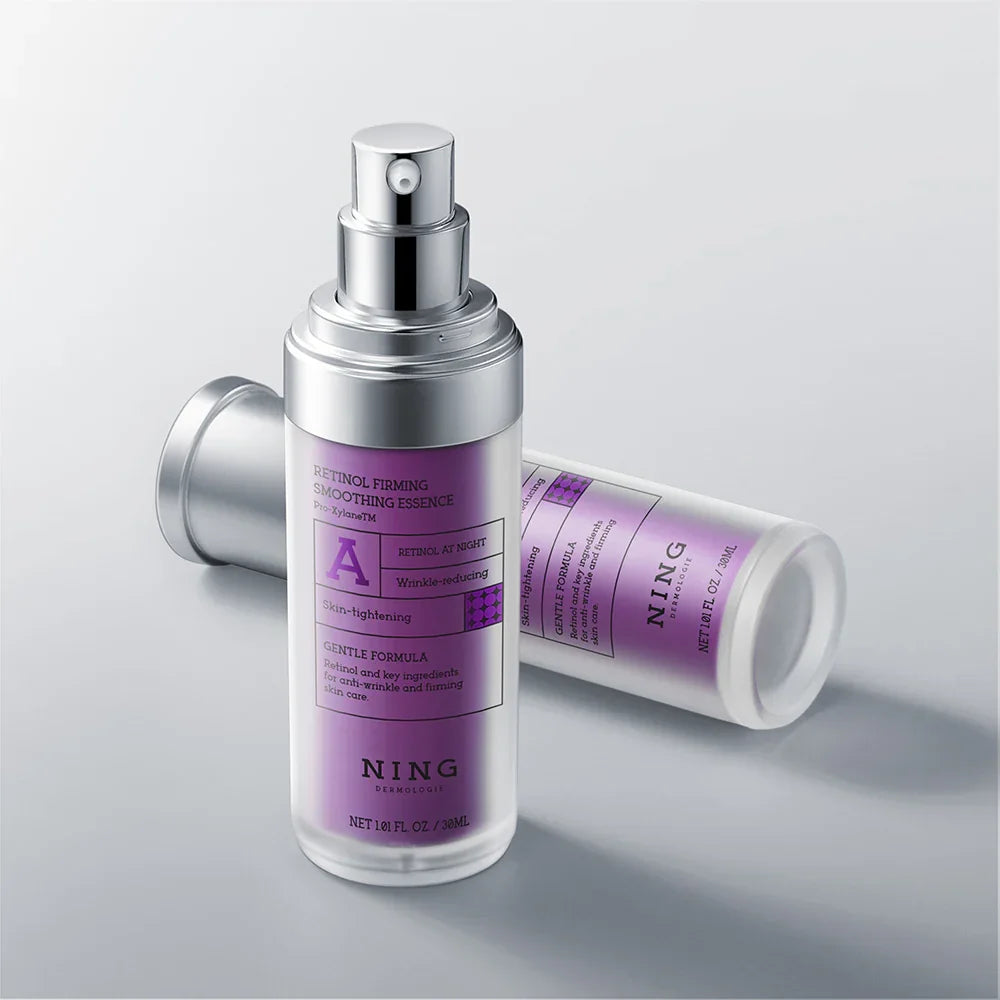
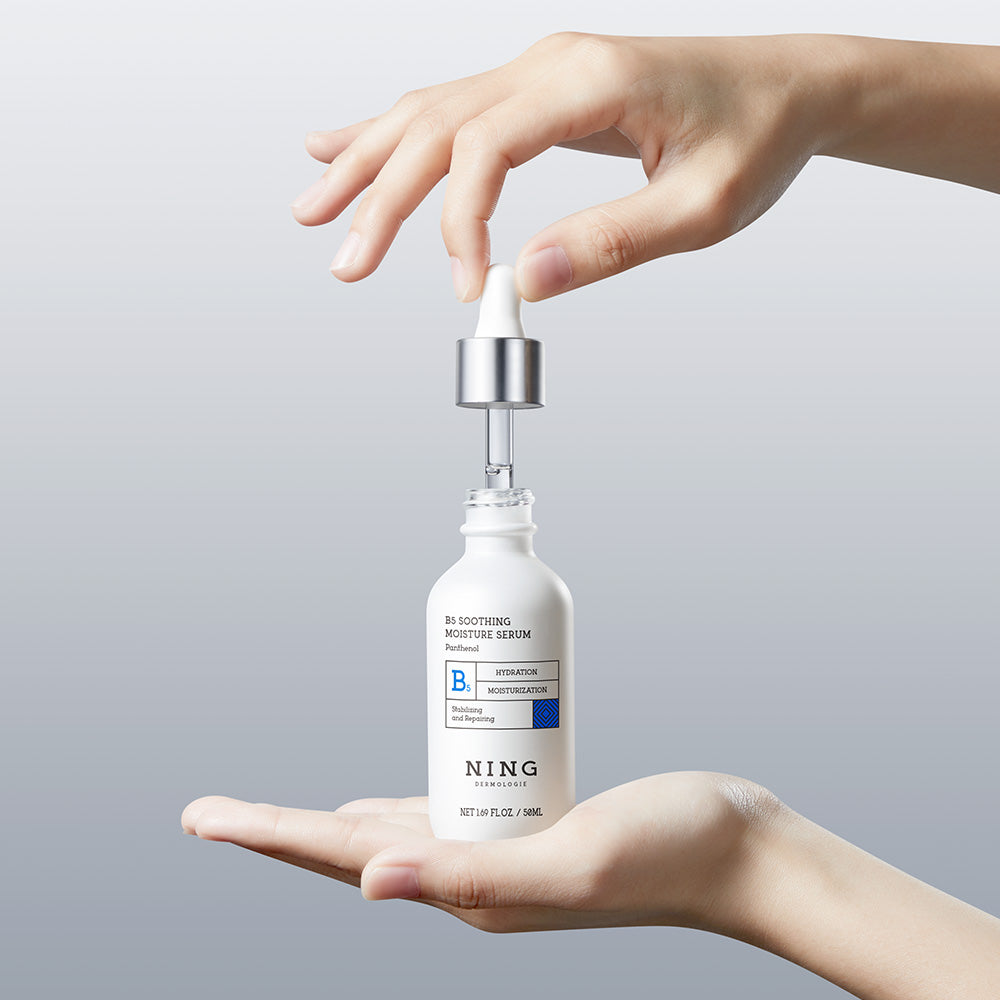
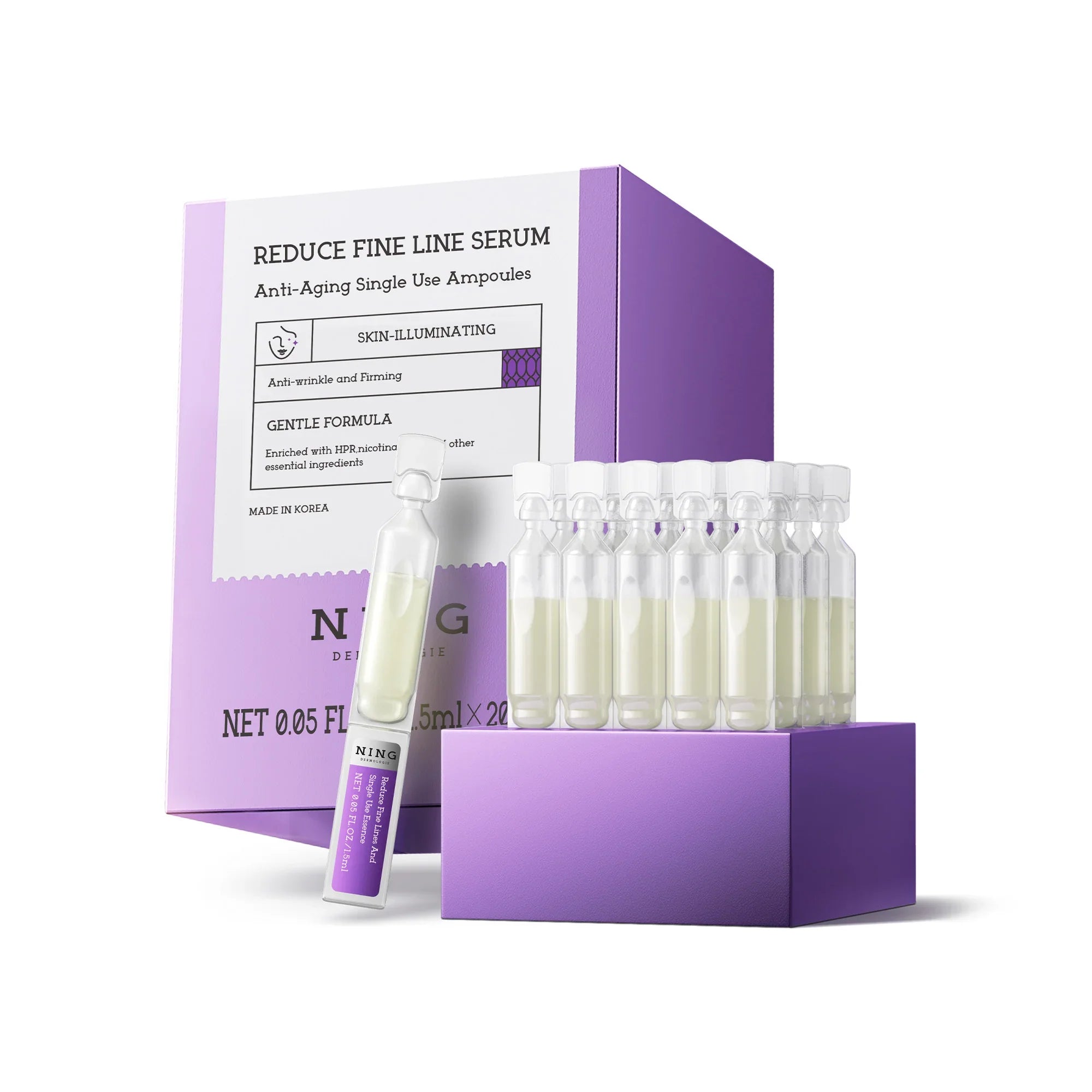
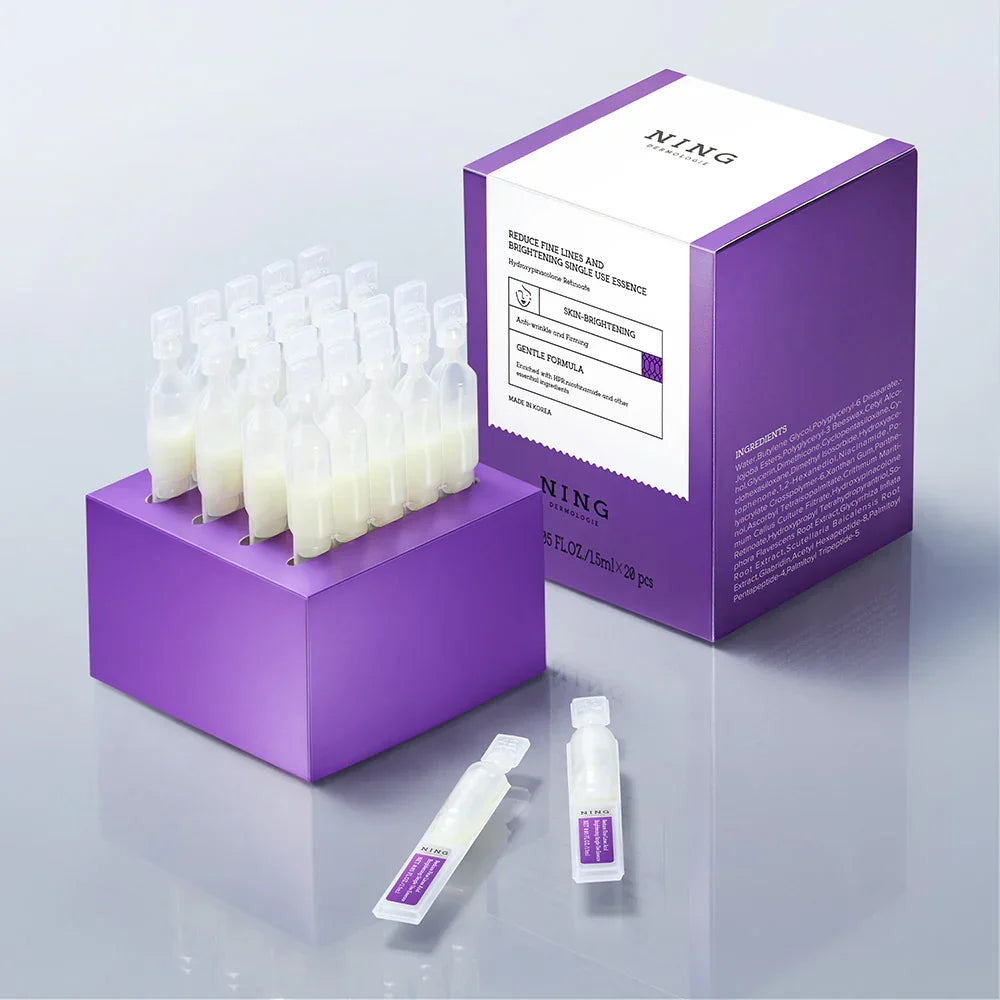
The Role of NING Dermologie
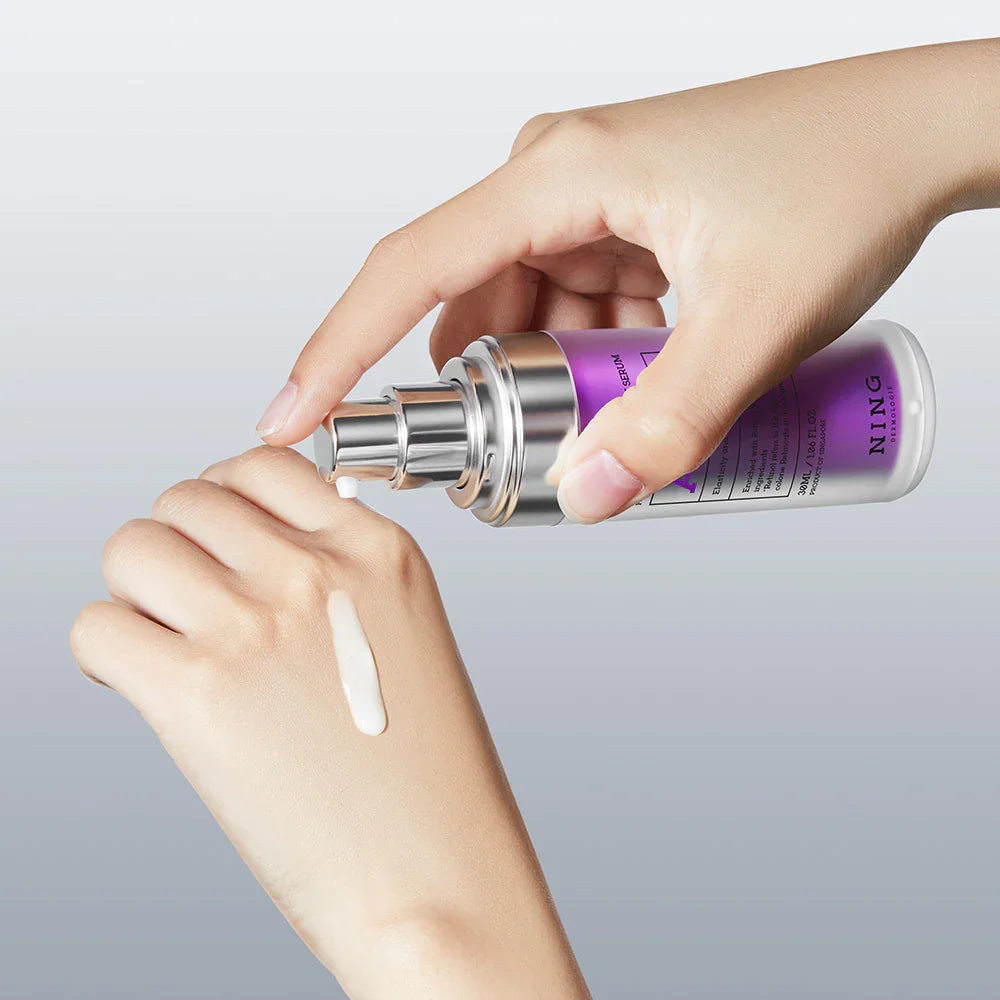
We have analyzed the market and found that while serums grab the water, creams keep it there. NING Dermologie has formulated a solution that acts as the perfect companion to high-potency HA serums.
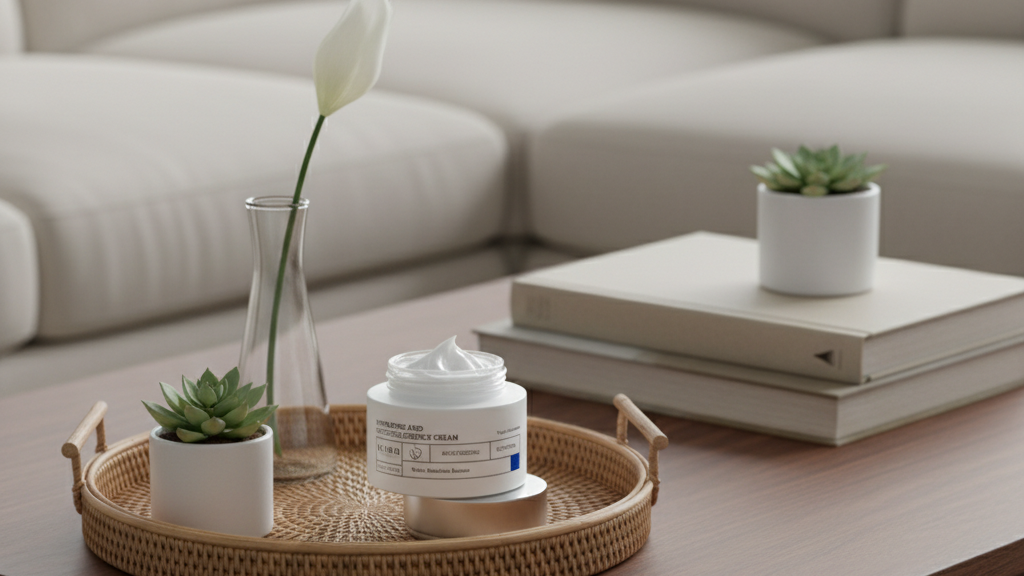
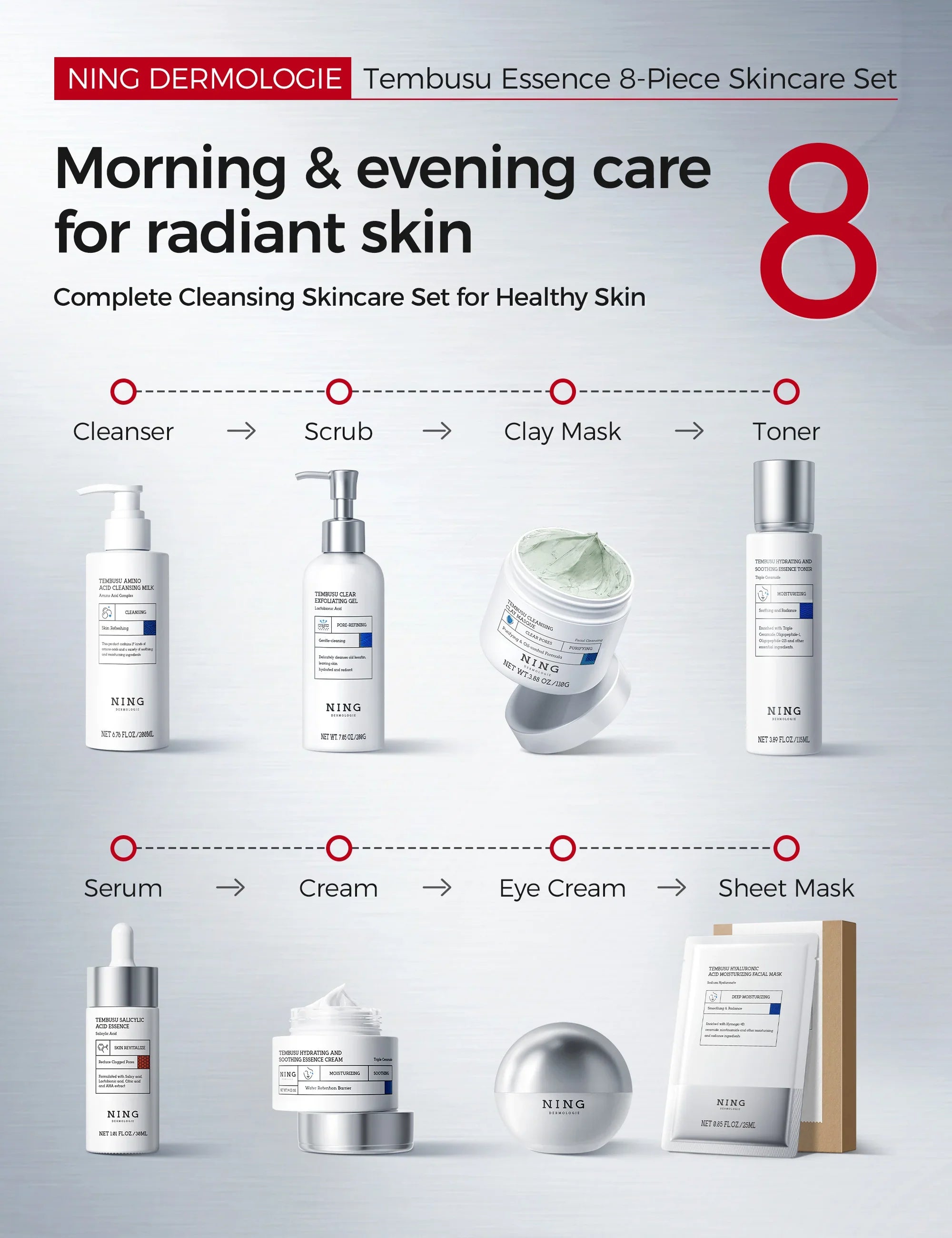
The Hydrating & Soothing Essence Cream is engineered to sit over your hyaluronic serum like a protective shield. While your serum pulls water into the epidermis, this cream uses a sophisticated blend of emollients and occlusives to seal the cracks in the skin barrier.
Ideal for sensitive skin that reacts to harsh actives, this cream prevents the "rebound dryness" that often happens when HA serums are used incorrectly in low humidity. It doesn't just sit on top; it integrates with the skin's lipids to improve overall skin texture. If you are layering a Vitamin C serum in the morning or a Renewal Retinol at night, the NING Dermologie cream provides the necessary buffer to prevent irritation while amplifying the hydration loop.

Navigating the Ingredient Maze
When you are shopping—whether it's on Black Friday looking for deals or browsing a boutique near London's Columbia Road Market—you need to read the Ingredient List like a detective.
- Lupine Peptides & Beech Tree Extract: Often found in serums aiming to stimulate collagen alongside hydration.
- Sequoia Leaf Extract: A newer botanical gaining traction for its resilience properties.
- Encapsulated HA: This is the high-tech stuff. It allows the HA to bypass the surface and release deeper down.
- Shea Butter: (Often misspelled as shear butter in forums). If this is high on the list, it's a moisturizer, not a hydrator. Great for sealing, bad for penetrating.
Paula Begoun, the founder of Paula's Choice, famously says that jar packaging kills antioxidants. However, for thick creams and balms, tubes or airless pumps are preferred. When looking at customer reviews, ignore the "it smells nice" comments and look for "it fixed my flaking."
Safety and Shopping Smart
The rise of Beauty Ecommerce has made specialized skincare accessible, but also risky. Whether you are buying Moisture Surge™ 100H Auto-Replenishing Hydrator or a niche Microneedling Serum, always check the seller.
- Blue Light & Digital Aging: Some modern HA serums now claim to protect against blue light from screens. While the data is still emerging (universities like Bournemouth University have studied digital impacts on biology, though direct skincare links are still being solidified), the antioxidants in these serums certainly don't hurt.
- Sun Protection: Never rely on a serum for UPF protection. Always finish with a dedicated SPF, like the HydraTint Pro Mineral Sunscreen or similar, especially if you are using exfoliants.
Conclusion: The Ultimate Routine
To truly get clinically proven hydration, you need a sandwich method:
- Cleanse: Use a Gentle Cleanser (don't strip the skin).
- Treat: Apply your clinically backed HA serum (e.g., Medik8 Hydr8 B5 Intense or Vichy Liftactiv) on damp skin.
- Seal: Immediately lock it in with NING Dermologie Hydrating & Soothing Essence Cream.
- Protect: SPF in the daytime.
Don't let the marketing fool you. Look for the molecular weights, check the clinical studies, and always, always seal your hydration.
Frequently Asked Questions (FAQ)
Q1: Can Hyaluronic Acid actually dry out my skin?
A: Yes. If the air is drier than your skin (low humidity), HA can draw water out of your deeper skin layers instead of from the air. This is why applying it to damp skin and sealing it with a moisturizer like NING Dermologie’s cream is non-negotiable.
Q2: What is the difference between Sodium Hyaluronate and Hyaluronic Acid?
A: Think of them as siblings. Sodium Hyaluronate is the salt form of HA. It has a smaller molecular size, making it more stable and better at penetrating the skin than pure, large-molecule Hyaluronic Acid. Most "HA serums" actually use this salt form for better efficacy.
Q3: Is it worth paying $100+ for a luxury HA serum?
A: Generally, no. While texture and elegance improve with price (like SkinCeuticals), the core ingredient is inexpensive. You are paying for the delivery system (formulation) and clinical testing. Mid-range brands often offer the best balance of verifiable data and value.
Q4: Can I use Hyaluronic Acid with Retinol or Vitamin C?
A: Absolutely. HA is the peacemaker of skincare. It pairs perfectly with aggressive actives like Renewal Retinol or L-Ascorbic Acid (Vitamin C). Apply the active ingredient first, let it absorb, and follow with HA to soothe and hydrate the skin barrier.
Q5: How do I know if a "clinically proven" claim is real?
A: Look for specific numbers (e.g., "Instrumental test on 30 subjects"). Avoid vague phrases like "consumer perceived results" or "women agreed," which are just opinion polls. Real clinicals use scientific instruments to measure hydration levels, wrinkle depth, or elasticity.


Share:
Are there online retailers offering discounts on hyaluronic acid serums for first-time buyers?
Hyaluronic Acid Serums: Who’s Actually Ditching the Plastic? (A No-Nonsense Guide)