


Beyond Acne: Why Salicylic Acid is Actually the MVP of Your Grown-Up Skincare Routine
If you still think salicylic acid is just a rescue remedy for zit-prone teenagers, you’re missing out on about 70% of what this molecule can actually do for your face. Yes, it’s the gold standard for treating acne, but once you hit your 20s, 30s, or 40s, its role shifts. It becomes less about "emergency damage control" and more about "architectural maintenance."
At NING Dermologie, we’ve spent years looking at how this beta hydroxy acid interacts with different skin concerns. The truth is, salicylic acid helps with everything from those annoying "chicken skin" bumps on your arms to the dull, muddy complexion that makes you look tired even after eight hours of sleep.
Let's break down the science, the myths, and the benefits of salicylic acid that go way beyond acne.

Everything You Need to Know About Salicylic Acid (Because it’s Not Just for Zits)
To understand why this acid is so effective, you have to understand the "glue" that holds your skin together. Your skin is constantly producing dead skin cells. In a perfect world, these cells would just fall off. But in reality—thanks to stress, pollution, and aging—they stick around. They mix with sebum and dead skin cells to create a kind of biological cement that suffocates your pores.
How Salicylic Acid Works Differently
Most acids, like glycolic acid or lactic acid, are water-soluble. They stay on the surface. But salicylic acid is a beta-hydroxy acid (BHA), meaning it’s oil-soluble. This chemical property allows it to bypass the surface oil and dive straight into the pore.
Once inside, salicylic acid works by disrupting the bonds between dead skin cells. It dissolves the "glue," allowing the skin debris that clogs pores to flow out naturally. This is why regular use of salicylic acid doesn't just prevent acne; it fundamentally changes your skin texture by keeping the "pipes" clean.
The Great Debate: Salicylic Acid vs. Glycolic Acid
I get asked this constantly: "Should I use BHA or AHA?" The answer depends entirely on your skin type and what you’re trying to fix.
| Feature | Salicylic Acid (BHA) | Glycolic Acid (AHA) |
| Solubility | Oil-soluble | Water-soluble |
| Target Area | Inside the pores + Surface | Skin surface only |
| Best For | Oily and acne-prone skin, blackheads, redness | Sun damage, fine lines, dry skin |
| Key Benefit | Anti-inflammatory & deep cleaning | Brightening & hydrating |
For those with combination skin, you don’t necessarily have to choose. You can incorporate salicylic acid into your T-zone while using an AHA on your drier cheeks. However, if your main issue is "congested" skin—those tiny, non-poppable bumps—the use of salicylic acid is non-negotiable.
4 Benefits of Salicylic Acid That Have Nothing to Do with Pimples
While acne treatment is the headline, the "fine print" of this ingredient is where the real magic happens for overall skin health.
1. Managing the "Perma-Shine" (Oily Skin)
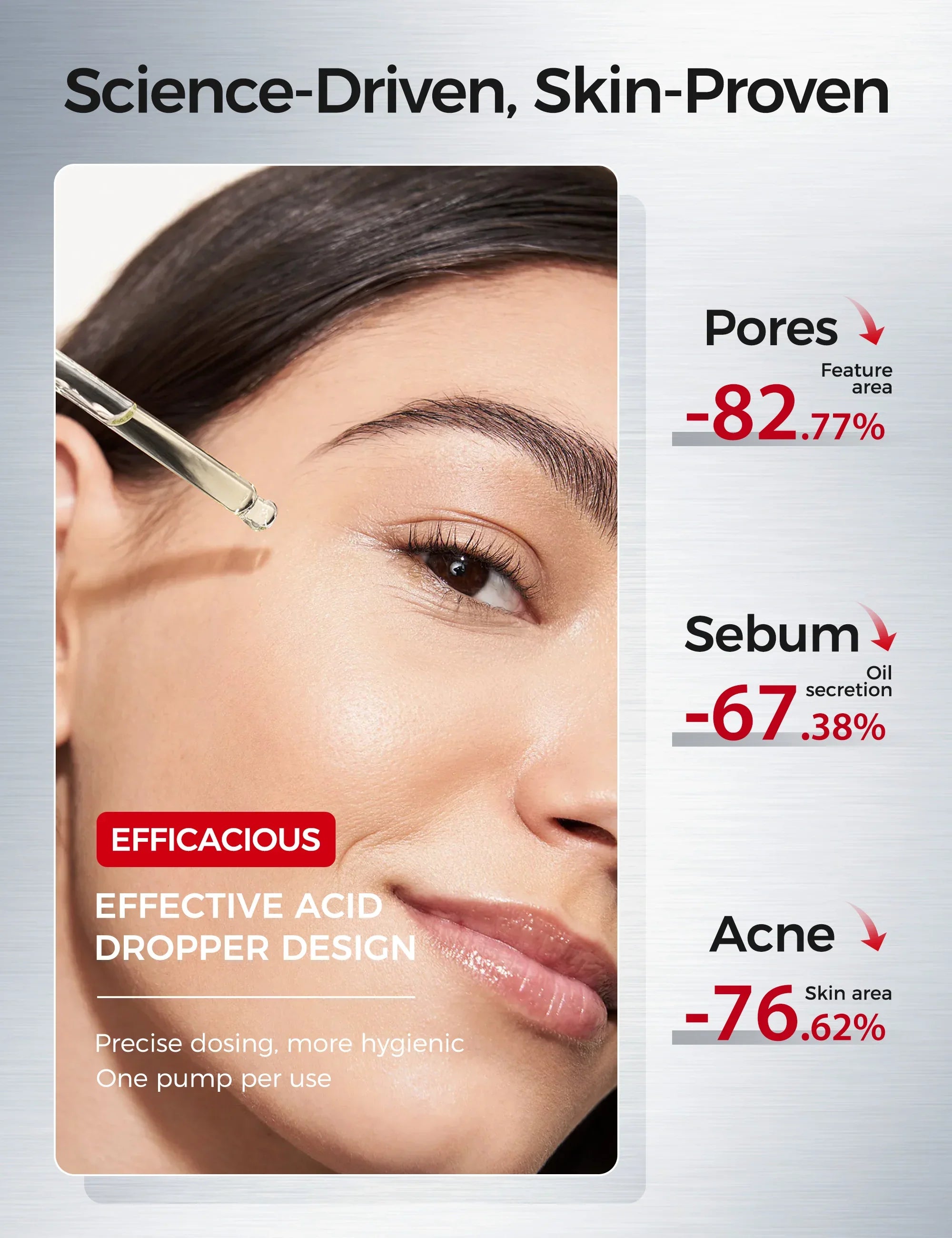
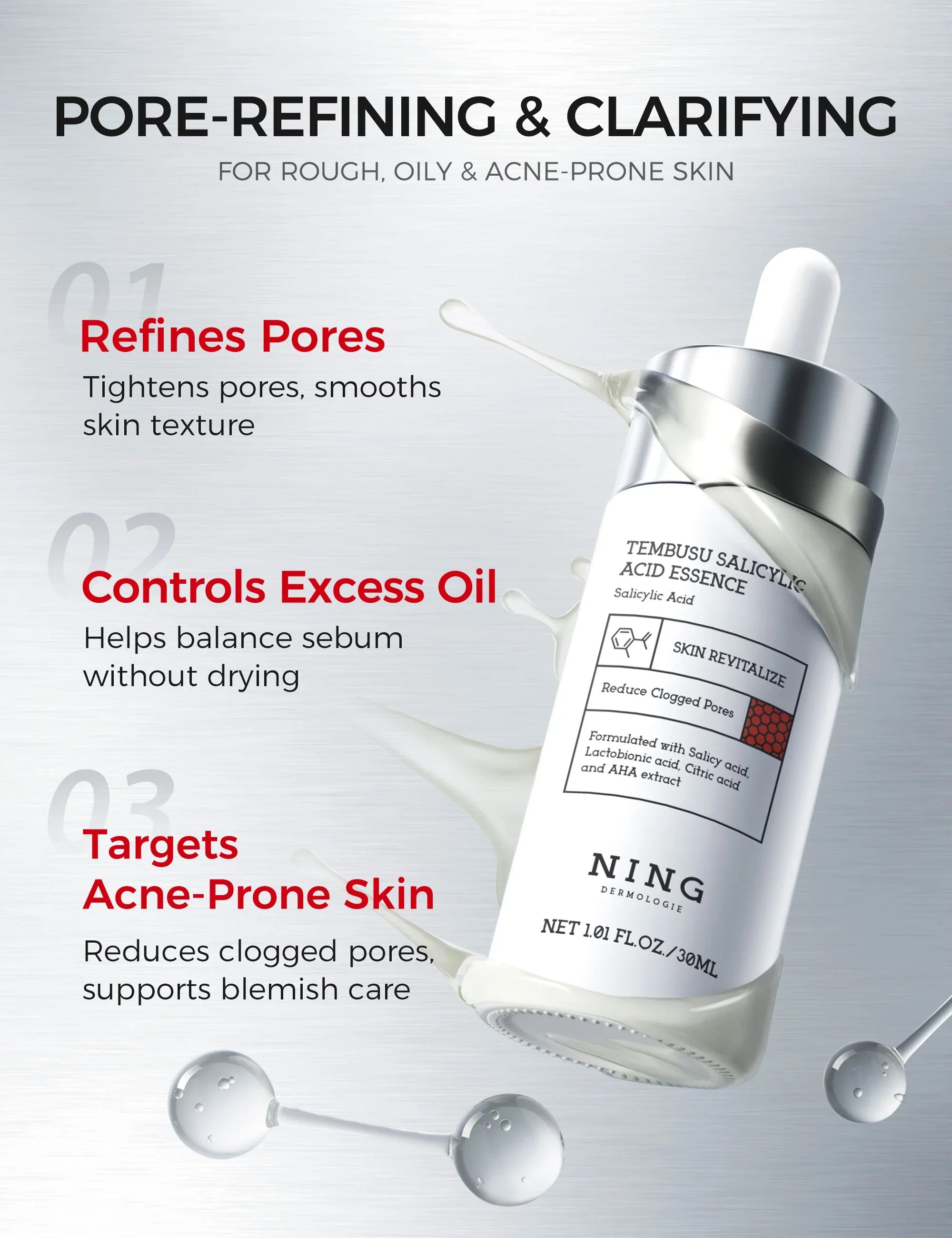
If your makeup seems to slide off your face by 2 PM, your sebum production is in overdrive. Salicylic acid helps regulate this. By deep-cleaning the follicle, it sends a signal to your skin that it doesn't need to pump out as much oil to "flush" the pore. Over time, this results in a balanced, matte-but-not-flat finish.
2. Rescuing Dull, "Grey" Skin
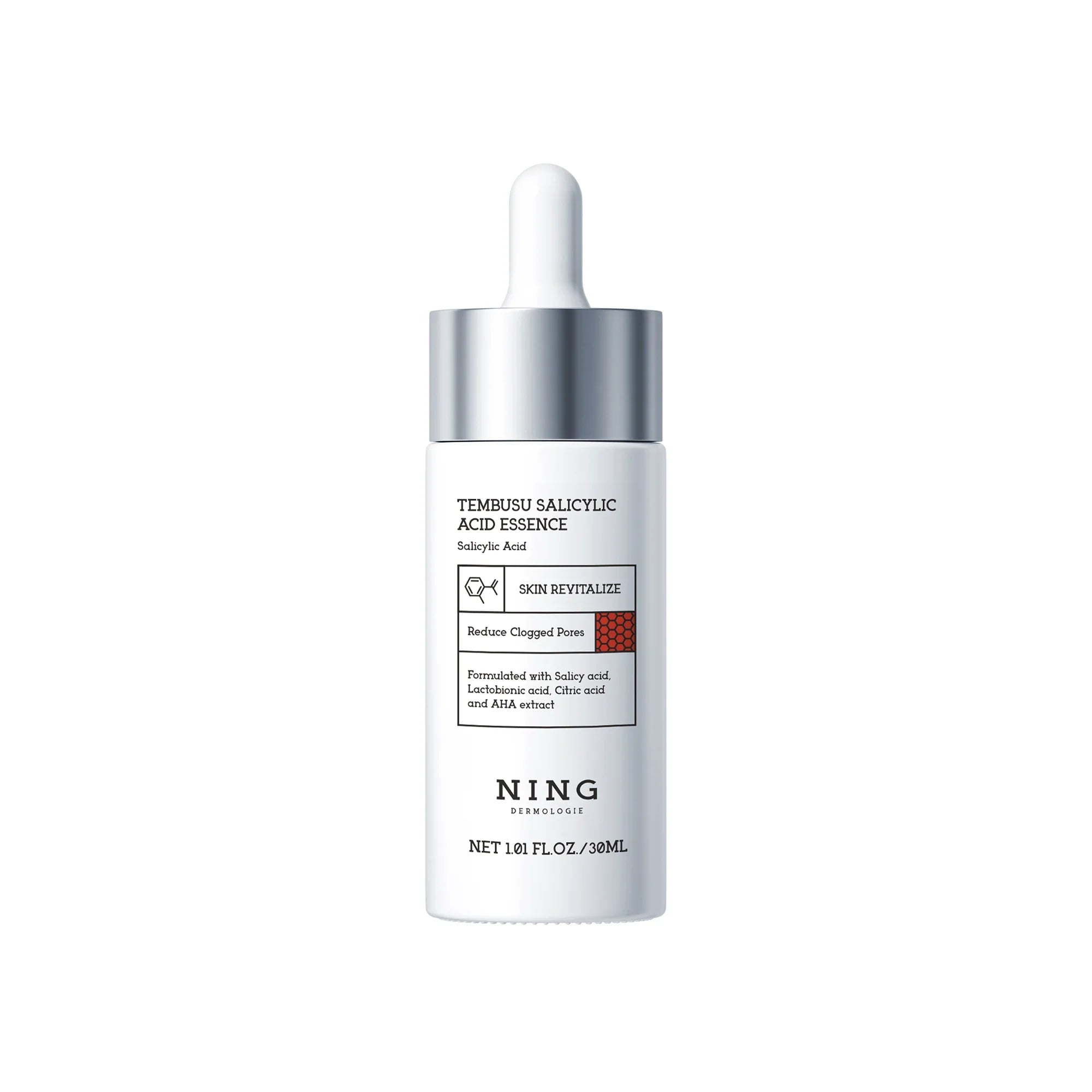
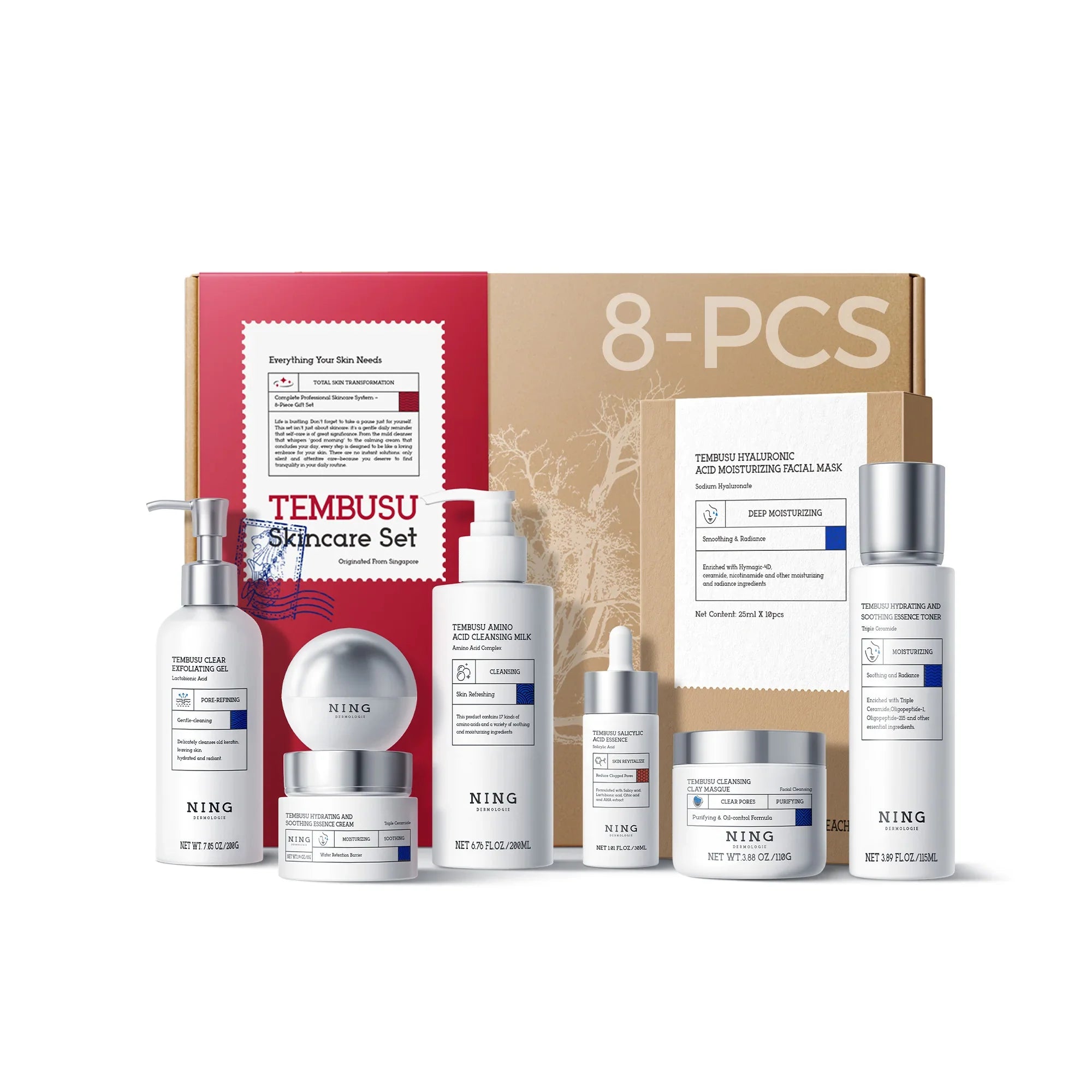
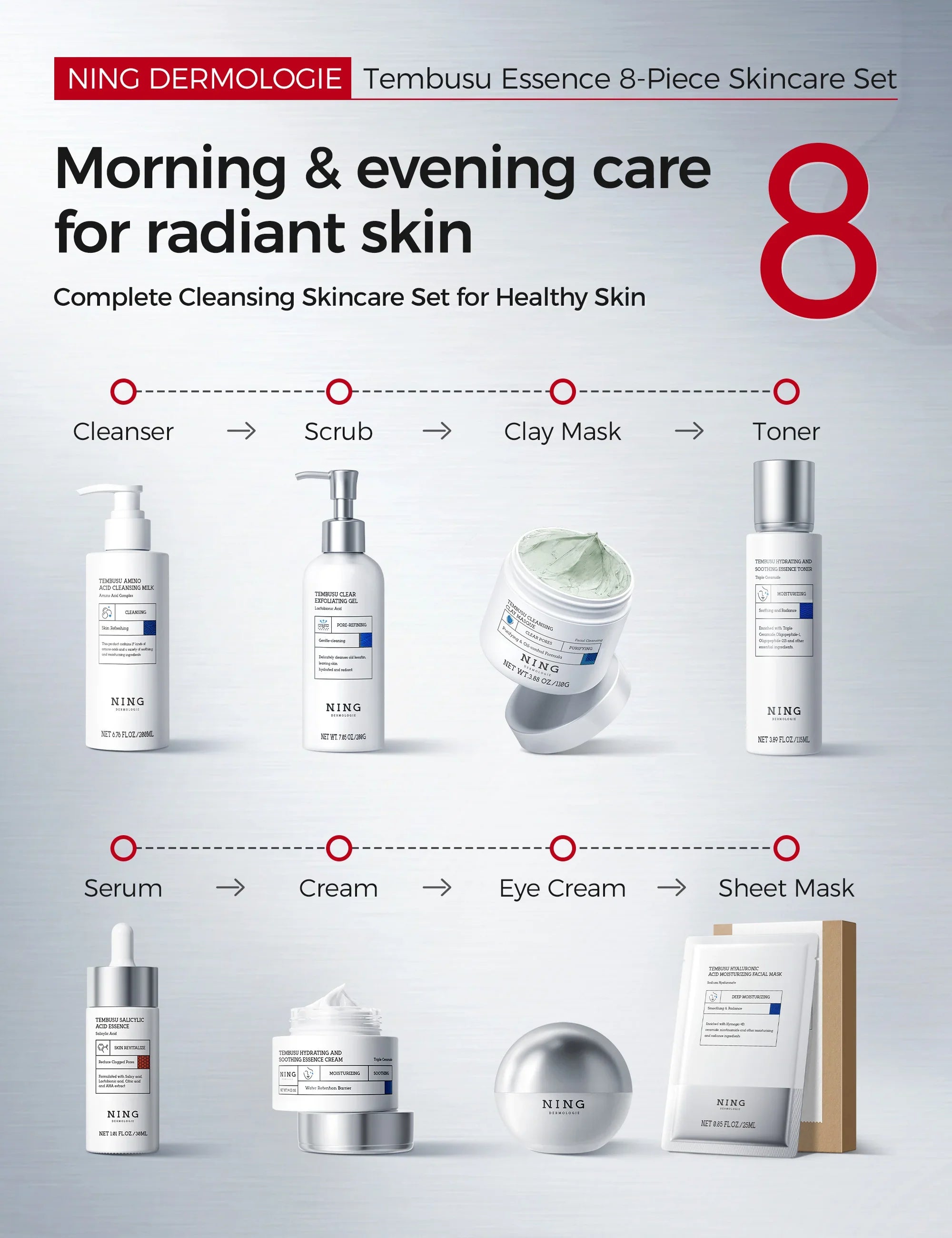
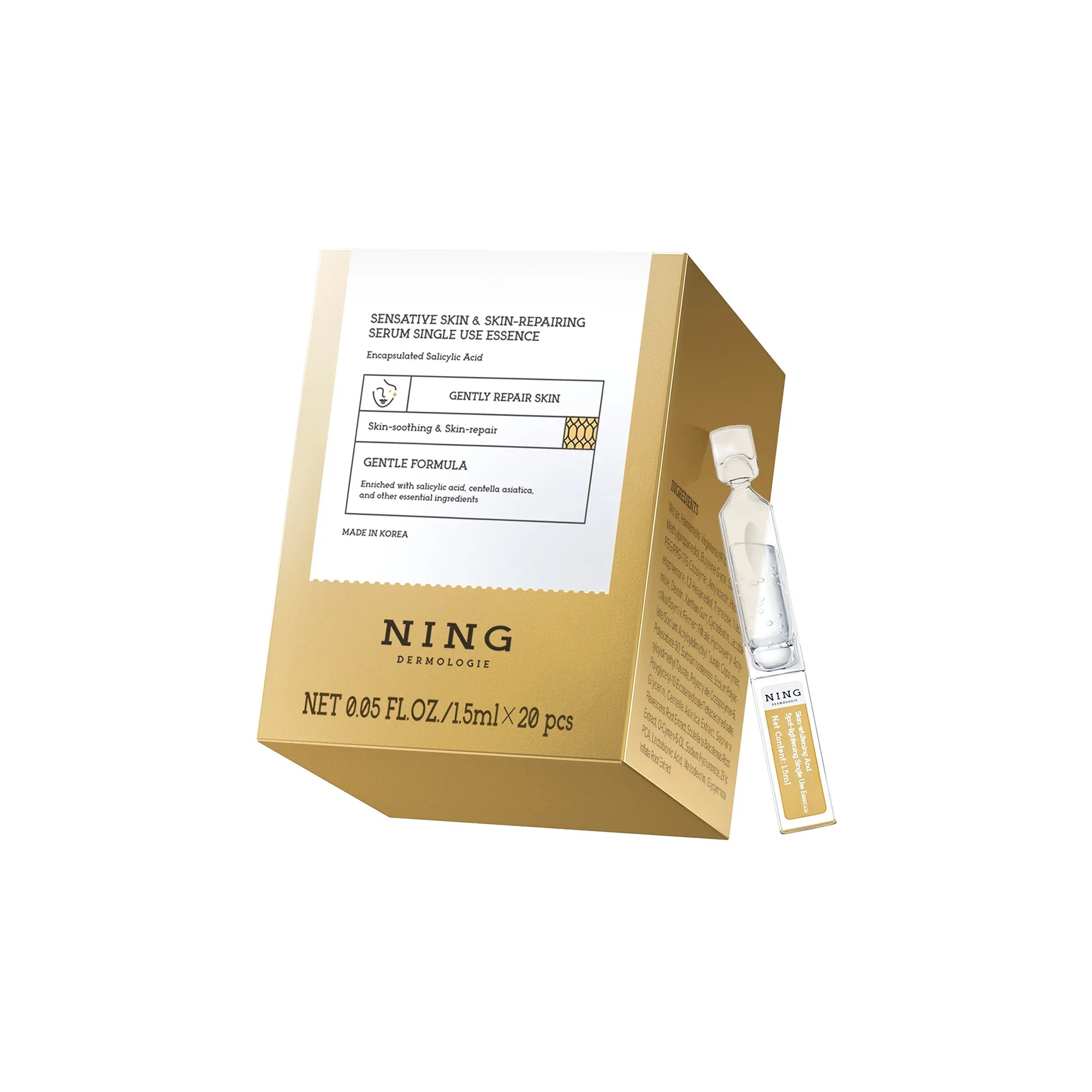
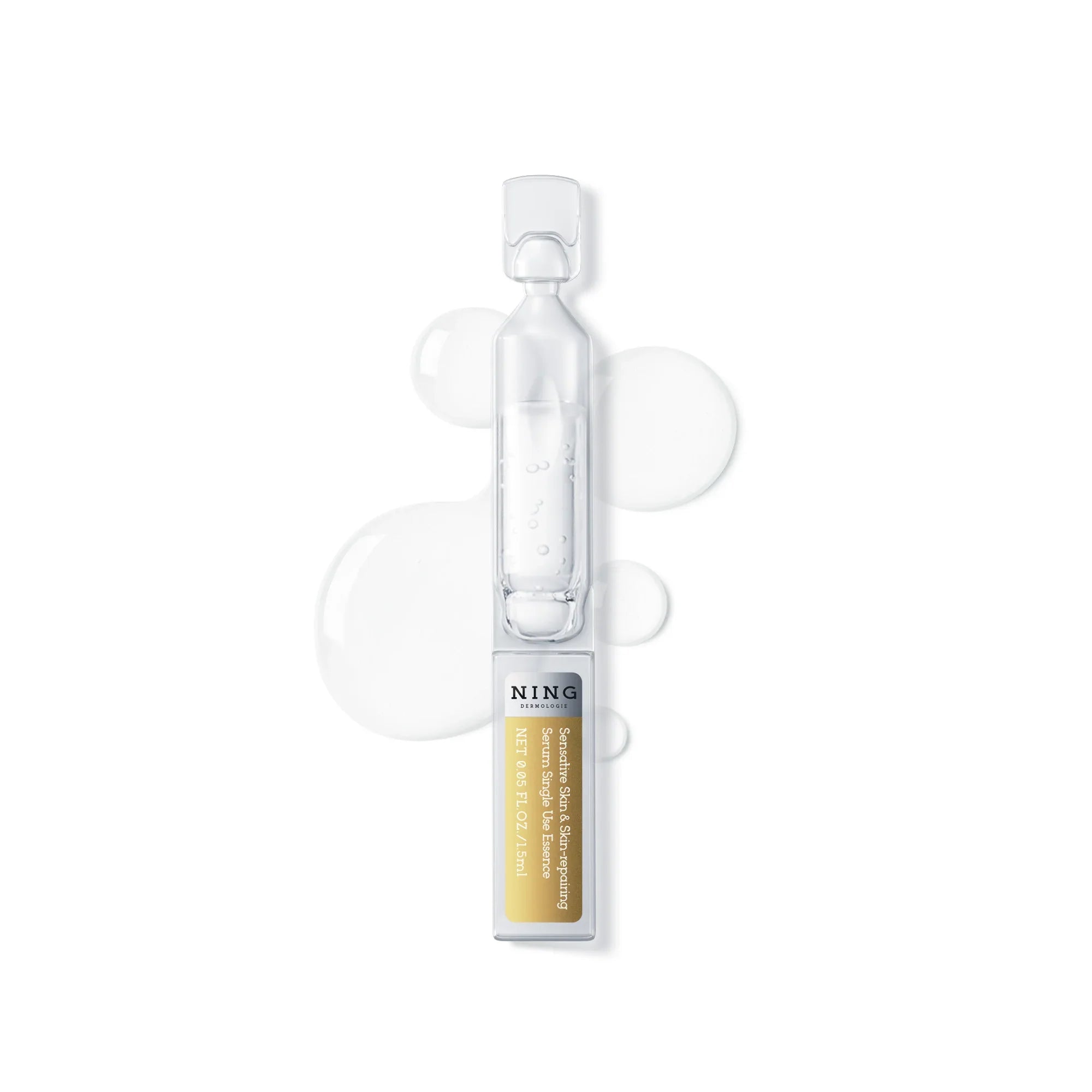
Dullness is often just a thick layer of dead skin cells reflecting light poorly. Because salicylic acid helps with the shedding of dead skin cells, it acts as a liquid exfoliator. Unlike physical scrubs that can tear the skin barrier, a salicylic acid product like the NING Dermologie 2% Salicylic Acid Serum gently melts away the grey layer to reveal smoother skin underneath.
3. Calming the Fire (Anti-Inflammatory)
Interestingly, salicylic acid is a derivative of aspirin (acetylsalicylic acid). This means it has inherent anti-inflammatory properties. While some acids irritate the skin, salicylic acid can help calm the redness associated with acne or even mild rosacea, provided the concentration of salicylic acid isn't too high for your skin type.
4. Improving Skin Tone and Fine Lines
By promoting constant cell turnover, you’re essentially forcing your skin to stay in "renewal mode." This has a profound impact on skin health. It helps fade the lingering dark spots from old breakouts and softens the look of fine lines by keeping the surface supple and fresh.
How to Properly Use Salicylic Acid Without Nuking Your Skin Barrier
The biggest mistake I see? People treat their skin like they're scrubbing a kitchen floor. More is not better. If you have sensitive skin, jumping straight into a 2% leave-on treatment every night will likely lead to dry skin, peeling, and a compromised skin barrier.
Step 1: Start Low and Slow
If you’ve never used a beta hydroxy acid, start with a salicylic acid cleanser. Because it’s a "wash-off" product, the acid doesn't stay in contact with the skin long enough to cause massive irritation. It’s the perfect way to let your skin adjust.
Step 2: The Gold Standard 2%
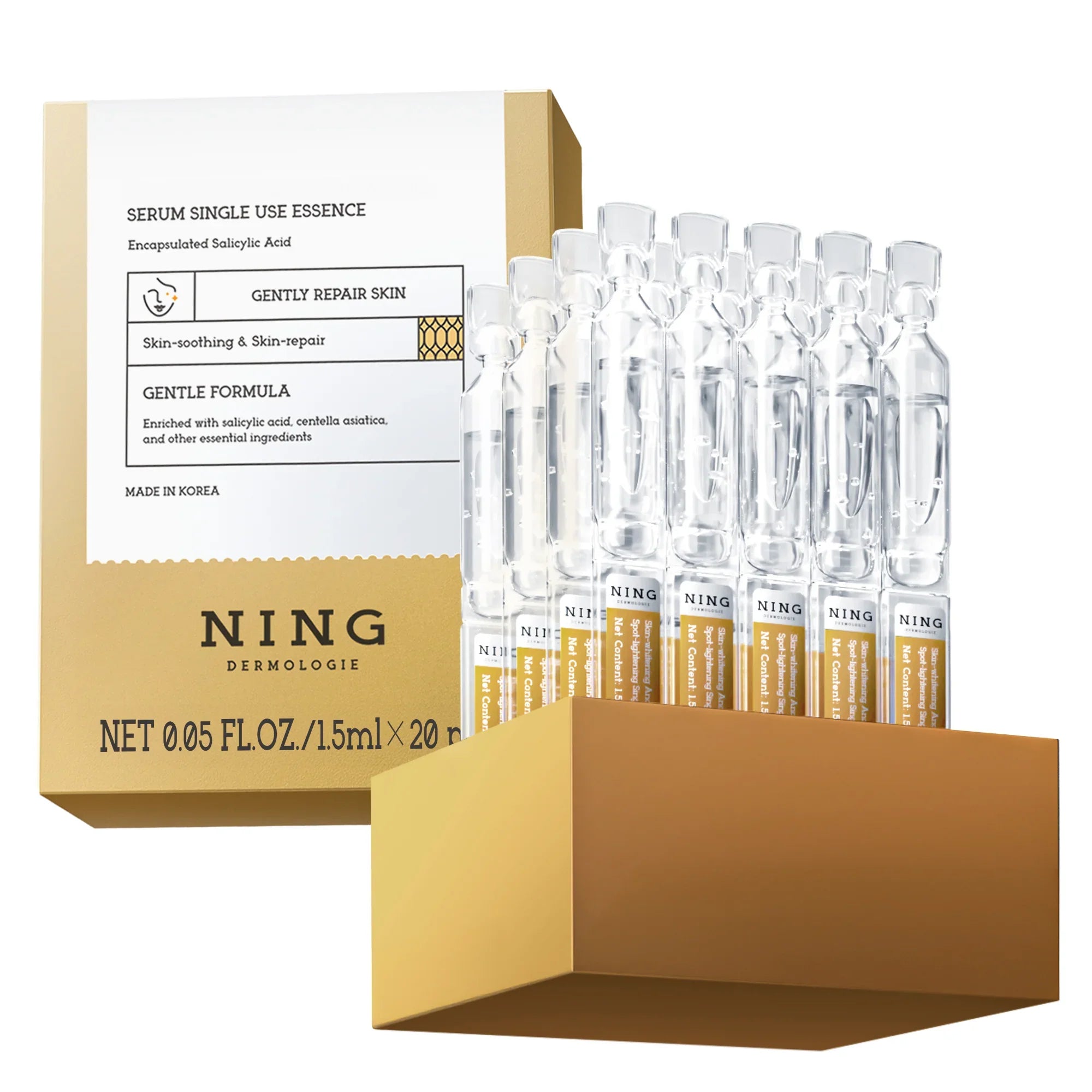
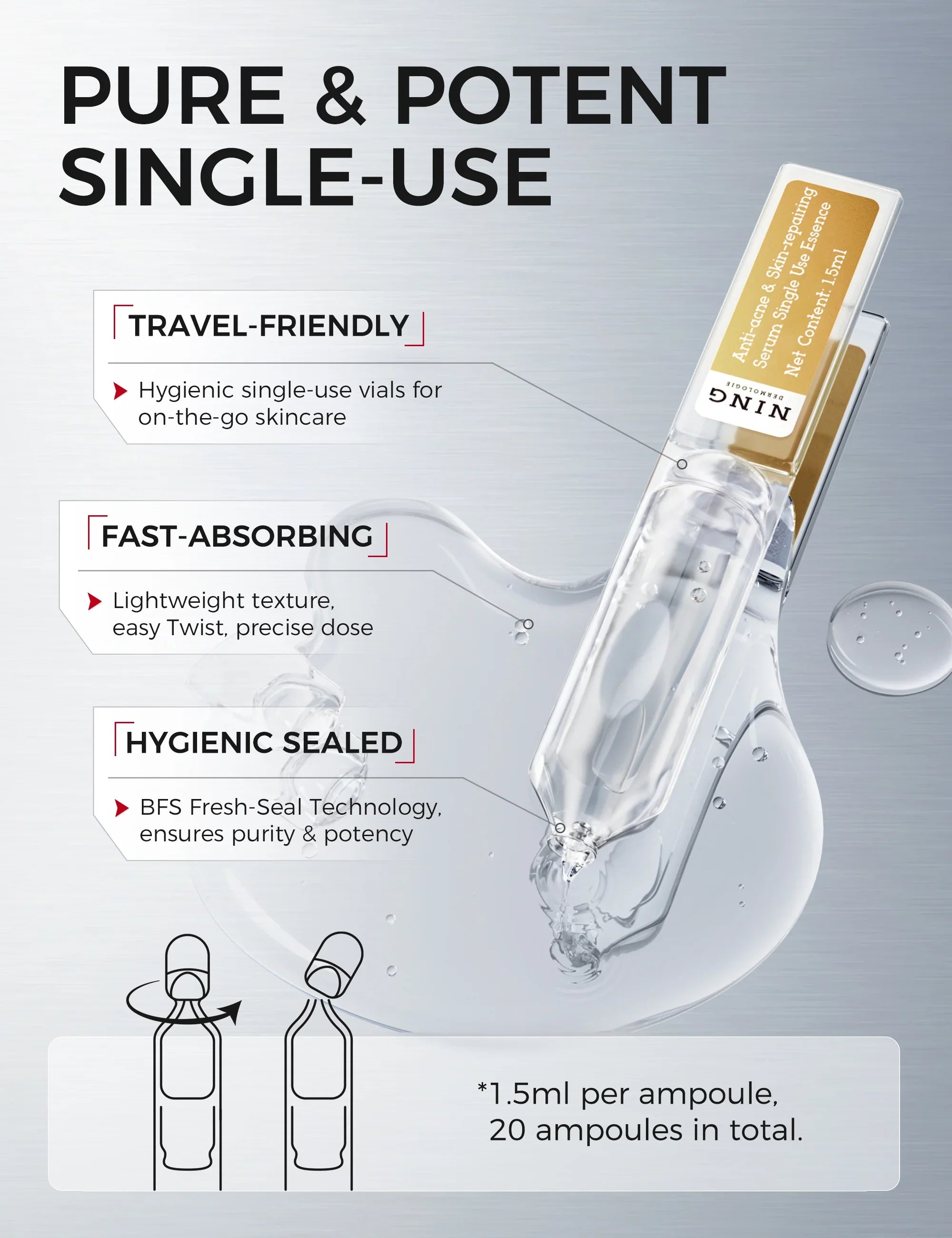
Once your skin is comfortable, move to a serum. Our 2% Salicylic Acid Serum is formulated specifically to balance the use of salicylic acid with soothing agents. We recommend starting twice a week at night.
Step 3: The "Sandwich" Method for Sensitive Skin Types
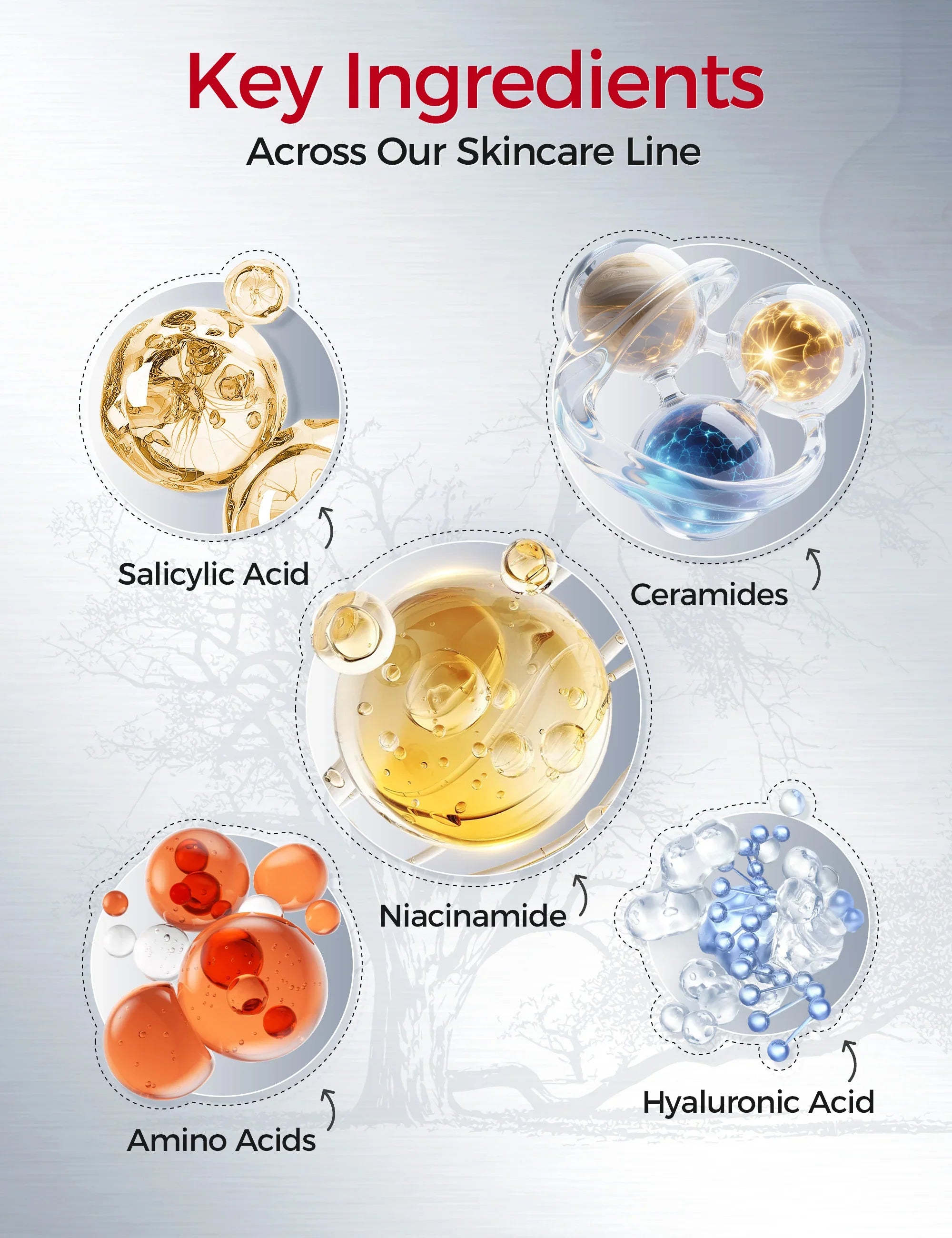
For sensitive skin types, apply salicylic acid and immediately follow it with a moisturiser after applying salicylic acid. Or better yet, look for a formula that combines salicylic acid with hyaluronic acid. This ensures you are treating acne and texture while keeping the moisture locked in.
Choosing the Right Salicylic Acid Product for Your Skin Type
Not all formulas are created equal. The vehicle—whether it's a toner, a serum, or a spot treatment—matters just as much as the concentration of salicylic acid.
- For Oily Skin: Look for a lightweight, water-based serum. You want the acid to penetrate without adding greasy emollients.
- For Dry Skin: Avoid alcohol-based toners. They will make salicylic acid feel like a blowtorch on your face. Stick to creams or serums that include lipids.
- For Combination Skin: Use the salicylic acid product as a spot treatment only on the areas where you see excess oil and dead skin.
Beyond Acne: Salicylic Acid for Body Concerns
Your face isn't the only place that benefits from a beta-hydroxy acid. Have you noticed those little red bumps on the back of your arms? That’s Keratosis Pilaris (KP). It’s caused by—you guessed it—dead skin cells clogging the hair follicle.
Using salicylic acid into your daily body care routine can slough away dead skin cells on the arms and legs, leading to a much healthier skin appearance. It’s also a secret weapon for preventing ingrown hairs after shaving.
Side Effects and Safety: What to Watch Out For
Let's be real: salicylic acid also has a dark side if misused.
- Purging: When you first incorporate salicylic acid, you might actually see more bumps. This is called purging. The acid is speeding up the removal of sebum and dead skin cells that were already trapped. It usually clears up in 2-3 weeks.
- Sun Sensitivity: Even though BHA is less photosensitizing than AHA, you still need to know about salicylic acid's ability to thin the outer layer of the skin. Keep your skin protected with SPF 30 every single morning.
- When to avoid: If you are allergic to aspirin, stay away. If you are pregnant, the general medical consensus is to avoid high concentrations (though a low-percentage salicylic acid cleanser is often deemed okay by many doctors—always check first).
The NING Dermologie Difference
When we developed our 2% Salicylic Acid Serum, we didn't just want to create another "acne killer." We wanted a product that addresses the root cause of multiple skin concerns.
Our formula focuses on improving skin texture and tone without the "burn." By ensuring the pH is optimized for the acid to work, while surrounding it with a cushion of hydrating ingredients, we’ve created a serum that salicylic acid is suitable for even those who previously thought they were too sensitive for acids.

Summary: Making Salicylic Acid Work for You
At the end of the day, understanding how salicylic acid works is about recognizing it as a versatile tool for overall skin health. Whether you are treating acne, fighting the first signs of aging, or just trying to get rid of that "gritty" feeling on your nose, this beta hydroxy acid is your best friend.
Incorporate salicylic acid into your routine slowly, listen to your skin barrier, and always, always hydrate. Your skin doesn't need to be stripped to be clean; it just needs the right "janitor" to keep the pores clear.
Frequently Asked Questions (FAQ)
1. Can I use salicylic acid every day?
For most people, daily use is the goal, but you shouldn't start there. Begin with 2-3 times a week to see how your skin adjusts. If you have oily skin, you may eventually tolerate it daily. However, if you notice redness or peeling, scale back. The key is consistency over intensity to maintain overall skin health without irritation.
2. Can I mix salicylic acid with Vitamin C or Retinol?
Be careful. Mixing too many active acids at once can compromise your skin barrier. I recommend using salicylic acid in your nighttime routine and Vitamin C in the morning. If you use Retinol, alternate nights with your salicylic acid product. This "skin cycling" approach ensures you get the benefits of salicylic acid without overwhelming your skin's ability to repair itself.
3. Will salicylic acid help with large pores?
Technically, you cannot change the biological size of your pores. However, pores look much larger when they are filled with sebum and dead skin cells. By using salicylic acid to help keep those pores empty, they "snap back" and appear significantly smaller. Regular use of salicylic acid is the best way to maintain the appearance of smoother skin and refined texture.
4. Is the NING Dermologie serum okay for sensitive skin?
Yes, but with a caveat. Our 2% Salicylic Acid Serum is designed to be effective yet buffered. If you have sensitive skin types, we suggest a "patch test" on your neck first. Start by applying it for just 10 minutes and then rinsing it off (short-contact therapy) before graduating to leaving it on overnight under a heavy moisturiser.
5. Why is my skin peeling after using BHA?
Peeling is a sign that the acid is working, but it might be working too fast for your skin type. It means the shedding of dead skin cells is happening at a rate your underlying skin isn't ready for. Reduce the frequency of use and increase your application of hyaluronic acid and ceramides to support the skin barrier. Peeling should stop as your skin adjusts.
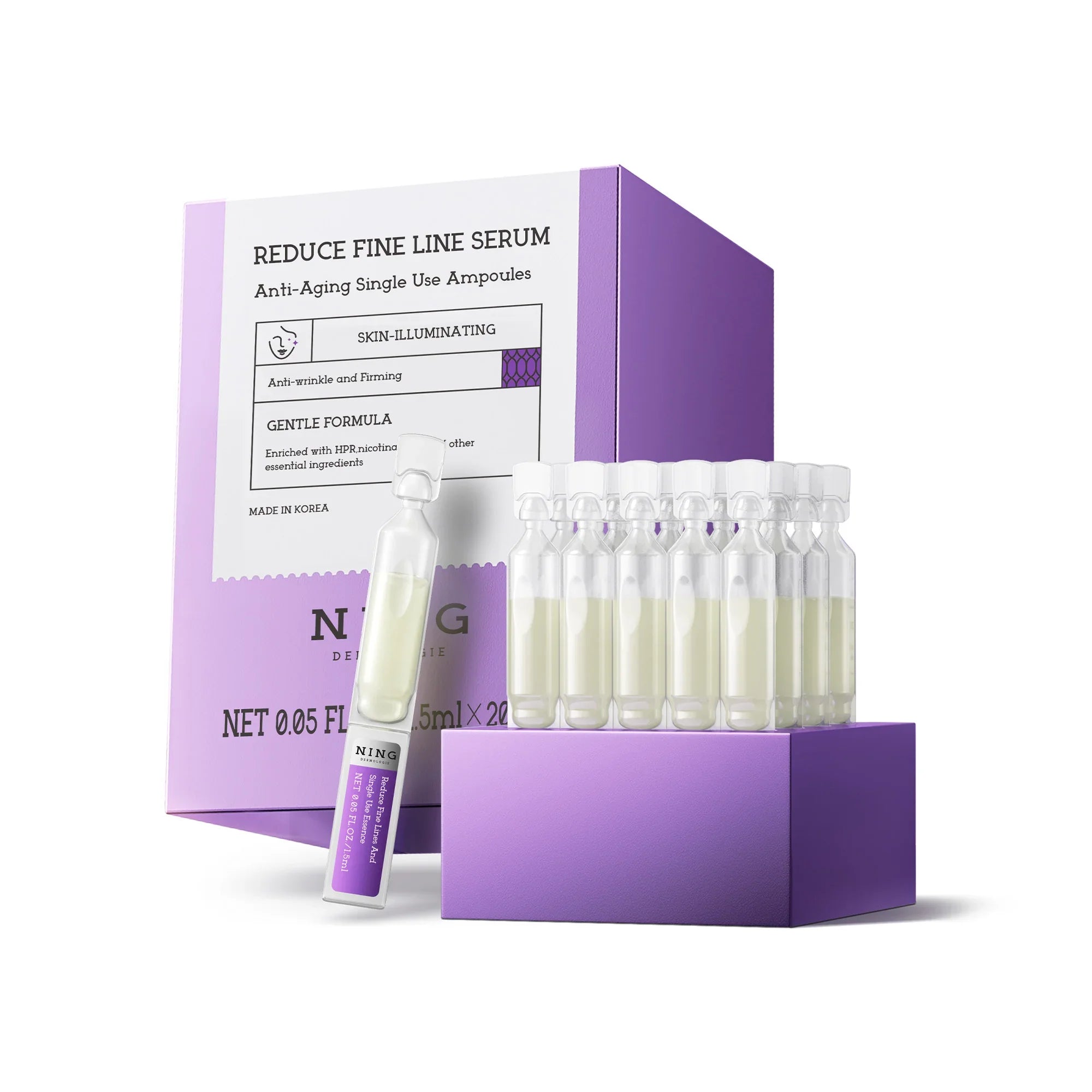
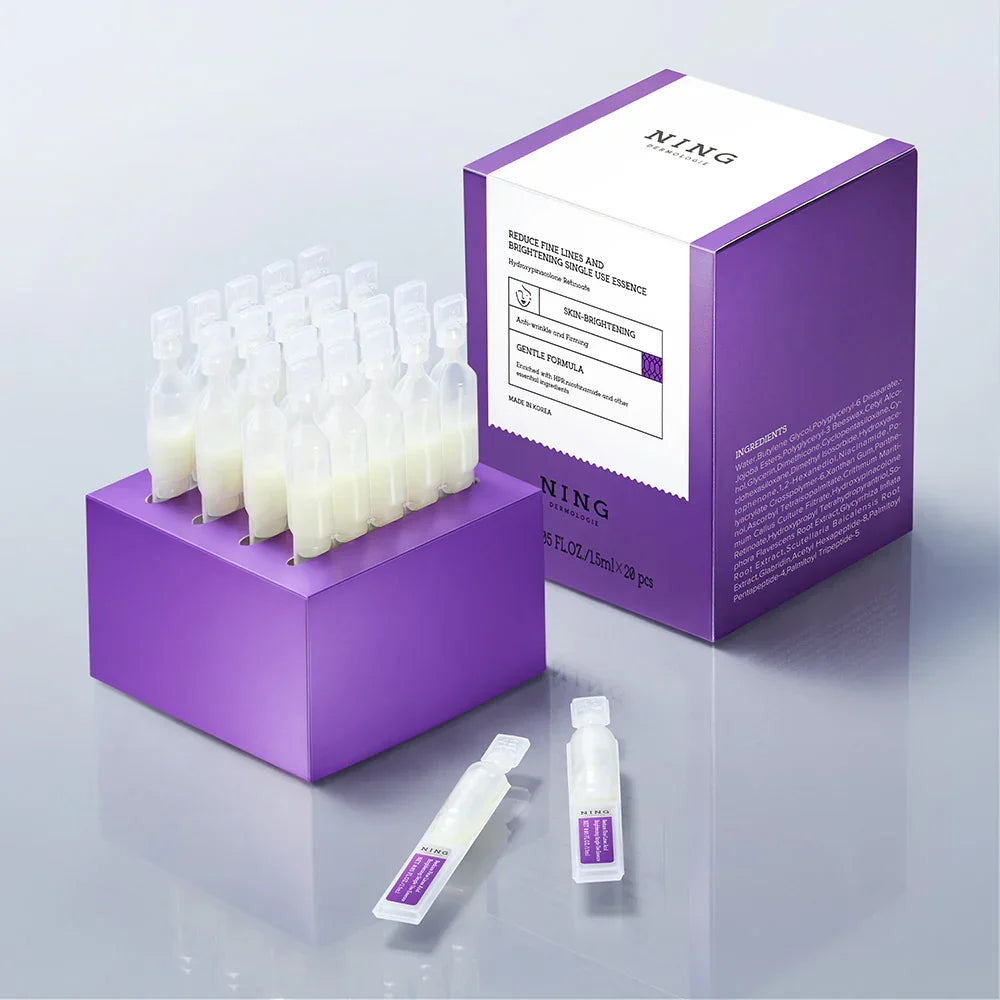
Ready to transform your skin texture? Shop the NING Dermologie 2% Salicylic Acid Serum here.


Share:
Affordable vitamin C serums suitable for sensitive skin
Salicylic Acid and Its Role in Dermatology: An Experts Perspective