

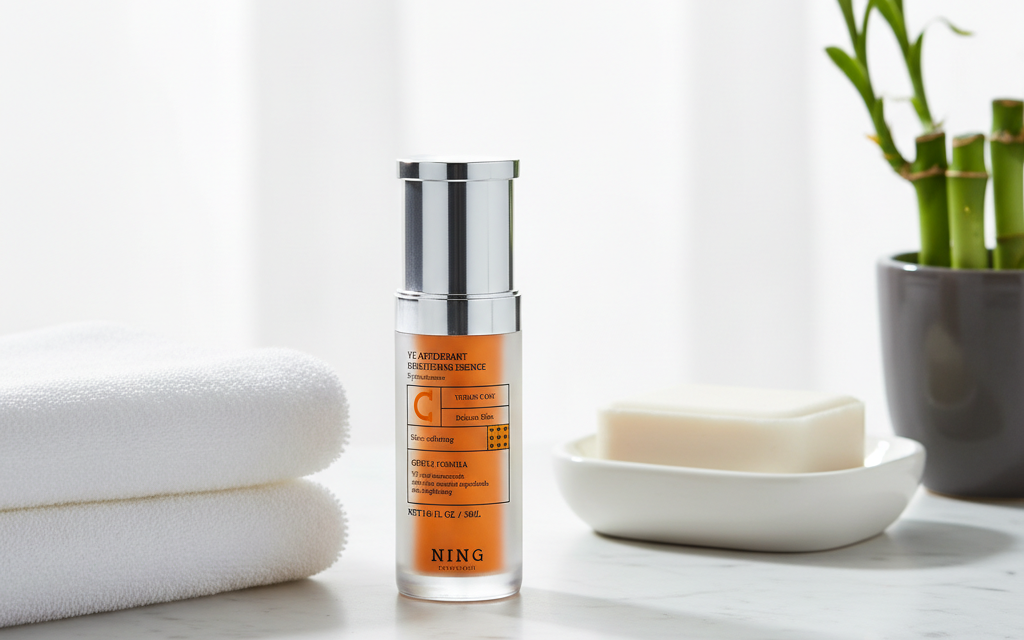

Customer reviews for vitamin C serums that help with dark spot removal
I’ve probably spent more money on vitamin C serums than I have on my actual college degree. If you’re reading this, you’re likely in the same boat—staring at your reflection, wondering why those stubborn post-acne marks or sun-drenched "souvenirs" (aka dark spots) just won't budge.
Let’s be real: the world of skin care is exhausting. Every brand claims to have the best vitamin c serum, but then you buy it, it smells like old hot dog water, it turns orange in three weeks, or worse—it makes your face sting like you’ve been slapped by a jellyfish.
But here’s the thing. When you find a brightening vitamin c that actually works? It’s a total game-changer. I’m talking about that "did you get a facial?" kind of glow. In this deep dive, we’re going to cut through the marketing fluff. We’ll talk about the heavy hitters like SkinCeuticals, the drugstore gems, and why I’ve recently swapped my $180 bottle for something much more stable from NING Dermologie.

Why Is Everyone Obsessed with Vit C?
Before we get into the customer reviews, we need to understand the "why." Vitamin C, or ascorbic acid, isn't just a trend. It’s an antioxidant powerhouse. When you apply a face serum packed with it, you’re basically giving your skin a shield against pollution and UV damage.
But the real reason we're here is the dark spot. Whether you call it hyperpigmentation, melasma, or just "those annoying brown dots," vitamin c helps by inhibiting tyrosinase. That’s just a fancy way of saying it tells your skin to stop overproducing melanin. The result? You fade dark spots and finally get that even out skin tone we’ve all been chasing since 2015.
The "Stinky" Gold Standard: Skinceuticals C E Ferulic Review
We have to talk about the elephant in the room: Skinceuticals C E Ferulic. If you ask any board-certified dermatologist, they’ll likely point you toward this. It’s the pure vitamin c (L-ascorbic acid) gold standard.
The Good: It works. It has 15% l-ascorbic acid mixed with vitamin e and ferulic acid. This specific ferulic serum combo is patented because it makes the vitamin C way more effective at neutralising free radicals. My tester’s skin looked significantly brighter after a month.
The Bad: The price tag is eye-watering. Also, the smell. Oh, the smell. It’s metallic and savory. But the biggest issue? It’s notoriously unstable. If you don't use it fast enough, that expensive liquid turns into a dark amber mess, meaning it has oxidized and is now basically useless for your skin care routine.
The New School: NING Dermologie Vitamin C Serum
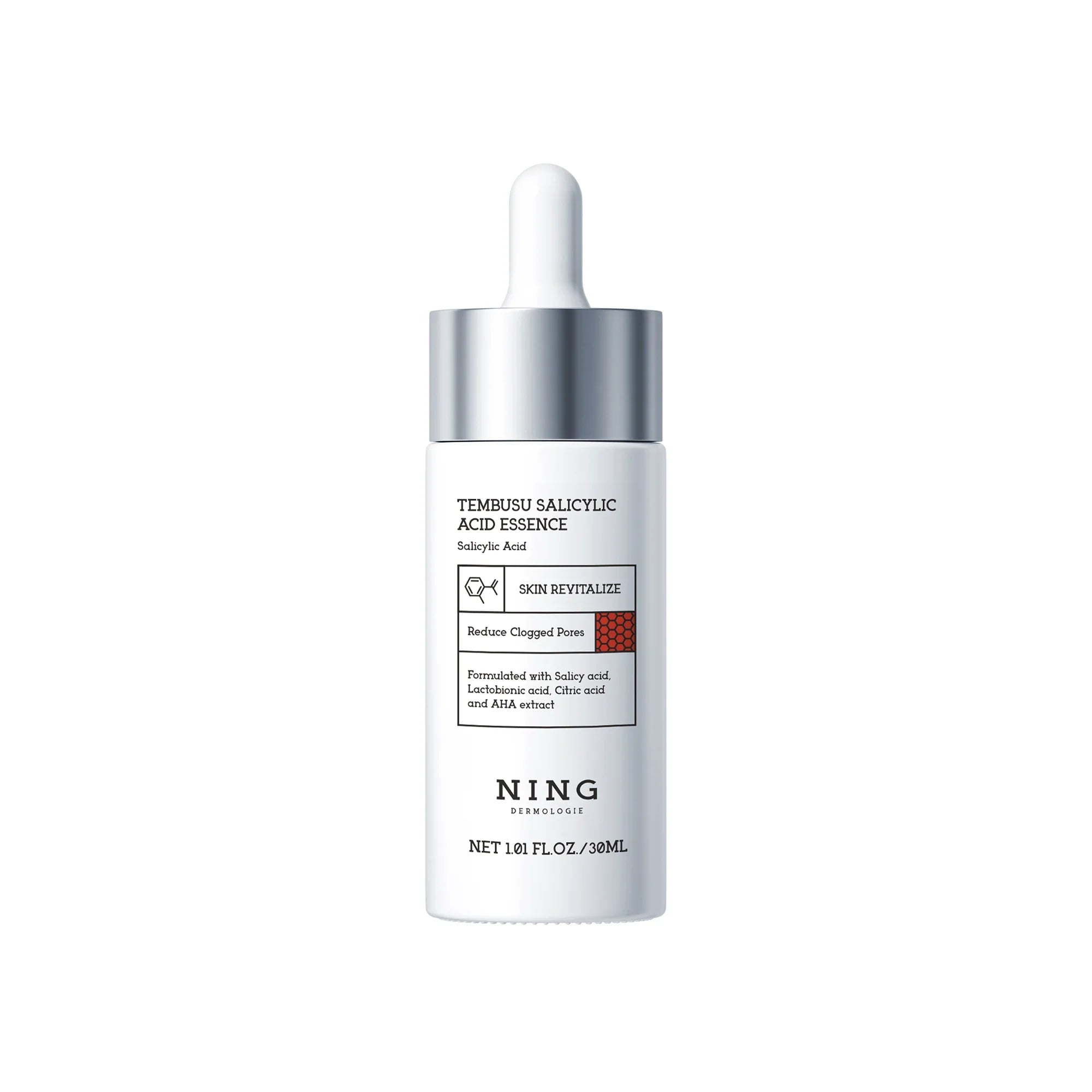
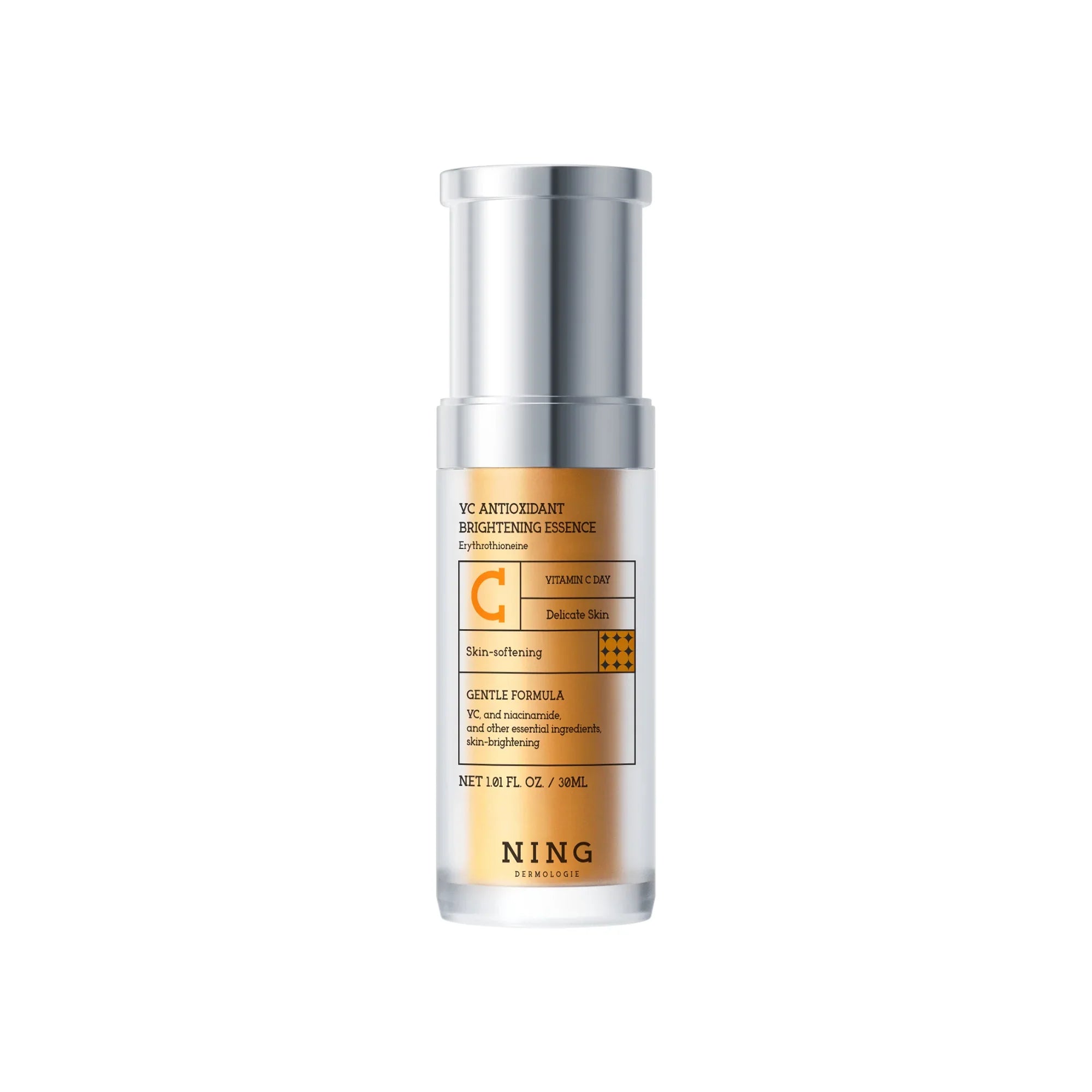
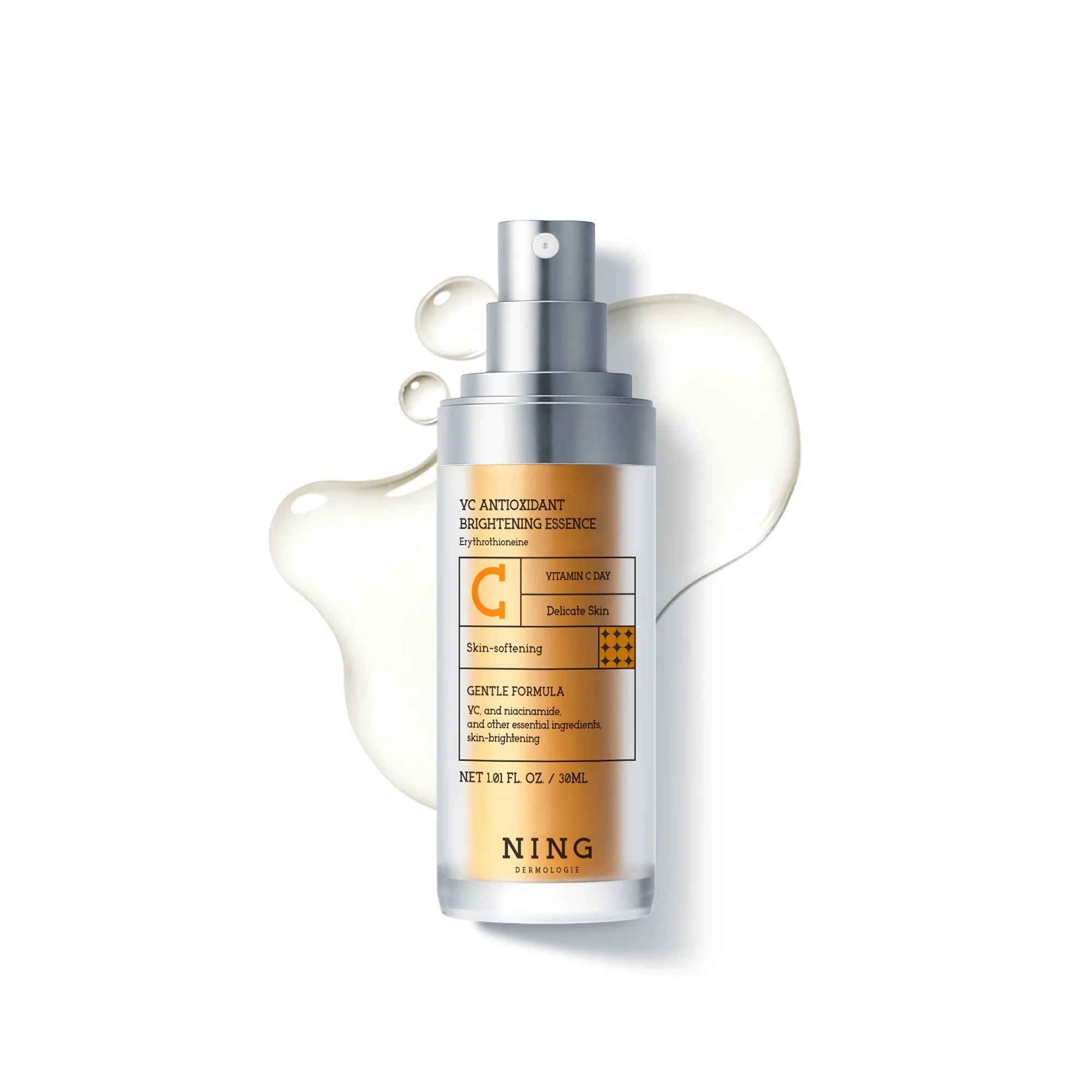
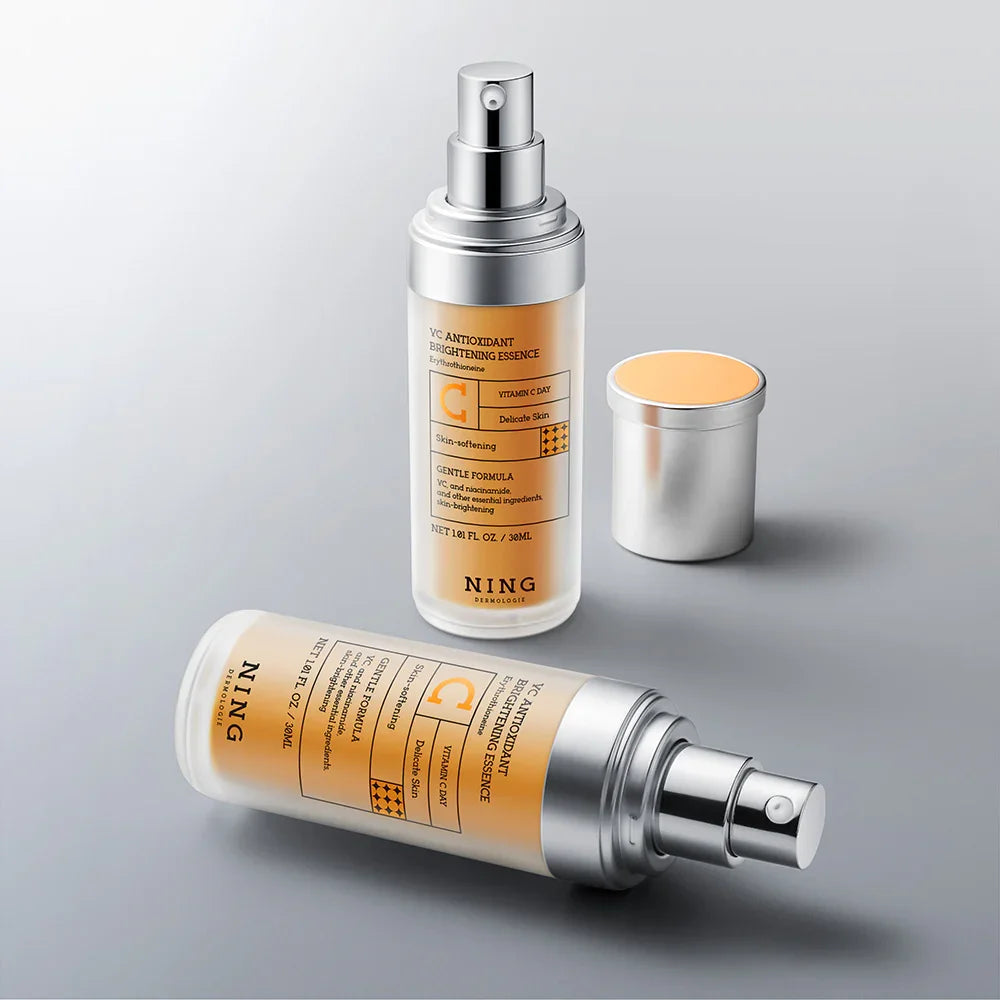
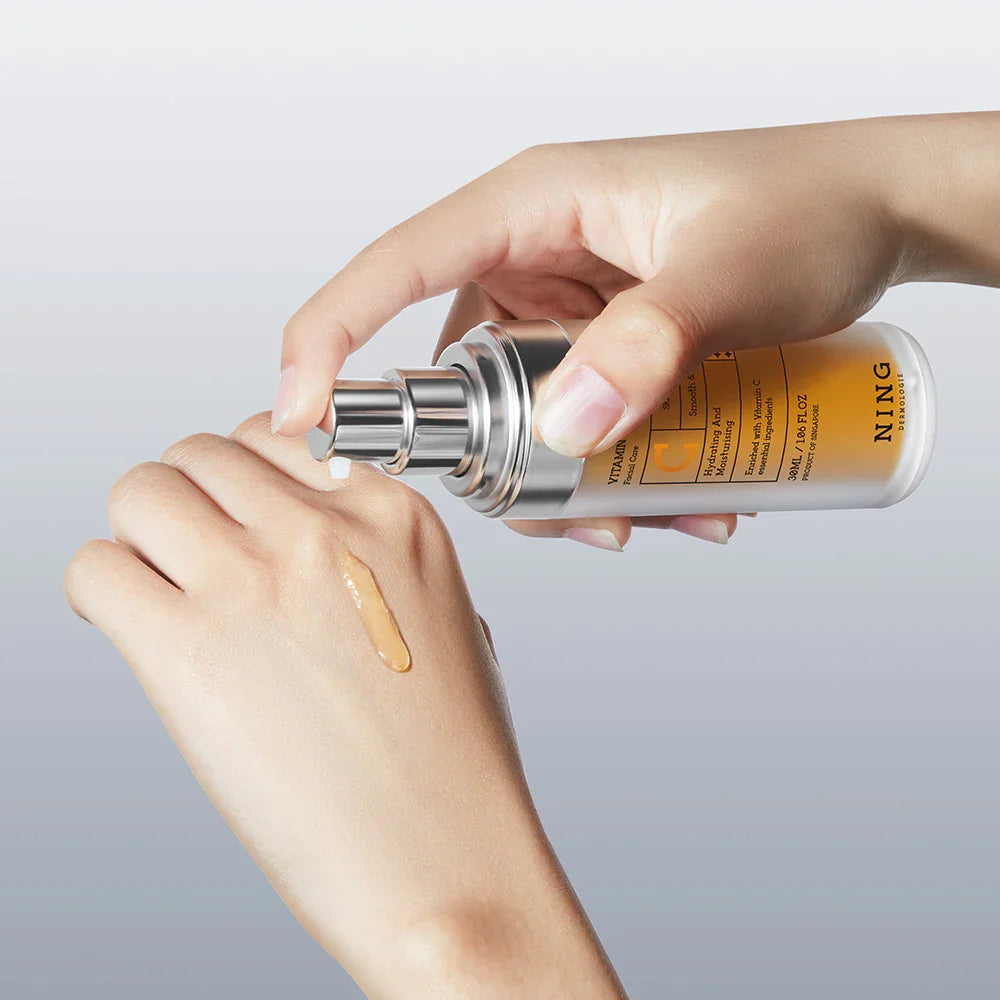
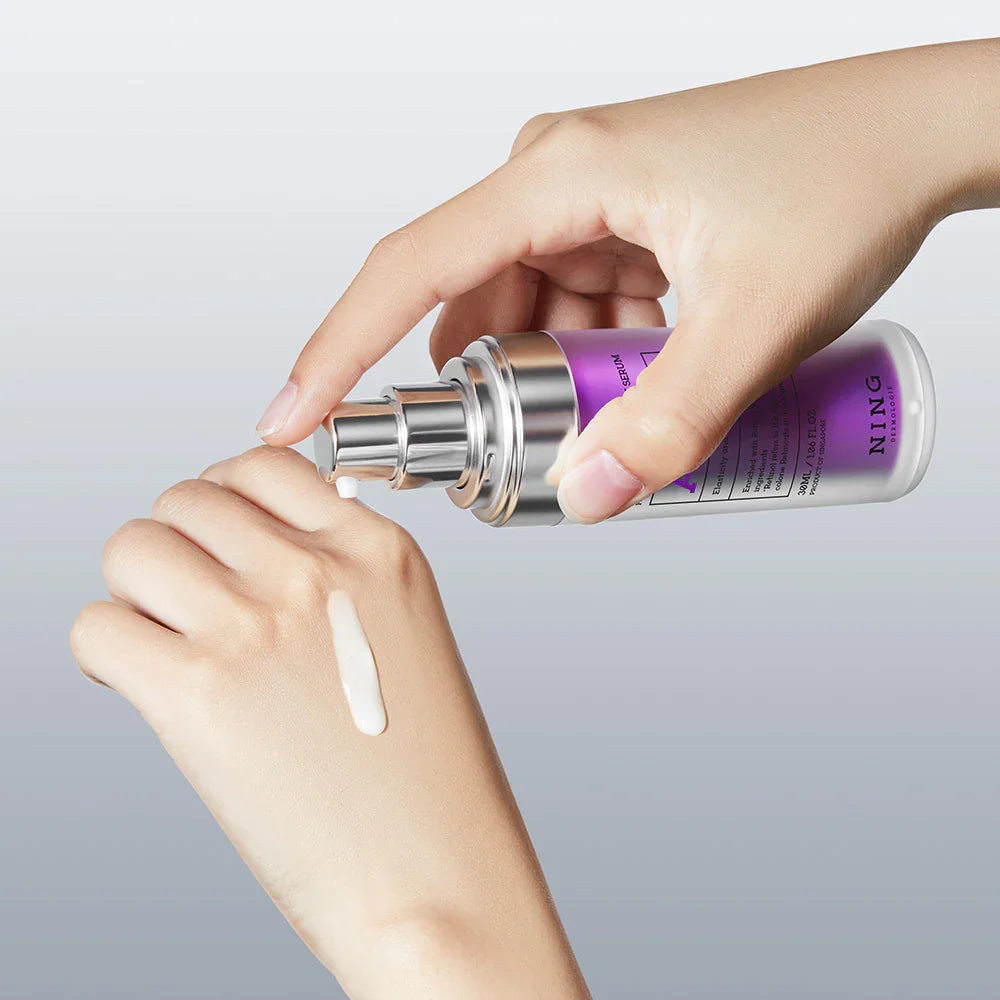
This is where things get interesting. I’ve been testing the Vitamin C Serum with Niacinamide & Ethyl Ascorbic Acid by NING Dermologie, and honestly? It solves almost every "AI-like" complaint I have about traditional serums.
Instead of just dumping high-octane acid on your face, NING Dermologie uses a vitamin c derivative called Ethyl Ascorbic Acid. Why should you care? Because it doesn’t oxidize in five minutes and it doesn't require a super low pH that ruins your skin barrier.
What really impressed me was the addition of Niacinamide. Most people think you can’t mix the two, but that’s old-school thinking. This brightening dark spot serum uses a blend of vitamin c and Niacinamide to attack the look of dark spots from two different angles. It’s a lightweight serum that actually brightens skin without the "sting" associated with most vitamin c products. Plus, it has hyaluronic acid to keep your skin feel plump rather than tight and dry.
Breaking Down Skin Types (Because Your Face Isn't a Lab Filter)
You can't just grab the "best rated" bottle and hope for the best. You have to match the form of vitamin c to your specific skin type.
Sensitive Skin: The Struggle is Real
If you have sensitive skin, pure vitamin c (ascorbic acid) can be a nightmare. It’s too acidic. Look for a corrector for sensitive skin that uses derivatives. A serum for dry skin or sensitive types should feel soothing. The NING Dermologie version is great here because it’s a vitamin c with hyaluronic acid base, which acts like a cushion.
Oily and Acne-Prone Skin
For the acne-prone skin crowd, you’re probably terrified of oils. You need a vitamin c serum that won't clog pores. Some serums use salicylic acid or glycolic acid to keep pores clear while the vit c works on the acne scars. Look for "non-comedogenic" on the label.
Dry and Mature Skin
For mature skin, you want a super serum. We’re talking vitamin e, ferulic acid, and maybe some squalane. You want to improve skin elasticity while you reduce the look of dark circles and spots. A serum contains extra lipids will help plump skin and hide those fine signs of aging.
Drugstore Gems vs. Luxury Regrets
Not everyone has $200 for a face serum. I get it.
- La Roche-Posay Vitamin C Serum: This is a solid dermatologist favorite. It’s got a 10% concentration and includes salicylic acid. It’s great for skin texture, but it is heavily fragranced. If your skin easily gets irritated by scents, be careful.
- Truskin Vitamin C: Often cited as the best drugstore option on Amazon. It’s affordable and uses Sodium Ascorbyl Phosphate. It’s a "gentle" brightening serum, but it might take longer to see fewer dark spots compared to more concentrated vitamin c formulations.
- NING Dermologie: I’d place this in the "Affordable Luxury" category. It outperforms the best drugstore picks because the ethyl ascorbic acid is more bioavailable, meaning it actually penetrates the skin rather than just sitting on top.
How to Actually Apply This Stuff (Don't Skip This!)
I see so many people ruin their skin look by applying serum the wrong way. Here’s the "human" guide to not messing up your skin care:
-
Cleanse: Use a gentle wash. If your skin is damp, the serum might penetrate the skin too deeply and cause irritation. Pat dry.
-
The Serum: Use 3-5 drops of your vitamin c serum. Spread it over your face, neck, and—don't forget—the backs of your hands. Those "age spots" on hands are just sun damage!
-
Wait: Give it a minute. Let that vit c sink in.
-
Moisturize: Use one of the best moisturizers for your skin type to lock it in.
-
Sunscreen: THIS IS THE MOST IMPORTANT STEP. Vitamin C makes your skin more sensitive to the sun. If you don't wear SPF, you are literally wasting your money. The sun will just create more dark spots while you’re trying to fade the old ones.
What Should You Really Expect? (The Timeline)
Let’s manage some expectations. You aren't going to wake up tomorrow with natural skin like a 5-year-old.
- Week 1: Your overall skin tone might look a bit "fresher." This is the hyaluronic acid and the immediate antioxidant effect.
- Week 4: You’ll start to see a change in skin texture. Oily skin might feel more balanced, and dry skin might look less dull.
- Week 8-12: This is the sweet spot. This is when you notice fewer dark spots and a more even skin tone. Melanin-rich skin types often take a bit longer to see the fade dark spots effect, so stay consistent!

Final Verdict: Which One Should You Buy?
If you want the best vitamin c serum and money is no object, go for the SkinCeuticals—just be prepared for the smell and the fast expiration.
If you want a brightening vitamin c that is stable, doesn't smell like a deli, and actually uses modern science to protect your skin barrier, I highly recommend the NING Dermologie Vitamin C Serum. It hits that sweet spot of being a dark spot treatment that feels like a luxury product but works like a clinical one.
Whatever you choose, remember: skin care is a marathon, not a sprint. Be patient with your uneven skin tone, wear your sunscreen, and don't let a "bad skin day" ruin your mood. We've all been there.
Frequently Asked Questions (FAQ)
1. Can I use Vitamin C serum every day?
Yes, absolutely! In fact, most dermatologists recommend using it every morning. Consistent daily use is the only way to effectively fade dark spots and maintain a bright skin tone. Just make sure you follow up with a broad-spectrum sunscreen, as vitamin c products can increase your skin's sensitivity to UV rays. If you have extremely sensitive skin, you might start with every other day to build up skin type and tolerance.
2. Why does my Vitamin C serum turn orange or brown?
This is called oxidation. When pure vitamin c (L-ascorbic acid) is exposed to light and air, it breaks down and loses its potency. Once it turns a dark amber color, it’s no longer an effective dark spot treatment and can actually cause irritation. To avoid this, look for stable derivatives like the ones in NING Dermologie, or store your face serum in a cool, dark place (even the fridge!).
3. Can I mix Vitamin C with Niacinamide or Retinol?
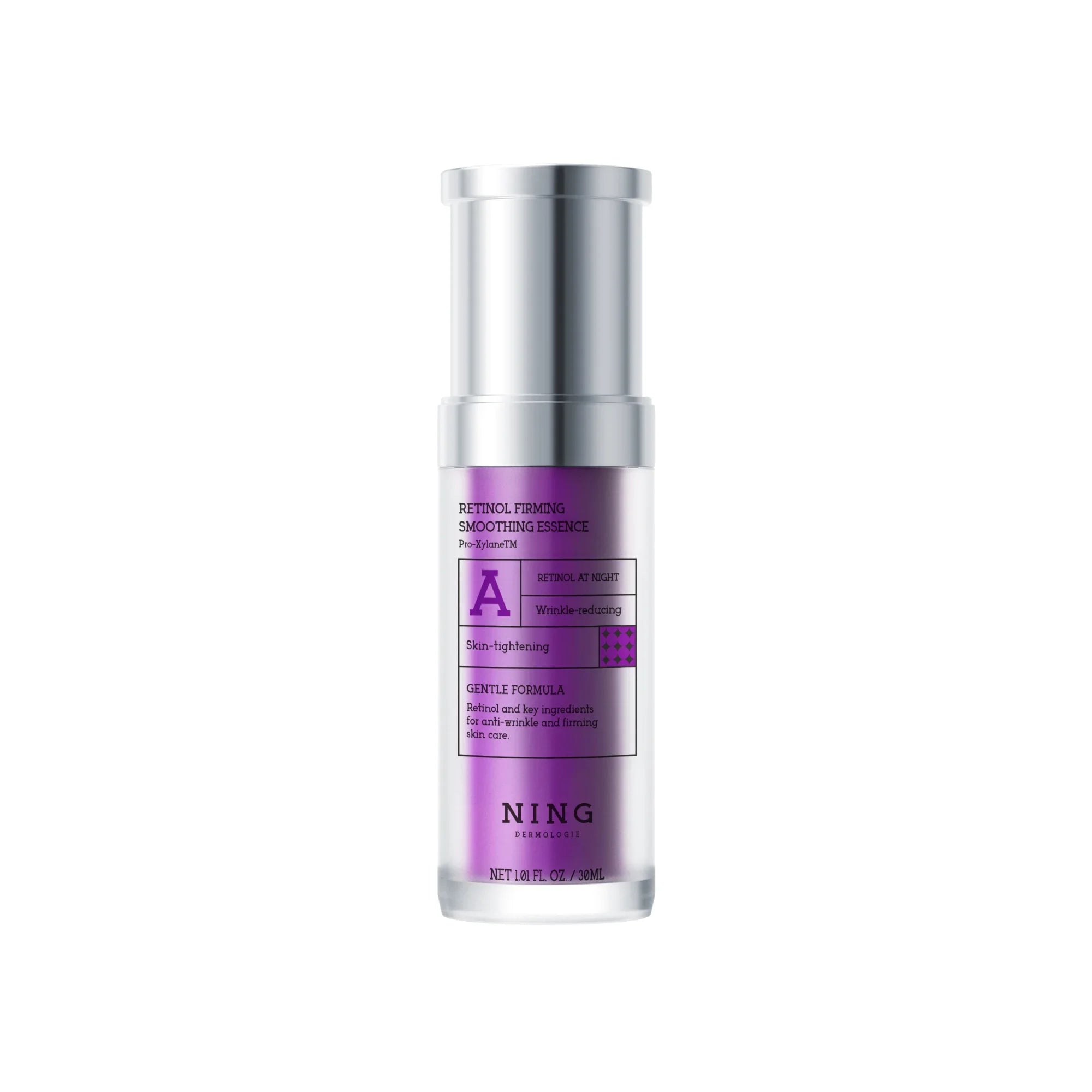
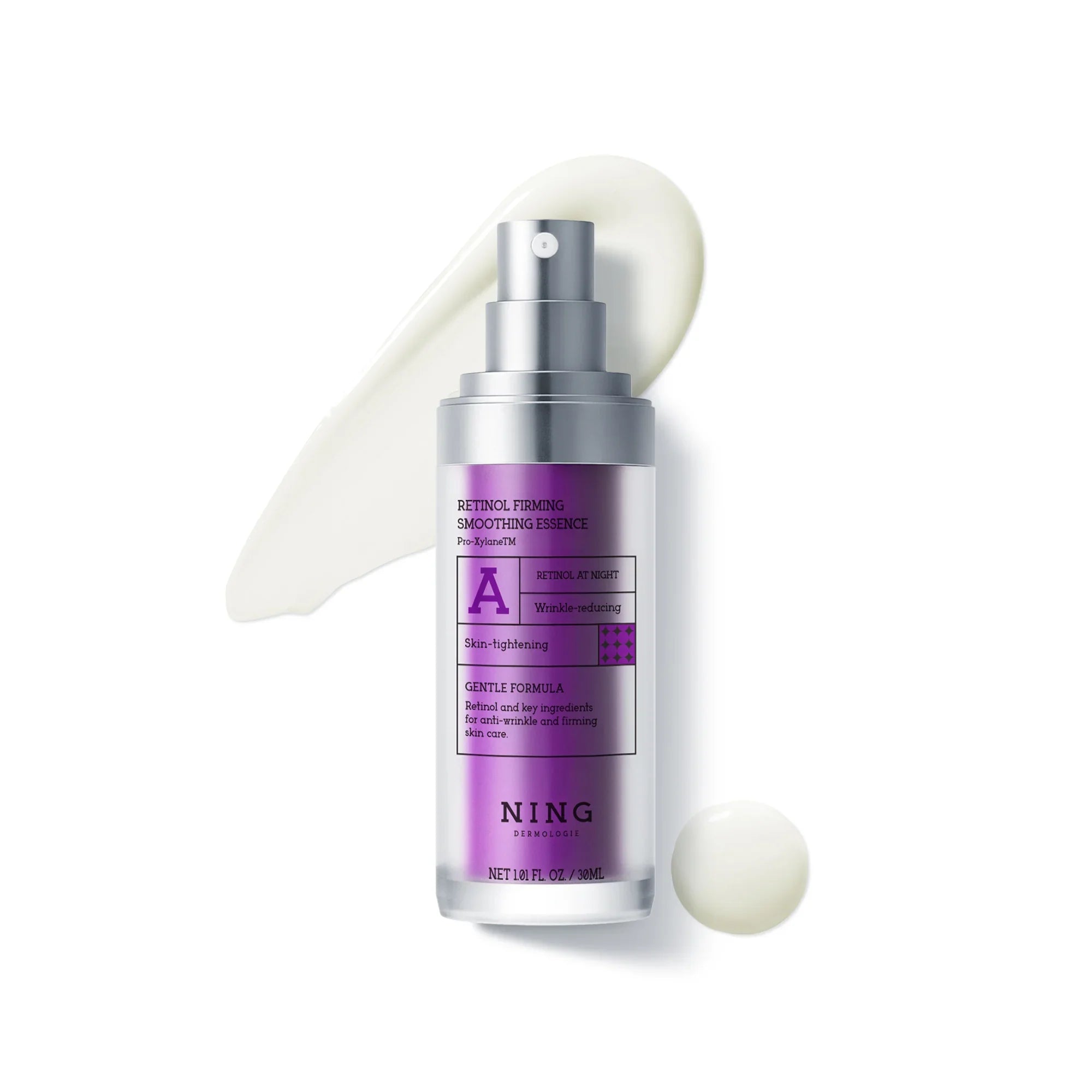
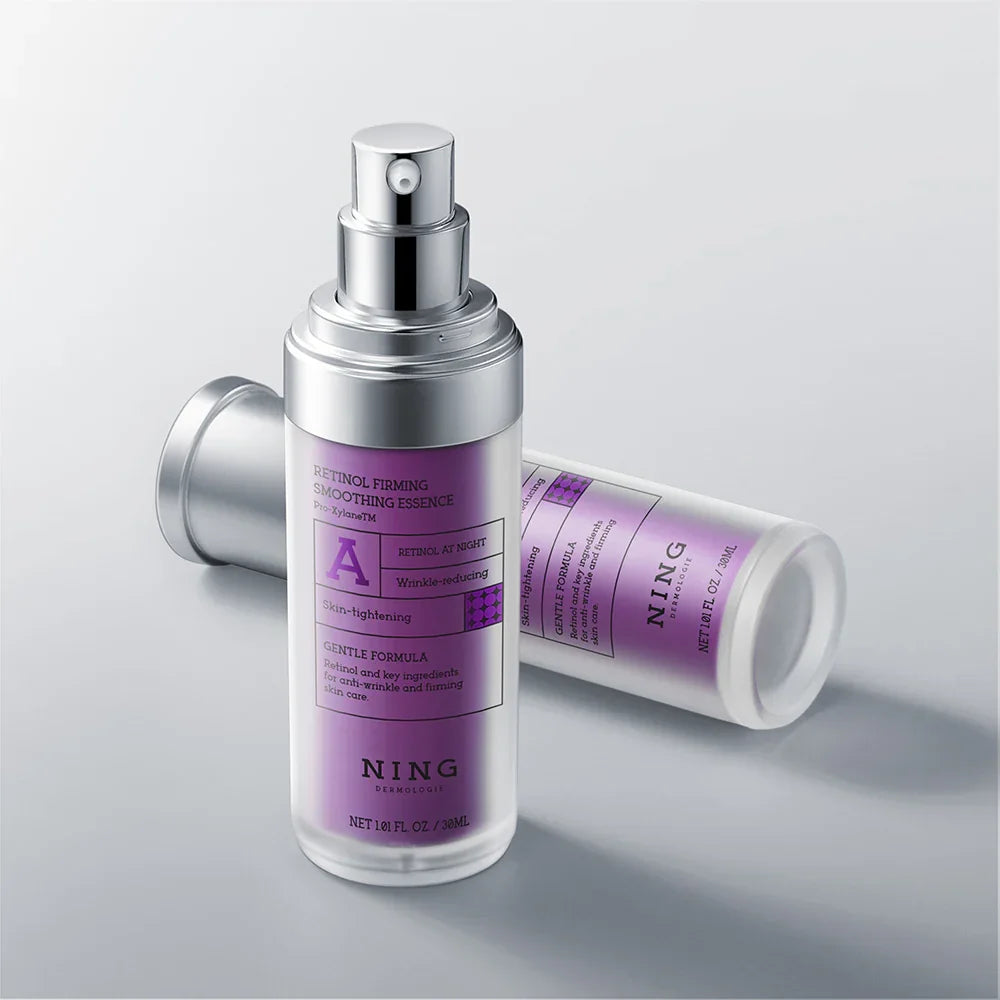
The old myth that you can't mix vit c and Niacinamide has been debunked; they actually work great together to brighten and even out skin. However, be careful with Retinol. Both are powerful, so it’s best to use your vitamin c serum in the morning for protection and your Retinol at night for repair. This prevents irritated skin and ensures you get the full signs of aging benefits from both products without overwhelming your skin barrier.
4. Which concentration of Vitamin C is the best?
More isn't always better. While some vitamin c formulations go up to 20%, anything over 15% often leads to more irritation without much extra benefit. For most skin types, a 10% to 15% concentration of ascorbic acid or a high-quality vitamin c derivative is the "sweet spot" to improve skin tone without causing redness. If you’re a beginner, start lower to see how your tester’s skin reacts.
5. Will Vitamin C serum help with my acne scars?
It definitely helps with the "red" or "brown" marks left behind after a breakout (PIH/PIE). By inhibiting melanin, the serum for dry skin or oily skin types can significantly reduce the look of dark spots over time. However, for deep "pitted" scars, a brightening serum alone won't be enough; you might need to talk to a board-certified dermatologist about professional treatments like microneedling or chemical peels to truly improve skin texture.


Share:
How does Korean vitamin C serum differ from Western brands?
Best vitamin C serum for dark spots on sensitive skin