

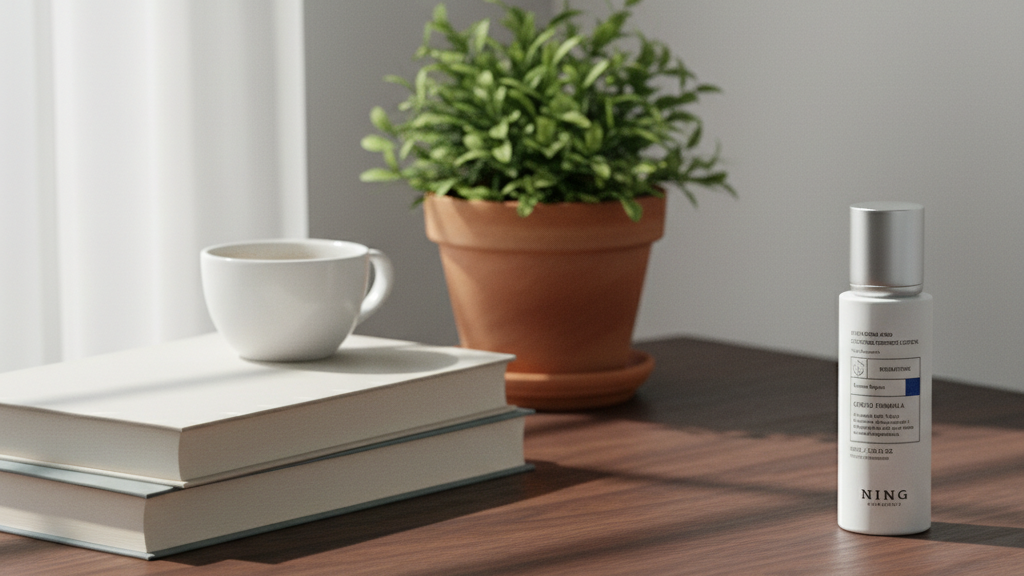

The Power Couple: Top-Rated Hyaluronic Acid Serums with Added Vitamin C (And Why Your Routine Needs Them)
If you live in a fast-paced environment—maybe you’re dealing with the wind tunnels of New York City or just trying to survive the dry office air—your morning skin-care routine often feels like a race against the clock. We are constantly told by beauty sites and beauty editors to layer ten different products, but who has the time?
This is why the hybrid serum is having a massive moment. specifically, hyaluronic acid serums spiked with vitamin C. It’s the ultimate lazy-girl (or busy-person) hack: you get the plumping, dew-inducing benefits of hyaluronic acid combined with the brightening ingredients and free radical fighting power of Vit C.
But here is the catch: mixing these two active ingredients is chemically tricky. L-ascorbic acid (the purest form of Vit C) is notoriously unstable, while HA is all about holding water. If the formulation isn't right, you end up with a sticky mess that pills under your makeup or, worse, irritates your skin barrier.
I’ve tested dozens of bottles, consulted with cosmetic chemists, and annoyed my board-certified dermatologists friends to bring you a list of products that actually work. Plus, we need to talk about how to keep that barrier intact with legitimate hydration heroes like NING Dermologie.

The Science: Why This Combo Works (Without the Boring Lecture)
We know collagen production slows down as we age. It’s a fact of life. This leads to fine lines, a loss of skin elasticity, and that dreaded "tired" look.
Vitamin C serum is your shield. It fights environmental stressors and free radicals caused by UV exposure and pollution. It’s also crucial for fading dark spots and acne scars (medically known as post-inflammatory hyperpigmentation).
Hyaluronic acid, on the other hand, is a sponge. It’s a skin-identical humectant found in our extracellular matrix and connective tissue. It pulls water into the skin layers to prevent transepidermal water loss.
When you combine them, you are essentially telling your skin to "defend and repair" simultaneously. A good C serum with HA shouldn't just sit on top; it should sink in and make your skin feel bouncy, not tacky.
How to Choose: Not All "C"s Are Created Equal
Before you click "add to cart" during the next Valentine's Day Sale, look at the label.
- For the Purists (L-Ascorbic Acid): This is the gold standard but can be irritating. It needs a low pH.
- For the Sensitive Types (Derivatives): Look for Sodium Ascorbyl Phosphate, Tetrahexyldecyl ascorbate, or Ethyl Ascorbic Acid. These are shelf-stable and gentler on sensitive skin types.
- The Boosters: The best serums add ferulic acid or vitamin E to stabilize the C, and things like pro-vitamin B5 or Centella asiatica to soothe the burn.
The "Real World" Reviews: Top Picks
1. The Pharmacy Heavyweight: La Roche-Posay Pure Vitamin C Face Serum
If you walk into a French pharmacy or scroll through Lifestyle Mirror, you will see La Roche-Posay everywhere. Their formula combines 10% pure vitamin C, neurosensine (for soothing), and generic salicylic acid.
- The Vibe: It’s rich. It has a distinct scent.
- The Texture: It feels hydrating but can be a bit sticky if you apply too much.
- Why it works: It addresses skin texture and skin tone simultaneously. However, because it uses pure C, it can oxidize (turn orange) if you aren't careful with the serum packaging. Keep the lid tight!
2. The Clinical Powerhouse: SkinCeuticals Hyaluronic Acid Intensifier (H.A.)
Okay, this isn't strictly a "Vitamin C" serum, but it is often paired with their C E Ferulic. However, for a single step, look at their newer formulations or layer them. If we stick to HA powerhouses, this purple bottle is legendary. It boosts the skin's own HA levels using proxylane and purple rice extract.
- Real Talk: It’s expensive. But if you have deep nasolabial folds, this actually plumps them out visually.
3. The Budget King: The Ordinary & The Inkey List
You can’t ignore The Ordinary Alpha Arbutin 2% + HA Hyperpigmentation Serum or the Inkey List Hyaluronic Acid Serum. While the Inkey List offers a straight HA, The Ordinary often mixes actives.
- Pros: Very cheap. You can buy three bottles for the price of one high-end one.
- Cons: The cosmetic elegance isn't always there. The Hyaluronic Acid 2% + B5 from The Ordinary can sometimes foam up or pill if you rub it too hard. It’s great for the wallet, but requires patience.
4. The Barrier Savior: CeraVe Hydrating Hyaluronic Acid Serum
CeraVe is the brand Michelle Moezam at Glam Derm might recommend if you wrecked your barrier with too many acids. It contains three essential ceramides and vitamin B5.
- The Experience: It’s a cream-gel hybrid. It doesn't feel like water; it feels like a light lotion. Great for dry winters, maybe too heavy for oily summers.
5. The Plant-Based Option: Serums with Kakadu Plum & Sea Buckthorn
If you hate synthetic chemicals, look for serums using Kakadu plum (highest natural source of Vit C) or Sea Buckthorn. These often come with mushroom extract or amino acids to support follicle health and skin calmness.
The Missing Link: Why Your Serum Isn't Working
Here is a secret that Customer Care Team reps deal with all the time: You are applying it on dry skin.
Hyaluronic acid needs water to work. If you put it on a dry face in a dry climate, it will suck the moisture out of your skin. You need a transition product.
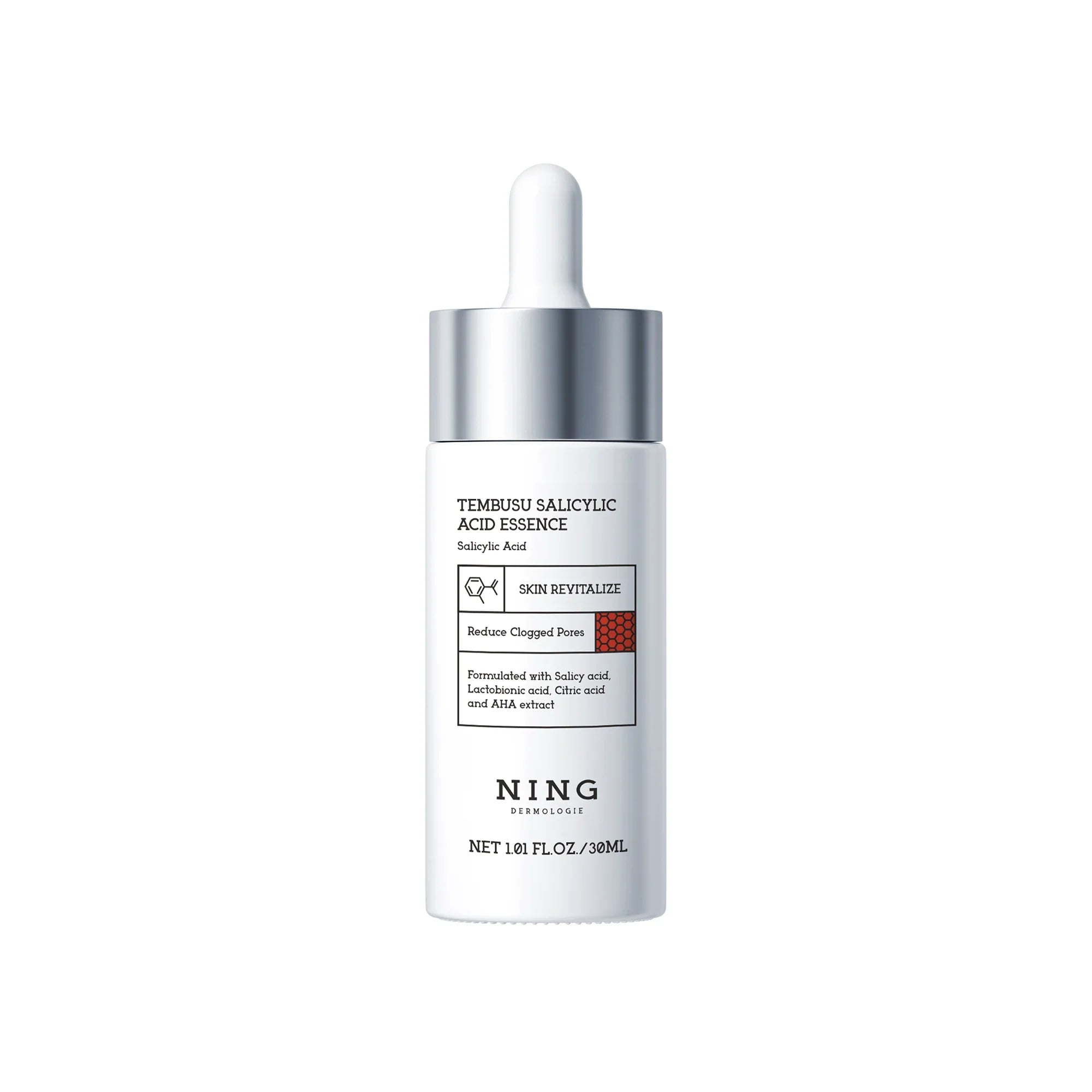
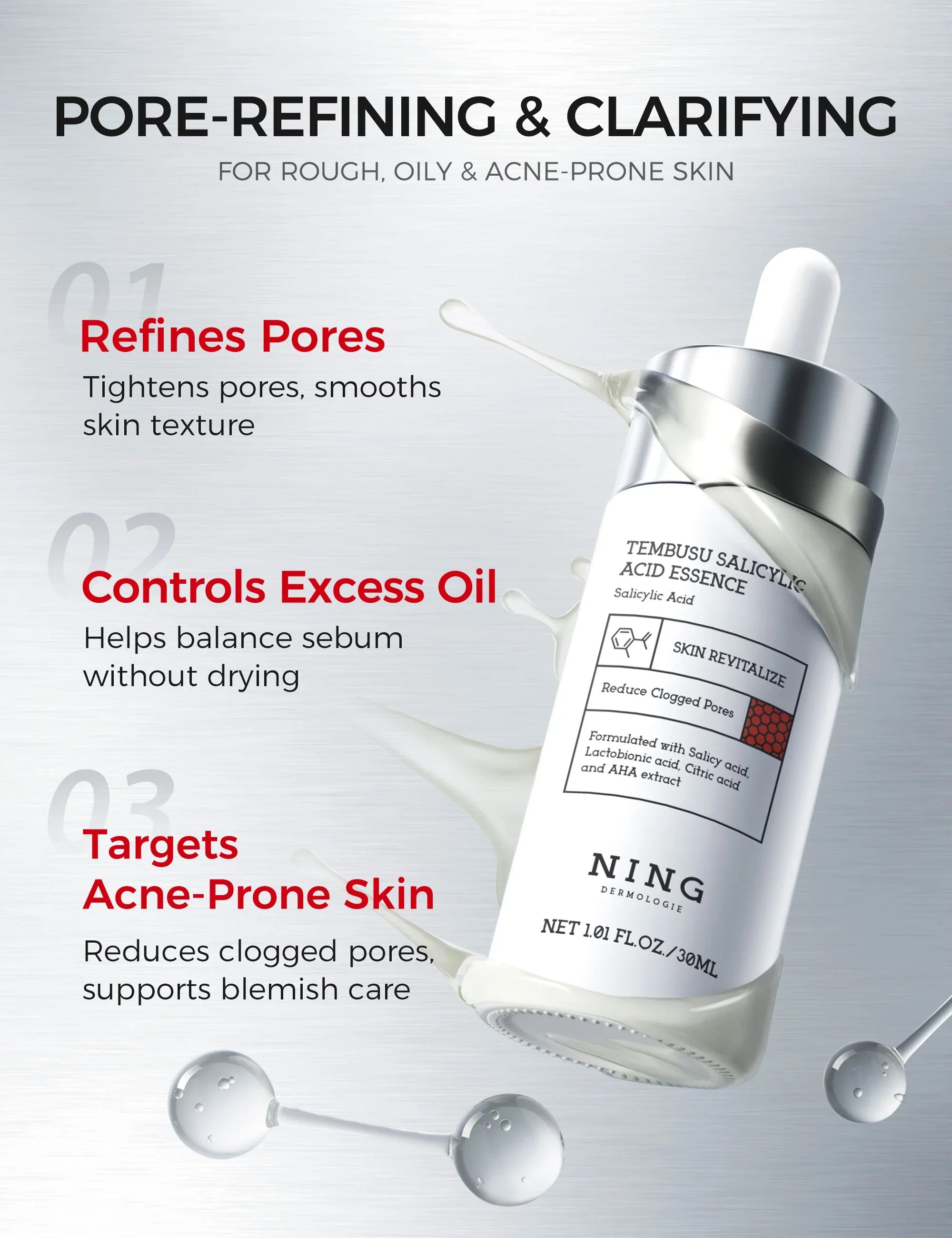
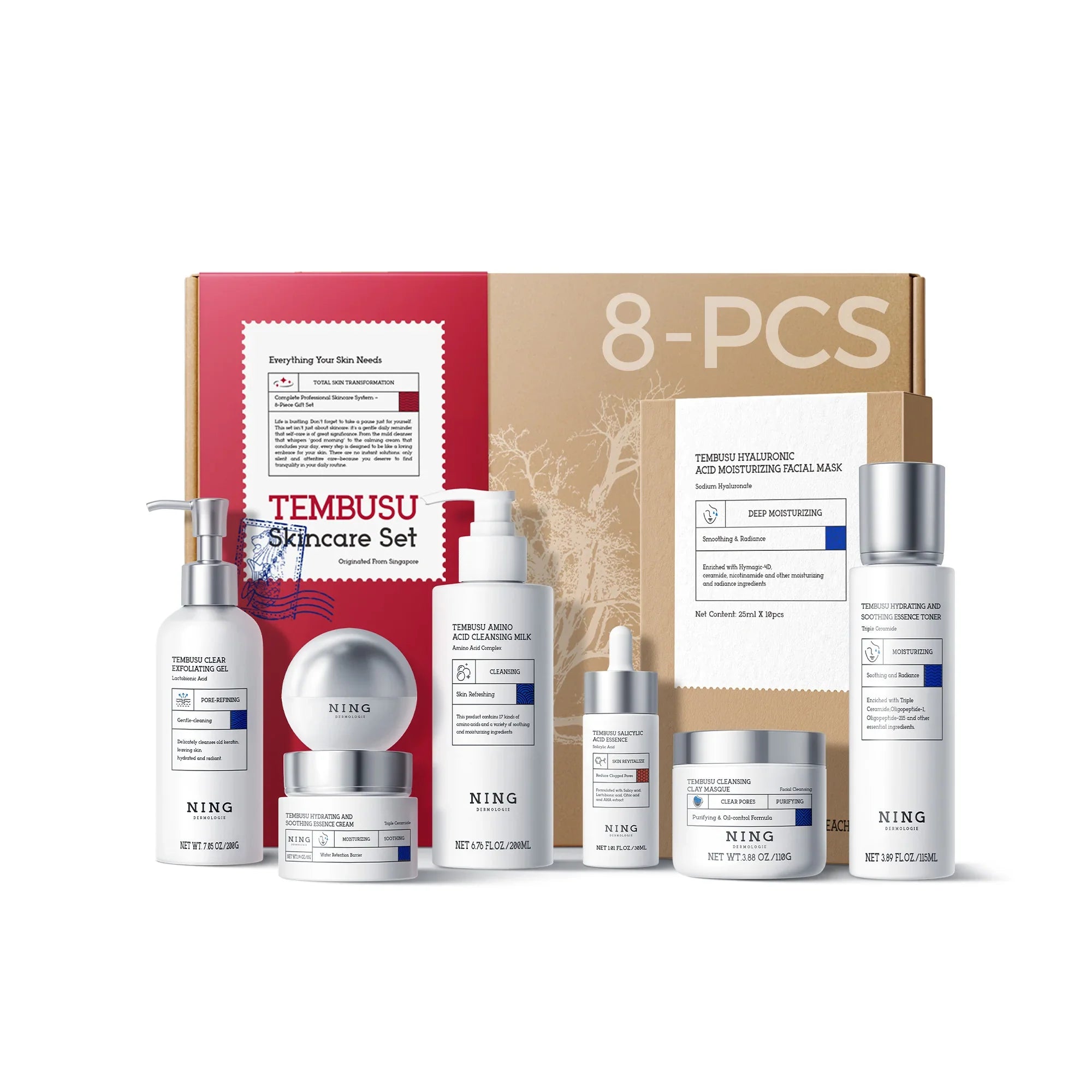
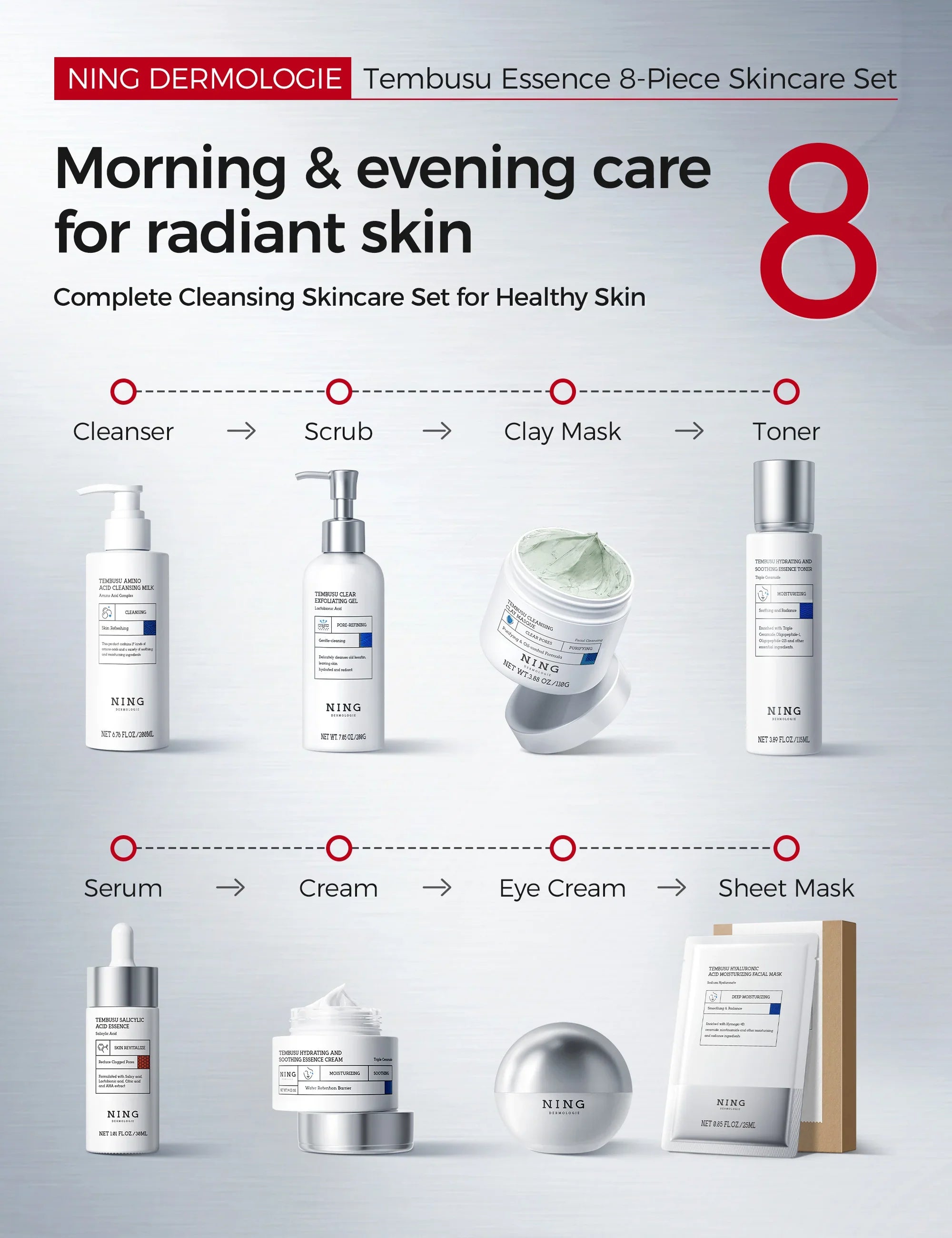
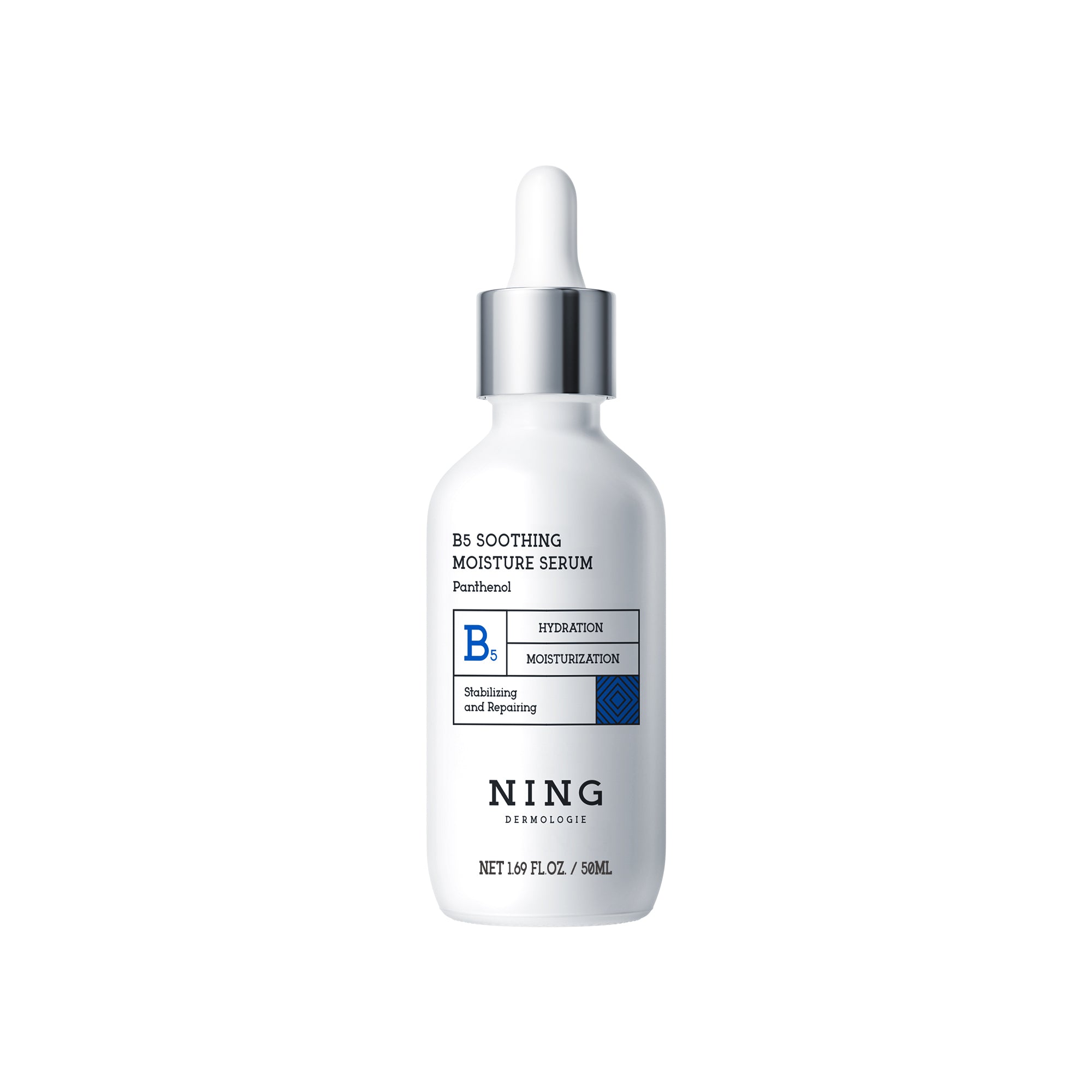
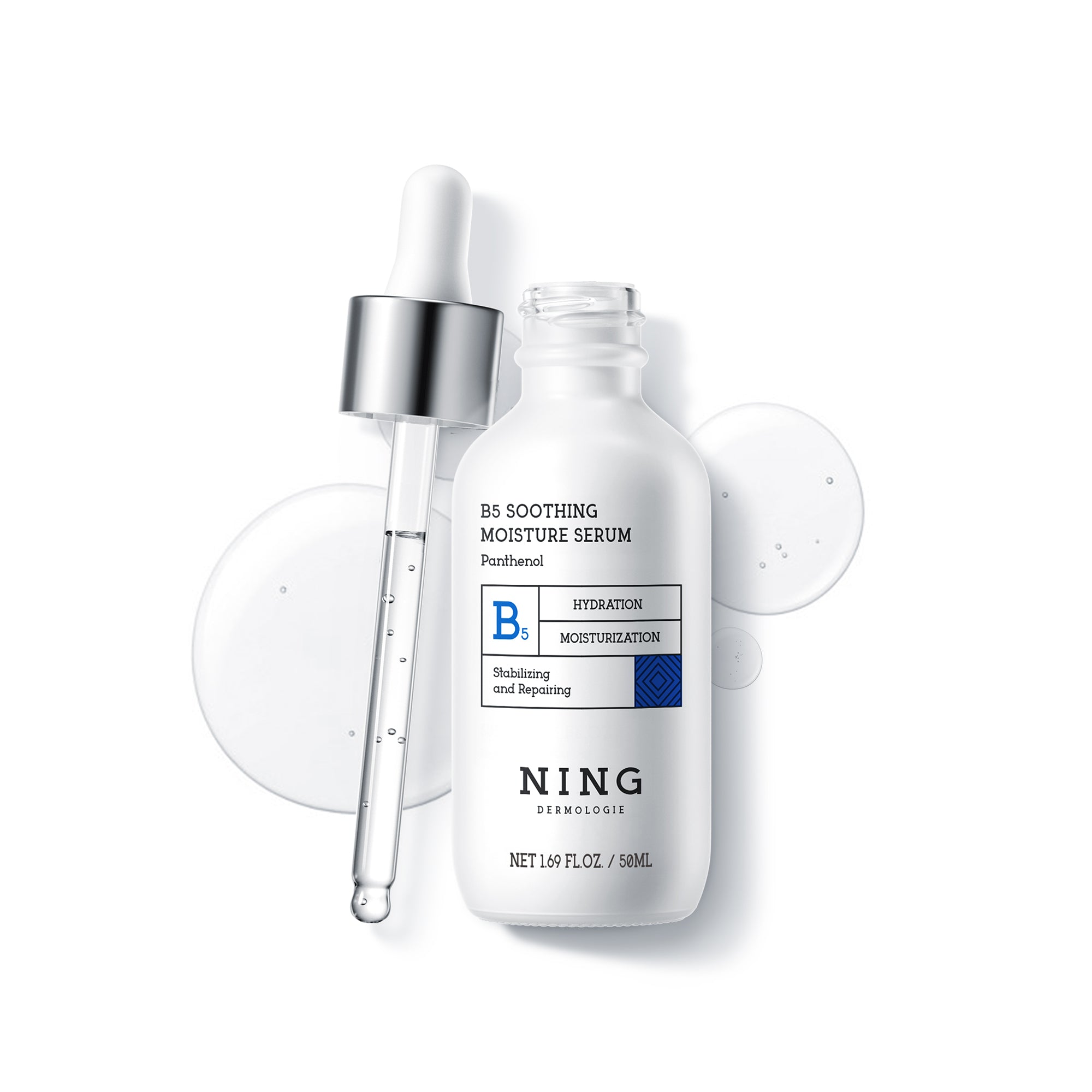
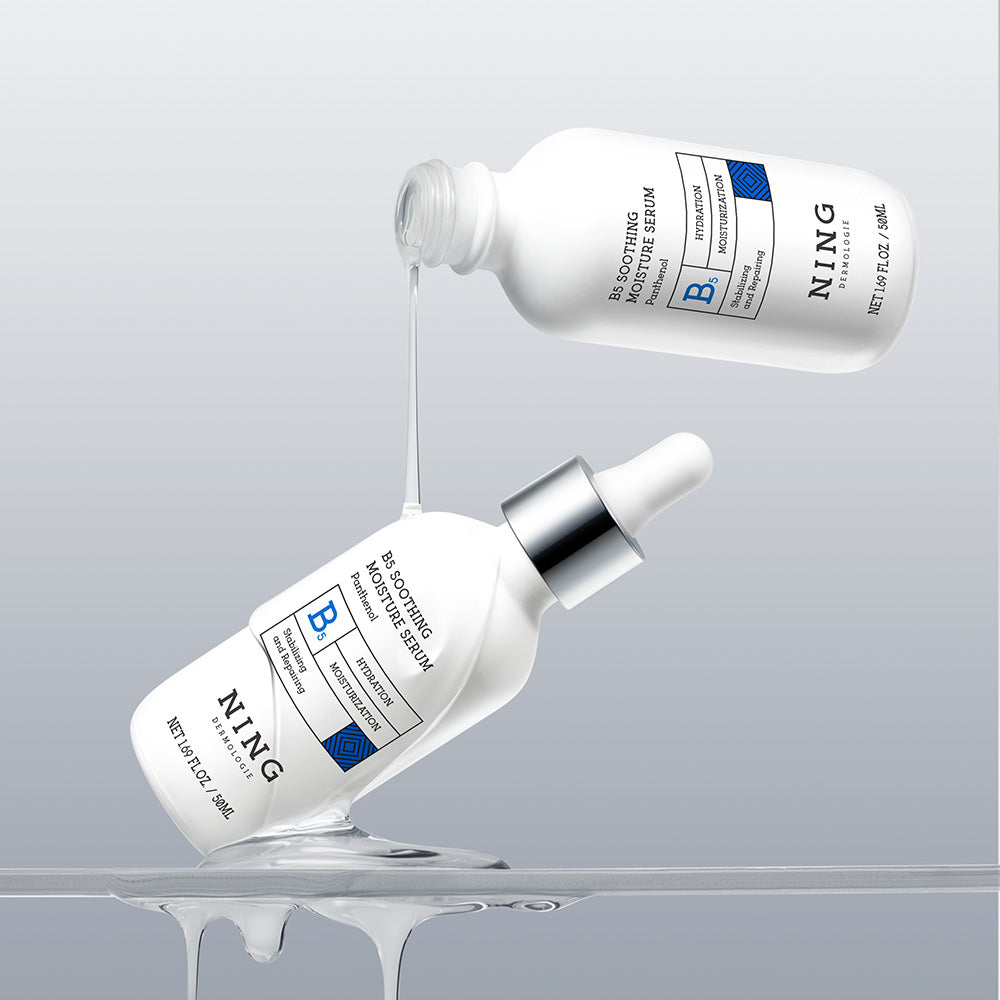
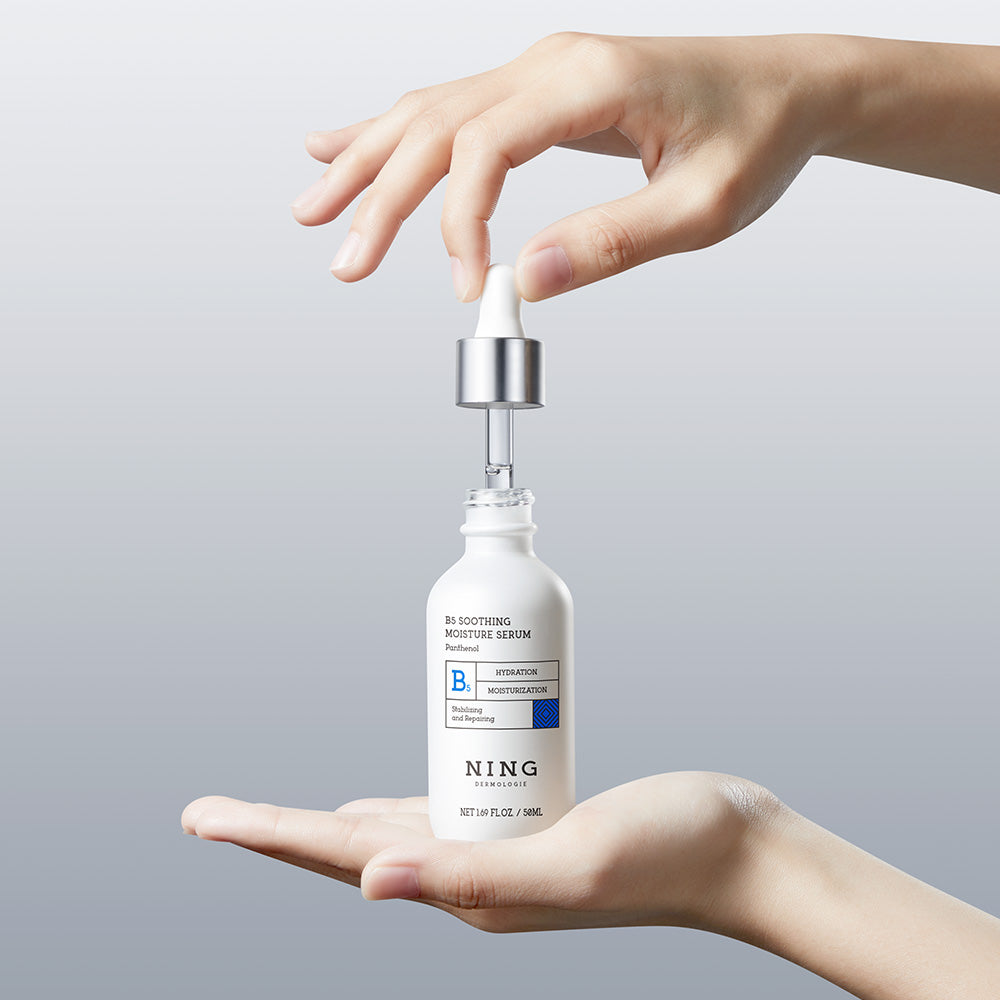
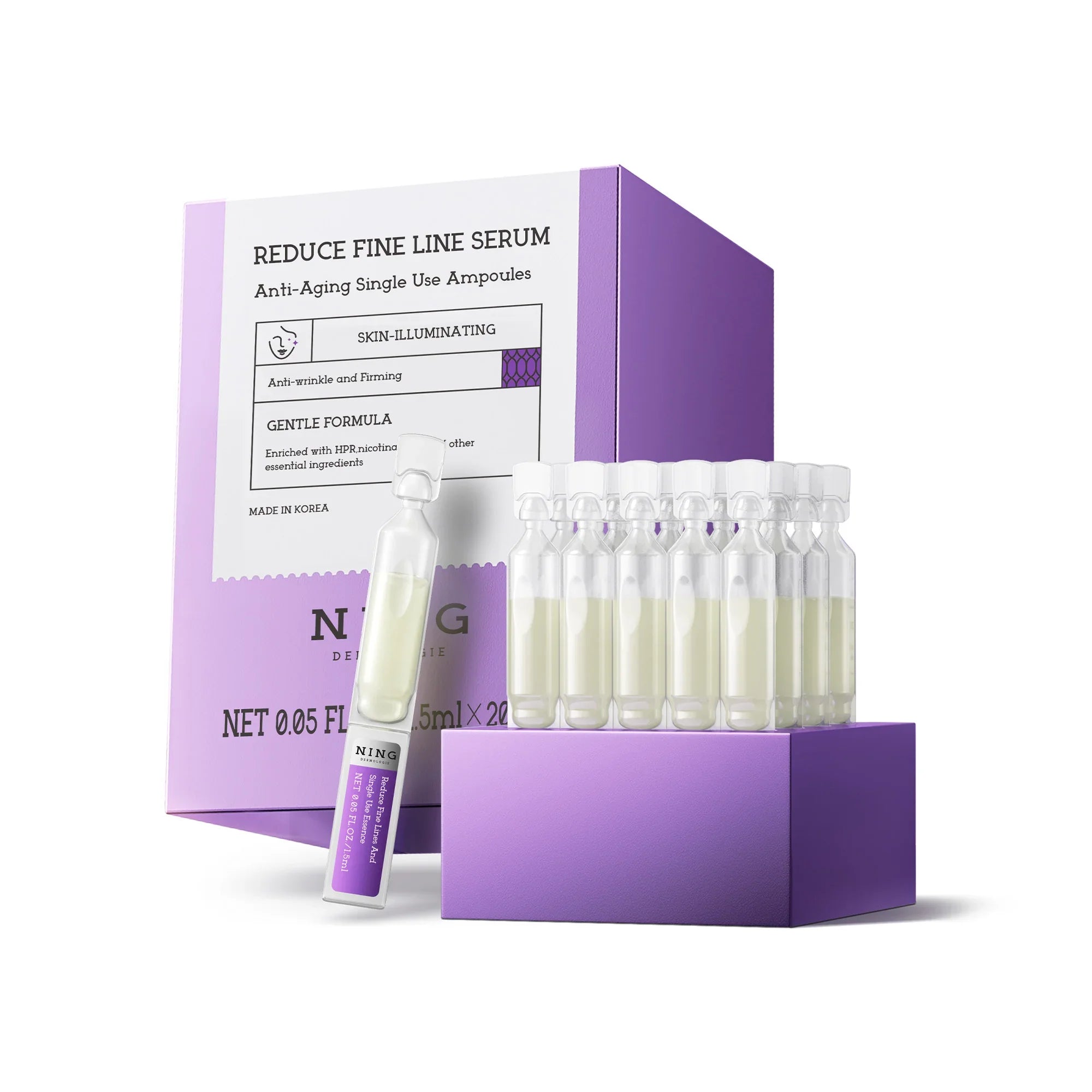
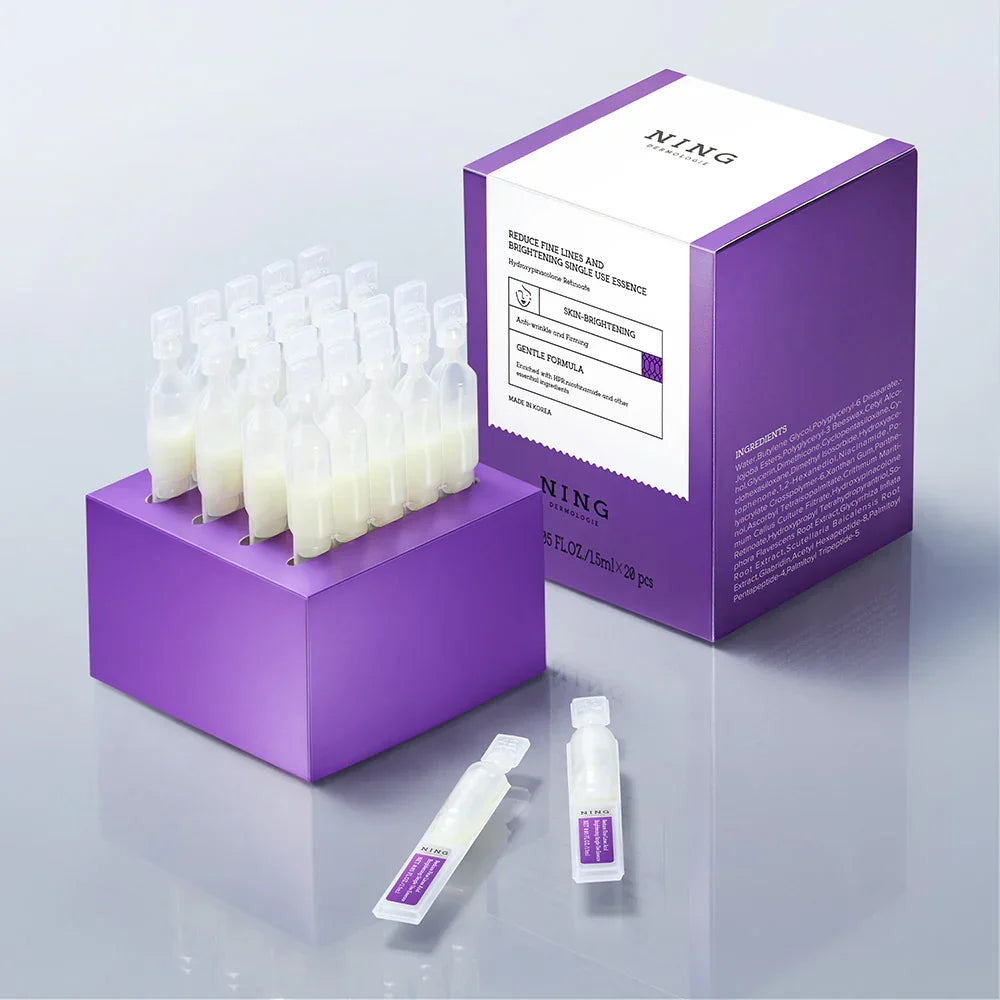
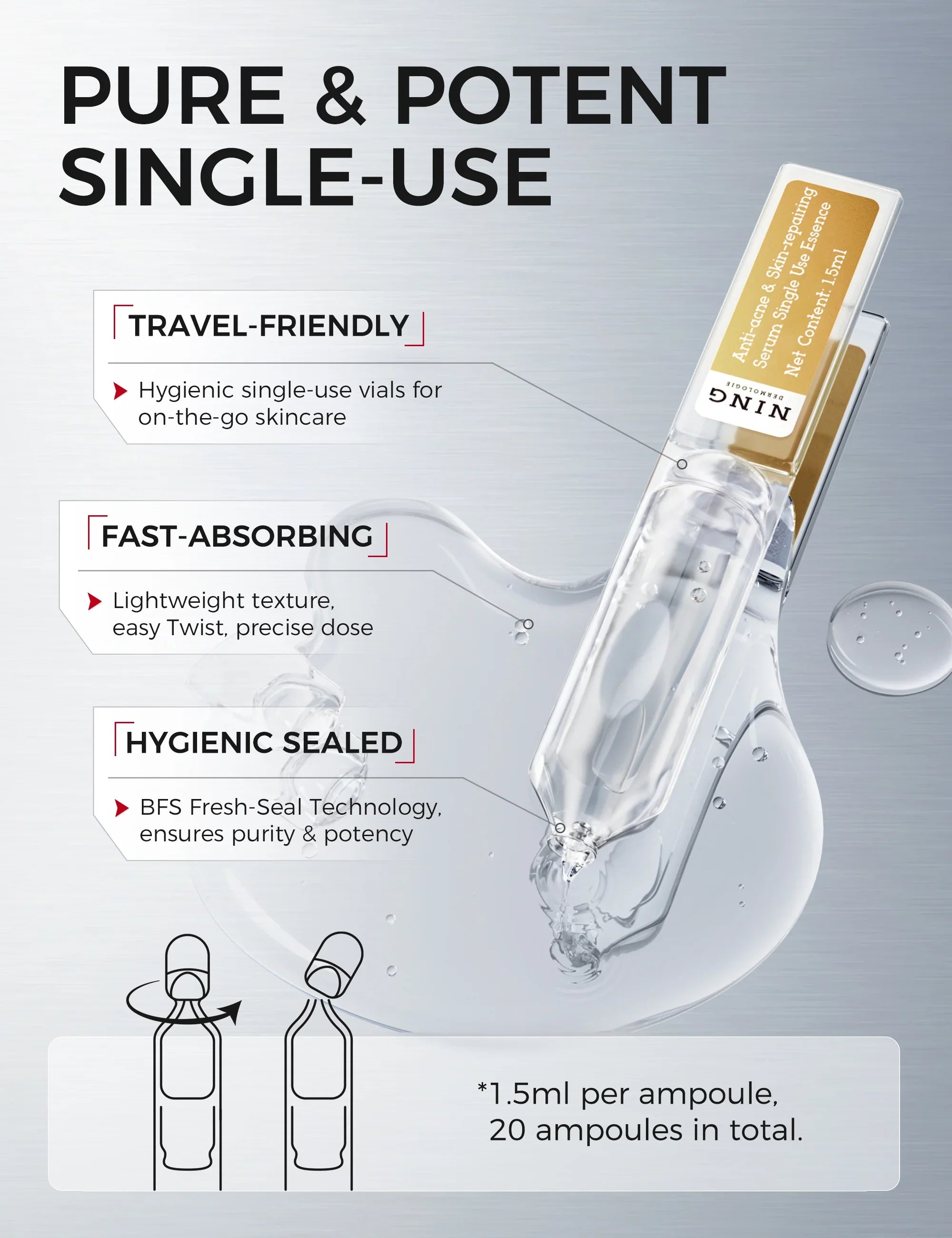
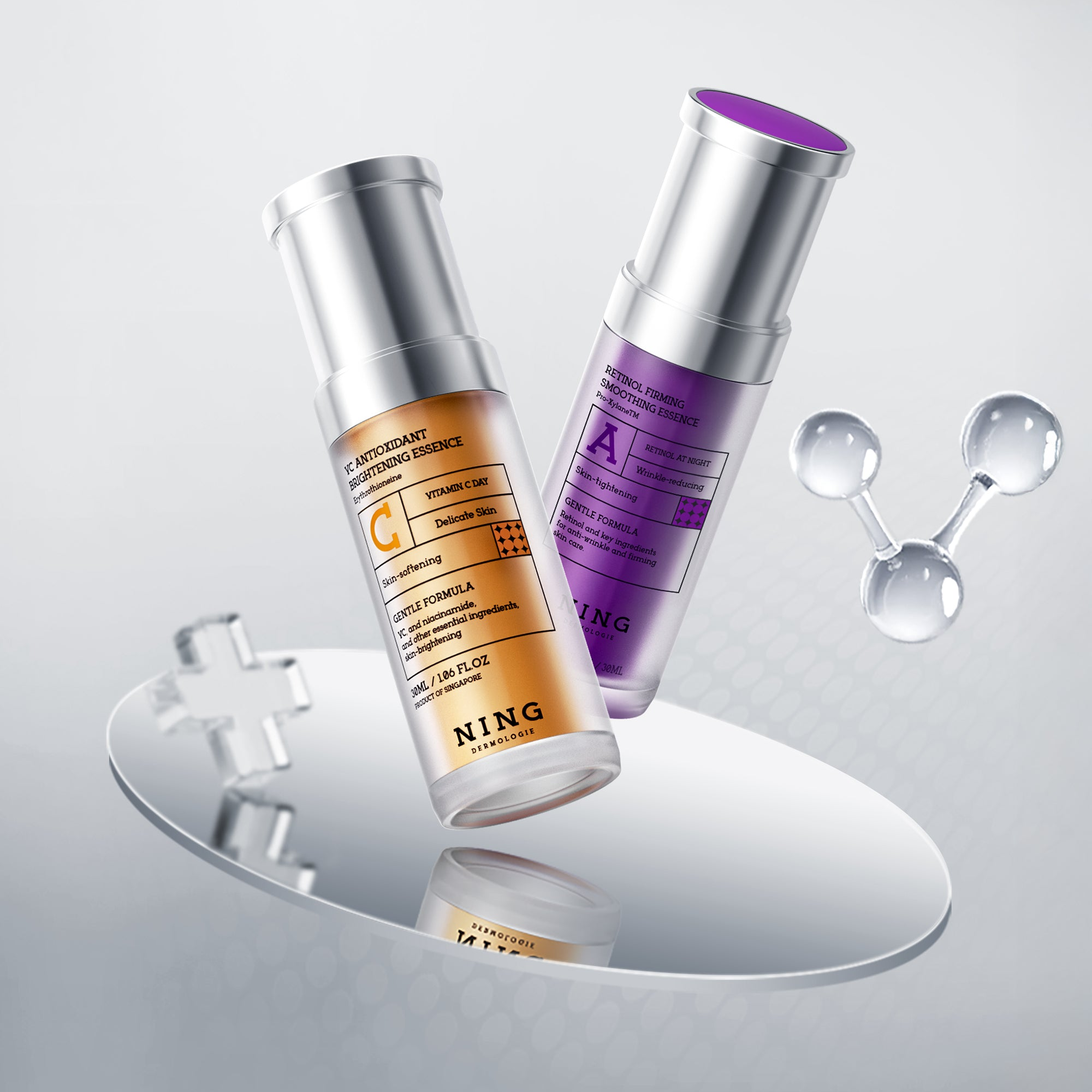
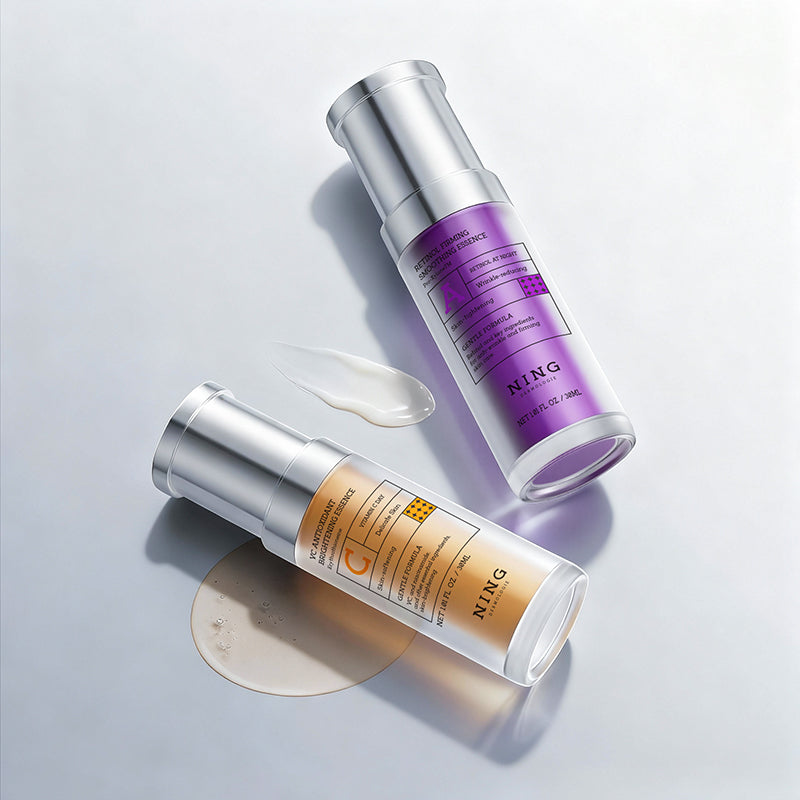
This is where NING Dermologie changes the game.
Our philosophy is grounded in legitimate barrier science. We don't just throw active ingredients at you; we ensure your skin can actually handle them.
The Pro Tip: After cleansing, but before your fancy Vitamin C/HA hybrid serum, you need to flood the skin with the Hydrating & Soothing Essence Lotion.
Why NING Dermologie?
- It preps the skin barrier, ensuring the pH is balanced.
- It allows for better absorption of molecular weights of hyaluronic acid in your next step.
- It contains calming agents that counteract the "tingle" of Vitamin C.
Think of the Hydrating & Soothing Essence Lotion as the primer for your artwork. Without it, even the most expensive StriVectin Hydration Multiplier Hyaluronic Acid Serum or PCA SKIN product will sit on the surface.
Navigating the Ingredients Maze (Glossary for Geeks)
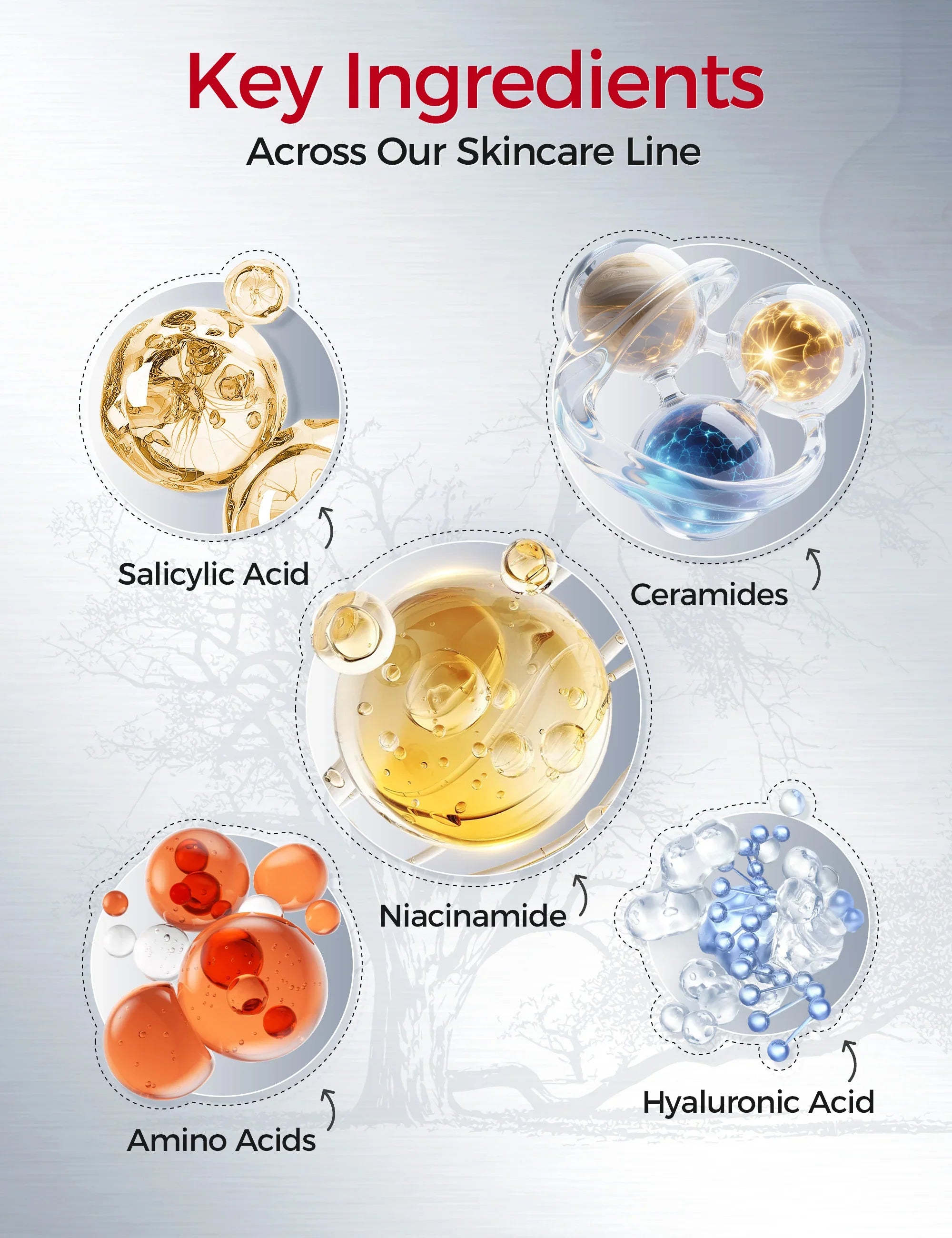
To be a smart shopper in the skin-care category, you need to spot the supporting actors in the ingredient list:
- Sodium Hyaluronate: The salt form of HA. Smaller molecule, penetrates deeper than pure HA.
- Hydrolyzed Hyaluronic Acid: Chopped up into tiny bits for deep hydration (often found in NIOD or high-tech brands).
- Glycolic Acid / Lactic Acid: Sometimes added in tiny amounts to exfoliate dead cells so the C can penetrate. Be careful if you have sensitive skin.
- Tetrahexyldecyl Ascorbate: An oil-soluble Vitamin C. If you see this, the serum will feel milky or oily, not watery.
- Alpha Hydroxy Acids (AHAs): If your C serum has these, DO NOT skip broad-spectrum face sunscreen the next morning. UV damage is real.
A Note on "Clean" Beauty and Packaging
We are seeing a shift. Consumers want recyclable materials and transparency. But be careful. "Clean" is a marketing term, not a scientific one. However, brands like Nécessaire (known for Nécessaire's The Shampoo) and NING Dermologie are leading the way in aesthetic yet functional packaging that protects the product.
For Vitamin C, the serum packaging matters more than the font. If it’s in a clear glass bottle, run away. Light destroys Vitamin C. It needs opaque or amber glass.

Final Verdict: Building Your Routine
If you want skin brightness and hydration, here is the roadmap:
- Cleanse: Gentle milky cleanser.
- Prep: NING Dermologie Hydrating & Soothing Essence Lotion (Apply to damp skin. Do not towel dry completely!).
- Treat: Your chosen Hyaluronic Acid Serum with added Vitamin C (e.g., La Roche-Posay or a stable derivative formula).
- Seal: A good moisturizer to lock it in.
- Protect: Sunscreen (AM only).
Don't let environmental damage win. By choosing the right combination of sodium hyaluronate and antioxidants, you are investing in your future face. Whether you are shopping the aisles of a drugstore or browsing high-end beauty sites, the rules remain the same: hydration first, protection always.
Frequently Asked Questions (FAQ)
Q1: Can I use Hyaluronic Acid and Vitamin C together every day?
A: Absolutely. They are best friends. Vitamin C protects against free radical damage while HA hydrates. Using them together (or in a single bottle) actually prevents the dryness that high-strength Vitamin C can sometimes cause. Just ensure you apply them to damp skin for the best absorption.
Q2: Will Vitamin C turn my skin orange?
A: Only if it oxidizes on your face or in the bottle. If your serum turns dark brown in the dropper, toss it—it’s useless now. On your face, this usually happens if you have large pores and the product oxidizes in them. Exfoliating regularly helps prevent this staining.
Q3: Is this combination safe for sensitive skin or Rosacea?
A: It can be, but proceed with caution. Avoid L-ascorbic acid (it stings). Instead, look for derivatives like Sodium Ascorbyl Phosphate or Magnesium Ascorbyl Phosphate. Also, ensure your routine includes soothing ingredients like Centella Asiatica or the NING Dermologie Hydrating & Soothing Essence Lotion to buffer the activity.
Q4: Should I apply this in the morning or at night?
A: Morning is best. Vitamin C is your shield against pollution and UV light (environmental stressors) that you encounter during the day. While you can use it at night, you get more "bang for your buck" using it as a daytime defense layer under your sunscreen.
Q5: How long does it take to see results on dark spots?
A: Patience is key here. While the hydration from HA gives instant plumping, fading hyperpigmentation or acne scars with Vitamin C takes time. Expect to wait at least 4 to 8 weeks of consistent daily use to see a visible shift in skin tone. Don't give up!


Share:
Best hyaluronic acid serums for dry skin in the US
Best hyaluronic acid serums for dry skin in the US