


The Real Talk on Finding a Vitamin C Serum for Sensitive Skin (That Actually Works)
Most of us with sensitive skin have a love-hate relationship with "brightening" products. You see a glowing review for a best vitamin c serum, you buy it, you apply it, and thirty seconds later, your face feels like it’s being poked by a thousand tiny, hot needles. That "spicy" sensation isn't "working"—it's your skin barrier screaming for help.
For individuals with sensitive skin, the hunt for a c serum for sensitive skin often feels like a gamble. You want the benefits of vitamin c—the glow, the collagen boost, the fading of that uneven skin tone—but you don’t want the redness and peeling that usually come with it.
The truth is, not all vitamin c product formulations are created equal. If you’ve been burned (literally) by an acid serum before, it’s probably because you were using the wrong form of vitamin c.

Why Your Skin Reacts (and Why Most Serums Fail You)
Most "holy grail" serums, like the skinceuticals c e ferulic or the timeless skin care options, rely on pure vitamin c (L-Ascorbic Acid). Don't get me wrong; L-Ascorbic Acid is the gold standard for skin health in clinical studies. But there’s a catch. For it to penetrate the skin, it has to be formulated at a very low pH (usually around 2.5 to 3.5).
For delicate skin, that acidity is a nightmare. It disrupts your skin barrier, leading to irritation. If you have dry skin or skin that reacts easily, using a high concentration of vitamin c in its pure form is like trying to run a marathon in shoes that are two sizes too small. It might get you there, but you’ll be miserable the whole time.
This is where a gentle vitamin c serum comes in. Instead of forcing the skin to endure high acidity, modern skin care has moved toward derivatives of vitamin c. These are "pro-drugs" that stay stable on the shelf and only convert into active vitamin c once they are within the skin.
Breaking Down the Best Vitamin C Serums for Sensitive Skin
When you’re choosing a vitamin c serum, you need to look past the marketing fluff. Let’s look at what’s actually on the shelves in skin care 2026.
1. The Stable Alternative: 3-O-Ethyl Ascorbic Acid
If you want the power of a brightening vitamin c serum without the drama, keep an eye out for Ethyl Ascorbic Acid. Unlike pure vitamin c, this vitamin c derivative is highly stable and works at a neutral pH.
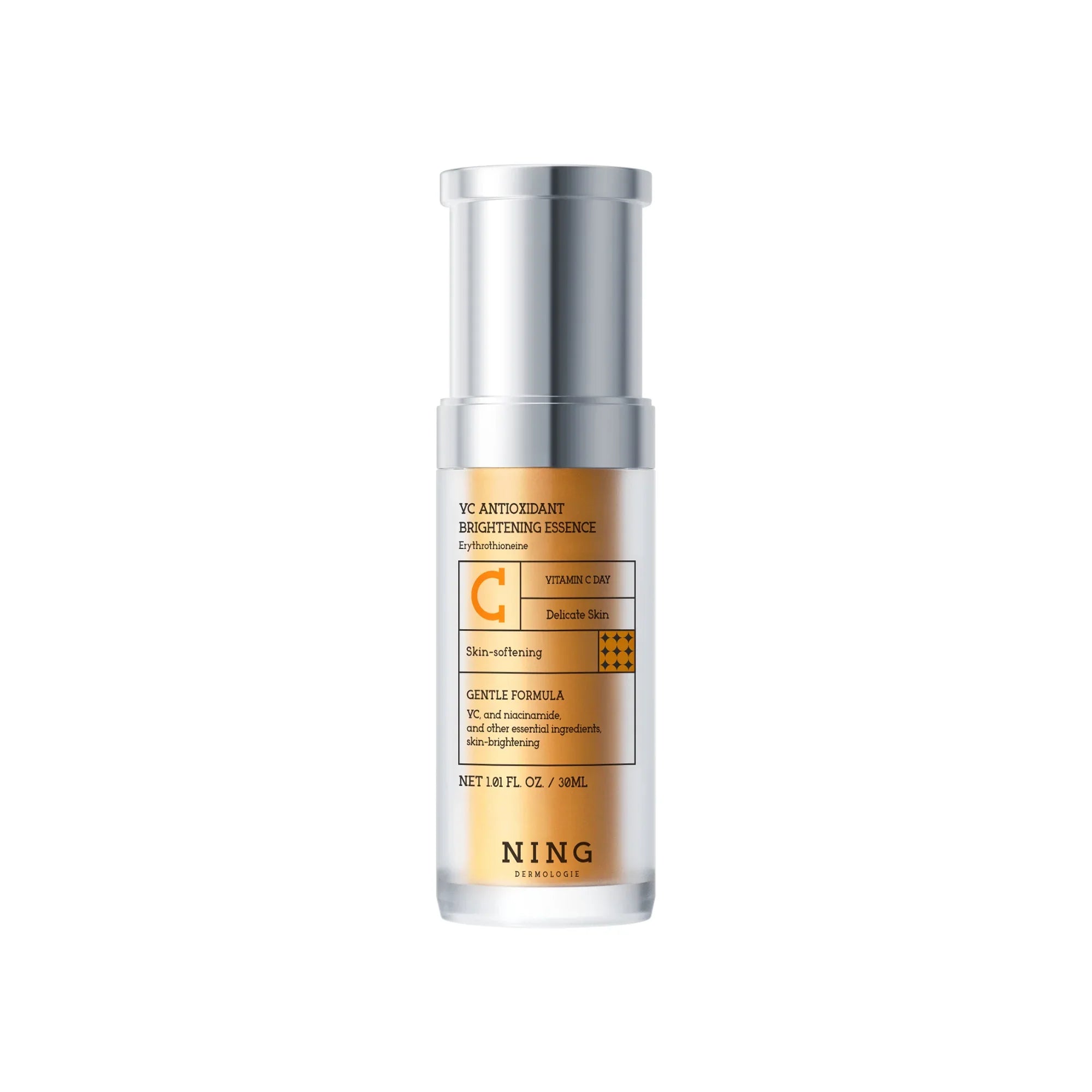
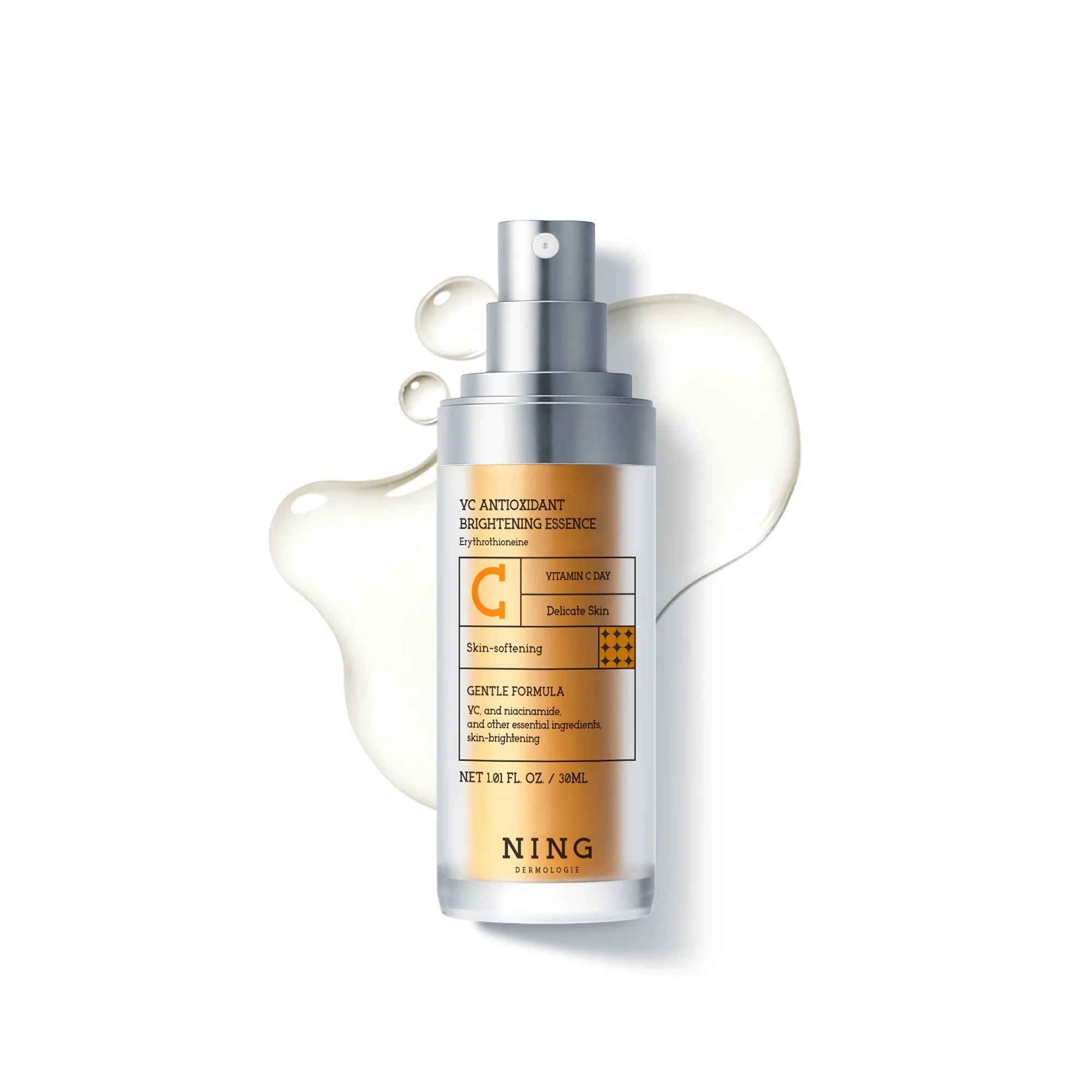
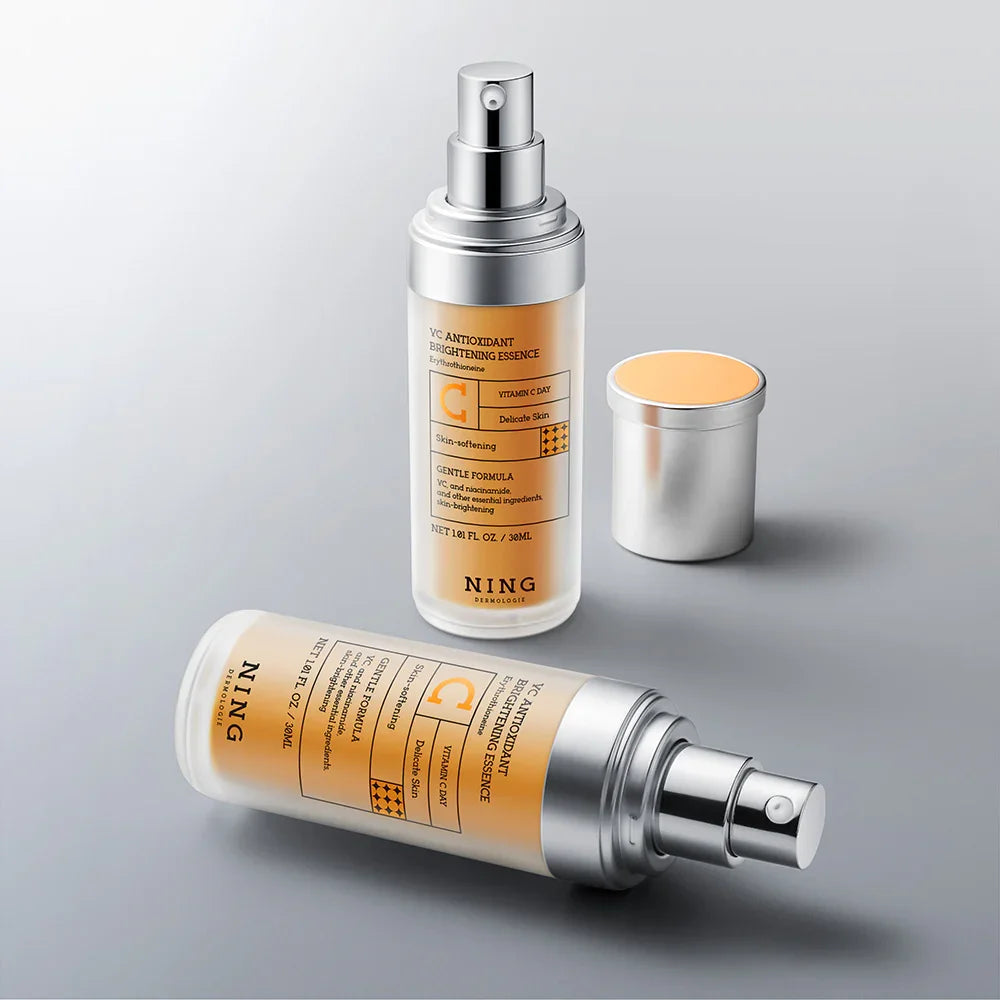
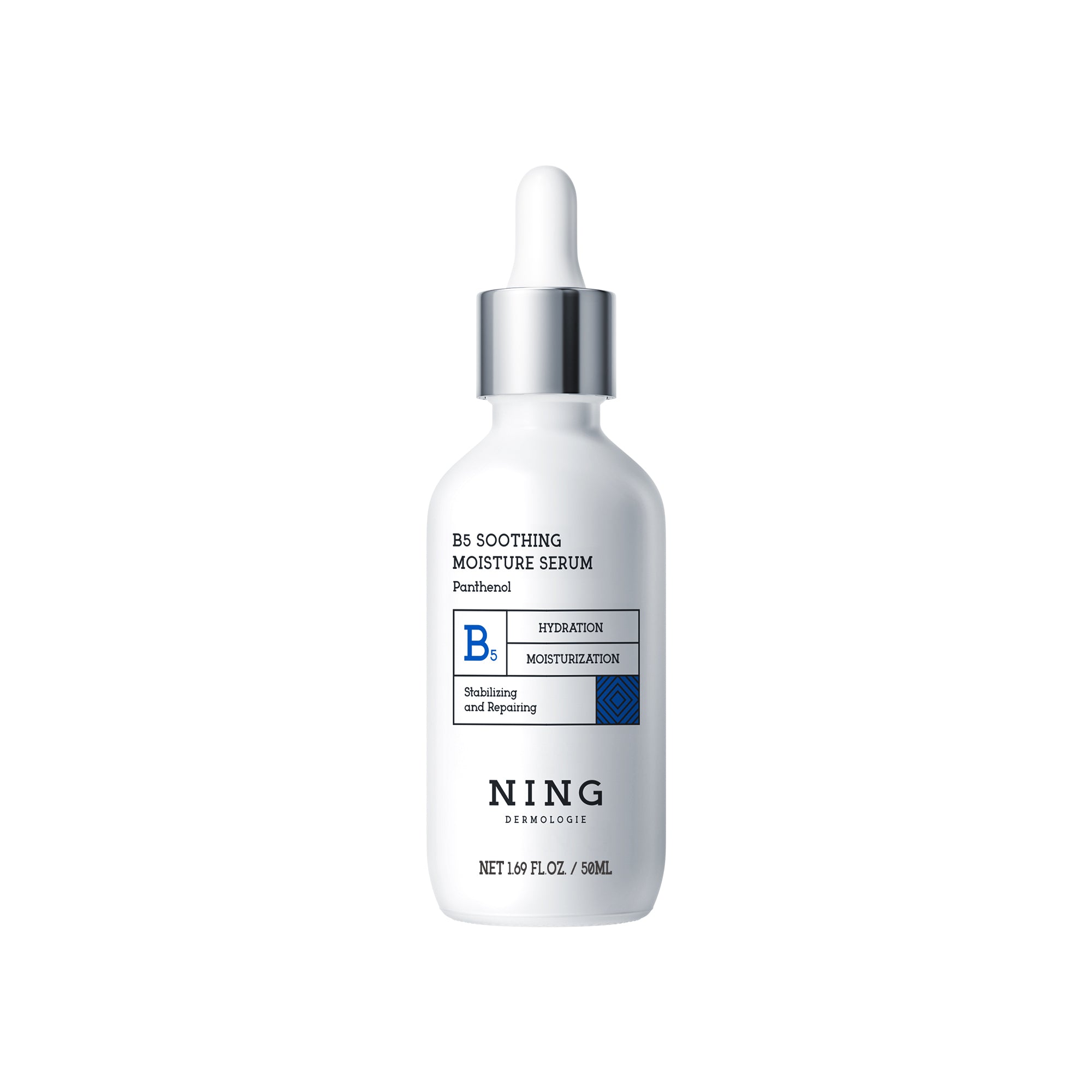
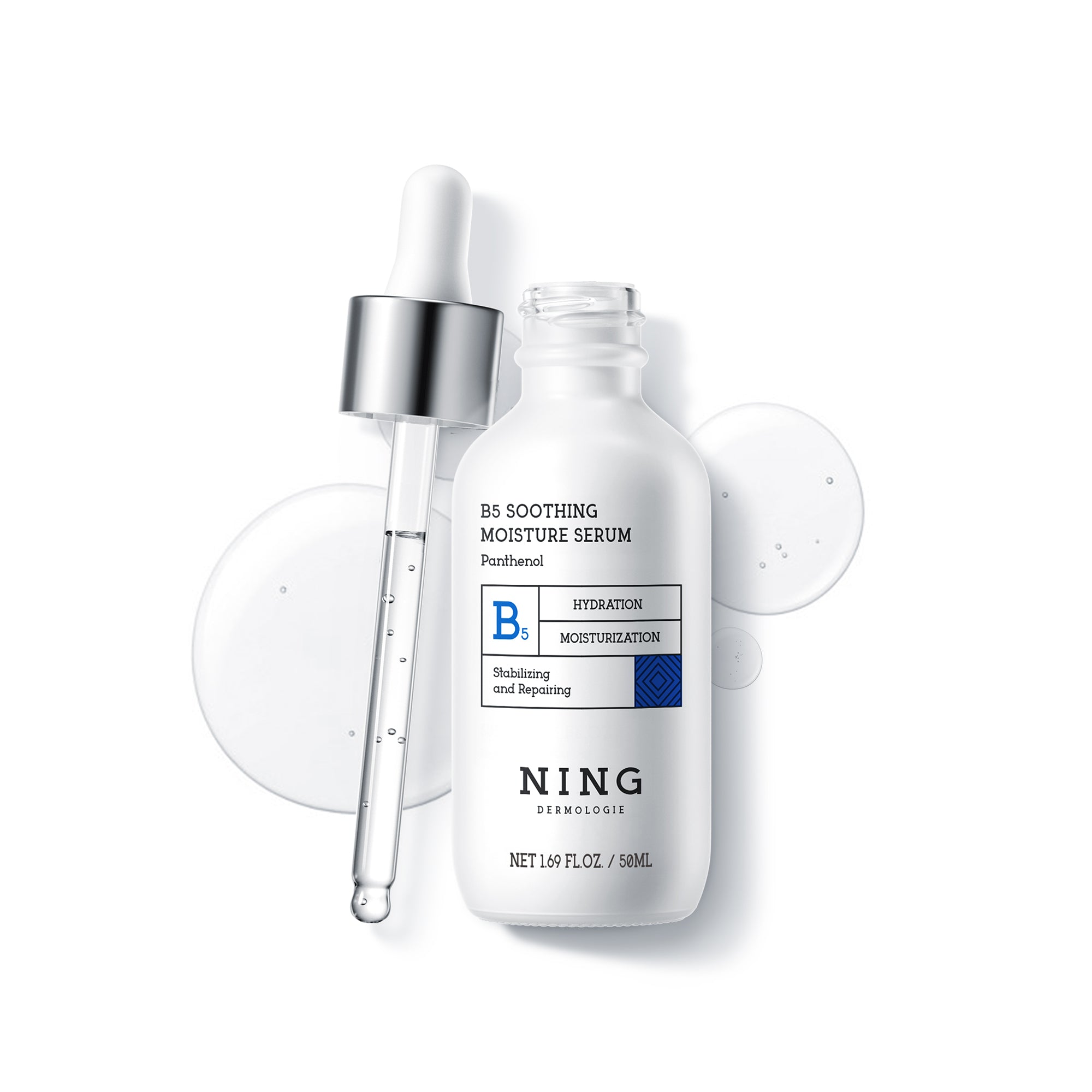
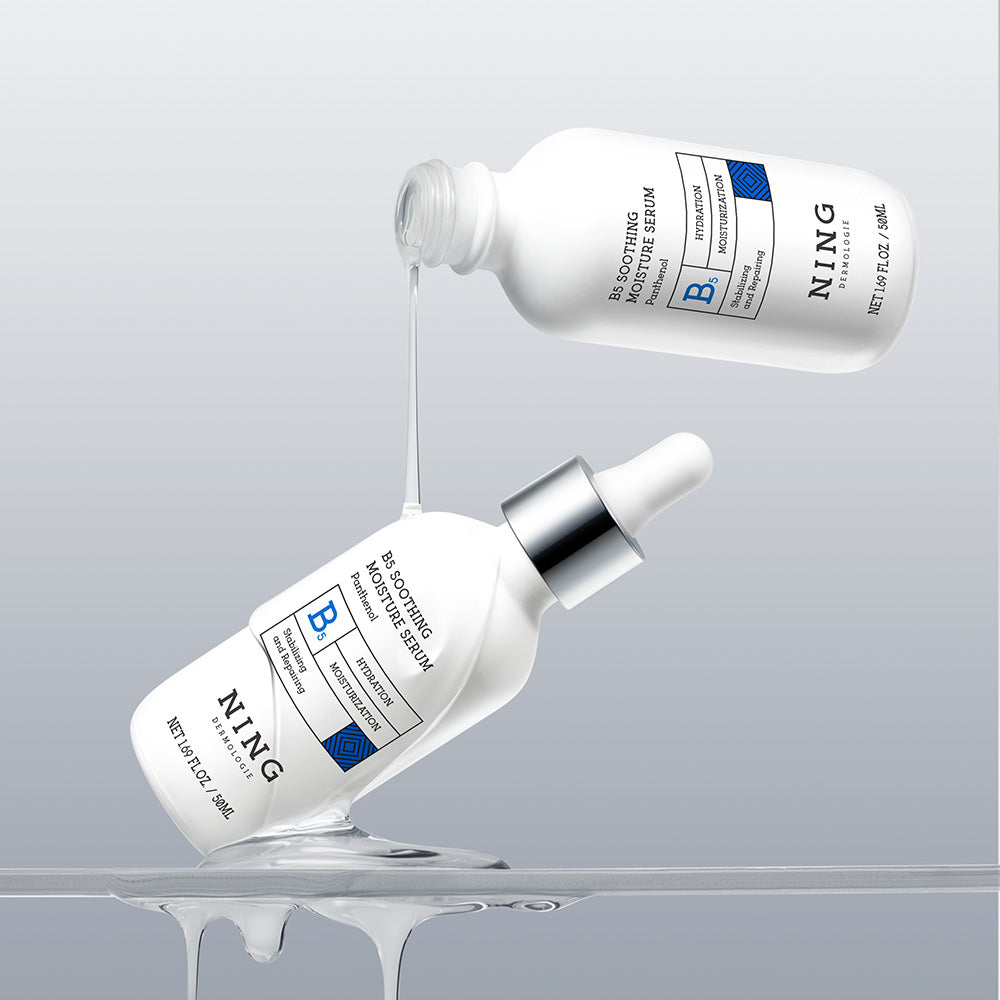
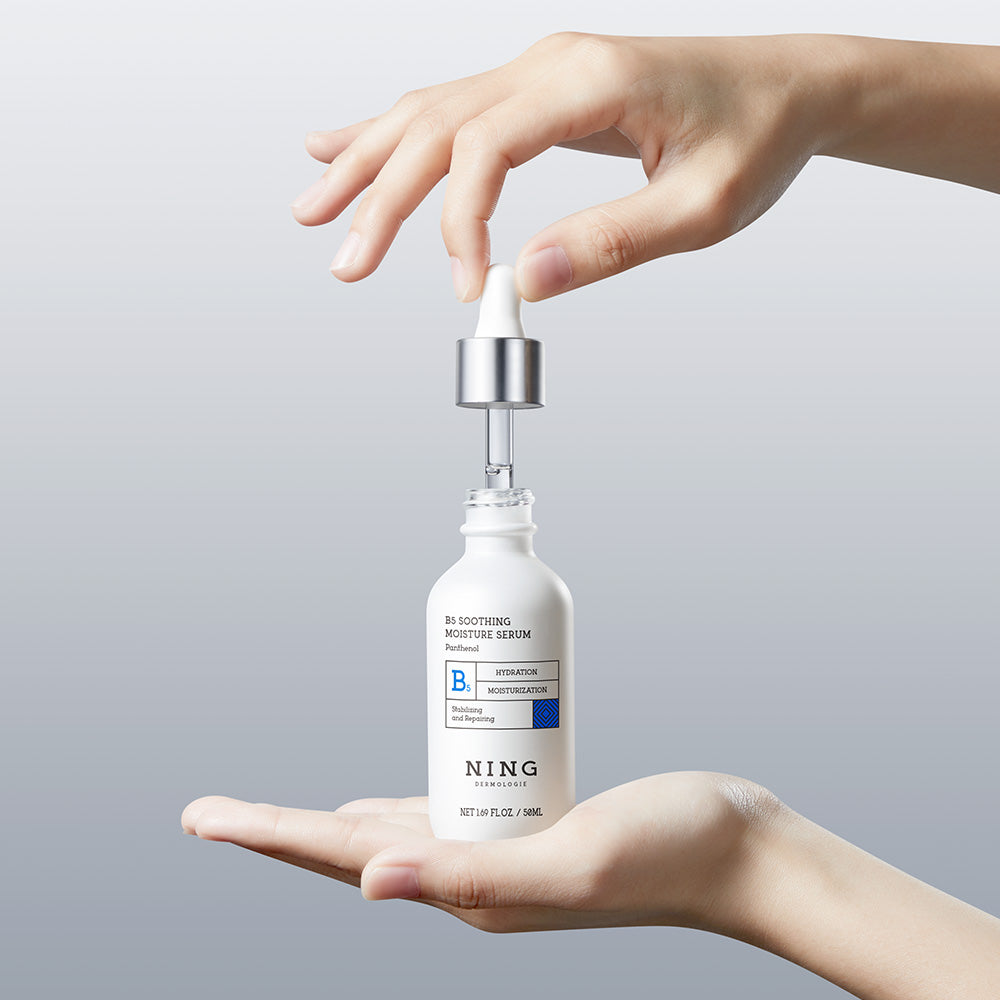
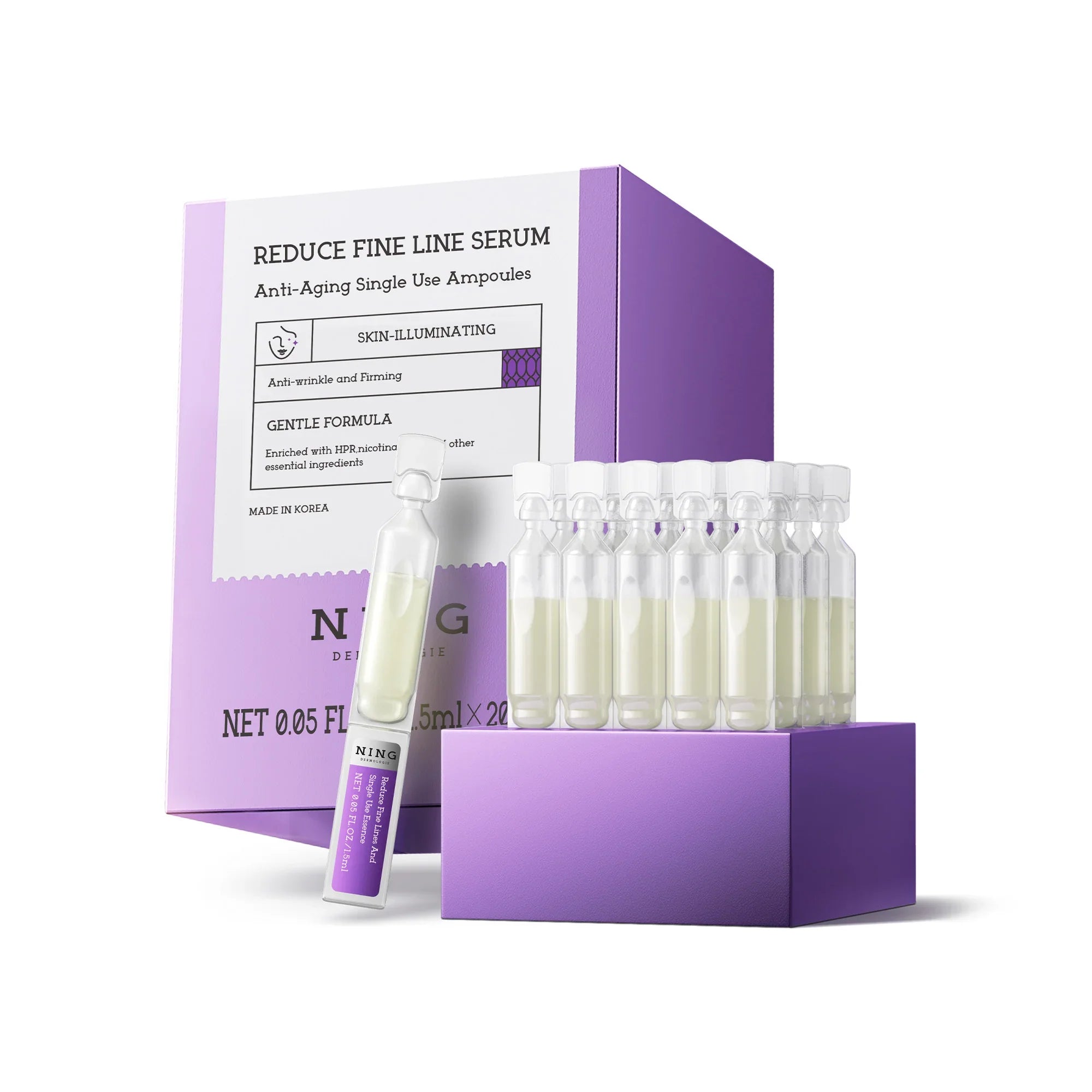
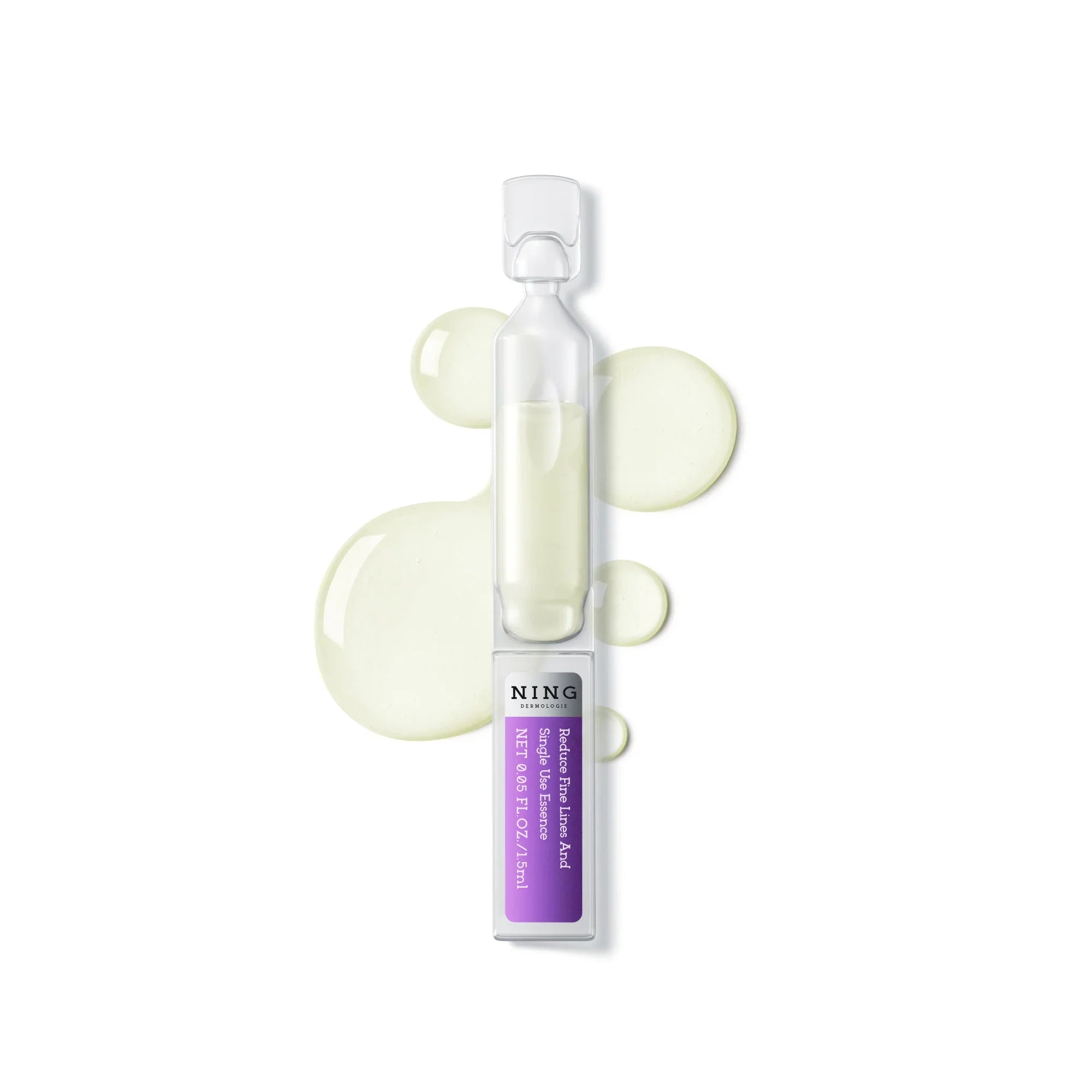
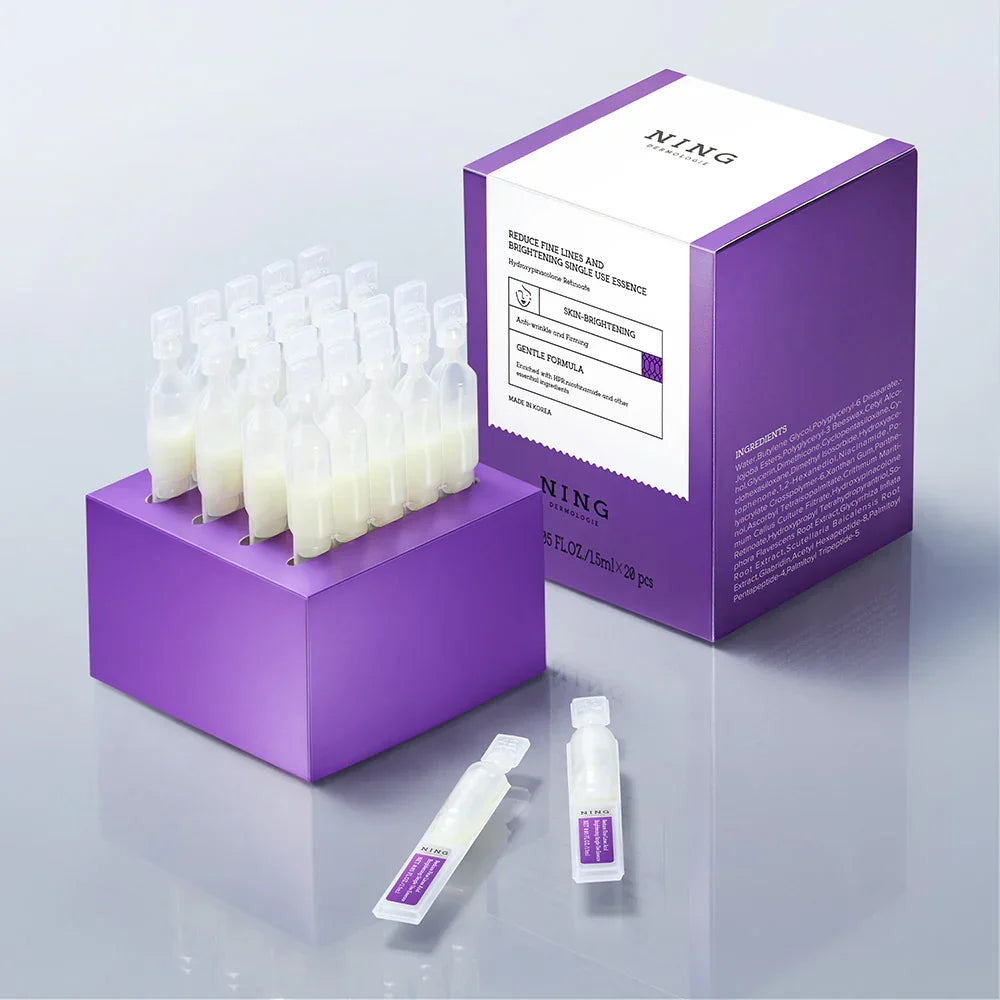
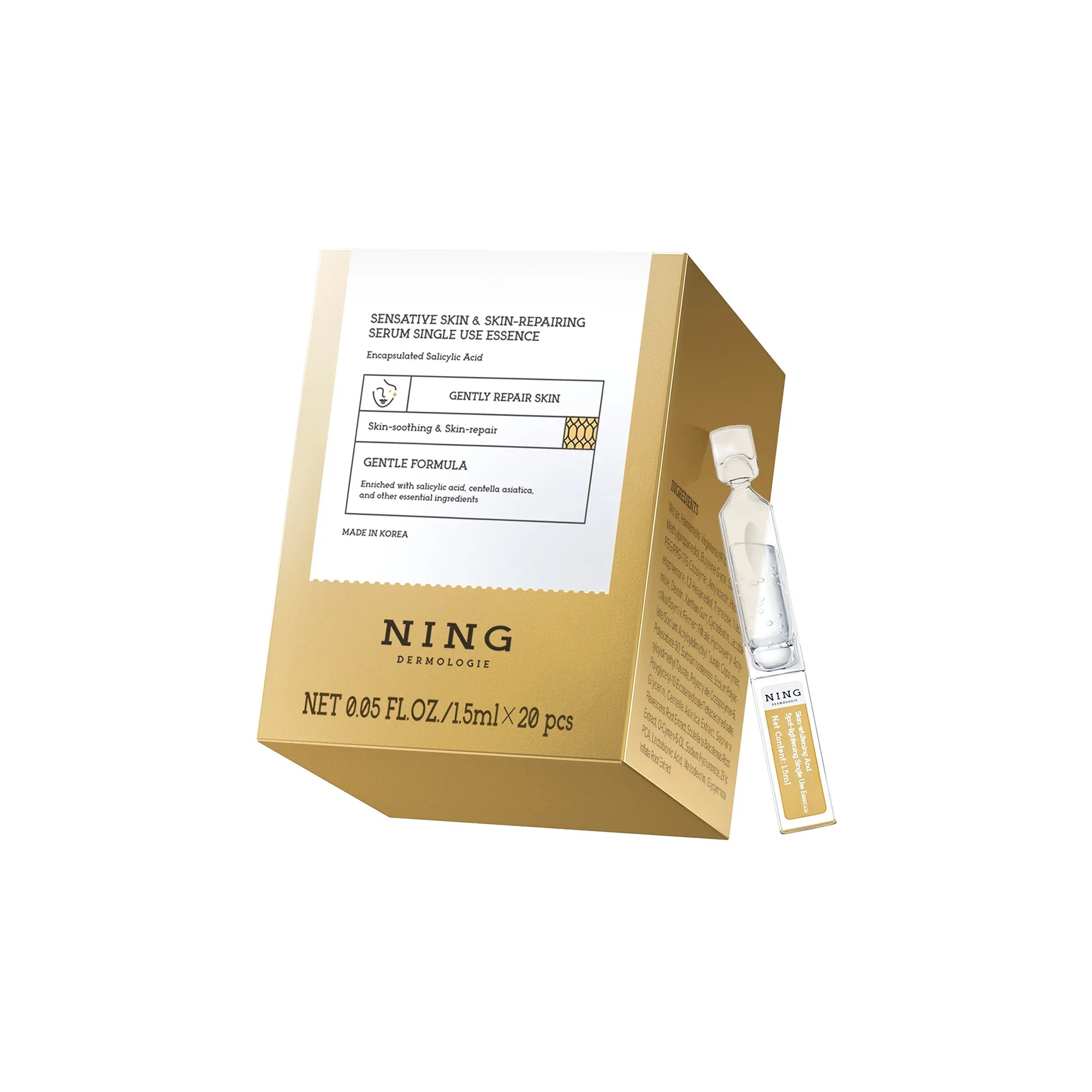
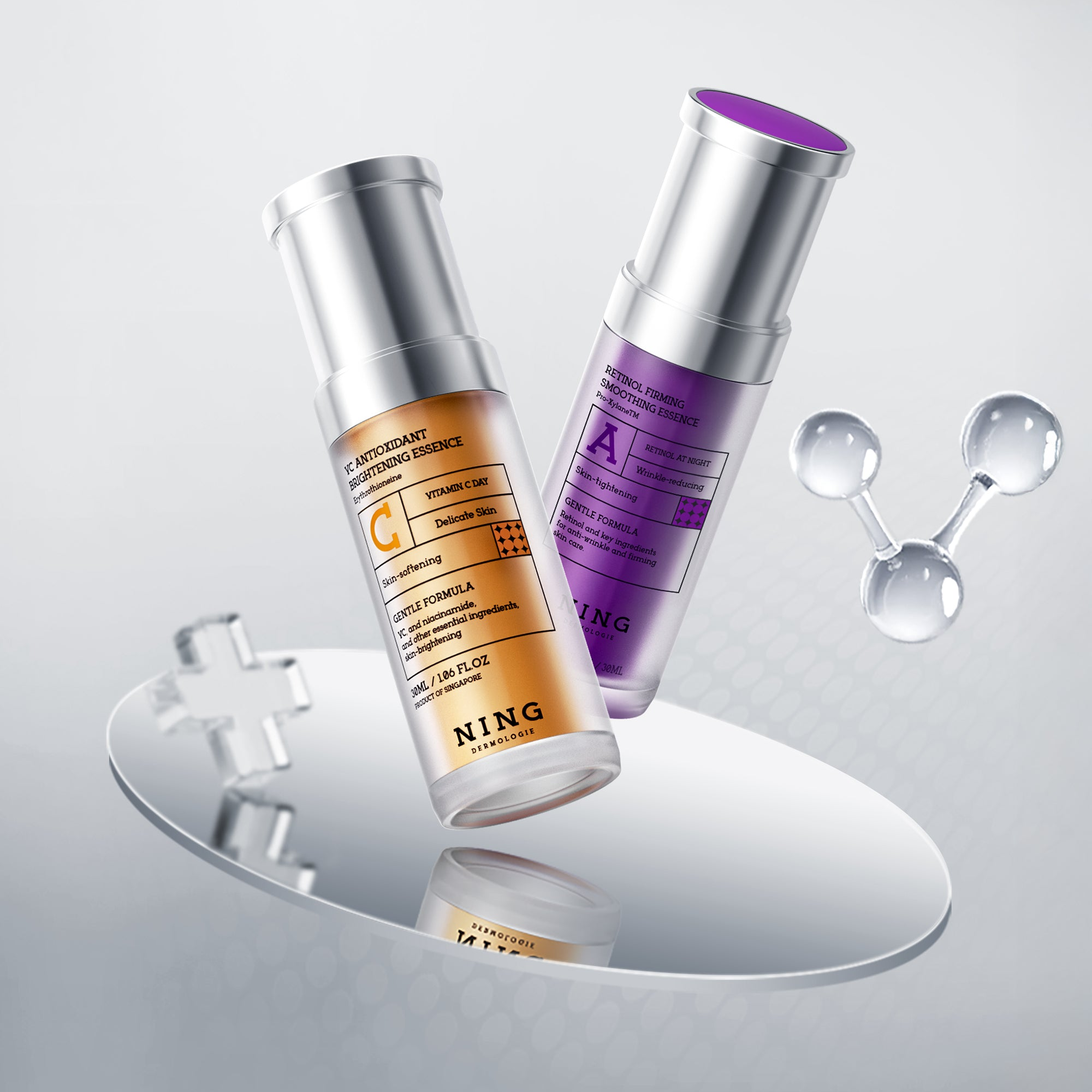
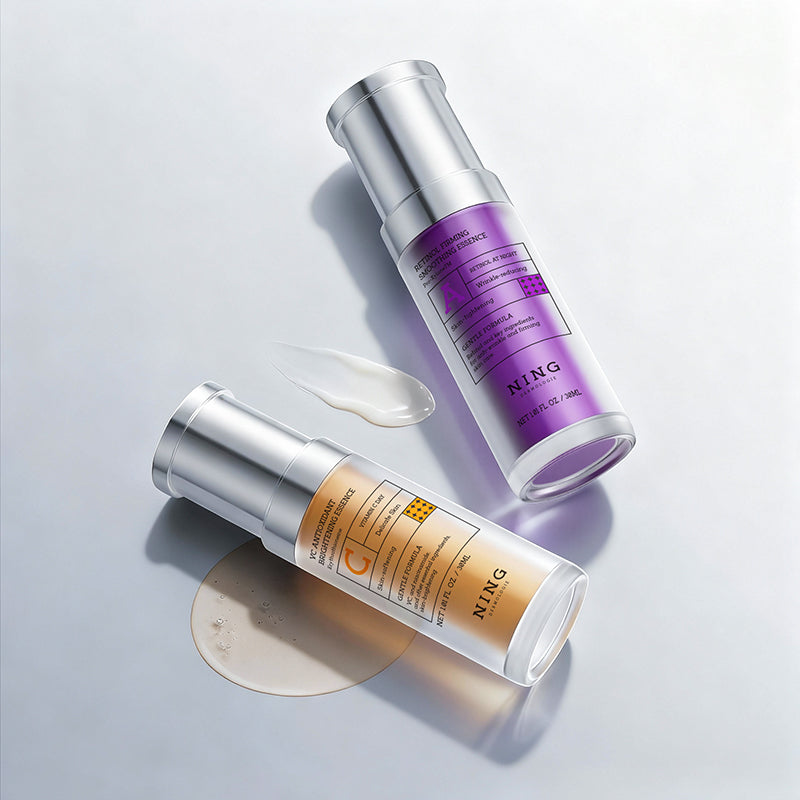
This is exactly why we formulated the NING Dermologie Vitamin C Serum with Niacinamide. It doesn’t rely on harsh acidity. Instead, it uses Ethyl Ascorbic Acid to even out skin tone while keeping the skin barrier intact. By adding vitamin b5 and Niacinamide, it actually helps skin health rather than just stripping it.
2. The Budget Favorites: TruSkin and Vanicream
You’ve probably seen the truskin vitamin c serum all over Amazon. It uses Sodium Ascorbyl Phosphate (SAP), which is a gentle for sensitive skin derivative that is also great for combination skin because it has some anti-acne properties. Similarly, the vanicream vitamin c serum is a go-to for dermatologist recommendations because it is free of common irritants like dyes and fragrances.
3. The Drugstore Staples: CeraVe and La Roche-Posay
The cerave skin renewing vitamin c serum is a solid skin renewing vitamin c serum that includes ceramides. It’s a good face serum with vitamin c for those who want a creamy texture. However, sensitive skin often finds that even these can be a bit tingly if the concentration of vitamin c is too high for their specific skin type.
The "Sensitive Skin" Ingredient Checklist
When you're looking for a serum for sensitive skin, the "inactive" ingredients matter just as much as the vit c itself. A vitamin c serum is formulated to be a delivery system. If that system is full of alcohol and synthetic fragrance, your facial skin will let you know.
- Vitamin E & Ferulic Acid: An antioxidant like vitamin c works better with friends. Vitamin e helps stabilize the formula, while a ferulic acid serum can double the photoprotection of the skin.
- Hyaluronic Acid & Vitamin B5: These are essential for dry skin. They ensure the serum hydrates while it brightens.
- Niacinamide: This is the secret weapon for uneven skin. It calms redness while the vitamin c helps with pigmentation. Our NING Dermologie serum leans heavily on this combo to ensure the overall skin looks balanced.
How to Apply Vitamin C Serum Without Ruining Your Face
If you have delicate skin, how you apply vitamin c is just as important as what you buy. Don't just slap it on and hope for the best.
The Patch Test is Non-Negotiable
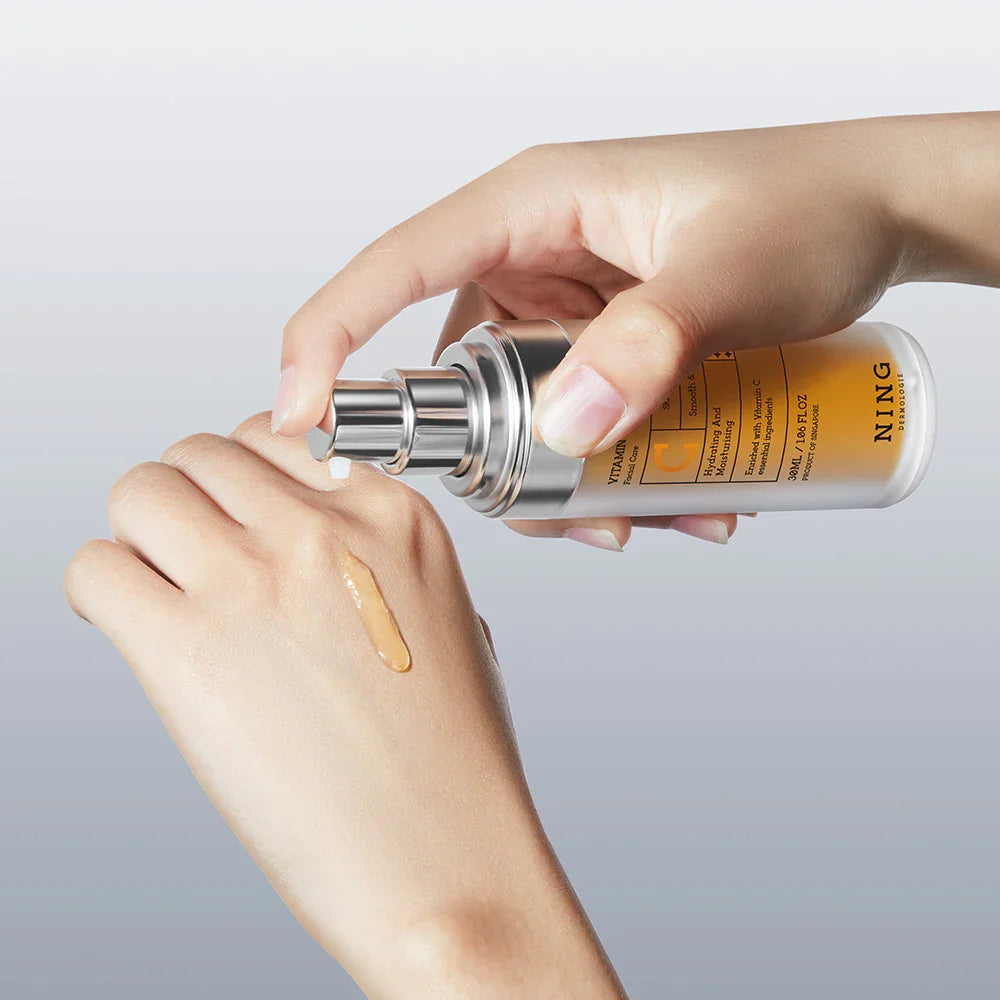
I know, you want the glow now. But for individuals with sensitive skin, a patch test on the inner arm can save you days of skin time to recover from a bad reaction.
The "Low and Slow" Approach
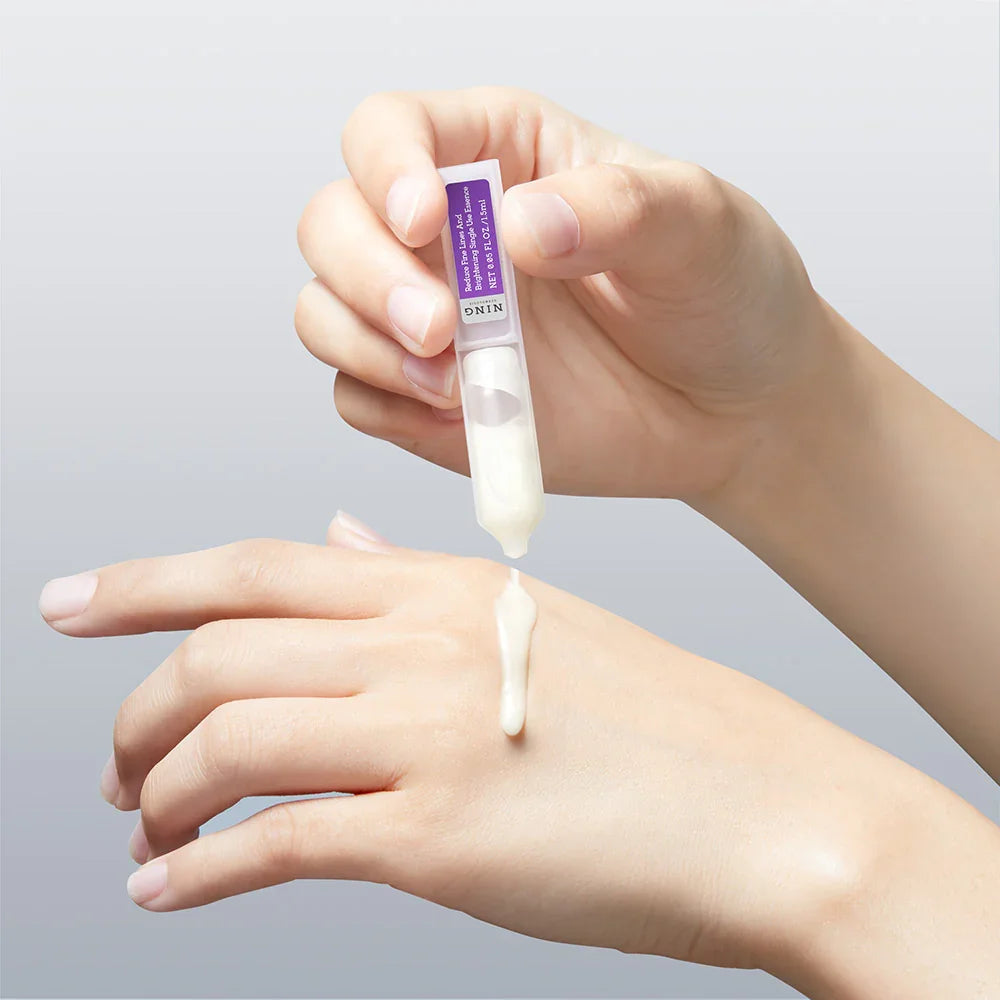
When applying vitamin c serum for the first time, don't use it every day. Start with two mornings a week. Give your skin type a chance to get used to the active vitamin c. If your skin remains calm after two weeks, bump it up to every other day.
Use Vitamin C Serum in the Morning
While you can use it at night, a c serum in the morning is generally best for sensitive skin. Why? Because vitamin c is best at neutralizing free radicals from UV rays and pollution. It acts as a second layer of defense under your sunscreen.
The Sandwich Method
If your skin reacts easily, try applying your vitamin c facial serum after a light moisturizer or a vitamin b5 gel. This slows down the penetration slightly, making it a more gentle vitamin c experience.
Comparing Popular Options: What’s Actually Worth It?
| Product Name | Main Form of Vit C | Best For | Potential Downside |
| NING Dermologie | Ethyl Ascorbic Acid | Sensitive skin types | Targeted for daily use, not "stripping" |
| Skinceuticals C E Ferulic | L-Ascorbic Acid | Professional results | Very expensive; can be irritating |
| Mad Hippie Vitamin C Serum | Sodium Ascorbyl Phosphate | Combination skin | May be too light for very dry skin |
| Naturium Vitamin C Complex | Encapsulated L-AA | Overall skin health | Texture can be polarizing |
| Olay Super Serum | Activated C | Normal skin | Contains many active ingredients at once |
The Long-Term Benefits of Vitamin C for Sensitive Skin
Consistency is king. You won't see an even skin tone overnight. But if you stick with a brightening serum that your skin actually likes, the difference in my skin (and yours!) becomes obvious around the 8-week mark.
-
Collagen Support: Topical vitamin c is one of the few ingredients proven to help with skin health by supporting the building blocks of the skin.
-
Environmental Protection: It protects against the "city grime" that causes uneven skin.
-
The Glow: It brightens skin tone by slowing down the enzymes that produce dark spots. Your skin looks brighter and more "awake."
Don't Forget the Rest of Your Routine
A vitamin c cream or facial skin serum is only one piece of the puzzle. If you are using a brightening vitamin c serum in the morning but then scrubbing your face with a harsh acid serum at night, you’re undoing all the hard work.
Keep your cleanser gentle. Keep your moisturizer thick. And for the love of all things skin care, wear sunscreen. Vitamin c helps protect your skin, but it can also make it slightly more sensitive to the sun if the concentration of vitamin c is high.

Final Thoughts: Is NING Dermologie Right for You?
We didn't design our Vitamin C Serum to be the "strongest" on the market. We designed it to be the one you can actually keep using. By combining Ethyl Ascorbic Acid with Niacinamide and B5, we created a vitamin c serum is formulated specifically for those who are tired of the sting.
Whether you choose mad hippie vitamin c serum, naturium vitamin c complex, or our own NING Dermologie Vitamin C Serum, the goal is the same: overall skin health without the compromise.
Frequently Asked Questions (FAQ)
1. Is vitamin c serum safe for extremely sensitive skin?
It’s a "yes," but with a major caveat: you have to stop chasing high percentages of L-ascorbic acid. That stuff is just too "spicy" for a reactive skin barrier. The smarter move is sticking to stable derivatives like Ethyl Ascorbic Acid—which we use at NING Dermologie. They provide the benefits of vitamin c at a neutral pH so you don’t end up with a red, peeling face. Always patch test first; don't risk it.
2. Can I use vitamin c serum with niacinamide?
Absolutely. In fact, combining them is a powerhouse move for uneven skin tone. Modern formulations, like those from NING Dermologie, often mix vitamin c and niacinamide to provide dual benefits: brightening and barrier repair. While old myths suggested they cancel each other out, current research shows they work synergistically. Niacinamide helps calm the skin, making the topical vitamin c much more tolerable for those with delicate skin or a compromised barrier.
3. Should I use my vitamin c serum in the morning or night?
While you can use it whenever fits your schedule, most dermatologists recommend applying a c serum in the morning. Vitamin C is a potent antioxidant that neutralizes free radicals caused by UV exposure and pollution throughout the day. When layered under a broad-spectrum sunscreen, it significantly boosts your skin's defense system. If you have sensitive skin, using it once a day in the morning is usually enough to see a difference in your skin.
4. How long does it take to see results from a brightening serum?
Don’t expect a miracle by tomorrow morning. Real change in uneven skin or dark spots usually takes 6 to 8 weeks—basically the time it takes for your skin cells to actually flip over. You might get an instant "plump" look from the vitamin b5 in our Vitamin C Serum, but the deep brightening work requires patience. Consistency is way more important than using a massive concentration of vitamin c once in a while.
5. Why did my vitamin c serum turn orange or brown?
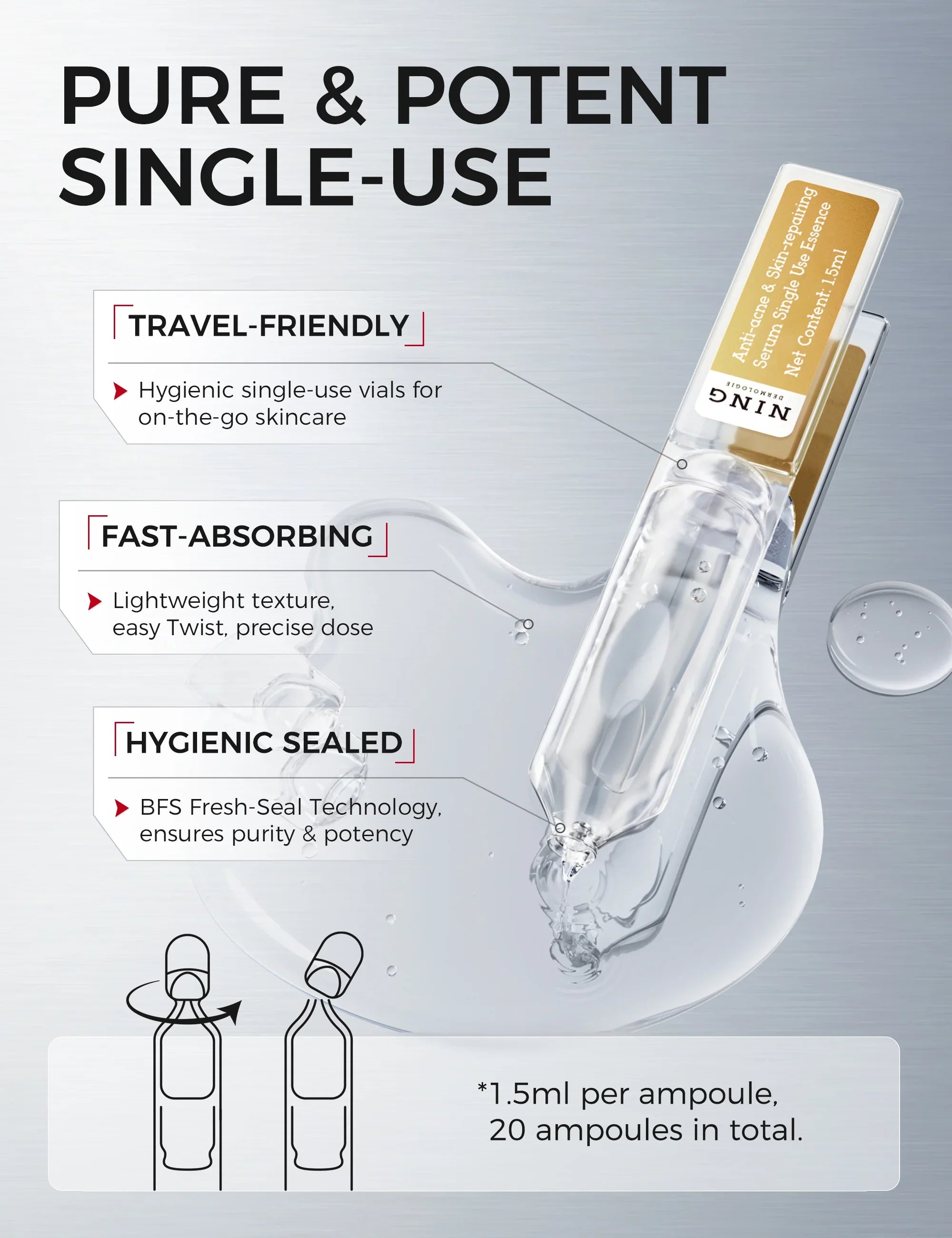
That’s the "death glow"—it means your serum has oxidized. When pure vitamin c is exposed to air and light, it breaks down and turns rusty. At that point, it’s not just useless; it can actually irritate sensitive skin even more. This is exactly why we use ultra-stable derivatives and light-shielding packaging at NING Dermologie. If your bottle looks like pumpkin juice, it’s time to toss it and get something fresh.


Share:
Vitamin C serum with gentle ingredients for sensitive skin
How long does it take for vitamin C serum to reduce dark spots?