

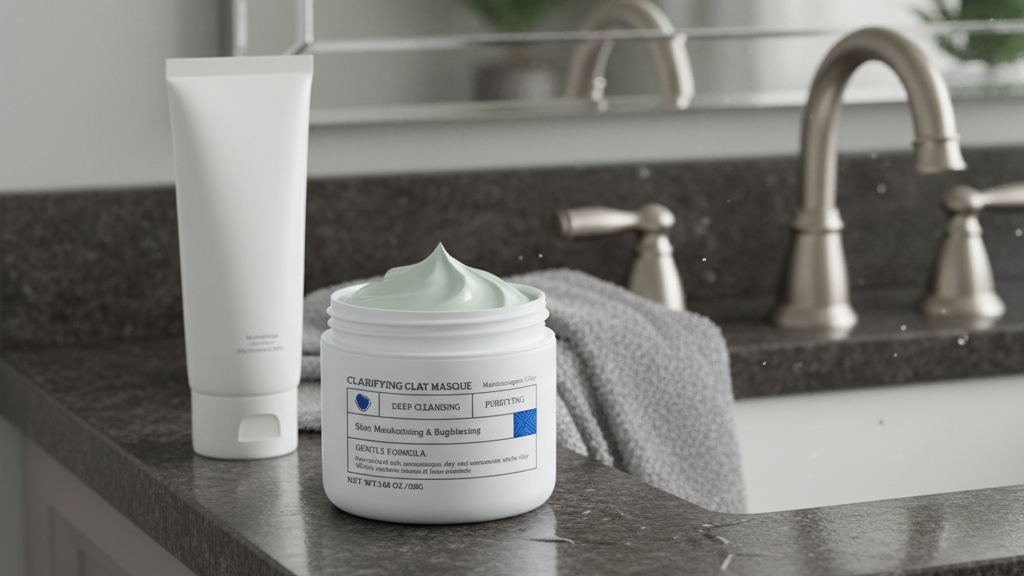

Clay Mask Essentials: How to Choose the Best for Your Pore Needs
Staring into a 10x magnifying mirror, wondering why our pores suddenly look like moon craters. It’s the "pore obsession," and it leads most of us straight to the skincare aisle searching for a miracle. For decades, the go-to solution has been the clay mask. But here’s the thing: not all mud is created equal. If you grab the wrong jar, you might end up with skin that feels like cracked parchment rather than a glowing, refined complexion.
To choose the right clay mask, you have to look past the pretty packaging and understand the mineral science at play. It isn't just about "sucking out gunk." It’s about balance. At NING Dermologie, we spend a lot of time talking about the skin barrier because we believe a clay mask for your skin should be a treatment, not a punishment.

Clay Mask for Your Skin: Why It’s More Than Just Mud
When we talk about a face mask made of clay, we are actually talking about volcanic ash, weathered rock, and mineral deposits that have spent thousands of years absorbing the earth's energy. In skincare, clay is known for its ionic charge. Most impurities in your skin—excess oil, toxins, and heavy metals—have a positive charge. Most clay powders have a negative charge.
When you apply a clay face mask, it acts like a microscopic magnet. This clay draws out the "bad stuff" while depositing beneficial minerals like magnesium, calcium, and silica back into your pore structure. This is why your skin feels so distinct after a session; it’s a literal exchange of minerals.
The Secret to Pores: Can You Actually "Shrink" Them?
Let’s clear up one of the biggest myths in skincare: your pores aren't like windows; they don't have muscles to open and close. However, large pores often look bigger because they are filled with dead skin cells and oxidized oil (hello, blackheads).
By using a clay mask regularly, you help clear out pores, making them appear significantly smaller. When the clogged pores are empty, the skin reflects light better, creating that smooth skin look we all crave. This is where a pore-refining mask becomes your best friend.
Choose the Right Clay Mask for Your Skin Type
The world of clay is diverse. Using a heavy bentonite clay on a dry skin type is a recipe for disaster. Conversely, a gentle white clay might not do enough for oily and acne-prone skin. Here is how to choose the best clay for your specific needs.
1. Bentonite Clay: The Heavy Lifter
If you have oily skin that feels like a grease trap by noon, bentonite clay is your MVP. Formed from volcanic ash, it has incredible absorbent properties. It can swell up to several times its dry mass when wet, meaning it’s highly effective for deep pore cleansing. It’s the best clay mask for those dealing with acne-prone skin because it targets the source of the breakout.
2. Kaolin Clay (White Clay): The Gentle Giant
Kaolin clay is the mildest type of clay. It doesn't strip the skin as aggressively as bentonite. It’s a fantastic clay mask for different skin types, especially dry skin types or those who are new to using this mask. It gently stimulates circulation and provides a mild exfoliate the skin effect without compromising the skin barrier.
3. French Green Clay: The Detox Specialist
Also known as Sea Clay, french green clay is rich in decomposed plant matter and iron oxides. It’s a powerful detox mask. If you live in a city with high pollution, this clay mask for skin is essential. It helps remove environmental toxins that sit on the surface of the skin and cause dull skin.
4. Pink Clay: The Multi-Tasker
Pink clay is usually a mix of red and white clays. It’s the perfect clay mask for combination skin. It provides a deeper clean than plain white clay but isn’t as drying as the green stuff. It focuses on skin texture and radiant skin without causing a flare-up.
NING Dermologie: The Solution for Sensitive or Reactive Skin
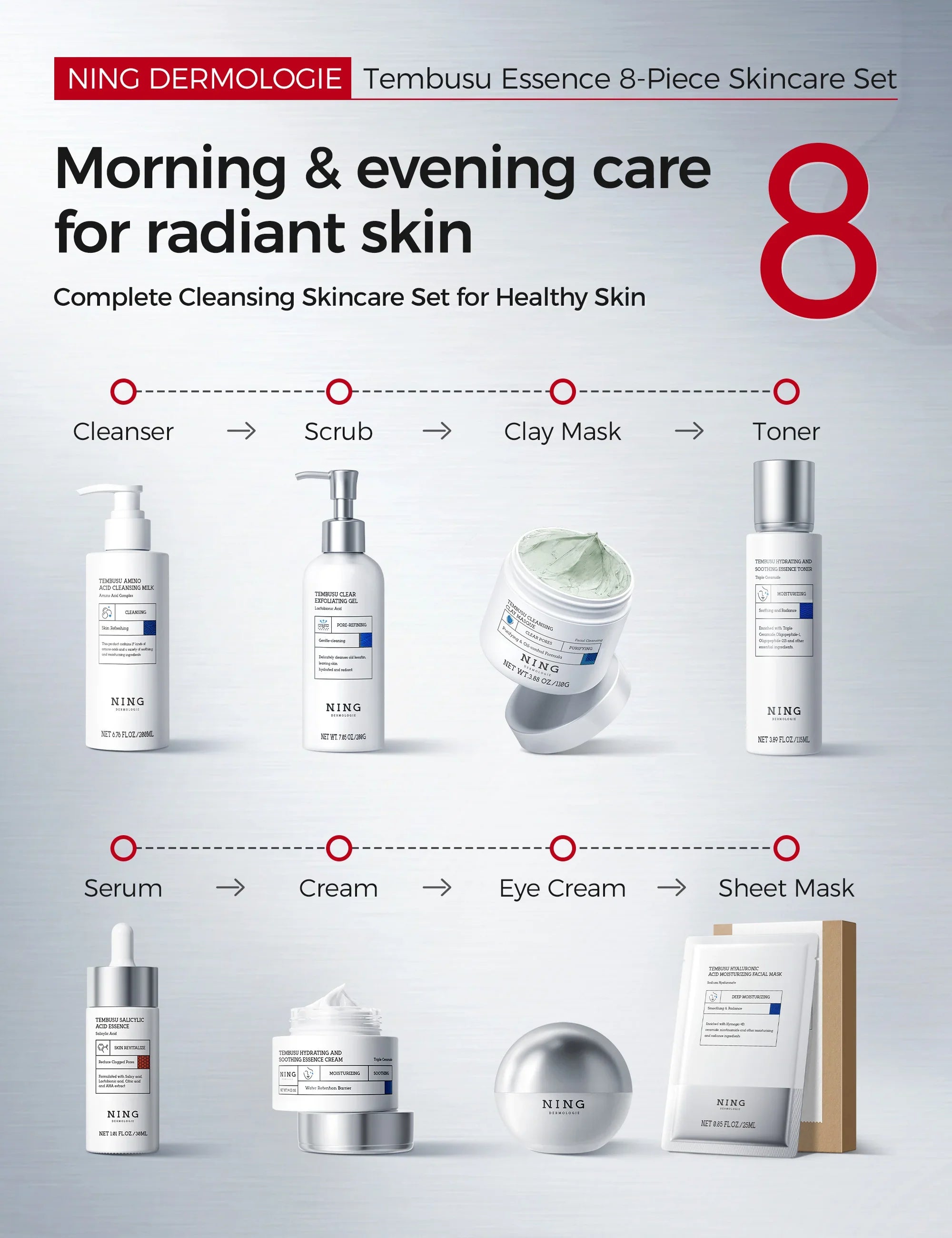
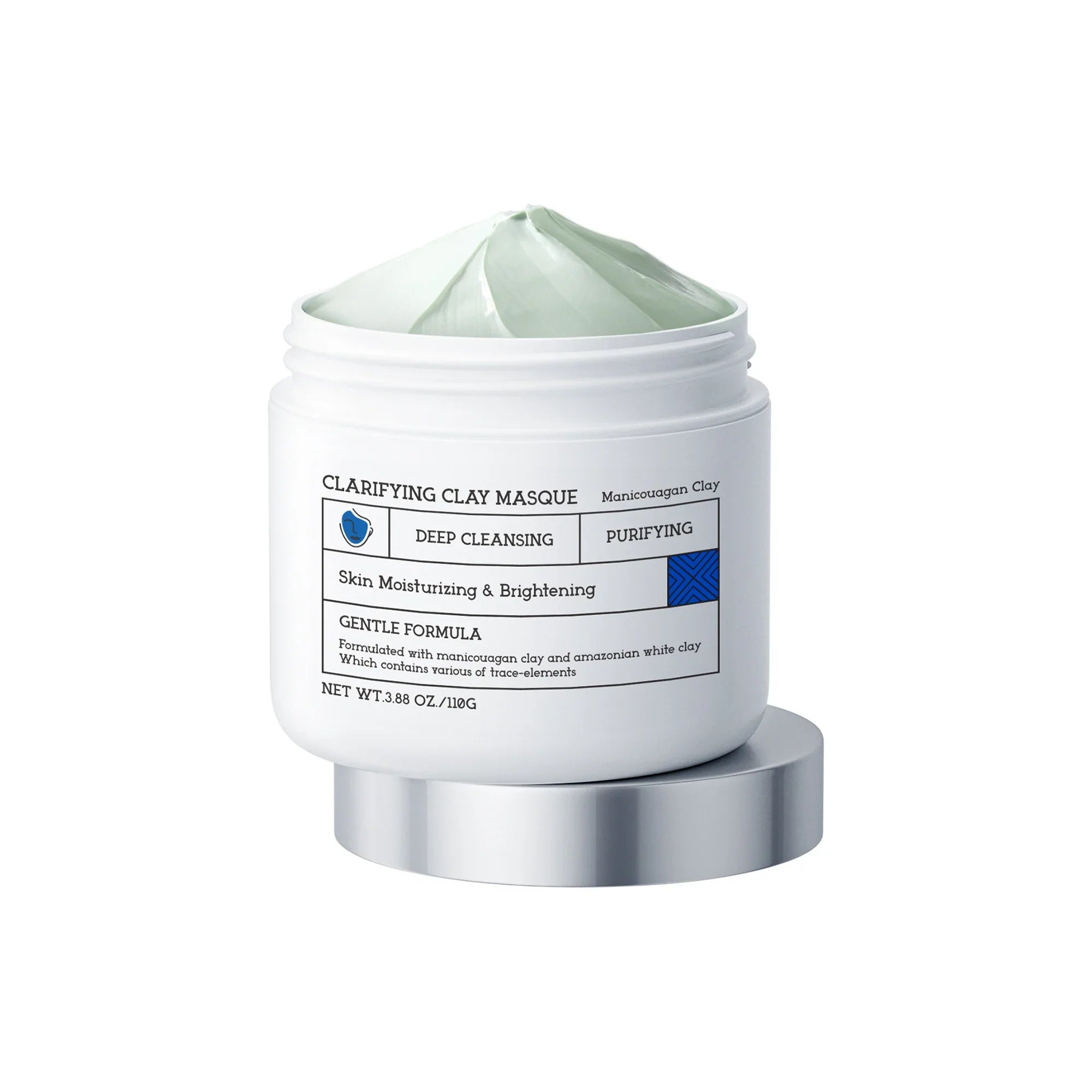
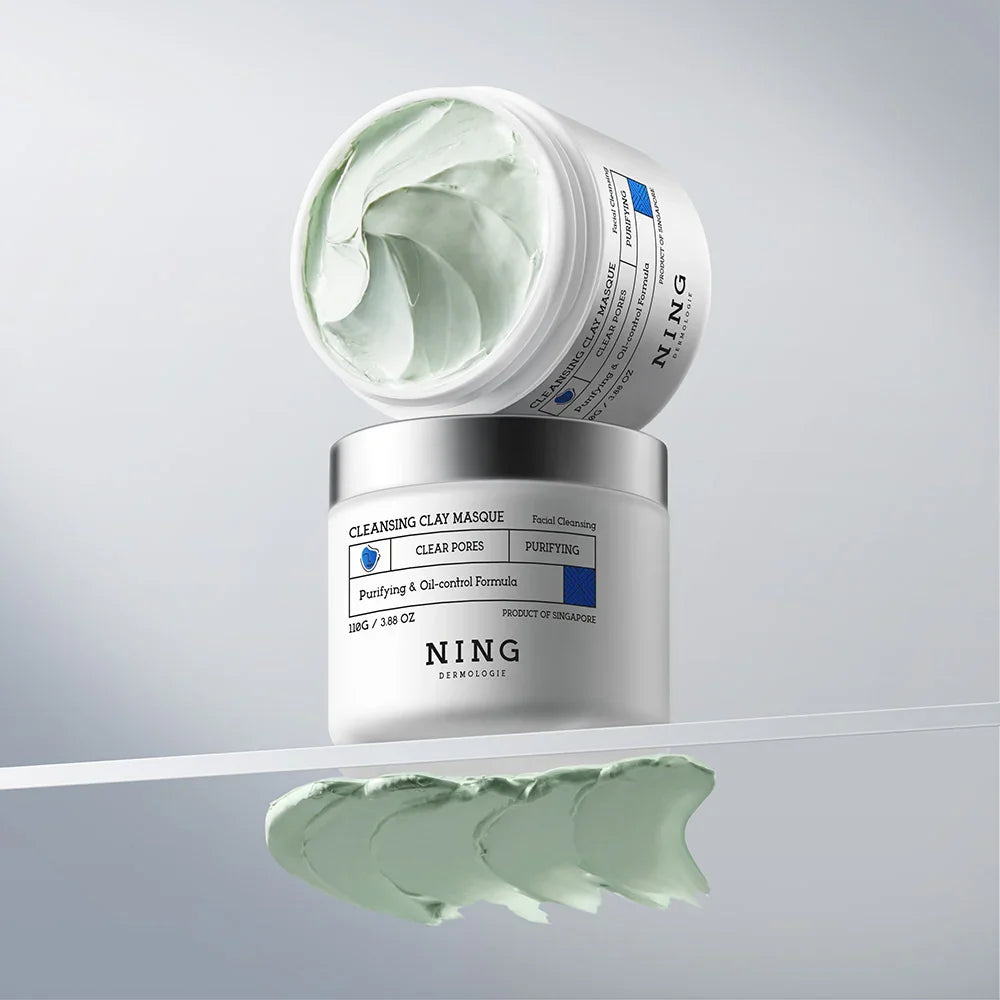
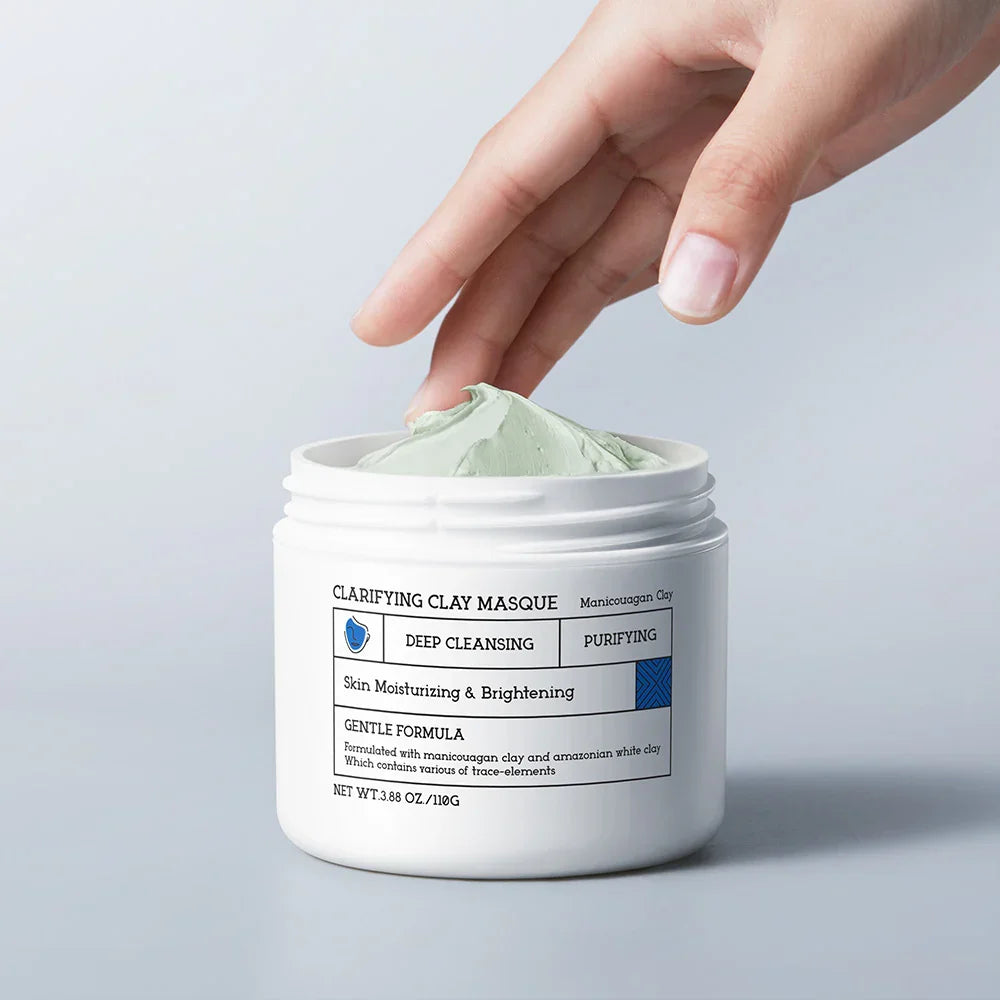
Most people with sensitive skin avoid clay masks because they fear the "tight" feeling. Traditional clay masks aren’t always friendly to reactive types. That’s why we developed the Clay Mask for Face Sensitive Skin by NING Dermologie.
Our philosophy is simple: you shouldn't have to choose between clear pores and a healthy skin barrier. By blending kaolin clay with soothing botanicals, this Clay Mask for Face Sensitive Skin ensures your skin feels clean but stays skin hydrated. It’s specifically formulated to minimize pores while keeping the skin balanced.
8 Best Clay Masks Categories to Look For
When searching for the top clay masks, don't just look for "clay." Look for the accompanying ingredients that help the mask work for your every skin type.
-
For Clogged Pores: Look for a clarifying clay mask that includes Salicylic Acid (BHA). It helps the clay mask penetrate deeper into the pore wall.
-
For Brightening: Seek out volcanic AHA pore clearing clay. The AHAs (Alpha Hydroxy Acids) help eat away dead skin cells while the volcanic minerals improve skin tone.
-
For Aging Skin: Skin elasticity is key. Look for masks that include peptides or antioxidants alongside a mild pink clay.
-
For the T-Zone: If you have combination skin, you might only need a clay mask for oily areas. Bentonite is best here.
-
For Redness: White clay paired with Aloe or Calendula can soothe the skin while it cleans.
-
For Rough Texture: A pore-refining mask with tiny physical exfoliants (like crushed walnut or jojoba beads) can help smooth skin instantly.
-
For Blackheads: A charcoal mask combined with bentonite is the gold standard for pulling out deep-seated plugs.
-
For Overnight Spots: You can use clay mask as a spot treatment. A dab of bentonite on a breakout overnight can work wonders.
How to Use Each Clay Mask Effectively
Many people use clay incorrectly, leading to dry skin and irritation. Follow these mask for different skin types rules to get the most out of your skincare routine.
The Three Phases of a Clay Mask
-
The Damp Phase: This is when your skin drinks in the minerals.
-
The Start of the Dry Phase: This is when the clay draws out oil. This is the best time to rinse.
-
The Dry Phase: If the mask is cracking and your skin feels itchy, you’ve gone too far. You are now drawing moisture out of your skin cells, not just the oil. This can damage your skin barrier.
Pro-Tip: Apply your clay face mask after a warm shower when your pores look more accessible. Leave the mask on for 10 minutes. If you have sensitive or reactive skin, don't let it dry completely. Rinse while it’s still slightly tacky.
Managing Large Pores and Skin Texture Long-Term
Consistency is better than intensity. You shouldn't use a clay mask every day. For every skin, once or twice a week is the sweet spot. Overusing this mask can lead to rebound oil production—where your skin panics because it’s too dry and produces more oil to compensate.
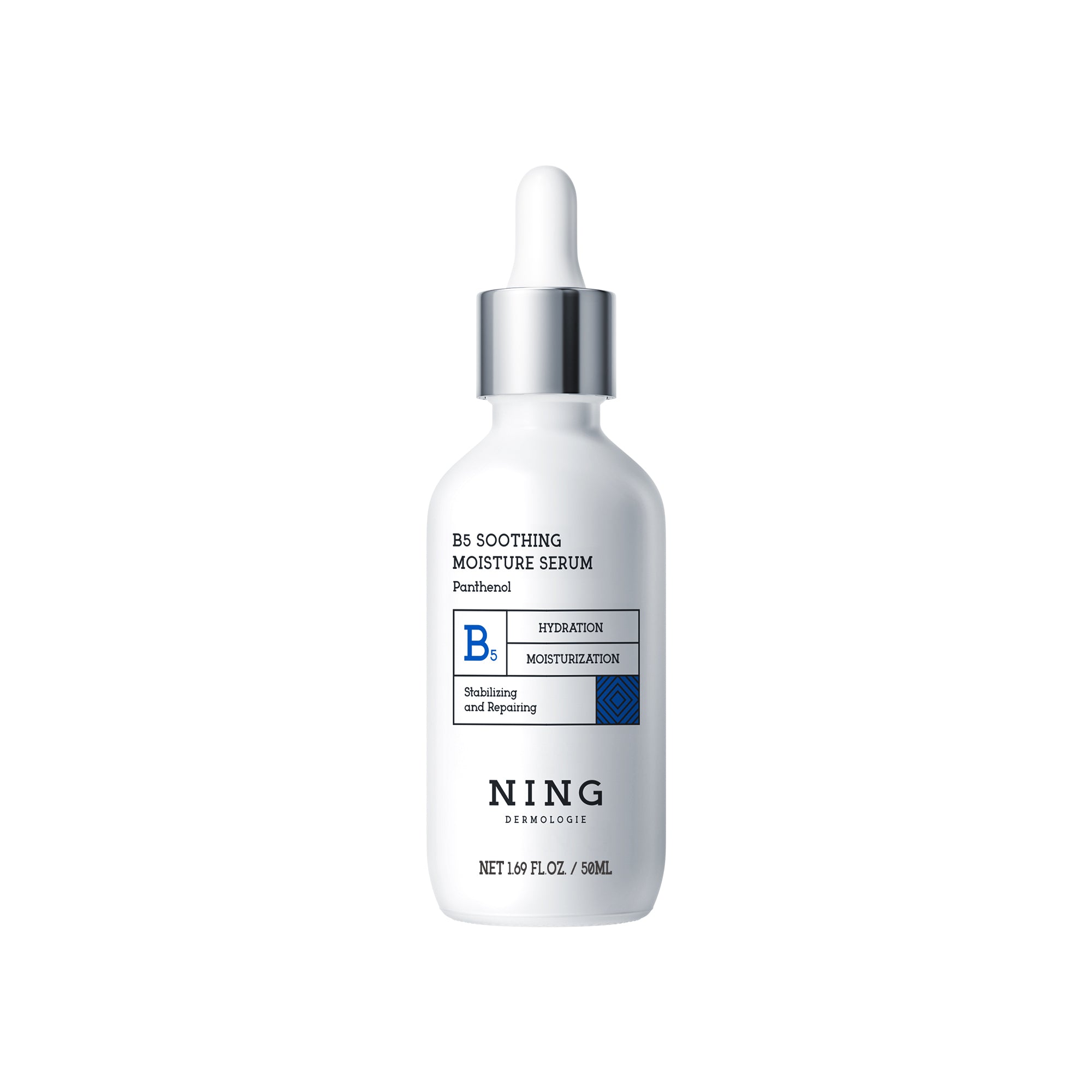
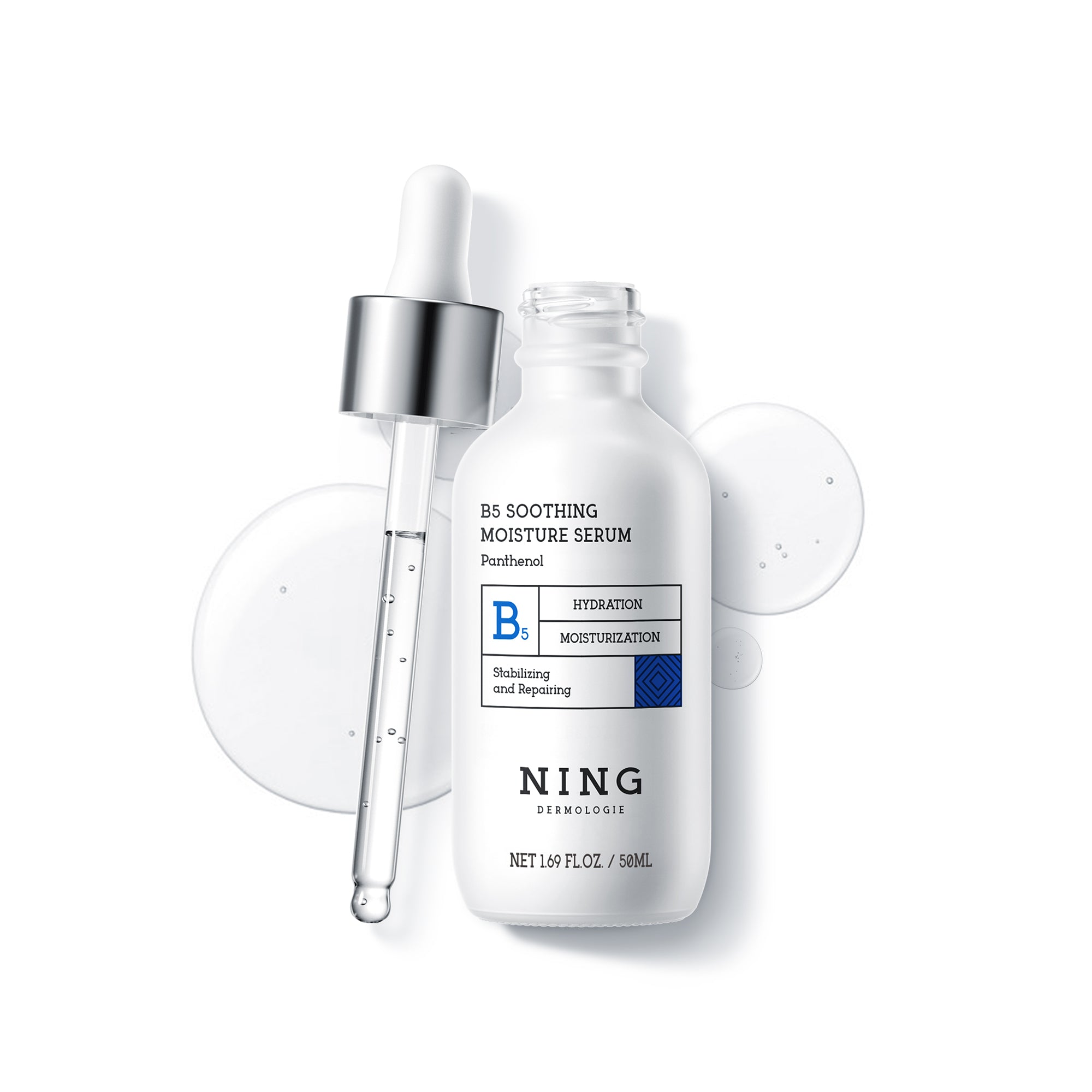
If you are using the innisfree super volcanic aha pore or similar super volcanic aha pore clearing products, be mindful of the acid content. These are powerful, and your overall skin needs time to recover between uses. After you remove the mask, always follow up with a hydrating serum. This tells your skin, "You’re clean, but you’re also safe and fed."
Does the Clay Mask is Right for You?
If your skin looks dull, your pores look smaller after a wash but then "fill up" again, or your skin texture feels bumpy, then a clay mask is definitely right for you. People love this mask because the results are often immediate—skin looked brighter and felt smoother in just one use.

The Role of a Dermatologist in Your Routine
While clay masks for skin are generally safe, a dermatologist can provide insight into whether your clogged pores are actually acne or a condition like rosacea. If you have enlarged pores that don't respond to top clay masks, a professional might suggest a higher-grade clarifying clay or chemical peel. Always listen to your skin. If it burns, rinse it off. Your skin needs are unique, and what works for a friend might not work for you.
Final Thoughts: Achieving Radiant Skin
At the end of the day, a clay mask for your skin is a tool for maintenance. Whether you are using traditional clay or the latest volcanic aha pore clearing clay, the goal is a glowing skin that feels healthy from the inside out.
By taking the time to choose the best clay, respecting your skin type, and using high-quality products like those from NING Dermologie, you can transform your skincare from a chore into a ritual. Smooth skin isn't about being perfect; it's about giving your pore structure the room to breathe.
Frequently Asked Questions (FAQ)
1. How often should I realistically use a clay mask?
It really mask depends on your oil production. For oily and acne-prone skin, twice a week is usually perfect. If you have dry or sensitive skin, stick to once a week or even once every two weeks. The goal is to improve skin without stripping it. Watch for any redness; if your skin stays pink for more than 30 minutes, you’re overdoing it.
2. Can I use a clay mask if I have active cystic acne?
Yes, but be gentle. Don't scrub the mask onto the skin. Use a bentonite clay or french green clay to help draw out the infection. However, don't use a physical exfoliant on active cysts as this can spread bacteria. Let the clay do the work of deep pore cleansing through its ionic pull rather than friction.
3. Why does my skin feel so dry after using a clay mask?
You likely left it on too long. If the mask cracks and flakes off, it has already begun to pull moisture from your skin cells. Next time, rinse the mask off while it still feels slightly cool and damp to the touch. Also, always follow up with a moisturizer to keep the skin hydrated.
4. What is the difference between Pink Clay and Kaolin?
Kaolin is the base, often called white clay. Pink clay is usually a mixture of kaolin and red iron oxides. Pink clay is slightly more "active" and better at improving skin texture and skin elasticity than plain white clay. It’s an ideal mask for your skin type if you are "normal" but want a radiant skin boost.
5. Can I "multi-mask" with different types of clay?
Absolutely! This is actually the smartest way to use clay mask. Apply bentonite to your oily T-zone (forehead, nose, chin) and use a gentle NING Dermologie Clay Mask for Face Sensitive Skin on your cheeks. This addresses clogged pores where they exist without irritating the thinner, drier areas of your face. It's the best way to keep the skin happy.


Share:
Trending Now: Why Everyone is Talking About Clay Masks in 2025
From Clogged to Clear: Clay Masks That Work Wonders on Pores