


Salicylic Acid: Dermatologist-Approved Solutions for Problematic Skin
Your skin doesn’t need another "miracle" bottled in a fancy jar—it needs a strategy that actually respects its biology. If you’ve ever stared at the mirror, frustrated by a sudden flare-up of acne or the persistent texture of congested skin, you’ve likely encountered the term salicylic acid. It’s the gold standard for acne-prone skin, yet it remains one of the most misunderstood and frequently misused skincare products in the aisles today.
As a team dedicated to formula integrity at NING Dermologie, we’ve seen it all. We’ve seen the "more is better" approach lead to a compromised skin barrier, and we’ve seen the "fear of acids" leave people with clogged pores that could have been cleared weeks ago. Understanding how salicylic acid works isn't just for a board-certified dermatologist; it’s essential for anyone who wants smooth skin without the drama of skin irritation.

What Exactly Is Salicylic Acid? (The Deep Dive)
To understand why this is a dermatologist favorite, we have to look at the chemistry. Salicylic acid is a beta hydroxy acid (BHA). Unlike its cousins, glycolic acid or lactic acid (which are Alpha Hydroxy Acids or AHAs), BHAs are oil-soluble.
Think of it this way: AHAs are like a surface-level sweep. They're great for dead skin cells on the very top layer. But BHAs? They are the deep-sea divers of skin care. Because salicylic acid deeply penetrates the oil-filled lining of the pores, it can get to where the trouble starts—the mixture of dead skin cells and sebum that forms a plug.
When you use salicylic acid, it acts as a desmolytic agent. This means it unglues the bonds holding dead cells together. For someone with oily skin types, this process is a game-changer for acne control. It’s not just about treating acne that is already there; it’s about changing the environment of your skin so that blackheads and acne have nowhere to hide.
Why a Board-Certified Dermatologist Will Almost Always Recommend It
If you were to walk into a clinic and speak with a board-certified dermatologist in New York City, the first thing they’d likely assess is your skin cell turnover. In acne-prone skin, this process is often sluggish. The skin produces too many cells, and they don’t shed properly.
Salicylic acid helps by accelerating this exfoliation. Dermatologist Dr. recommendations often center on salicylic acid skin care because it is a "multi-tasker." It’s an anti-inflammatory, an antibacterial (to an extent), and a keratolytic. This is why it’s frequently found in otc products for adult acne and even skin concerns like acne related to hormonal shifts.
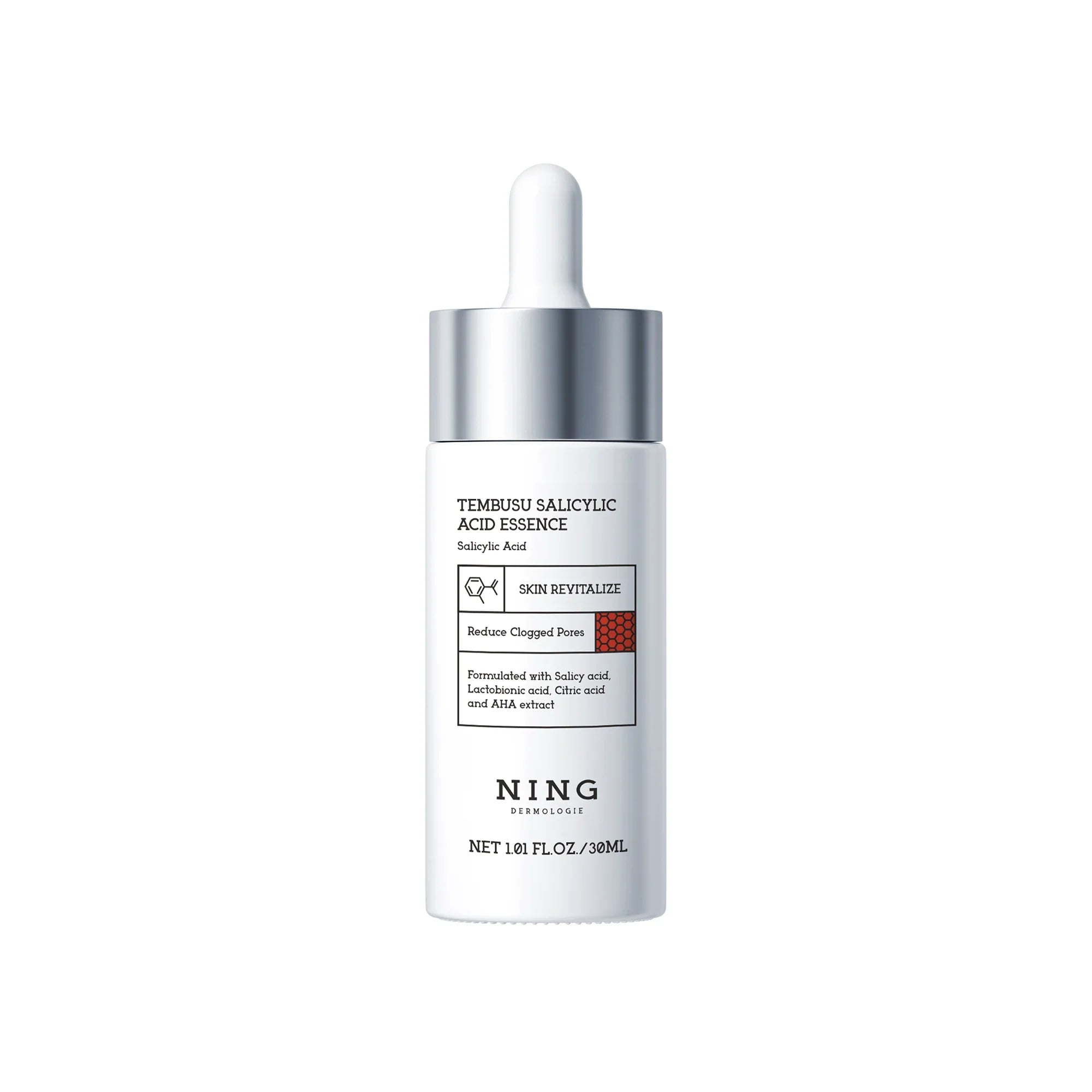
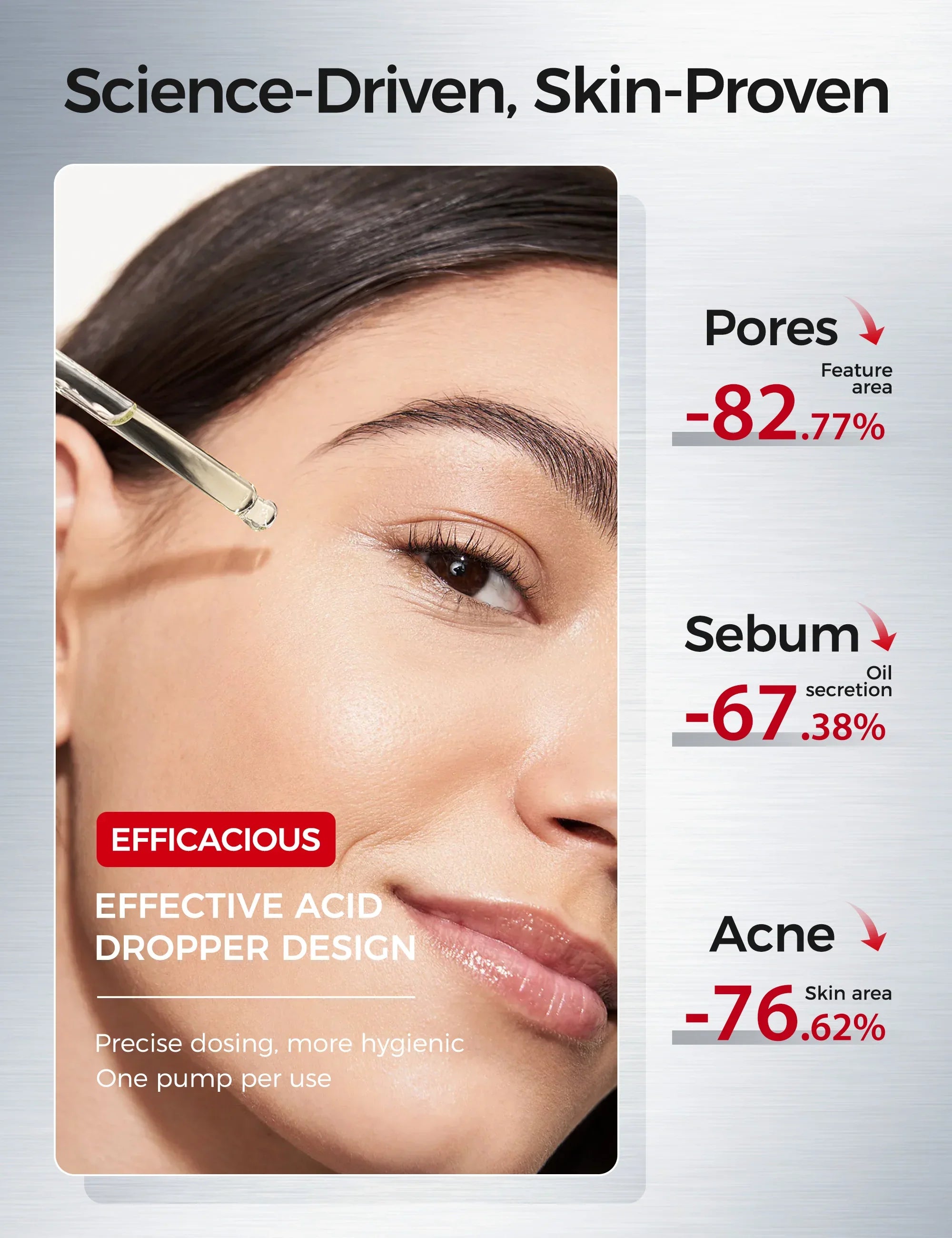
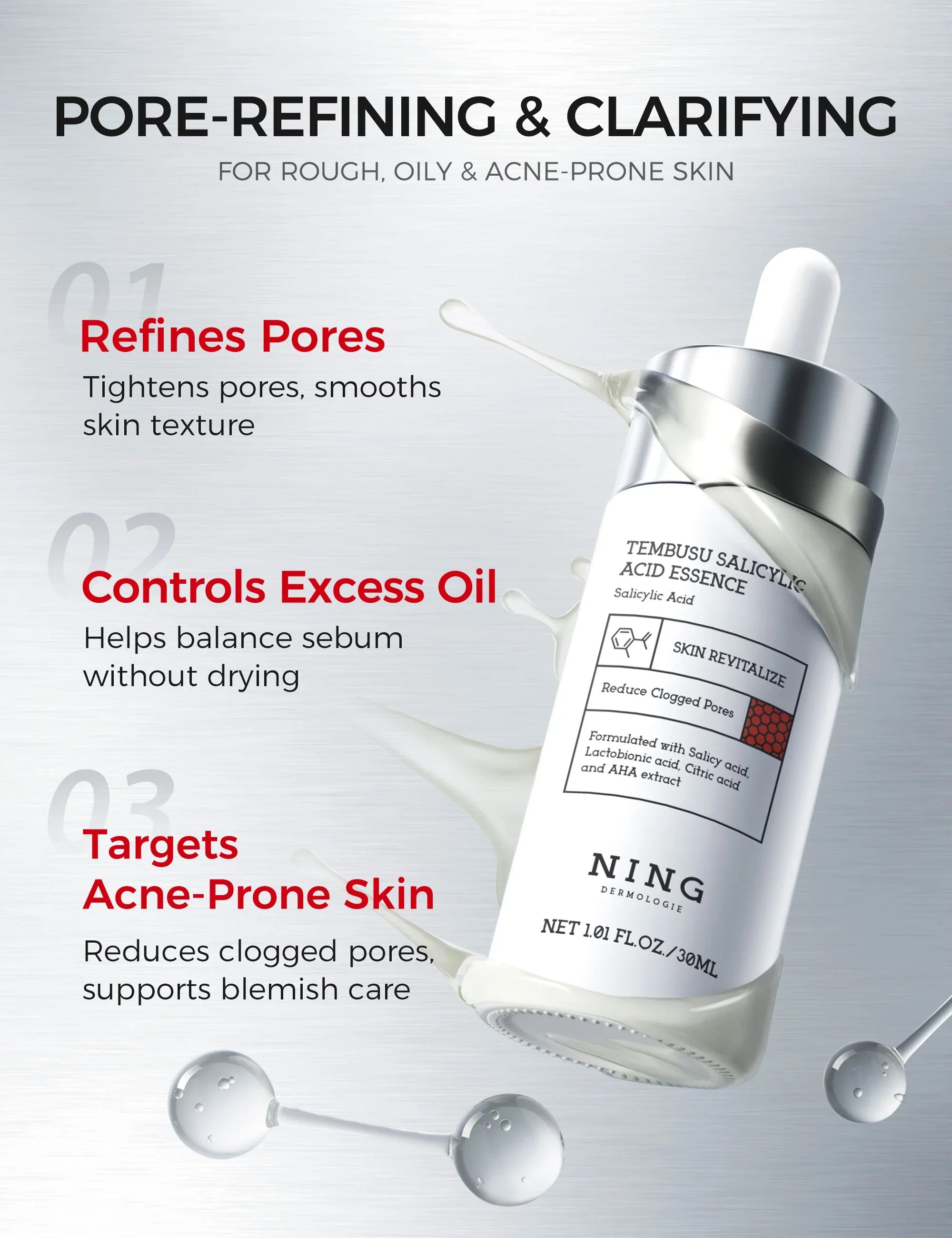
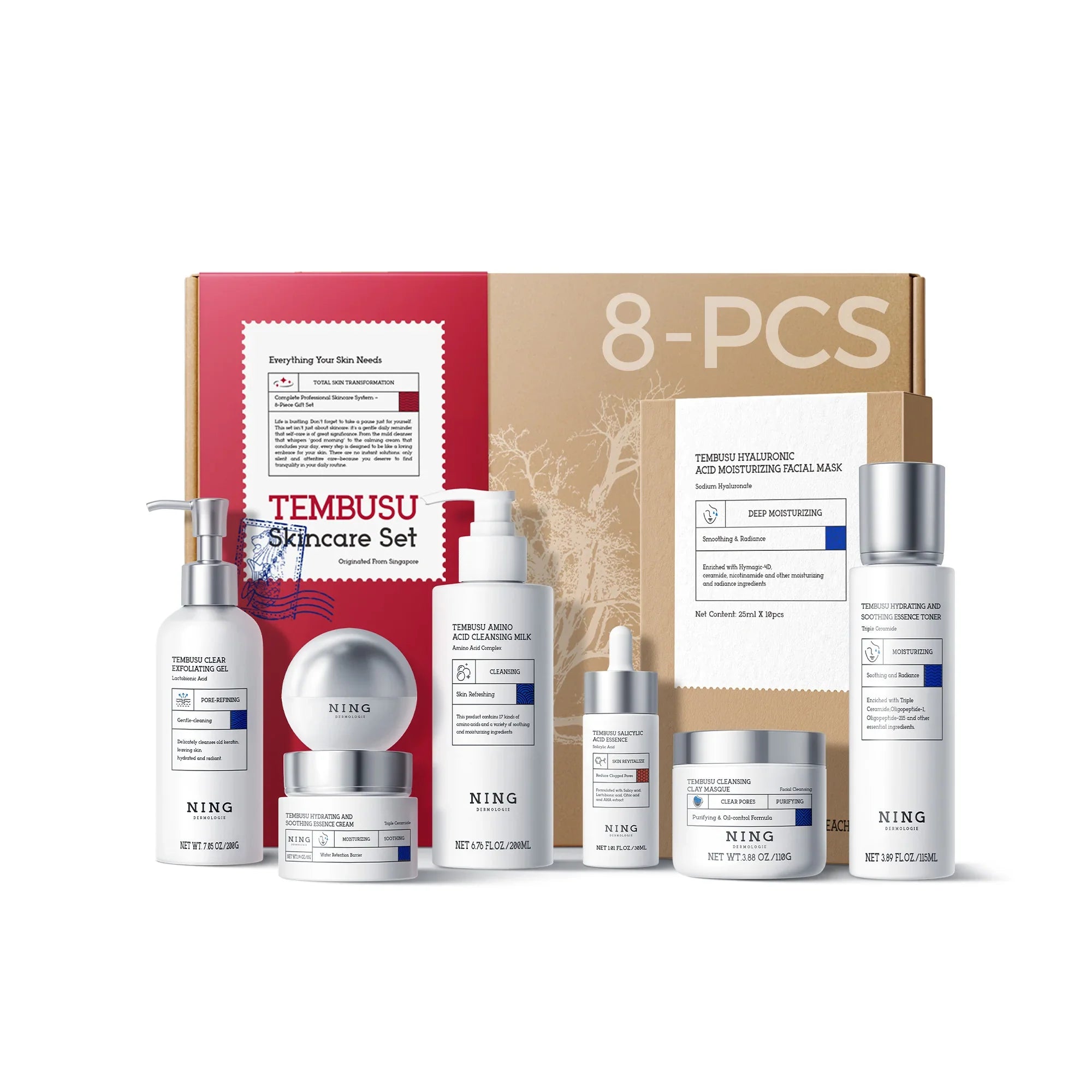
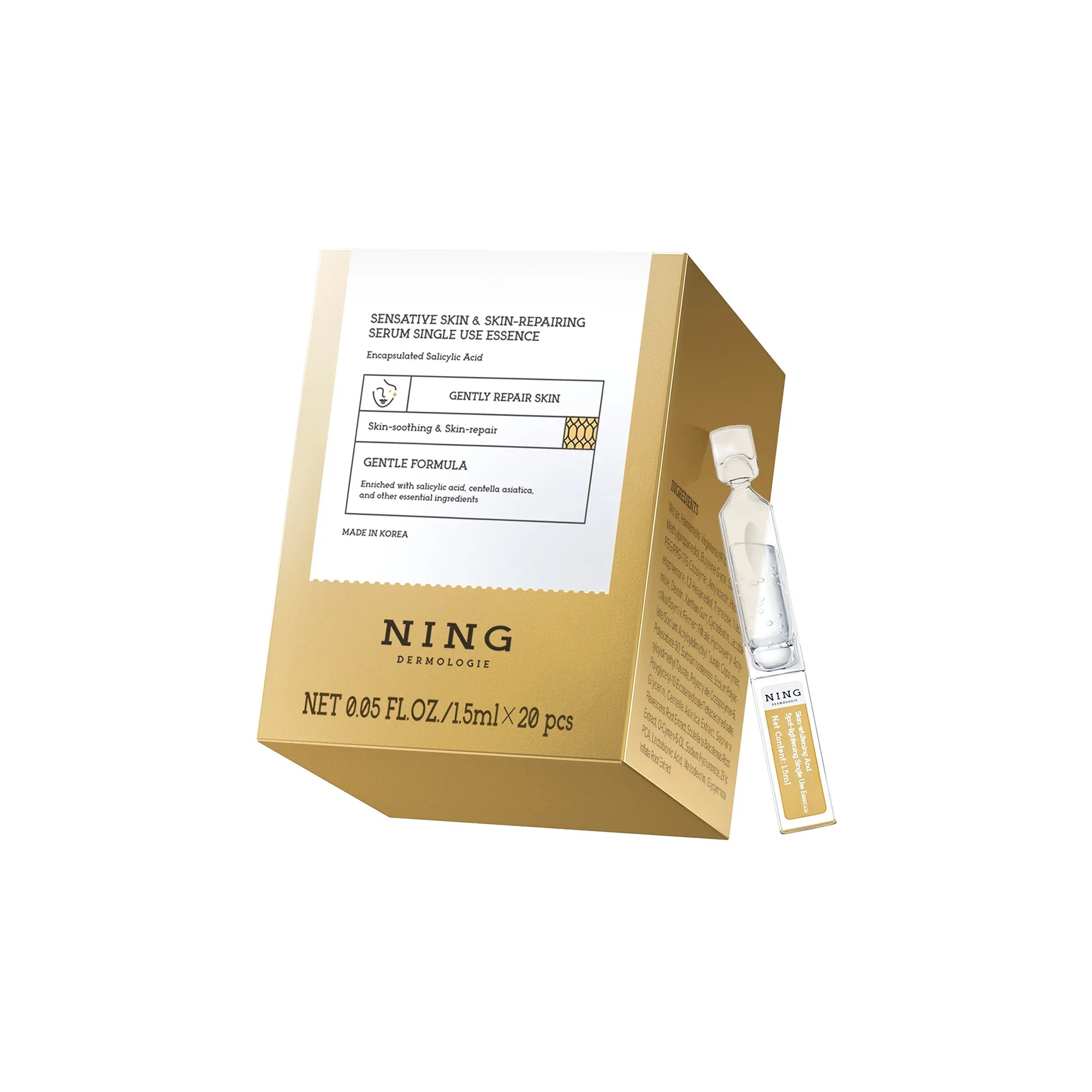
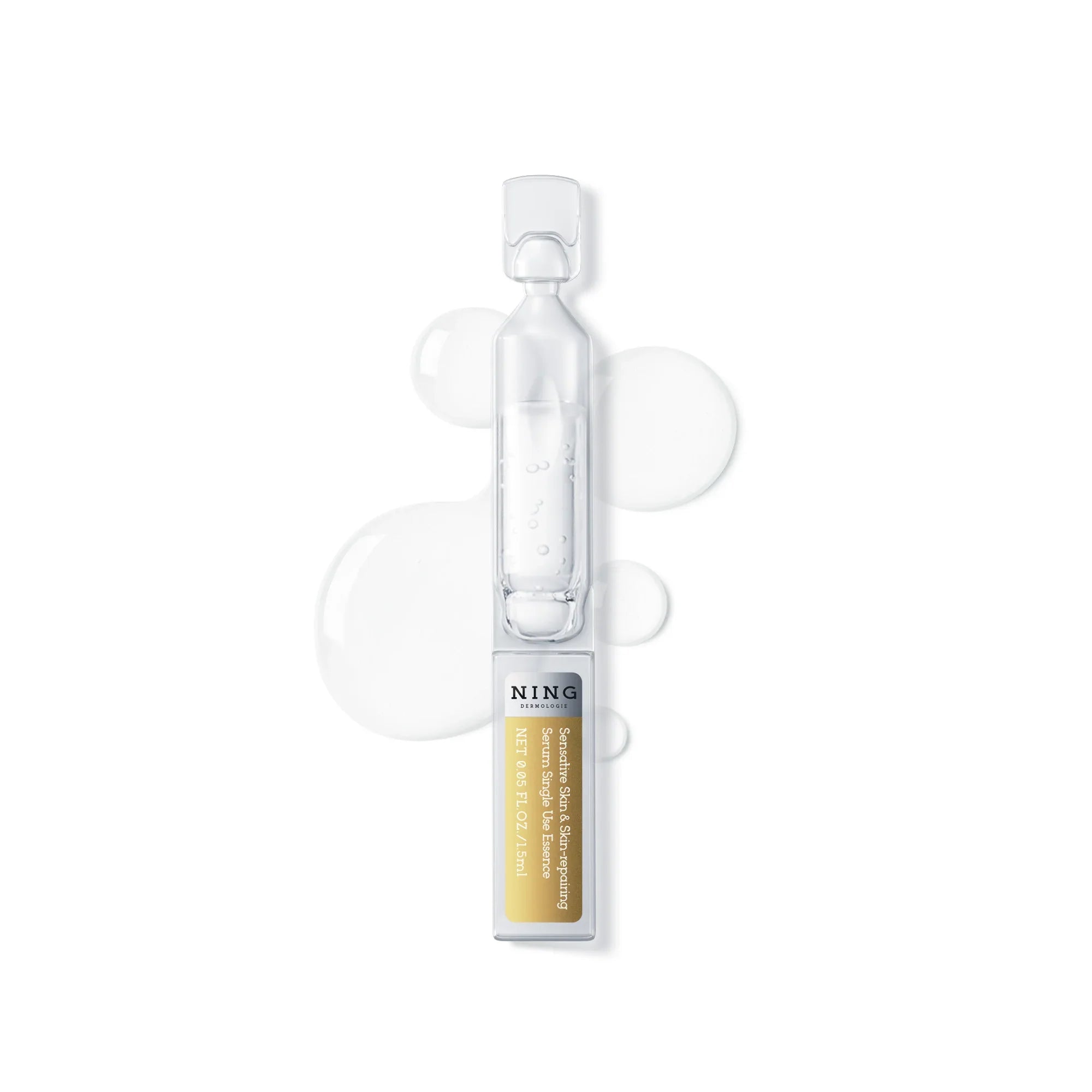
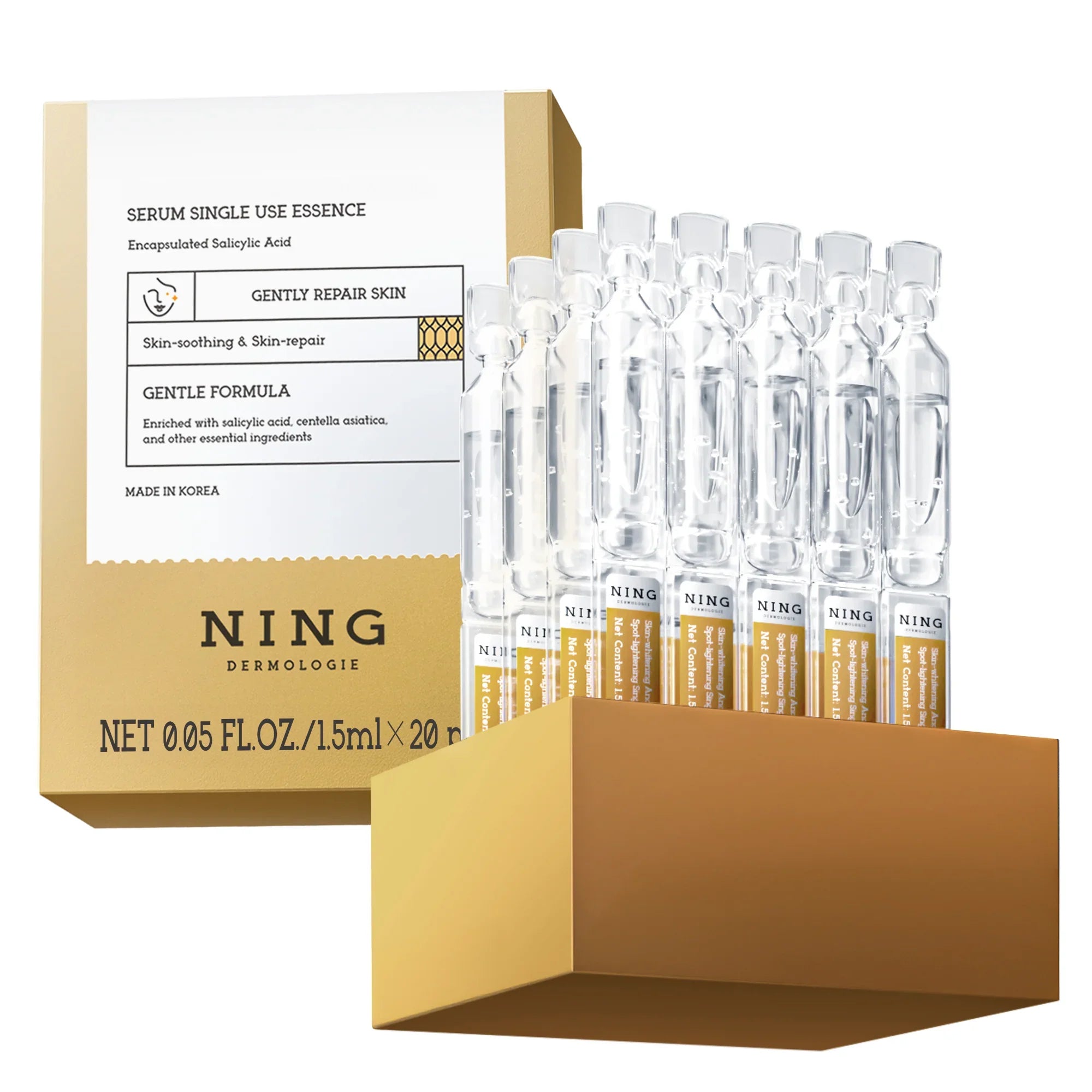
At NING Dermologie, we formulated our 2% Salicylic Acid Serum specifically to meet these medical-grade standards. We know that a concentration of salicylic acid at 2% is the "sweet spot"—strong enough to provide clearer skin but balanced enough to minimize the risk of irritated skin.
Finding the Best Salicylic Acid Product for Your Routine
Not all products containing salicylic acid are created equal. The vehicle—whether it’s a salicylic acid cleanser, a spot treatment, or a serum—determines how the acid acne treatment interacts with your unique skin conditions.
1. The Salicylic Acid Cleanser (The Introduction)
Using a salicylic acid cleanser is often the best way for beginners to start. Since it’s a rinse-off salicylic acid product, the active ingredient doesn't stay on the skin long enough to cause significant skin irritation for most. It’s a great acne wash for those with mild congested skin.
2. The Salicylic Acid Serum (The Heavy Lifter)
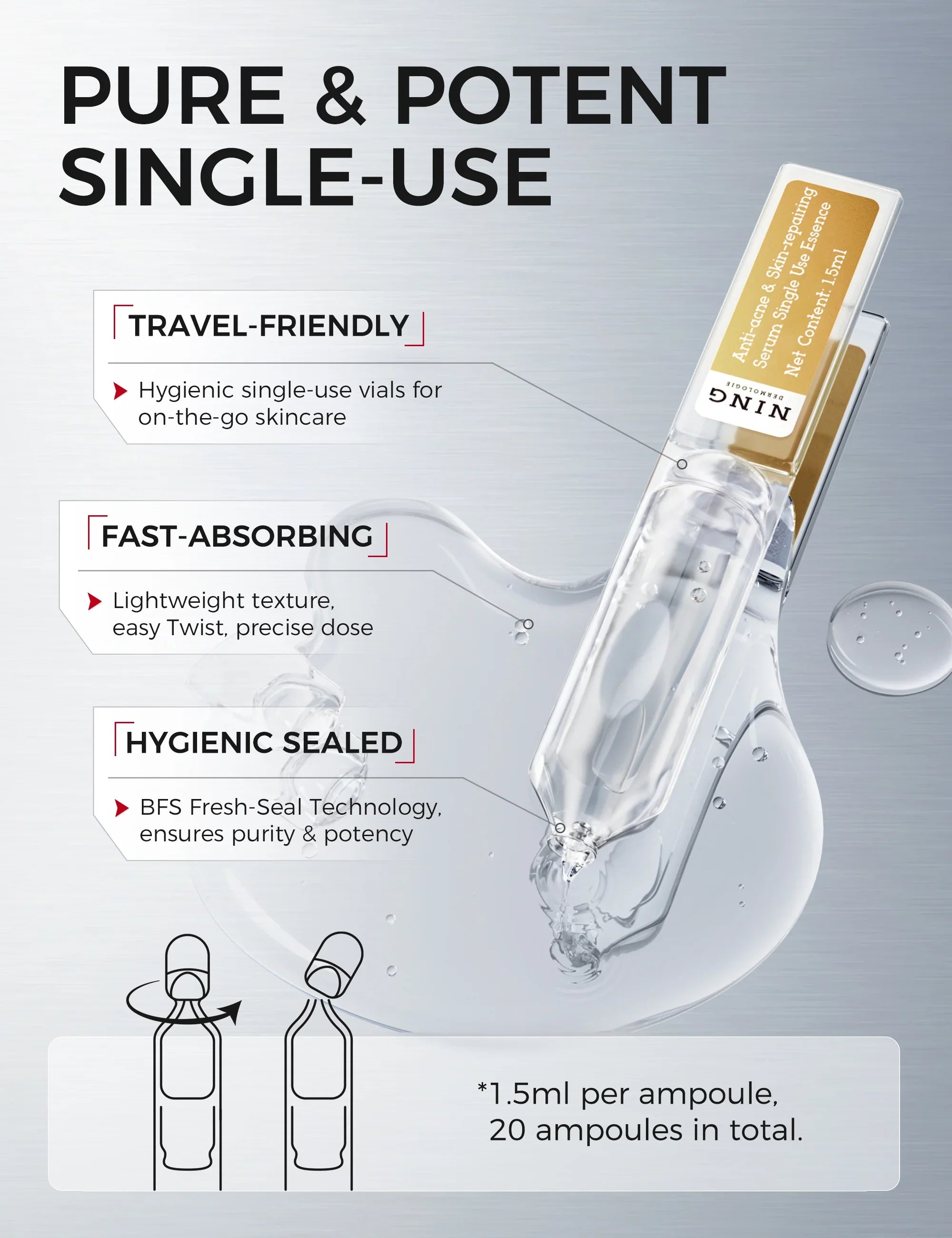
For serious acne control, a serum is the way to go. Unlike a cleanser, a salicylic acid serum is designed to sit on the skin and work over several hours. This is where you see the real shift in skin texture. Our NING Dermologie serum combines salicylic acid with soothing botanicals to ensure that while you exfoliate skin, you aren’t stripping it bare.
3. Spot Treatments
When you have a localized acne breakout, a spot treatment with a high concentration of salicylic acid can help "dry out" the blemish. However, be careful—overusing these on sensitive skin may lead to peeling that is harder to cover than the original pimple.
Mastering Your Skin Care Routine: A Tactical Guide
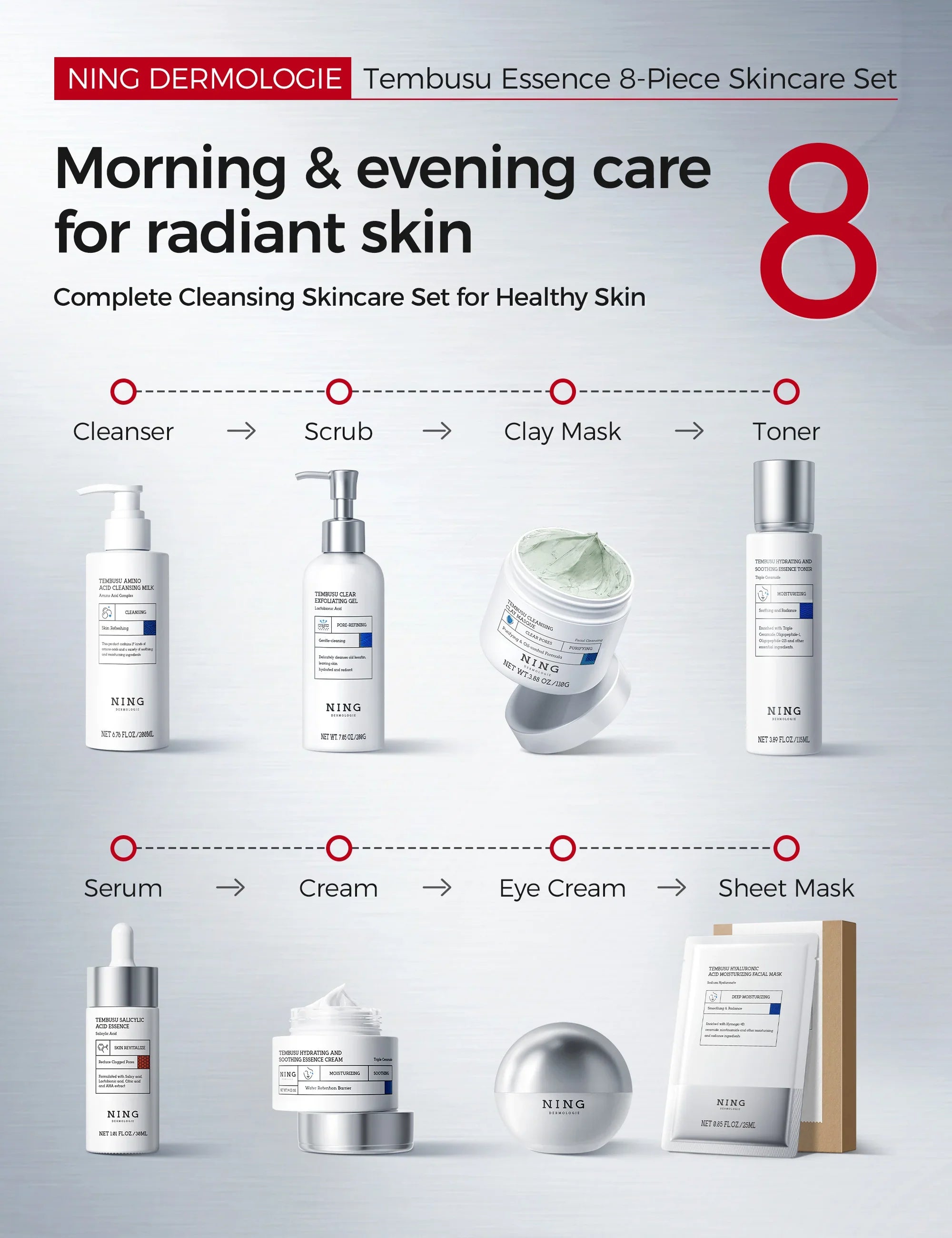
One of the biggest mistakes we see is the "kitchen sink" approach. People use a salicylic acid cleanser, followed by a salicylic acid serum, and then wonder why their face is red and itchy. Here is how to build a skin care regimen that works.
Morning vs. Night
While salicylic acid is used by many in the morning, it does increase skin sensitivity to the sun. If you use it in your AM skin care, you must protect the skin with a broad-spectrum SPF. Many find it easier to incorporate salicylic acid into their nighttime routine to let the beta-hydroxy acid work its magic during the body’s natural repair cycle.
The Power of Pairing: Hyaluronic Acid and More
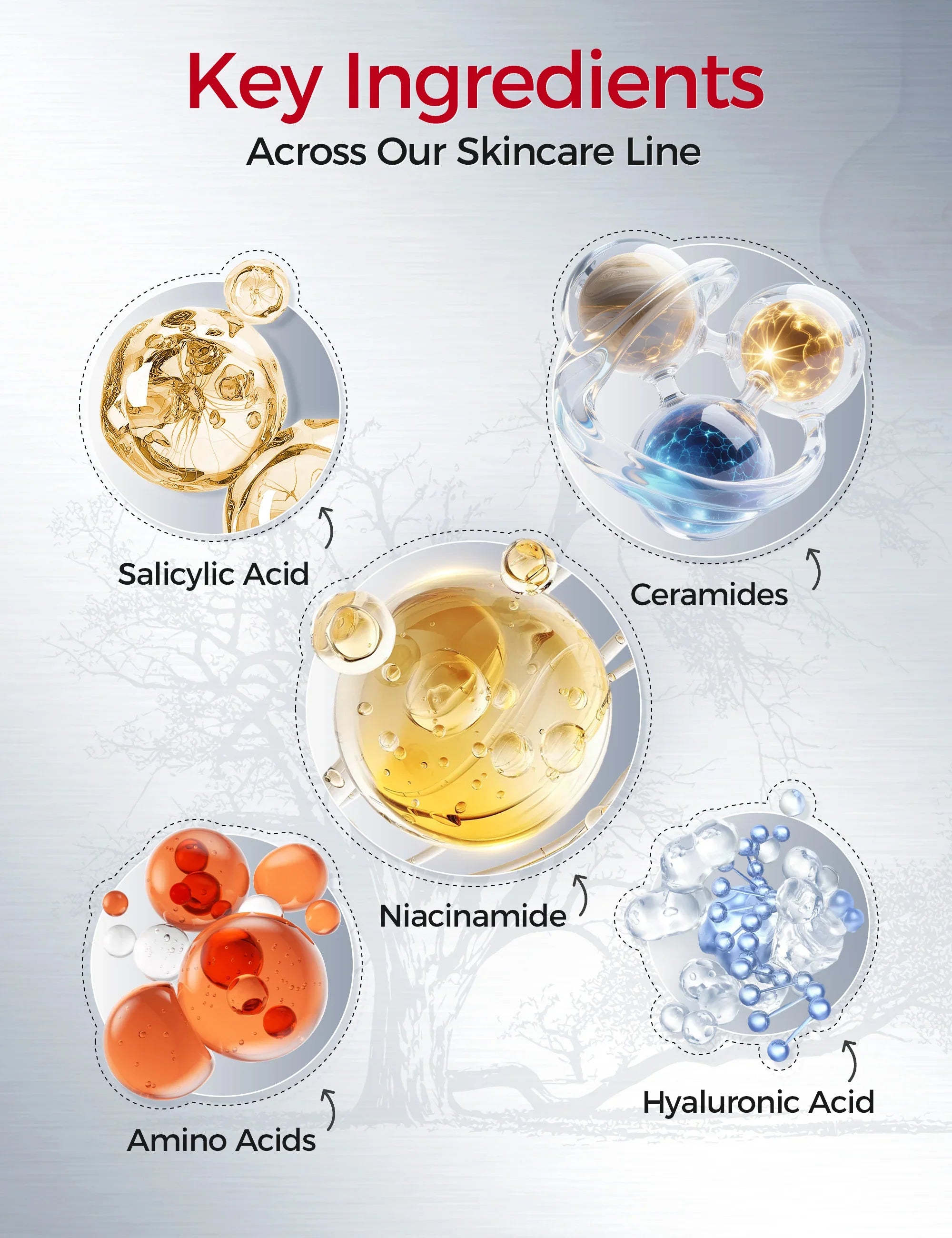
To support the skin barrier, you should always follow your acid with a moisturizer. Look for ingredients like hyaluronic acid. While the salicylic acid works on the pores, hyaluronic acid pulls moisture into the skin cells, preventing the dry skin that often accompanies acne treatment.
Expert Tip: Avoid mixing salicylic acid with citric acid, lactic acid, or high-strength Vitamin C in the same step. It’s too much stress for the skin barrier.
Salicylic Acid for Different Skin Types
It’s a myth that BHAs are only for oily and acne-prone skin. While they excel there, they have a place in a variety of skin types.
- Oily and Acne-Prone Skin: You can likely tolerate daily use. Focus on keeping the pores clear to prevent acne breakouts.
- Sensitive Skin: Look for lipo-hydroxy acid (a derivative) or lower concentrations. You might only use salicylic acid twice a week.
- Dry Skin: Yes, even dry skin gets clogged pores. The key is using a salicylic acid product that is buffered with oils or following up immediately with a rich moisturizer.
- Body Acne: Don't forget the "backne." A salicylic acid body wash is an effective way to handle large surface areas where the skin is thicker and can tolerate more.
Comparing the Market: NING vs. The Giants
You’ve probably seen Cerave acne control or other products with salicylic acid at the drugstore. These are recommended by dermatologists for a reason—they are accessible. However, at NING Dermologie, we focus on the purity of the delivery system. Many skincare products use harsh solvents to keep salicylic acid stable. We’ve worked to eliminate unnecessary fillers, making our 2% Salicylic Acid Serum a gentle skin option that doesn't sacrifice potency.
Whether you are dealing with adult acne or teenage acne breakouts, the goal remains the same: clearer skin and a healthy skin barrier.
Precautions and Potential Side Effects
We have to be realistic: although salicylic acid is widely suitable for sensitive skin in low doses, skin irritation can happen. If your skin may react with redness or excessive peeling, back off.
Common signs you are overdoing it:
-
Your skin feels "tight" or shiny (but not oily).
-
Stinging when you apply even a basic moisturizer.
-
Increased adult acne (this could be purging, but if it lasts more than 4 weeks, it’s irritation).
Consulting a board-certified dermatologist in New York or your local area is always a smart move if you have chronic skin conditions like rosacea or cystic acne.

Conclusion: The Path to Clearer Skin
Achieving smooth skin isn't an overnight event. It’s the result of a consistent skin care routine that utilizes the benefits of salicylic acid without overtaxing the skin barrier. By choosing the best salicylic acid for your skin type—like the targeted delivery of NING Dermologie’s 2% Salicylic Acid Serum—you are giving your skin the tools it needs to regulate itself.
Say goodbye to congested skin and hello to a complexion that feels as good as it looks. Enhance skin health today, and remember: consistency beats intensity every single time.
Frequently Asked Questions (FAQ)
1. Can I use salicylic acid every single day?
Honestly, it depends on how much oil your face actually produces. If you’re dealing with a grease-prone T-zone, a daily application is usually fine once you've eased into it. But if you notice random flaky patches or a weird "tight" feeling, back off to every other day. The goal is to clear the gunk from your pores, not strip your skin until it’s raw. Start slow—maybe twice a week—and see how your barrier reacts.
2. Is it normal to "purge" when starting a new serum?
Expect a bit of a "it gets worse before it gets better" phase. Because BHA kicks your cell turnover into high gear, those hidden clogs lurking under the surface decide to show up all at once. It’s annoying, but this "purge" usually clears in about three to four weeks. If you’re still breaking out in brand-new spots after six weeks, though, it’s likely not a purge—it’s just the product not agreeing with your skin.
3. Can I combine salicylic acid with Retinol?
Layering them at the same time is usually a recipe for a red, peeling face. They’re both heavy hitters. Instead, try "skin cycling." Use your NING serum on Monday night to de-gunk the pores, then switch to Retinol on Tuesday. This gives your skin barrier a breather. If your skin is incredibly tough, you could do BHA in the morning and Retinol at night, but you absolutely cannot skip the SPF the next day.
4. Does salicylic acid help with blackheads?
This is exactly what it was made for. Unlike physical scrubs that just scratch the surface, salicylic acid actually dives inside the pore to melt down the oily "glue" holding that blackhead together. It’s a slow burn, though—don’t expect them to vanish in one night. With consistent use, those dark spots on your nose will look much smaller because the gunk isn't stretching the pore open anymore. It's about maintenance, not a one-time fix.
5. Should I use salicylic acid if I have dry skin?
You can, but don't go slathering it everywhere. If you’ve got dry skin but still deal with occasional zits, stick to spot treating the problem areas rather than a full-face application. The trick is to follow up immediately with a thick, nourishing moisturizer to put back what the acid took out. If your face starts feeling like parchment paper or looks unusually shiny, you’re definitely overdoing it. Moderation is your best friend here.


Share:
The Power of Salicylic Acid in Fighting Acne and Blemishes
Find vitamin C serums available for purchase with fast shipping in the US.