



Stop standing in front of your bathroom mirror, squinting at those tiny black dots on your nose, and wondering why your $50 "deep clean" foam isn't doing anything. We’ve all been there. You try to squeeze them, you rip off pore strips that leave your nose red and raw, or you scrub your face until it burns, yet the blackheads remain.
The truth? Most people treat blackheads like dirt that needs to be scrubbed off. They aren't. A blackhead is just oxidised oil and dead skin cells trapped inside a follicle. When that "plug" hits the air, it turns black. To fix it, you don't need brute force; you need chemistry.

Why Your Current Wash is Failing You
If you are using a basic soap or a generic "daily scrub," you’re likely just washing the surface. To actually clear clogged pores, you need ingredients that can travel into the pore.
Most people gravitate toward physical exfoliants—those gritty face scrubs—thinking they can sand down the blackhead. But manual exfoliators often have jagged edges that create micro-tears in your skin barrier, leading to more inflammation and, ironically, more oil production.
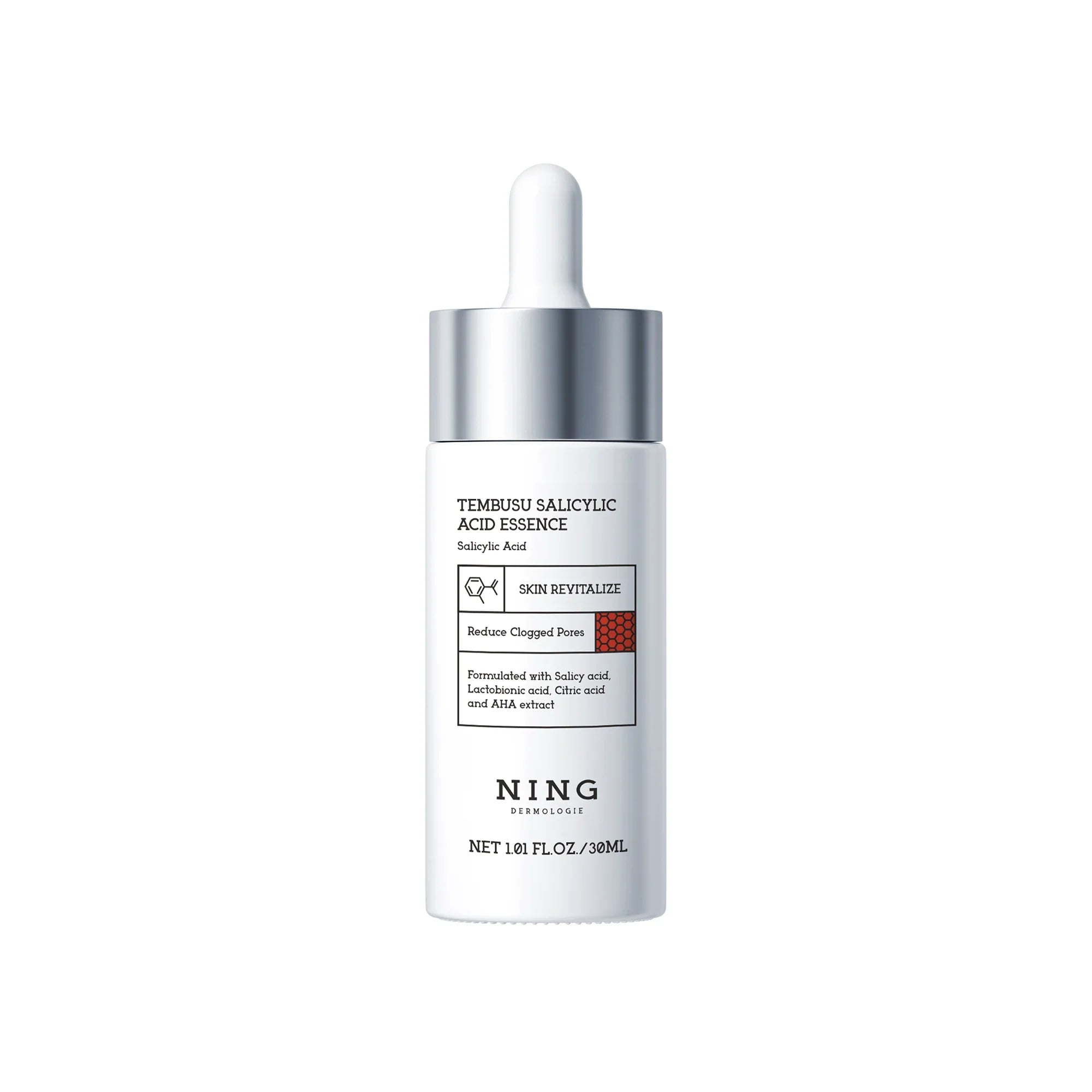
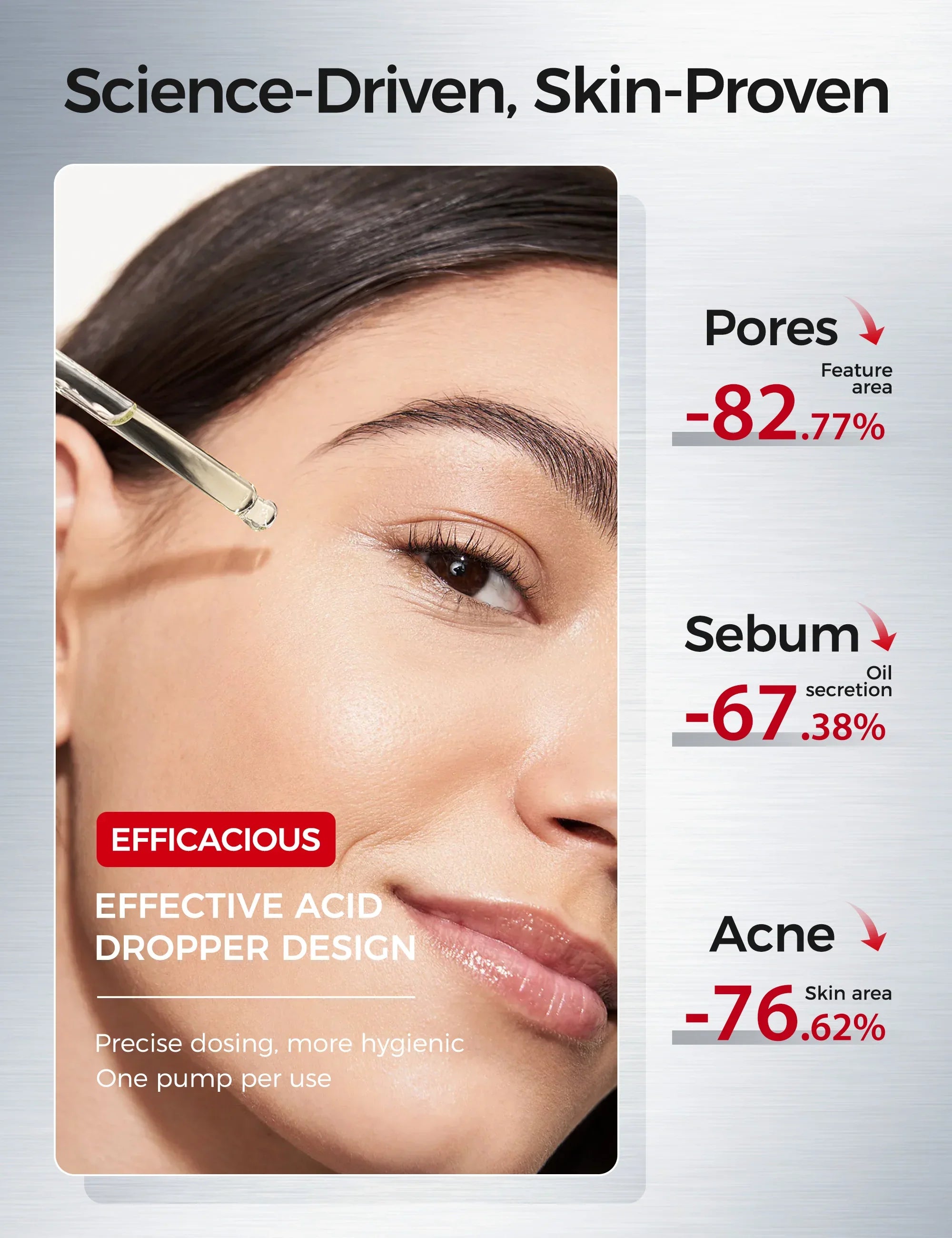
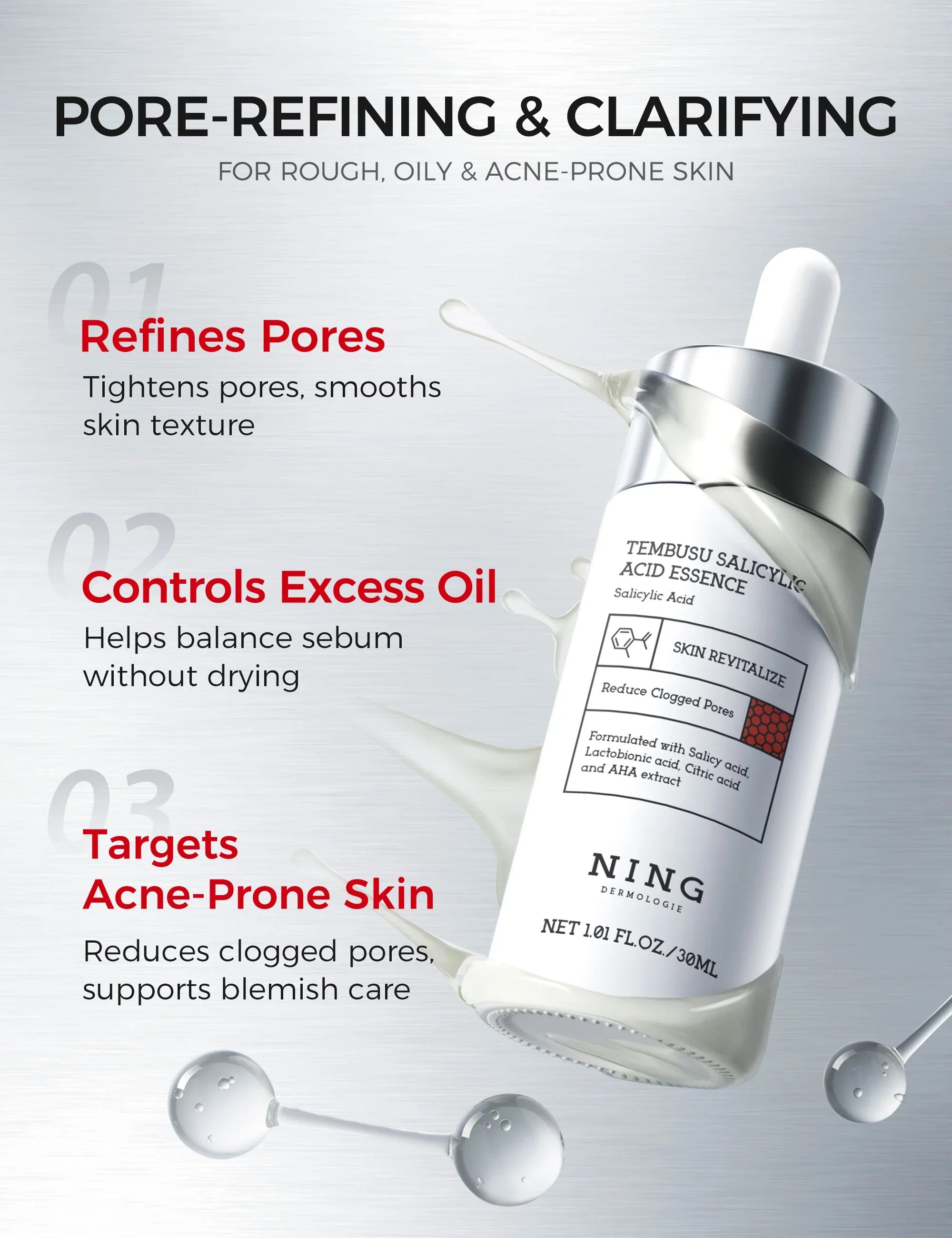
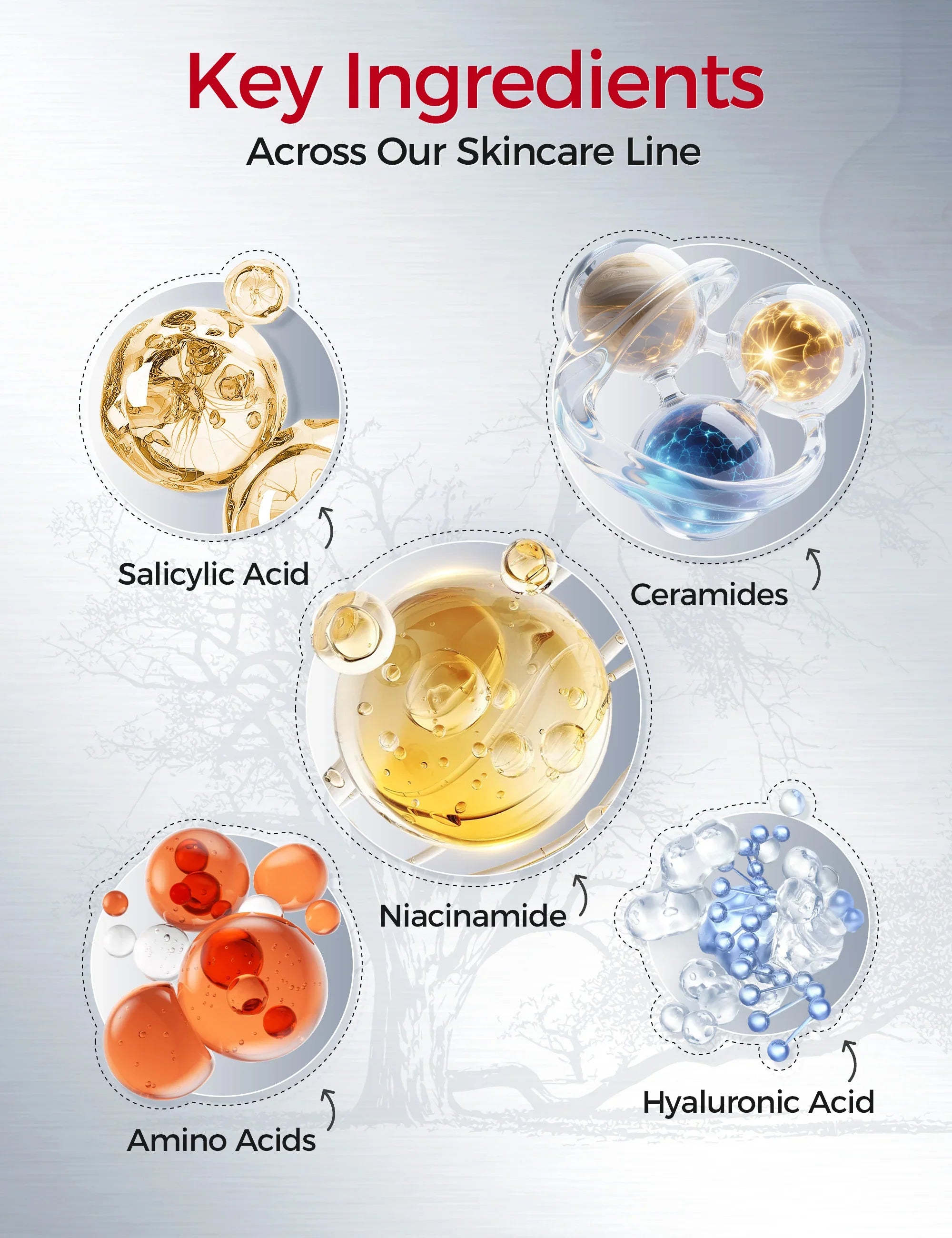
Instead, the best exfoliating face wash strategy involves chemical exfoliants. Specifically, Beta hydroxy acid (BHA). While Alpha Hydroxy Acids (AHAs) like glycolic acid or lactic acid are great for polishing the surface and improving skin tone, they are water-soluble. They can’t get through the oil. Salicylic acid, the most famous BHA, is oil-soluble. It’s like a drain cleaner for your face; it dissolves the "glue" holding the oil and dead skin cells together.
The Heavy Hitters: Ingredients That Actually Work
When scanning labels for your next exfoliating cleansers, look for these specific exfoliating acids:
- Salicylic Acid (BHA): The gold standard for blackhead treatment. It speeds up skin cell turnover and keeps pores clear.
- Glycolic & Lactic Acid (AHAs): These help shed the top layer of dead skin cells so the BHA can work deeper.
- Mandelic Acid: A gentler AHA, perfect for darker skin tones or sensitive skin types who find glycolic acid too harsh.
- Azelaic Acid: Great for killing bacteria and reducing the redness left behind after a blackhead clears.
- Pumpkin Enzymes: A natural alternative to acids that digests dead proteins without messing with your pH levels.
The NING Dermologie Approach: Smarter Exfoliation
At NING Dermologie, we’ve seen the damage caused by overly aggressive exfoliation treatments. Many users come to us after stripping their skin with harsh chemical peels or high-percentage serums like The Ordinary's Lactic Acid 10% + HA Exfoliating Serum. While effective, these can be "too much" for daily use.
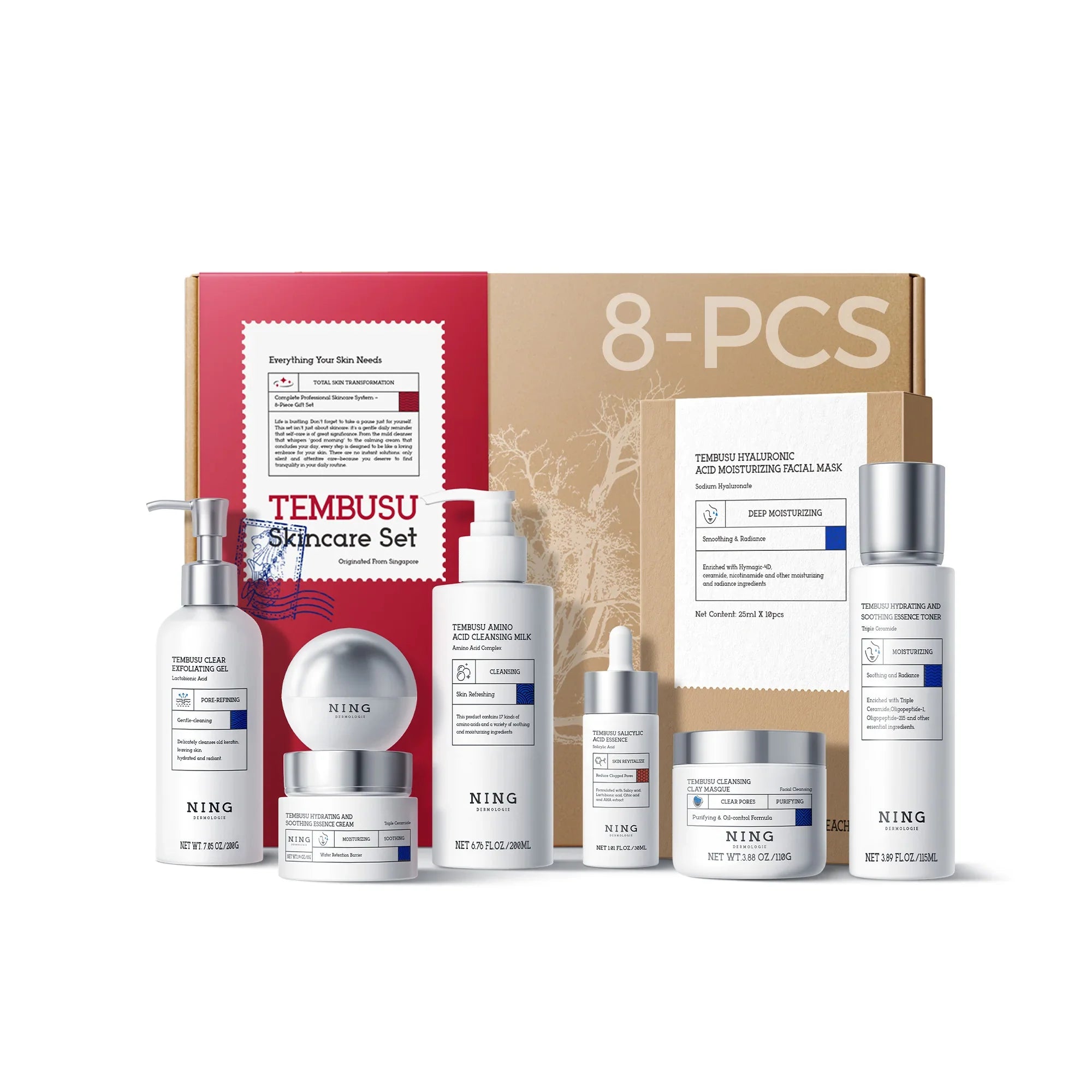
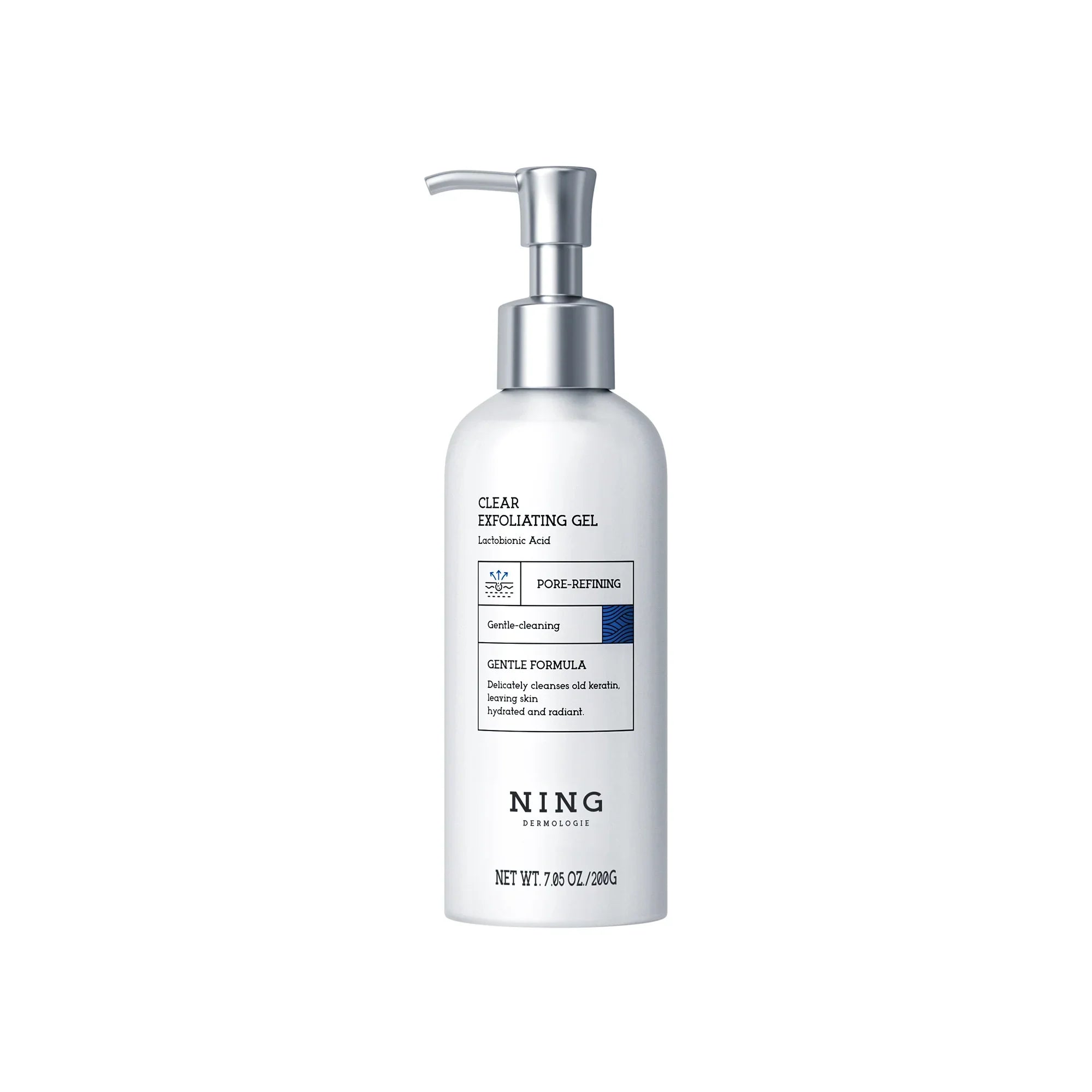
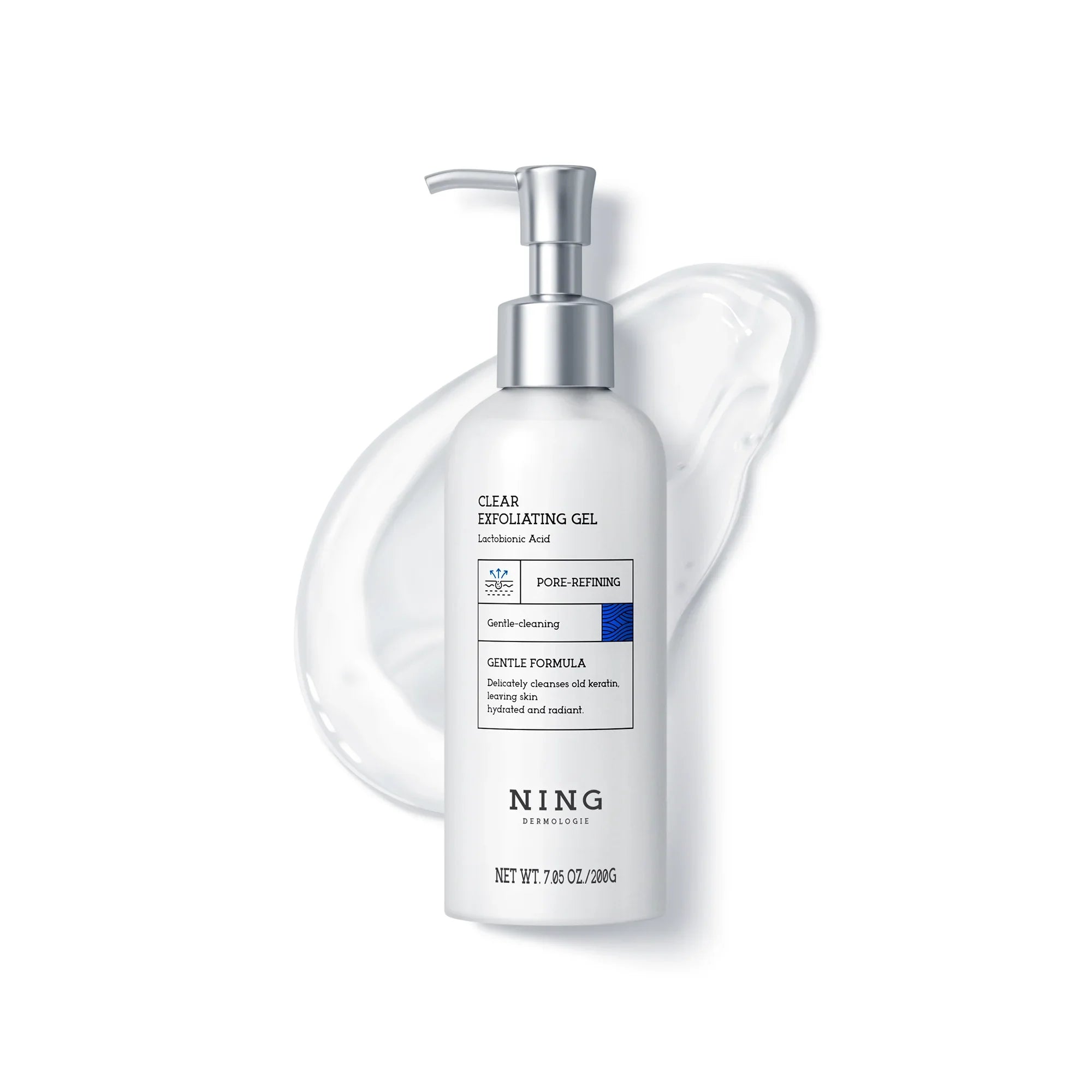
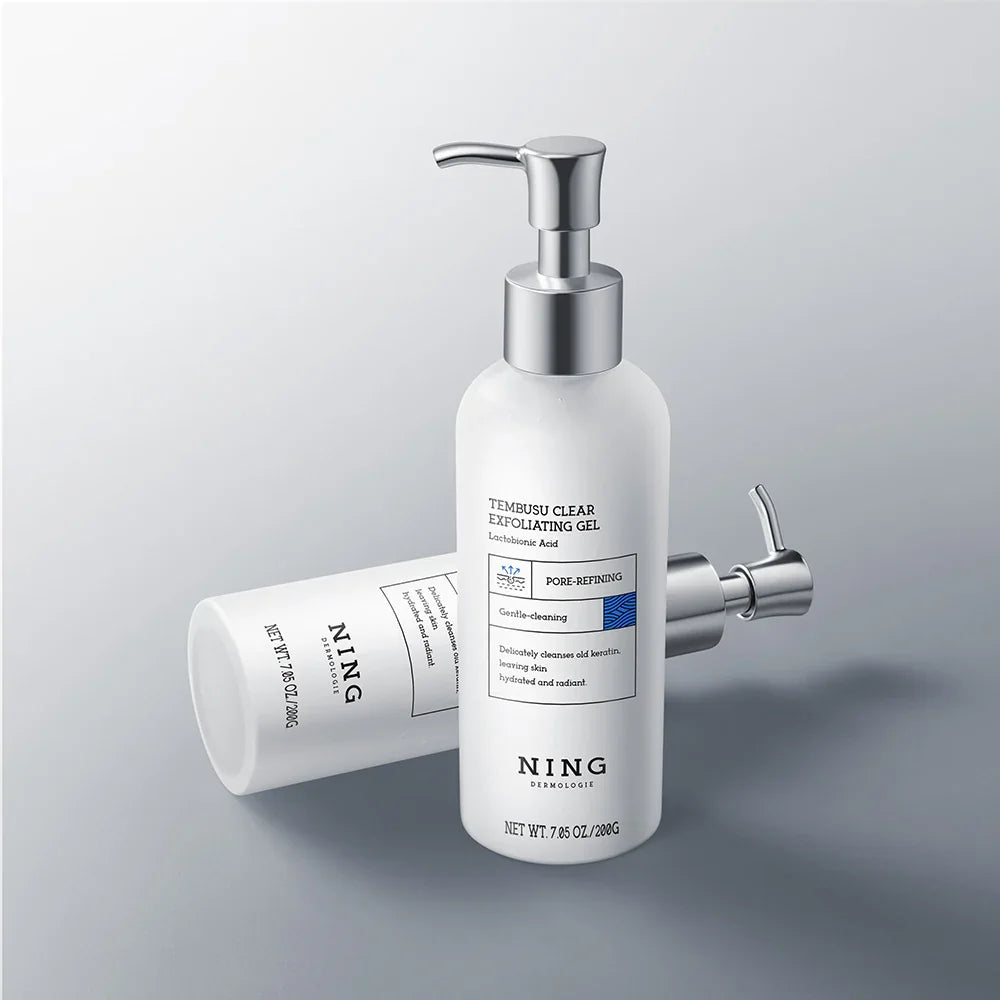
OurExfoliating Face Wash(Purifying Peeling Gel) focuses on a balanced User Experience. We combine the debris-clearing power of a chemical exfoliant with soothing Product Components that protect your moisture barrier. It’s designed to lift dead skin cells instantly without the scratchy trauma of a traditional exfoliating scrub.
If you’ve been relying on pimple patches or acne creams to spot-treat, you’re playing whack-a-mole. Incorporating a targeted wash like ours ensures you're treating the entire "breeding ground" for blackheads, not just the ones that have already surfaced.
Comparing the Market: What’s Worth Your Money?
If you are looking for specific pharmaceutical or high-end options to rotate into your routine, here is how the top players stack up:
For Active Acne & Deep Clogs
Skinceuticals LHA Cleanser Gel or La Roche Posay Effaclar Salicylic Acid Acne Treatment Serum are fantastic if you have very oily skin. They are aggressive, so you’ll need a heavy-duty hyaluronic acid serum afterward to prevent dehydration.
For Texture and Brightening
The AHA/BHA Exfoliating Cleanser by Murad or the Skinbetter Science AlphaRet Clearing Serum are industry favorites. They focus on both the blackhead and the fine lines around them.
For Targeted "At-Home" Facials
If you want to go beyond washing, Paula's Choice Skin Perfecting 2% BHA Liquid Exfoliant is a cult classic for a reason. However, for those who prefer gadgets, the Dermaflash Dermopore+ or the Dermapore+ Ultrasonic Pore Extractor can help "vibrate" the gunk out of your pores after you’ve softened the skin with a wash.
Pro Tip from London's Cadogan Clinic Specialists: Avoid comedogenic products (pore-clogging) in your makeup routine. If you wear a mask with makeup, the humidity creates a "greenhouse effect" for bacteria. Always double-cleanse with oil cleansers first to melt the makeup, then follow with your exfoliating face wash.
Avoiding the "Security Check" for Your Skin
Think of your skin barrier as your body's personal security service. When you over-exfoliate, you are essentially launching an online attack on your own defenses.
Just as a security solution like Cloudflare protects a website from malformed data or a malicious SQL command, your skin needs a filter. When you strip your skin too hard, it sends a signal to produce more oil to protect itself. This is why some people find that the more they scrub, the oilier they get.
If your skin feels tight, "plastic-y," or starts stinging when you apply moisturizer, you've hit the "wrong button press." Stop all acids and focus on hyaluronic acid and ceramides for a week.
The Complete Routine for Clear Pores
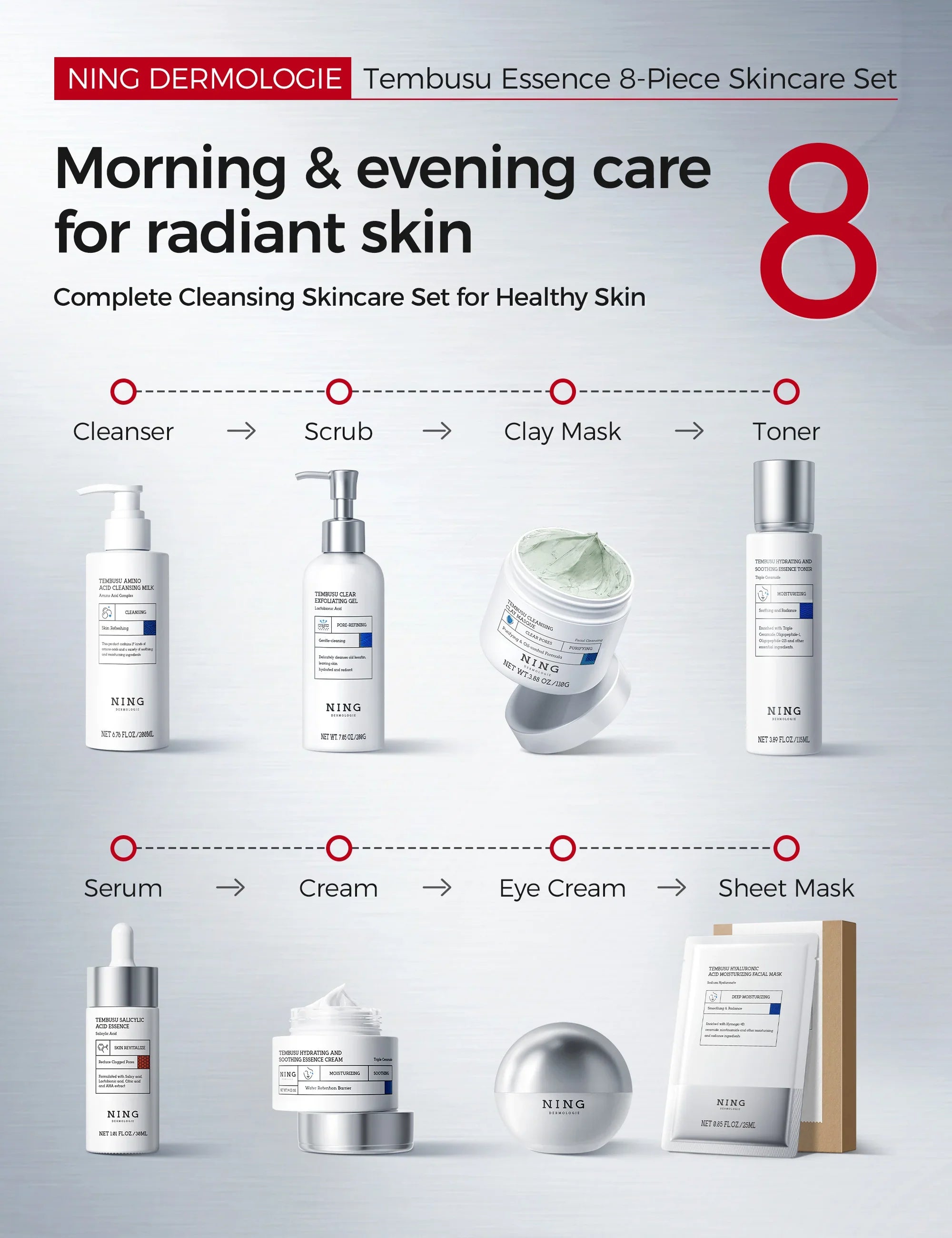
If you want to move away from blackhead remover treatments that don't work, follow this protocol:
- The Double Cleanse: Start with a fragrance-free oil cleanser to dissolve sebum.
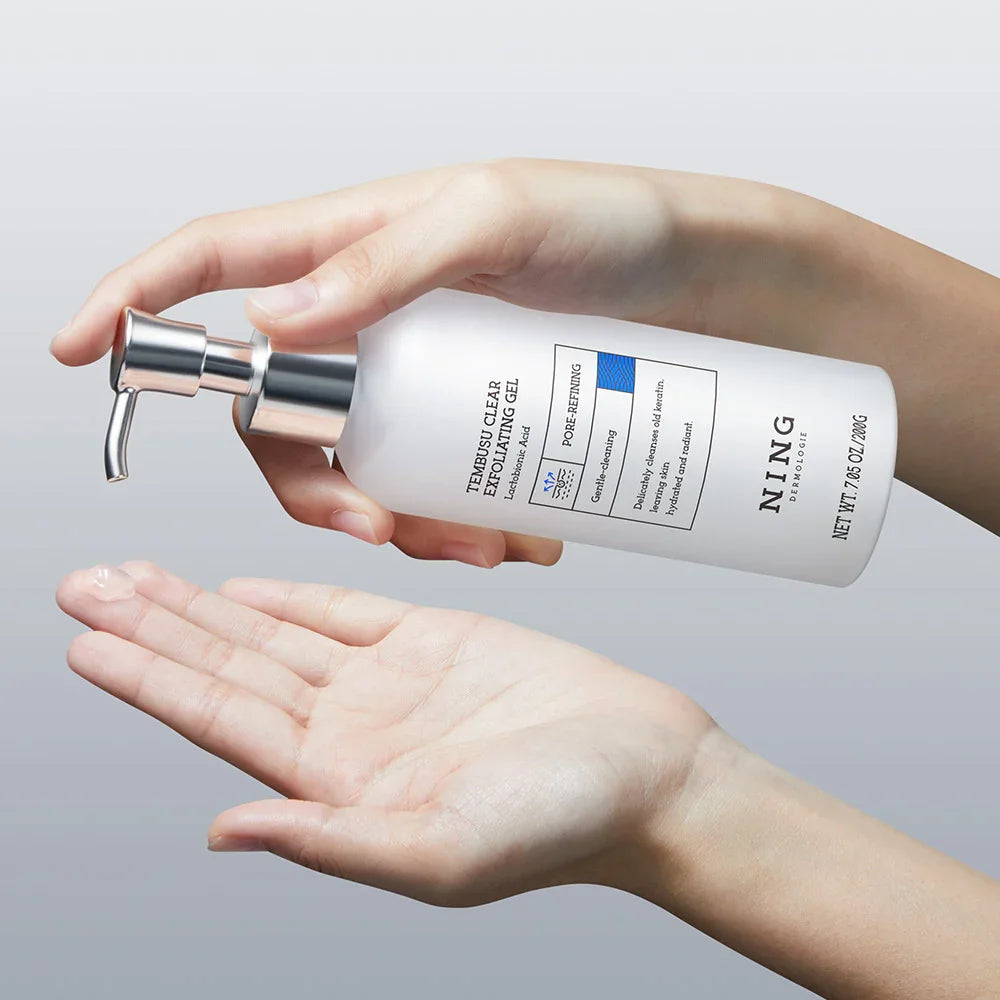
- The Treatment Wash: Use the NING Dermologie Exfoliating Face Wash. Massage it into the "T-zone" for 60 seconds. Do not just splash and go. The exfoliating acids need contact time to work.
- The Hydration Step: Apply a hyaluronic acid serum while the skin is still damp.
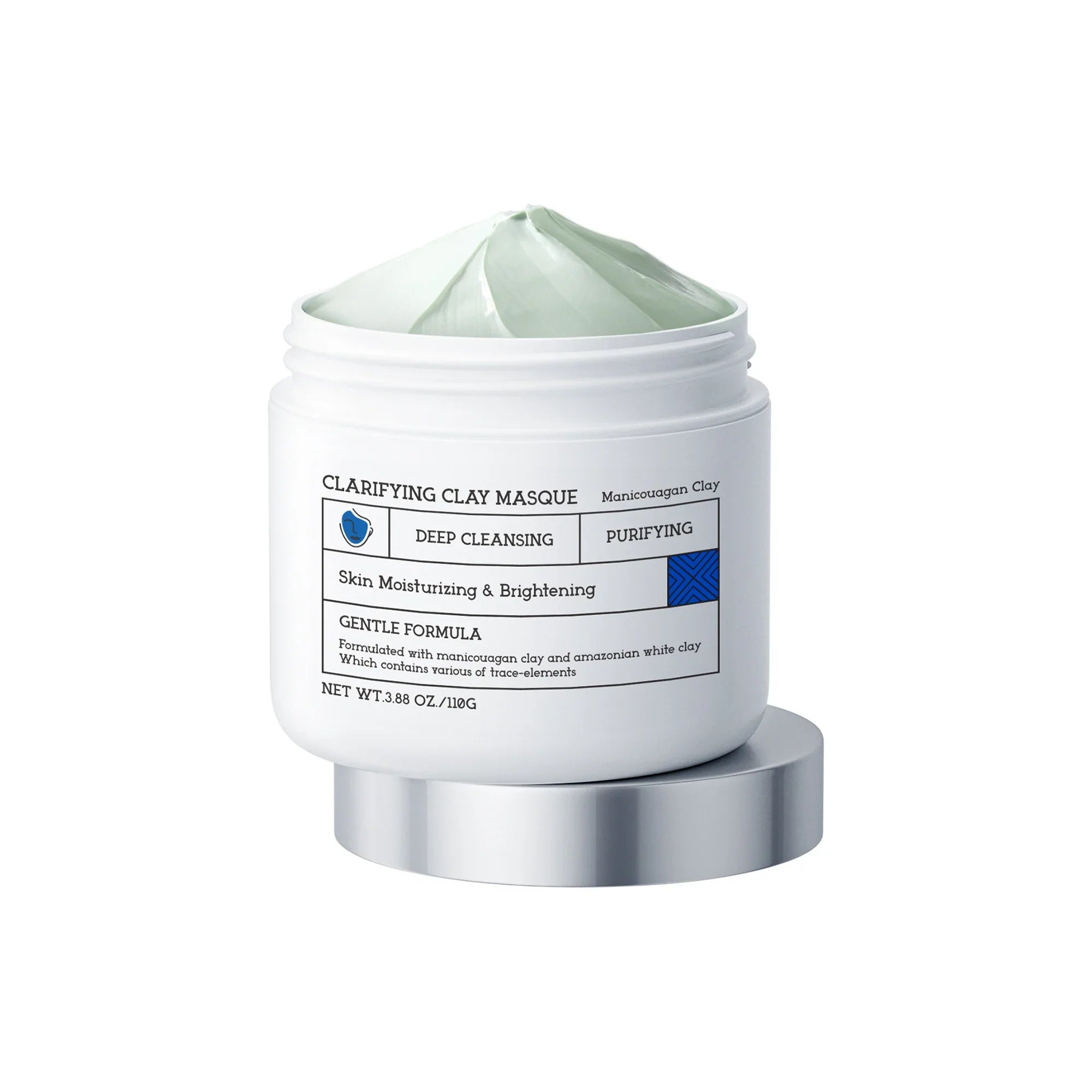
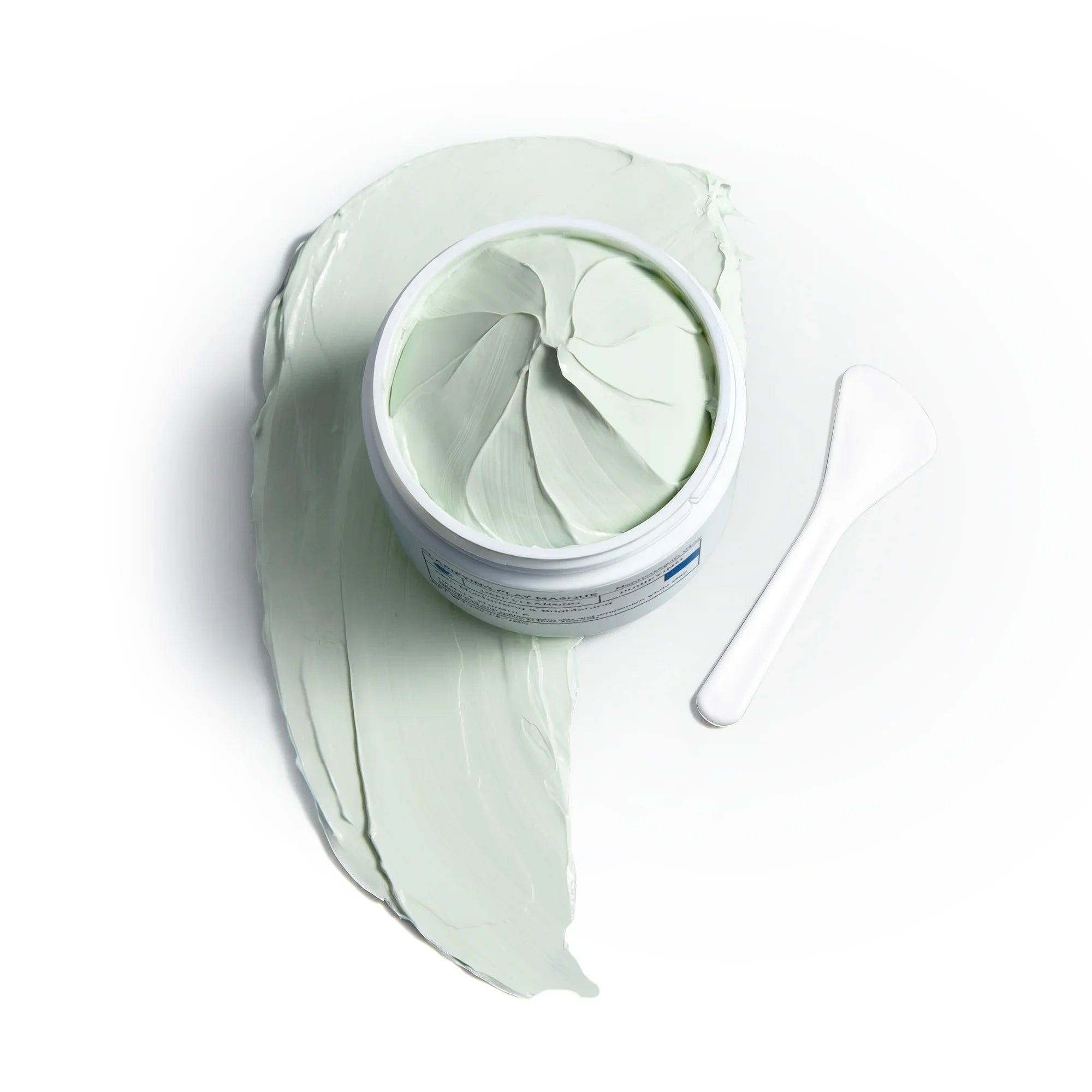
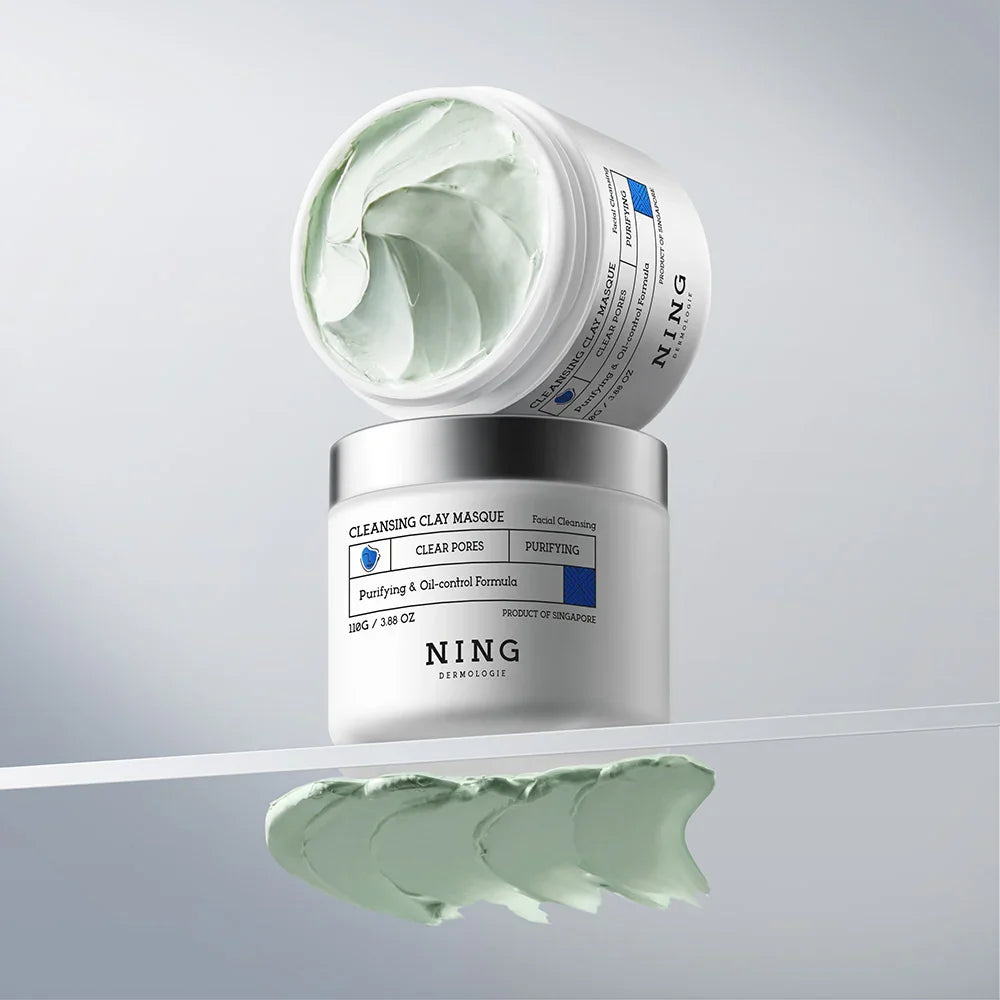
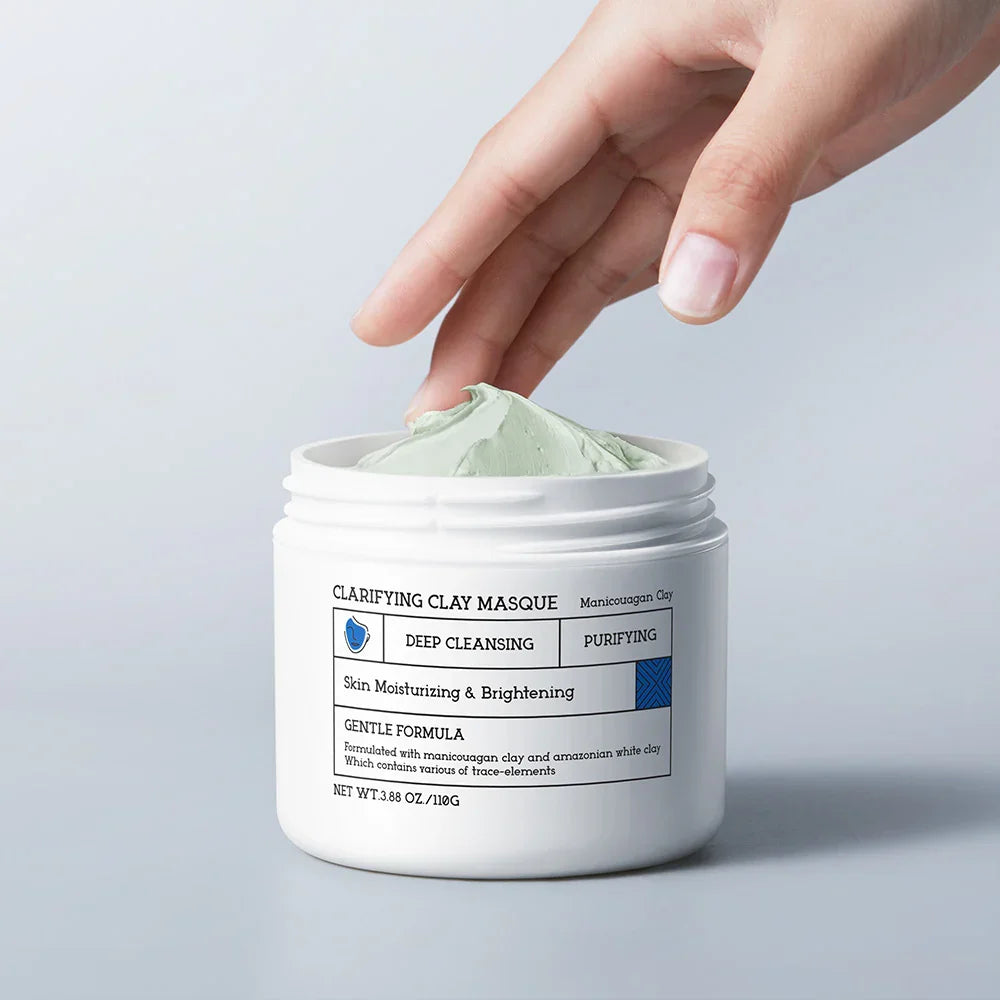
- Weekly Maintenance: Use clay masks (like the Peter Thomas Roth Therapeutic Sulfur Acne Treatment Mask) once a week to pull out excess oil.
Dermatologist Dr. Anjali Mahto often notes that consistency beats intensity. You don't need a chemical peel every week; you need a smart daily wash that respects your biology.

A Note on Digital Browsing
If you encounter a Cloudflare Ray ID or are asked to hold the button while browsing skincare sites, don't worry—it's just a standard security service to prevent bot attacks. If you have issues reaching our Customer Service, you can usually find contact info at the bottom of this page or via the site owner links.
Frequently Asked Questions (FAQ)
1. Can I use an exfoliating face wash every single day?
It depends on your skin type. If you have oily or "resilient" skin, a gentle BHA-based wash can be used daily. However, for most people, 3–4 times a week is the sweet spot. Over-doing it can damage your skin barrier, leading to redness and increased sensitivity. Always listen to your skin—if it feels tight or looks shiny (but not oily), scale back immediately.
2. Why do my blackheads come back even after using a scrub?
Because face scrubs only remove the "head" of the blackhead. The root of the clog remains deep inside the pore. Think of it like mowing a weed instead of pulling it out. To keep them away, you need chemical exfoliants like salicylic acid that penetrate the pore and prevent the oil and dead skin cells from clumping together in the first place.
3. Is NING Dermologie safe for sensitive skin?
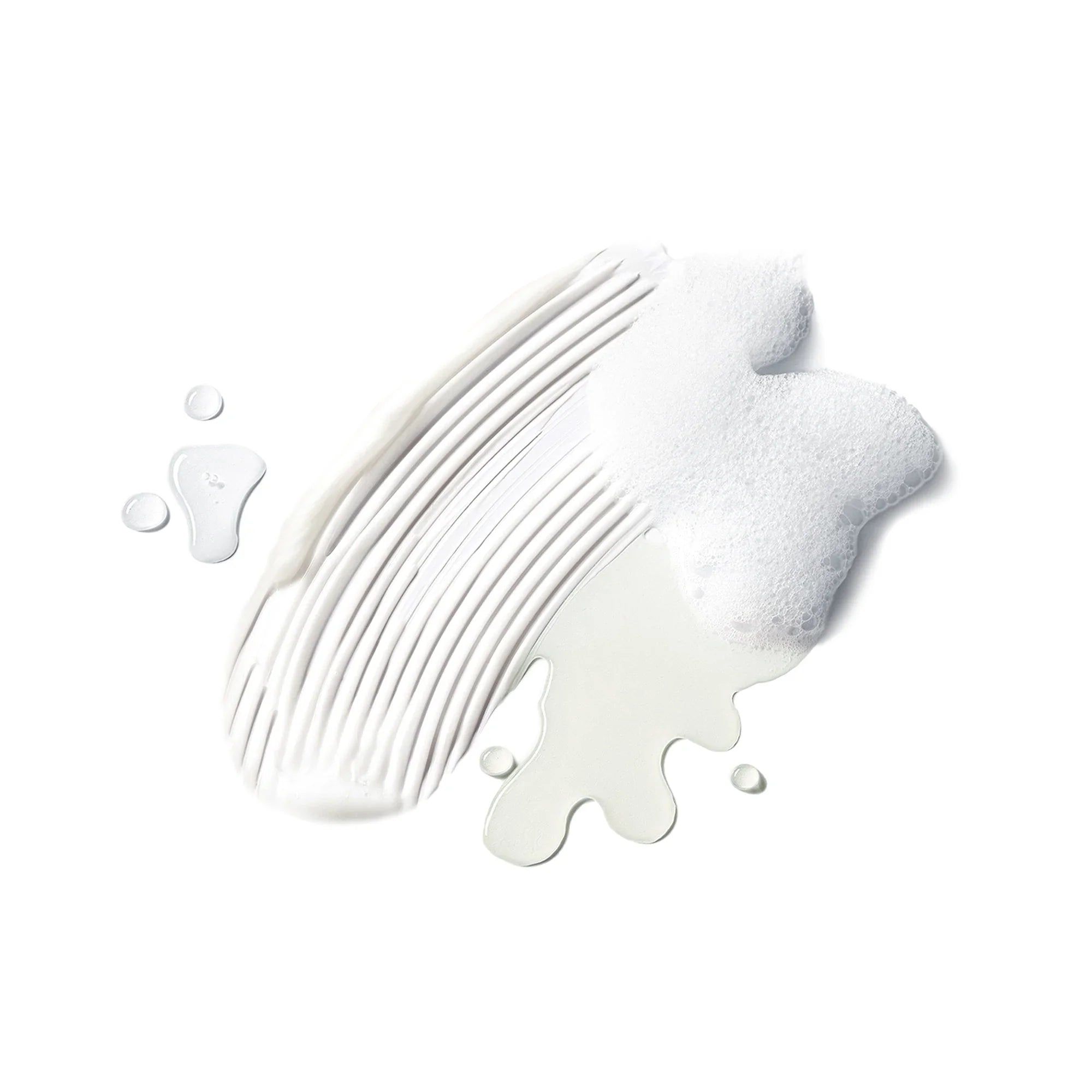
Yes. Unlike many exfoliating cleansers that use harsh plastic beads or high-acid concentrations, our formula is designed to be "buffered." We focus on a peeling gel texture that rolls away dead skin cells through gentle friction and mild enzymes. This provides the satisfaction of a physical exfoliant without the irritation, making it suitable for those who usually react poorly to acids.
4. Should I use pore strips or a professional extractor?
Pore strips are generally discouraged by dermatologists. They are too aggressive and can cause broken capillaries. If you have deep-seated clogs, an ultrasonic pore extractor is a safer "at-home" tool, but it must be used on steamed, wet skin. For the best results, stick to a consistent routine of exfoliating cleansers and occasional clay masks to manage oil naturally.
5. What is the difference between AHA and BHA for blackheads?
Think of AHAs as surface polishers—they’re great for fading dark spots or smoothing out rough texture. But because they hate oil, they can’t get inside your pores. BHAs (like Salicylic Acid) actually love oil. They dive straight into the "gunk" inside the pore to break it up. If blackheads are your main enemy, BHA is the non-negotiable ingredient you need in your routine.
Thank You for taking the time to understand your skin's biology. Ready to stop scrubbing and start healing? Explore our full range of exfoliation treatments and find the balance your skin has been craving.


Share:
Which exfoliating face washes are recommended by dermatologists?
How to use exfoliating face wash without irritating skin?