



The Bitter Truth About Brightening: 6 Best Vitamin C Serums of 2026 That Actually Work (And Which Ones Don't)
Your bathroom cabinet is probably a graveyard for half-used skincare products. Among the debris, there’s likely a bottle of vitamin c serum that turned a suspicious shade of orange before you even finished the first ounce. It’s frustrating. We’ve all been sold the dream of a bright vitamin c serum that promises to brighten skin and erase a decade of sun damage, only to end up with a sticky face and a "hot dog water" smell.
But the obsession with finding the best vitamin c isn’t just hype. When you find a formula that actually works, it does the heavy lifting for your face. We’re talking about a real-time defense against free radicals, a serious boost in collagen production, and the ability to even out skin tone in a way that filters simply can’t replicate.
As we navigate the vitamin c serums of 2026, the market has shifted. It’s no longer just about who has the highest concentration of vitamin c. It’s about stability, delivery systems, and whether that active ingredient can actually penetrate your skin barrier without causing a total meltdown. Whether you are battling dull skin, hunting for a serum for dry skin, or trying to find the best vitamin c for a complexion that breaks out if you even look at a heavy oil, this guide is for you.

What Actually Happens When You Apply Vitamin C Serum?
Before we dive into the 6 best vitamin c serums, we need to talk about the "why." You’ve heard that vitamin c is one of the few ingredients dermatologists actually agree on. Why? Because it’s a triple threat.
First, it’s an antioxidant powerhouse. Throughout the day, your skin is under attack from environmental damage—UV rays, pollution, and blue light. These create free radicals, which are basically microscopic wrecking balls that speed up signs of aging. A stable vitamin c molecule neutralizes these before they can do their damage.
Second, it's the architect of your skin. It is essential for collagen production. As we hit our 30s, our collagen levels drop off a cliff. Applying a topical vitamin c signals your skin to keep building that structural protein, which keeps the signs of aging like fine lines and sagging at bay.
Finally, it’s the ultimate eraser for dark spots and hyperpigmentation. By inhibiting tyrosinase—the enzyme responsible for melanin—it helps even skin tone and prevents new dark spots from forming.
1. SkinCeuticals C E Ferulic: The Expensive Gold Standard
You can’t talk about the best overall vitamin C without mentioning Skinceuticals C E Ferulic. It’s the allure best of beauty hall-of-famer that every dermatologist recommends.
Why is it so famous? It’s all about the "Duke Parameters." They figured out that pure vitamin c (L-ascorbic acid) is most effective at a 15% concentration with a pH below 3.5. By adding vitamin e and ferulic acid, they didn't just stabilize the formula; they doubled the photoprotective benefits.
The Reality Check: It’s expensive. And yes, it smells like a breakfast deli. But if you have dry skin or "normal" skin and want the most studied vitamin c product on the planet, this is it. It’s the benchmark against which all vitamin c serums of 2026 are still measured. It will protect your skin from environmental damage like nothing else, but the price tag is a bitter pill to swallow.
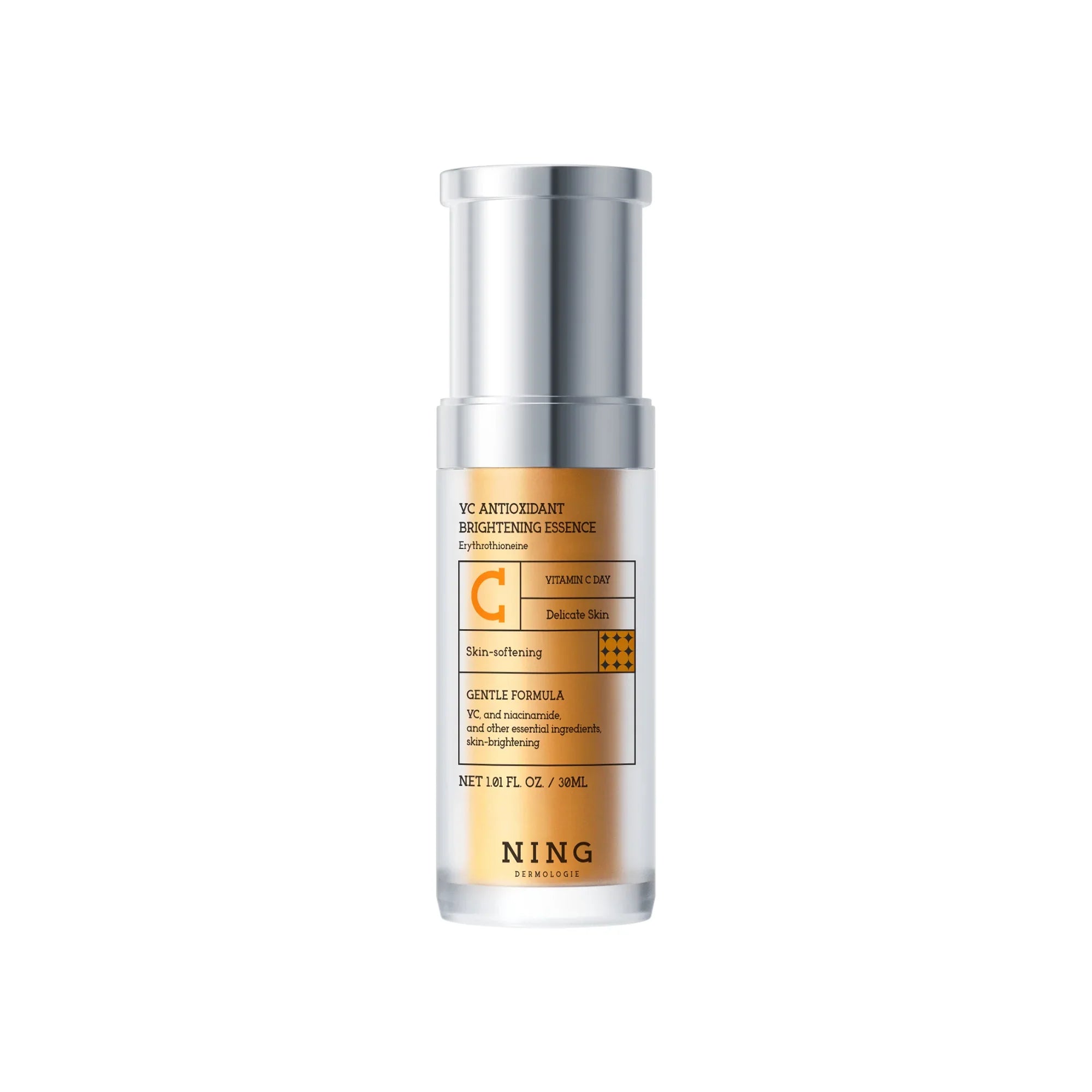
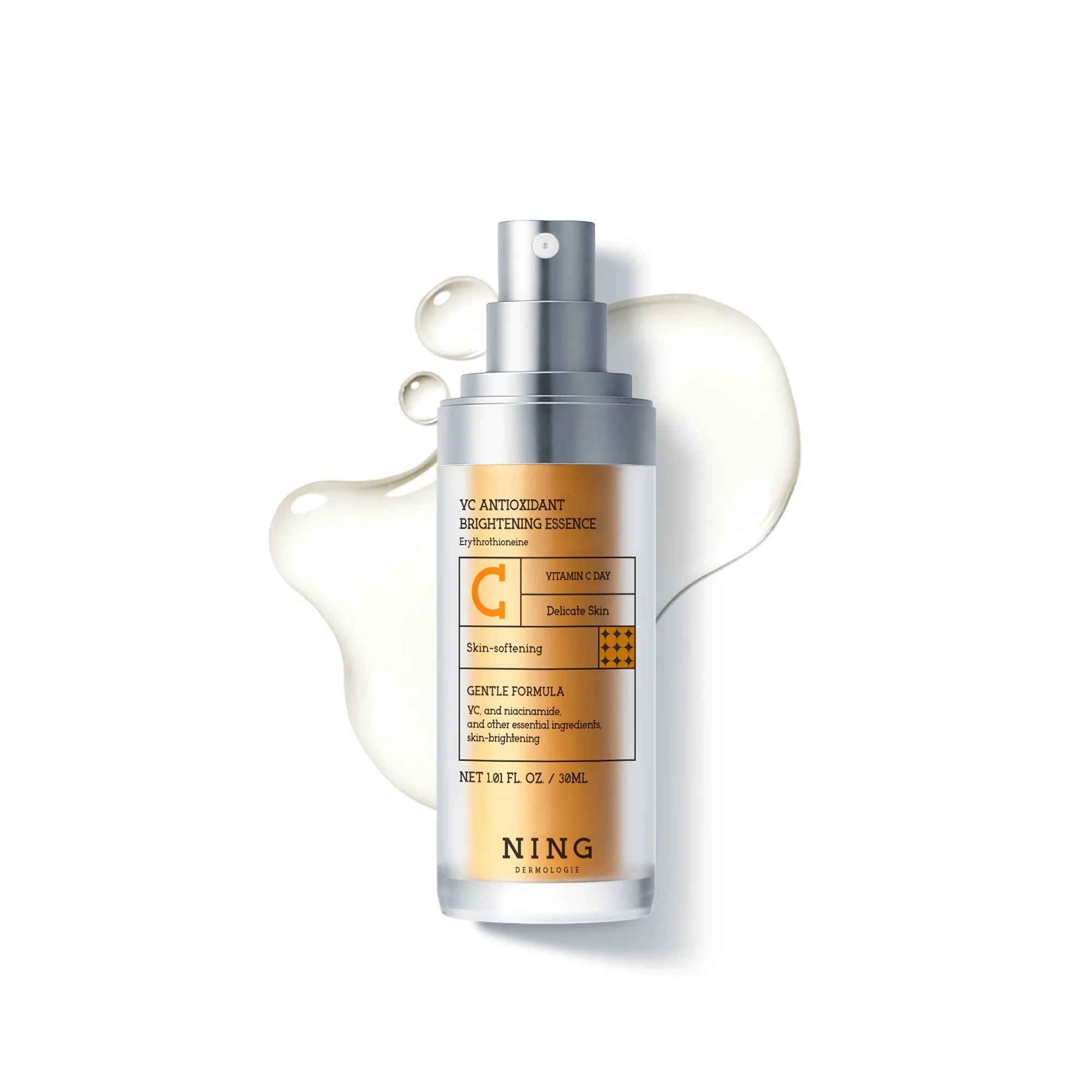
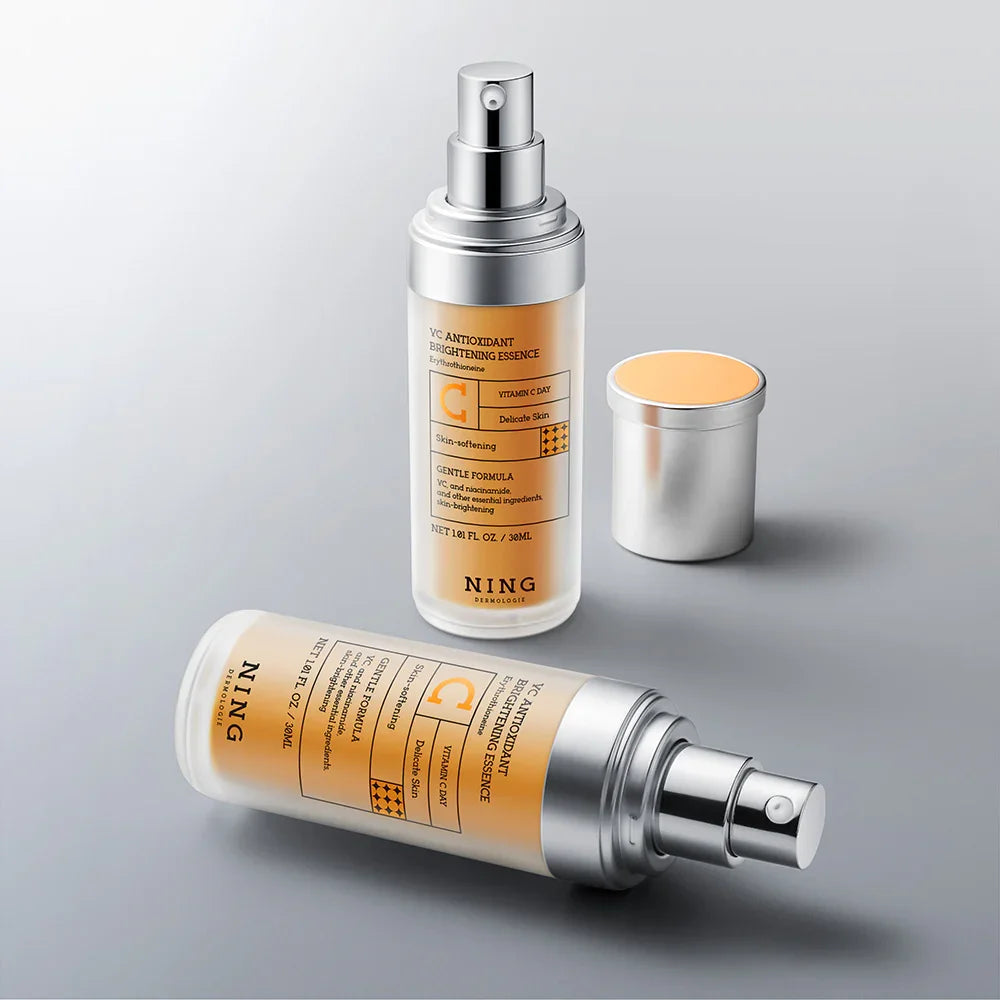
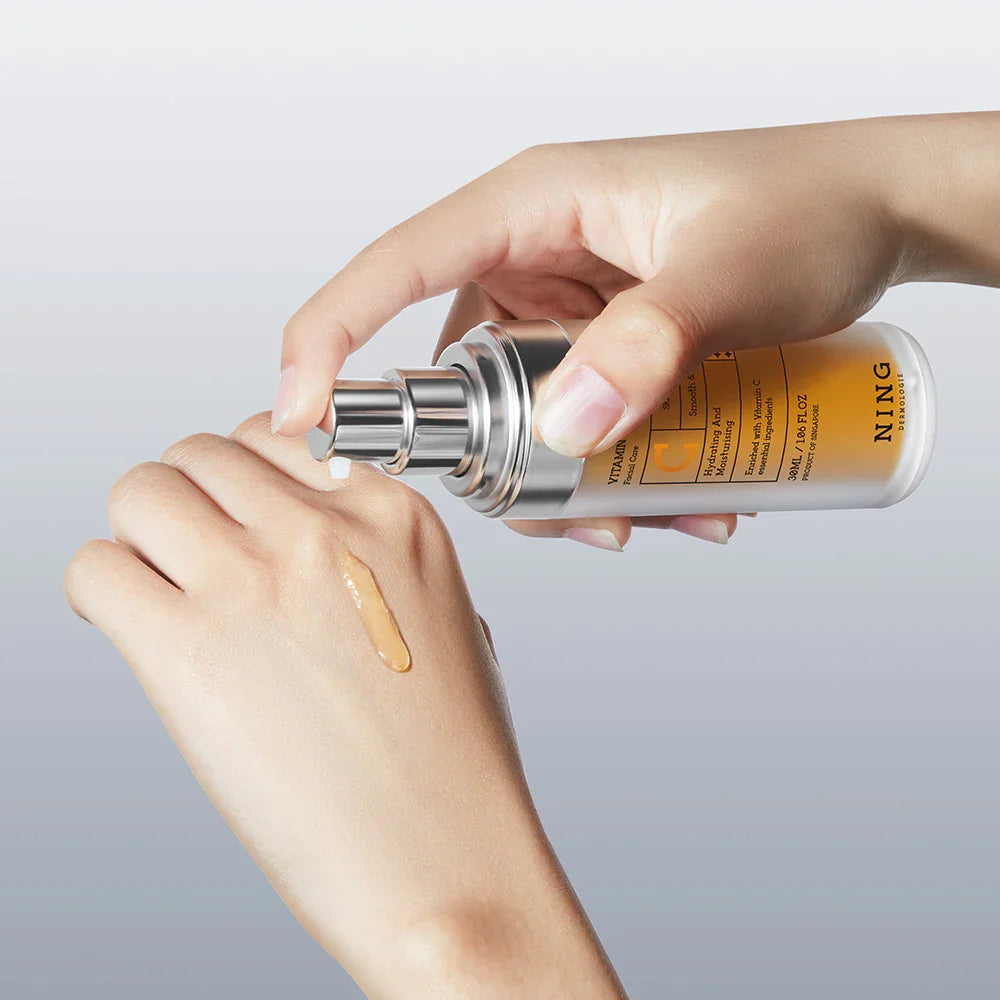
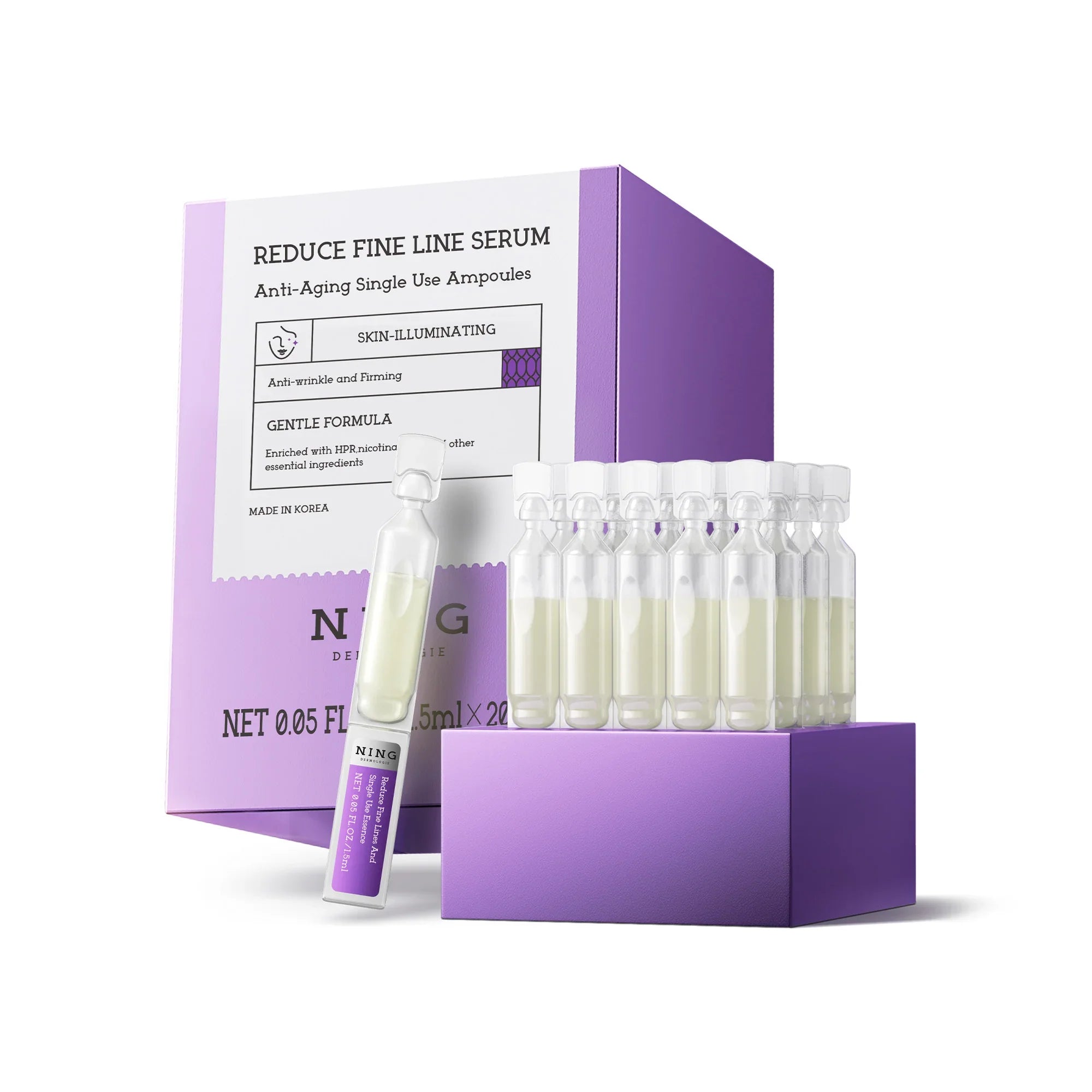
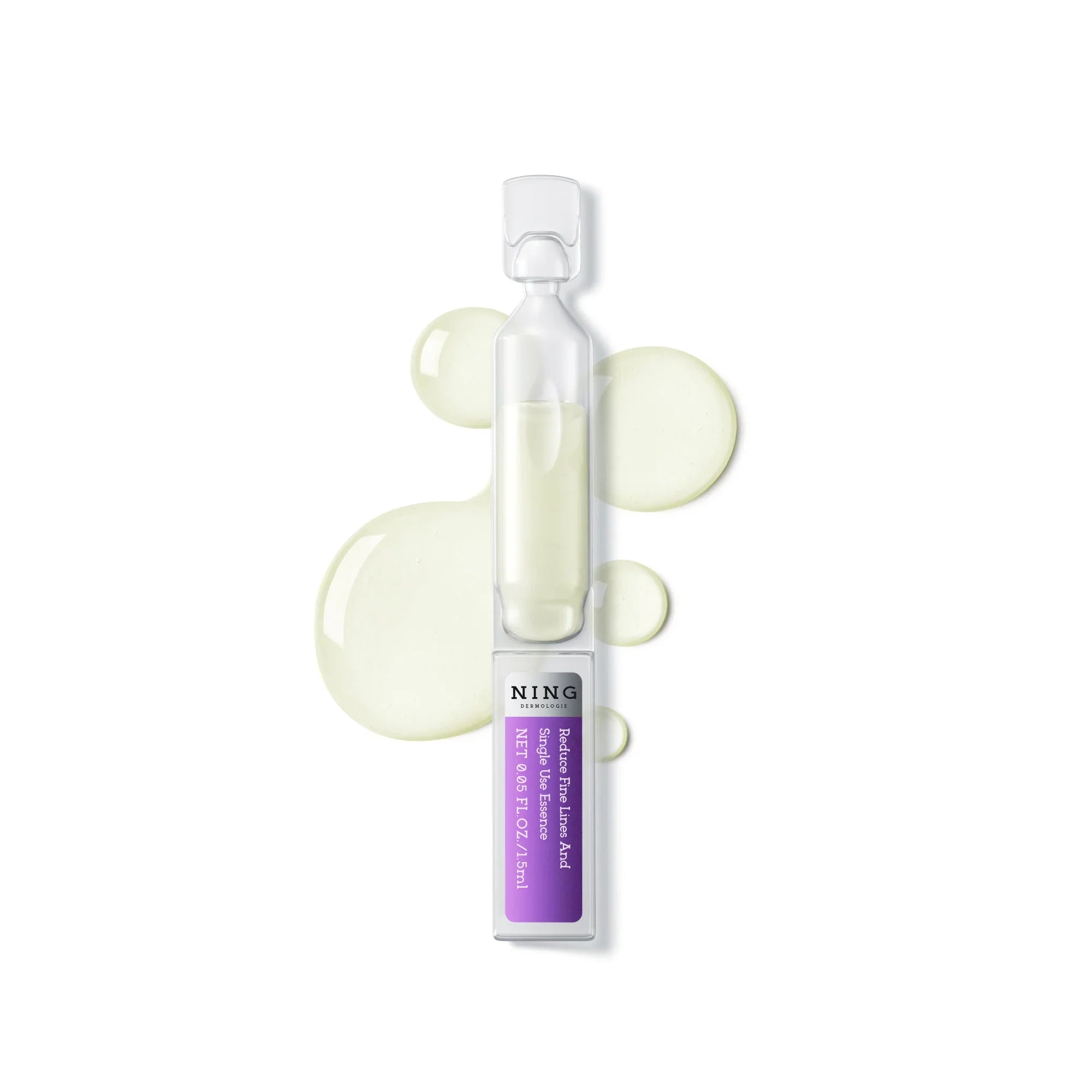
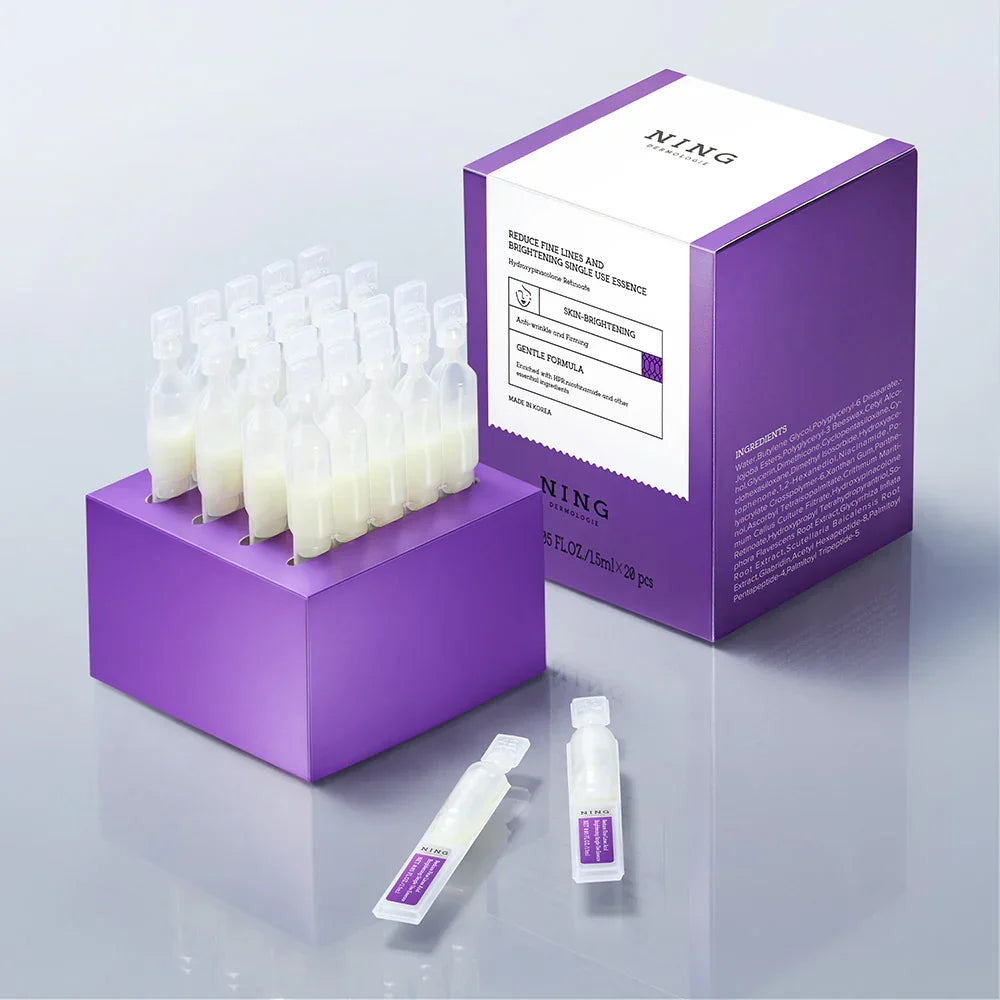
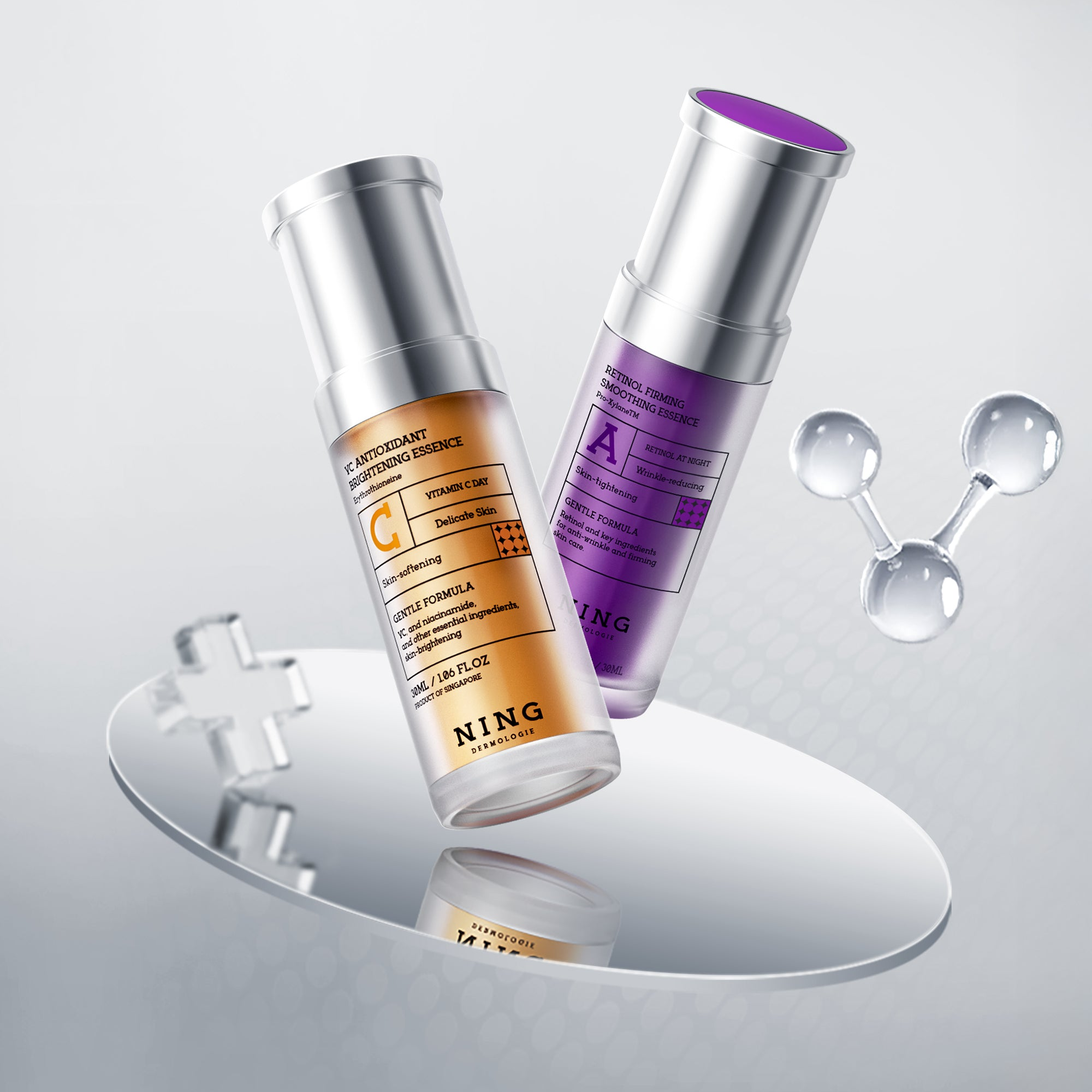
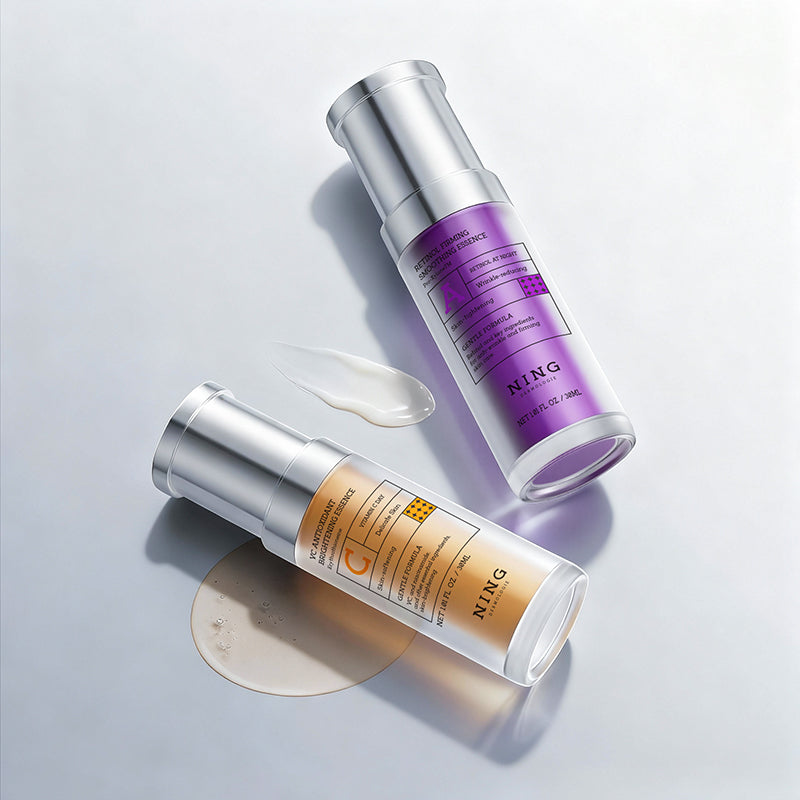
2. NING Dermologie Vitamin C Serum: The Modern Innovator
If SkinCeuticals is the old-school royalty, NING Dermologie is the new-age disruptor. While many brands still struggle with the instability of pure vitamin c, NING Dermologie took a different route by focusing on the active form of vitamin c known as Ethyl Ascorbic Acid (EAA).
Their Vitamin C Serum with Niacinamide and Ethyl Ascorbic Acid is a masterclass in modern formulation. EAA is a highly stable form of vitamin c that doesn't oxidize the moment it hits light or air. But the real genius here is the pairing with Niacinamide.
Common industry wisdom used to say you couldn't mix these two, but 2026's formulation science has proven that wrong. This vitamin c brightening serum targets uneven skin tone and dark spots from two different angles. It’s arguably the best vitamin c serum for someone who wants the brightening effect without the irritation often found in high-acid formulas. If you want your skin looked radiant without the stinging, this vitamin c product is the one to beat.
3. Naturium Vitamin C Complex Serum: The Best Budget Choice
For those who want results without skipping a car payment, the Naturium Vitamin C Complex Serum has earned its spot as the best budget option. It’s frequently a best of beauty award winner for a reason.
Naturium uses a "complex" that includes both pure vitamin c and a vitamin c derivative. This ensures you get that immediate antioxidant hit while the derivatives provide a slow-release brightening effect. It's a goldmine for oily skin and acne-prone skin because it's water-light and doesn't leave that greasy film that some c and e formulas do. If you are just starting your journey to find the best serum, this is a low-risk, high-reward entry point.
4. Truskin Vitamin C: The Hydration Hero
Truskin Vitamin C is one of those viral sensations that actually has legs. It’s often cited as a favorite vitamin C for those with sensitive skin.
Unlike the aggressive 20% concentrations that can leave your skin aging faster due to inflammation, Truskin uses Sodium Ascorbyl Phosphate. This is a much gentler type of vitamin c. It also contains vitamin e and Hyaluronic Acid, making it a "one-and-done" c facial serum. It’s not the most potent for deep wrinkles, but for making dull skin look bouncy and hydrated, it’s a solid vitamin c product.
5. La Roche-Posay Pure Vitamin C10: The Sensitive Skin Savior
If you have sensitive skin, the mere mention of "acid" might make you itch. La Roche-Posay formulated their best vitamin c serum specifically for you. At a 10% concentration of vitamin c, it’s lower than the heavy hitters, but it’s formulated at a "physiological pH."
This means it doesn't disrupt your skin barrier. It includes salicylic acid to gently improve skin tone and texture, making it an excellent serum for acne-prone skin as well. It’s a vitamin c brightening serum that prioritizes safety over sheer power.
6. Maelove The Glow Maker: The "Dupe" That Grew Up
Maelove started as a "dupe" for the SkinCeuticals c e ferulic, but it has evolved into its own beast. It’s a bright vitamin c serum that includes a botanical blend to soothe the skin. It hits all the marks: ferulic acid, vitamin e, and 15% L-ascorbic acid. It’s consistently ranked in the 6 best vitamin c serums because it offers high-end science at a mid-range price.
Decoding the Label: What to Look for in a Vitamin C
When you apply vitamin c serum, you aren't just putting on "orange juice for the face." You are conducting a chemical reaction on your skin. To find the best vitamin c, you need to know which form of vitamin c is in the bottle.
- L-Ascorbic Acid: This is the pure vitamin c. It’s the most powerful but the most unstable. If your skin type is hardy and you want maximum collagen production, this is your go-to.
- Ethyl Ascorbic Acid: Found in the NING Dermologie formula, this is a stable vitamin c. It’s excellent for those who want to even out skin tone without the product turning brown in a month.
- Sodium Ascorbyl Phosphate: The best serum for acne-prone skin. It has antimicrobial properties and is much less irritating.
The Support Crew: Vitamin E and Ferulic Acid
A vitamin c serum isn’t a solo act. You should always look for a formula that like vitamin e and ferulic, includes secondary antioxidants. Ferulic acid is particularly important; it’s a stabilizer that helps the vitamin c can help your skin resist UV damage much more effectively than it would alone. When you see vitamins c and e together, you're looking at a synergistic bond that helps give your skin a much more resilient shield.
Tailoring Vitamin C to Your Skin Type
Not all vitamin c serums are created equal, and your skin type should dictate your choice.
For Oily and Acne-Prone Skin
You need a serum for acne-prone skin that is anhydrous (water-free) or very lightweight. Look for a vitamin c derivative that won't clog pores. The goal here is to fade the dark spots and hyperpigmentation left behind by old breakouts. NING Dermologie’s inclusion of Niacinamide is a game-changer here, as it helps regulate sebum while the active ingredient works on the marks.
For Dry Skin
If you have dry skin, you need a moisturizer-adjacent serum. Look for vitamin c and e blends that come in a slightly oilier base or include Hyaluronic acid. The Skinceuticals c e ferulic is the classic choice here, as the vitamin e provides that extra lipid support.
For Sensitive Skin
Start slow. Look for a serum for sensitive skin that uses a 10% concentration or a derivative like Magnesium Ascorbyl Phosphate. Apply your vitamin c serum every other day at first to make sure you don't compromise your barrier.

The "Real World" Guide to Using Vitamin C Serum
You’ve bought the best vitamin c serum, but now what? Most people apply vitamin c serum wrong, and then they wonder why their skin looked no different after a month.
-
Morning is Mandatory: While you can use it at night, vitamin c is best used in the morning. It’s your defensive shield against the sun. Think of it as a partner to your skin care routine's most important player: sunscreen.
-
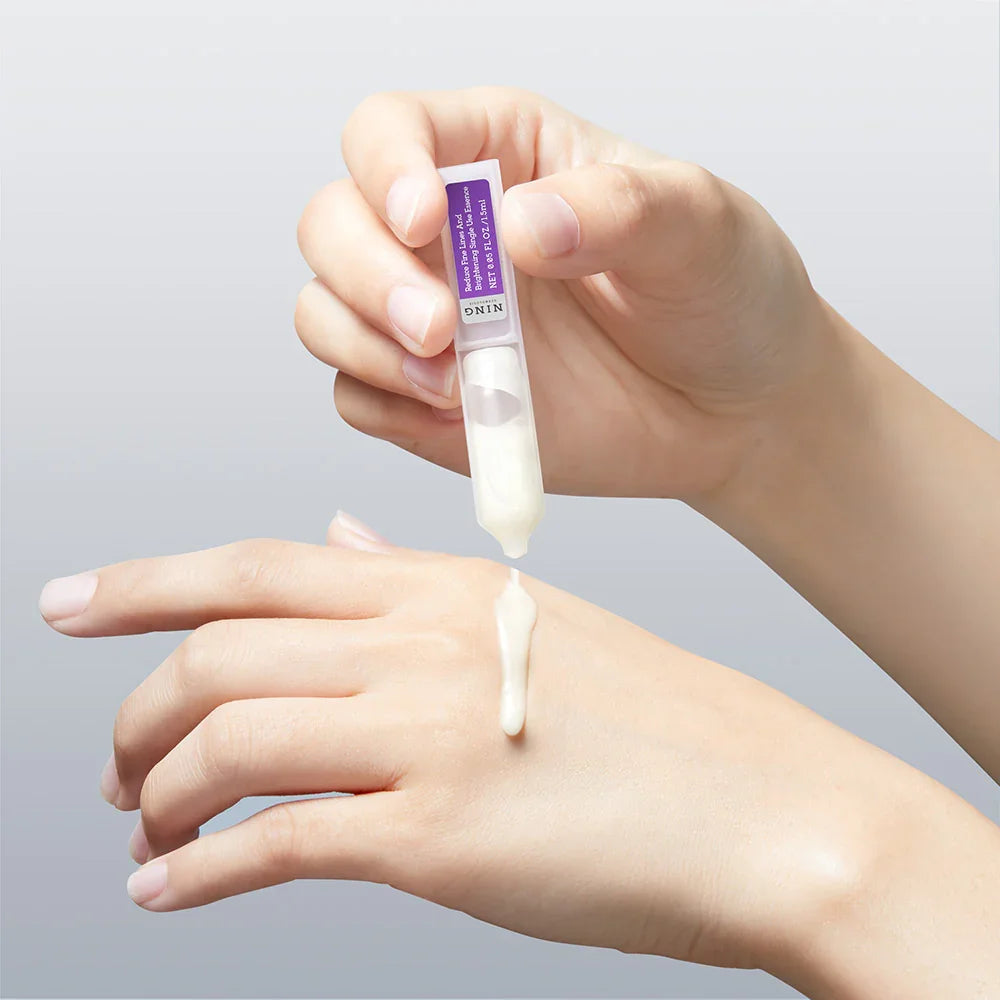
Order Matters: Cleanse, tone (if you do that), then apply your vitamin c face serum. You want that active form of vitamin c to have direct contact with your skin. Wait about 60 seconds for it to absorb before you apply vitamin c serum's next step: your moisturizer.
-
The Sunscreen Rule: If you use vitamin c products without sunscreen, you are wasting your money. The sun will degrade the vitamin C on your skin, and you won’t get the brightening effect you’re looking for.
-
Storage Secrets: Keep your vitamin c brightening serum in a cool, dark place. Some people even keep their vitamin c product in the fridge. If it turns a dark, "rusty" amber color, the active ingredient has oxidized. It won't hurt you, but it won't brighten skin anymore either.
Frequently Asked Questions (FAQ)
1. Can I use Vitamin C serum with Retinol?
It’s generally advised not to mix them in the same application. The best vitamin c works at a low pH, while Retinol works at a higher one. Use your vitamin c brightening serum in the morning to protect your skin from free radicals and save your Retinol for the night. This "split routine" maximizes the benefits of vitamin c and prevents the irritation that often occurs when these two powerhouses collide.
2. Why does my Vitamin C serum smell like bacon or hot dogs?
That distinctive scent usually comes from the combination of ferulic acid and L-ascorbic acid. While it’s not pleasant, it’s actually a sign of a potent, clinically-effective formula like the Skinceuticals c e ferulic. However, if you find it unbearable, modern brands like NING Dermologie use different derivatives like Ethyl Ascorbic Acid that provide an even skin tone without the pungent culinary odor, making your skin care routine much more enjoyable.
3. How long does it take to see results for dark spots?
Patience is key. While you might see an immediate "glow" due to the brightening effect, actual structural changes like collagen production and fading hyperpigmentation take time. Generally, you need to apply vitamin c serum consistently for 8 to 12 weeks to see a significant difference in uneven skin and dark spot appearance. Your skin’s cellular turnover takes about 28 days, so give it at least three full cycles to work.
4. Is a higher concentration of Vitamin C always better?
Not necessarily. Most studies show that the skin’s absorption of pure vitamin c peaks at 20%. Anything higher can cause extreme irritation and redness without providing extra benefits of vitamin c. For many, especially those with sensitive skin, a 10% or 15% concentration of vitamin c, or a stable vitamin c derivative, is the best vitamin c choice for long-term health and maintaining a healthy skin tone and texture.
5. Will Vitamin C serum make me break out?
If you have acne-prone skin, some oil-based vitamin c serums might cause issues. However, the active ingredient itself is actually anti-inflammatory. To find the best option for breakouts, look for a water-based serum for acne-prone skin or a formula with Niacinamide, like the one from NING Dermologie. Avoid heavy vitamin e concentrations if you are very oily, and always patch-test a new vitamin c product on your jawline first.
Final Thoughts on the Best Vitamin C Serums of 2026
Choosing a vitamin c serum is a personal science experiment. Whether you opt for the legendary Skinceuticals c e ferulic, the budget-friendly Naturium vitamin c complex serum, or the stable, high-performance Vitamin C Serum from NING Dermologie, the key is consistency.
Don't let uneven skin tone or the signs of aging get you down. With the right form of vitamin c, a little bit of patience, and a lot of sunscreen, you can even out skin tone and get that radiant glow back. Your future, brighter skin looked at you from the mirror—it's just a few drops away.


Share:
Are Korean vitamin C serums effective for acne scars?
Which Korean vitamin C serums are best for sensitive skin?