



Best vitamin C serums for pigmentation issues
If you’ve been struggling with stubborn dark spots, you already know the frustration: you buy a bottle of "best-selling" vitamin C serum, use it for a month, and the only thing that changes is the color of the liquid—from clear to an oxidized, useless orange.
By 2026, the skin care market is flooded with vitamin c serums of 2026, but most of them still haven't solved the two biggest issues: stability and irritation. When you are looking for a vitamin c to address hyperpigmentation, you need more than just a high concentration of vitamin c. You need a formula that actually survives the journey from the bottle into your dermis.
In this guide, we’re going to cut through the marketing noise. We’ll look at the best vitamin c serum options for different skin types, why your pure vitamin c might be stinging your face, and how to finally brighten skin without disrupting your skin barrier.

The Reality of Vitamin C: Why Form Matters
Before you drop $180 on a ferulic serum, you have to understand the form of vitamin c you’re putting on your face. Most people think "the stronger, the better," but that’s a fast track to a chemical burn, especially for those with dry or sensitive skin.
Pure Vitamin C (L-Ascorbic Acid)
This is the "gold standard." It’s what you find in the legendary skinceuticals c e ferulic. It’s incredibly potent because it doesn’t need to be converted by the skin to work. However, L-ascorbic acid is a bit of a diva. It’s highly unstable, hates light, and requires a very low pH to penetrate the skin. If your skin is acne-prone or sensitive, that low pH is exactly what causes the "tingling" (read: stinging) sensation.
Vitamin C Derivatives
If you’ve had a bad experience with a vitamin c face serum before, you likely need a derivative. Ingredients like sodium ascorbyl phosphate or 3-O-Ethyl Ascorbic Acid are more stable and far gentler. These are the unsung heroes for combination skin and oily skin because they offer the benefits of vitamin c—antioxidant protection and collagen support—without the drama of oxidation.
Best Vitamin C Serum Picks for 2026
When evaluating the best vitamin c for pigmentation, we have to look at how these formulas behave in the real world. Does the serum felt on the skin like a sticky mess? Does it actually improve skin tone and texture?
1. The Industry Icon: Skinceuticals C E Ferulic
There’s a reason a board-certified dermatologist based in new york will almost always recommend this first. It’s a patented blend of 15% pure vitamin c, vitamin e and ferulic acid. The ferulic acid serum component stabilizes the vitamin C and doubles its photoprotective power.
- The Catch: It smells like "hot dog water" to some, and the price tag is eye-watering. It's the best for sensitive skin only if your barrier is already healthy; otherwise, it can be too aggressive.
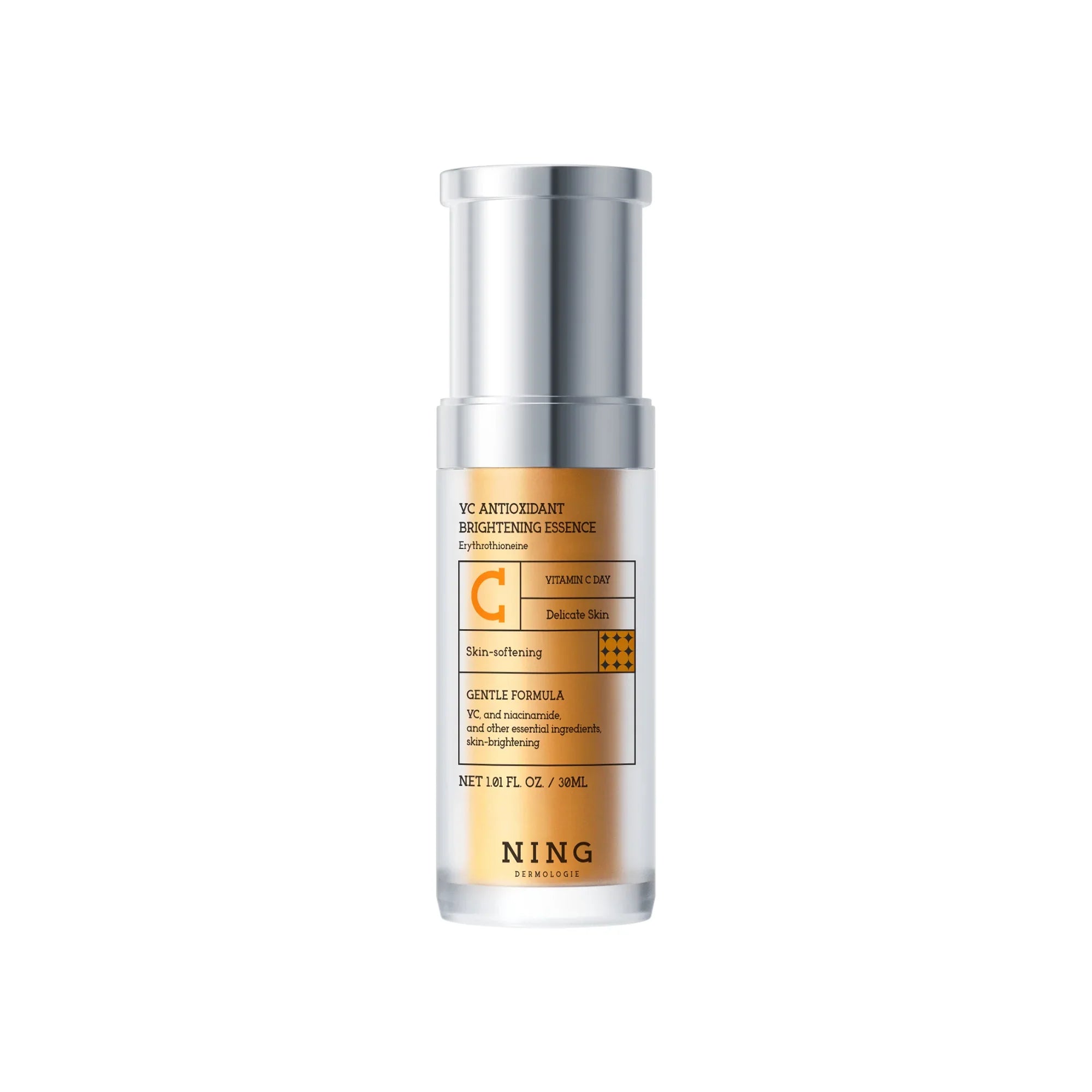
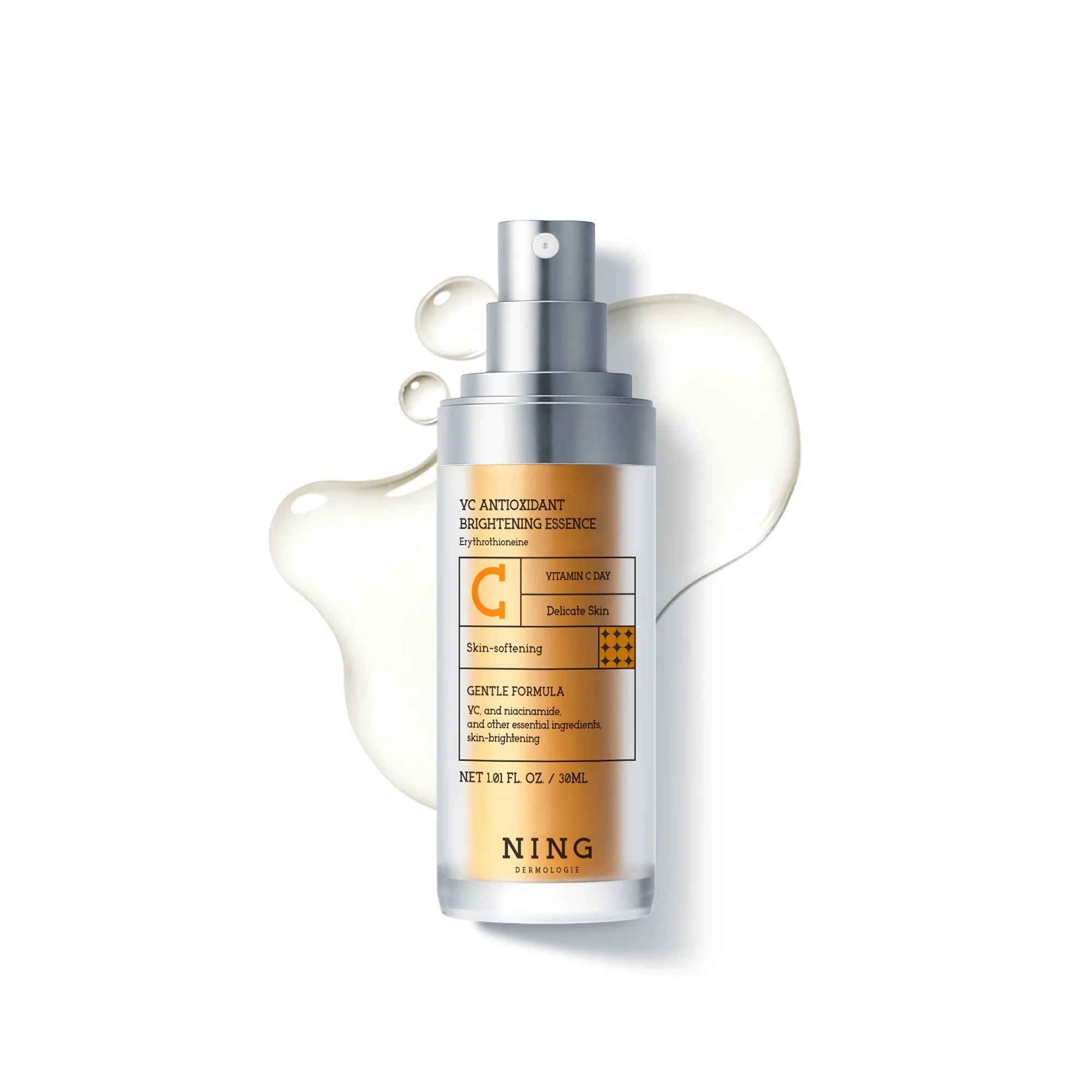
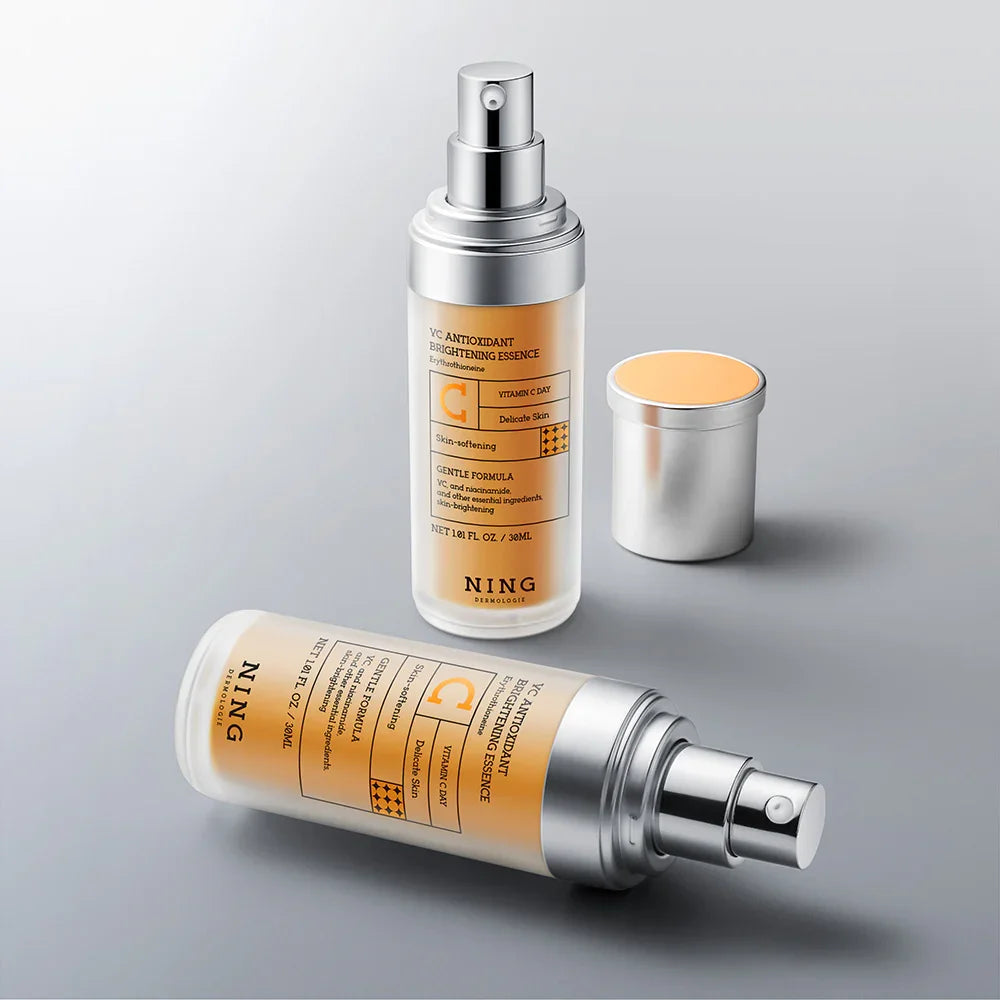
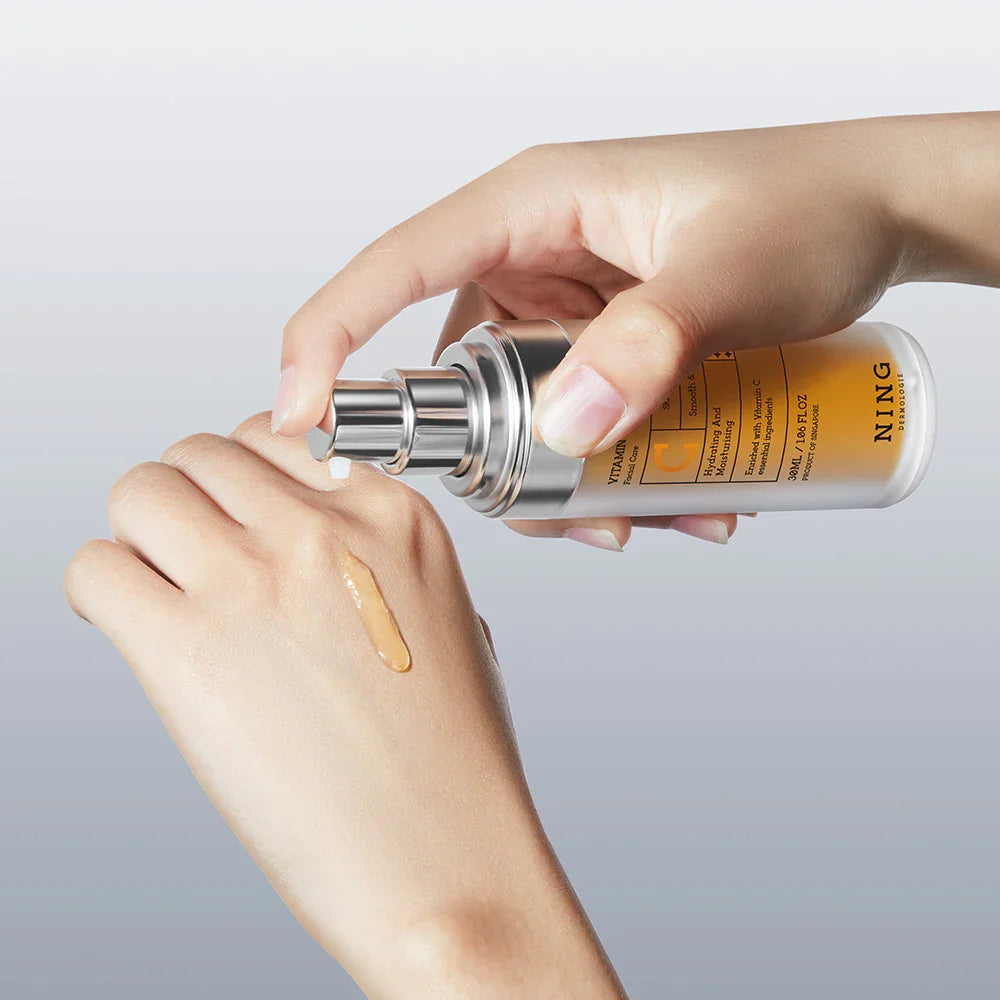
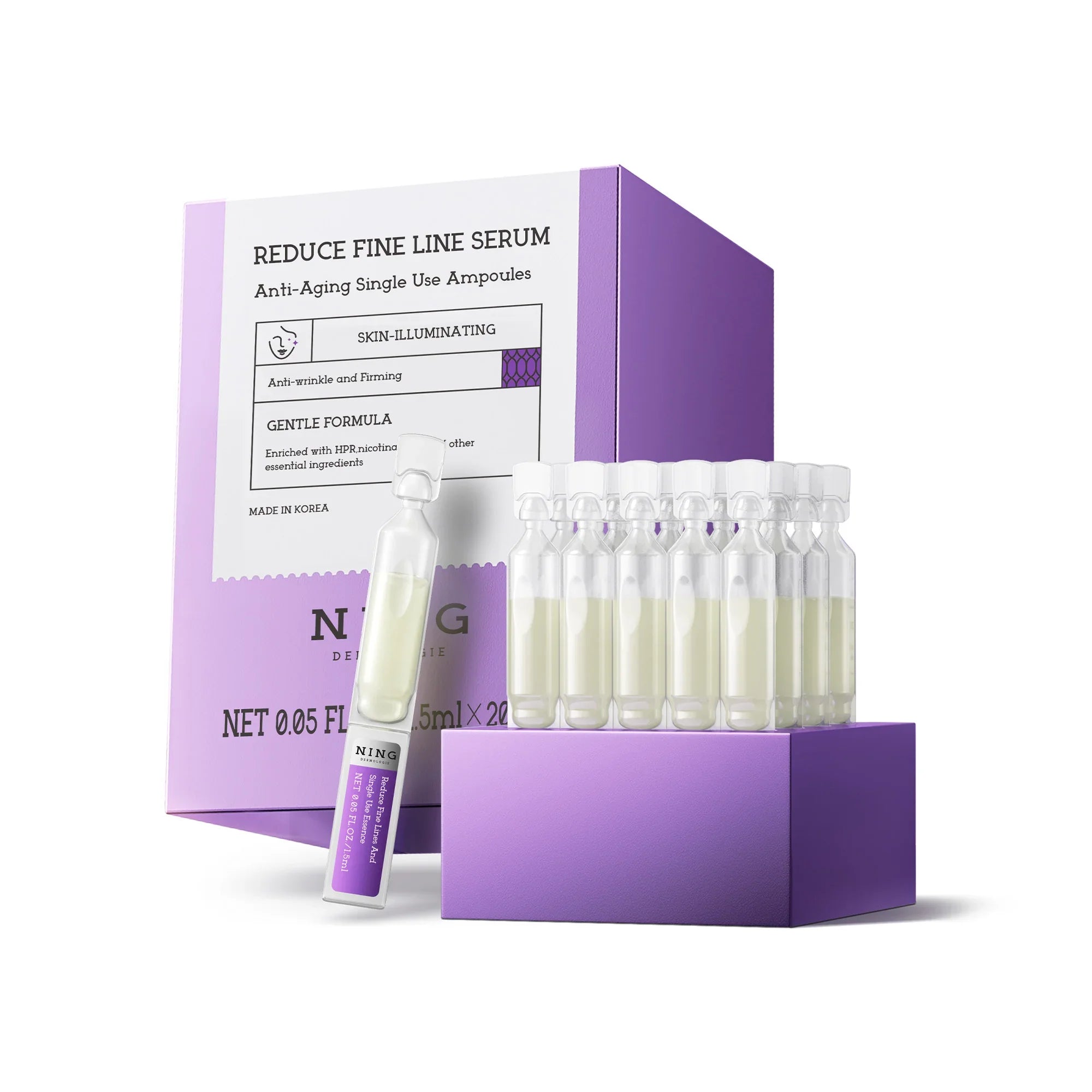
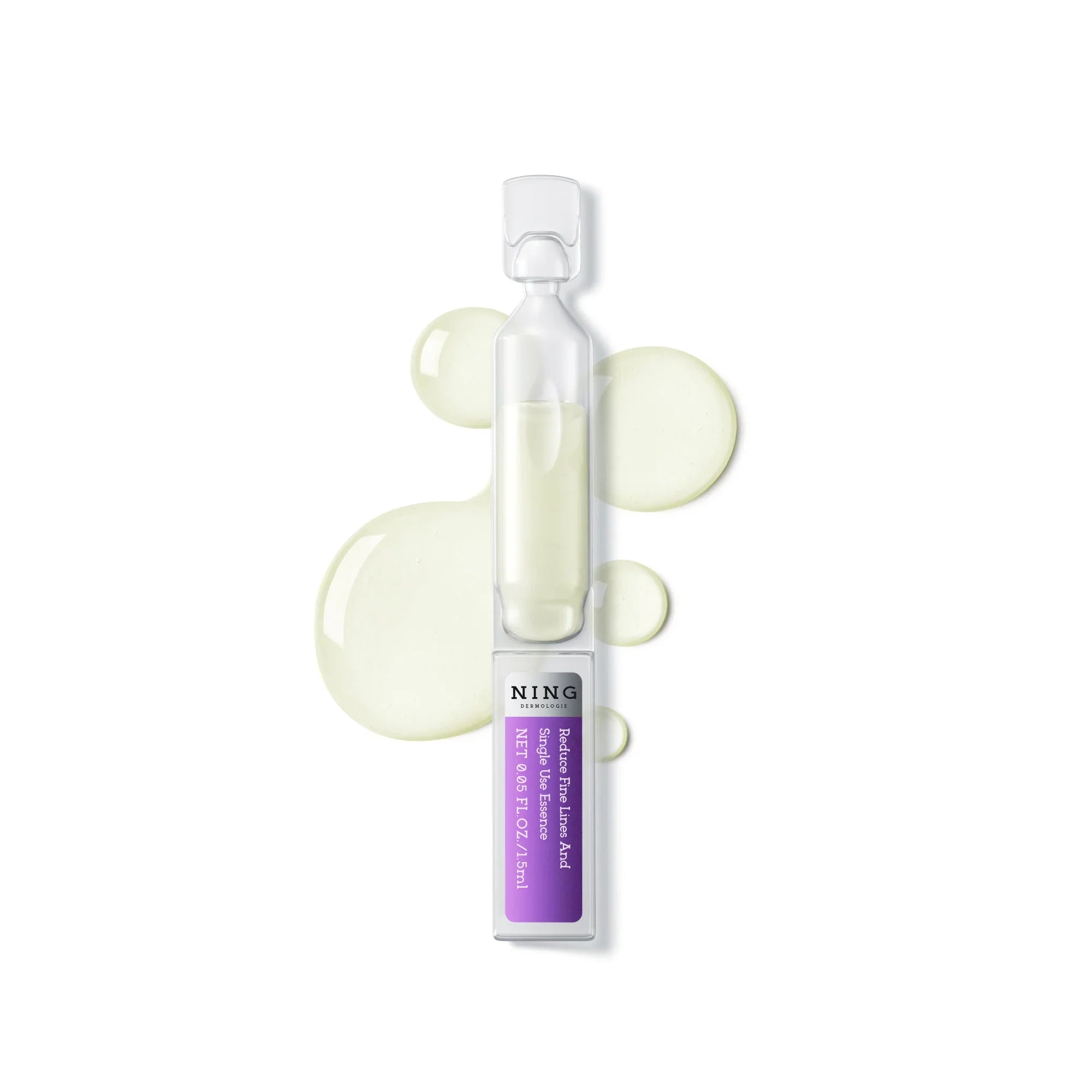
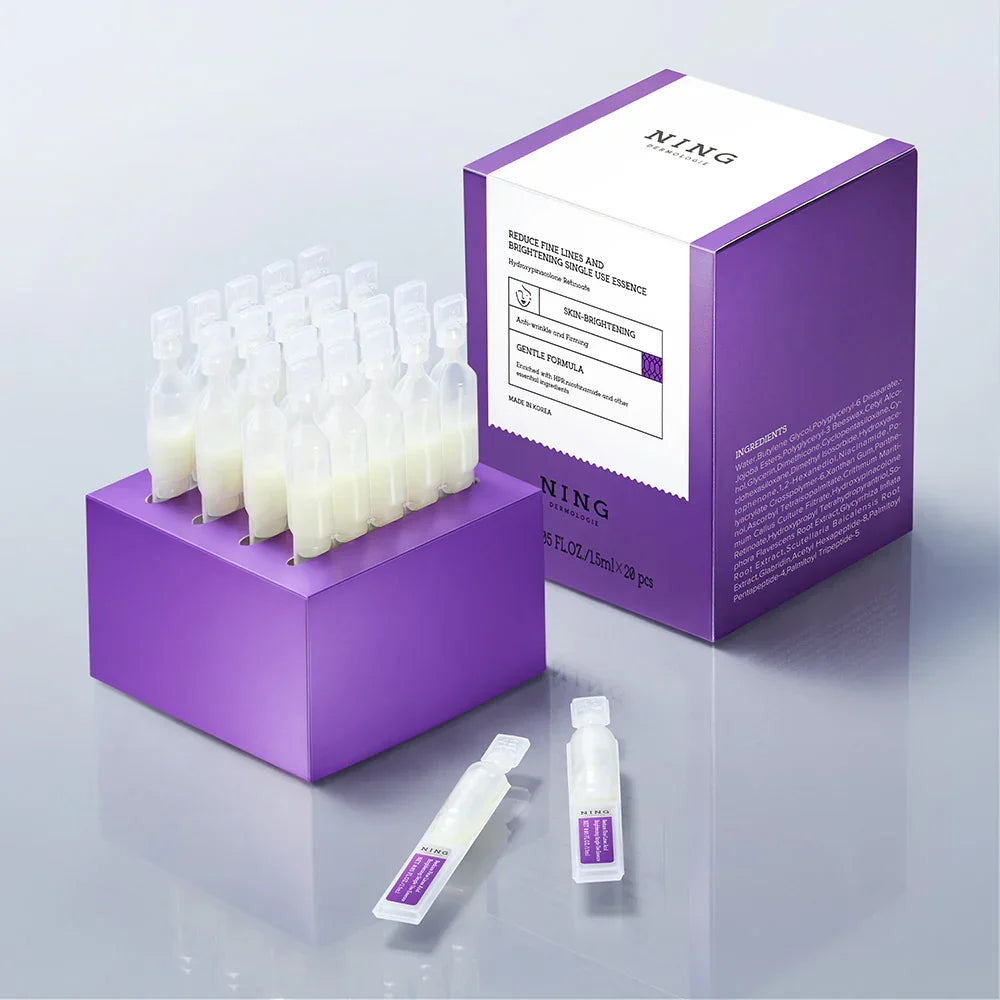
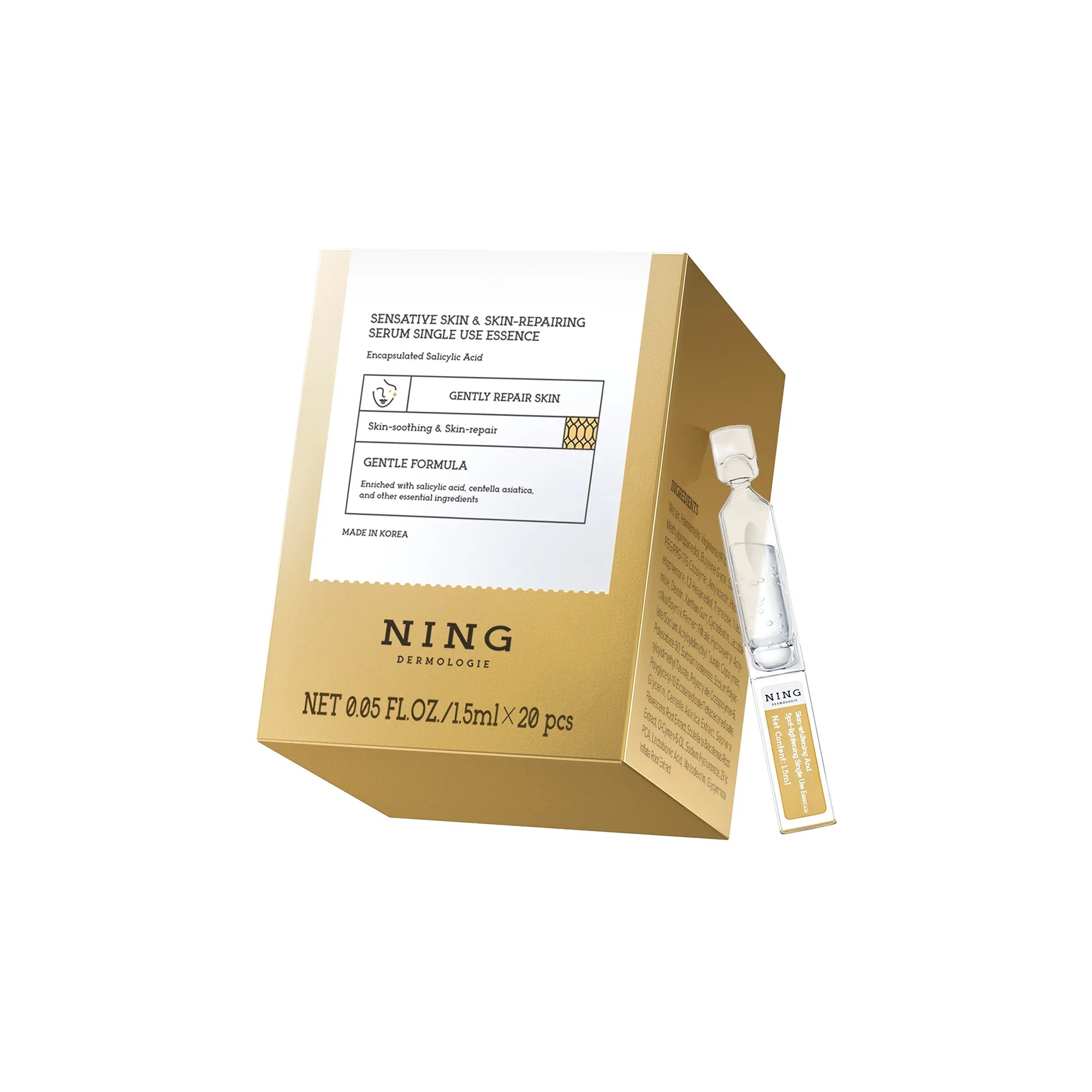
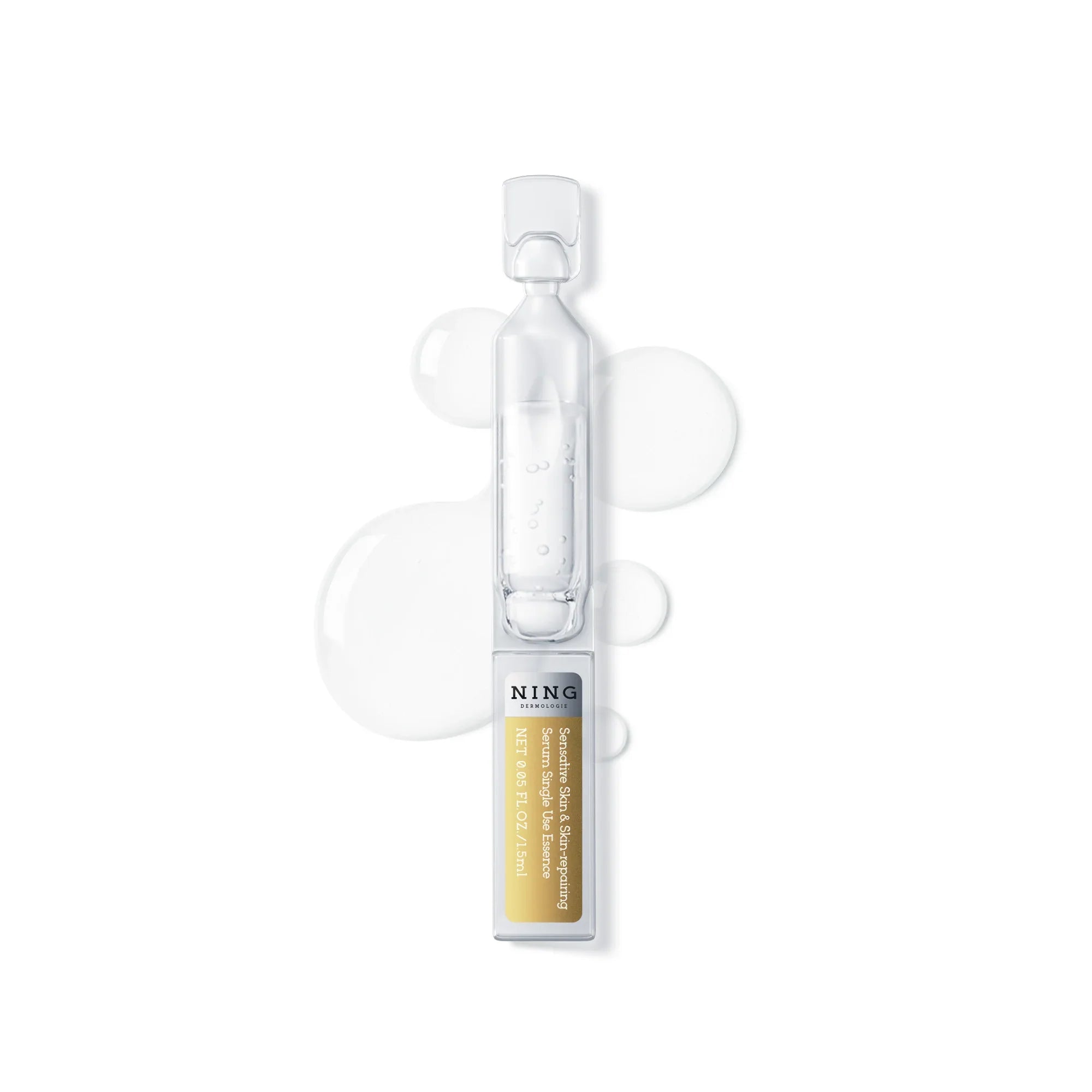
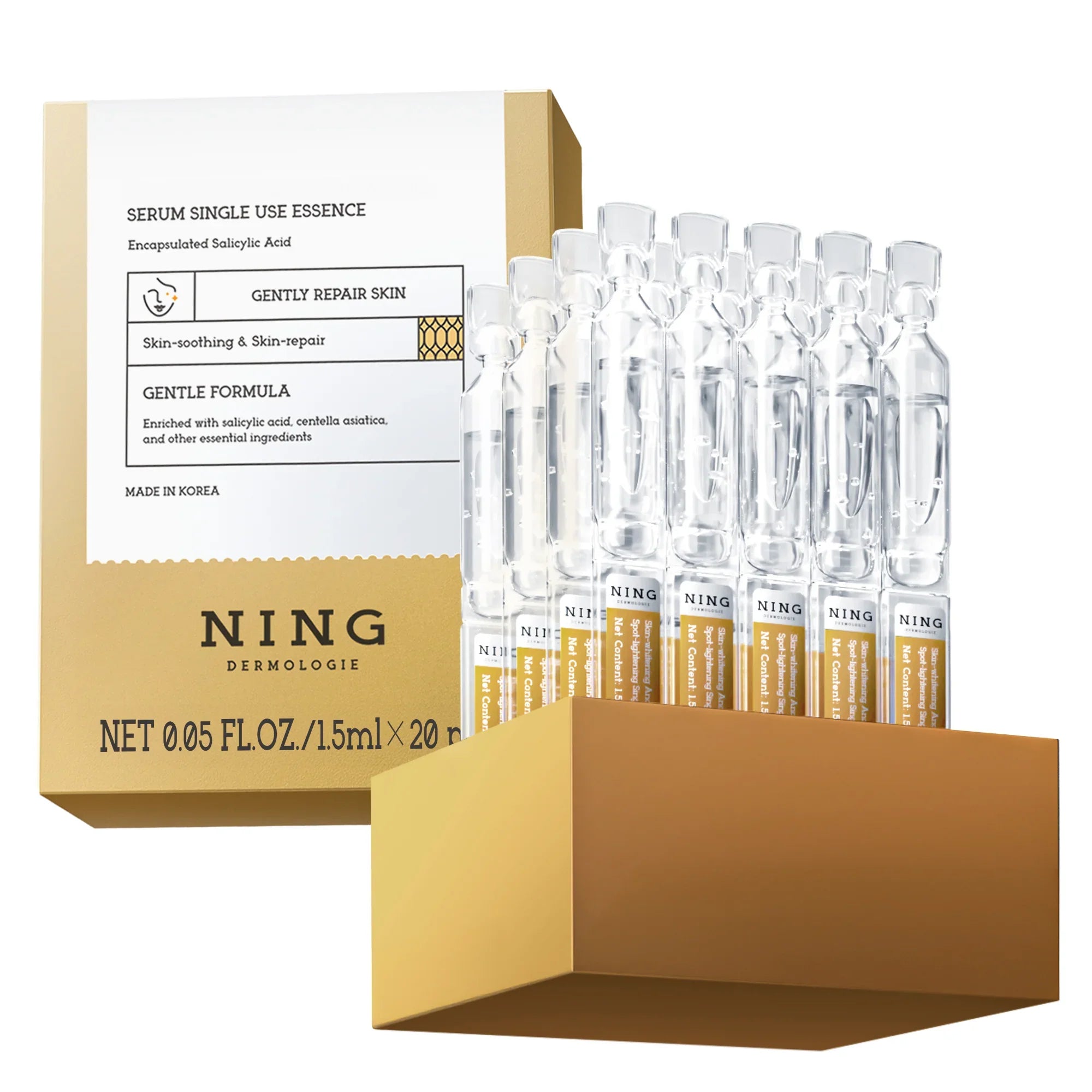
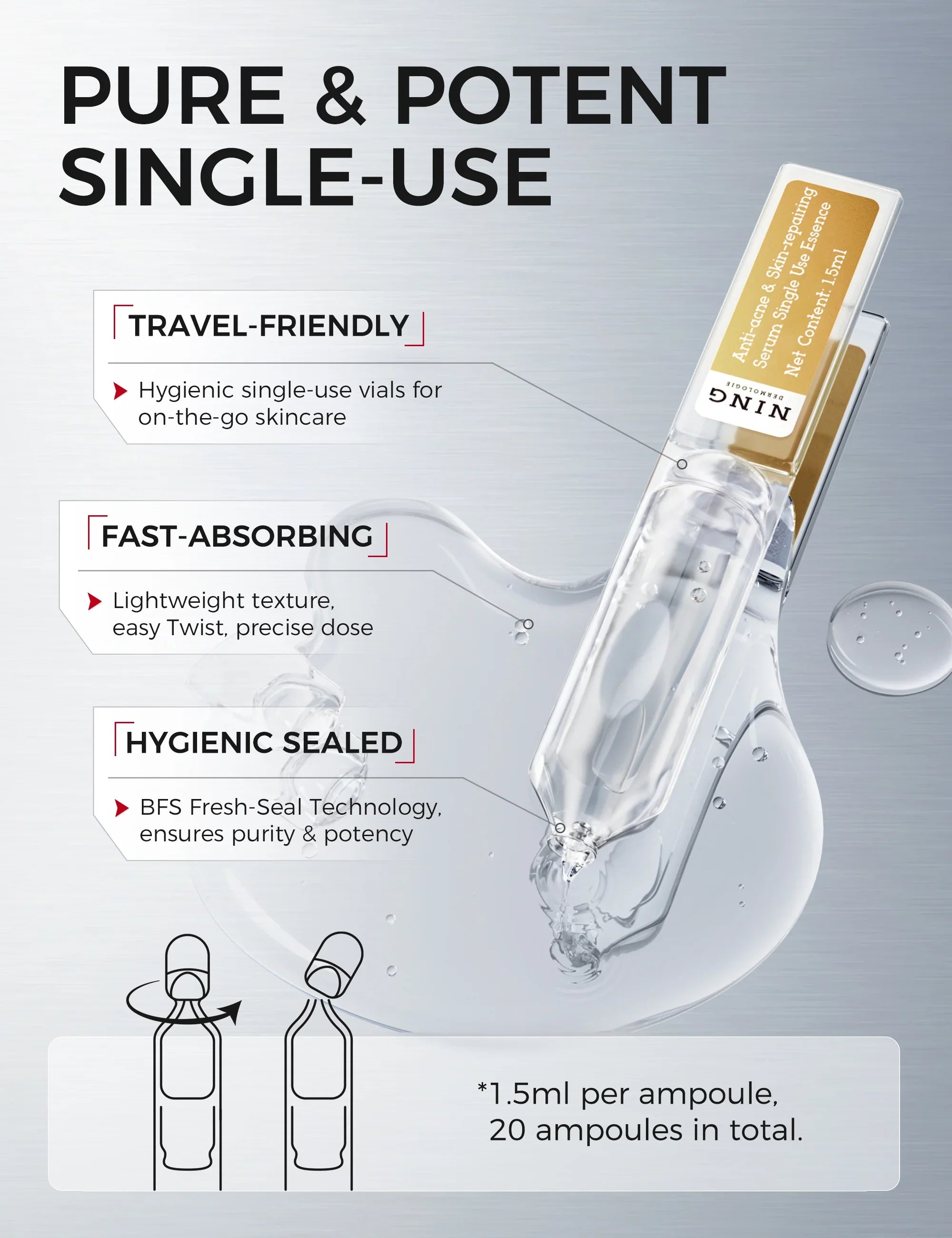
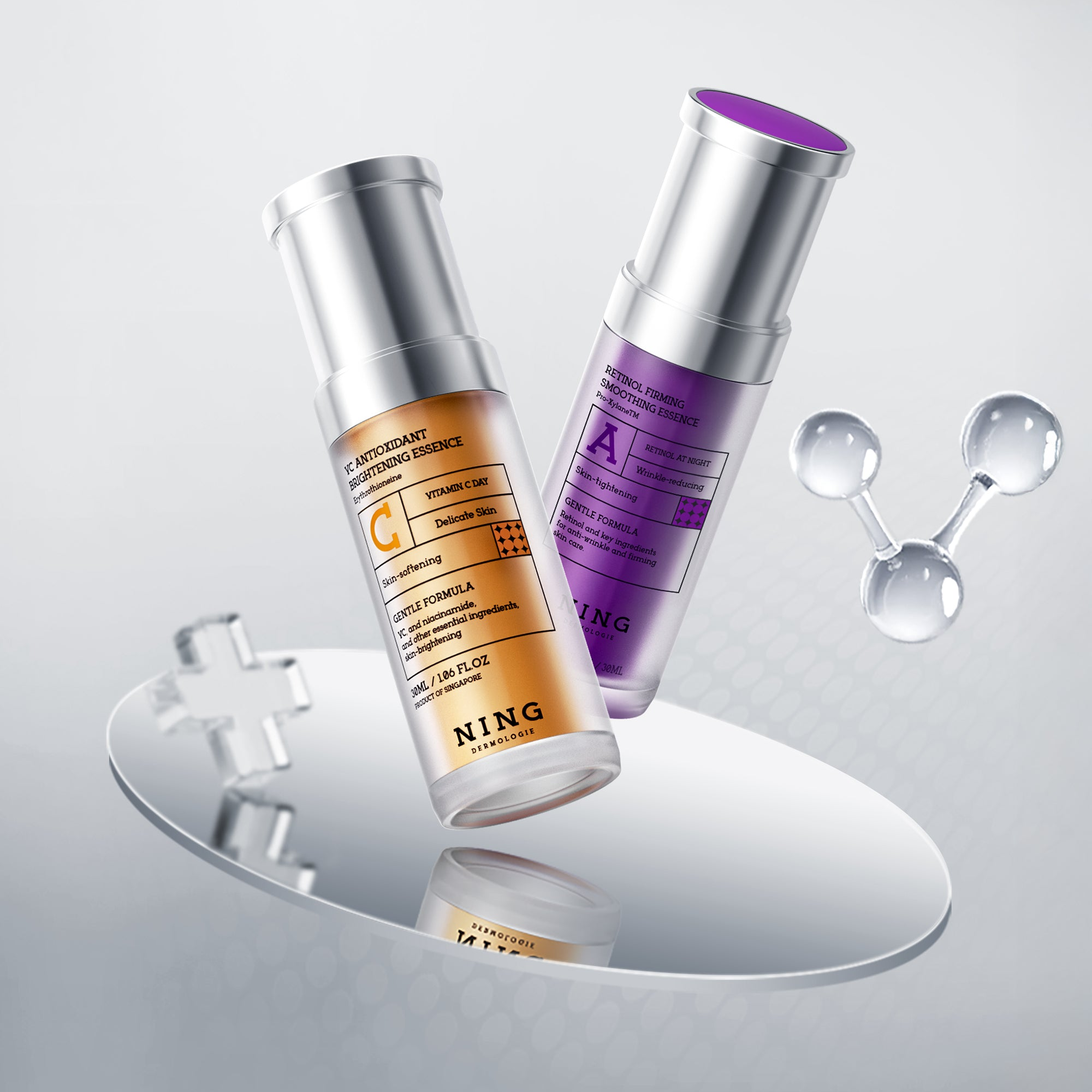
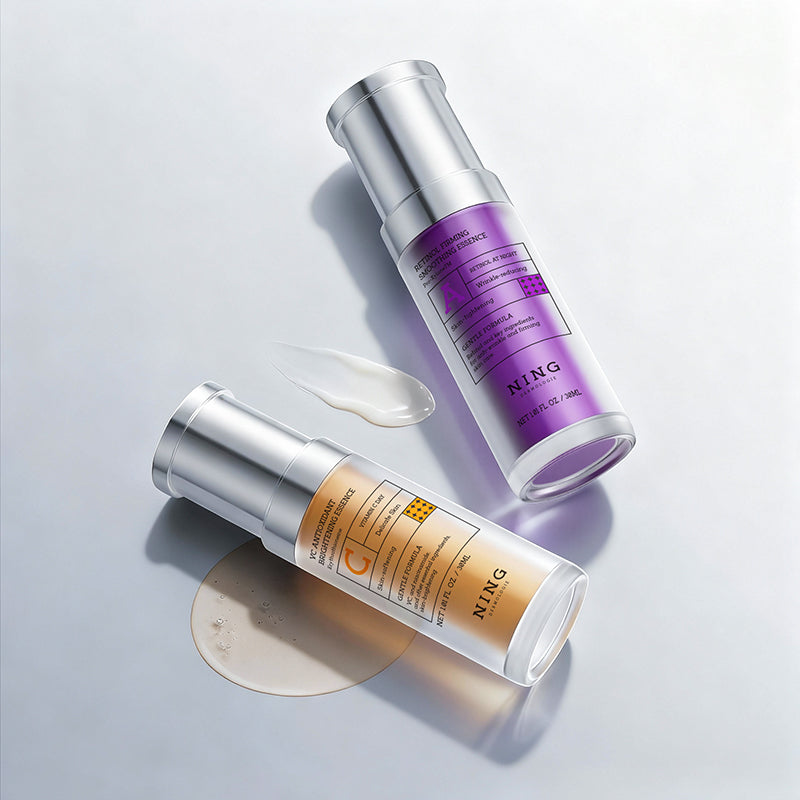
2. The Smart Modern Choice: NING Dermologie Vitamin C Serum
For those who want clinical results without the "skincare sting," the NING Dermologie Vitamin C Serum is a standout. It uses a high-stability form of vitamin c (3-O-Ethyl Ascorbic Acid) combined with Niacinamide.
This isn't just another vitamin c brightening serum. By pairing the C with Niacinamide, it hits dark spots from two angles: the Vitamin C inhibits melanin production, while Niacinamide prevents that melanin from reaching the skin’s surface. It’s a vitamin c facial serum designed for people who actually want to see a change in skin texture and tone without the redness associated with pure vitamin c.
3. The Budget Favorite: TruSkin Vitamin C Serum
The truskin vitamin c is a cult favorite for a reason. It’s a vitamin c dark spot serum that uses a derivative (Sodium Ascorbyl Phosphate) blended with Vitamin E and Hyaluronic Acid. While it lacks the high-octane punch of a skinceuticals c e ferulic, it’s a solid vitamin c facial serum for beginners or those with a very tight budget who want to improve skin health.
4. The Drugstore Hero: Cerave Skin Renewing Vitamin C Serum
CeraVe brought their ceramide-heavy logic to the vitamin c serum world. The cerave skin renewing vitamin c contains 10% L-ascorbic acid. It’s a great c serum for your skin if you want something accessible that won't disrupt the skin barrier, though the packaging can sometimes lead to quicker oxidation than professional-grade bottles.
Tailoring Your C: Matching Serum to Skin Type
Vitamin C for Sensitive Skin
If you have sensitive skin, stop chasing the highest percentage. A lower concentration of vitamin c (around 5-10%) or a stable derivative is your best bet. Look for a serum with vitamin e; the vitamin e acts as a buffer and helps protect your skin from the potential irritation of the acid. NING Dermologie is particularly effective here because its derivative form doesn't require the acidic pH that usually irritates dry or sensitive skin.
Solutions for Dry Skin
For dry skin, your vitamin c serum for face needs to be an oil-in-water emulsion or contain heavy-hitting hydrators. A serum for dry skin should ideally include hyaluronic acid or squalane. This ensures that while the vitamin c helps to brighten skin, you aren't sacrificing moisture.
Acne-Prone and Oily Skin
If you struggle with acne, you’re likely dealing with post-inflammatory hyperpigmentation (those red or brown marks left after a breakout). A vitamin c serum for face that contains Sodium Ascorbyl Phosphate is actually beneficial for acne-prone skin because it has mild antimicrobial properties. It evens skin tone while helping to keep future breakouts at bay.
How to Use Vitamin C to Address Hyperpigmentation
Buying the best vitamin c serum is only half the battle. How you apply it determines if you'll actually get that glowing skin.
-
Morning is Mandatory: Always use your c serum in the morning. Why? Vitamin c is an antioxidant that protects your skin from free radicals generated by UV rays and pollution. It’s like a second shield under your sunscreen.
-
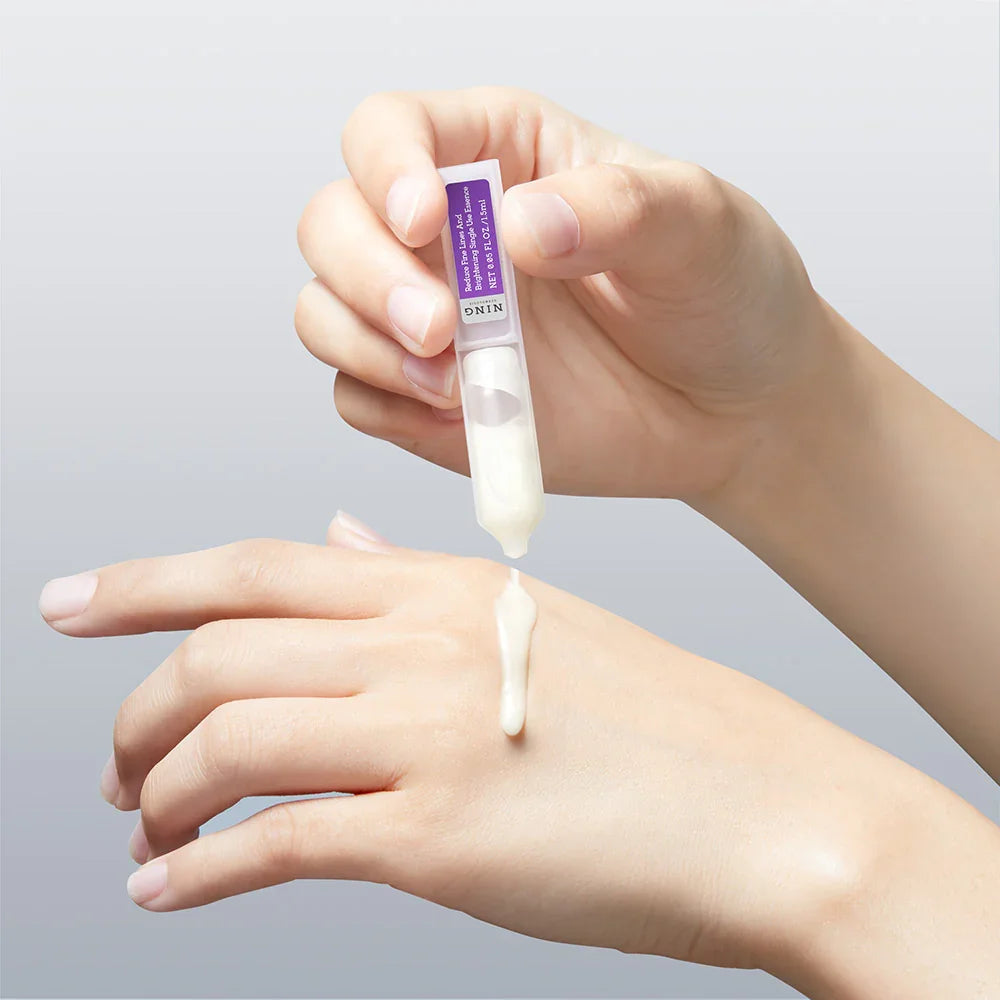
Wait Before You Layer: Give the face serum about 60 seconds to sink in. You want the texture of my skin to feel slightly tacky but not wet before applying moisturizer.
-
Sunscreen is the Non-Negotiable: If you use a vitamin c product but skip SPF, you are essentially erasing your progress. UV light triggers the very dark spots you’re trying to fade.
-
Watch the Color: If your brightening vitamin c serum turns the color of a copper penny, it’s oxidized. Using it won't necessarily hurt you, but it won't improve skin tone either. It’s just expensive orange water at that point.
The Science of the "Glow": What to Expect
When you start using a vitamin c brightening serum, don't expect a miracle overnight. Hyperpigmentation lives deep in the skin layers.
- Week 1-2: You might notice an immediate "glow" because the vitamin c helps with surface-level hydration and light reflection.
- Week 4-6: This is when you’ll see the skin looked and felt smoother. Skin texture starts to refine.
- Week 12+: This is the "sweet spot" for dark spots. Consistent use of a vitamin c complex face serum or a skin renewing vitamin c serum will finally start to fade those stubborn patches of uneven skin.
For mature skin, the timeline might be slightly longer, but the benefits of vitamin c are even more pronounced. It doesn't just even out skin tone; it supports the production of collagen, which is an antioxidant like vitamin c's other major job. A serum for mature skin often combines C with peptides to maximize this effect.
Why NING Dermologie is Different
In a sea of vitamin c face serum options, we focused on the science of stability. Our Vitamin C Serum with Niacinamide & Ethyl Ascorbic Acid was formulated because we were tired of serums that oxidized before the bottle was half empty.
By using 3-O-Ethyl Ascorbic Acid, we've created a vitamin c facial serum that stays clear and potent for longer. It helps even skin tone by targeting the root of hyperpigmentation without the "hot dog water" smell or the acid sting. Whether you have combination skin or are new to vitamin c, this formula is designed to help improve skin health without the typical side effects.

Final Thoughts on Achieving Even Skin
Finding the best vitamin c isn't about the highest price tag or the most aggressive marketing. It's about finding the type of vitamin c that your skin type can tolerate every single day. Consistency beats intensity every time.
If you're dealing with serious hyperpigmentation, a dermatologist can provide prescription options, but for daily maintenance and long-term glowing skin, a high-quality vitamin c dark spot serum is your most powerful tool. Protect your skin, stay patient, and let the antioxidants do the heavy lifting.
Frequently Asked Questions (FAQ)
1. Can I use Vitamin C and Niacinamide together?
Absolutely. Old school beauty myths suggested they cancel each other out, but modern chemistry proves otherwise. Using them together, as found in the NING Dermologie formula, actually provides a double-hit against dark spots. Vitamin C brightens while Niacinamide strengthens the barrier and calms redness. They are a "power couple" for achieving an even skin look.
2. Why does my Vitamin C serum smell like metallic pennies?
That scent is usually associated with pure vitamin c (L-ascorbic acid) combined with ferulic serum. When these antioxidants react with the air or your skin's natural oils, they can produce a metallic or "smoky" odor. It doesn't mean the product is bad, but if it bothers you, look for derivatives of vitamin c like Ethyl Ascorbic Acid which are typically odorless.
3. How do I know if my Vitamin C has oxidized?
Check the color. A fresh vitamin c serum should be clear or a very pale champagne color. If it turns dark yellow, orange, or brown, it has oxidized. Since vitamin c is highly sensitive to light and air, oxidation means the antioxidant like vitamin c has lost its electron-fighting power and will no longer brighten skin effectively.
4. Should I apply Vitamin C on damp or dry skin?
For the best vitamin c serum absorption, apply it to clean, dry skin. Water can sometimes alter the pH of pure vitamin c serums, making them less effective or more irritating. If you have sensitive skin, ensuring your face is completely dry before application can significantly reduce that common "tingling" sensation.
5. Is a higher percentage of Vitamin C always better?
Not necessarily. Research shows that once you go above 20%, the benefits for the skin plateau, but the risk of irritation skyrocketed. For most people, a concentration of vitamin c between 10% and 15% is the "sweet spot" to improve skin tone and texture without causing a breakout or damaging the skin look and health.


Share:
Best vitamin C serums for sensitive skin
Where to buy vitamin C serums effective for hyperpigmentation near me