

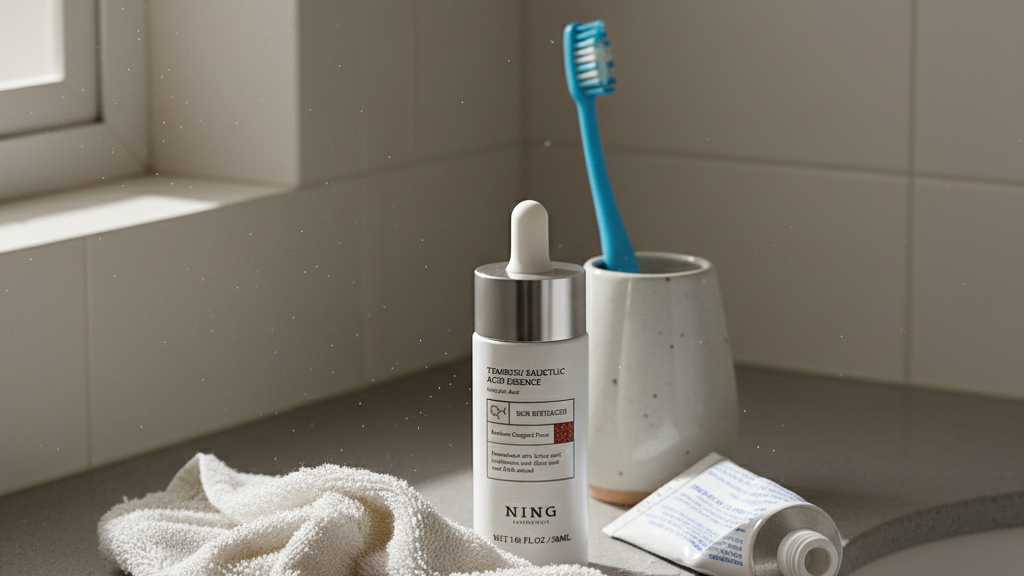

Breakout-Free Skin: The Benefits of Daily Salicylic Acid Use for Acne
This isn't your typical "miracle cure" skincare pitch. We’ve all been there—staring at a magnifying mirror at 11 PM, wondering why a single pimple has decided to invite five of its friends to your chin right before a big meeting. If you have acne-prone skin, you’ve likely tried everything from toothpaste (please stop doing that) to high-end luxury creams that did nothing but make your face smell like a French garden.
But here’s the reality: when it comes to the actual science of fighting acne, one name consistently sits at the top of the leaderboard. Salicylic acid.
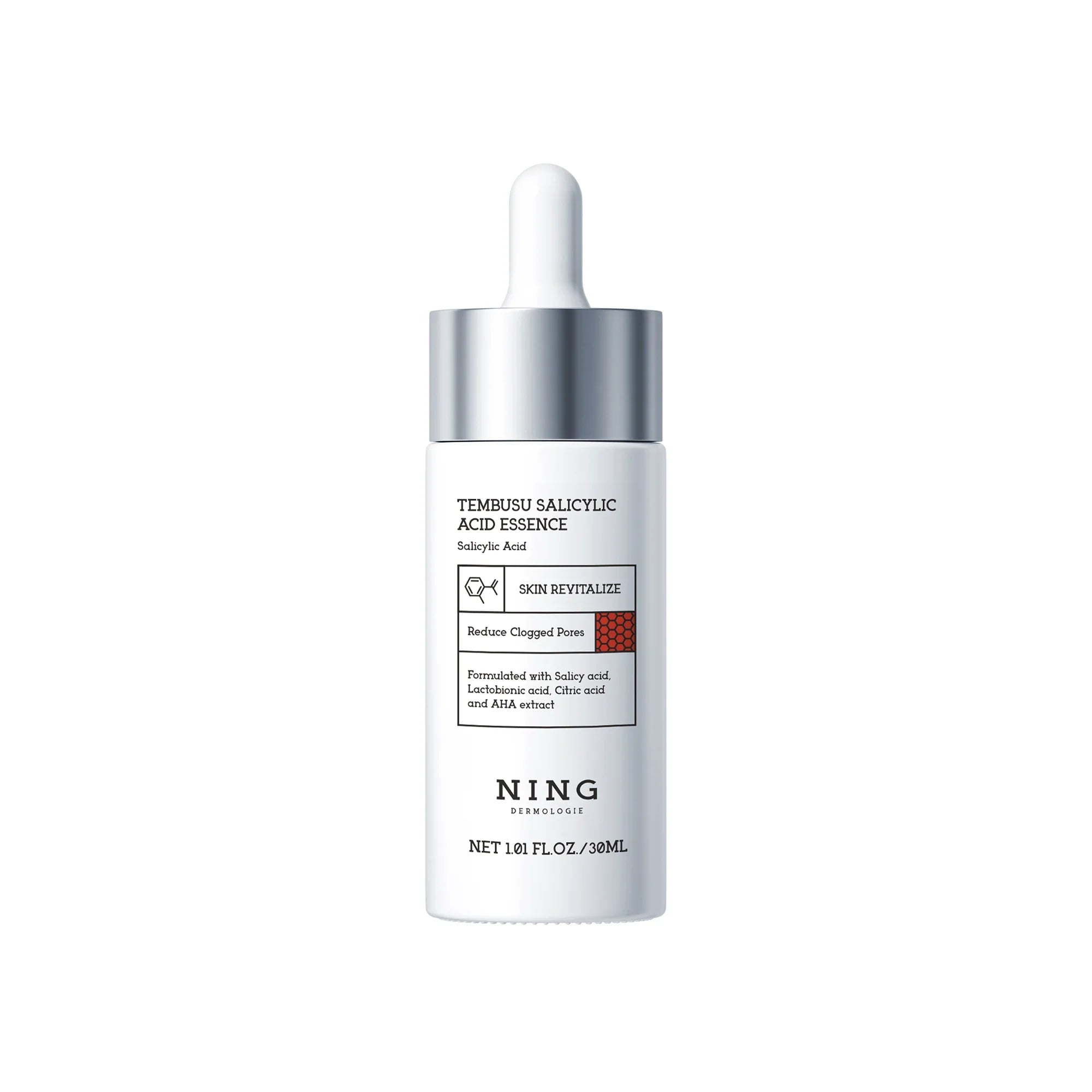
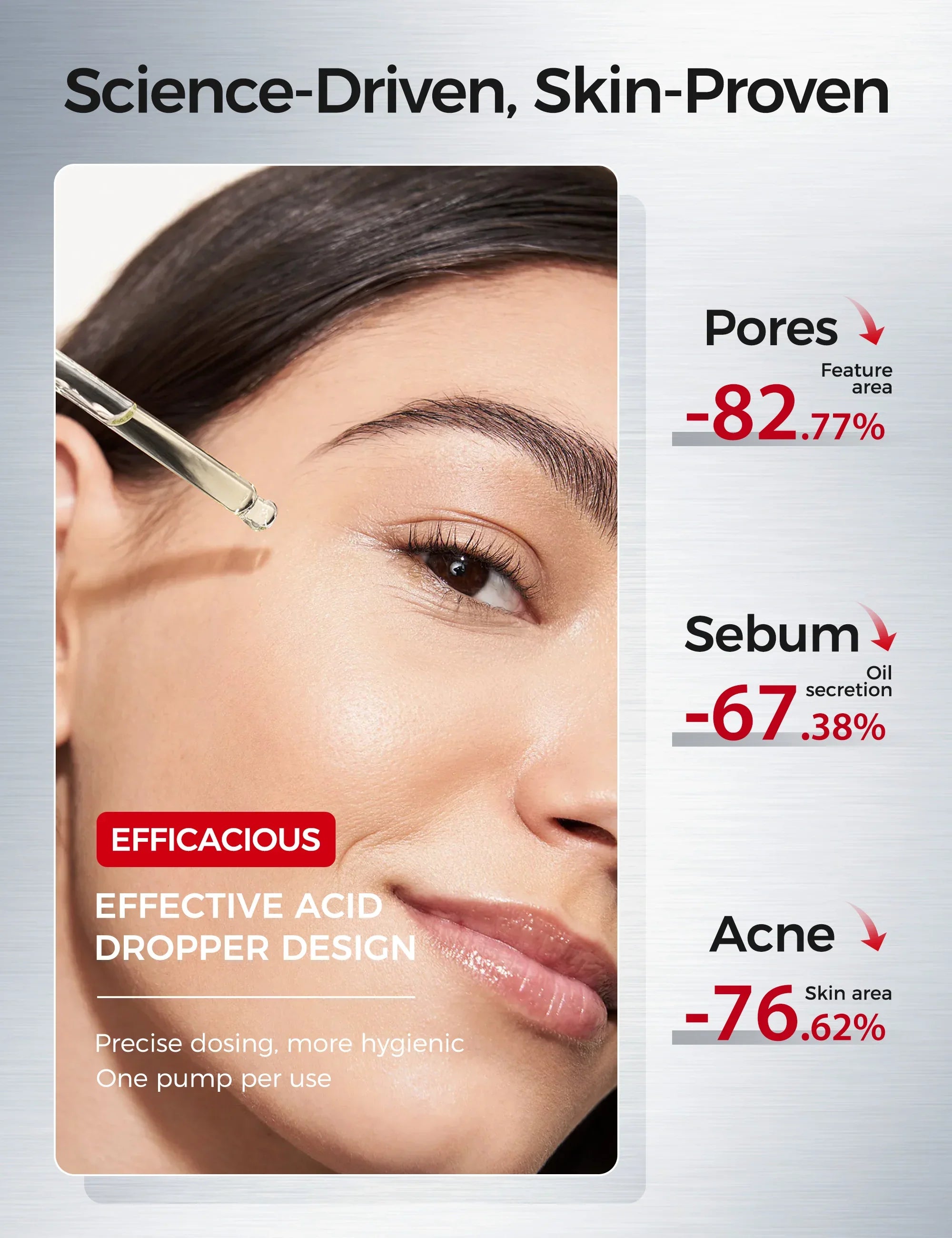
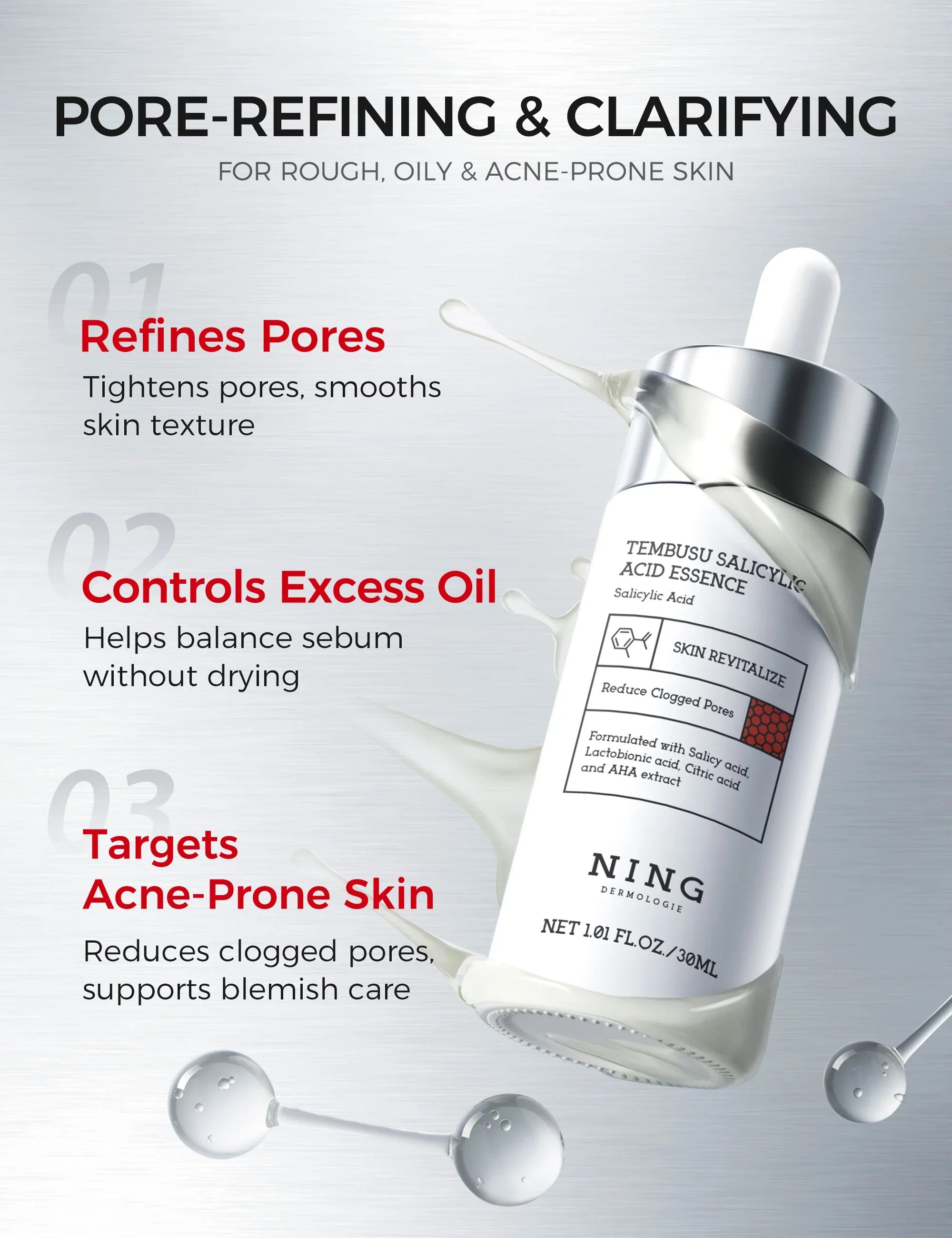
At NING Dermologie, we don’t believe in fluff. We believe in ingredients that actually penetrate the skin and do the heavy lifting. If you’re dealing with persistent acne, blackheads that won't budge, or that annoying mid-day oil slick, it’s time to talk about why using a salicylic acid product—specifically a well-formulated 2% Salicylic Acid Serum—is the closest thing you’ll get to a "reset button" for your complexion.

What Actually Is Salicylic Acid? (Beyond the Buzzword)
You’ve seen it on every face wash and acne treatment bottle in the aisle. But what is it? Salicylic acid is one of the most studied skincare ingredients in history. Technically, it’s a beta hydroxy acid (BHA).
Now, why does the "B" in BHA matter? If you compare it to alpha hydroxy acids (AHAs) like glycolic acid, the difference is oil. AHAs are water-soluble; they’re great for surface-level glowing skin. But salicylic acid is oil-soluble. This means it doesn't just sit on the dead surface skin; it actually dives deep into the pore to dissolve the "glue" holding dead skin cells and excess sebum together.
Derived naturally from willow bark, this beta hydroxy wonder has been used for centuries, but modern skincare products have finally perfected the concentration. For most people, a 2% concentration—like our NING Dermologie 2% Salicylic Acid Serum—is the "sweet spot" where you get maximum benefits of salicylic acid without turning your face into a desert.
How Salicylic Acid Works While You Go About Your Day
Let’s get into the mechanics. Most types of acne start with the same problem: your skin type is producing too much oil, and your dead skin cells aren't shedding fast enough. They mix, they clog, and suddenly, you have a pimple.
When you use salicylic acid, you aren't just treating the spot you see; you’re treating the acne that hasn't even surfaced yet. Salicylic acid works as a chemical exfoliate. It goes into the clogged pores and breaks down the debris. Because salicylic acid helps regulate sebum production, your skin feels less like an oil refinery by noon.
It’s also an anti-inflammatory. If you have an existing acne breakout that’s red, angry, and throbbing, topical salicylic acid helps calm that redness and swelling. It’s a multi-tasker: it clears the clog, kills the inflammation, and prevents the next breakout.
The Benefits of Salicylic Acid: More Than Just a "Zit Zapper"
While most people look for salicylic acid for acne specifically, the salicylic acid benefits for your overall skin texture are underrated.
1. Goodbye, Blackheads and Whiteheads
These are "comedonal acne." They aren't usually infected, but they make the skin underneath look bumpy and uneven. Since salicylic acid penetrates deep into the follicle, it's the gold standard for clearing blackheads and whiteheads.
2. Refining Your Skin Texture
Regular exfoliation leads to smoother skin. By removing the dead surface skin that makes your face look dull, you’re revealing healthier skin that reflects light better. This is how you get that glowing skin look without needing ten layers of highlighter.
3. Managing Oily Skin
If you find yourself constantly reaching for blotting papers, salicylic acid can help. It doesn't just remove dead cells; it signals your oil glands to chill out.
4. Preventing Future Breakouts
This is the "Breakout-Free" part of the title. Salicylic acid can be used as a preventative measure. By keeping the pore clear on a daily basis, you never give acne a chance to start.
Incorporating Salicylic Acid into Your Skincare Routine
"How do I actually use this stuff?" is the #1 question we get at NING Dermologie. Your skincare journey is unique, but there are some universal rules for skin care when dealing with acids.
The "Slow and Steady" Rule
If you’ve never used a salicylic acid product, don't jump in twice a day immediately. Even though salicylic acid is generally safe for daily use, your skin barrier needs time to adjust. Start by using a salicylic acid serum 3 times a week at night. If your skin is happy, move to every night.
The Order of Operations
-
Cleanse: Use a gentle face wash or acne wash. You want a clean canvas.
-
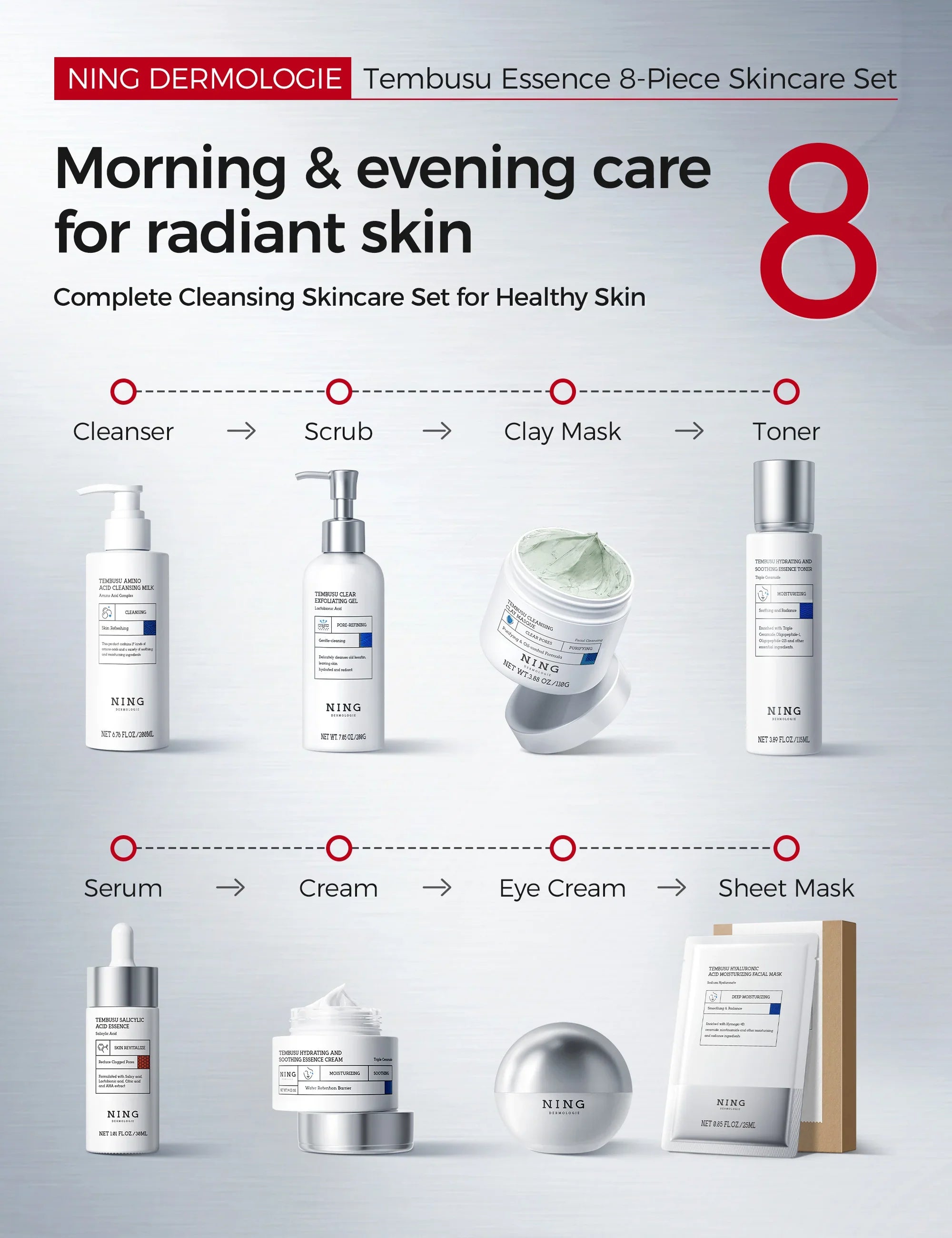
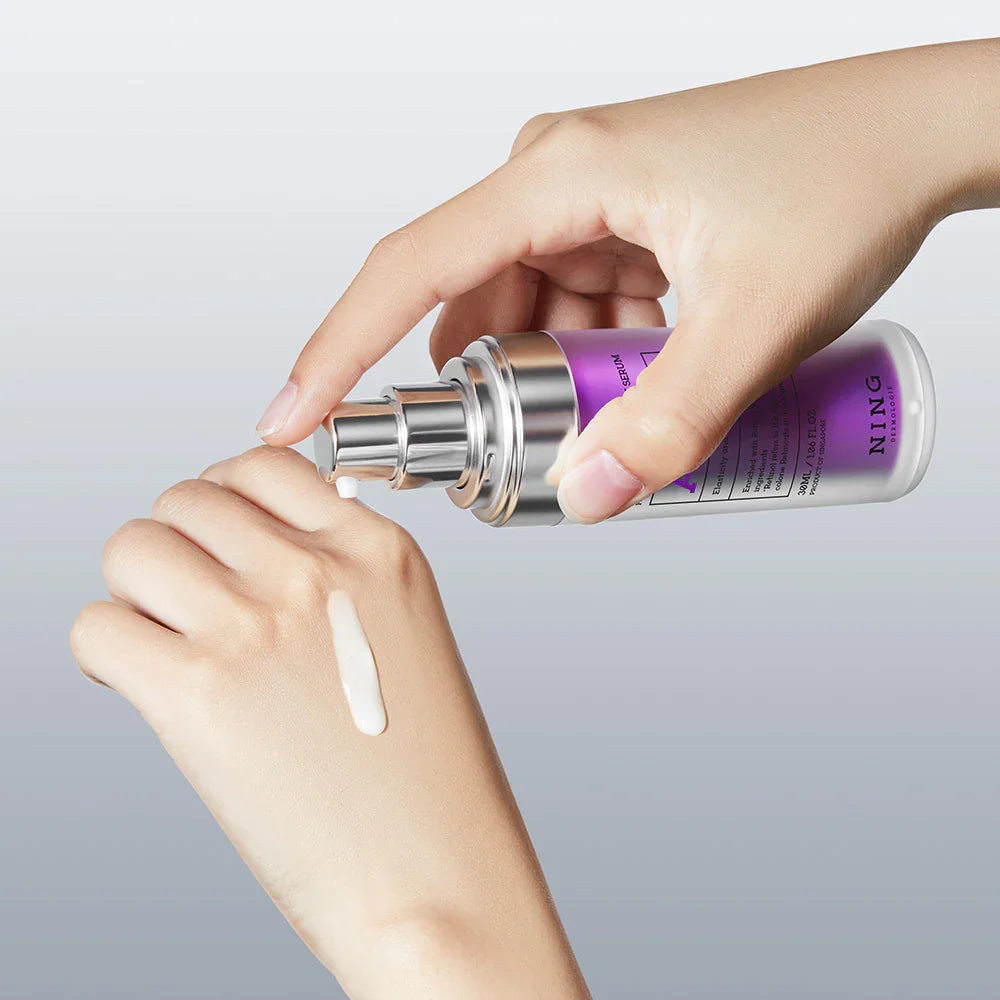
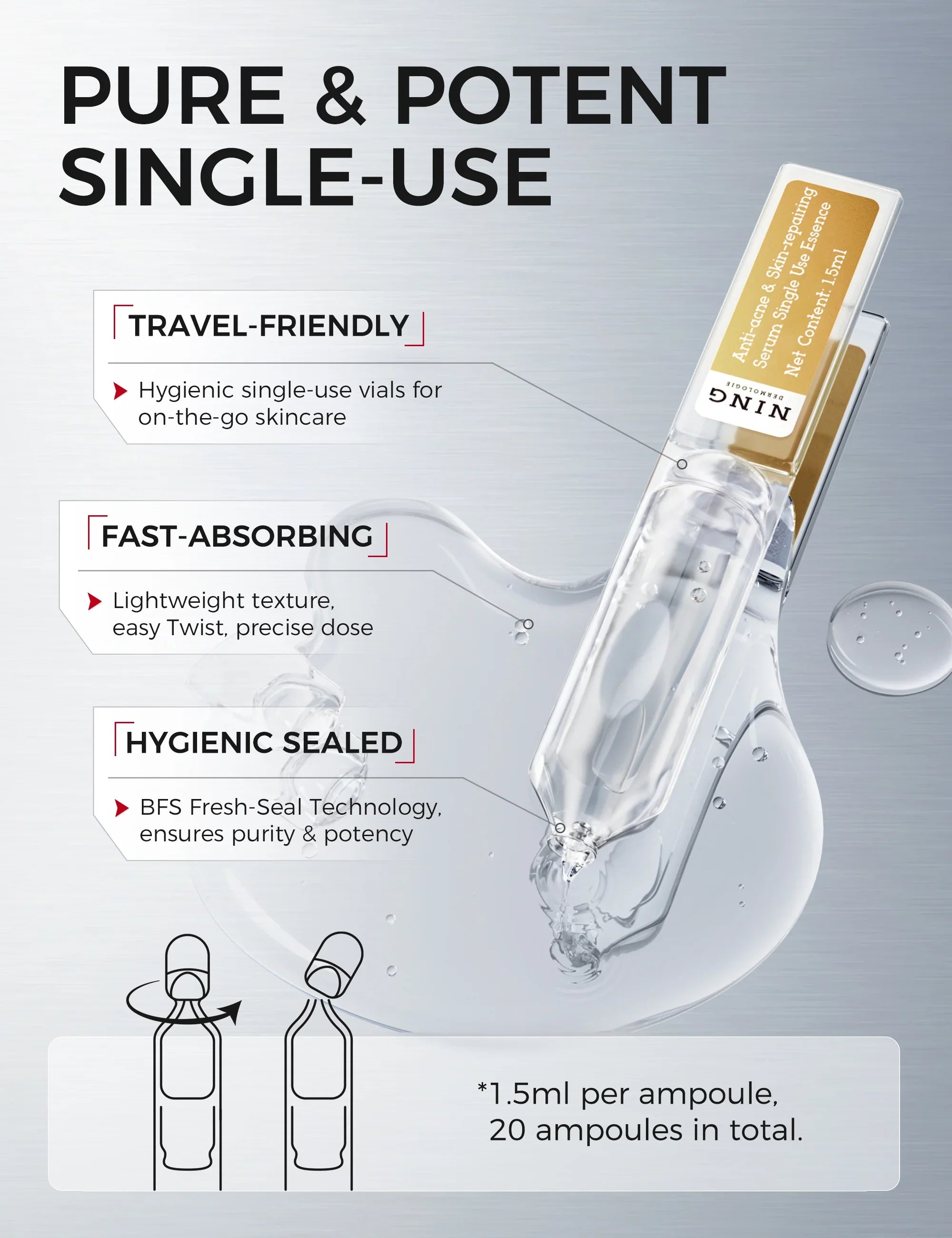
Apply Serum: Apply 2-3 drops of NING Dermologie 2% Salicylic Acid Serum to the acne-prone areas.
-
Moisturize: This is non-negotiable. Even for oily skin, you need to lock in hydration to prevent dryness.
-
Protect: In the morning, you must use sunscreen. Acids can make your skin more sensitive to the sun.
Can You Mix it with Vitamin C?
Here is the deal: vitamin c and salicylic acid are both powerhouses, but they don't always play nice in the same bottle. If you use them together, you risk skin irritation. We recommend using vitamin c in the morning for its antioxidant benefits and keeping your salicylic acid for acne treatment for your nighttime skincare routine.
Managing Side Effects: The "Purge" and Dryness
Let’s be real for a second—sometimes things look worse before they look better. This is called "purging." Because salicylic acid helps speed up cell turnover, it pushes all the gunk that was hiding deep in your skin to the surface all at once. If you see a few more pimples in the first week, don't panic. Stick with it.
However, if you have dry or sensitive skin, you might experience some irritation or dryness. If your skin becomes flaky or tight, scale back. You might only need to use salicylic acid as a spot treatment or an acne spot treatment rather than an all-over serum.
Salicylic acid is considered one of the gentler acids, but "gentle" is relative. Always listen to your skin. If you have severe acne, you should still consult a dermatologist, as you might need something stronger alongside your skincare products.
Why NING Dermologie?
The world of skincare is crowded. You can find products with salicylic acid at the grocery store for five bucks. So why choose our 2% Salicylic Acid Serum?
It’s about the formulation. Many skincare products use harsh alcohols to dissolve the BHA, which leaves your skin feeling stripped and damaged. At NING Dermologie, we balanced our serum to ensure it tackles acne while supporting your skin barrier. We want you to have clearer skin, not raw skin. Our formula is designed for acne-prone skin that actually needs to live in the real world—meaning it’s effective but won’t make you peel like an onion.

The Verdict: Should You Use It?
If you are tired of mild acne or persistent acne ruining your mood, the answer is a resounding yes. Salicylic acid is one of the few ingredients that has decades of proof behind it. It’s safe to use, it’s effective, and it addresses the causes acne at the source.
Whether you're dealing with oily skin, clogged pores, or just want healthier skin, incorporating salicylic acid into your daily routine is a game-changer. Stop waiting for your skin to "fix itself" and start giving it the tools it needs to stay clear.
Frequently Asked Questions (FAQ)
1. Can I use salicylic acid every single day?
It really comes down to how stubborn your skin is. If you’re battling heavy oil and acne-prone congestion, daily use is usually the goal once you’ve built up a tolerance. But look, if your face starts feeling tight or looks a bit "shiny" (and not the good kind), back off. Start with every other night. It’s better to be consistent three times a week than to wreck your skin barrier by overdoing it.
2. How long does it take to see results with the 2% serum?
Don't expect a miracle by tomorrow morning. You’ll probably notice less grease within a few days, but clearing out deep blackheads and whiteheads is a marathon, not a sprint—usually 4 to 6 weeks. That’s just how long your skin needs to cycle through. Also, if you "purge" (aka break out more at first), don't panic. It's just the gunk coming to the surface. Stick with it, the clearer skin is coming.
3. Is salicylic acid better than benzoyl peroxide for acne?
They’re just different tools. Think of salicylic acid as a "pore vacuum"—since it’s oil-soluble, it’s unbeatable for gunk and texture. Benzoyl peroxide is more like a "bacteria killer" for those angry, red, throbbing cysts. Many people actually use our serum as a daily base to keep pores clear, then dab peroxide only on the occasional "monster" pimple. It’s all about what your specific types of acne need.
4. Can I use salicylic acid if I have dry skin?
You can, but don't treat your whole face like an oil slick. If you're on the dry or sensitive side, only apply the NING Dermologie Serum to your T-zone or active spots. The golden rule? Follow up with a serious moisturizer. You want to treat acne without leaving your skin feeling like parchment paper. If you start peeling, reduce your use to just twice a week.
5. Does salicylic acid help with acne scars?
It won't fill in deep, pitted scars—that's a job for a pro—but it’s great for fading those annoying dark spots left behind. By constantly exfoliating the dead surface skin, it encourages glowing skin to rise to the surface faster. It smooths out the overall skin texture, so even if you have old marks, your complexion looks much more even and healthier skin starts to show through over time.


Share:
Which vitamin C serums have won awards or recognition for facial skincare?
Salicylic Acid Skincare Innovations: The New Frontier in Acne Treatment