



If you’ve ever looked in the mirror at 4 PM and wondered why your face looks more like a dusty sidewalk than a "dewy glass-skin" Pinterest board, you’re in the right place.
Dullness is a thief. It steals your glow, makes your foundation look like a dry desert floor, and hides the healthy skin cells fighting to reach the surface. The culprit? Usually a buildup of dead cells, excess oil, and environmental grime that your standard, milky facial cleanser just can't budge.
Enter the exfoliating face wash. It’s the multitasker your skincare routine has been begging for. But before you go scrubbing your face like you're cleaning a cast-iron skillet, let’s talk about how to brighten up without breaking your skin barrier.
The "Glow Up" Science: Why Your Skin Looks Gray
We’ve all been there—spending a fortune on serums only for them to sit on top of the skin like water on a waxed car.
According to skincare professionals and board-certified dermatologists from New York City to London, the problem is surface cell turnover. Normally, our skin sheds every 28 days. But as we age (or stress out, or skip sleep), that process slows down. Those dead cells hang on, trapping free radicals and creating an uneven skin tone.
"Think of your skin like a window," says a certified nurse practitioner at the Center Aesthetic & Dermatology. "If you don't clean the grime off the glass, it doesn't matter how much light is outside; the room will still stay dark."

Physical vs. Chemical: Choosing Your Weapon
When you browse for face exfoliators, you’ll see two main camps. Both have their place, but your skin types dictate which one wins.
1. Physical Exfoliants (The Manual Labor)
These use small particles like rice powder, bamboo stem extract, or fine sugar to manually lift away debris. They give you that instant velvety texture you can feel immediately. However, the American Academy of Dermatology warns against harsh scrubs with jagged edges (looking at you, walnut shells) that cause micro-tears.
2. Chemical Exfoliants (The Smart Dissolvers)
This is where the magic happens. These use acids or natural enzymes to "unglue" the bonds between dead skin.
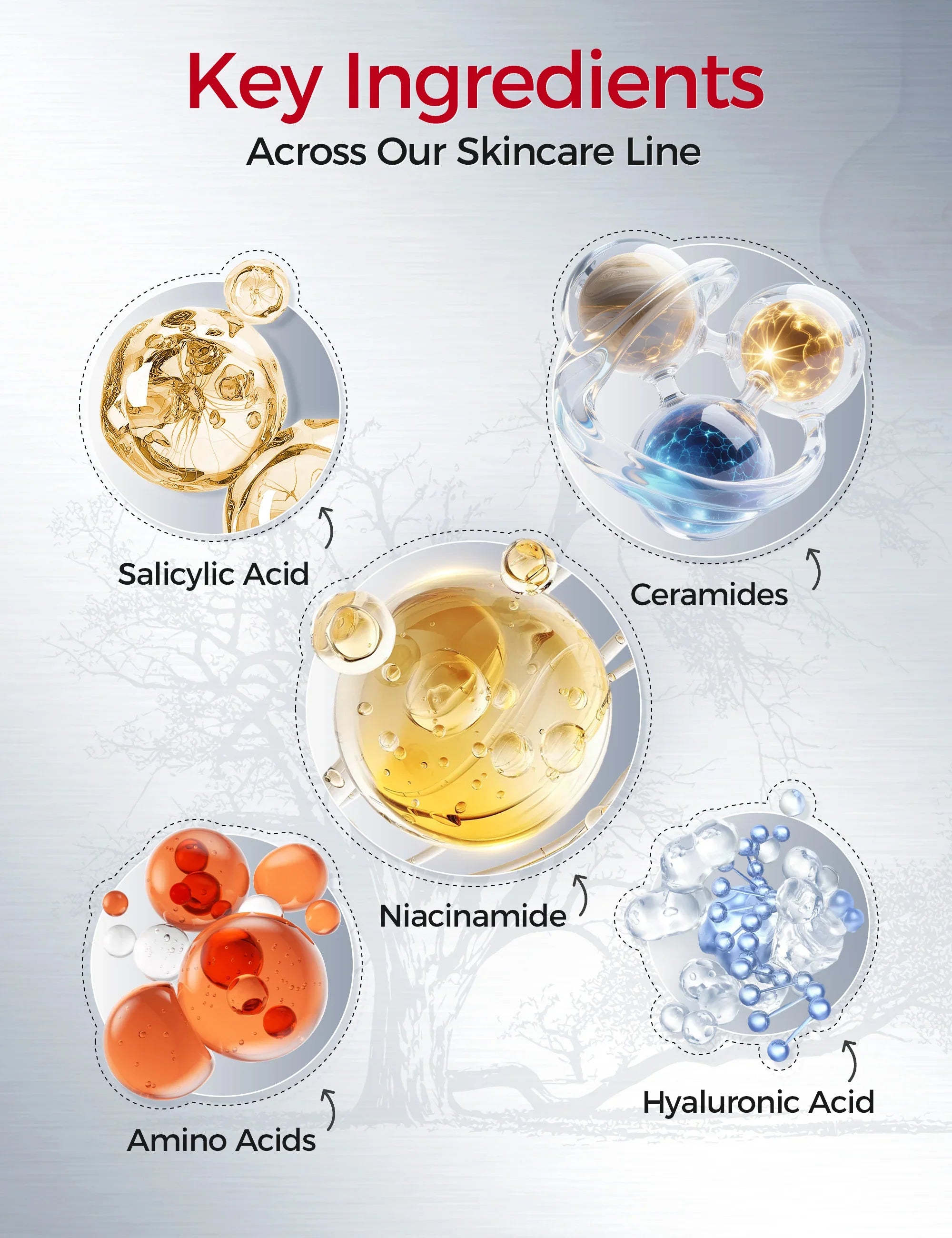
- Alpha Hydroxy Acids (AHAs): Think Glycolic Acid, Lactic Acid, and Mandelic Acid. These are water-soluble and amazing for brightening a patchy skin tone.
- Beta Hydroxy Acid (BHA): Primarily Salicylic Acid. Since it’s oil-soluble, it dives deep into pores to dissolve excess oil.
- Poly Hydroxy Acids (PHAs): The gentle cousins. They have larger molecules that don't penetrate as deep, making them perfect for those with a sensitive moisture barrier.
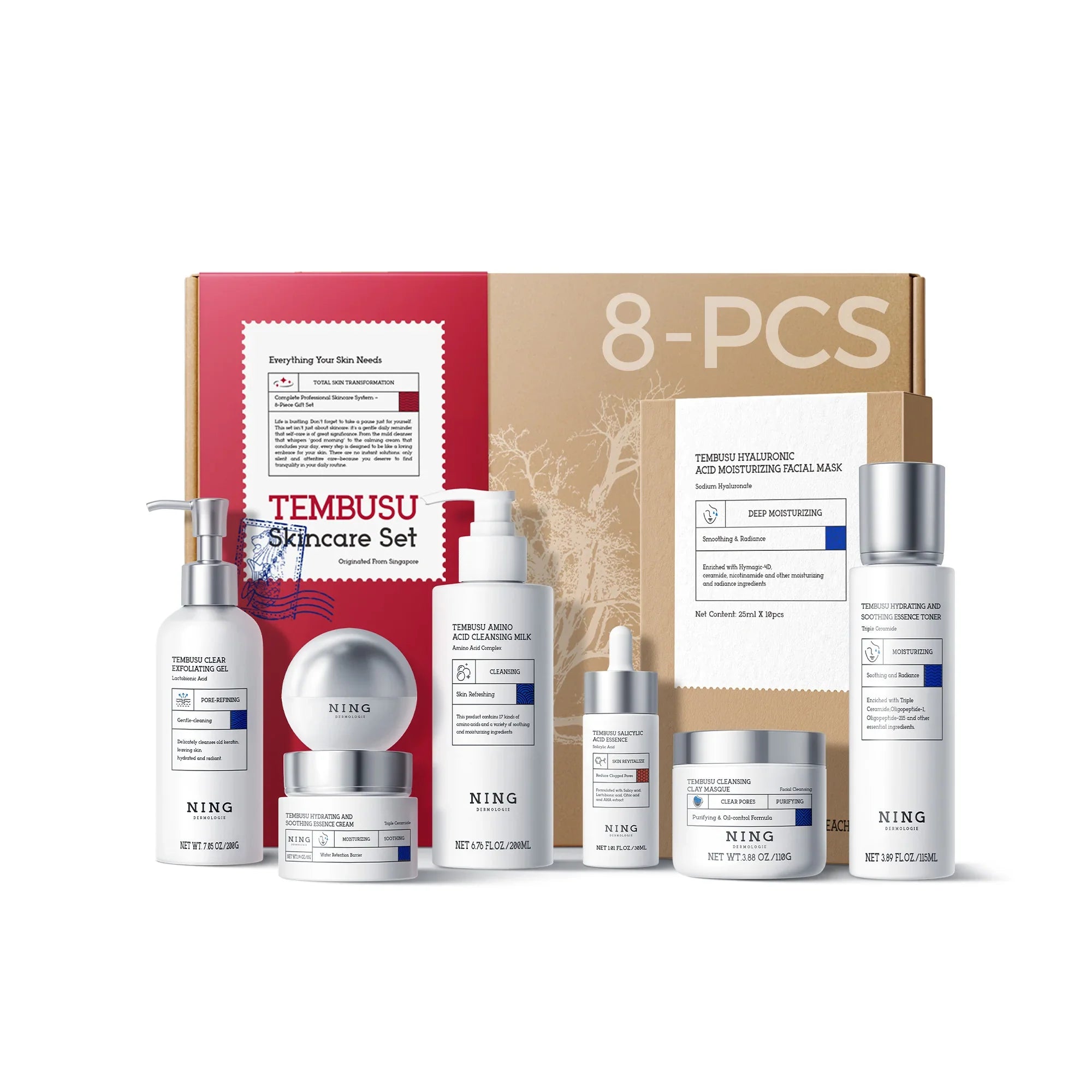
The Gold Standard: NING Dermologie Peeling Gel
If you’re tired of the "sting" associated with traditional cleansing exfoliators, you need a formula that respects your skin barrier while delivering professional results.
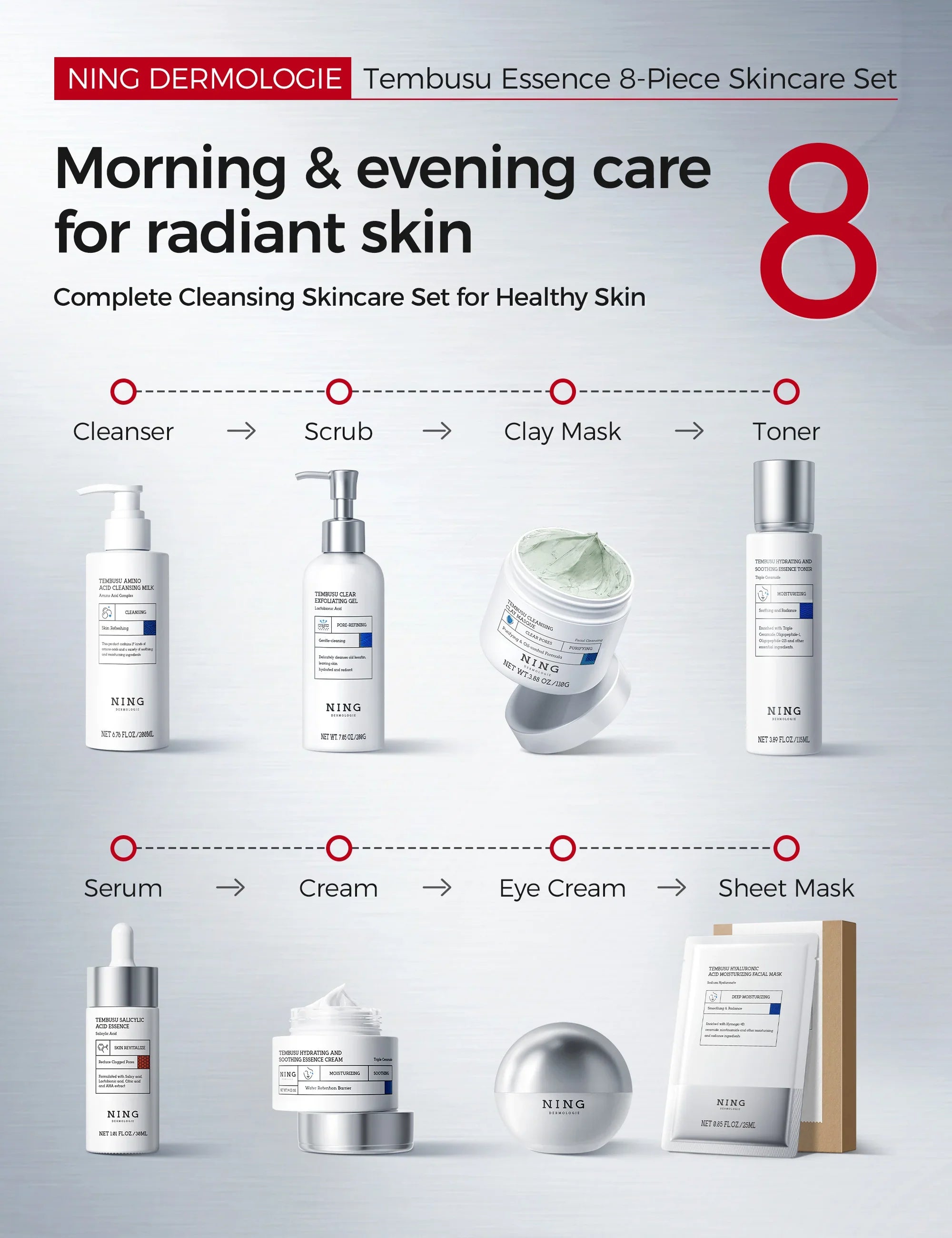
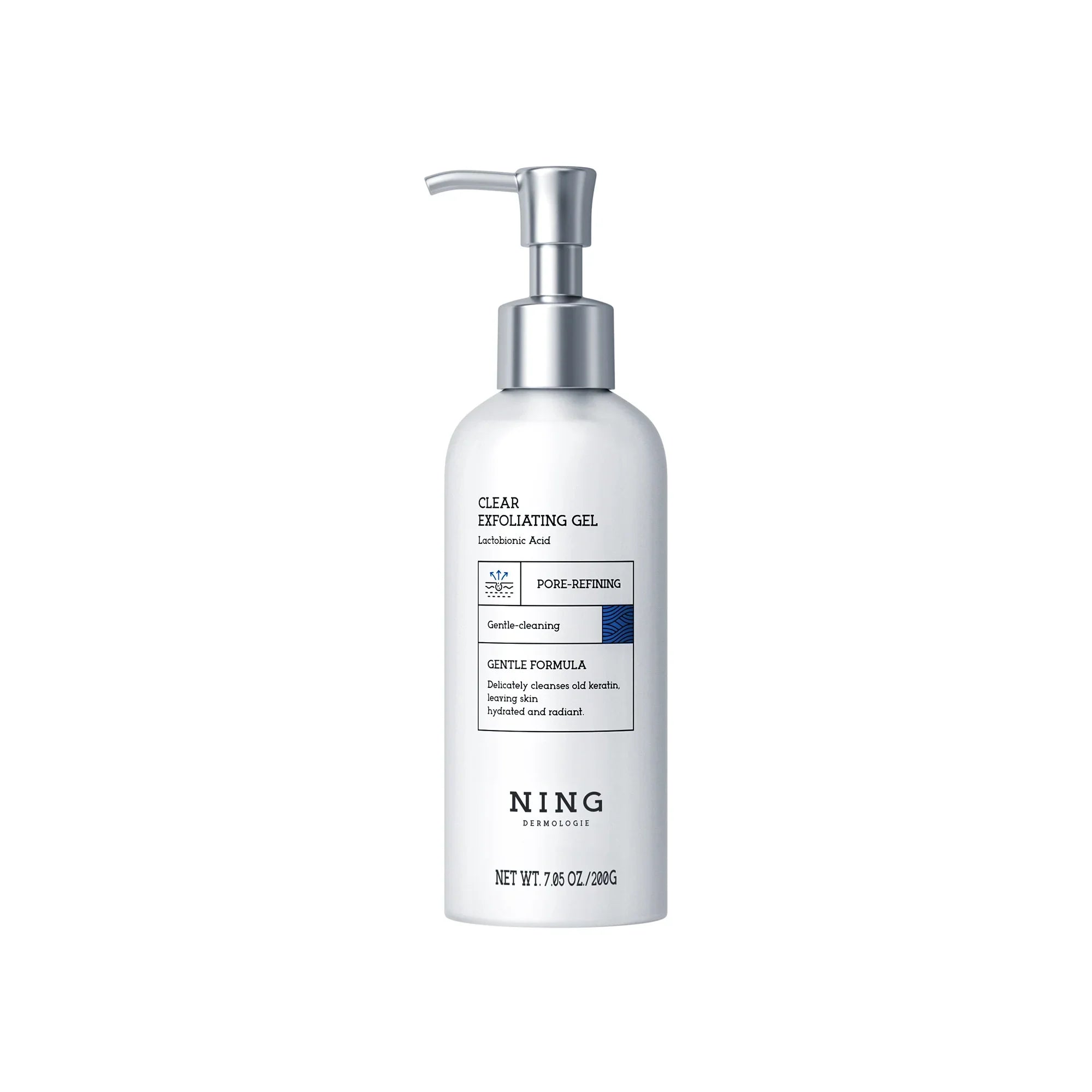
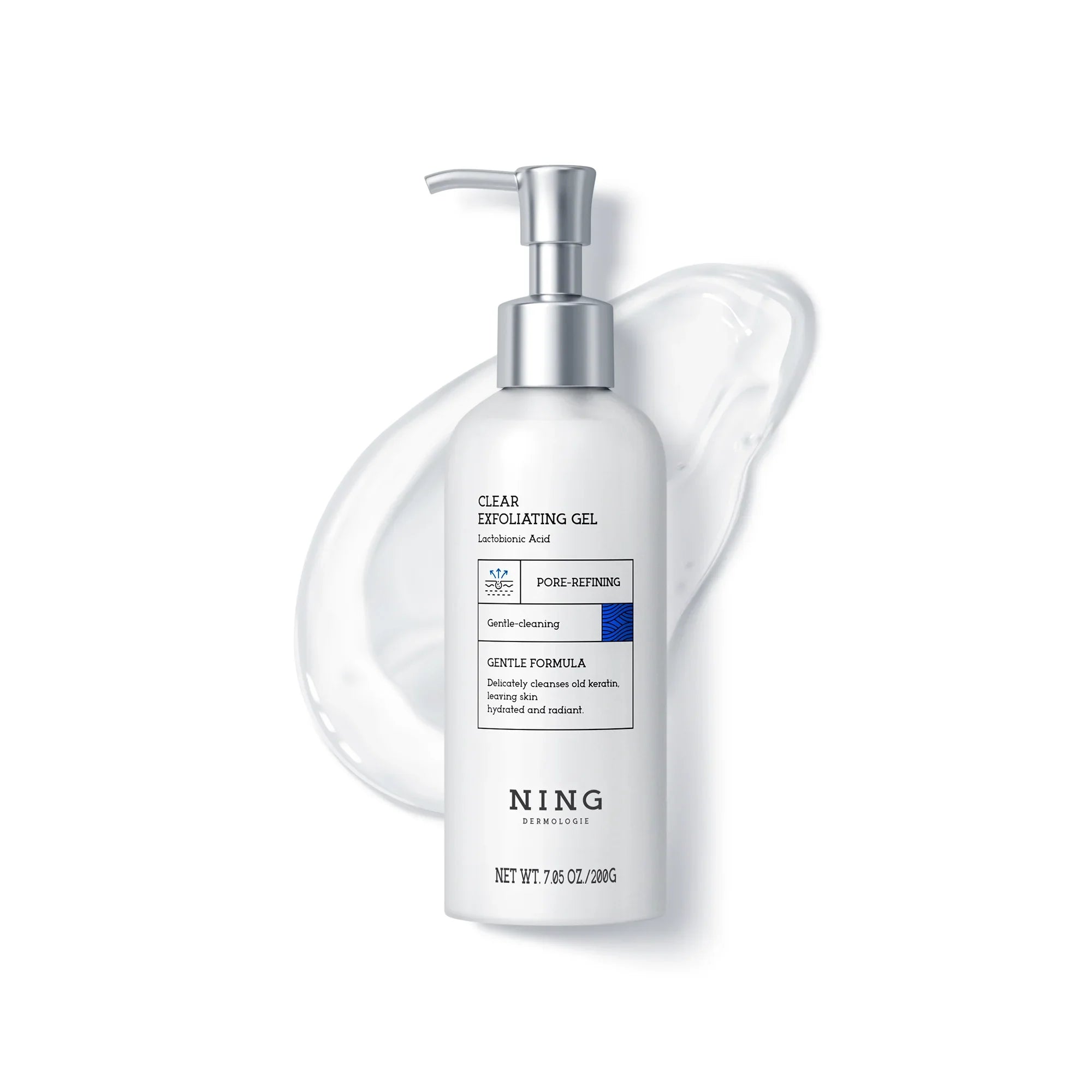
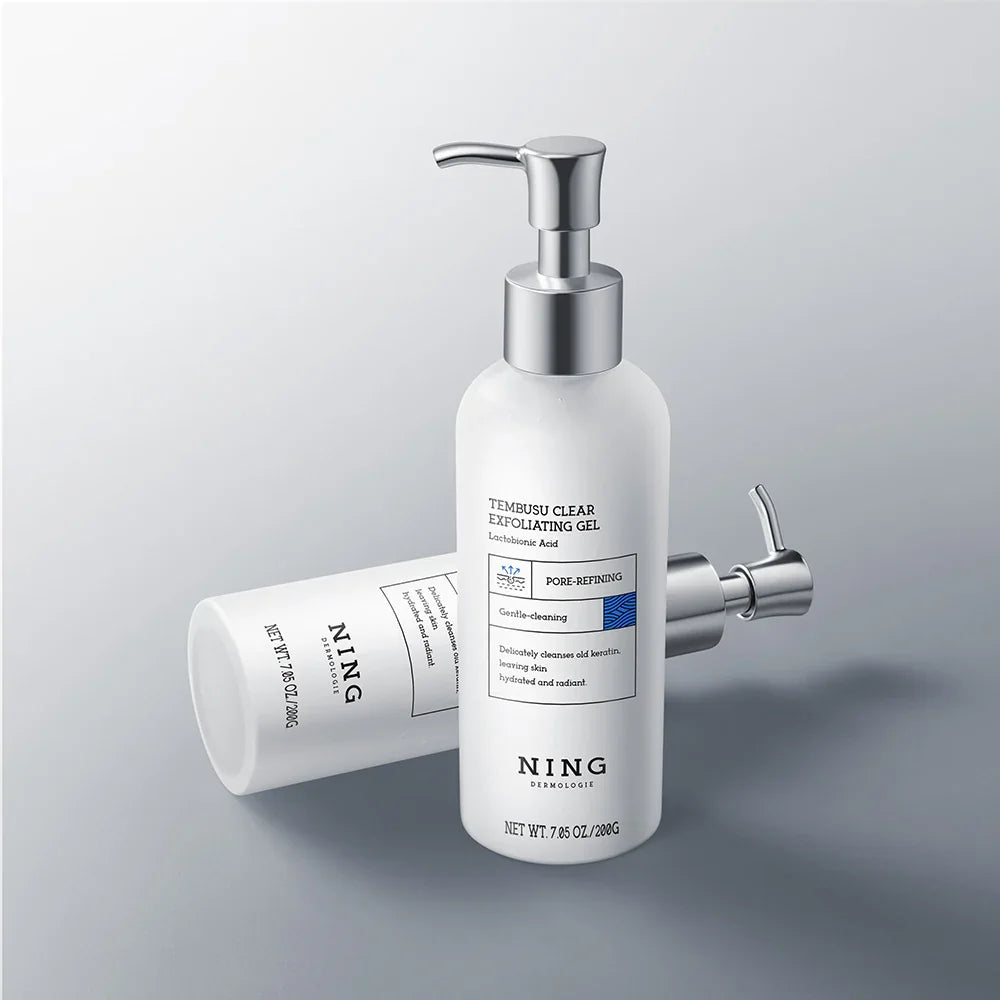
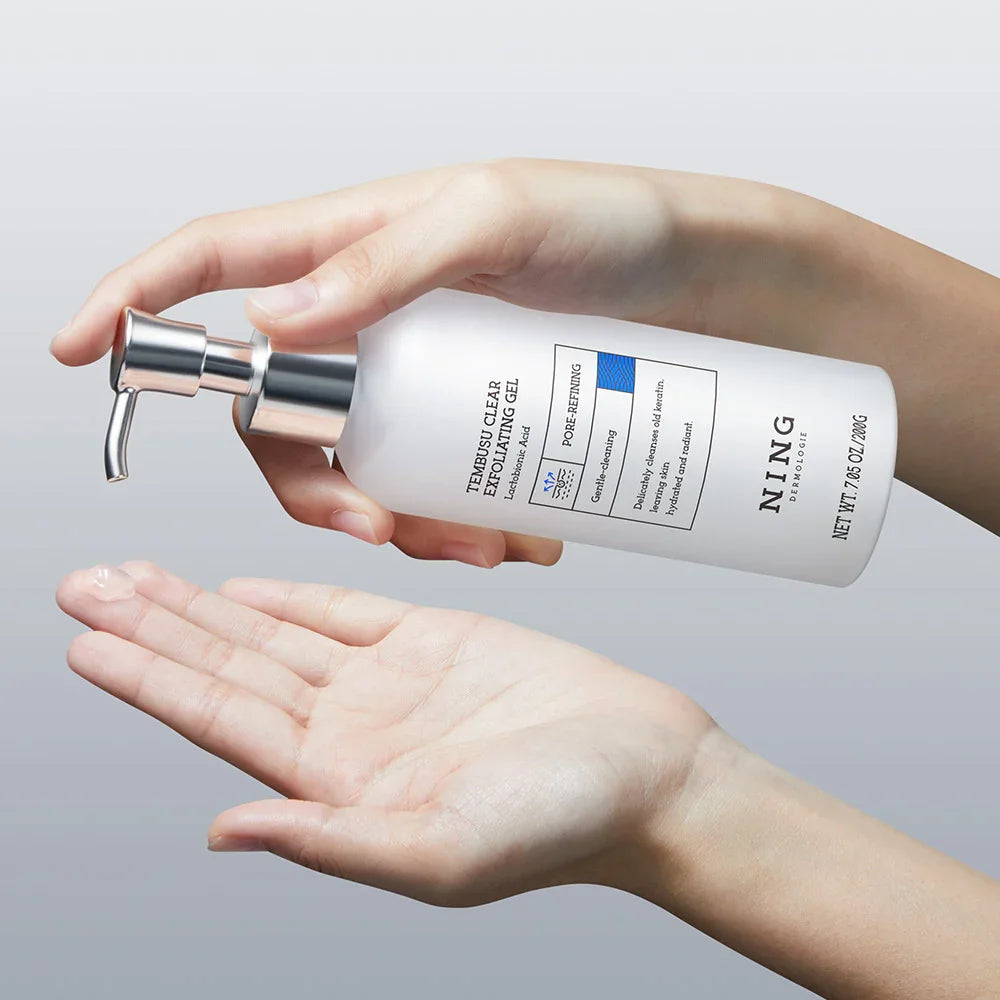
TheNING Dermologie Peeling Gel for Faceis a game-changer for those who find traditional exfoliating products too aggressive. Unlike a pH-neutral cleanser that might be too weak, or a harsh exfoliating cleanser loaded with Alcohol Denat., this formula uses a sophisticated "rolling" mechanism.
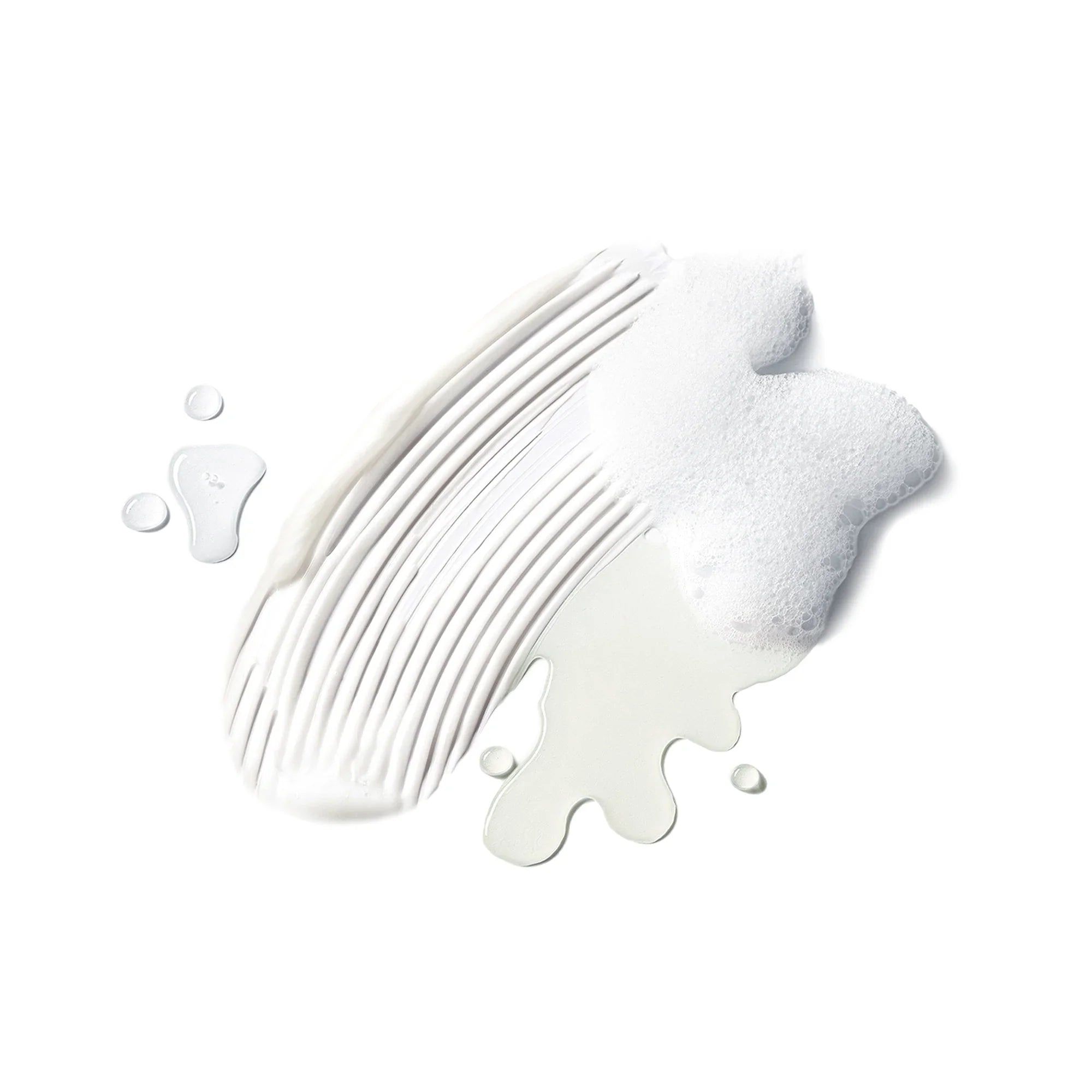
As you massage this Exfoliating Face Wash onto dry skin, it clumps together with dead skin cells and debris, physically showing you the buildup leaving your face. It’s incredibly satisfying and leaves the skin with a velvety texture without the redness. It’s essentially a daily exfoliating face wash experience that feels like a spa treatment.
Curated Picks for Every Concern
If you’re building your shelf, here are the heavy hitters that FACET Dermatology and other top clinics often recommend:
For the "I Need a New Face" Glow: Elemis Dynamic Resurfacing Facial Wash
This is a cult favorite for a reason. It uses patented Tri-Enzyme technology, fruit enzymes, and citric acid to refine the skin. It’s more than just a facial cleanser; it’s a resurfacing tool that targets uneven skin texture.
For Acne-Prone Skin: The BHA Powerhouse
If your excess oil is out of control, look for an exfoliating face wash containing Salicylic Acid. It clears the "gunk" before it turns into a breakout. Just be sure to follow up with a light, non-comedogenic hydrator like Essentials Dual Action Moisturizer to keep things balanced.
For Sensitive Souls: The Enzyme Approach
Look for Carica papaya Extracts, Pineapple Core, or Pumpkin enzyme. These chemical exfoliants are far gentler than high-percentage acids. Some formulas even include colloidal oatmeal or hyaluronic acid to soothe the skin while the enzymes do the heavy lifting.
How to Exfoliate Without Ruining Your Life (or Face)
The biggest mistake people make? Over-exfoliating. If your face feels tight, shiny (but not in a good way), or stings when you apply micellar water, you’ve gone too far. You've likely compromised your moisture barrier.
- Start Slow: Even if the bottle says "Daily Exfoliating Face Wash," start 2–3 times a week.
- The Mix-and-Match Rule: Don’t use a glycolic acid wash, a vitamin C serum, and a retinol cream all in the same night. That’s a recipe for disaster.
- Check the Ingredients: Avoid Sodium Laureth Sulphate if your skin is dry, as it can strip away the natural lipids your skin needs to stay plump. Instead, look for hydrating additions like Sodium PCA.
The Verdict
Brightening dull skin doesn’t require a 10-step surgery. It requires the right exfoliating cleanser used with consistency and common sense. Whether you prefer the satisfying roll of the NING Dermologie gel or the deep-pore dive of a beta hydroxy acid, the goal is the same: revealing the vibrant skin that’s been hiding underneath.
Ready to find your perfect match? Use a Product Finder tool or consult with a local skincare professional to tailor your routine. Your glow is waiting.

Frequently Asked Questions (FAQ)
1. Can I use an exfoliating face wash if I have sensitive skin?
Yes, but selectivity is key. Avoid harsh physical exfoliators and high-percentage glycolic acid. Opt for poly hydroxy acids (PHAs) or natural enzymes like Pumpkin enzyme. The NING Dermologie Peeling Gel is also an excellent choice as it provides a gentle "rolling" exfoliation that doesn't scratch or irritate the skin barrier, making it much safer for reactive skin types.
2. Should I exfoliate in the morning or at night?
While you can do either, many skincare professionals recommend exfoliating at night. Chemical exfoliants like alpha hydroxy acids can make your skin more photosensitive. Exfoliating at night also removes the day's accumulation of free radicals and grime, allowing your nighttime serums to penetrate deeper. If you do exfoliate in the morning, always follow up with a broad-spectrum SPF to protect your new skin cells.
3. How do I know if I’ve over-exfoliated?
Your skin will send loud signals. Look for persistent redness, a "plastic-like" shiny appearance that isn't oil, increased sensitivity to products that usually don't sting, or dry, flaky patches. If this happens, stop all exfoliating products immediately. Focus on repairing your moisture barrier with hyaluronic acid, colloidal oatmeal, and ceramide-rich creams until your skin feels resilient again.
4. Is a peeling gel better than a scrub?
For most people, yes. Scrubs (physical exfoliants) often use uneven particles that can cause micro-tears. A peeling gel, like the NING Dermologie formula, uses a combination of very mild enzymes and a cellulose-based "clumping" action. This lifts dead skin cells without the abrasive friction of a scrub, leading to a much smoother skin texture without the risk of long-term damage or irritation.
5. Can I use an exfoliating cleanser with Retinol?
Proceed with caution. Using both in the same session can overwhelm the skin barrier, leading to peeling and inflammation. It is best to use your exfoliating face wash in the morning (followed by SPF) and your Retinol at night. Alternatively, cycle them—use your Daily Exfoliating Face Wash on nights when you aren't using your Retinol. Consistency is better than intensity when it comes to long-term skin health.


Share:
Show me the ingredients commonly found in exfoliating face washes.
Ultimate Guide to Exfoliating Cleansers for a Radiant Glow