



The Ultimate Guide to Vitamin C Serums: Dermatologist-Recommended Picks for Radiant Skin
If you’ve spent more than five minutes scrolling through skincare forums or wandering the aisles of a pharmacy, you know that vitamin C serum is the undisputed heavy hitter of the morning skin care routine. It’s the "Swiss Army knife" of topicals—it brightens, it protects, and it firms. But here is the catch: vitamin C is notoriously temperamental. It’s like that high-maintenance friend who needs the temperature and lighting to be just right or they’ll have a total meltdown (or in this case, oxidize and turn your face orange).
Finding the best vitamin C serum isn't just about grabbing the highest percentage off the shelf. It’s about stability, pH levels, and how the formula plays with your specific skin type. To help you cut through the marketing noise, we’ve consulted with a board-certified dermatologist to curate a list of dermatologist-recommended vitamin C serums that actually deliver on their promises.

Why Every Dermatologist Wants You to Use Vitamin C Serum
Before we dive into the list of vitamin C serums, let’s talk about why this vitamin c product is a non-negotiable. Vitamin C is a potent antioxidant that neutralizes free radicals—those unstable molecules caused by pollution and UV rays that break down collagen.
"I tell my patients that think of vitamin C as an insurance policy for your face," says one leading expert. "It’s best applied in the morning to protect your skin from environmental damage that sunscreen might miss." Beyond protection, vitamin C can help even out skin tone, fade dark spots, and brighten the skin by inhibiting excess melanin production.
What to Look for in a Vitamin C Serum
When you incorporate vitamin C into your regimen, don't just look at the price tag. Look at the science. Here are three things every dermatologist suggests checking:
-
The Form of Vitamin C: Pure vitamin C (L-ascorbic acid) is the most researched and potent. However, it can be irritating. If you have sensitive skin, you might look for a vitamin c derivative like Sodium Ascorbyl Phosphate or Ethyl Ascorbic Acid, which are more stable and gentler.
-
Concentration of Vitamin C: Most effective vitamin C products fall between 10% and 20%. Anything lower might not yield best results, and anything higher than 20% can harm your skin barrier without providing extra benefits.
-
Supporting Ingredients: Look for a vitamin c with hyaluronic acid for hydration, or a blend of vitamin e and ferulic acid. This trio—vitamins C and e plus ferulic—actually doubles the photoprotective effect of the serum.
The 6 Best Vitamin C Serums Recommended by Dermatologists (2026 Edition)
1. The Gold Standard: SkinCeuticals C E Ferulic
Ask any dermatologist for their top pick, and SkinCeuticals C E Ferulic is almost always the answer. This is the antioxidant serum that launched a thousand imitations.
- The Formula: 15% pure vitamin C (L-ascorbic acid), 1% vitamin E, and 0.5% ferulic acid.
- Why it’s a favorite: It has a very specific pH level that ensures the pure vitamin C actually penetrates the skin barrier.
- The Experience: It has a watery texture and a scent often described as "hot dog water," but the results are undeniable. It stays active on the skin for up to 72 hours.
- Best for: Dry skin and mature skin.
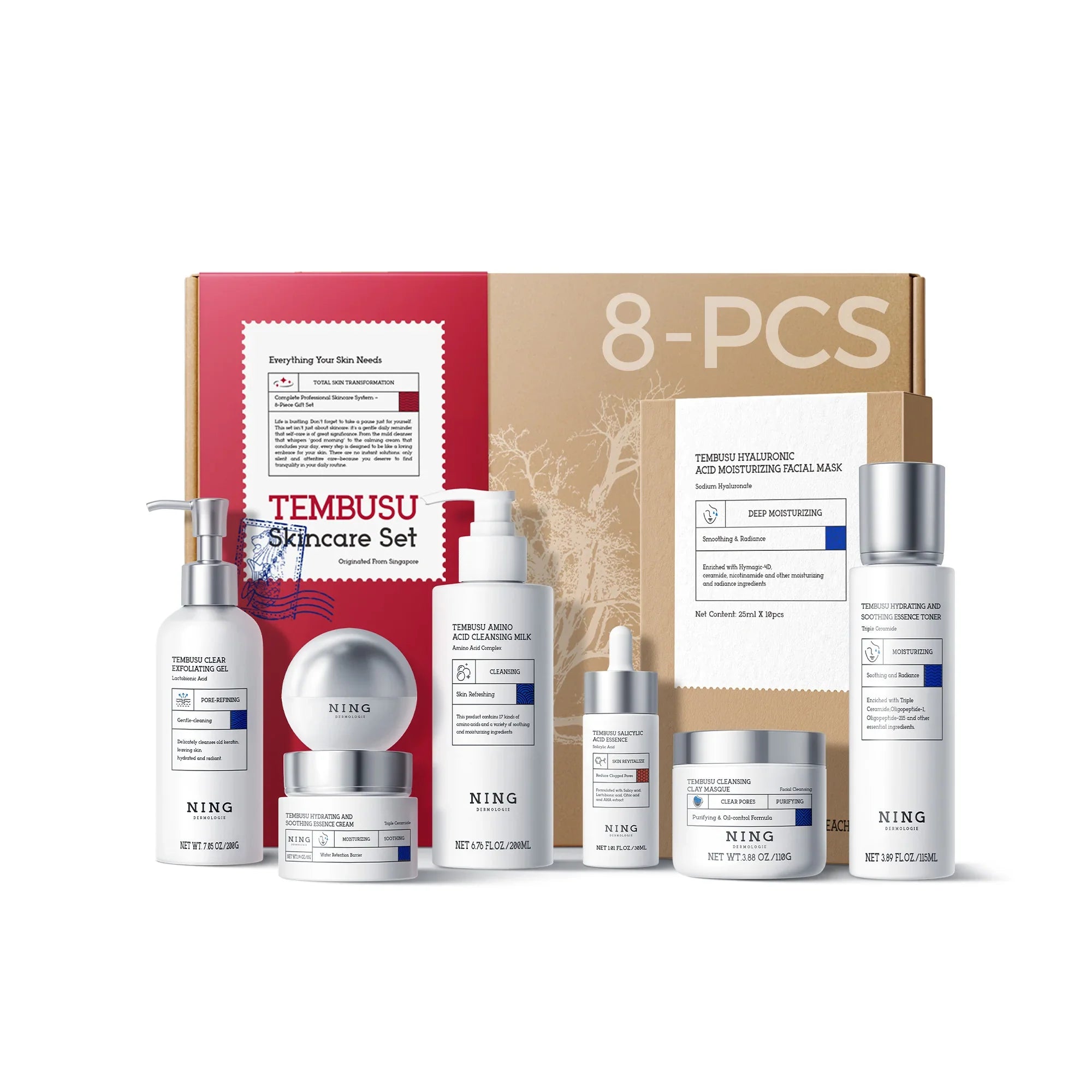
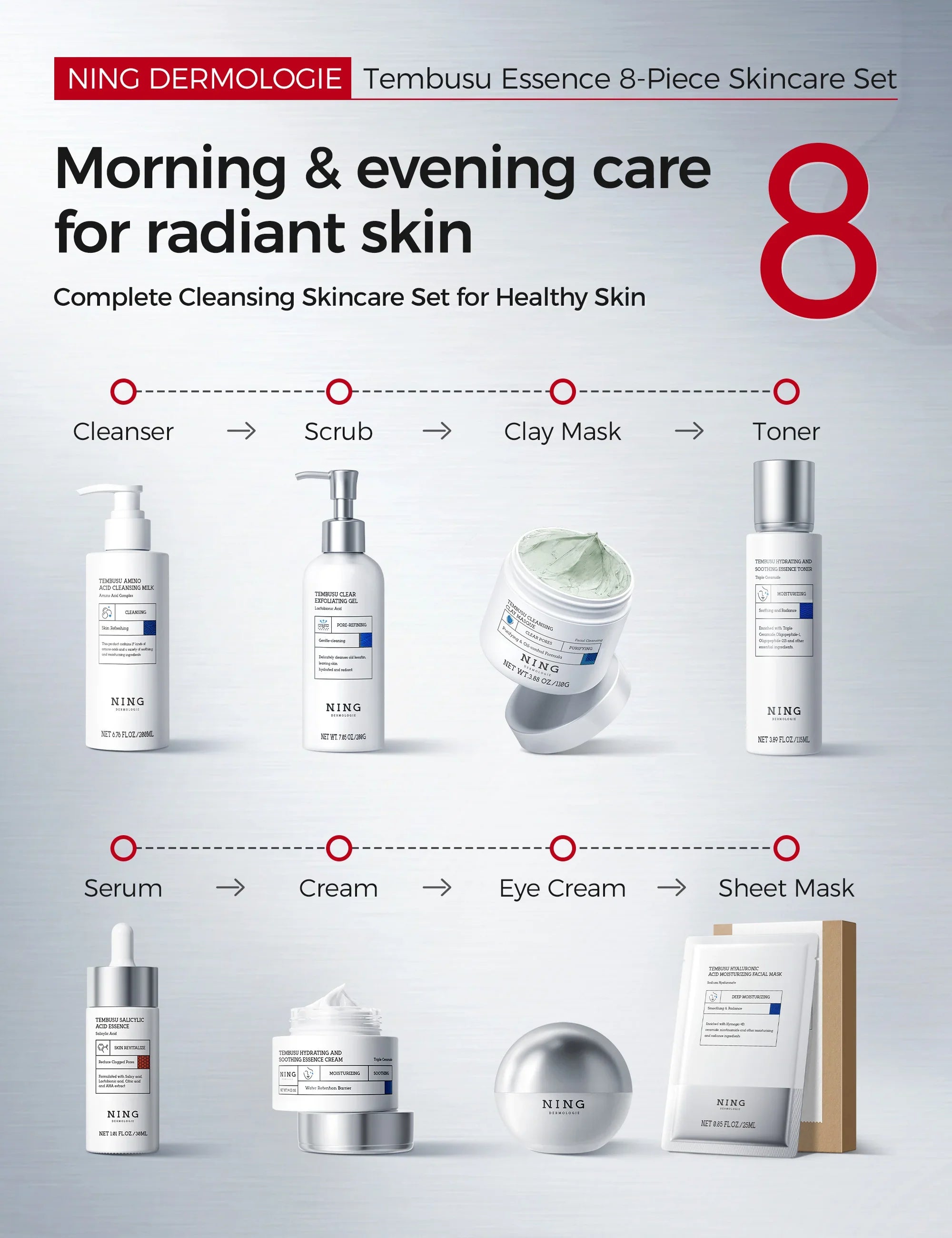
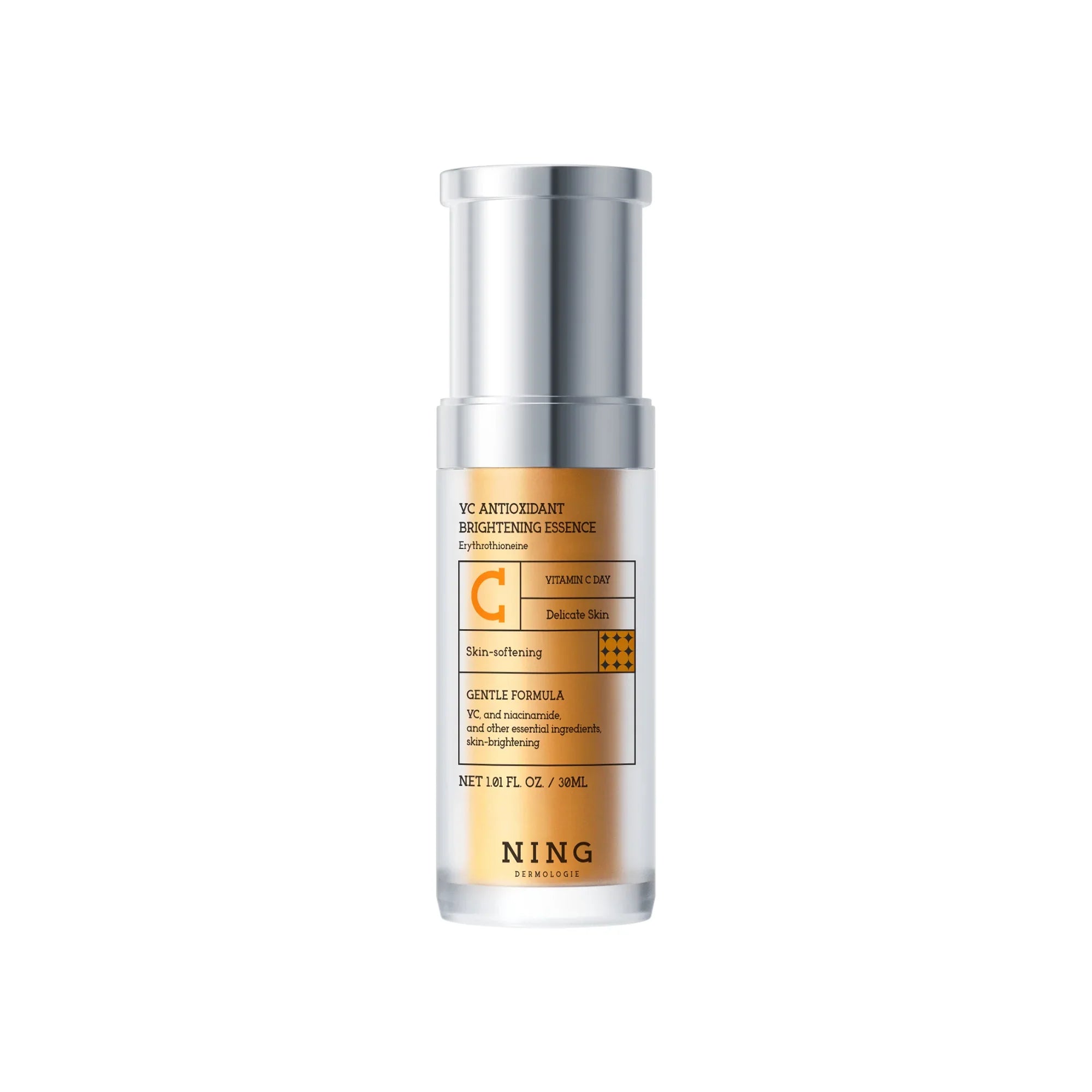
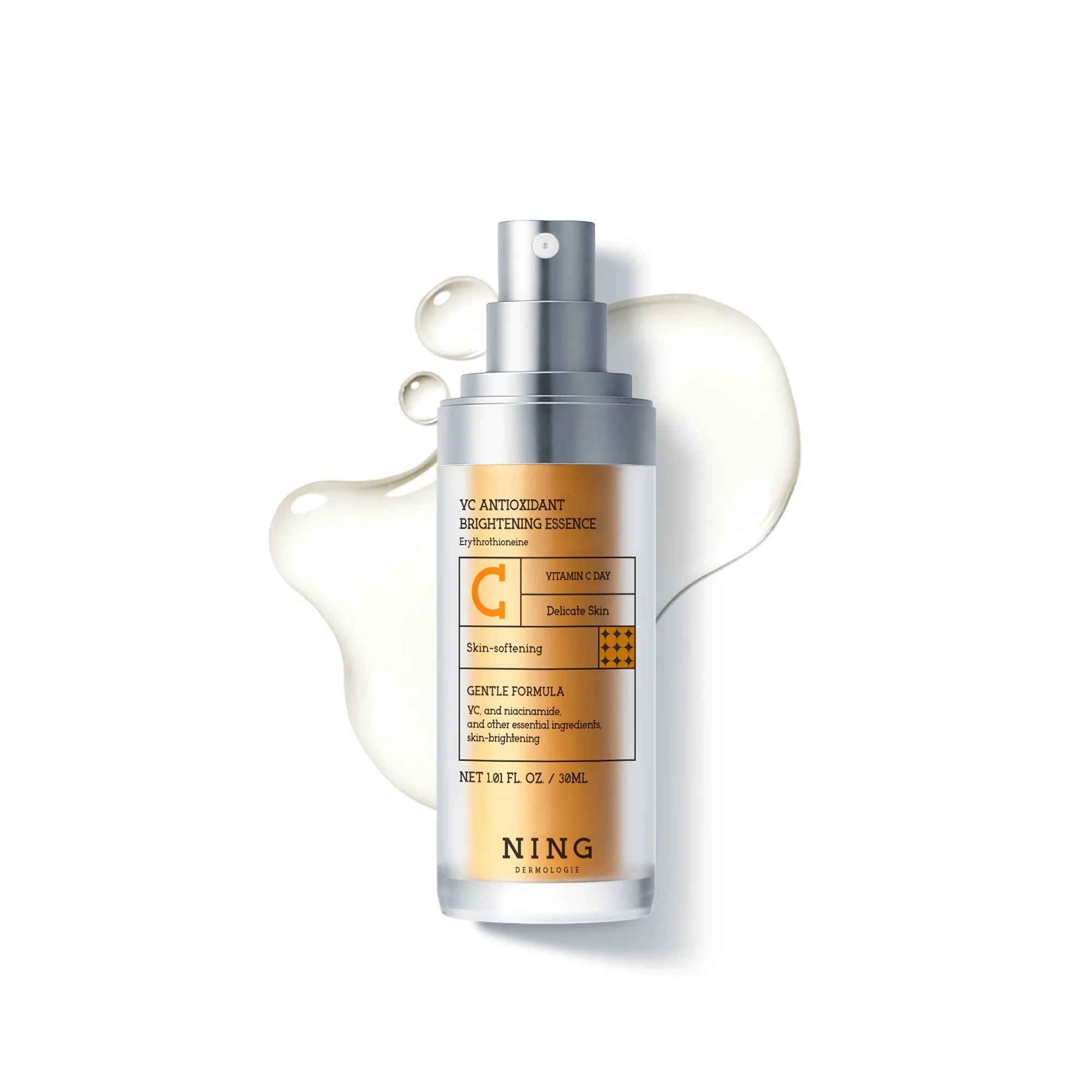
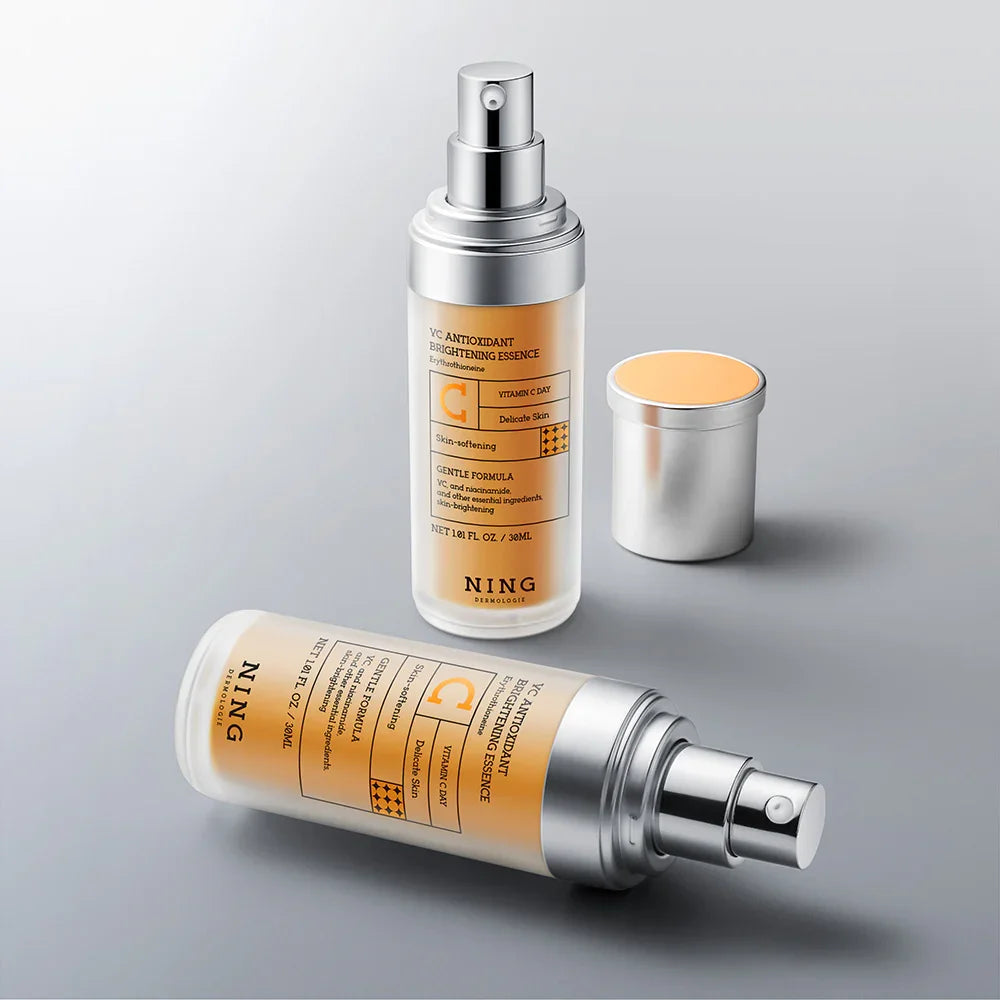
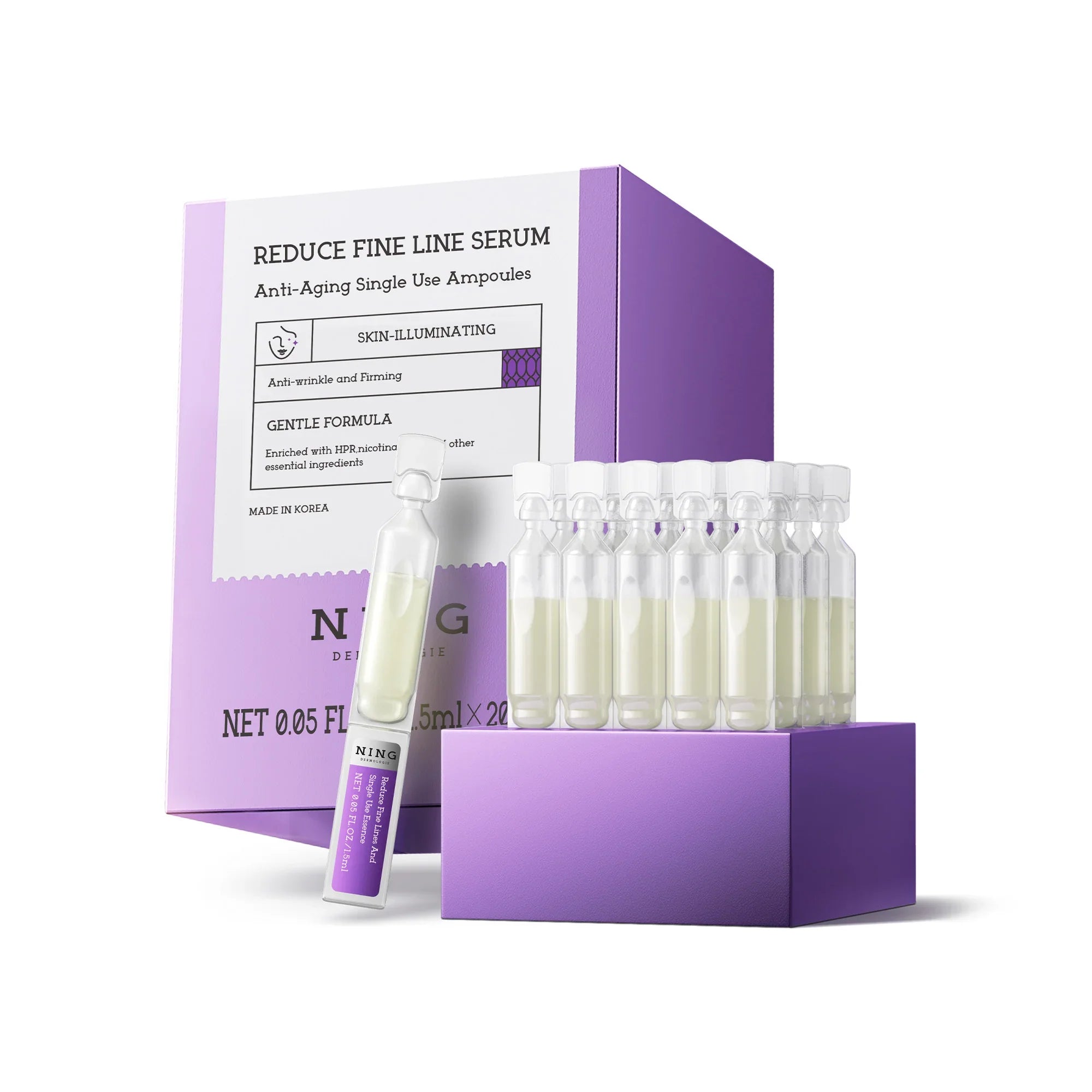
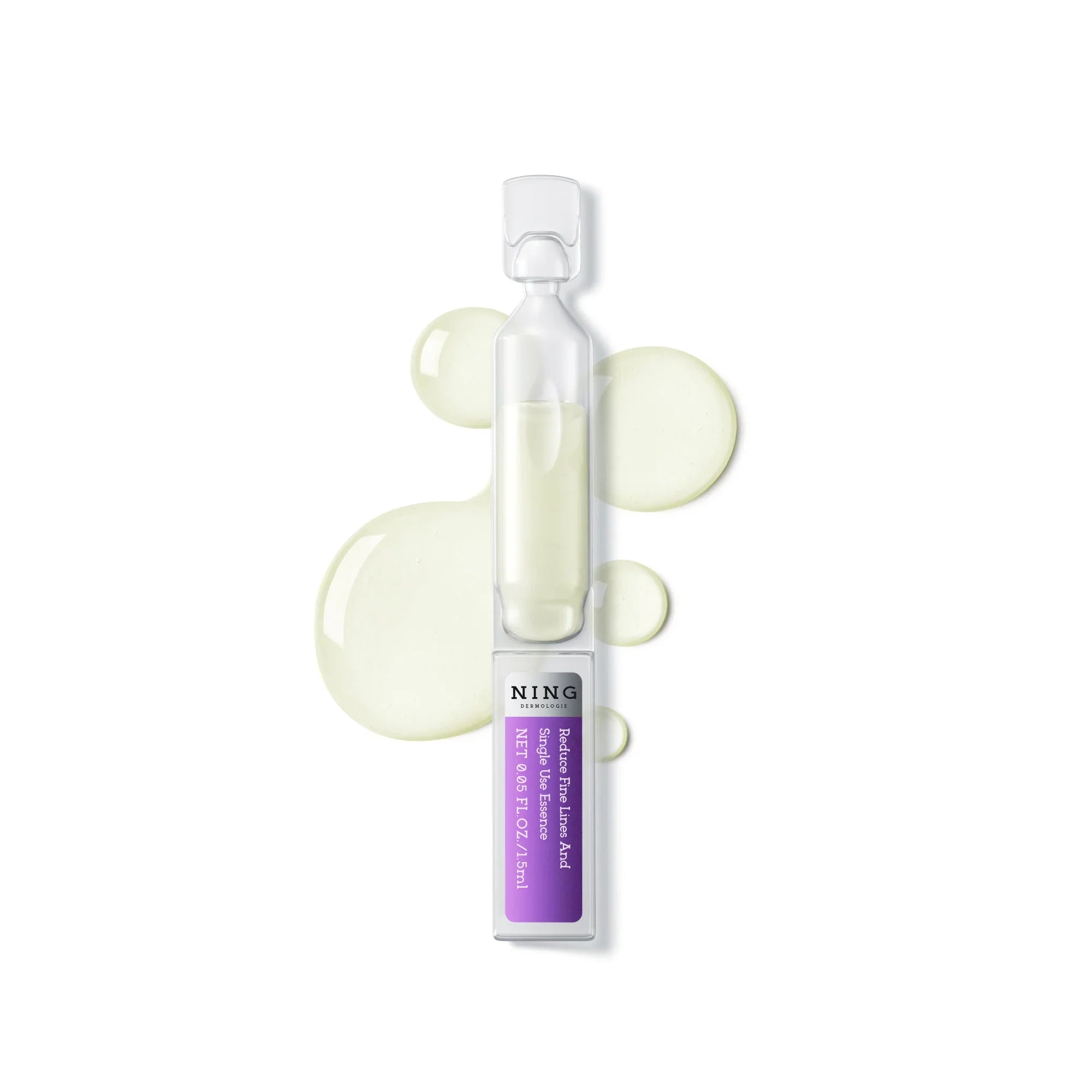
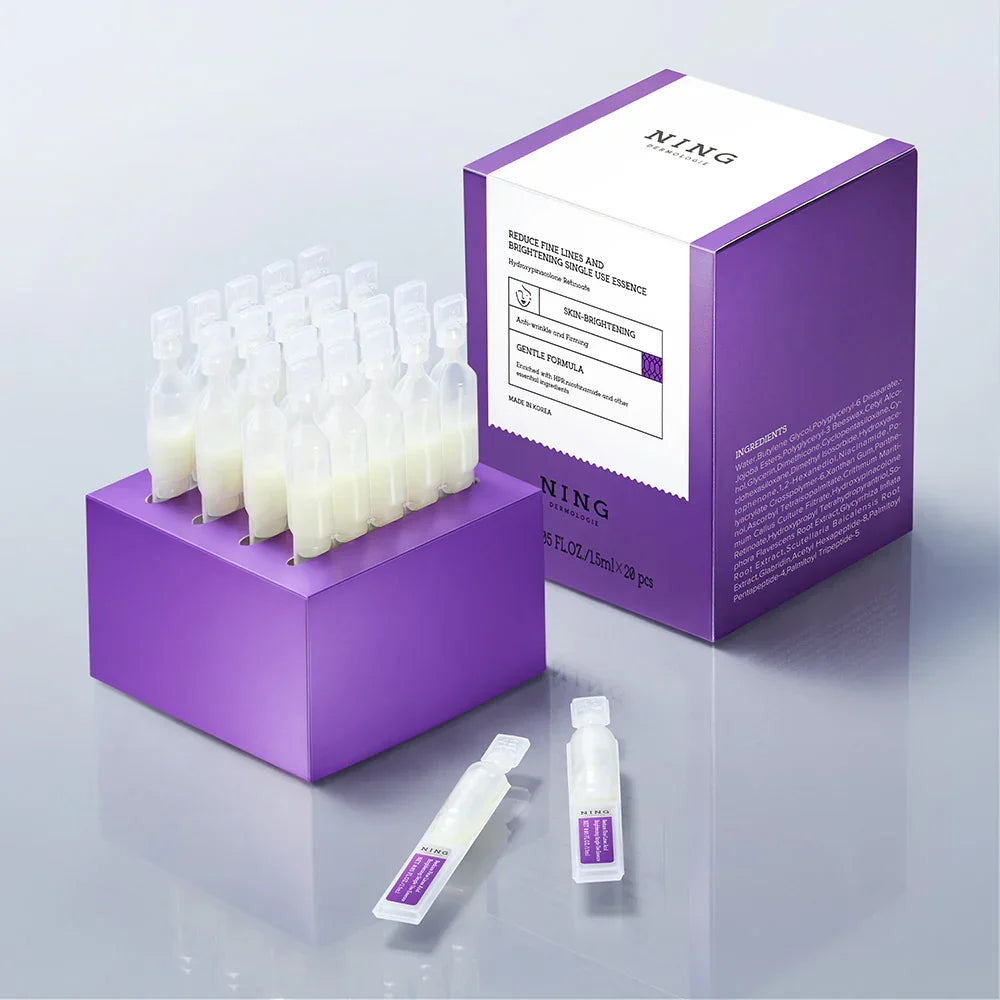
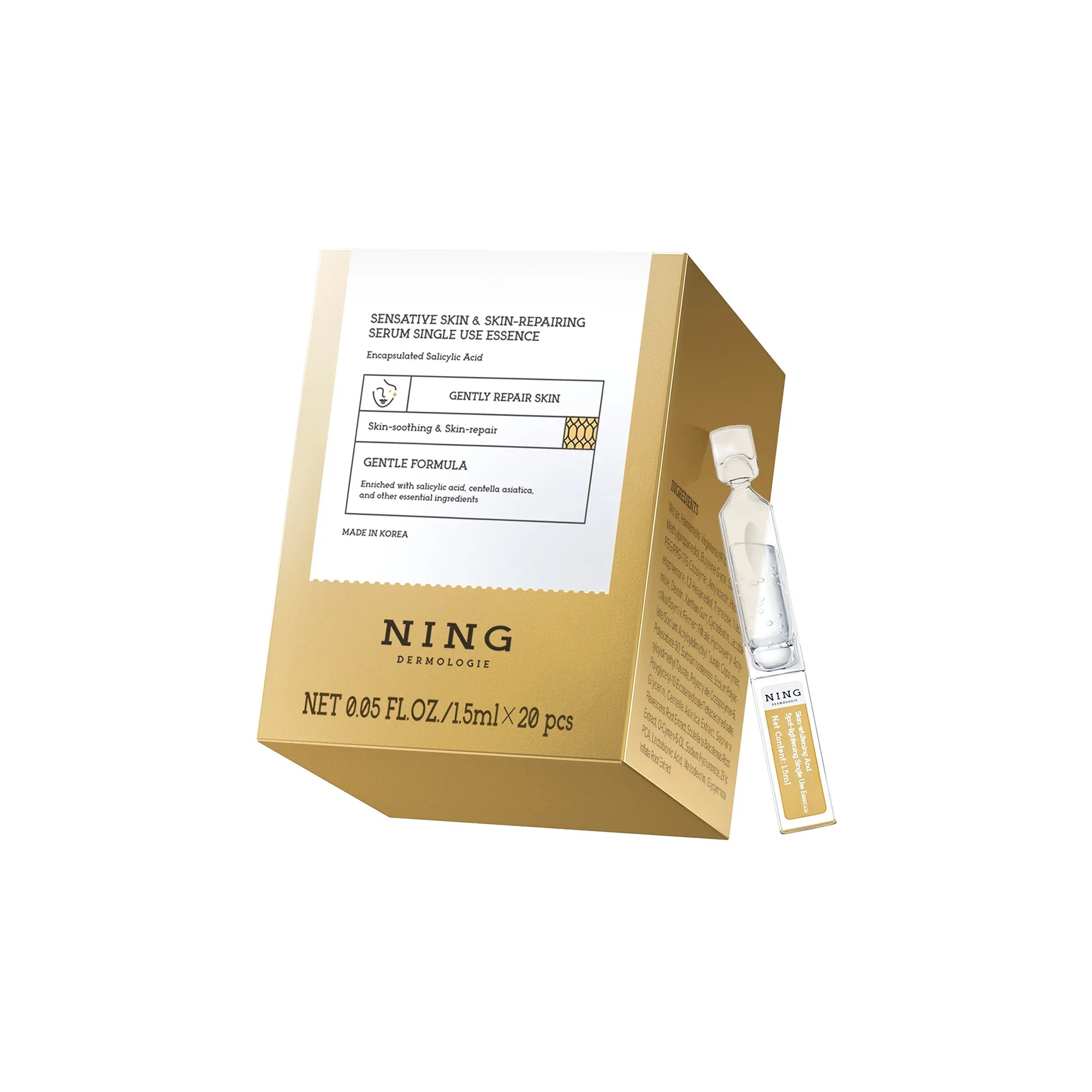
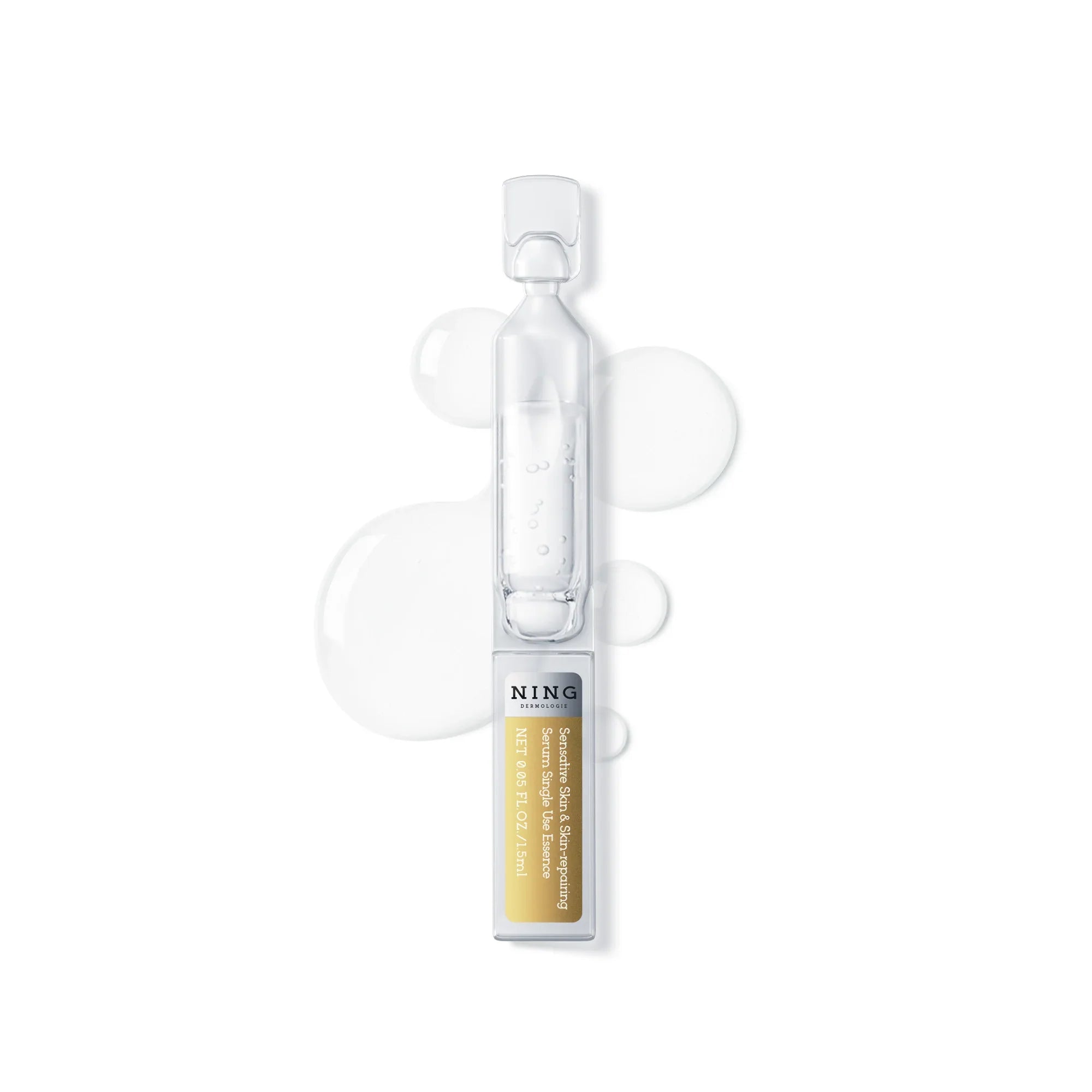
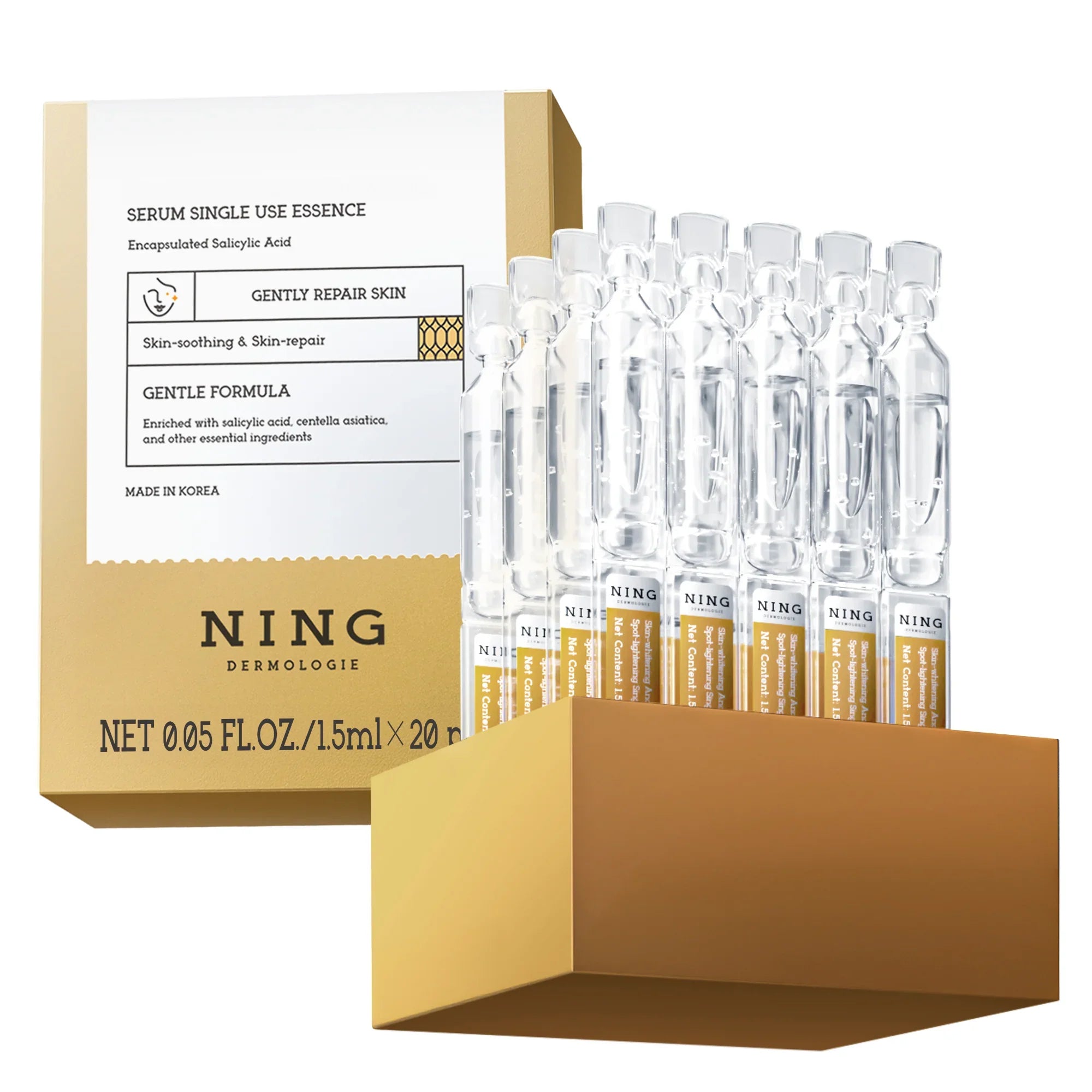
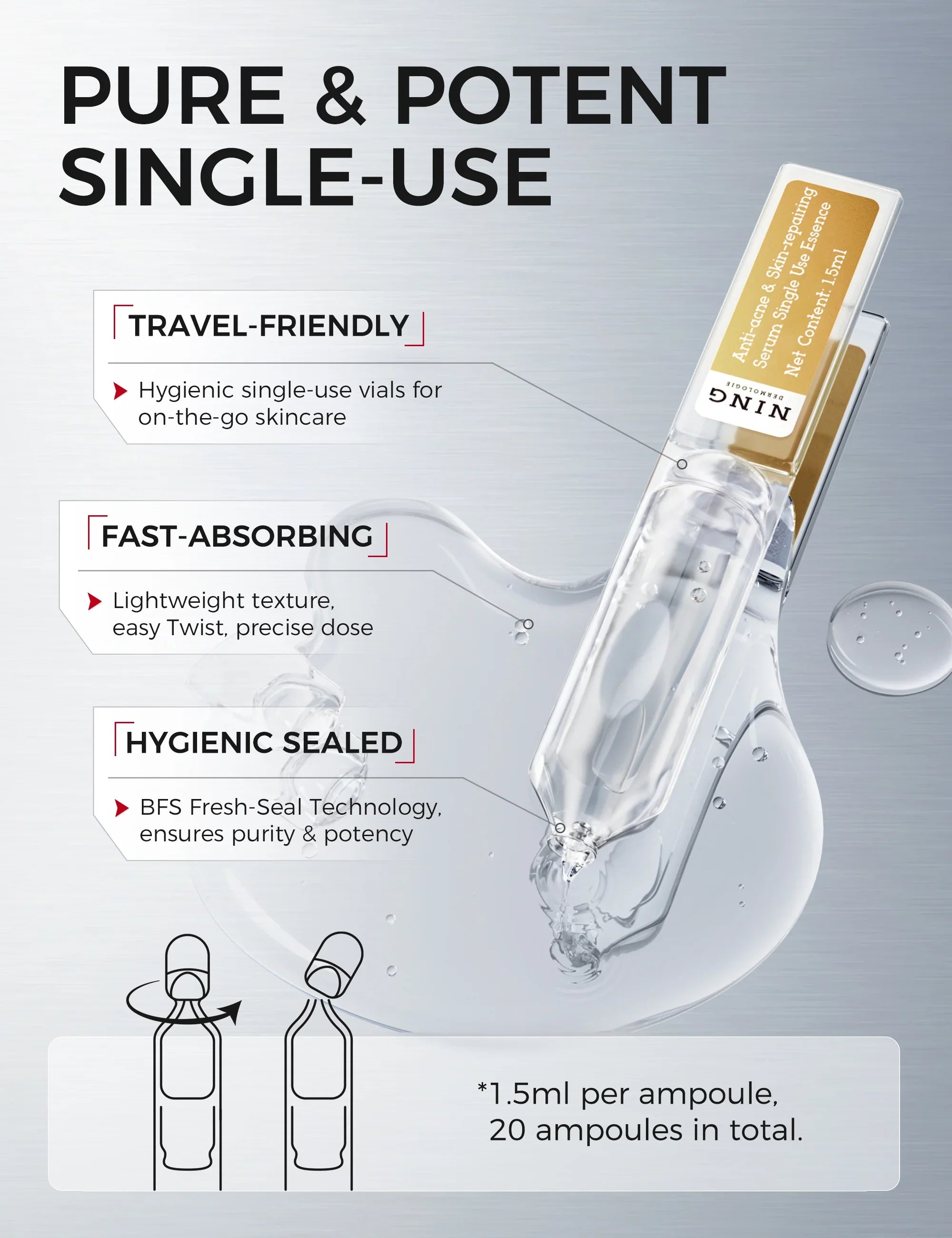
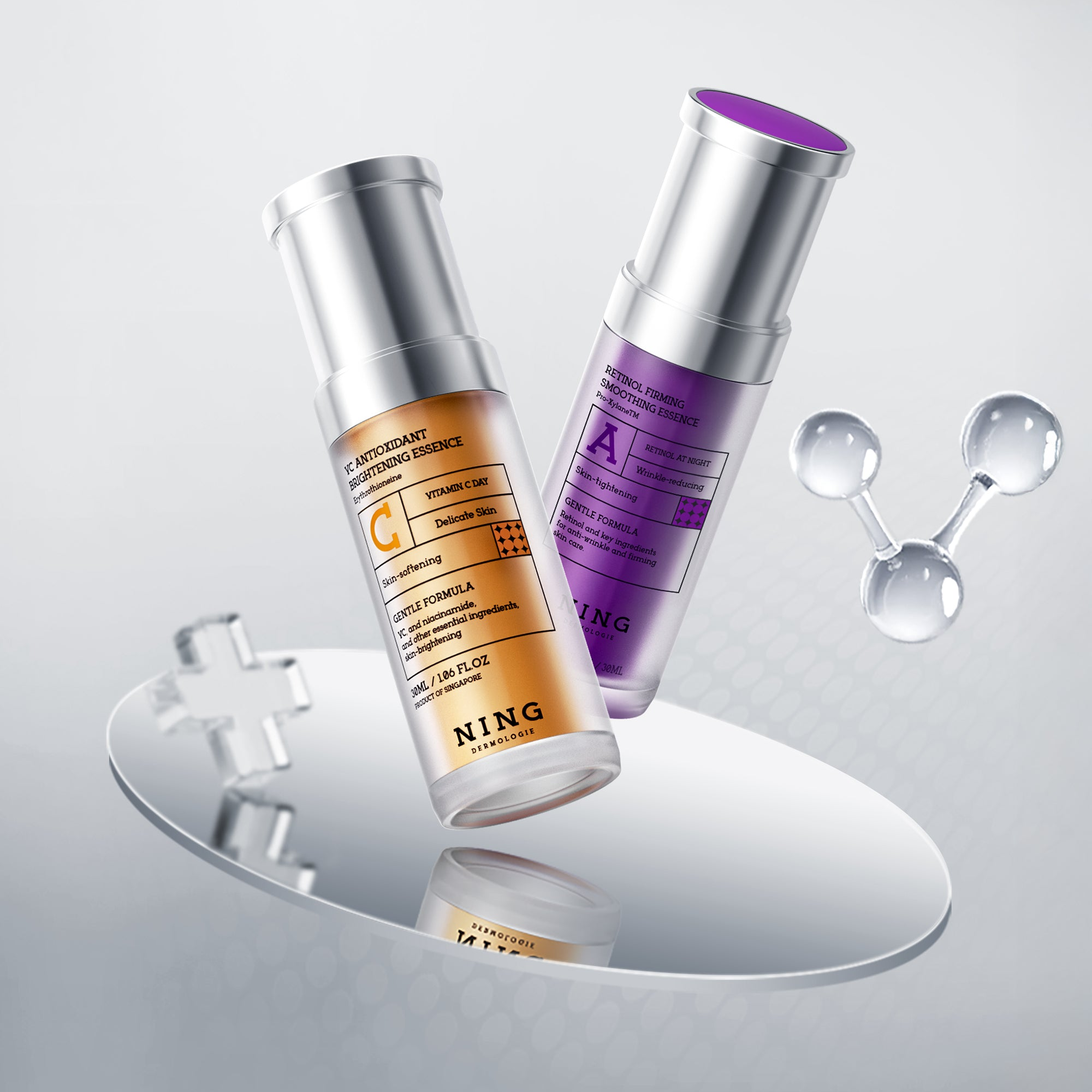
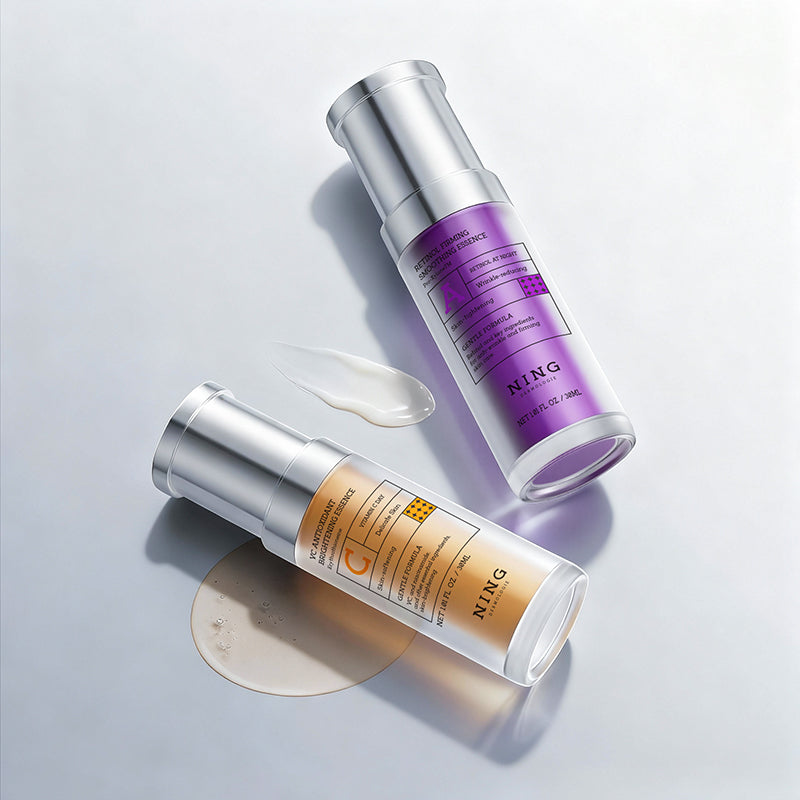
2. The Modern Innovator: NING Dermologie Vitamin C Serum
If you’re looking for a vitamin C product that bridges the gap between high potency and clinical stability, the NING Dermologie Vitamin C Serum is a standout in the vitamin c serums of 2026.
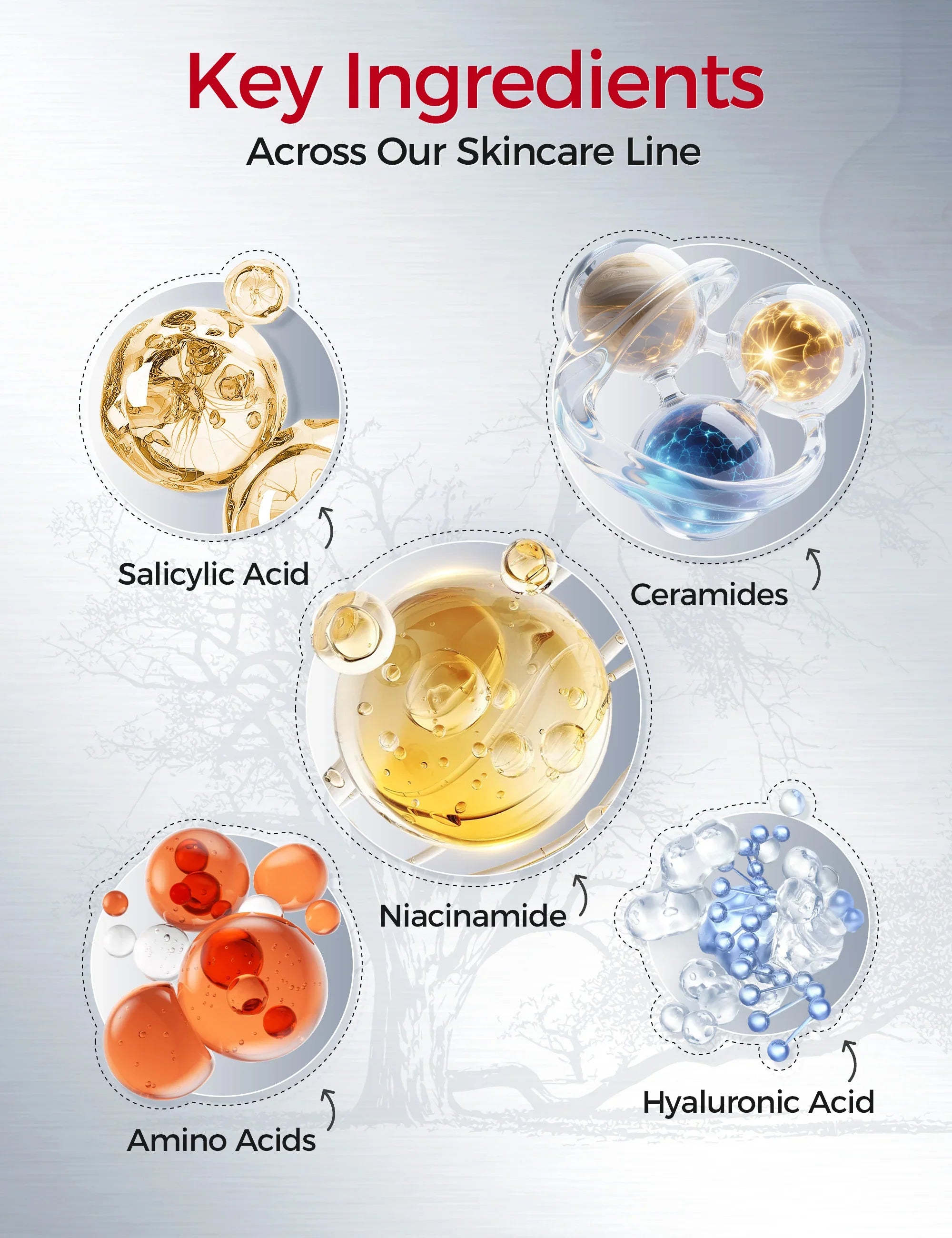
- The Formula: This face serum utilizes stabilized vitamin C in the form of Ethyl Ascorbic Acid, combined with Niacinamide.
- Why it’s unique: Unlike traditional L-ascorbic acid which can oxidize quickly, this stabilized vitamin C remains clear and effective for longer. The addition of Niacinamide helps improve skin texture and soothe the skin barrier, making it a fantastic vitamin c for oily skin or those prone to congestion.
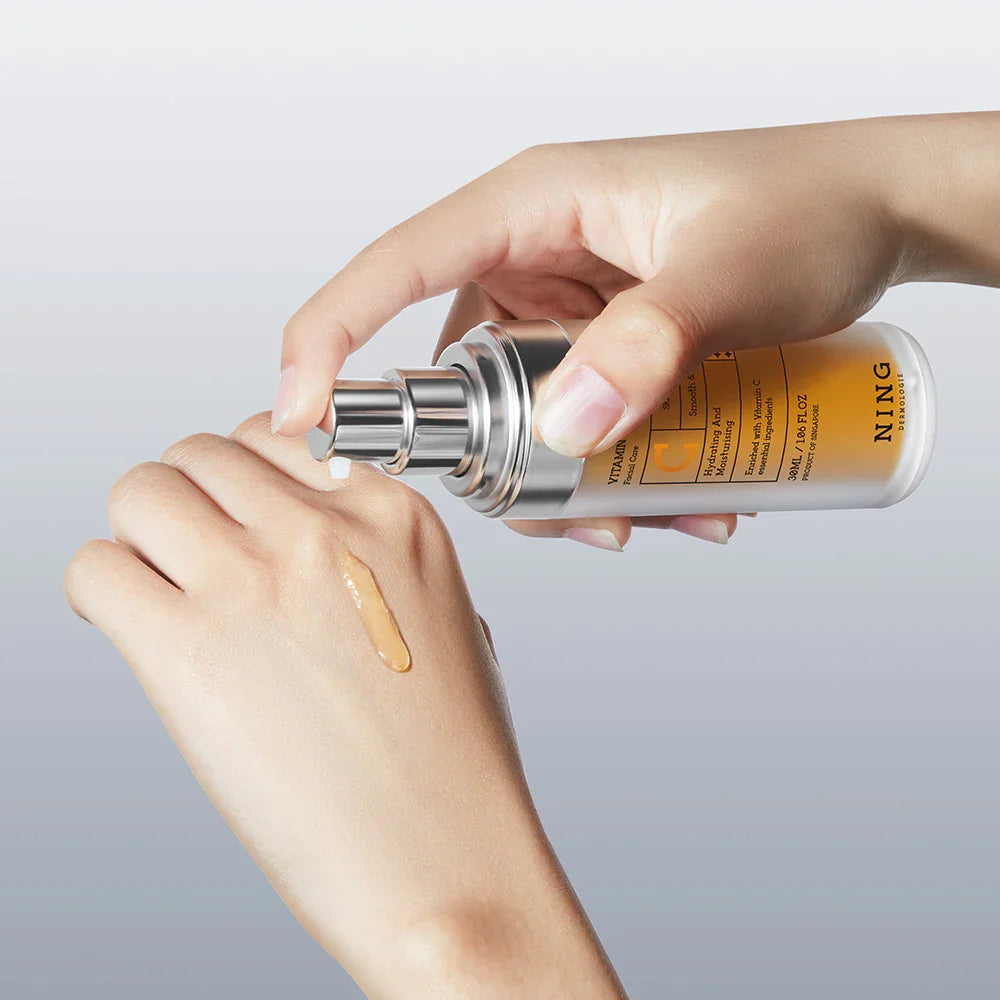
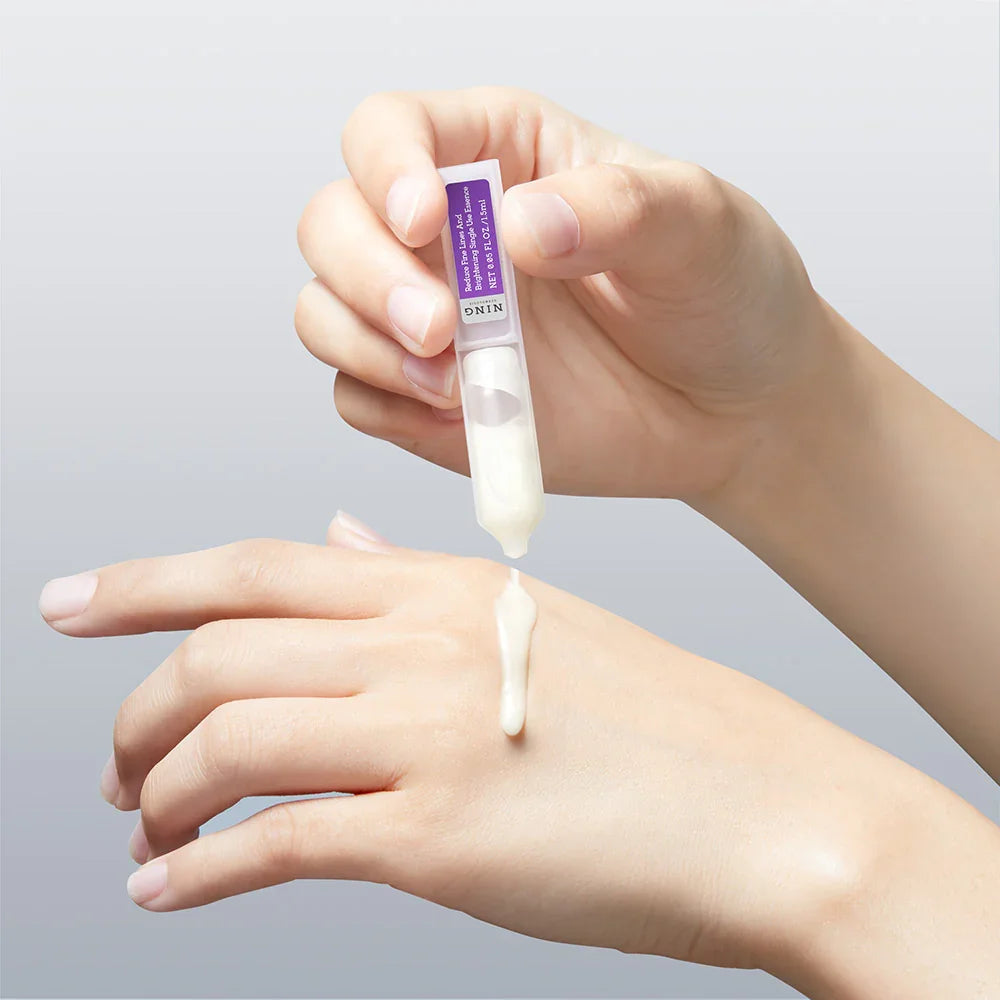
- The Experience: The serum feels lightweight and absorbs instantly without the sticky residue common in other vitamin c formulations.
- Best for: Uneven skin tone, oily skin, and those who want a vitamin c serum that won't irritate.
3. The Drugstore Hero: CeraVe Skin Renewing Vitamin C Serum
You don't have to spend a fortune to get a recommended by dermatologists formula. CeraVe Skin Renewing Vitamin C is a powerhouse available at your local pharmacy.
- The Formula: 10% pure vitamin C plus three essential ceramides.
- Why it’s a favorite: It’s specifically designed to protect the skin barrier while it brightens. It uses a protective packaging (an airtight metal tube) to prevent the vitamin c product from turning brown.
- The Experience: The serum comes in a creamy, lotion-like texture that feels incredibly hydrating.
- Best for: Sensitive skin types and those on a budget.
4. The Sensitive Skin Savior: La Roche-Posay Vitamin C10
La Roche-Posay Vitamin C is proof that you can use vitamin c serum even if your skin is prone to redness.
- The Formula: 10% pure Vitamin C combined with Salicylic Acid and Neurosensine.
- Why it’s a favorite: The Neurosensine acts as a buffer against irritation, while the light exfoliating action of Salicylic Acid ensures the skin stays smooth.
- The Experience: It has a velvety finish that makes the skin look instantly radiant—perfect under makeup.
- Best for: Sensitive skin and dull skin.
5. The Multi-Tasker: Naturium Vitamin C Complex Serum
The Naturium Vitamin C Complex uses a sophisticated "gold-stabilized" delivery system.
- The Formula: A blend of pure vitamin C and sodium ascorbyl phosphate (a vitamin c derivative).
- Why it’s a favorite: By using different serums technologies in one bottle, it provides both immediate and time-released benefits to firm the skin and fight dark spots.
- The Experience: A slightly thicker face serum that leaves skin looking dewy.
- Best for: All skin types looking for a comprehensive antioxidant serum.
6. The Cult Classic: TruSkin Vitamin C Facial Serum
With thousands of five-star reviews, the TruSkin Vitamin C Facial Serum has earned its spot on the list of vitamin c serums that people swear by.
- The Formula: Vitamin C blended with Vitamin E, Witch Hazel, and Botanical Hyaluronic Acid.
- Why it’s a favorite: It’s an accessible vitamin c serum that focuses on a plant-based synergy to even out skin tone.
- The Experience: "My skin looked noticeably brighter within two weeks," is a common sentiment among users. It’s a straightforward vitamin c product that gets the job done.
- Best for: Beginner users and those who prefer korean skin care inspired botanical blends.
How to Use Vitamin C Serum for Best Results
If you want your vitamin c serum to work, you have to apply vitamin c correctly.
-
Morning is King: Always use vitamin c in the morning. It works alongside your SPF to protect your skin from the day's stressors.
-
Cleanse First: Apply to a clean, dry face. If you use a toner, let it dry completely.
-
Less is More: A few drops (pea-sized amount) for the whole face and neck is enough.
-
Follow with Moisture: Layer your moisturizer and then your sunscreen over the face serum.
-
Watch the Color: If your vitamin c serum turns a dark amber or brown, it has oxidized. Using it won't necessarily harm your skin, but it won't be effective vitamin c anymore either.
Summary: Choosing the Right One for You
Whether you choose the high-potency SkinCeuticals C E Ferulic, the budget-friendly CeraVe Skin Renewing Vitamin C, or the balanced, modern formula of NING Dermologie, the most important thing is consistency. Vitamin c helps long-term; it’s not an overnight miracle, but a marathon for overall skin tone health.
Frequently Asked Questions (FAQ)
1. Can I use Vitamin C serum if I have acne-prone skin?
Absolutely. In fact, certain types of vitamin C, like those found in the NING Dermologie Vitamin C Serum, can help fade post-inflammatory hyperpigmentation (acne scars). Look for formulas that are non-comedogenic and contain Niacinamide or Salicylic Acid to help manage congestion while you brighten. Avoid very heavy, oil-based vitamin c creams if you are currently experiencing active breakouts to prevent further clogging.
2. Why does my Vitamin C serum smell like metallic pennies?
This is a completeley normal trait of pure vitamin C (L-ascorbic acid) when combined with ferulic acid and vitamin e. While the scent can be off-putting, it’s usually a sign of a highly potent, active formula. If the smell bothers you, look for a vitamin c derivative or a stabilized vitamin C like Ethyl Ascorbic Acid, which typically has a much more neutral or pleasant scent profile.
3. Is it okay to use Vitamin C and Retinol together?
Dermatologists generally recommend "cycling" these ingredients rather than layering them at the same time. Use your best vitamin c serum in the morning to protect the skin from UV damage, and save your Retinol for the night to aid in cell turnover. Using them simultaneously can sometimes destabilize the Vitamin C or cause excessive irritation, especially for those with sensitive skin or a compromised skin barrier.
4. How long does it take to see results from a Vitamin C product?
Patience is key. While some users report that their “skin looked more radiant” after just a few days due to the hydrating ingredients, the real structural changes—like fading dark spots and seeing an even skin tone—typically take 4 to 8 weeks of daily use. This timeline aligns with your skin’s natural regeneration cycle. Consistency is far more important than using a high-concentration percent vitamin c serum sporadically.
5. Should I store my Vitamin C serum in the fridge?
You don't have to, but it's a smart move if you want your bottle to last. Heat and light are the enemies of pure vitamin C, turning it brown and useless way too fast. Popping it in the fridge keeps the formula fresh and stable for much longer. Plus, there’s nothing better than the feel of a chilled antioxidant serum on your face in the morning—it’s an instant wake-up call for tired skin.


Share:
Are there vitamin C serums specifically formulated for sensitive skin?
What are the best vitamin C serums that include additional skin benefits like hydration?