

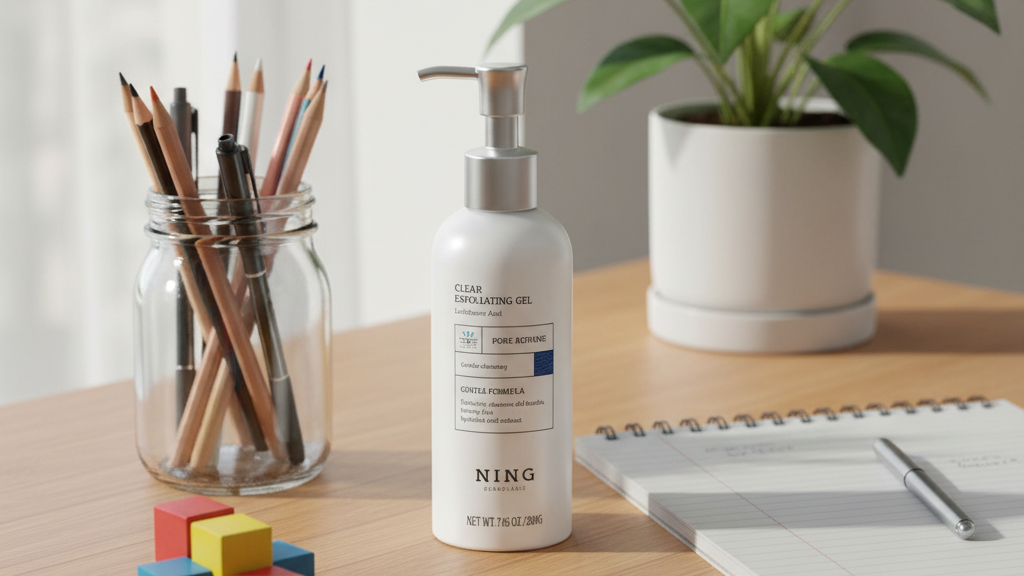

The Truth About Shrinking Pores: How to Locate the Right Exfoliating Face Wash
Let’s be real for a second: pores do not have muscles. They cannot "open" like doors or "close" like windows, despite what that $50 bottle of toner might claim. However, they can stretch. When dirt, oil, and dead skin cells get trapped inside a pore, it expands, making it look significantly larger on your face.
If you are on a mission to locate exfoliating face wash products that also offer pore-minimizing benefits, you aren't actually looking to shrink the pore itself—you are looking to clean out the gunk stretching it out.
The secret isn’t scrubbing your face raw; it’s mastering the art of cell turnover. This guide cuts through the noise to help you find the right pore minimizer that balances deep cleaning with barrier protection.

Why Your Current Face Wash Might Be Failing You
Standard cleansers are great for removing surface dirt, but they often lack the muscle to deal with dead skin cells that accumulate daily. When these cells aren't removed, they mix with sebum (oil) and create a plug.
To see real changes in skin clarity and texture, you need a product that does two things simultaneously:
- Breaks down the bonds holding dead skin to the surface.
- Dissolves the oil hardening inside the pore.
This is where the debate between chemical exfoliant vs. physical exfoliants begins.
The Ingredient Checklist: What Actually Works?
When scanning labels, ignore the "miracle" claims and turn the bottle around. You want to see specific active ingredients.
1. The Acids (Chemical Exfoliation)
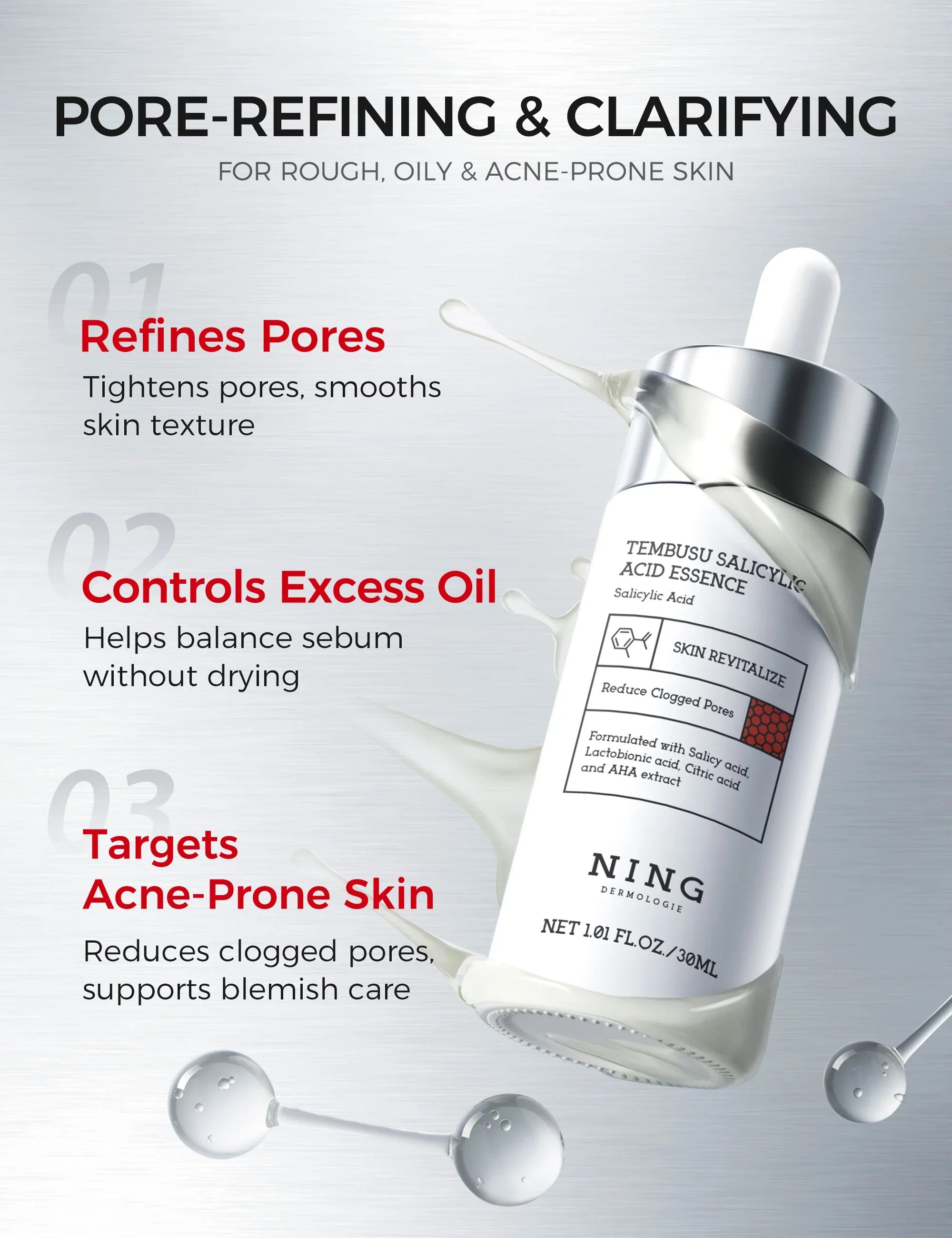
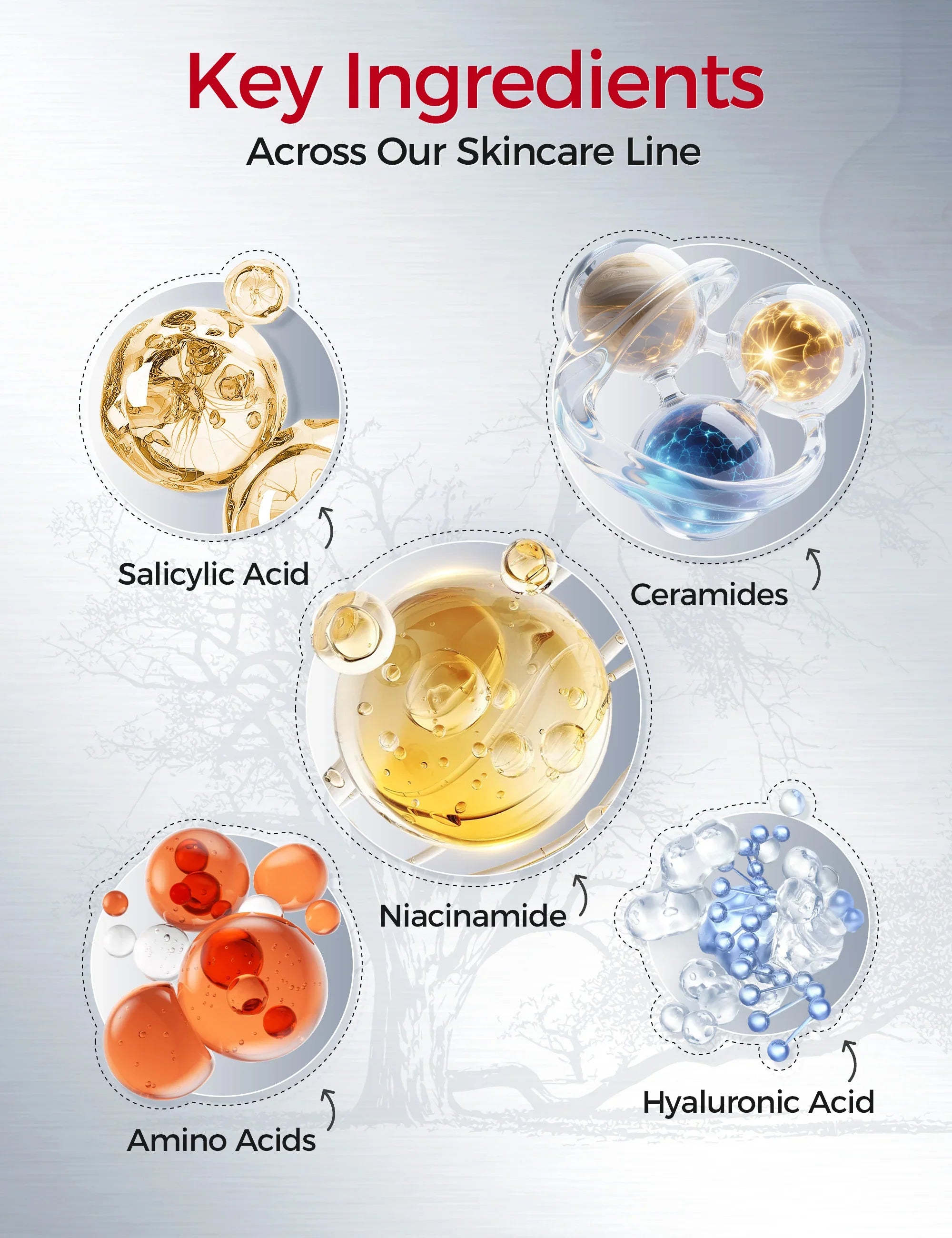
- Salicylic Acid (BHA): If you have normal to oily skin, this is non-negotiable. BHA is oil-soluble, meaning it dives deep into the pore to dissolve the glue holding debris together. It is the gold standard for an oil-control face wash.
- Glycolic Acid & Lactic Acid (AHA): These alpha hydroxy acids work on the surface. They dissolve the top layer of dead skin to reveal fresh cells underneath. Lactic acid is particularly good for dry, dehydrated skin because it hydrates while it exfoliates.
- Poly Hydroxy Acids (PHAs): Think of these as the gentle cousins of AHAs. They have a larger molecule size, so they don't penetrate as deeply, making them safer for sensitive skin.
2. The Enzymes (The Gentle Option)
Not everyone can handle daily acids. Fruit enzymes are a fantastic alternative. Ingredients like Carica papaya Extracts and Pineapple Core naturally digest dead protein (skin cells) without altering the skin's pH balance too drastically.
3. The Hydrators (The Safety Net)
You cannot just strip the skin. A good pore minimizing cleanser must rebuild the moisture barrier immediately. Look for Amino Acids, Hyaluronic Acid, or epidermal growth factor components to prevent that "tight" feeling.
The Danger of "Scrubbing" Away Pores
For years, we were told that gritty face scrubs were the answer. We’ve all made the mistake of using harsh apricot kernels or walnut shells. Board-certified dermatologist groups, including the American Academy of Dermatology, have long warned that jagged physical scrubs can cause micro-tears in the skin. This leads to inflammation, which ironically causes swelling that makes pores look bigger.
If you love the feeling of a scrub, look for jojoba beads or soft silica. These are spherical and polish the skin without scratching it. Alternatively, modern peeling gels use friction to ball up dead skin without abrasion.
Product Spotlight: The NING Dermologie Approach
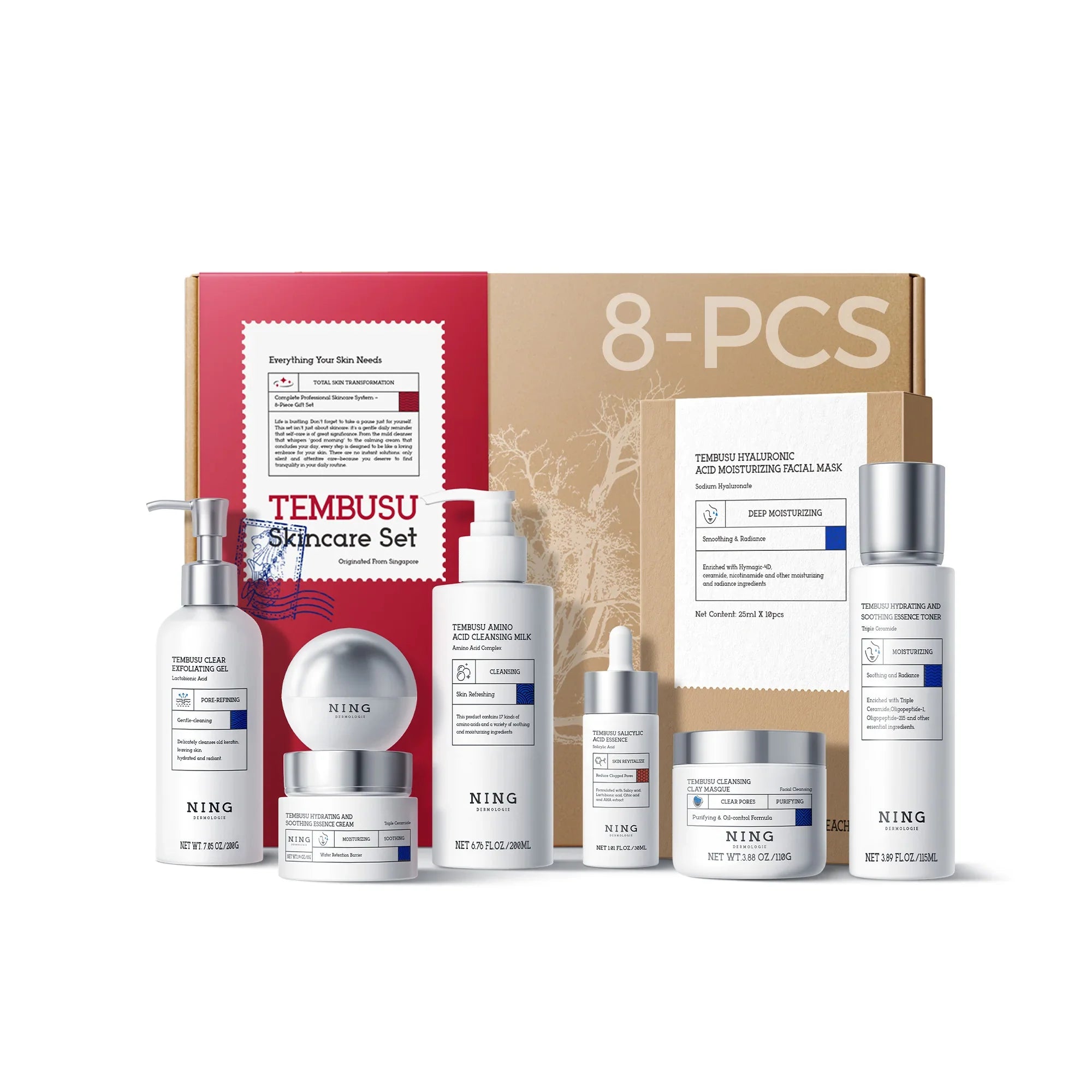
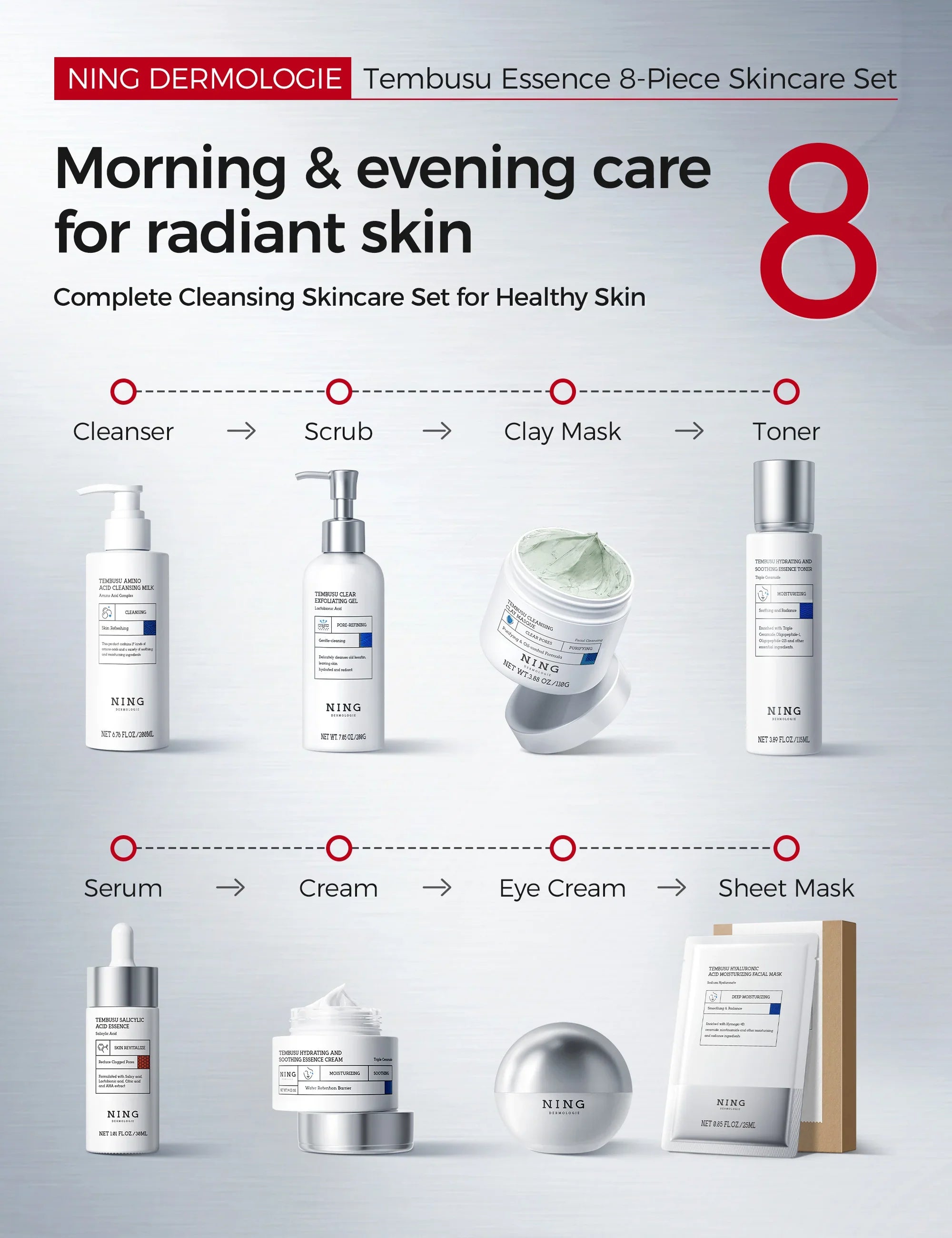
In the crowded market of exfoliating face washes, finding a balance between efficacy and gentleness is rare. This is where NING Dermologie has carved out a niche.
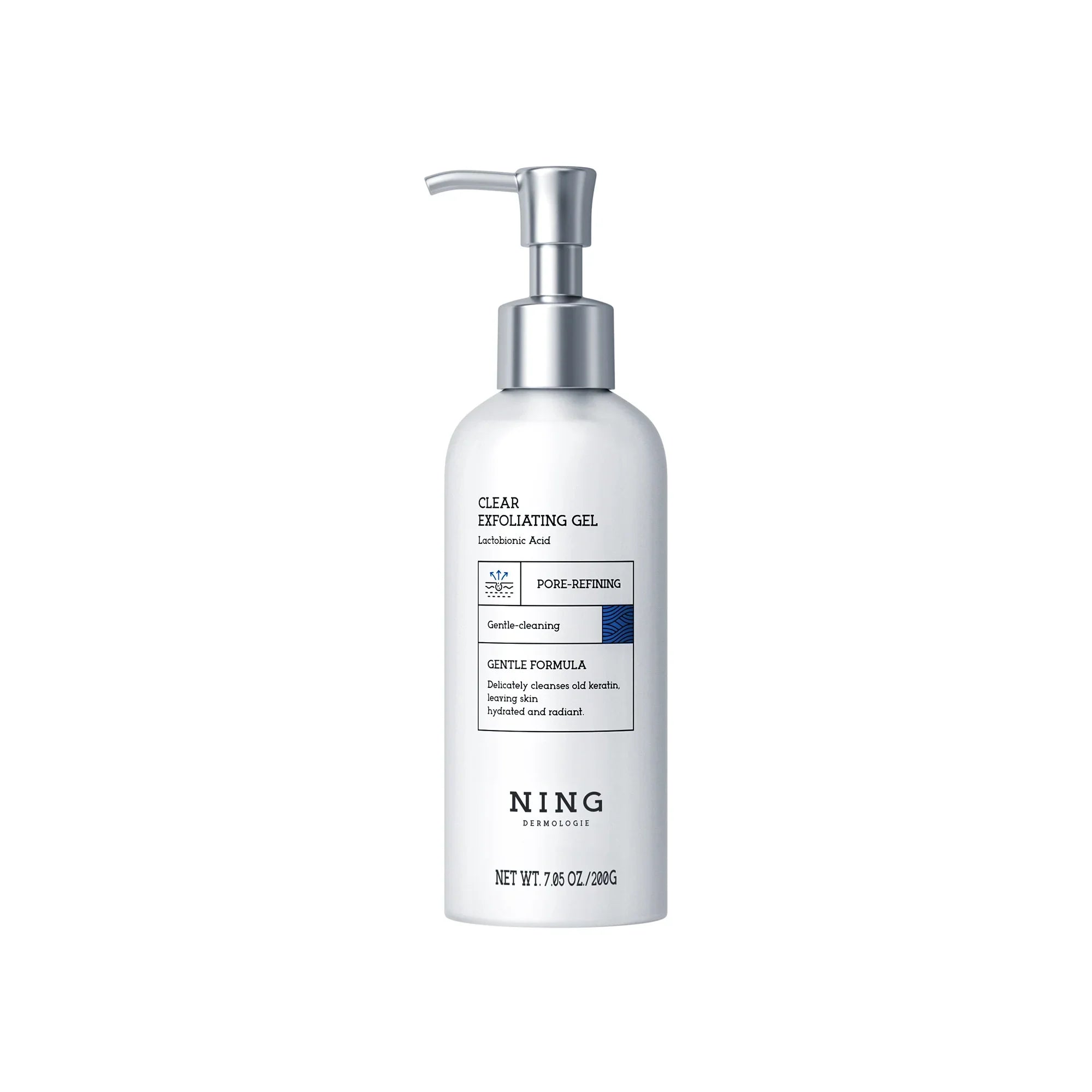
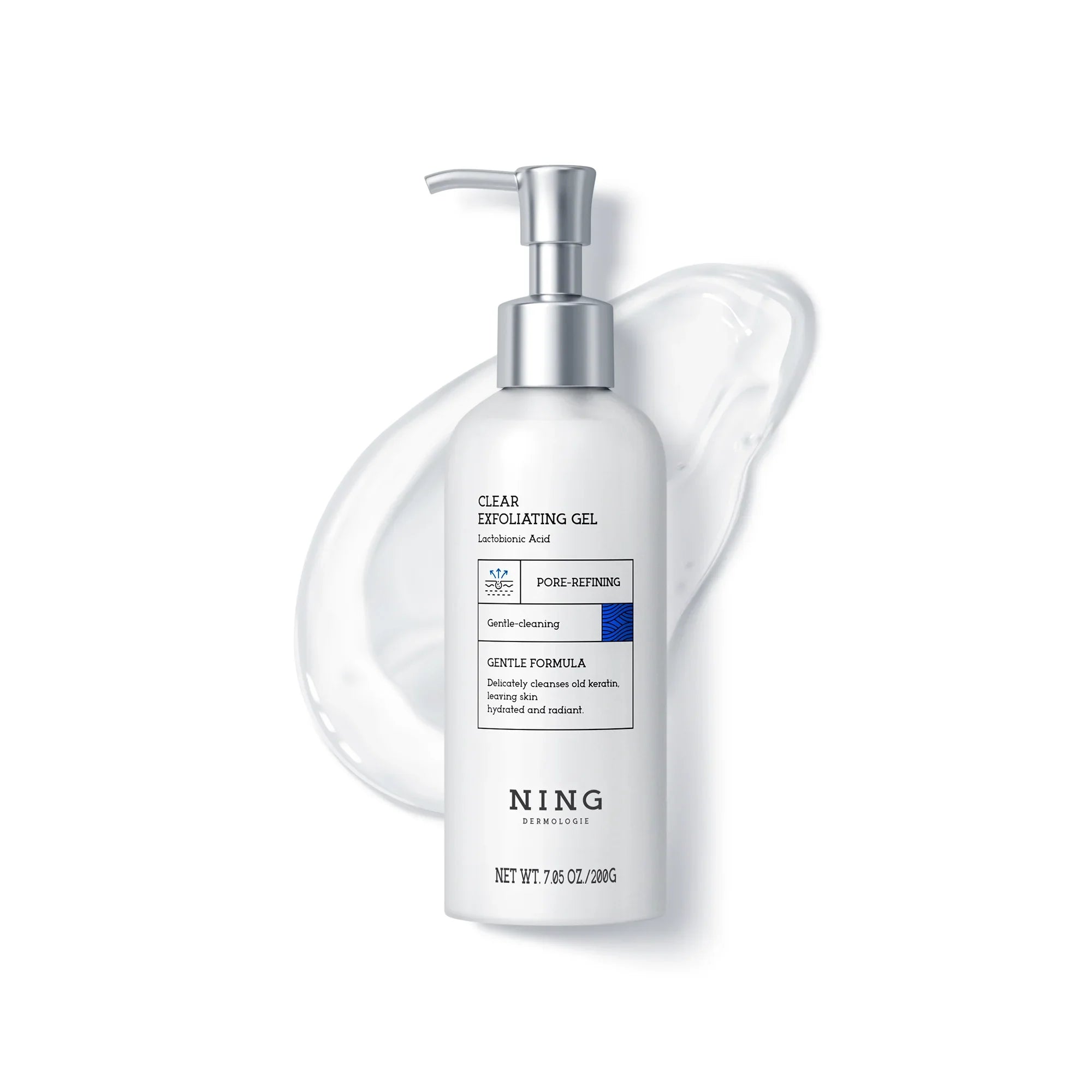
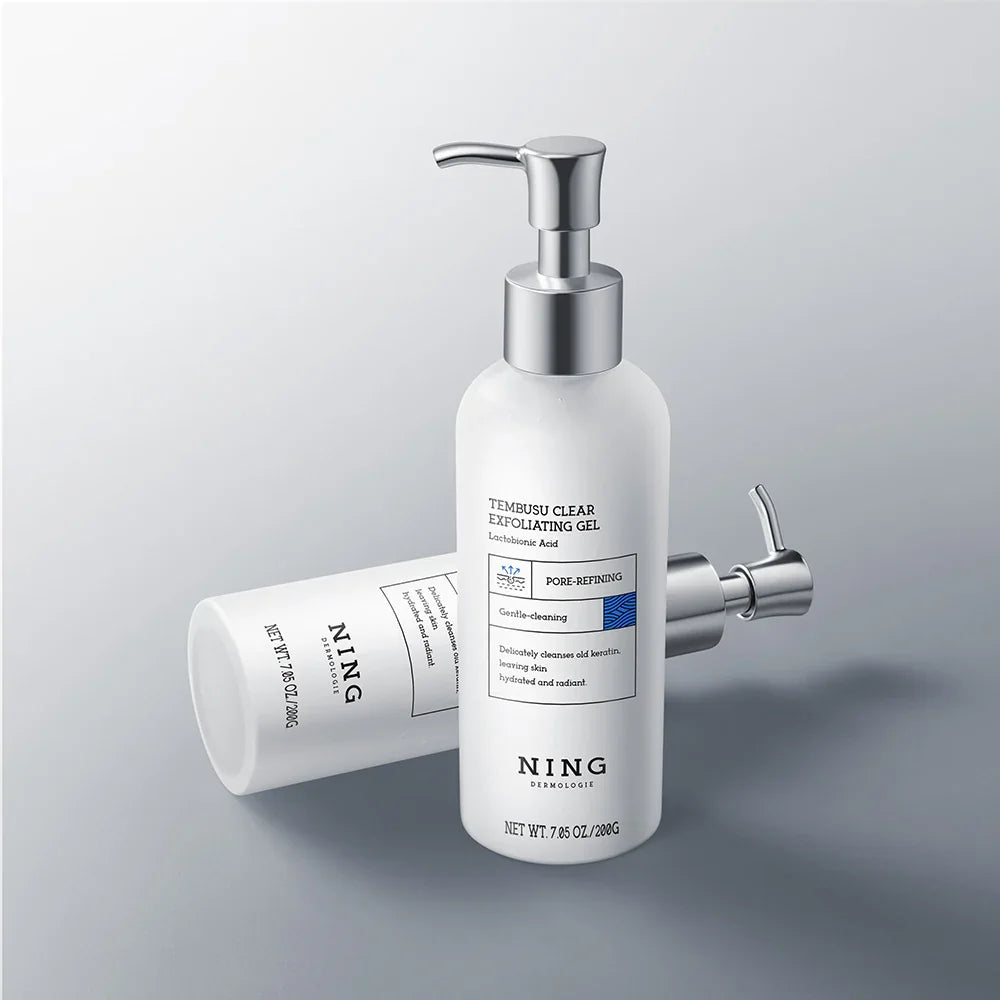
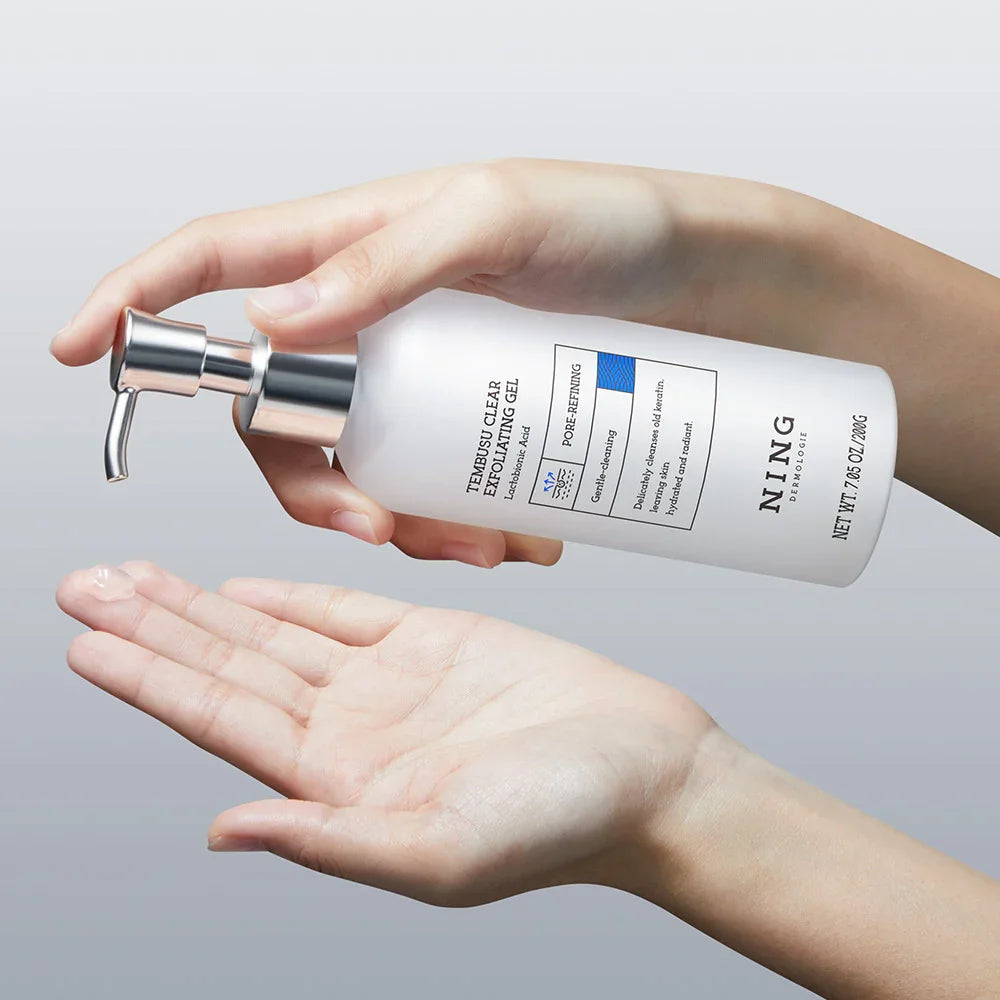
We developed theExfoliating Face Wash (Peeling Gel)specifically to address the pore dilemma without compromising the skin barrier.
Why It’s Different
Instead of relying on harsh grit or aggressive acids that can burn, this product utilizes the power of nature’s chemistry:
- Enzymatic Action: It uses Carica papaya Extracts and Pineapple Core. These enzymes specifically target dead protein.
- Visible "Peeling": As you massage it in, the gel bonds with your dead skin cells and balls up. You can physically see the purifies skin process happening, which is incredibly satisfying, but it feels like a massage, not a scratch test.
- Barrier Support: Infused with Amino Acids, it leaves the skin feeling soft, not stripped.
It serves as a deep pore cleanser that prepares your canvas. When the dead layer is gone, your skin tone looks more even, and your follow-up products absorb better.
Building a Routine for Maximum Pore Minimizing
You cannot just buy a product, use it once, and expect glass skin. You need a strategy. Here is how to integrate an exfoliating wash into a comprehensive skincare routine.
Step 1: The Cleanse
Use your exfoliating products wisely.
- Oily Skin: You might use the NING Dermologie Peeling Gel 3-4 times a week.
- Sensitive Skin: Stick to 1-2 times a week.
- Pro Tip: Apply to dry or slightly damp skin. Massage gently for 60 seconds. This gives the amino acid surfactants and enzymes time to work.
Step 2: The Treatment
Once the pores are clear, you need to tighten the look of the skin and boost collagen production.
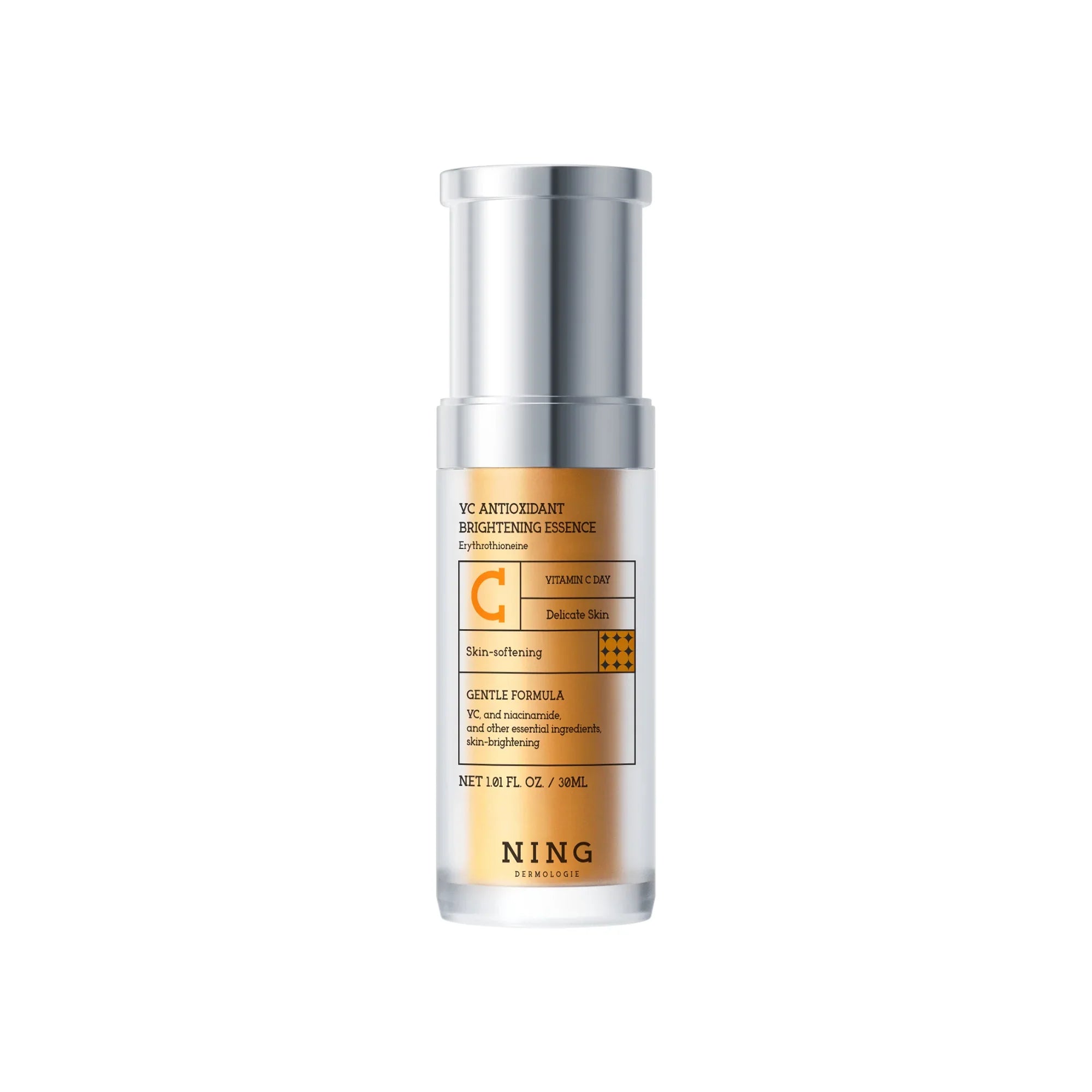
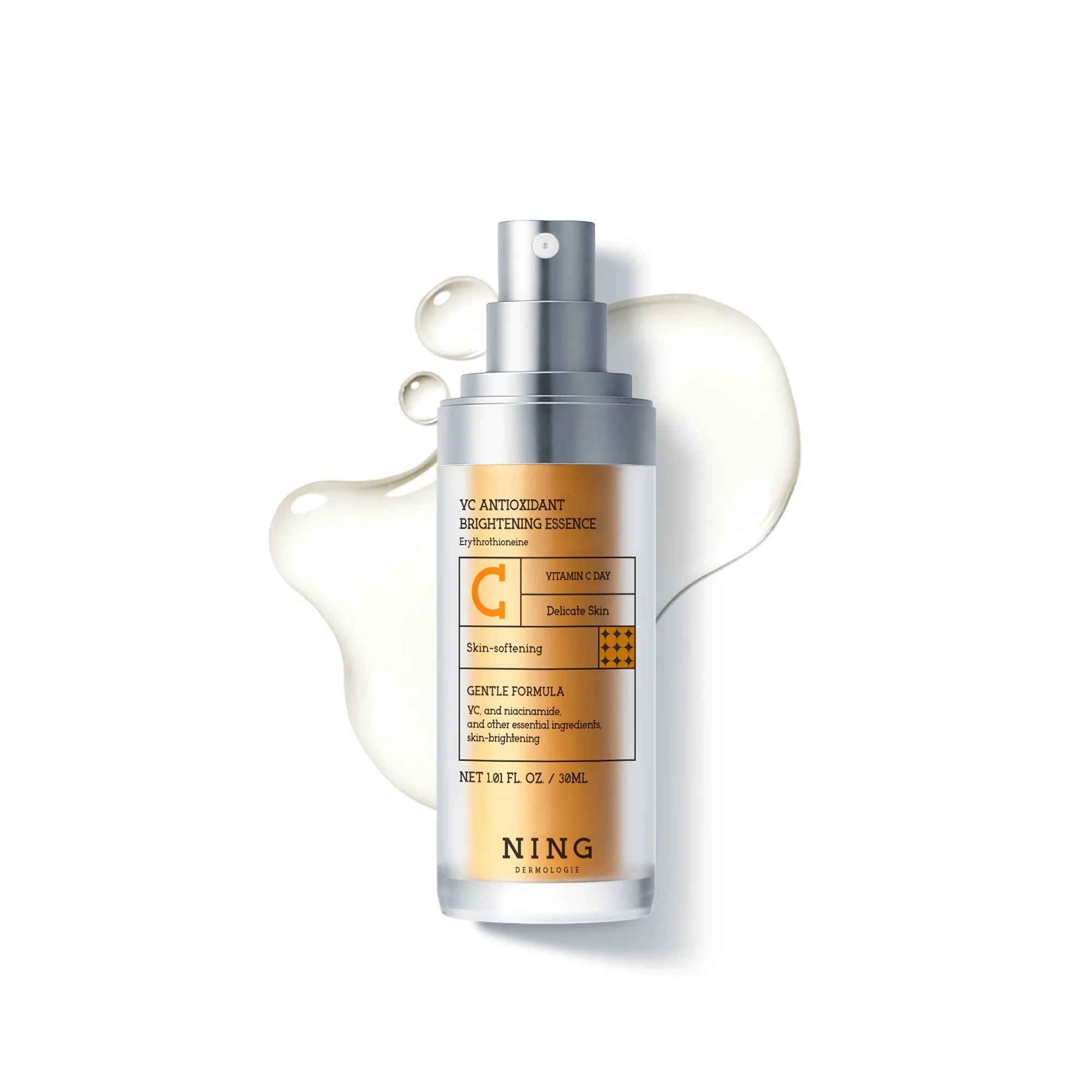
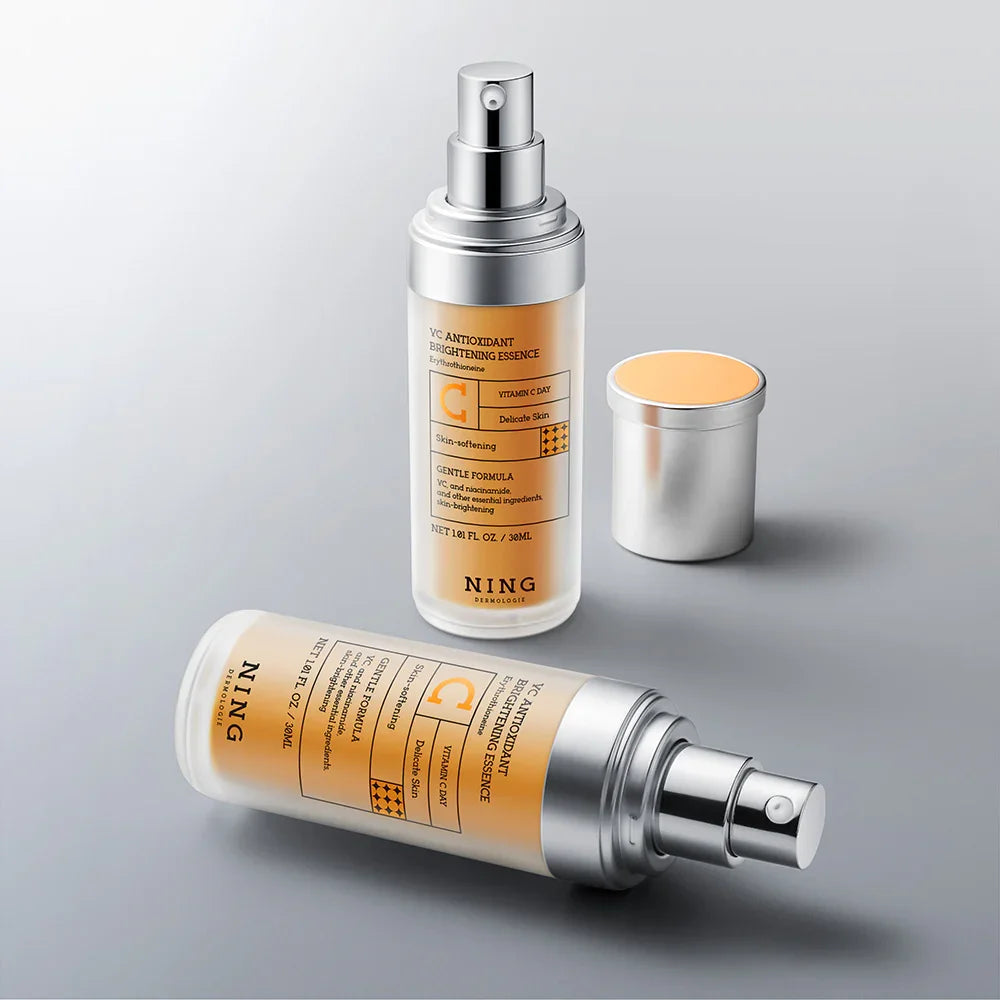
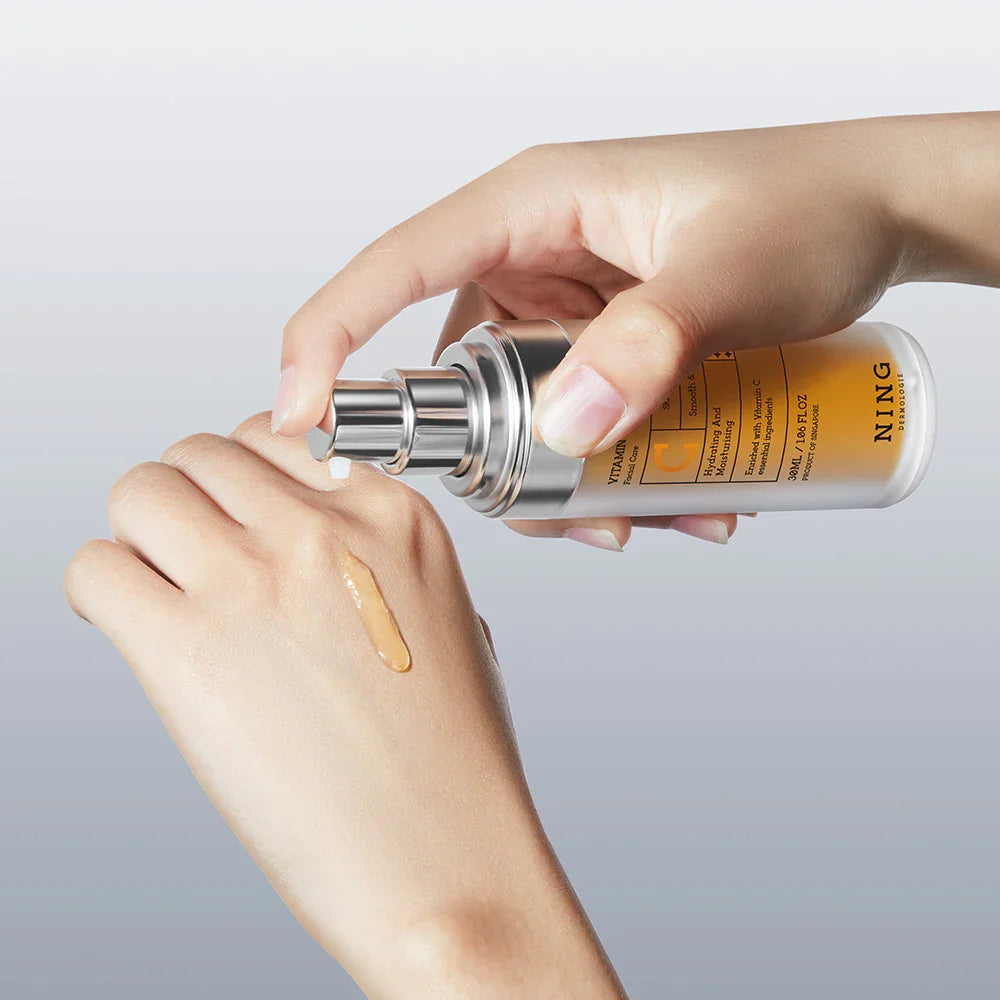
- Vitamin C: Apply Hydra-Bright Vitamin C Drops in the morning. Vitamin C protects against oxidation (which turns oil in pores black, creating blackheads).
- Retinoids/Peels: If you need heavy-duty help, products like AlphaRet Exfoliating Peel Pads or Peel Pads can be used at night (but don't use them on the same day you do a heavy physical scrub).
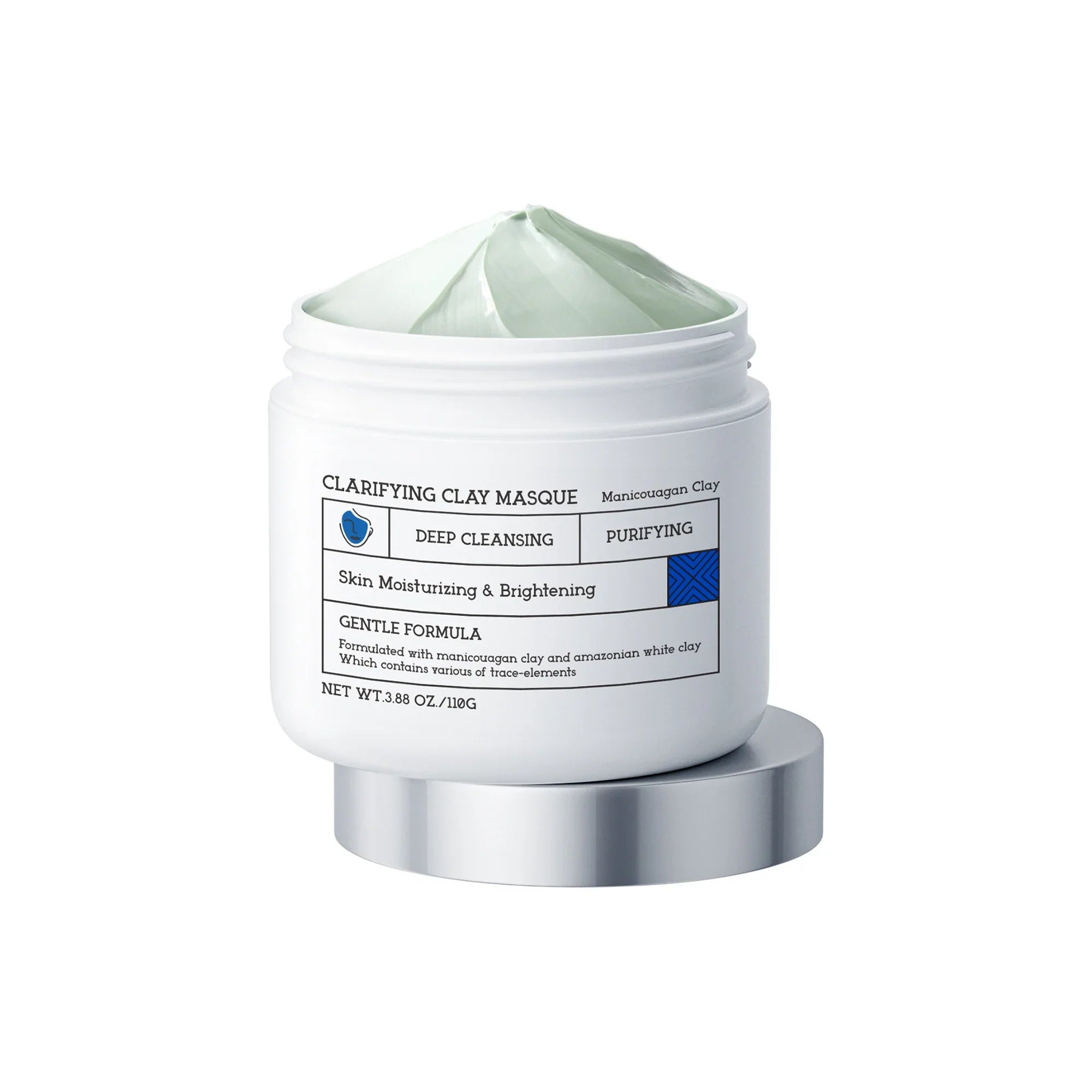
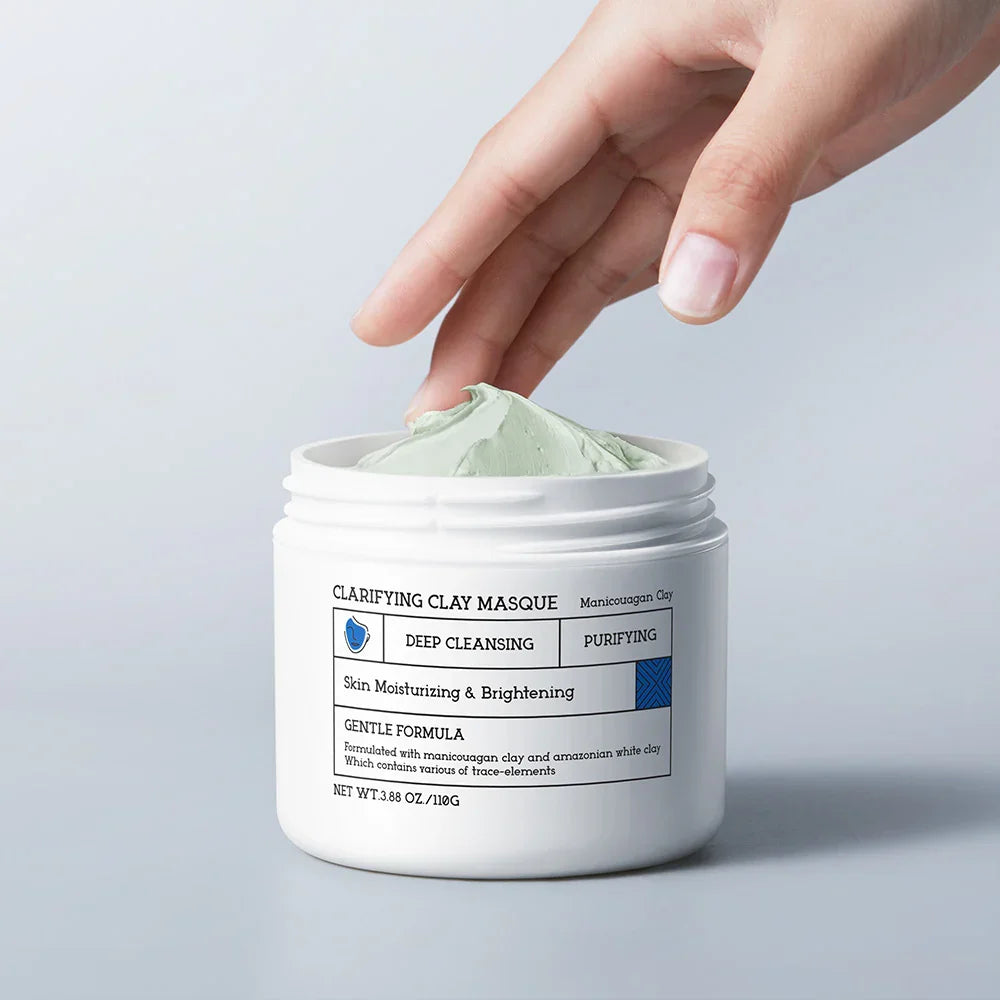
- Masking: Once a week, use a Detoxifying Scrub Mask or a mask with Amazonian white clay to suck out deep impurities.
Step 3: Hydration & Protection (Crucial!)
Exfoliation exposes fresh skin. You must protect it.
- Day: Use a Bio-Renew EGF Cream followed strictly by SPF. Sun damage destroys collagen, making pores sag. Look for a C-Shield Anti-Pollution Moisture Tint SPF 30 or a Vitamin C + broad-spectrum SPF 30.
- Night: Use a heavy Restorative Cream to lock in moisture.
Step 4: Makeup for Textured Skin
If you are covering up while waiting for results, avoid heavy liquids that settle into pores.
- Use an Oil-Free Tinted Primer SPF 30 to fill in the divots.
- Opt for a pressed powder foundation or a product that promises a natural, second skin finish.
How to Shop Smart: Reading Between the Lines
Whether you are browsing NING Dermologie or looking at a Product Finder on a massive marketplace, you need to be a savvy shopper.
Red Flags to Avoid
- "Old price" tactics: Don't be swayed just because something is on sale. Focus on ingredients.
- Vague claims: "Deep cleans" means nothing. Look for "Salicylic," "Enzymes," or "Glycolic."
- Undefined Return Policies: Skincare is personal. Always check the return policy. Does the brand offer free returns? If you buy via a massive retailer, are you using your Amazon Store Card for benefits, or are you better off buying direct for fresher batches?
The "Subscribe & Save" Trap
Many sites offer Subscribe & Save options. Only commit to this after you have tested the product for at least two weeks. Your skin might love a product on day 1 but react on day 10. Rely on helpfulness votes in reviews—look for reviews from people with your specific skin types (e.g., "Best for normal to oily skin").
Advanced Knowledge: Signs of Aging and Pores
We often associate acne with teenagers, but Signs of Aging are a major cause of enlarged pores in adults.
As we age, we lose collagen and elastin. The support structure around the pore collapses, making it look larger. This is why cell turnover is vital. By stimulating the skin with exfoliating face washes and following up with epidermal growth factor (EGF) or Refining Foam Cleanser alternatives, you signal the skin to repair itself.
Fine lines + wrinkles often appear deeper on dehydrated skin. A Deep, daily hydration routine combined with regular exfoliation can plump the skin, making both pores and wrinkles less visible.

Summary: Your Action Plan
- Identify your skin type. Oily? Go for BHA or Clay. Dry/Sensitive? Go for Enzymes (like the NING Dermologie Peeling Gel) or Lactic Acid.
- Stop scrubbing. Ditch the walnut shells.
- Hydrate. A stripped pore is a visible pore.
- Protect. Broad-spectrum SPF 30 is the best anti-aging cream you will ever buy.
Finding the holy grail of pore minimizer products isn't about magic; it's about consistency and chemistry. By clearing out the debris and keeping the skin structure firm, you will achieve that overall tone and smoothness you are looking for.
Frequently Asked Questions (FAQ)
Q: Can exfoliating face washes actually shrink pore size permanently?
A: Your genes determine the physical size of your pores, so you can't technically "shrink" them. But you can stop them from stretching out. Think of a pore like a pocket—when it’s stuffed with oil and dead skin, it bulges. Clear out that debris with salicylic acid or Carica papaya Extracts, and the pore snaps back to its tighter, natural state. Stop your routine, and the gunk returns. It's about maintenance, not a permanent cure.
Q: How often should I use an exfoliating face wash?
A: There isn't one rule for everyone, but "daily" is usually wrong for gritty scrubs. Gentle enzymatic cleansers (look for amino acid surfactants) work fine 3-4 times a week. Heavy acids? Keep that to once or twice weekly. If your face feels tight or squeaky after washing, you’ve damaged your moisture barrier, which actually triggers more oil production. When in doubt, do less.
Q: Can I use Vitamin C with an exfoliating face wash?
A: You can, but expect a sting if you rush it. Layering strong acids over raw, just-exfoliated skin is a recipe for irritation, especially on sensitive skin. The smartest play is to split them up: exfoliate at night to clear the path, then use your Hydra-Bright Vitamin C Drops in the morning for antioxidant protection. This avoids the burn and lets each active ingredient work without fighting.
Q: What is the difference between a chemical exfoliant and physical exfoliants like jojoba beads?
A: Think of physical exfoliants (scrubs) like sandpaper—they smooth the surface but don't go deeper. Chemical exfoliants (acids) are like little Pac-Men that go inside the pore to eat the glue holding dead cells together. For pore minimizing, chemicals (especially BHA) usually win because they treat the root cause. Scrubs just polish the roof; acids clean the house.
Q: Is the NING Dermologie Peeling Gel safe for acne-prone skin?
A: Absolutely. In fact, it’s often safer than a traditional scrub. Gritty exfoliants can tear open acne, spreading bacteria across your face. The NING Dermologie gel uses enzymes to dissolve dead skin without that physical tearing. It clears the blockage without angering the pimple. That said, for cystic or severe cases, always check with a board-certified dermatologist or clinics like FACET Dermatology first


Share:
What are the most popular exfoliating face washes among skincare influencers?
Are there fragrance-free exfoliating face washes available for allergy sufferers?