

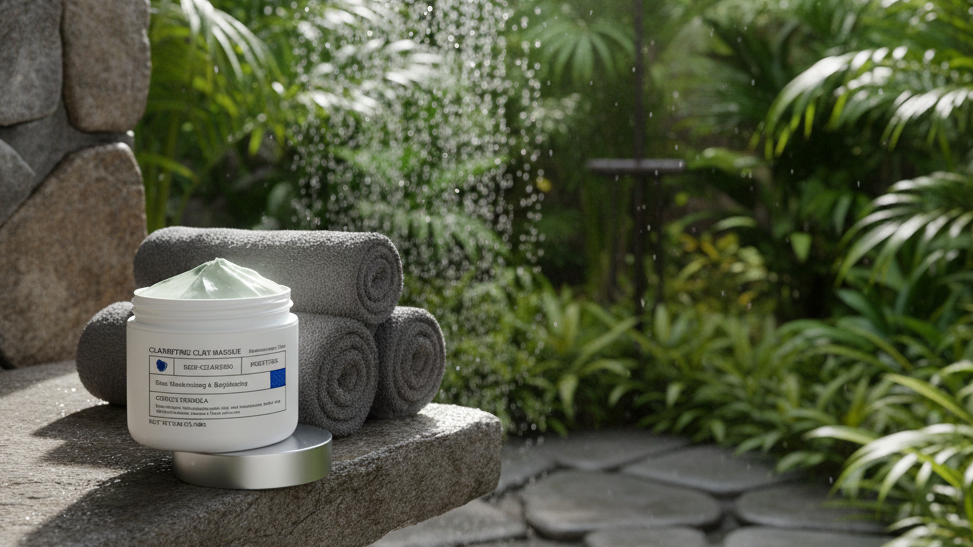

Skin Soothing Clay Masks You Can Trust for Sensitive Complexions
For a long time, the words "clay mask" and "sensitive skin" stayed as far away from each other as possible. If you have a sensitive skin type, you probably know the drill. You try a detox mask hoping to clear pores, but five minutes in, your face feels like it’s being gripped by a vice. By the time you wash it off, your complexion isn't "purified"—it’s angry, red, and bone-dry.
I’ve been there. As someone who battles both clogged pores and a barrier that throws a tantrum at the slightest hint of harshness, I used to think clay masks aren't for me. But here’s the secret: it’s not about the clay itself; it’s about the type of clay and what else is in the jar to soothe the burn.

Why Your Sensitive Skin Actually Needs a Clay Mask
We’re often told to just stick to a gentle face cream and call it a day. But sensitive skin still deals with excess oil, impurity buildup, and blackheads. Even if you have dry skin, environmental pollutants and dead skin cells can congest your pores, leading to a dull skin tone or unexpected breakouts.
A high-quality soothing clay mask acts like a vacuum for your pores without the "scorched earth" policy of traditional formulas. When formulated correctly—with ingredients like kaolin and glycerin—a face mask can detoxify while actually increasing hydration.
The "Holy Grail" for Reactive Faces: NING Dermologie
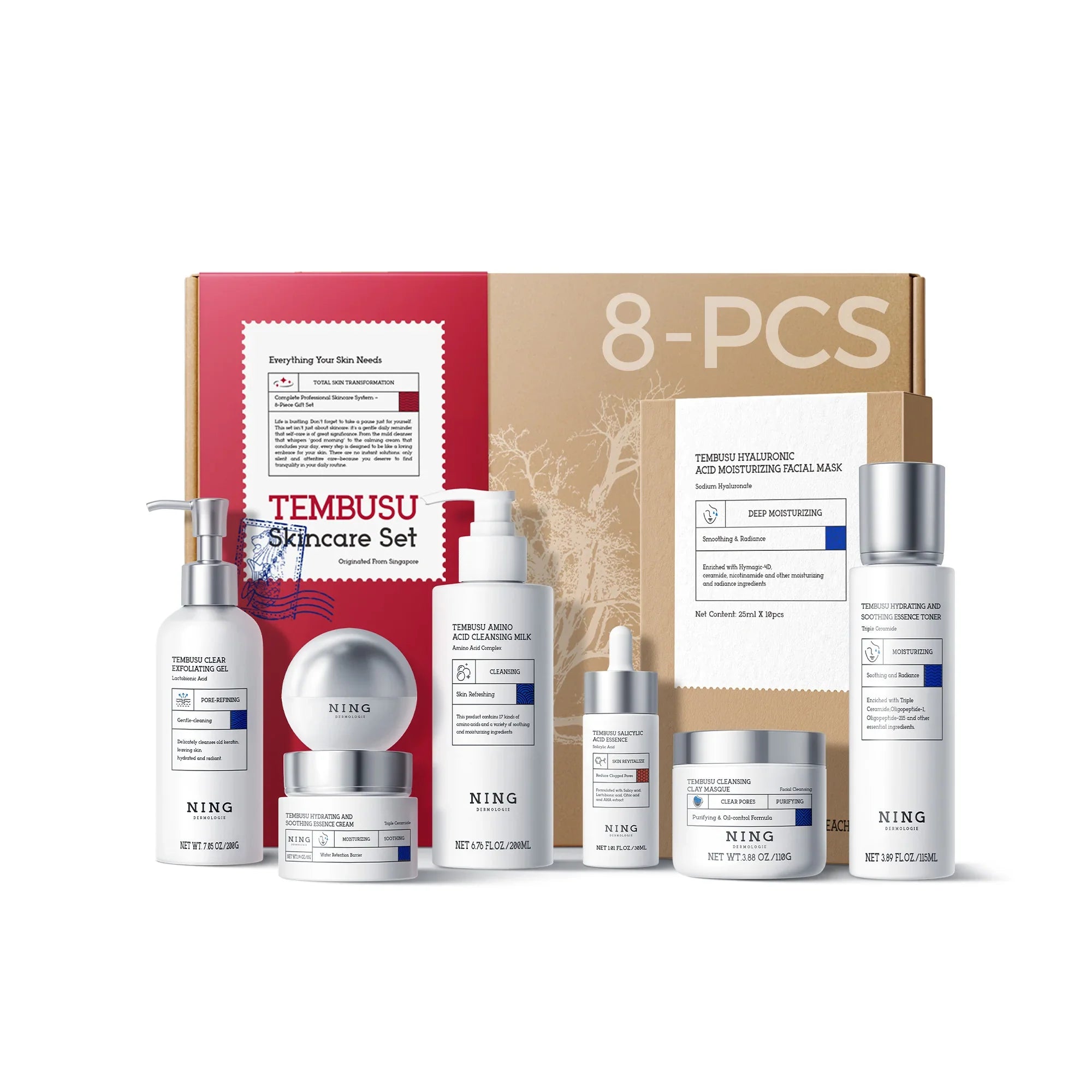
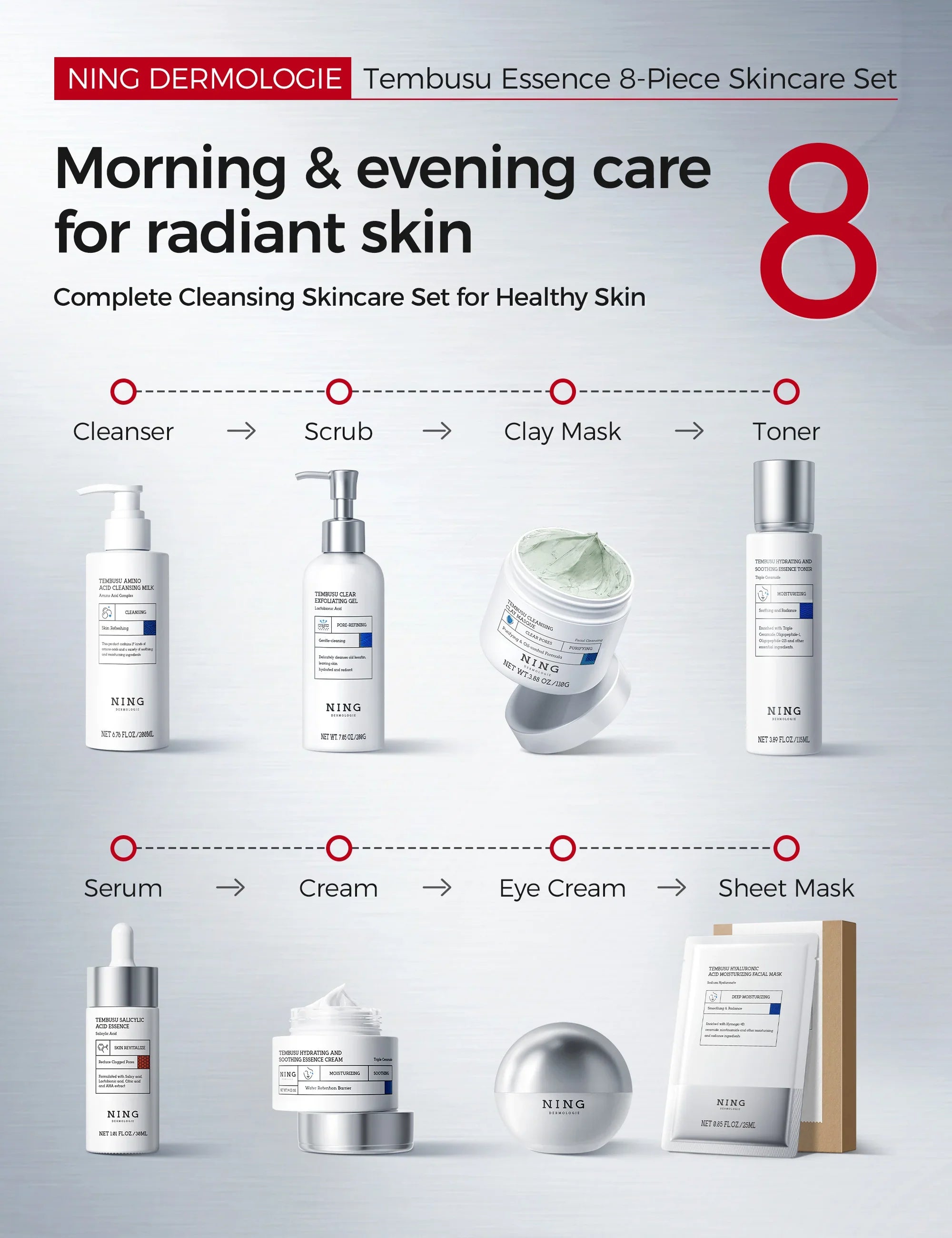
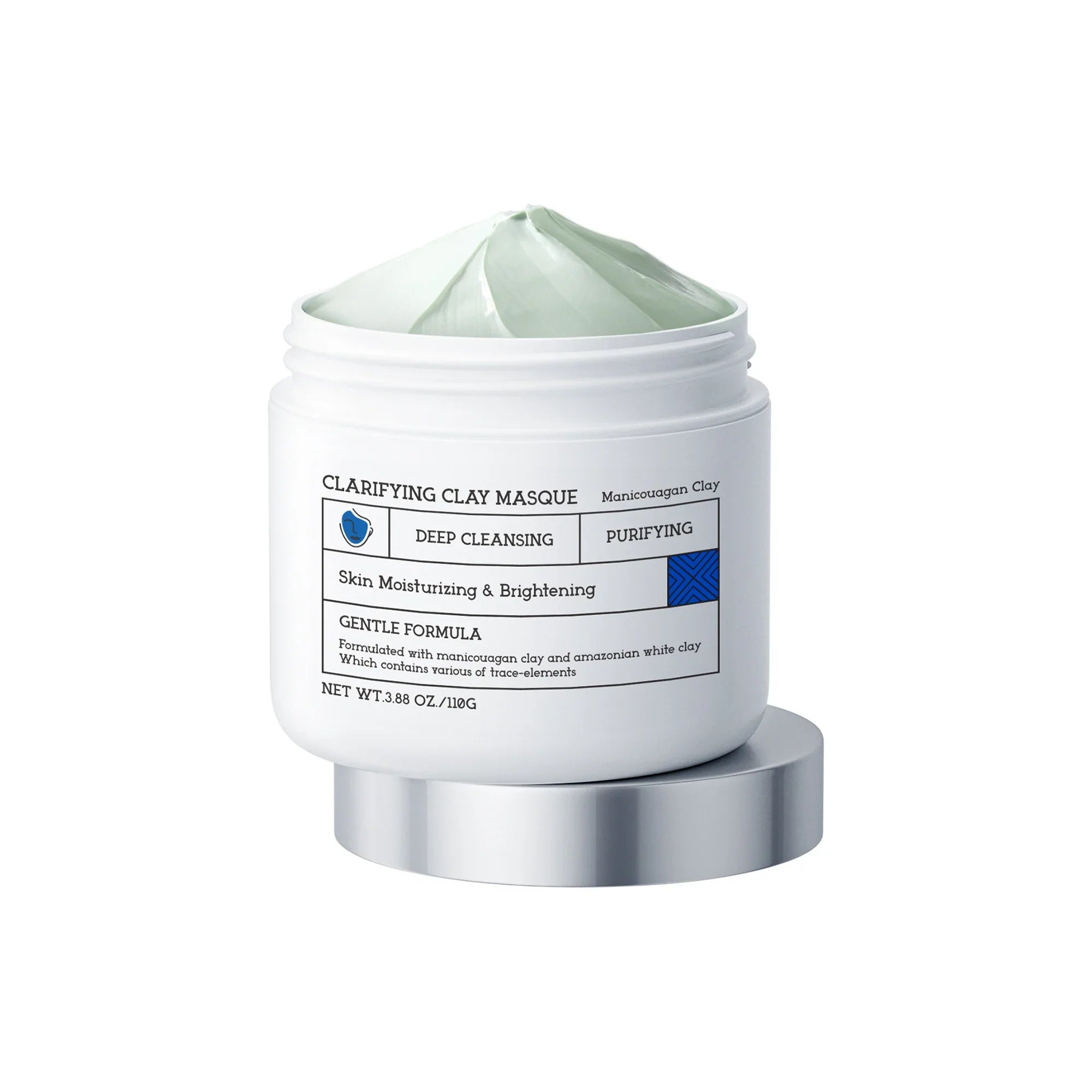
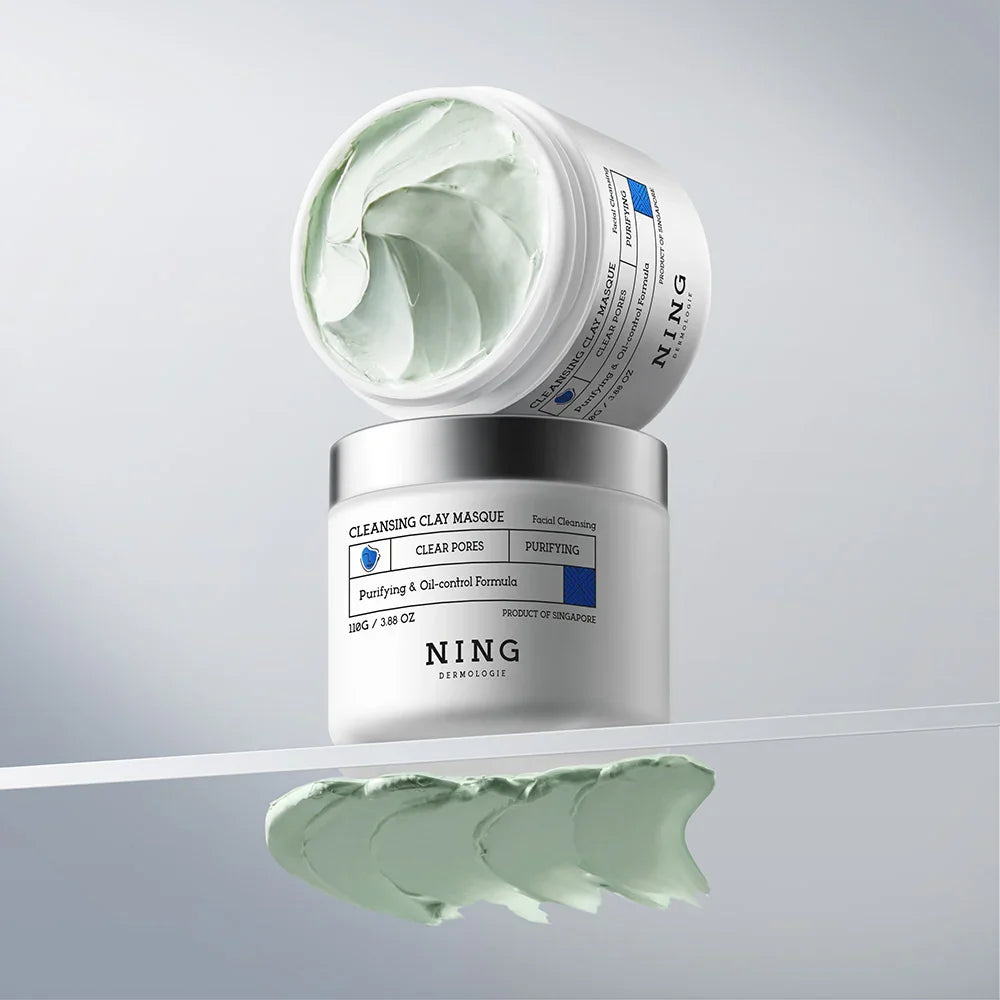
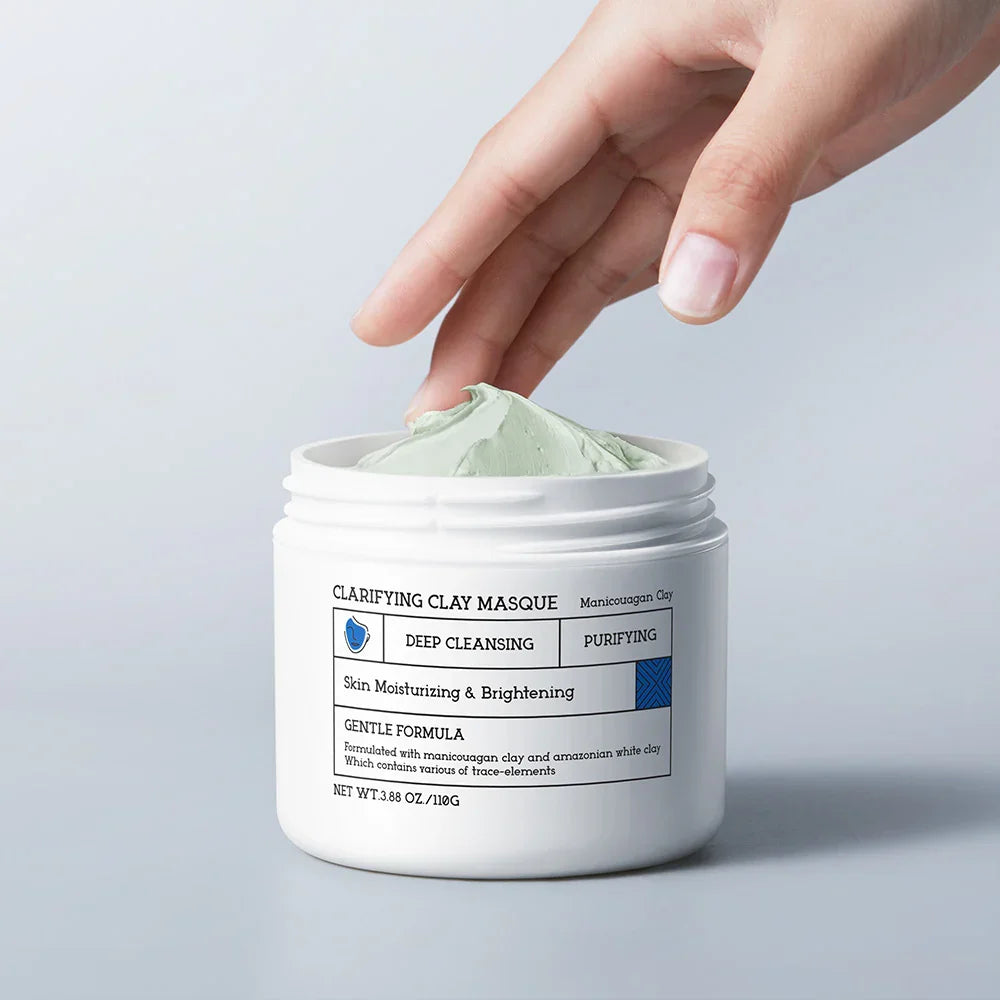
If you’ve been searching for the best clay mask that won’t leave you peeling, you need to look at the NING Dermologie Clay Mask for Face Sensitive Skin.
What makes this different? Most pore clay mask options rely heavily on aggressive bentonite clay, which is great for oily skin but can be too "thirsty" for sensitive souls. The NING Dermologie approach uses a sophisticated blend of kaolin and bentonite balanced with soothing botanical agents. It manages to unclog pores and minimize the look of pores without disrupting your delicate acid mantle. It’s the kind of clarifying clay mask that makes your pores look invisible and your skin texture feel like velvet.
Understanding Your Clay: Kaolin vs. Bentonite vs. Pink Clay
Not all earth is created equal. To find the best clay for your specific skin type, you have to look at the mineral makeup:
- Kaolin Clay: The gentlest of them all. It’s perfect for sensitive skin because it doesn’t over-absorb your natural oils. It’s more about a deep cleansing nudge than a violent pull.
- Bentonite Clay: This is the powerhouse. It has a strong negative charge that helps draw out impurities and toxins. For acne-prone skin, bentonite is a lifesaver, but it’s best when paired with hyaluronic acid or collagen to keep the skin bouncy.
- Pink Clay: Often a mix of red and white kaolin, this is the go-to for tired skin that needs to brighten up.
- Volcanic/Charcoal Mask: These are "active" heavy hitters. Great for a detox, but use them sparingly—perhaps just as a spot treatment on the T-zone.
How to Clear Pores Without the "Cracking" Feeling
If your mask feels like a desert floor cracking in the sun, you’ve left it on too long. Here is the esthetician-approved way to purify congested skin safely:
1. The Prep Work
Start with a clean canvas, but don't use a harsh scrub. A gentle exfoliation with lactic acid or a mild salicylic acid cleanser can help the clay mask penetrate deeper, but for very sensitive types, just a warm (not hot!) water rinse is enough.
2. Application
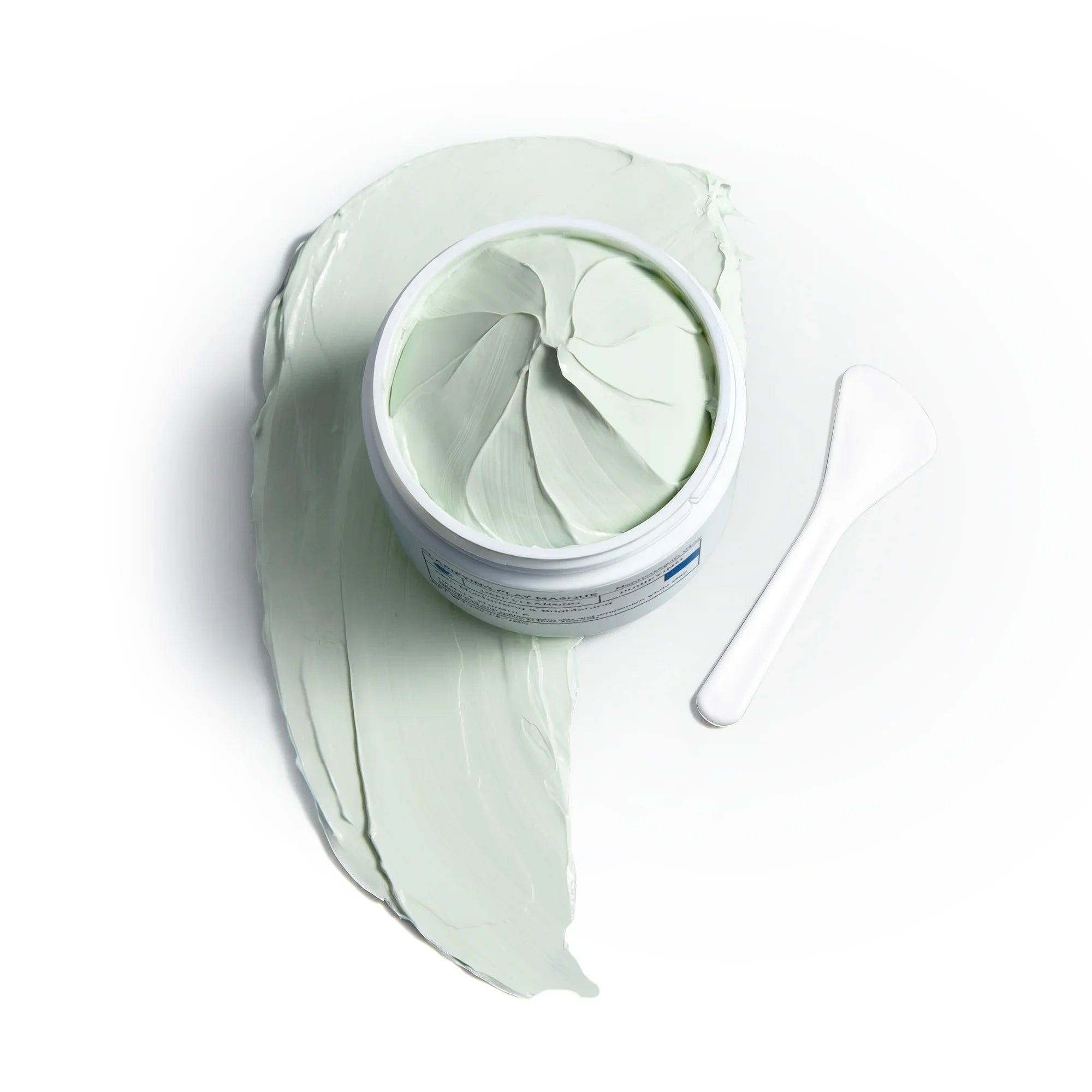
Apply your soothing clay mask—like the one from NING Dermologie—using a brush or clean fingers. You don't need a thick cake of mud; a thin, even layer is more effective.
3. The 10-Minute Rule
Most instructions say 10 to 15 minutes, but for sensitive skin, watch the color. When the mask starts to lighten in color but still feels slightly tacky to the touch, it's time to rinse. If it's bone-dry and crumbling, you've started to suck the hydration out of your cells.
4. The Removal
Don't scrub! Use a soft, damp microfiber cloth. Hold it against your face for 30 seconds to let the clay re-hydrate, then gently wipe away. Your skin should feel clean and smooth, not tight.
Multi-Masking: The Secret for Combination Skin
If you have combination skin, you might have an oily forehead but dry skin on your cheeks. You don’t have to treat your whole face the same.
- Apply a detox mask or a charcoal mask to the nose and chin to unclog those stubborn blackheads.
- Use a soothing clay mask with aloe or glycerin on the cheeks to soothe redness.
- This targeted approach ensures you clear pores where you need it and hydrate where you don't.
Ingredients to Look For (And a Few to Avoid)
When shopping for the best clay mask, your skin tone and health depend on the ingredient list.
The "Yes" List:
- Kaolin: For gentle detox.
- Hyaluronic Acid & Glycerin: To maintain skin elasticity.
- Centella Asiatica (Cica) or Aloe: To soothe inflammation.
- Collagen: To support the skin barrier during the purify process.
The "Be Careful" List:
- High concentrations of Alcohol: Dries out acne-prone skin too fast.
- Synthetic Fragrance: The #1 trigger for sensitive skin reactions.
- Heavy Essential Oils: While "natural," peppermint or eucalyptus can cause complexion stinging.
Beyond the Mask: Post-Clay Care
The work isn't done once the clay draws the gunk out. After you gently exfoliate with your mask, your pores are open and your skin is ready to drink up nutrients.
Immediately follow up with a moisturizer or a rich face cream. If you’re dealing with a breakout, this is the perfect time for your acne treatments to penetrate. A sheet mask applied right after a clay mask is a pro-level move for maximum hydration and smooth skin.

Final Verdict: Is Clay Worth It?
Absolutely. Even for the most delicate complexion, a clay mask is best for maintaining long-term clarity. By choosing a brand like NING Dermologie that prioritizes the balance between "clean" and "calm," you can finally enjoy the benefits of a deep cleansing without the fear of a flare-up.
Use it once a week to start, listen to your skin, and watch how those enlarged pores and dull skin days become a thing of the past. Your skin doesn't need a miracle; it just needs the right clay.
Frequently Asked Questions (FAQ)
1. Is a clay mask safe to use on active acne breakouts?
Honestly, it’s one of the best things you can do—if you don't overdo it. A gentle soothing clay mask helps soak up the "gunk" and excess oil that feed a breakout. Just don't go scrubbing at the spots when you're washing it off. Let the clay do the heavy lifting to clarify the area, then rinse softly so you don't end up making the inflammation worse.
2. How often should I use a clay mask if I have sensitive skin?
Don't rush into it. If your skin is reactive, using this mask just once a week is plenty to see a difference in your pores. Think of it as a weekly deep-clean. If your skin feels happy and not at all tight, you might try a second round, but maybe only on your T-zone where things get a bit more congested. Listen to your face!
3. Can I use a clay mask if my skin is naturally dry?
You definitely can, but you have to be picky about the formula. Stay away from anything that dries down like cracked desert earth. You want a face mask that feels more like a thick cream, packed with stuff like glycerin to keep hydration in check. The trick is to wash it off before it gets crumbly, so the clay draws out impurities without stealing your skin's lunch.
4. Why does my skin feel itchy while the clay mask is drying?
That "itch" is usually just the clay tightening up and pulling on your skin as the water evaporates. It’s annoying, but for sensitive skin, it can also be a tiny warning sign. If it’s driving you crazy, try misting your face with a bit of water to keep the mask damp. It keeps the ingredients active anyway, and you won't feel like your face is shrinking.
5. Should I use a face cream immediately after rinsing?
100%. Even the most soothing clay mask is going to take a little something from your skin's surface. Think of it as a trade: the mask takes the dirt, and you give back the moisture. Splashing on a face cream or a good moisturizer right after you pat dry locks in that smooth skin feeling and keeps your barrier from panicking and overproducing oil.


Share:
Our Favorite Clay Masks for Those with Fragile Skin
Transform Your Skincare Routine with These Gentle Clay Masks