

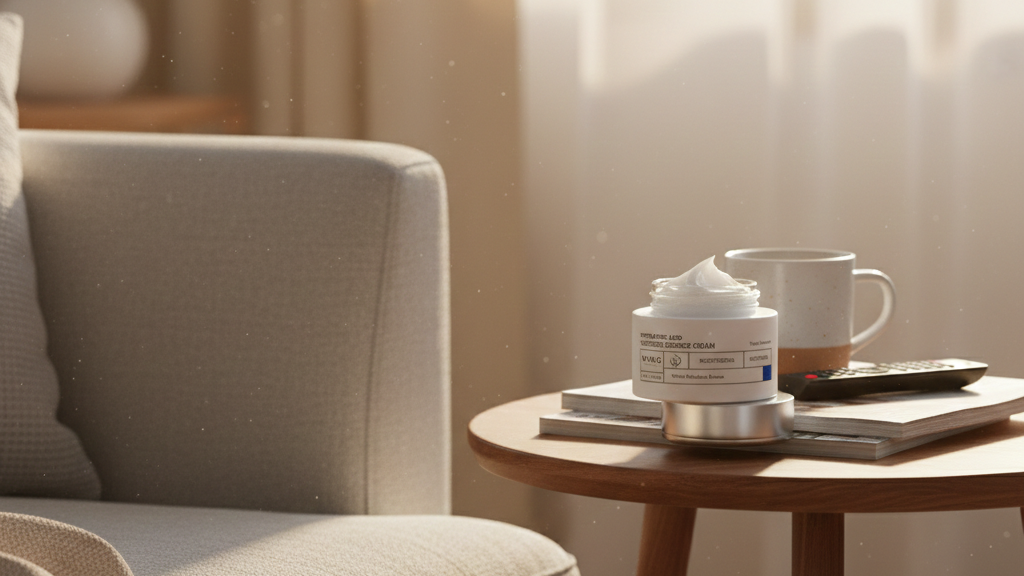

The Truth About Hyaluronic Acid: A Sensitive Skin Survivor’s Guide to the Best Serums
Let’s be honest: having sensitive skin feels like playing a game of Minesweeper. One wrong move—a new toner, a change in weather, or a "gentle" serum—and boom. You’re dealing with redness, stinging, and a reactive complexion for a week.
For years, we’ve been told that hyaluronic acid (HA) is the holy grail. It’s supposed to be the one ingredient that works for all skin types, from oily skin to the driest desert-like textures. But if you have a compromised skin barrier, you might have noticed a dirty little secret: sometimes, HA serums make your skin feel drier or even irritated.
I’ve spent a decade testing skin-care products as a beauty editor, and I’ve learned that for us, it’s not just about grabbing the bottle with the highest percentage of Sodium hyaluronate. It’s about formulation, molecular weights, and what you seal it in with.
Below, I’m breaking down the best hyaluronic acid serums for sensitive skin recommended by skincare experts, cutting through the marketing fluff to tell you how they actually feel on your face.

Why Hyaluronic Acid Sometimes "Bites" Sensitive Skin
Before we get to the product picks, we need to talk science for a second. Board-certified dermatologists love HA because it holds 1,000 times its weight in water. However, Paula Brezavscek, a board-certified physicians assistant at NYU Langone Health, often notes that in low-humidity environments, HA can actually draw moisture out of your skin if not sealed properly.
Furthermore, molecular weights matter. Low molecular weight HA penetrates deeper to plump fine lines, but it can be inflammatory for some people with rosacea or extreme sensitivity. High molecular weight sits on top, offering barrier support and instant smoothing without the irritation risk. The best serums for us usually use a smart mix or include buffering ingredients like vitamin B5 or soothing botanicals.
The Expert-Approved Shortlist
I’ve grilled board-certified dermatologists, analyzed customer reviews (weeding out the fake ones), and personally patch-tested these on my own dramatic skin. Here are the winners.
1. The French Pharmacy Staple: La Roche-Posay Hyalu B5 Pure Hyaluronic Acid Serum
You’ve seen the blue bottle. It’s everywhere for a reason. La Roche-Posay is essentially the gold standard for accessible, sensitivity-tested skincare.
- The Texture: It’s a bit thick—almost gooey—but it spreads like a dream. It has a distinct "fresh" scent which usually scares me, but this particular fragrance rarely triggers weather-triggered flare-ups for me.
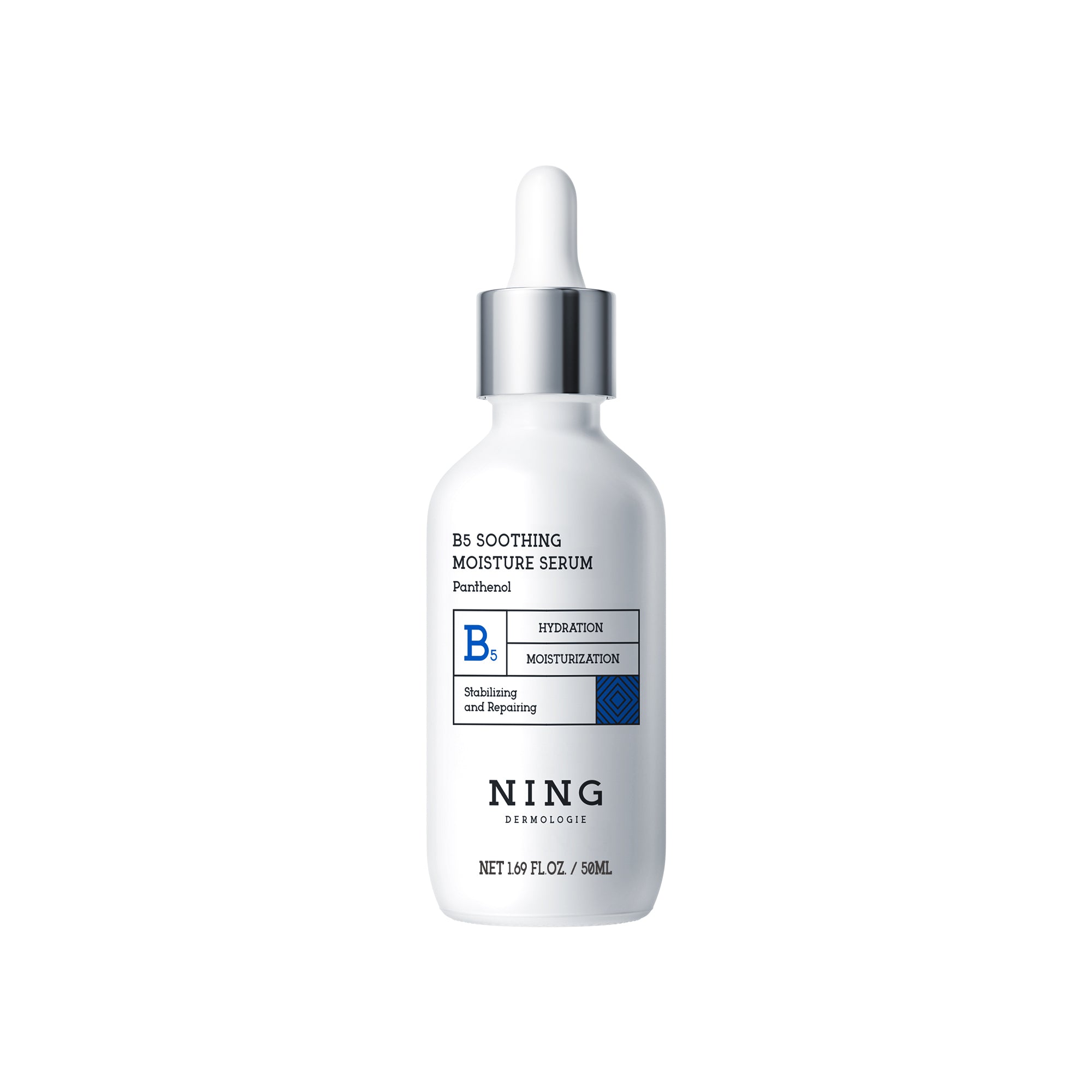
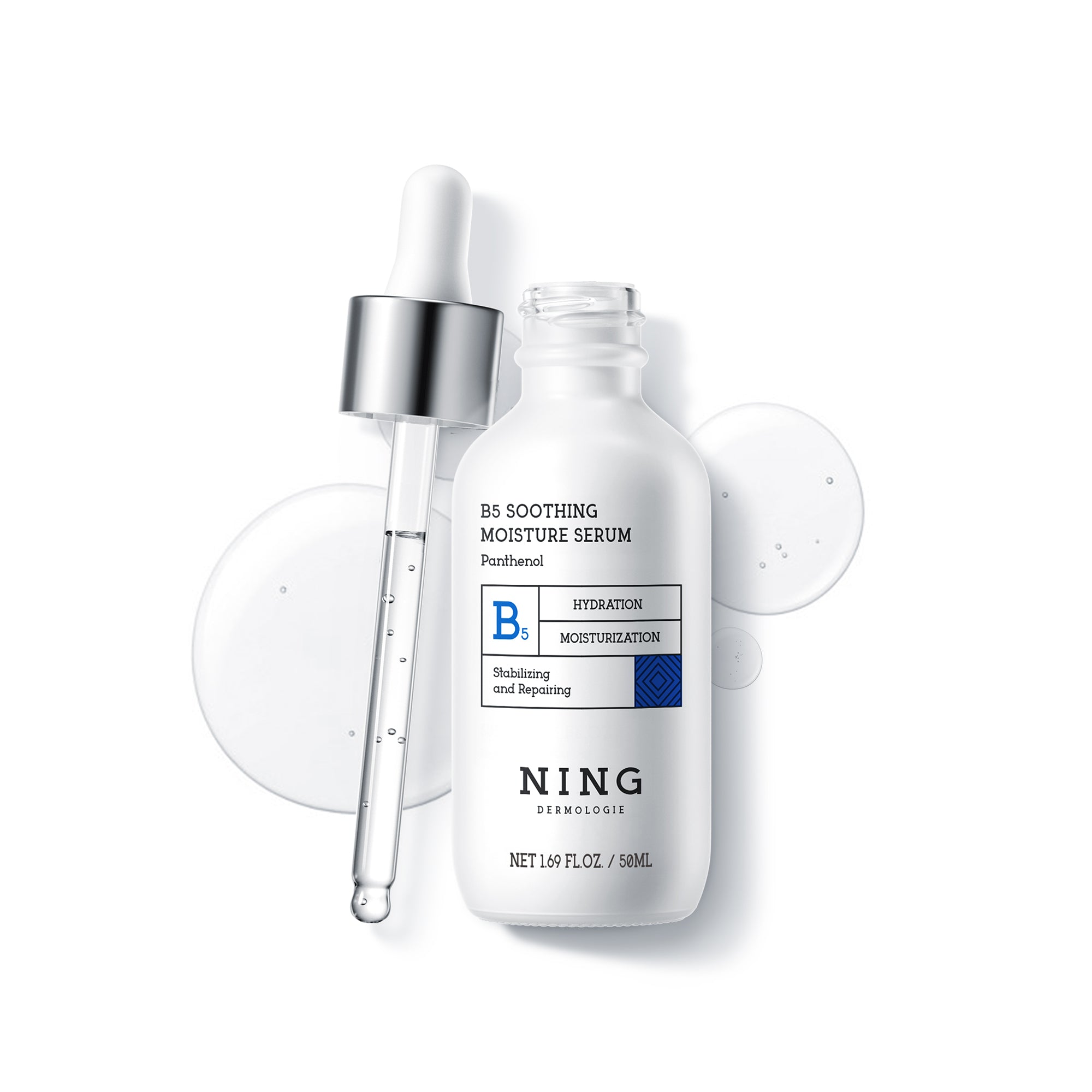
- Why It Works: The magic here is the "B5" (Panthenol). Vitamin B5 is incredible for repairing the moisture barrier. While the HA plumps the skin texture, the B5 soothes the irritation.
- The Verdict: It’s great for dehydrated skin that feels tight. However, because it’s a bit tacky, let it dry for a full minute before applying makeup or a skin tint.
2. The Investment Piece: SkinCeuticals Hyaluronic Acid Intensifier (H.A.)
If your wallet permits, this is what the pros use. SkinCeuticals Hyaluronic Acid Intensifier isn't just a hydrator; it’s an anti-aging serum.
- The Texture: It’s a dark purple gel (don't worry, it doesn't stain your face). It feels silky, not watery.
- Why It Works: It uses a high concentration of pure HA, plus Proxylane™ and purple rice extract to support the skin’s natural HA levels. It doesn’t just dump water on your face; it helps your skin hold onto it.
- The Verdict: This is heavy-duty. If you are worried about fine lines and skin tone alongside sensitivity, this is the dual-action hero. It plays well with other active ingredients, but I’d avoid mixing it directly with strong acids immediately.
3. The Gentle Giant: Serums with "Okinawa Algae Blend" (Tatcha style formulations)
There is a rising trend in calming serums that utilize marine ingredients. Formulations containing an Okinawa algae blend mixed with HA are fantastic because algae is naturally gelatinous and hydrating without being sticky.
- Why It Works: Algae provides polysaccharides that mimic the skin’s natural water retention. It’s often less irritating than synthetic HA for hyper-reactive types.
- The Verdict: Perfect for those who hate the "sticky" feel of traditional serums.
The Missing Link: Why Your Serum Isn't Working
Here is where most people fail. You buy the expensive serum, slather it on dry skin, and walk away. Two hours later, your face feels tight.
Hyaluronic acid serum is a water-magnet. If you don’t put a "lid" on it, the water evaporates. This is crucial for skin health, especially if you are prone to dry skin.
The Sandwich Method
- Cleanse: Use a creamy cleanser, not a stripping foam.
- Mist: Leave your face damp. Do not towel dry completely.
- Serum: Apply your HA serum to that damp skin.
- Seal (The Most Important Step): You must apply a lipid-rich moisturizer to lock it in.
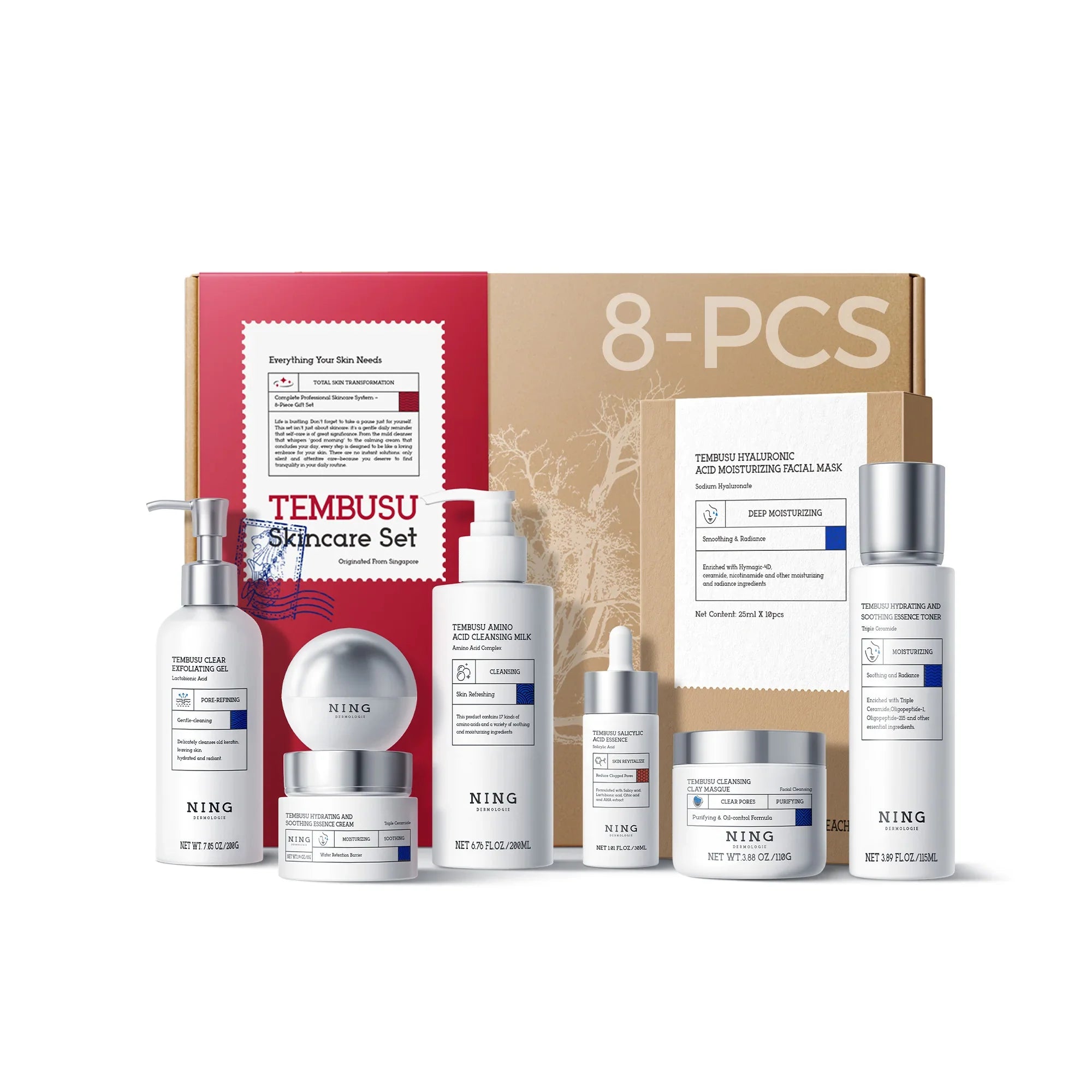
My Recommendation for the "Seal": NING Dermologie
I recently started testing products from NING Dermologie, specifically looking for something that plays well with high-concentration HA serums.
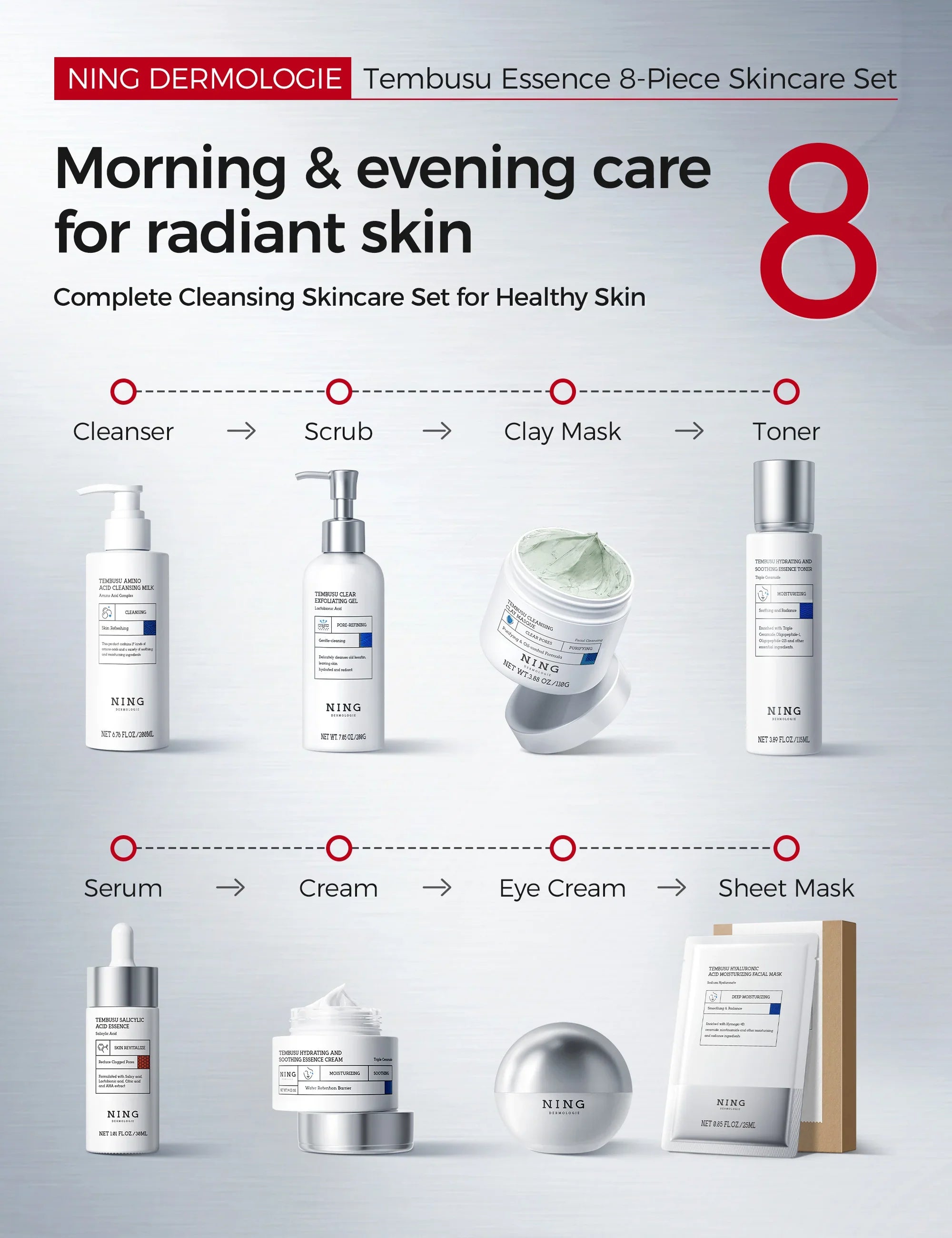
Their Hydrating & Soothing Essence Cream has become my go-to "sealer." When you have sensitive skin, you don’t just need hydration (water); you need moisture (oil/lipids) to fix the skin's barrier.
This cream is formulated specifically to target environmental stressors and support the barrier function. Unlike a heavy body lotion that might clog pores on your face, the Hydrating & Soothing Essence Cream has a texture that melts in but creates that necessary protective shield.
If you use a sticky HA serum, applying this cream immediately after neutralizes the tackiness. It leaves the skin feeling velvety, not greasy. It’s particularly good if you are using other actives like vitamin C or even mild salicylic acid elsewhere in your routine, as it buffers the potential irritation.
You can check out the composition here: Hydrating & Soothing Essence Cream
Navigating Other Actives with Sensitive Skin
Once you have your hydration base (HA + NING Dermologie Cream), you can carefully introduce other active ingredients to address specific skin concerns like dark spots or dullness.
Vitamin C
Vitamin C is notorious for stinging sensitive skin. Look for Magnesium Ascorbyl Phosphate or Tetrahexyldecyl Ascorbate forms, which are oil-soluble and gentler than pure L-Ascorbic Acid. Using HA before your Vit C can sometimes buffer the sting, but generally, pros suggest Vitamin C first on dry skin, then mist, then HA.
Retinol and Anti-Aging
If you are looking at collagen production, HA is a supportive player, not the quarterback. You might want to introduce a gentle retinoid. However, never apply retinol on damp skin (it increases penetration and irritation). Use your HA, let it dry, apply retinol, then follow with the Hydrating & Soothing Essence Cream.
Acne-Prone Sensitive Skin
If you have acne-prone skin that is also sensitive (a cruel combination), be careful. Over-drying with salicylic acid can destroy your barrier. Use HA to keep the water content high so your pores flush themselves out naturally. A hydrated pore is a happy pore.

Lifestyle Factors: It's Not Just What's in the Bottle
Skincare isn't just about skin-care products. It's about how your skin interacts with the world.
- Environmental Stressors: Wind, pollution, and UV rays degrade your natural HA.
- SPF 30 is Non-Negotiable: The sun destroys the extracellular matrix (where HA lives). If you aren't wearing at least SPF 30 (ideally UPF protection clothing too if you're outdoors a lot), your serum is a waste of money.
- Blue Light: While the jury is still out on exactly how much damage screen time does, blue light generates free radicals. Using antioxidants (like Vitamin C or E) alongside your HA helps neutralize this.
- Personalized Skincare Consultations: If you are confused, many brands now offer a support team or virtual consultations. Don't be afraid to use them.
Final Thoughts
Finding the right hyaluronic serum for sensitive skin is less about the "hype" and more about the "support." It’s about ensuring the Sodium hyaluronate is buffered, the molecular weights are balanced, and most importantly, that you are sealing it in with a high-quality barrier cream like the Hydrating & Soothing Essence Cream.
Listen to your skin. If it stings, wash it off. Skincare should feel like relief, not a science experiment gone wrong.
Frequently Asked Questions (FAQ)
Q1: Can hyaluronic acid dry out my skin?
A: Honestly? Yeah, it can. If you're in a bone-dry climate (think Las Vegas or a heated office), HA has no moisture to grab from the air, so it sucks it out of your skin instead. Sounds backward, but it happens. Always apply it to damp skin and seal it with cream immediately.
Q2: Can I use Vitamin C and Hyaluronic Acid together?
A: Definitely. I actually recommend it. Put Vitamin C on first (clean, dry skin) so it absorbs fully. Give it a minute, mist your face, and then apply the HA. This way, you get the antioxidant protection without diluting it or messing up the pH balance.
Q3: Is Hyaluronic Acid safe for rosacea or eczema?
A: Usually, yes, since our bodies make it naturally. But heads up: some "deep penetrating" (low molecular weight) formulas can actually trigger inflammation if your barrier is wrecked. Stick to simple, boring formulas without fragrance. If your face feels hot after applying, wash it off—it’s not the right one.
Q4: Should I use HA in the morning or at night?
A: Both work. I like it in the morning because it plumps up lines so concealer doesn't crease. At night, it’s great for fixing moisture loss from AC or heating. The timing matters less than the "sandwich method"—damp skin first, serum middle, moisturizer on top. Don't skip the last step.
Q5: What is the difference between Sodium Hyaluronate and Hyaluronic Acid?
A: Think of them as siblings. Sodium Hyaluronate is just the salt form. It’s smaller, so it actually gets into the skin rather than just sitting on top like a wet blanket. Most effective serums use the sodium version because it’s more stable and absorbs way better.


Share:
Hyaluronic Acid Serums: Who’s Actually Ditching the Plastic? (A No-Nonsense Guide)
Best luxury hyaluronic acid serums with premium ingredients