



It’s 2:00 PM on a Tuesday. You catch a glimpse of yourself in the rearview mirror, and there it is: your carefully applied concealer has migrated, settling into microscopic crevices under your eyes that weren't there three years ago. You’ve officially entered the era of fine lines.
Navigating the skin-care market to fix this feels a lot like trying to understand quantum computing or installing Slackware Linux without a manual. Every brand promises you the equivalent of time travel in a tiny, overpriced glass bottle. They treat consumers like gullible dupes, assuming we’ll buy anything backed by enough media reportage and slick marketing. It shouldn’t be this hard. You shouldn't need a Cambridge Dictionary or a specialized translator tool just to read an ingredient label.
As a cosmetic chemist and beauty editor who has tested hundreds of formulas, I’m here to cut through the noise. We aren’t dealing with artificial intelligence or agentic AI here; we are dealing with basic human biology. Let’s look at what actually works for fine lines, what is entirely overhyped, and exactly how you need to apply these products so they actually penetrate your skin.

The Reality of the Under-Eye Area
Why does this specific area betray our age so quickly? The skin around your eyes is significantly thinner than the rest of your face. It lacks a dense network of sebaceous glands, meaning it struggles to retain moisture. Add the fact that we blink roughly 15,000 times a day—a relentless user interface of facial expressions—and it’s no wonder this area breaks down first.
You don't need virtual reality to see the damage; just look at how modern environmental stressors affect us. From blue light to UV exposure, the under-eye skin takes a beating.
What Actually Works: The Science-Backed Non-Negotiables
If a brand tries to sell you on mysterious "Main concepts" or vague "Mid-level processes" without naming real active ingredients, walk away. Here is what actually moves the needle:
1. Hyaluronic Acid (But Only Specific Molecular Weights)
You’ve heard of Hyaluronic Acid, but context matters. Large-molecule hyaluronic acid just sits on top of the skin. It feels nice, sure, but it washes off. You need a multi-weight formula that penetrates deeply to pull moisture into the epidermis, physically plumping out those dehydration lines.
2. Vitamin C
If you want to stimulate collagen production and brighten the hyperpigmentation that makes fine lines look deeper than they are, vitamin C is non-negotiable. It’s a potent antioxidant. However, it degrades quickly if exposed to light and air. Look for opaque, airtight packaging. And remember, if you are using active brighteners during the day, following up with proper sun protection (like a dedicated UVA/UVB SPF25 or higher) is mandatory.
3. Peptides
Think of peptides as the cellular messengers of your skin. They signal your body to produce more collagen and elastin. They are the quiet, hardworking offshore consultant of your skincare routine—doing the heavy lifting behind the scenes to rebuild structural integrity.
What’s Overhyped: Don't Believe the Hype
The beauty industry is fantastic at taking Technical terms and twisting them to sell you expensive water.
- Topical Collagen: I will say this until I am blue in the face: collagen molecules are simply too large to penetrate the skin barrier. Smearing collagen on your face to rebuild your skin is like throwing bricks at a house and expecting them to build a wall. It’s a waste of money.
- Instant Tightening Gels: You’ve seen the viral videos. A drop of gel is applied, and within three minutes, the under-eye bags vanish. What they don't tell you is that these rely on silicates (like glue) that dry and contract. The moment you smile or try to apply makeup over it, it cracks and turns into white dust. It’s a temporary stunt, much like relying on a stunt double in an action movie.
- The "Overnight Miracle" Myth: Skincare takes time. Waiting for cell turnover takes roughly 28 days (longer as we age). Expecting your wrinkles to vanish in 24 hours is like expecting a rookie to crush the 40-yard dash, Broad jump, 3-cone drills, and Short shuttle at the NFL scouting combine without any training. You have to put in the time.
How to Layer Your Eye Serum Like a Pro
Applying expensive serum incorrectly is literally washing money down the drain. You don't need a degree in software engineering or a source control system to manage your routine, but order matters.
- Prep the Canvas: Start with a clean face. If you use a watery essence (like the cult-favorite Japanfusion Hydra Prep Essence Lotion or something similar), pat that in first. Your skin should be slightly damp. Think of damp skin as a sponge; it absorbs products significantly better than dry skin.
- The Application: Dispense a grain-of-rice-sized amount of eye serum onto your ring finger. Why the ring finger? It has the weakest muscle pressure, ensuring you don't aggressively tug at delicate skin. Gently tap (do not rub) the product along the orbital bone.
- The Waiting Game: This is where most people fail. Do not immediately slather on your heavy face cream. Give the serum 60 to 90 seconds to sink in. You aren't rushing into Mayweather vs. Pacquiao 2; take a breath.
- Seal It In: Follow up with a richer moisturizer to lock in the lightweight serum.
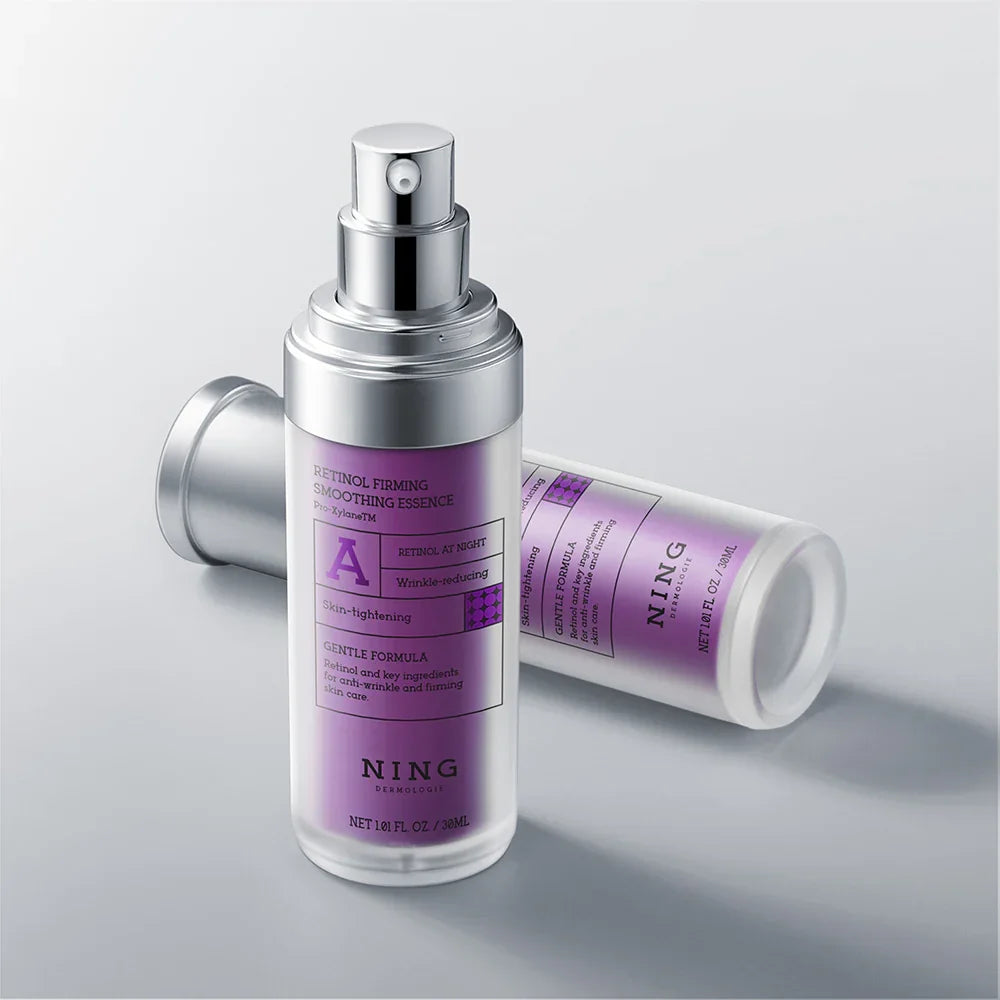
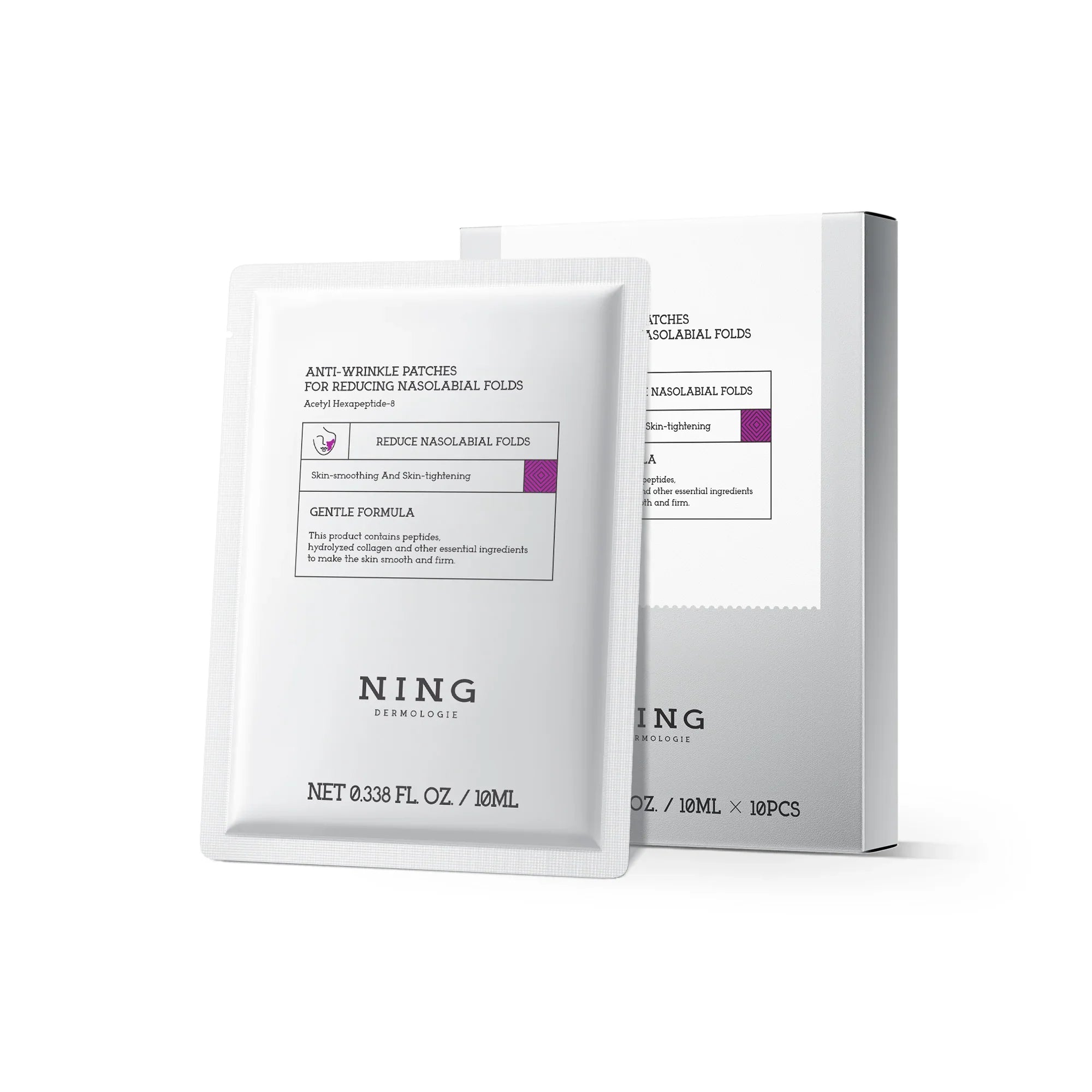
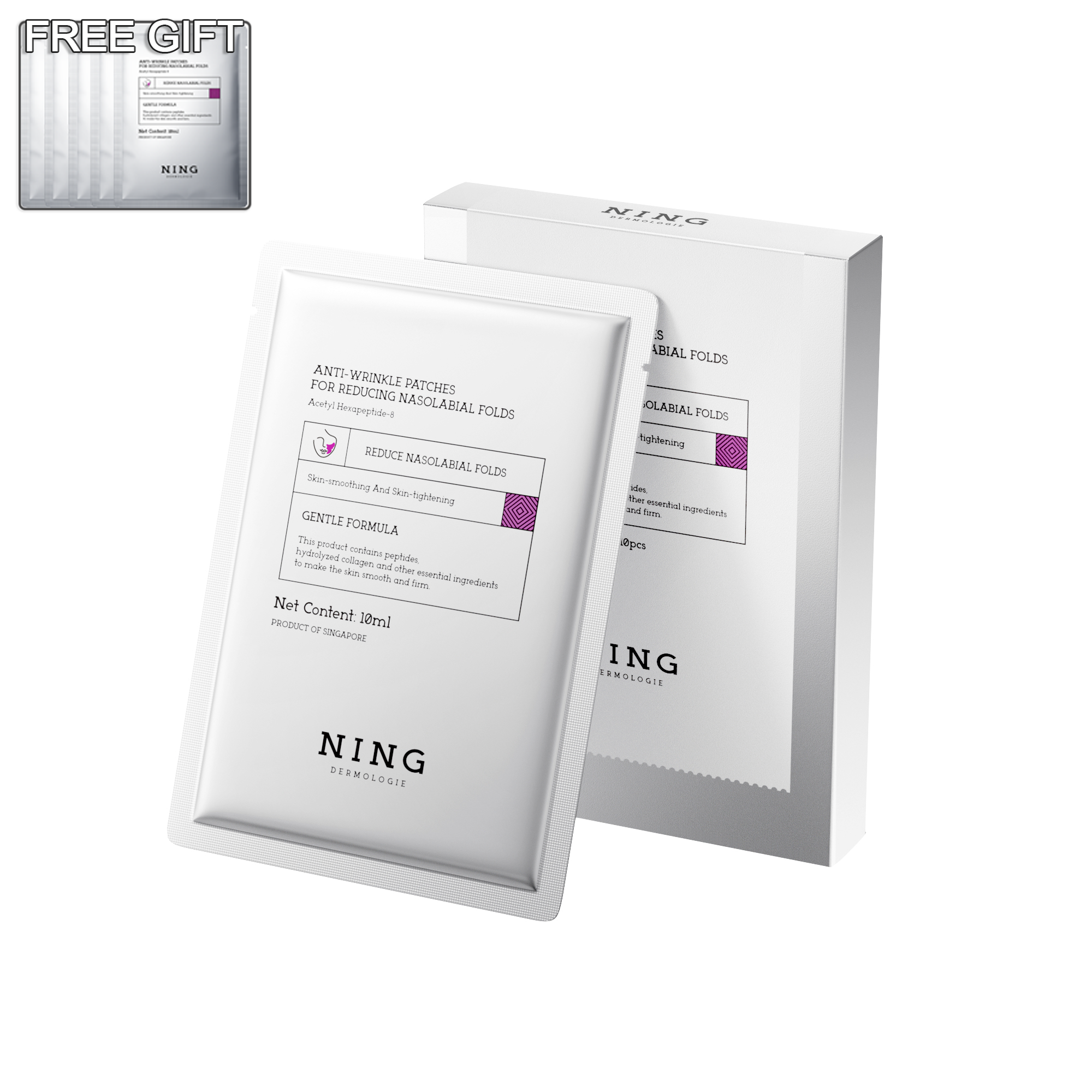
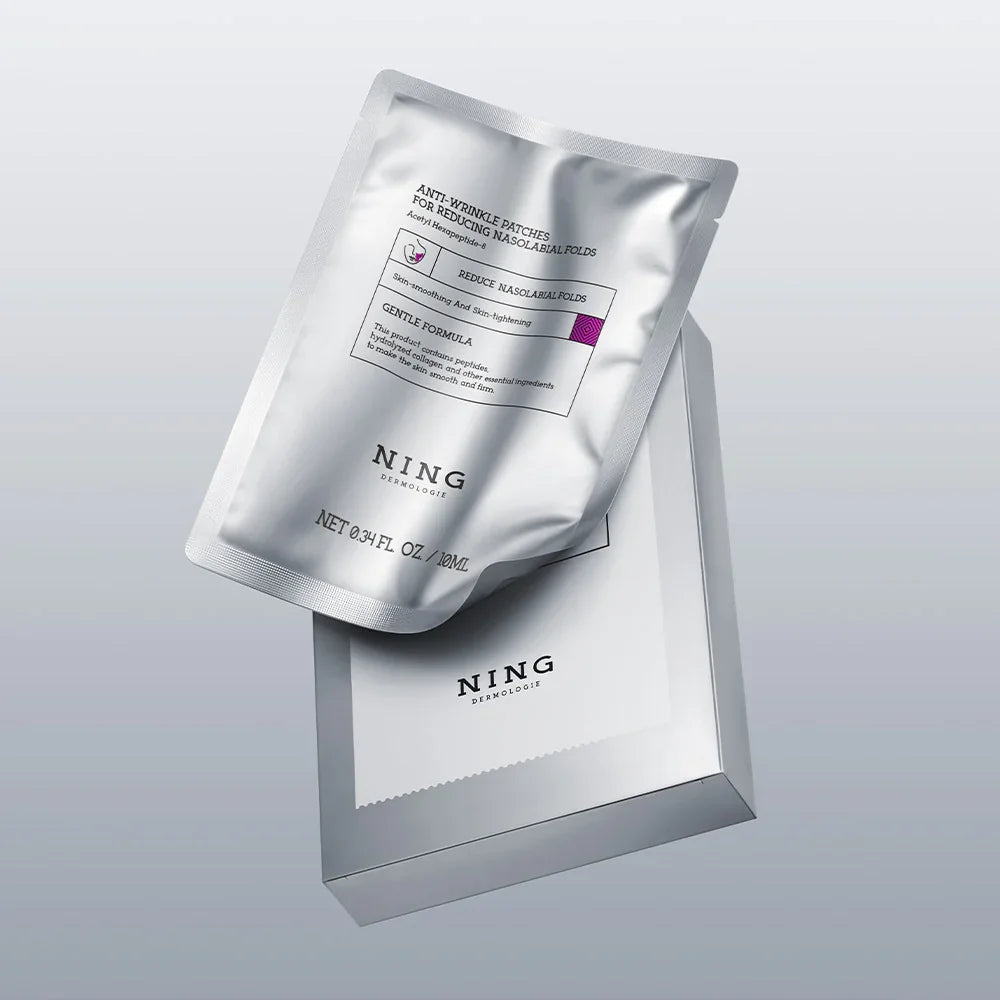
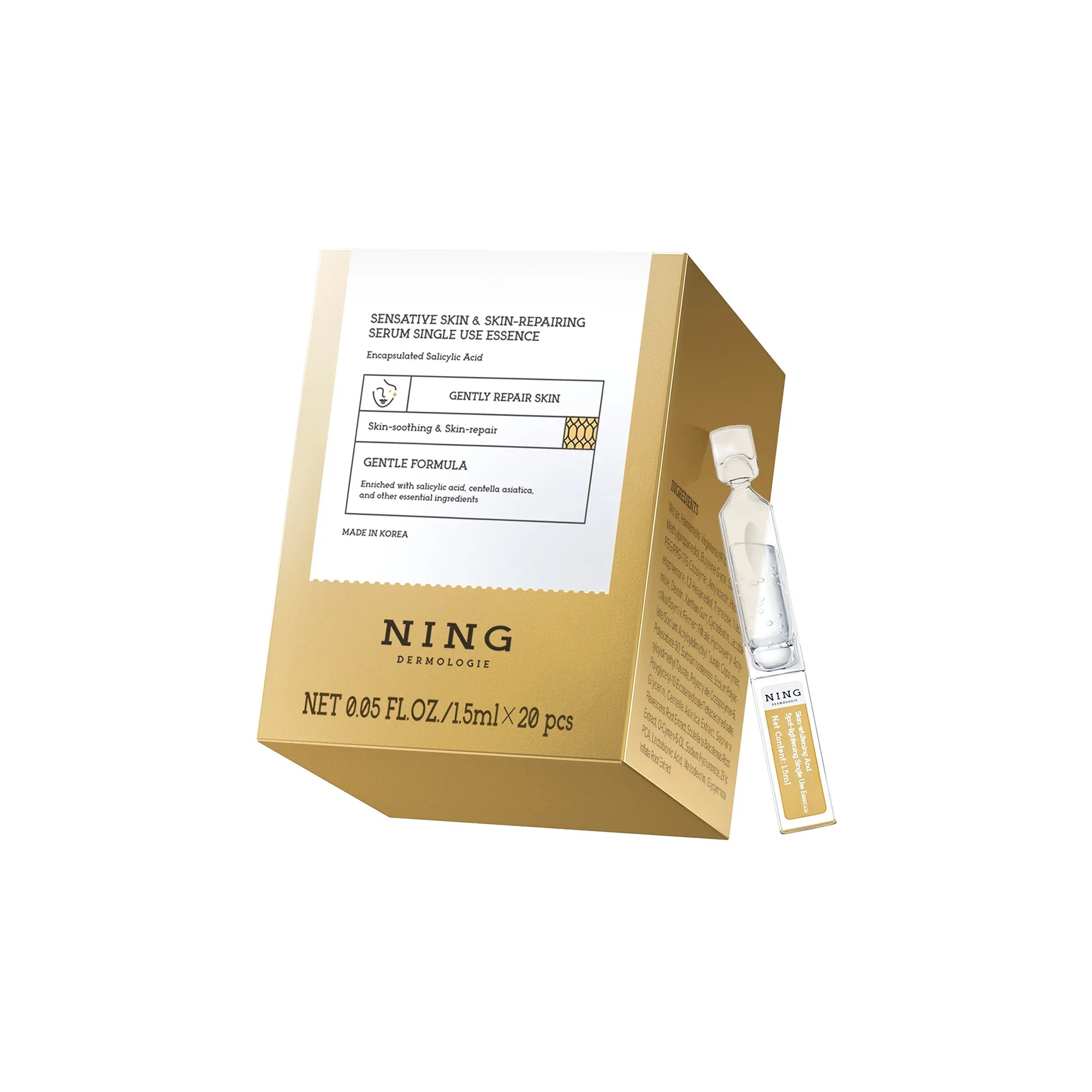
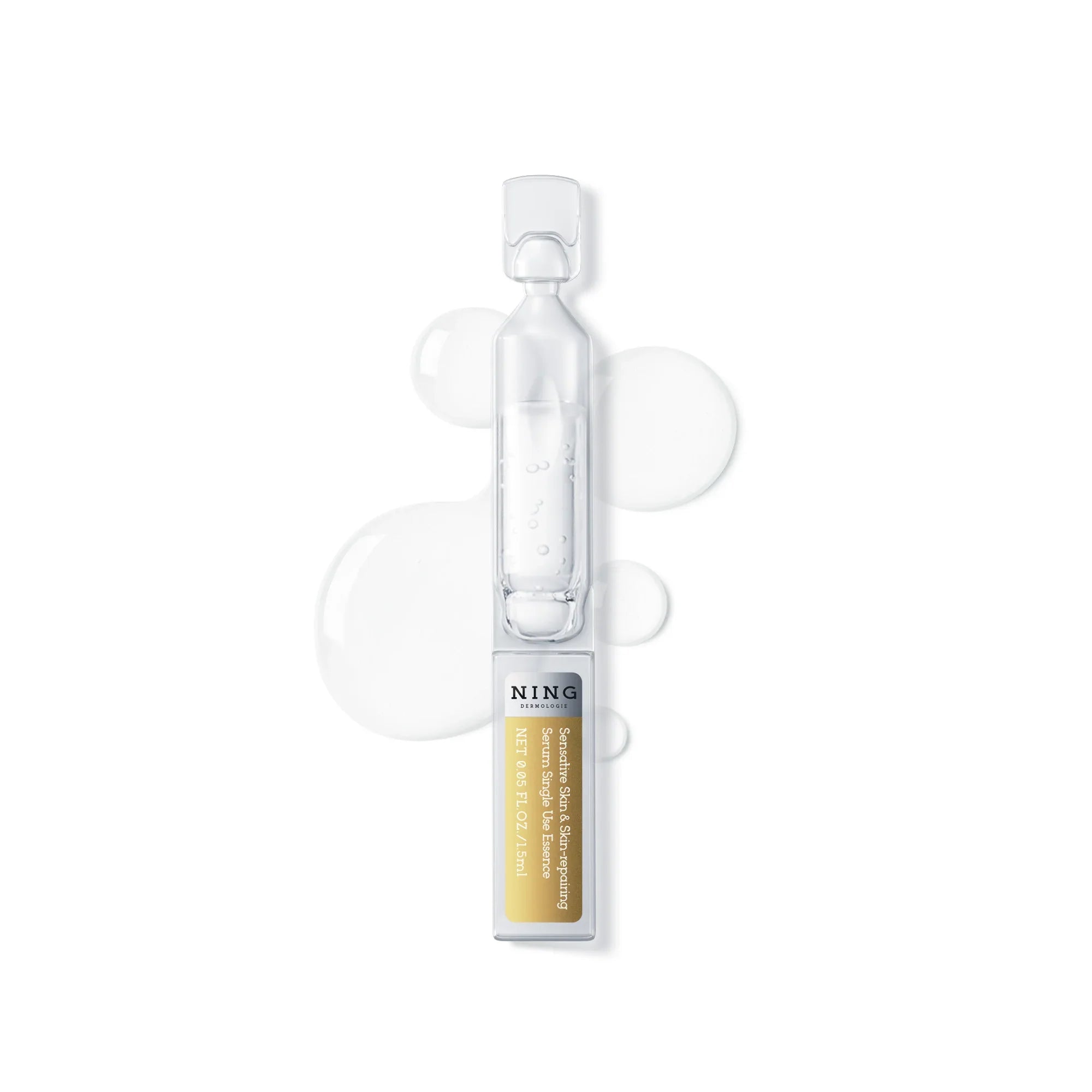
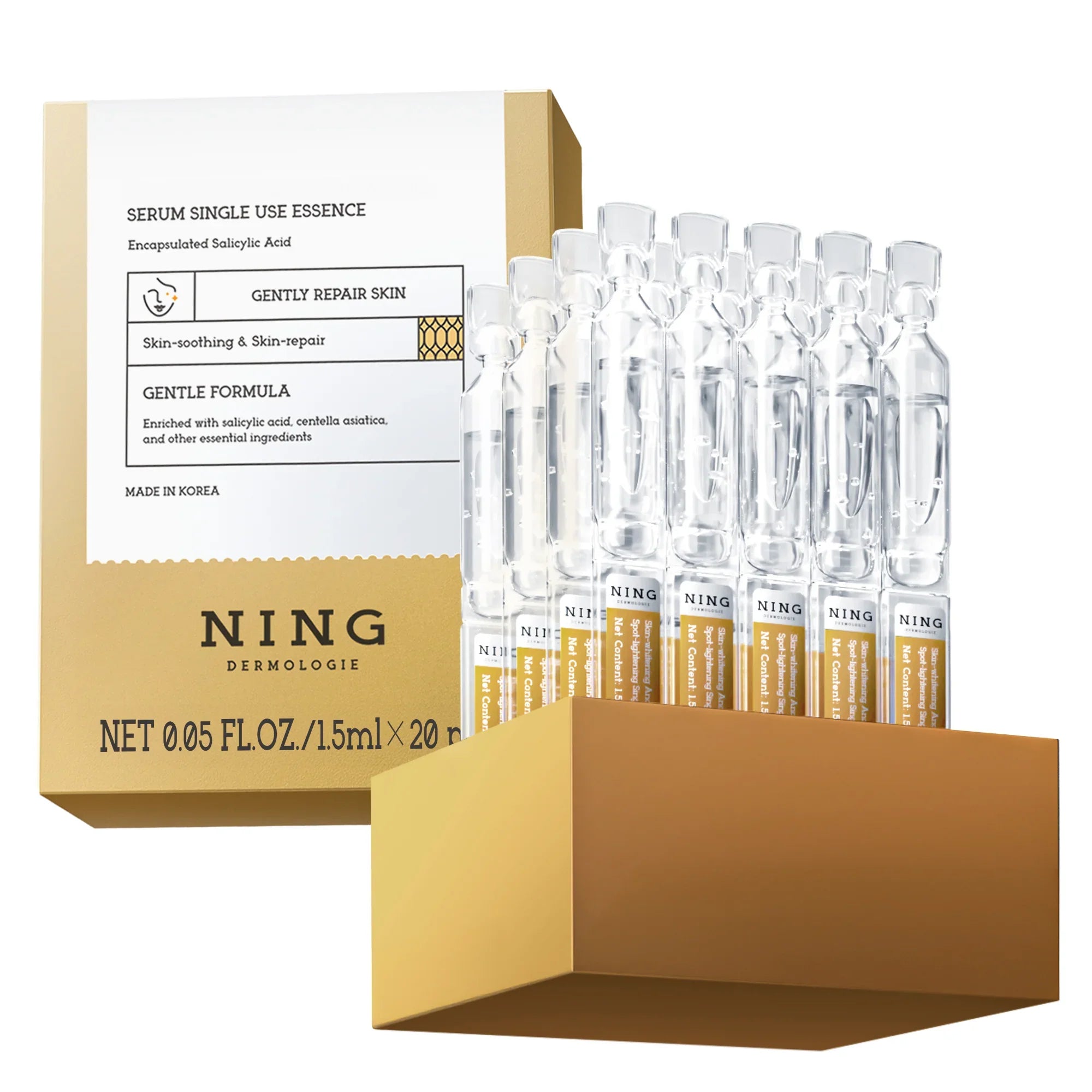
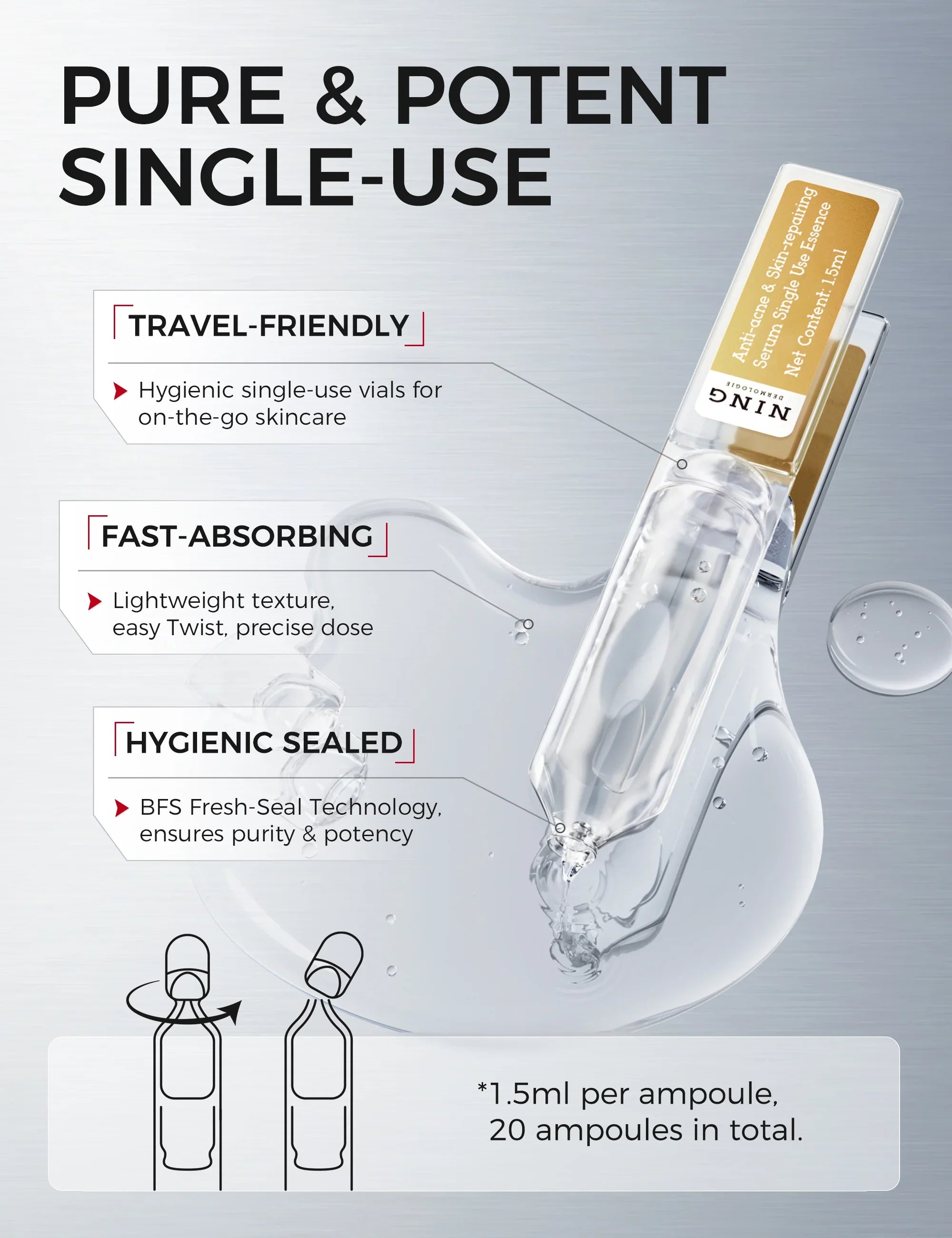
The Standout: NING Dermologie Lifting & Tightening Eye Essence
As a reviewer, I am notoriously hard to please. I don't care about a brand’s promoted or publicized celebrity endorsements. I care about the ingredient deck and the User experience.
Recently, the NING Dermologie Lifting & Tightening Eye Essence caught my attention, and it has genuinely earned its spot on my vanity.
Unlike the massive corporate brands that spend their Beauty Pie budgets on flashy marketing campaigns rivaling the budget of Avengers: Endgame or Captain America: Civil War, NING Dermologie clearly invested their capital into the formulation. This essence is brilliant because it tackles the structural issues of aging skin rather than just masking them.
The texture is an absolute dream—it absorbs instantly without leaving that tacky, sticky residue that ruins concealer. It actively works to firm the skin around the orbital bone, providing a noticeable lift over time without irritating the eyes. It feels like you have a team of digital employees working overnight to repair your skin barrier. If you are tired of the endless cycle of trial and error, this is the exact targeted treatment you should be looking at. It delivers the kind of relentless, undeniable results you'd expect from a classic Al Pacino performance in his prime.
Final Thoughts
We are living in an era of rapid advancement, from green energy and solar energy to electric vehicles and spatial computing. Yet, finding a reliable skincare product still feels like navigating The Matrix.
Stop falling for the hype. Stick to proven ingredients, layer them correctly, and give them the time they need to work. Good skincare isn't a media reportage stunt; it's a daily commitment to your skin's health.

Frequently Asked Questions (FAQ)
Can I use my regular face moisturizer instead of an eye serum?
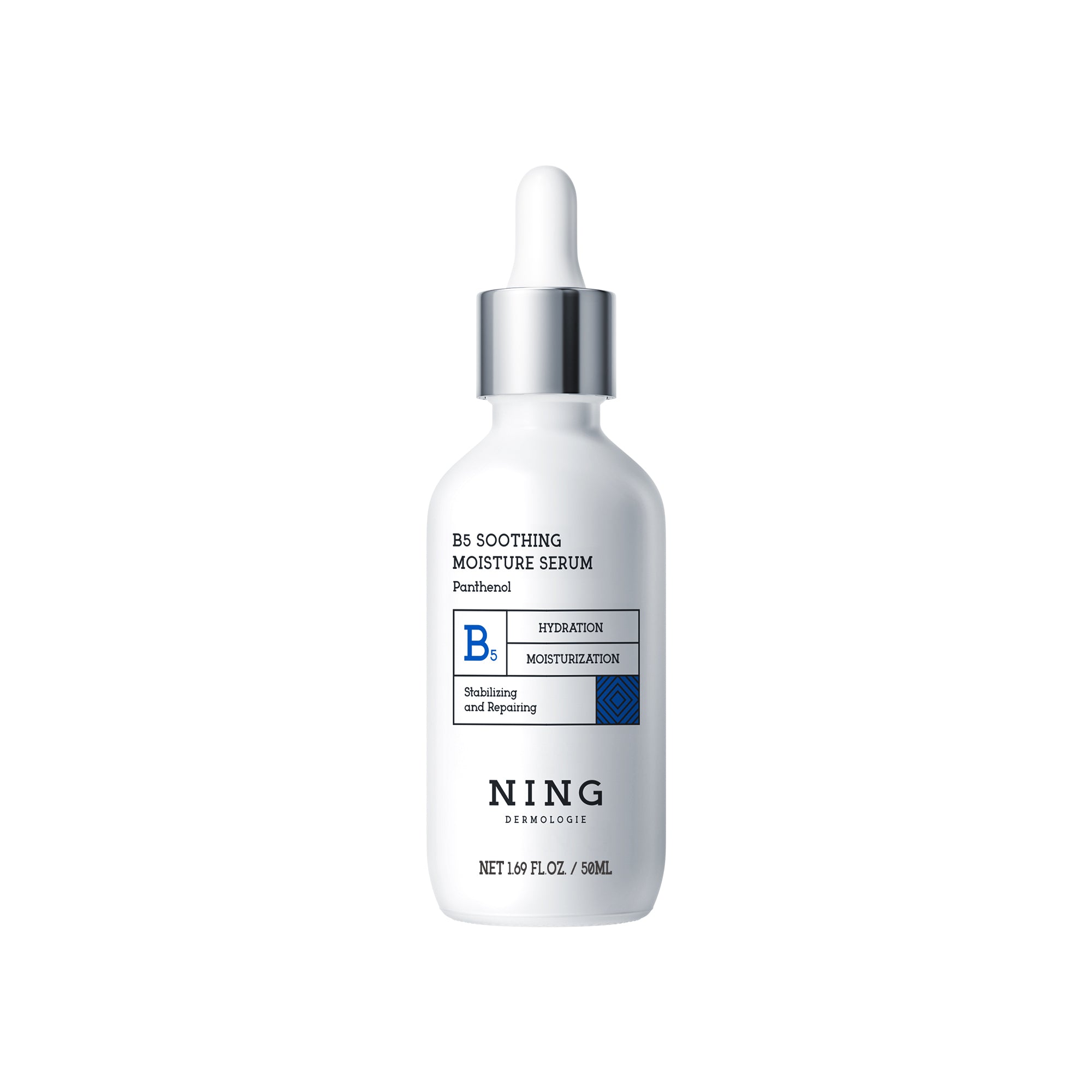
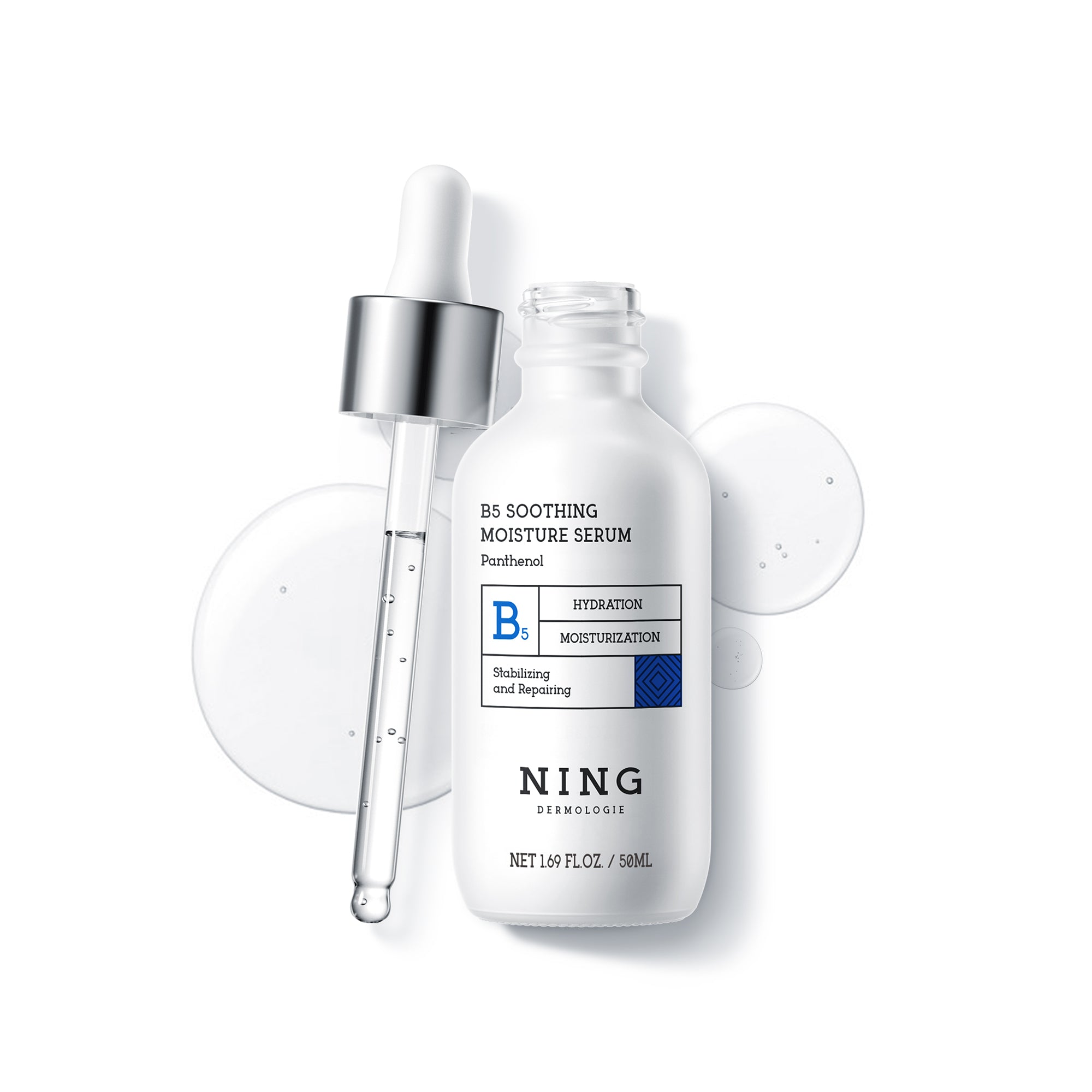
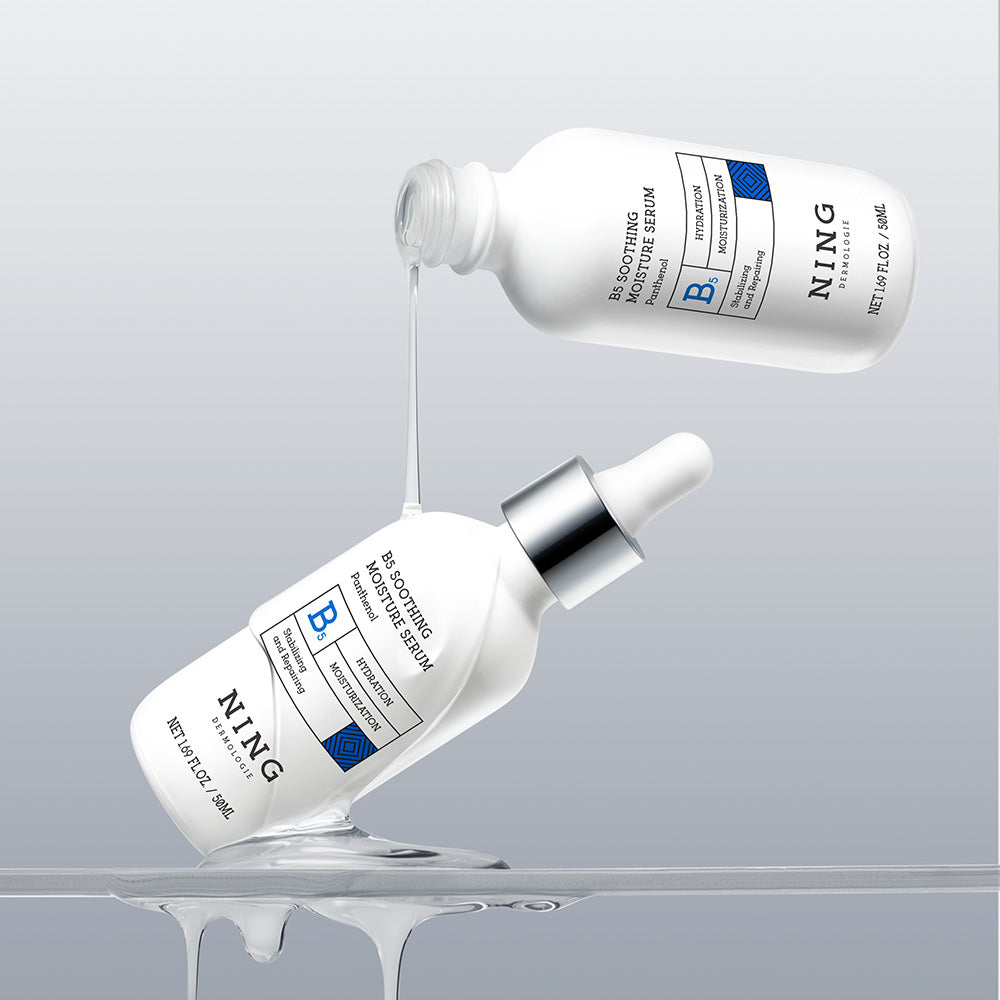
Face creams are often formulated with heavier oils that can cause milia (tiny white bumps) under the eyes. Eye serums, like the NING Dermologie essence, have smaller molecular structures designed specifically for the thinner, delicate orbital area to penetrate without clogging pores.
How long before I see actual results from an eye serum?
Ignore the marketing hype. While hyaluronic acid provides immediate surface plumping, true structural changes from peptides or vitamin C take a minimum of 4 to 6 weeks of consistent daily use. Patience is mandatory; there are no overnight miracles in real skincare.
Should I apply eye serum before or after my retinol?
Always apply your eye serum first. Creating a protective layer with a hydrating eye essence before applying strong actives like retinol helps prevent the harsh ingredients from migrating to the highly sensitive skin near your lash line, preventing unnecessary redness and peeling.
Why does my concealer pill and flake after using an eye serum?
You are either using too much product or not waiting long enough. Use only a rice-sized amount per eye, and wait at least two full minutes for it to dry down completely before applying makeup. Silicone-heavy concealers can also clash with water-based serums.
Does keeping my eye serum in the fridge make it work better?
Cold temperatures do not change the chemical efficacy of the active ingredients. However, applying a chilled serum physically constricts blood vessels, which provides an excellent, temporary reduction in morning puffiness and under-eye bags. It's a great habit for tired eyes.





Share:
Best Facial Sunscreen Under Makeup: No Pilling, No Grease, Long-Lasting Finish
Best Eye Serum for Sensitive Eyes: Gentle Formulas That Won’t Sting